

FibroGen Secures $150M Loan as Roxadustat Faces Patent Expiry and FDA Rejection

FibroGen
Developer of Oral Small Molecule Inhibitors
Recently, FibroGen secured a non-dilutive term loan from Morgan Stanley Tactical Value (MSTV), an investment fund of Morgan Stanley. This will provide the company with $150 million in funding.
FibroGen was founded in 1993, focusing primarily on biological research and innovative drug development related to connective tissue growth factor (CTGF) and hypoxia-inducible factor (HIF). On November 21, 2014, FibroGen went public on the NASDAQ. As of May 25, FibroGen’s market capitalization stood at $1.657 billion.
In 2018, its originator product, Roxadustat, as the world’s first innovative drug for renal anemia, was launched in China.It was subsequently approved for marketing in Japan, the European Union, the United Kingdom, and other regions.However, to this day, the FDA continues to reject its application for market approval in the United States.
Renal anemia is a common clinical complication in patients with chronic kidney disease (CKD), primarily caused by insufficient erythropoietin (EPO) production or reduced erythroid response to EPO. Patients with long-standing renal anemia may present with nonspecific systemic symptoms, such as cold intolerance, fatigue, somnolence, anorexia, muscle weakness, decreased functional capacity, difficulty concentrating, decline in memory and cognitive function, dyspnea at rest or during exertion, palpitations, and angina pectoris. Effective management of renal anemia is an integral component of comprehensive CKD care.
Traditional treatment involves supplementing with erythropoiesis-stimulating agents (ESAs), along with iron therapy, to address absolute or relative EPO deficiency in patients with chronic kidney disease (CKD). However, as research has progressed in recent years, the drawbacks of ESA therapy have become increasingly apparent:
1-ESAs have stringent storage requirements and typically require parenteral administration, such as subcutaneous injection or intravenous infusion, resulting in low patient compliance.
2. Iron deficiency should be absent during ESA therapy; therefore, clinical monitoring of iron metabolism indicators is required, and iron supplementation is necessary if levels are inadequate.
3. A significant increase in hemoglobin levels or the use of high-dose ESAs will increase the risk of cardiovascular events and tumor progression.
4- Some patients exhibit hyporesponsiveness to ESAs, resulting in a low rate of achieving treatment targets.
The development of hypoxia-inducible factor prolyl hydroxylase (HIF-PH) inhibitors has revolutionized this treatment regimen.
Enhance Endogenous EPO and Improve Iron Absorption and Utilization
In the early 1990s, scientists discovered that cells could regulate HIF by sensing oxygen concentrations to respond to changes in the body's oxygen levels. This marked the beginning of the research on "cellular sensors and mechanisms for oxygen sensing," which was awarded the 2019 Nobel Prize in Physiology or Medicine. As a new favorite for the Nobel Prize, HIF has received significant attention, particularly as a therapeutic target for anemia and cancer.
The HIF structure comprises HIF-1α and HIF-1β. HIF-1α plays a predominant role, regulating the transcription of more than 40 genes, including erythropoietin (EPO). Under hypoxic conditions, the activity of HIF prolyl hydroxylase (HIF-PH) is inhibited, leading to an accumulation of HIF and enabling the body to adapt to hypoxia. However, under normoxic conditions, HIF-PH promotes the degradation of HIF, thereby abolishing its biological function. Consequently, HIF-PH inhibitors have been developed.
Inhibitors suppress the activity of HIF-PH enzymes, thereby increasing HIF levels. HIF-1α and HIF-1β bind within the nucleus to specific DNA sequences, inducing the expression of corresponding target genes. This leads to a moderate increase in EPO production and enhanced EPO receptor activity. Furthermore, this gene expression profile promotes intestinal iron absorption and improves systemic iron utilization, collectively exerting an anti-anemic effect through multiple pathways.
HIF-PH inhibitors not only meet the needs of patients who are allergic or hyporesponsive to ESAs, but also eliminate the need for additional iron supplementation. This is because HIF-PH inhibitors do not directly administer or activate EPO, but ratherTreating renal anemia by modulating HIF gene expression to autonomously regulate EPO levels, enhance iron utilization, and reduce hepcidin, thereby promoting coordinated erythropoiesis.
Roxadustat is an oral small-molecule HIF-PH inhibitor. In multiple subtypes of patients with anemia associated with chronic kidney disease (CKD), the use of roxadustat maintains plasma erythropoietin (EPO) levels within or close to the normal physiological range.
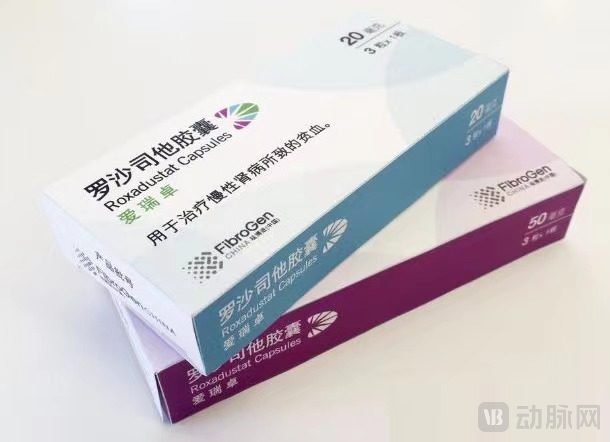
Actual Photos of Roxadustat
Image source: Internet
Controversial Cardiovascular Risks Lead to FDA Rejection of Market Approval
At the time of its launch, roxadustat’s primary advantage lay in its superior cardiac safety profile compared with erythropoiesis-stimulating agents (ESAs). Due to cardiovascular risks, ESAs are contraindicated for the treatment of non-dialysis patients. This means that the broad population of patients with anemia associated with chronic kidney disease (CKD) who are not on dialysis may become the target population for roxadustat.
In April 2021, FibroGen issued a data clarification statement, acknowledging that it had modified the parameters for cardiac safety data of roxadustat. Based on the unblinded data, changes in trial stratification factors led to a reduction in the relative risk results for roxadustat in the original data. The new data indicate that roxadustat may not be superior to the third-generation long-acting recombinant human erythropoietin (rhEPO) darbepoetin alfa in reducing the risk of adverse cardiovascular events.
According to FibroGen’s CEO, the new data do not alter the conclusion of roxadustat’s non-inferiority, but it can no longer be claimed to be safer than EPO in non-dialysis patients.
ButThe ripple effects of data alterations and inaccurate results continue to impact FibroGen.
On that day, FibroGen’s stock price plummeted by 43%.
Three months later, the FDA’s Cardiovascular and Renal Drugs Advisory Committee (CRDAD) voted 13–1 against approving the treatment for anemia in non-dialysis-dependent chronic kidney disease (CKD) patients and 12–2 against approving it for anemia in dialysis-dependent CKD patients. In August, the FDA issued a complete response letter stating that it would not approve the current New Drug Application unless roxadustat completed a new safety clinical trial.Roxadustat’s U.S. Market Debut Marks Its First Failure.
In the fourth quarter, U.S. Securities and Exchange Commission (SEC) filings revealed that FibroGen became involved in securities class-action and derivative lawsuits concerning clinical trial data for roxadustat. The SEC issued subpoenas requiring the company to produce documents related to cardiovascular safety data.
Exploring Alternative Listing Pathways; Other Anemia Indications Enter Phase III Clinical Trials
In addition to its application in anemia caused by chronic kidney disease (CKD), roxadustat is being developed for the treatment of chemotherapy-induced anemia (CIA) and anemia associated with myelodysplastic syndromes (MDS).
Chemotherapy-induced anemia (CIA) is one of the common side effects of chemotherapy, which is often overlooked during treatment and will have a long-term adverse impact on patient prognosis. In the United States, approximately 650,000 cancer patients receive chemotherapy each year. It is estimated that 30% to 90% of them will develop CIA.
In the Phase II clinical trial results published in 2021, roxadustat achieved the maximum change in hemoglobin (Hb) levels without the need for red blood cell transfusions within 16 weeks, and demonstrated good overall tolerability. The experimental results indicated that roxadustat increased Hb levels in patients with chemotherapy-induced anemia (CIA), regardless of tumor type or chemotherapy regimen.Currently, the Phase III clinical trials for this indication in China have yielded positive results. A marketing authorization application for the treatment of CIA is planned.
Myelodysplastic syndromes (MDS) are a heterogeneous group of clonal myeloid disorders originating from hematopoietic stem cells, characterized by dysplasia of myeloid cells, ineffective hematopoiesis, refractory cytopenias, and a high risk of transformation to acute myeloid leukemia. Anemia in patients with MDS can lead to cardiovascular complications, exacerbation of comorbidities, increased mortality risk, severe cognitive impairment, and reduced quality of life. A significant proportion of patients with MDS lack adequate anemia treatment and often rely on long-term, repeated blood transfusions, highlighting a substantial unmet medical need.
But on May 8,Phase III Clinical Study for MDS Anemia Indication Fails to Meet Primary Efficacy Endpoint.Although roxadustat demonstrated superior performance to the placebo group in numerical terms, 47.5% of patients in the roxadustat group achieved transfusion independence (defined as no need for transfusion for at least 56 consecutive days) during the 28-week study period, compared with 33.3% in the placebo group.
Previously, the indication for MDS-related anemia was regarded as a last-ditch effort to secure U.S. market approval for roxadustat.This failure could also put the U.S. partnership between FibroGen and AstraZeneca at risk of collapse.
In 2013, AstraZeneca (AZN) entered into a deal worth up to $1.6 billion with FibroGen to obtain the rights to roxadustat in the United States and China. Earlier, Astellas had acquired the rights to roxadustat for Japan, Europe, and the Middle East for $917.6 million.
According to available information, following its approval and launch in China, FibroGen China is responsible for the manufacturing management, medical affairs, and drug distribution of roxadustat, while AstraZeneca China handles its market launch and commercialization activities.
While fully opening up the collaboration on Roxadustat,FibroGen retains full rights to its other complete pipeline—the anti-connective tissue growth factor antibody FG-3019 (pamrevlumab).This is a drug pipeline applicable to the treatment of rare diseases and cancer. Clearly, as early as its market launch, FibroGen had reserved an alternative pathway for itself.
In the foreseeable future, it aims to achieve independence.
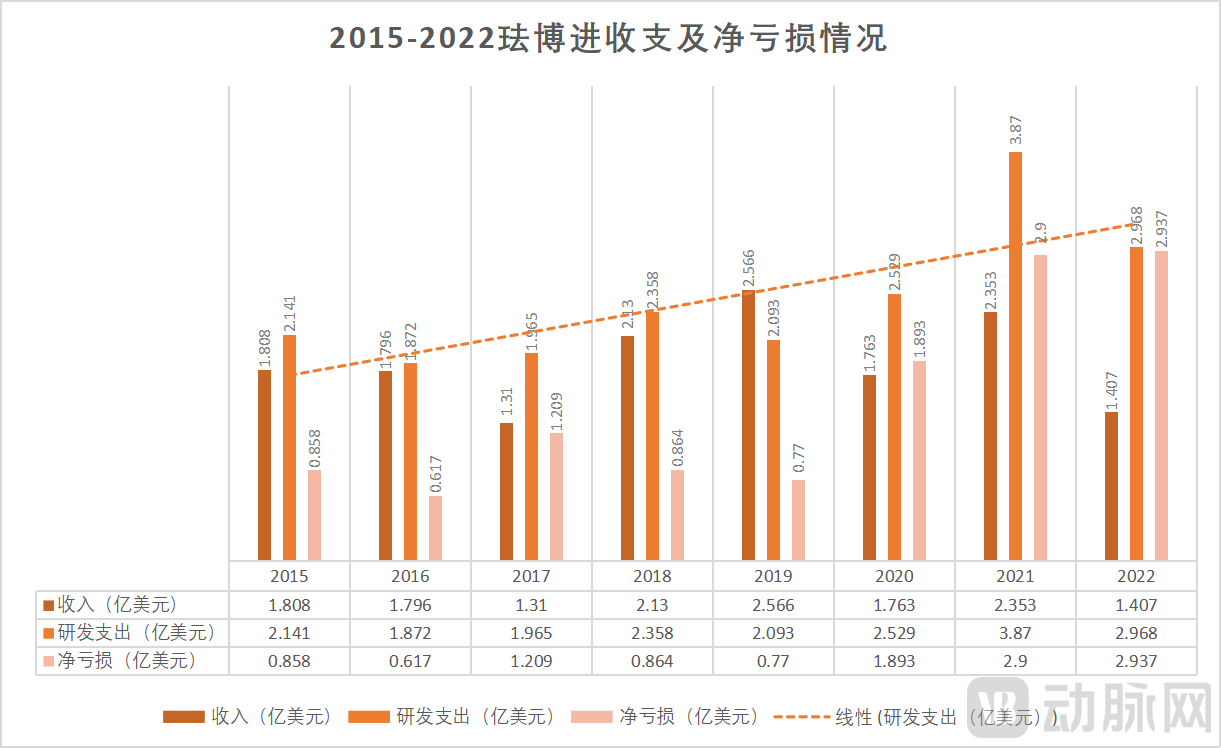
Note: The distribution entity jointly owned by AstraZeneca and FibroGen is not consolidated into FibroGen’s financial statements.
Data source: FibroGen financial report
Graphic: VCBeat
FibroGen’s Path to Independence Is Not Just Talk. Financial reports show that FibroGen remains in a net loss position annually. Meanwhile, it maintains an average annual revenue of 190 million yuan.
Corresponding to the high net loss is its rising R&D expenditure. From 2015 to 2022, the average annual proportion of R&D expenditure to total expenditure reached 73.56%.Even though roxadustat has been launched in multiple major global markets, FibroGen’s R&D expenditures remain high.
The high R&D expenditure underscores FibroGen’s strong resolve to operate independently.
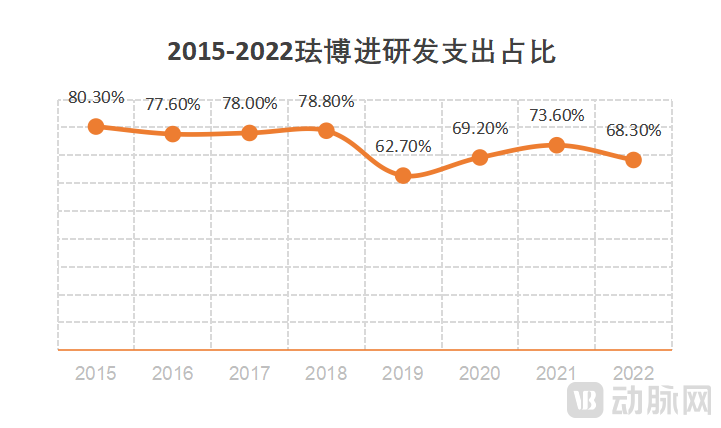
Source: FibroGen Financial Report
Graphic: VCBeat
The desire for independence is, in essence, FibroGen’s aspiration to usher in new growth drivers.
Pamrevlumab itself is also a highly promising rare disease drug pipeline.In 2019, the FDA granted Orphan Drug Designation, and in 2021, it granted Fast Track Designation.The $150 million loan financing completed in this round will also be primarily used for the Phase III clinical trial readouts and commercialization advancement of pamrevlumab.
Pamrevlumab is a first-in-class CTGF inhibitor, an antibody drug that inhibits connective tissue growth factor (CTGF).This drug treats idiopathic pulmonary fibrosis (IPF), locally advanced unresectable pancreatic cancer (LAPC), and Duchenne muscular dystrophy (DMD) by inhibiting CTGF activity. Clinical development programs for all indications have currently entered Phase III, with top-line data expected to be announced in 2023–2024.
CTGF is a pro-inflammatory protein that promotes wound healing and fibrosis (scarring), exerting effects such as promoting the proliferation, migration, and differentiation of fibroblasts. CTGF is a common factor in fibrotic and proliferative diseases. These diseases are characterized by persistent and excessive scar formation, which can lead to dysfunction and failure of systemic organ systems. Currently, there are few effective treatment options for these diseases.
Pamrevlumab is a fully human immunoglobulin G1 (IgG1) subtype antibody. Administered directly into the bloodstream, pamrevlumab blocks connective tissue growth factor (CTGF), with the potential to inhibit muscle fibrosis, thereby preventing the decline of motor, pulmonary, and cardiac function in patients and improving their clinical condition.
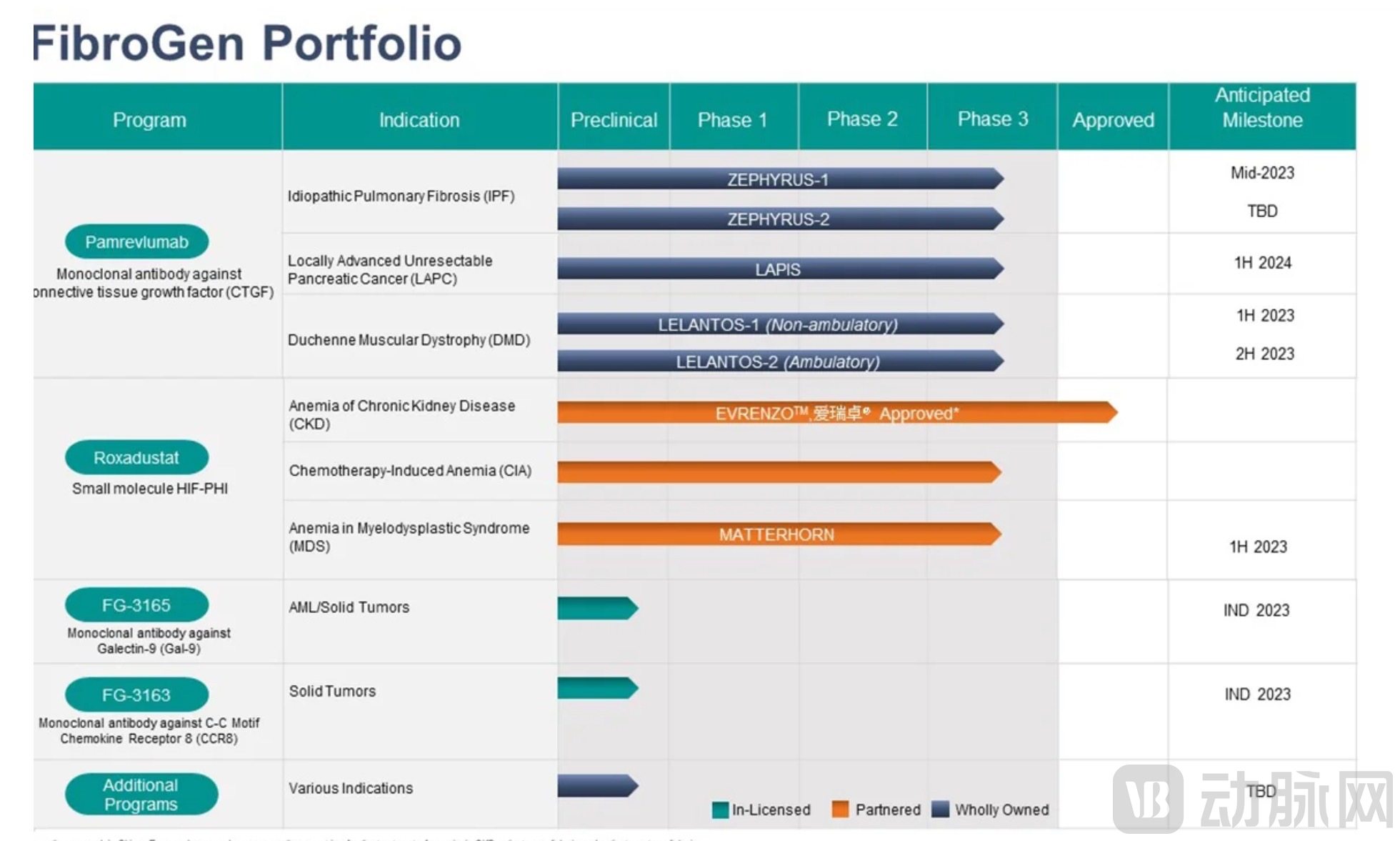
FibroGen Drug Pipeline
Image source: FibroGen official website
In addition to pamrevlumab, FibroGen’s preclinical pipeline continues to advance. In 2023, FibroGen expects to submit up to two Investigational New Drug (IND) applications, for FG-3165 (an anti-Gal9 antibody) and FG-3163 (an anti-CCR8 antibody). Both are antibody therapeutics focused on cancer immunotherapy.
August 2019,NMPA Approves New Indication for Roxadustat: Anemia in Non-Dialysis-Dependent CKD Patients.This approval significantly expands the eligible patient population for roxadustat.By the end of the same year, roxadustat was included in Category B of the National Reimbursement Drug List, with the price of the 50 mg specification reduced from RMB 166.00 per capsule to RMB 95.50 per capsule.
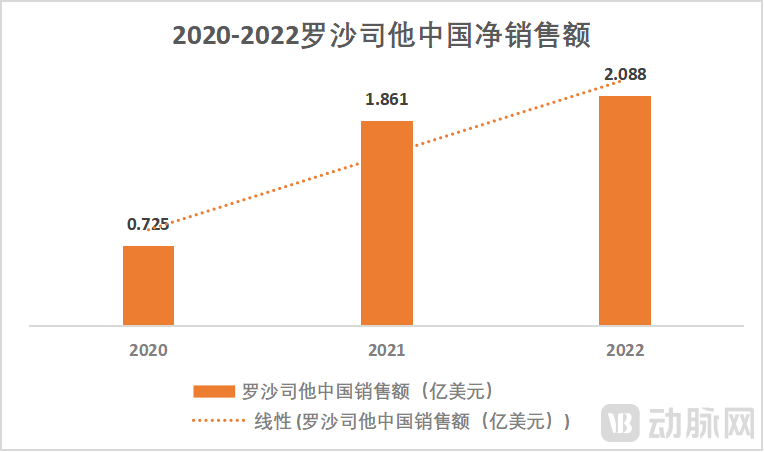
Note: Total net sales of roxadustat include sales by distribution entities and direct sales by FibroGen China.
Source: FibroGen Financial Report
Graphic: VCBeat
The dual-market markup has significantly boosted the drug sales of roxadustat. From 2020 to 2021, sales increased by 157%, and the upward trend has continued each year.Roxadustat has ranked first in the Chinese CKD anemia market by value share for two consecutive years.
In addition, the Phase III clinical trial of roxadustat for the indication of chronic kidney disease-associated anemia (CIA) has completed registration in China. The global Phase III trial of pamrevlumab has also established three sites in China: Peking Union Medical College Hospital, West China Second University Hospital of Sichuan University, and Chongqing Children’s Hospital. This clinical trial targets ambulatory patients with Duchenne muscular dystrophy to evaluate the efficacy and safety of pamrevlumab. Patient enrollment has been completed.
China is not only FibroGen’s primary sales market and a potential market for its new drugs, but also the incubation ground for its partner companies.
In 2021, Eluminex Biosciences, based in Suzhou, China, entered into a licensing agreement with FibroGen to obtain exclusive global rights for the development and commercialization of FibroGen’s biosynthetic corneal product. Derived from recombinant human type III collagen, this biosynthetic corneal product is intended for the treatment of blindness caused by corneal diseases and is currently in clinical development. The upfront and milestone payments associated with this collaboration amount to up to $108 million.
According to the CDE Patent Registration Platform,Roxadustat’s compound patent in China expired in June 2024, and its crystal form patent will expire in 2033.In August 2022, the Reexamination and Invalidation Department of the China National Intellectual Property Administration (CNIPA) ruled that all patent rights for the crystal form of roxadustat were invalid.This invalidation decision will advance the market launch of the generic drug by nine years, with the earliest possible launch in 2024.
The Insight database shows that 15 pharmaceutical companies have initiated bioequivalence (BE) trials for roxadustat to date.In late May, the Center for Drug Evaluation (CDE) publicly announced the acceptance of eight marketing applications for generic roxadustat, including those from Nanjing Chia Tai Tianqing, Wanbang Pharma, Shanxiang Pharmaceutical, and Chengdu Better.
In the global market, HIF-PHI inhibitors have entered the late stages of new drug development, with intensifying competition. Vadadustat, Enarodustat, Duvroq (daprodustat), and Oxemia™ (desidustat) have all been approved for marketing.
In 2020, enarodustat from Japan Tobacco Inc. (JT) was approved for marketing in Japan, with indications for the treatment of renal anemia in non-dialysis, peritoneal dialysis, and hemodialysis patients. Salubris obtained the exclusive license rights for enarodustat in China.In 2022, the New Drug Application (NDA) for Enarodustat was accepted by the National Medical Products Administration (NMPA), positioning it to potentially become the second HIF-PHI drug in China.
Otsuka Pharmaceutical’s vadadustat was launched in Japan in 2020. Desidustat was launched in India in 2022 and is currently in Phase III clinical trials in China. In February 2023, the FDA approved GlaxoSmithKline’s daprodustat for the treatment of anemia in adult patients with chronic kidney disease (CKD) who have been undergoing dialysis for at least four months.Daprodustat becomes the first HIF-PHI drug approved for marketing in the United States.
The arena for chronic kidney disease-associated anemia is becoming increasingly crowded, but FibroGen is gradually stepping into the background to focus more on new R&D pipelines.
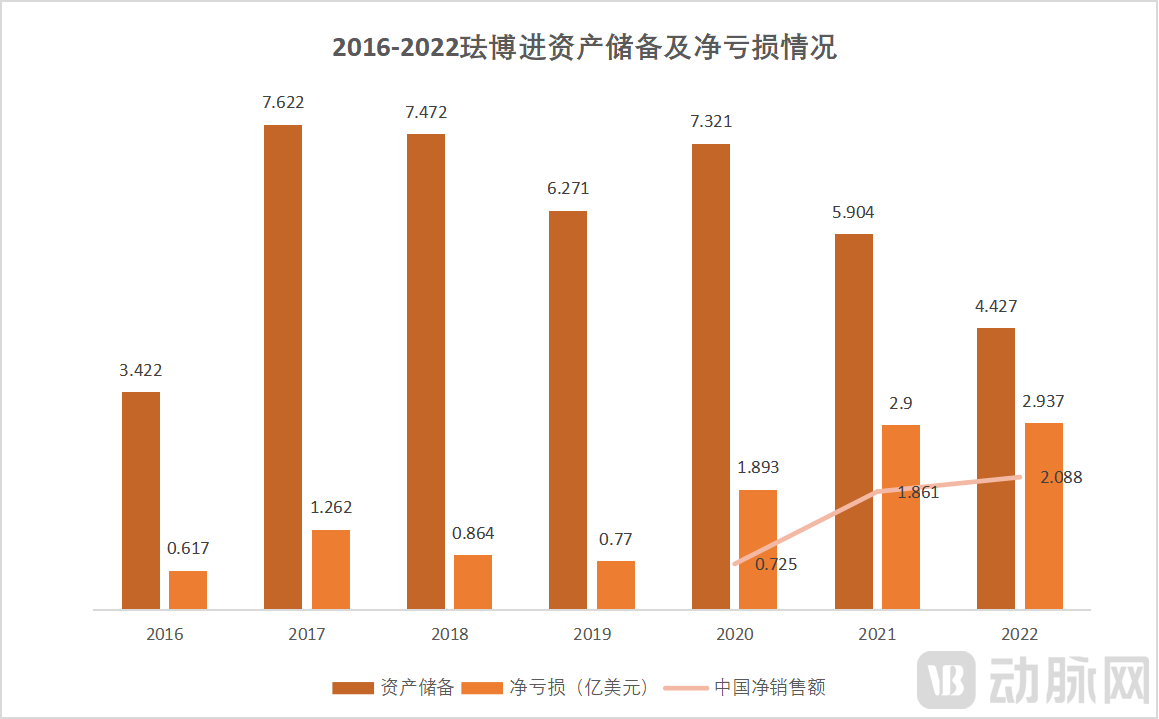
Data Source: FibroGen Financial Report
Graphic: VCBeat
The cost of independence is high.
Although Roxadustat’s sales in China have shown a year-on-year upward trend, FibroGen’s net loss has also increased annually. This is ultimately attributable to its R&D expenditure accounting for an average of 73.56% of total spending.
Being an independent originator pharmaceutical company may well be the fundamental reason why FibroGen has endured for 20 years in the highly competitive innovative drug sector.