To date, pathological diagnosis is still regarded as the most reliable method for disease diagnosis and is hailed as the gold standard. How to improve the operational efficiency of pathology departments, ensure and even enhance the value of pathological diagnoses, meet the growing diagnostic demands of clinical practice, keep pace with the times, and fulfill the need for more precise disease diagnosis are practical and evolving issues that pathology departments must address. By 2021, dozens of pathology centers and laboratories worldwide had achieved comprehensive digitalization of diagnostics. Amid the surging wave of medical digitalization, domestic pathology departments in China must view digital construction as a “mandatory question” rather than an “optional one” as traditionally perceived. After extensive and in-depth research and a review of domestic and international literature, VCBeat has released the White Paper on the Construction of Digital Smart Pathology Departments, providing relatively comprehensive solutions for the digital and intelligent development of pathology departments. This initiative represents a beneficial exploration and attempt for the advancement of the pathology industry. The white paper serves not only as an annual record of the construction of digital smart pathology departments but also as an important platform consolidating the experiences of Chinese hospitals in building such facilities.Based on this, this white paper will focus on answering the following questions:1. The Importance of Pathology Departments, Current Development Challenges, and Future Breakthrough Strategies2. Definitions and Construction Value of Digital Pathology Departments, Smart Pathology Departments, and Digital-Smart Pathology Departments3. Guidelines for the Digital and Intelligent Transformation of Pathology Departments of Different Types in China4. How Pathology Departments Can Collaborate with Industry Stakeholders to Accelerate the Implementation of Digital and Smart Pathology Labs5. Introduction to the Successful Development Experience of Leading Pathology Departments in China6. Future Development Forms and Directions of Digital Smart Pathology Departments“White Paper on the Construction of Digital Smart Pathology Departments” comprises over 80,000 words in total. Due to WeChat’s character limits, the text and charts below are excerpts; therefore, the numbering is not sequential. Please scan the QR code to download the complete white paper. Compared to clinical laboratories and radiology departments, the level of automation in pathology departments in China is relatively weak. On one hand, pathology departments in China have limited equipment and a low level of automation.Compared with clinical laboratories and radiology departments, pathology departments have significantly fewer types and quantities of equipment. The multi-step nature of pathological workflows imposes high professional requirements on medical and technical staff, while the limited availability of automated equipment results in a lower overall level of automation in departmental operations.On the other hand, due to the low level of automation in pathology departments, diagnostic turnaround times are prolonged.Conventional pathological testing typically requires 3–5 days. For more complex or challenging cases, additional immunohistochemistry or molecular testing may be performed, extending the diagnostic turnaround time to 7–10 days. In contrast, most tests conducted by clinical laboratory and radiology departments can be completed within the same day. Over the past two years, driven by the growing demand for precision diagnosis and treatment, pathology departments have gained increasing recognition. Many tertiary hospitals (Grade III Class A) have established molecular pathology laboratories, thereby expanding the scale of their pathology departments.With the advancement of information technology, the emergence of digital solutions has brought new hope for standardizing pathology workflows. Digitizing physical slides enables pathologists to review specimens on monitors, thereby overcoming the temporal and spatial constraints associated with transmitting slides for consultations. Furthermore, digitalization facilitates paperless workflows and documentation, enhancing operational efficiency in pathology departments. Integrated digital systems electronicize recording and archiving processes, enabling end-to-end information traceability and optimizing subsequent archival management efficiency. The advent of artificial intelligence (AI) further strengthens quality control and diagnostic capabilities in pathology. First, AI assists pathologists in intelligent quality control by automatically detecting anomalies and errors in digital slide images, ensuring the accuracy and reliability of diagnostic results. Second, AI supports physicians in diagnosis by automating negative screening, thereby reducing their workload.
Guidelines for Building Digital Smart Pathology Departments: Tiered Development as the Core Principle
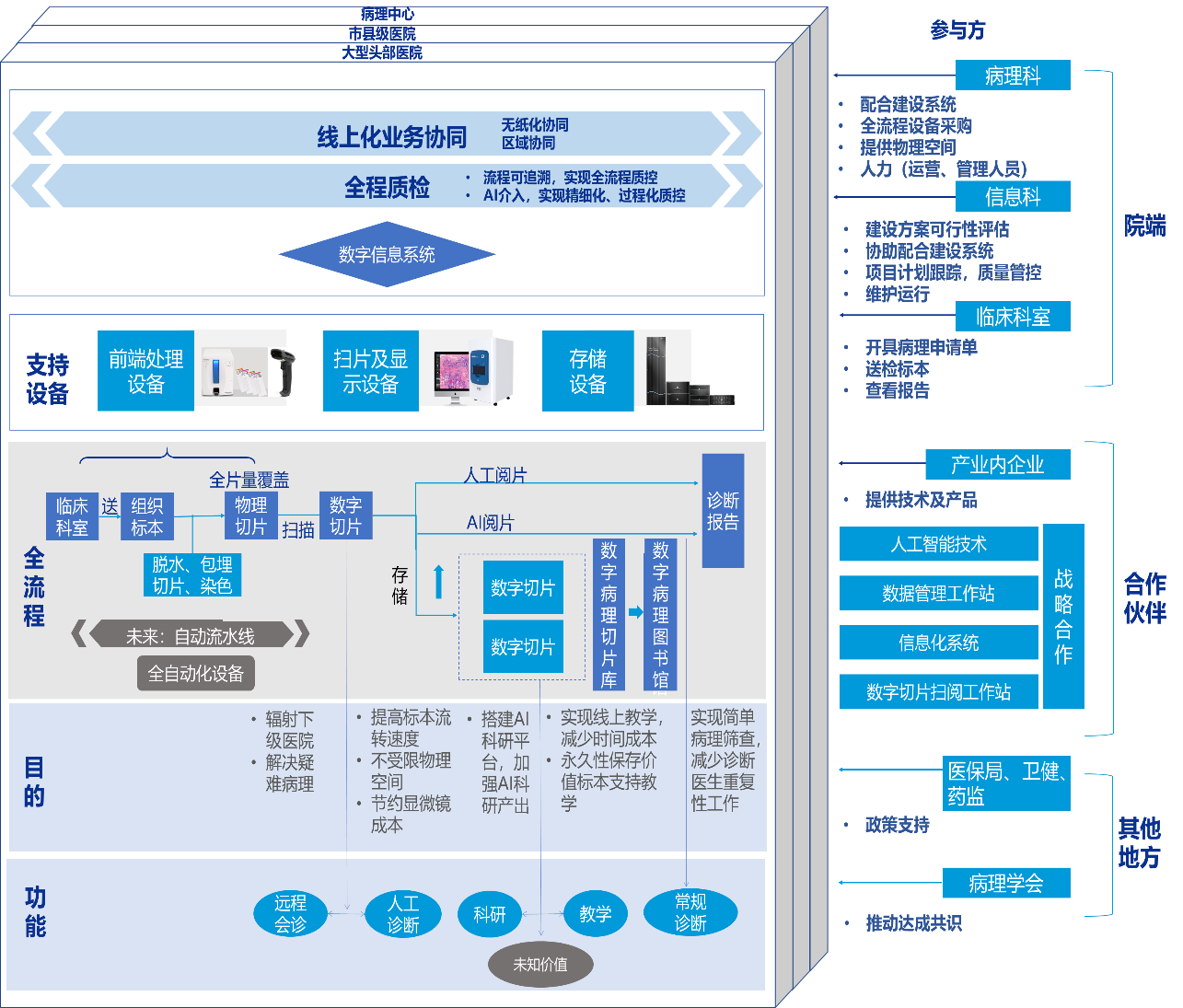
Digital pathology is an image-based dynamic environment capable of acquiring, managing, and interpreting pathological information generated from digitized slides. In layman's terms, it refers to the digital acquisition of pathological data through scanning technology (converting traditional physical pathology slides into high-resolution digital images), enabling physicians to perform pathological diagnoses and manage pathological data based on the information derived from these digital slides. Digital pathology represents a successful application of digital imaging technology (also known as computer imaging technology) in the field of pathology, encompassing both clinical and non-clinical applications. Clinical applications include routine pathological diagnosis using digital pathology images and telepathology. Non-clinical applications include scientific research and teaching.The construction of a digital smart pathology department includes the upgrading of work processes and the collaborative promotion of implementation by multiple parties.Panoramic View of Digital Smart Pathology Department Construction
Source: VCBeat
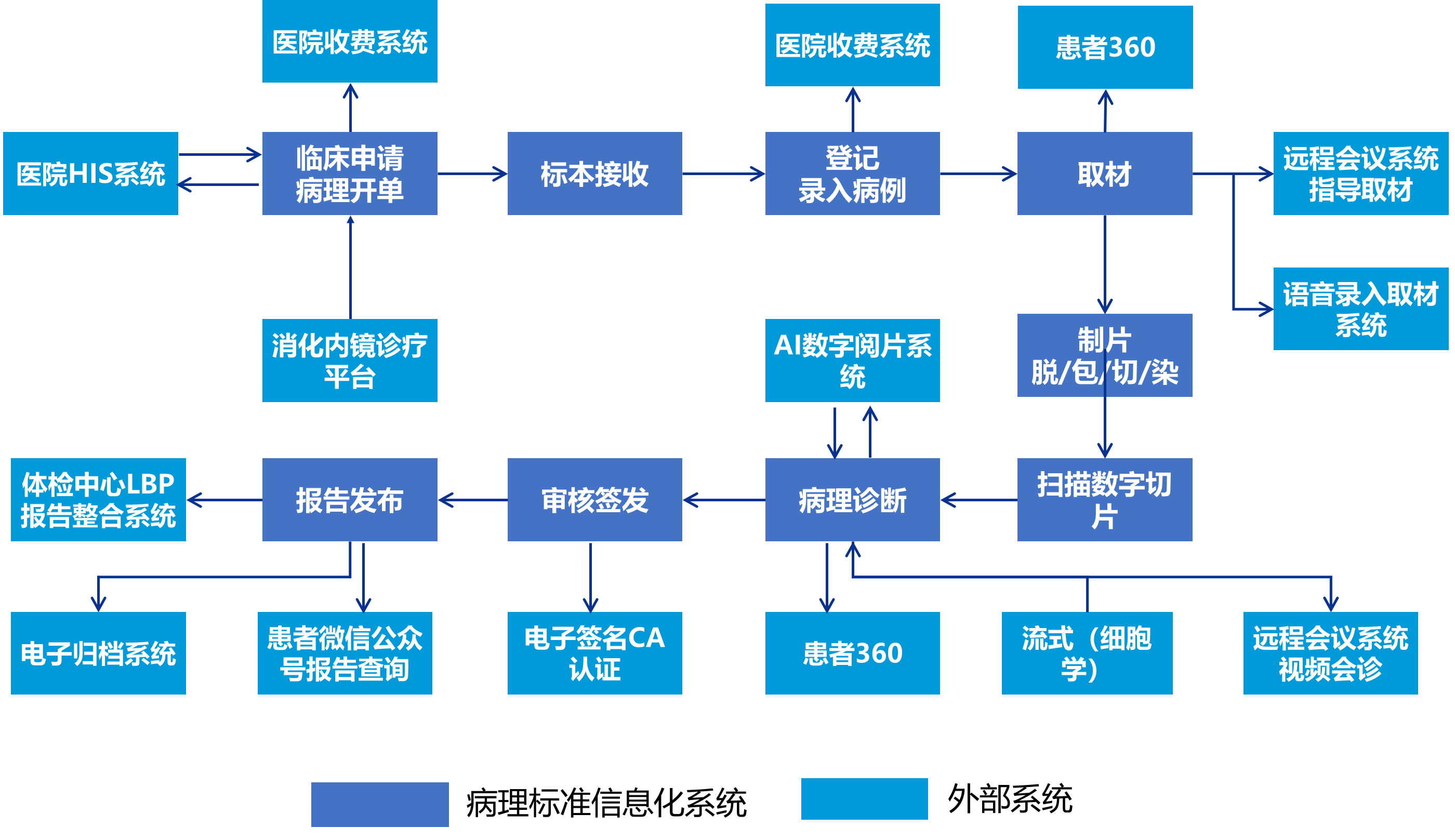
Prior to the implementation of digital workflows, traditional pathology departments primarily relied on manual operations and microscopic diagnosis for their daily operations. The emergence of digital pathology and artificial intelligence (AI) technologies has introduced an innovative paradigm to traditional pathology practices, primarily manifested in the following aspects.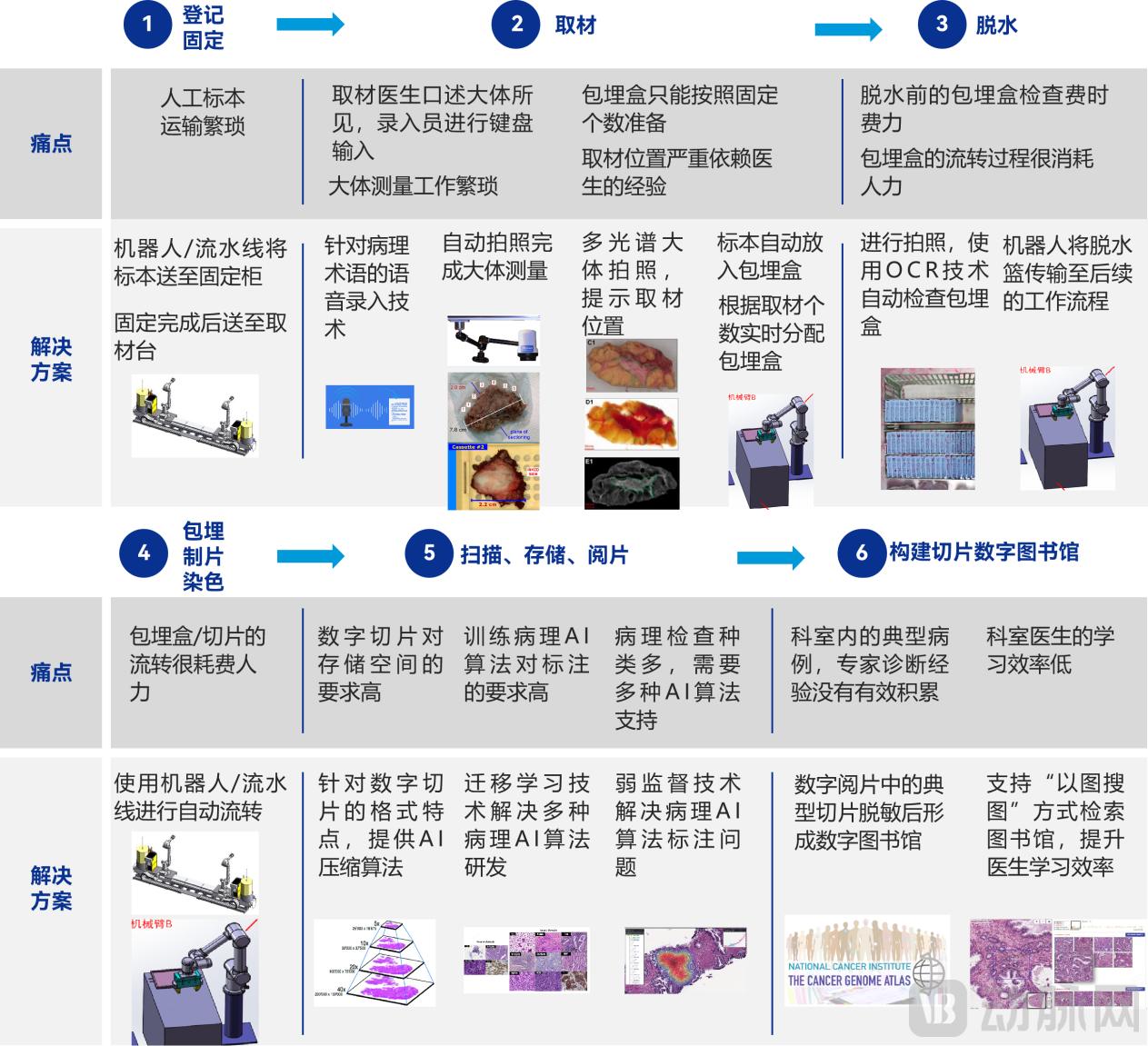 Workflow Comparison Chart
Source: SenseTime
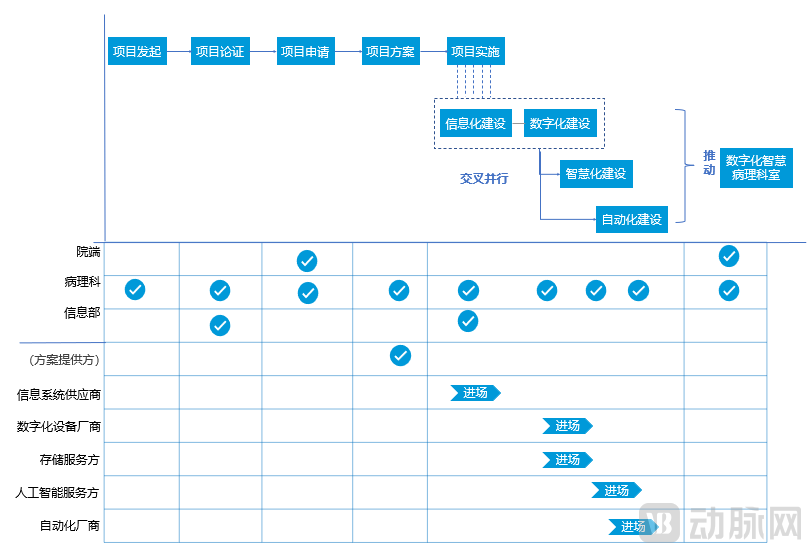
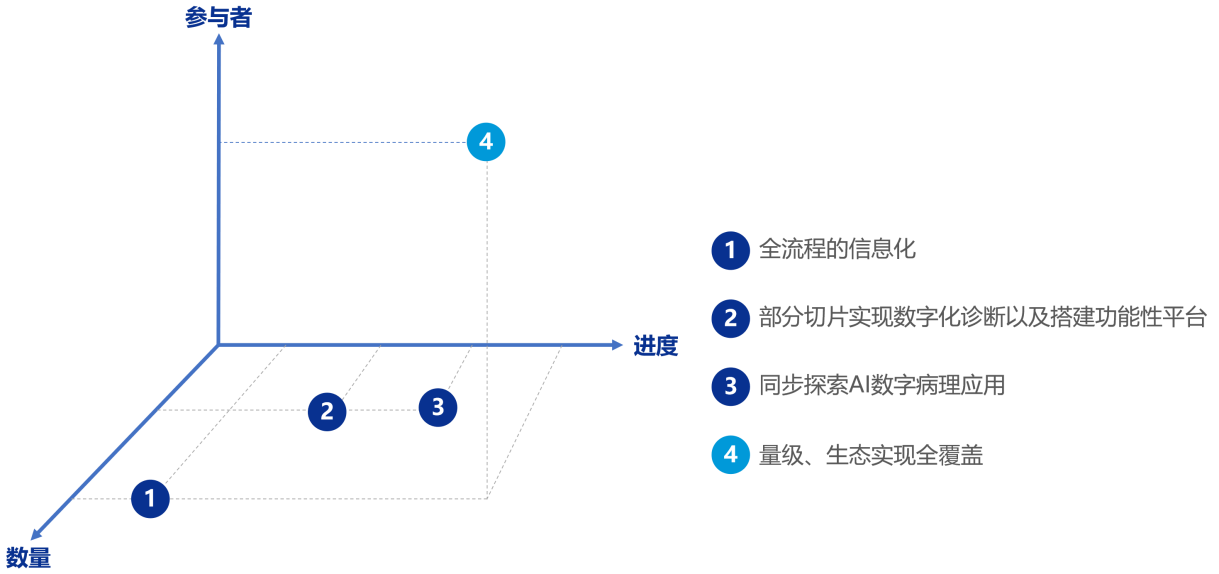
Full-Process Departmental Operations: Leveraging digital information systems to optimize interdepartmental collaboration efficiency and workflow management.The workflow in a pathology department is divided into specimen submission, registration, grossing, slide preparation (dehydration, embedding, sectioning, staining), diagnosis, report issuance, and archiving. The operation of traditional workflows relies on manual processes and physical media (such as paper records and physical slides). By establishing a comprehensive information management system and a specimen tracking system, it is possible to achieve a paperless workflow and refined quality control management.Image Review: Digital image review is achieved by integrating digital scanning technology.Traditional pathology slide review requires manual distribution, after which physicians perform graded examination of physical slides under a microscope. In this conventional model, physicians face long waiting times for slide review and are constrained by the need to be physically present in the laboratory with access to microscopes. Following digital transformation, physical slides are scanned into digital images using whole-slide scanners and displayed on computer terminals, with real-time case allocation enabled by an information system. On one hand, pathologists are no longer dependent on microscopes, allowing their workstations to be distributed across clinical departments, thereby enhancing communication and collaboration with clinical teams. On the other hand, replacing manual slide distribution with automated systems significantly reduces physicians' workload, thereby improving overall efficiency.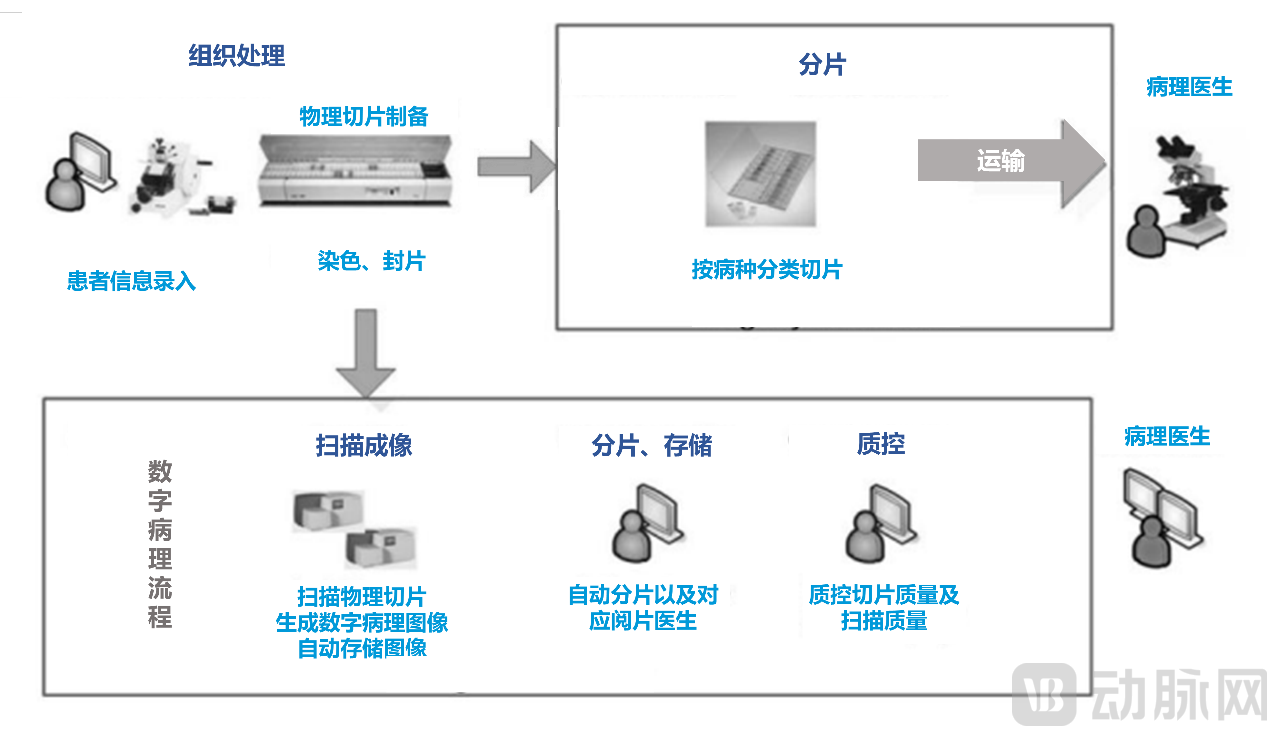 Comparison of Image Interpretation WorkflowsSource: Journal of Digital Imaging, VCBeatDiagnostic Phase: Expanding remote applications through digital imaging and introducing artificial intelligence to reduce repetitive tasks for pathologists.Following the digitization of histological slides, image files are transmitted via networks to enable remote pathological diagnosis, thereby breaking through temporal and spatial constraints and expanding the application scope of digital pathology. This facilitates collaborative decision-making among more physicians for complex cases. Furthermore, while the majority of routine histological slides present low diagnostic difficulty, their high volume and repetitive nature often lead to pathologist fatigue, making it challenging to fully reflect the true value of pathologists. By leveraging the deep learning capabilities of AI technology, pathological decision-making and diagnosis can be assisted, thereby reducing the burden of repetitive tasks on physicians.Archiving Phase: Digital storage technology can help departments establish digital pathology libraries, empowering teaching and research.Before the implementation of digital pathology workflows, traditional pathology archiving relied on establishing physical archives for the centralized management of glass slides and paraffin blocks. Over time, issues such as slide fading were prone to occur, and the physical nature of the slides made it difficult to share valuable cases on a large scale, thereby limiting further application expansion. Following digital transformation, pathology slides can be permanently stored as digital images and shared without limitation via networks, creating a more valuable platform for knowledge sharing.The construction of a digital smart pathology department is not merely about the department itself; it requires the coordination of the hospital’s overall ecosystem and collaborative promotion from the industry side.Progress Chart of Participating Entities and StagesThe construction of a fully modular, end-to-end digital and intelligent pathology department requires not only the efforts of the pathology department itself but also the collaborative participation of hospital management, administrative departments, the information technology department, clinical departments, and industry stakeholders.The construction of a fully digital and intelligent pathology department involves the transformation of multiple operational processes. The department itself not only needs to reasonably plan aspects such as space and staffing, but also equip itself with corresponding digital and intelligent devices and systems, and customize new workflows; relying solely on the department's own resources is insufficient to achieve comprehensive optimization and upgrading.The construction of a whole-slide, full-ecosystem digital intelligent pathology department largely depends on the joint promotion by hospital management, pathology societies, and regulatory authorities.As previously mentioned, the ultimate form of a digital smart pathology department should not be limited to the construction of select pathology slides or a single department. Merely upgrading and optimizing a portion of pathology slides within a single department cannot drive the digitalization and intelligent development of the entire pathology industry, leaving core industry pain points unresolved. Therefore, to truly realize the construction of a digital smart pathology department, it is essential to leverage the collective strength of the entire industry, implementing transformation and upgrades across all slide volumes and the entire ecosystem. Achieving comprehensive coverage of all slide volumes and the full ecosystem requires substantial financial investment, a goal that cannot be attained through the efforts of the pathology department alone; rather, it demands promotion and advocacy at higher administrative levels.
Introduction to the Digital Pathology Department Construction Module
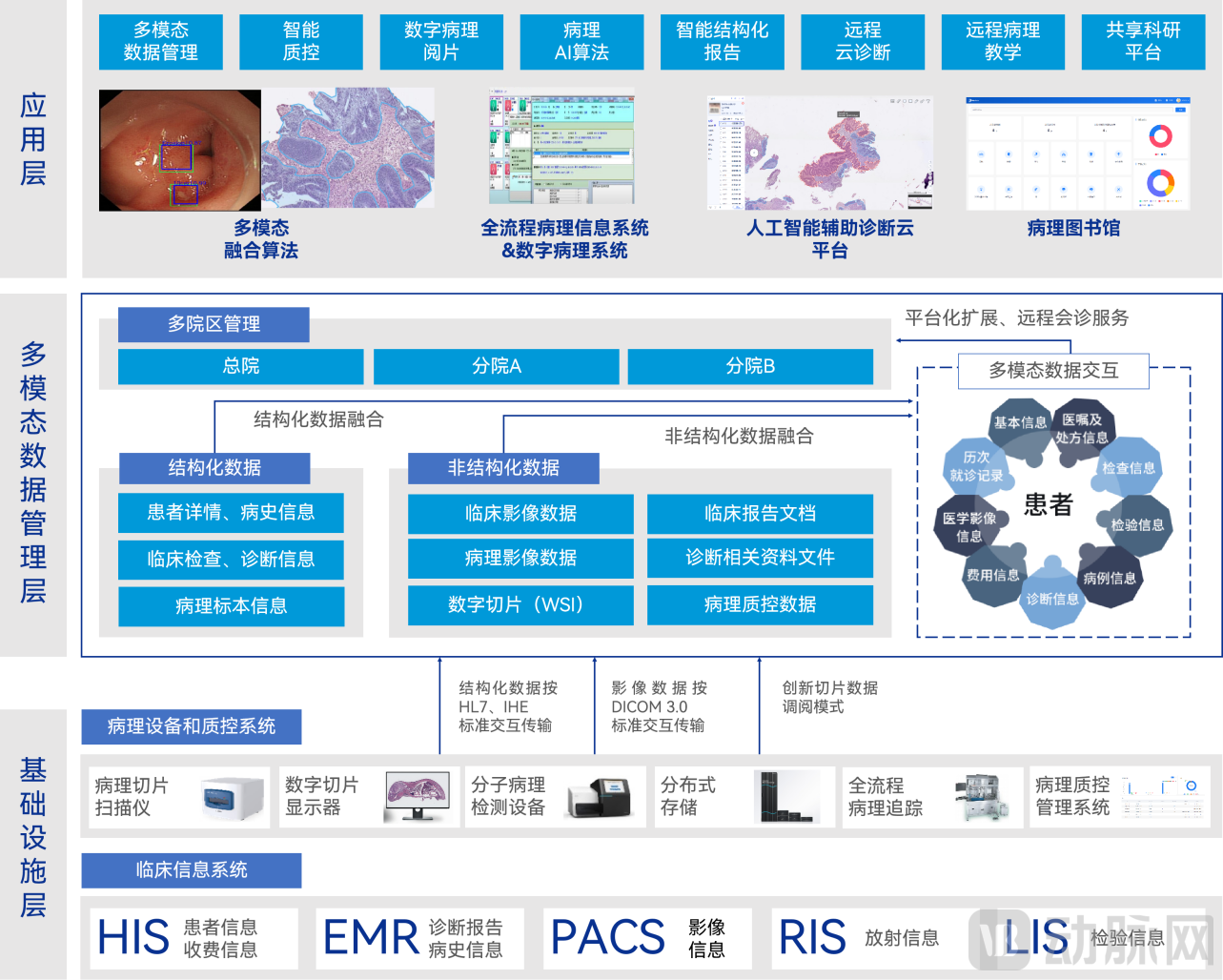
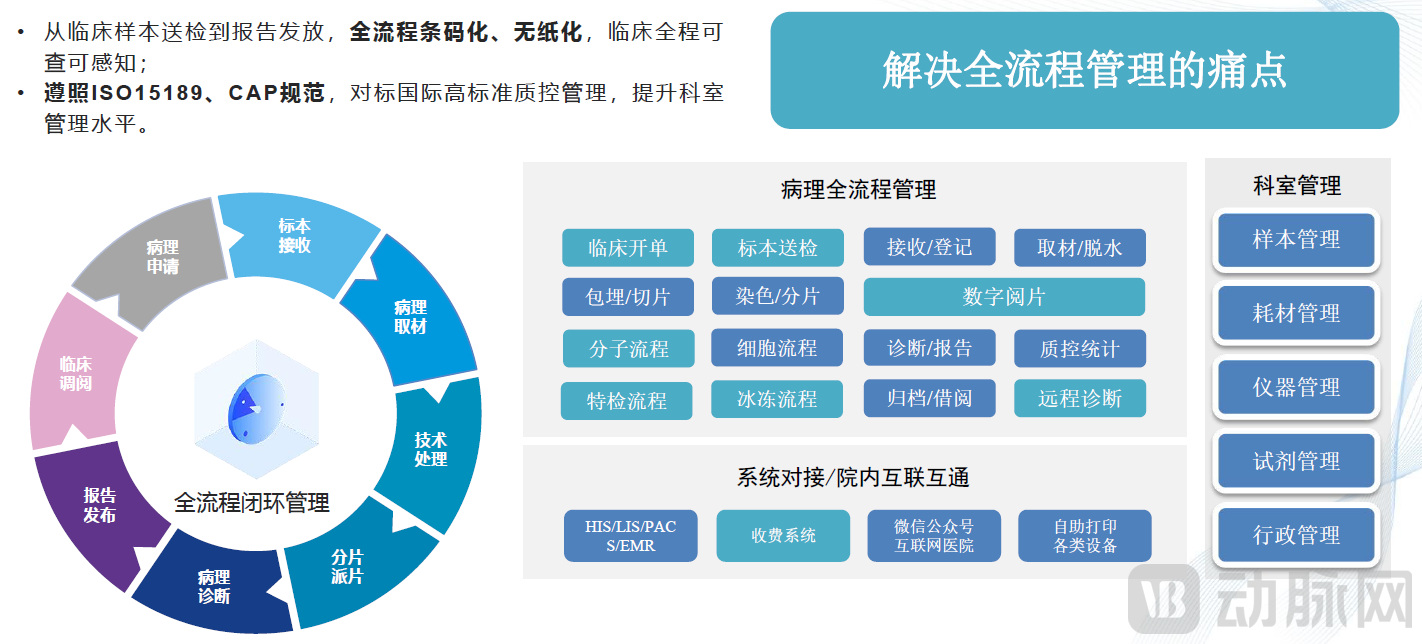
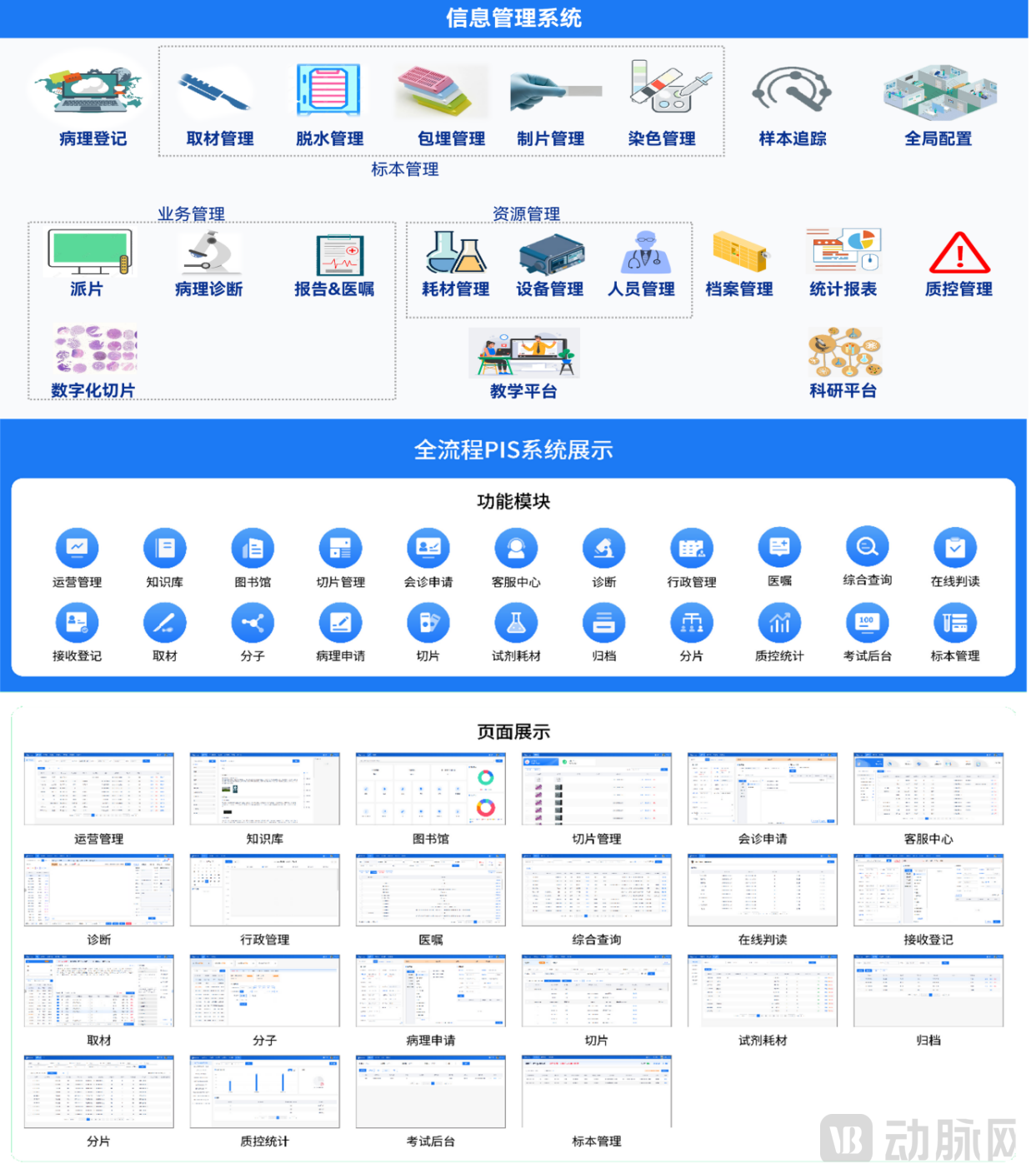
The construction of a digital smart pathology department encompasses three directions: informatization, digitization, and intelligentization.Full-Module Diagram ConstructionSource: Department of Pathology, Ruijin Hospital; VCBeat1. Information Technology ModuleInformatization refers to the comprehensive online upgrade of traditional pathology department workflows based on information management systems, achieving full-process informatized management. Informatization is the foundation of digitalization.Full-Process Information Management(1) Tracking System: The Foundation of Information Technology InfrastructureEstablish a tracking system to enable automated recording and paperless integration, thereby reducing the risk of manual errors.Traditional pathology laboratories lack tracking systems; tissue specimens, paraffin blocks, and glass slides are all recorded manually, with business handovers and archival managed through paper-based records. This workflow is prone to human errors, leading to documentation inaccuracies and record loss, while also lacking traceability. The first step in digital transformation is to upgrade the entire workflow to a paperless, online system, which presupposes the implementation of a tracking system. By adopting such a system, pathology laboratories can achieve truly paperless operations throughout the entire examination process, ensuring compliance with biosafety standards while significantly saving on labor, consumables, and storage space.The tracking system achieves paperless operations by introducing barcode printers and readers.. The tracking system comprises barcodes and barcode readers (i.e., handheld scanners), enabling intelligent information capture through machine scanning and automated computer recording. This approach completely replaces manual operations, facilitates online documentation of deliverables at each stage, achieves fully paperless archiving and delivery throughout the entire process, and eliminates human errors. Furthermore, by integrating with the Pathology Information System (PIS), the system can record operator identities and time spent on each step in real time, thereby facilitating subsequent error tracing and statistical analysis, and enabling comprehensive workflow monitoring.It is worth noting that online tracking must be implemented across the entire workflow, from tissue excision to report issuance. All transfer items, including tissue specimens, paraffin blocks, and physical slides, must be equipped with tracking barcodes, and barcode readers must be correspondingly installed in the operating room, the pathology department’s sample reception station, the grossing station, and the histology laboratory.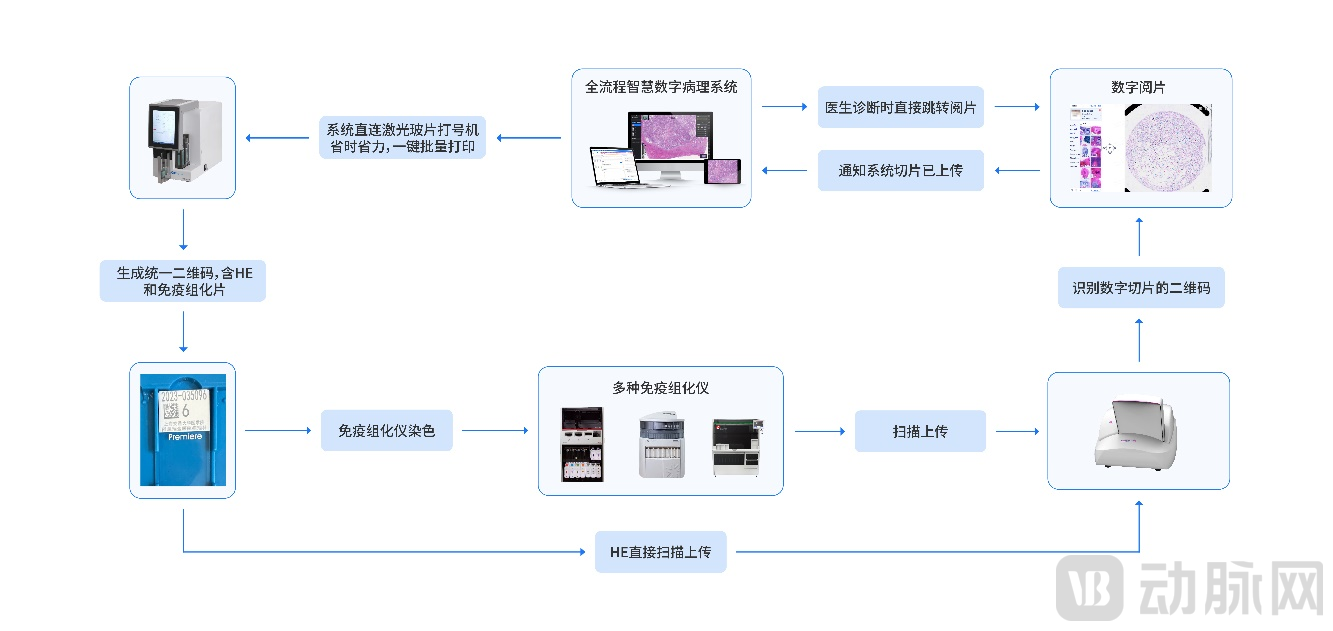 Process of a Digitally Driven QR Code Tracking System(2) Pathology Information System (PIS): Achieving departmental digitalizationEstablish a Pathology PIS System to Achieve Paperless Operation.Traditional pathology information management systems only support basic report issuance functions and fail to achieve informatized management of internal departmental workflows, with sample circulation still relying on manual processes. Therefore, a departmental Pathology Information System (PIS) is a prerequisite for achieving paperless management. Meanwhile, the various data generated during daily operations and recorded by the information system provide an effective basis for medical quality control and continuous improvement in pathology departments.A comprehensive pathology information management system features a complex design that requires the integration of multiple functional modules.Due to the complexity of operational processes in pathology departments, their informatization initiatives involve multiple modules. While workflow details vary across hospitals, leading to differences in module design, the core modules remain largely similar. Based on research findings from VCBeat Institute, a comprehensive Pathology Information Management System must include the following essential modules.Pathology Information Management SystemSource: Hengdao Medical, VCBeatDigitization refers to pathology diagnosis based on digital slides and the application of related digital pathology derived from it.
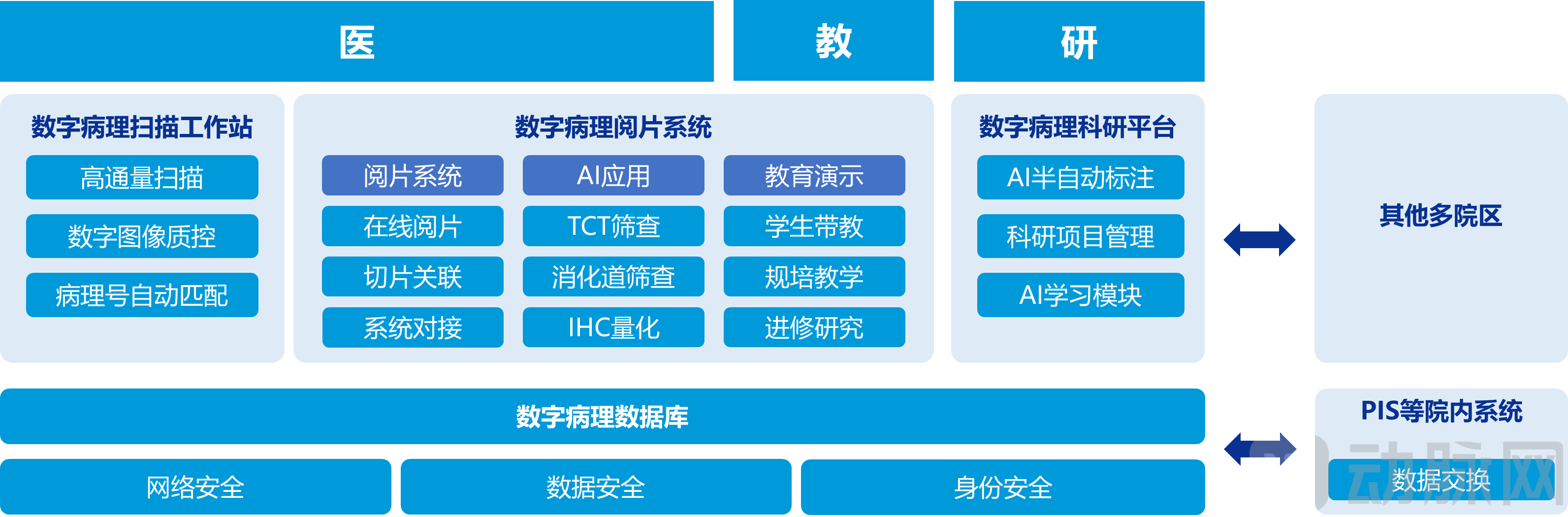
Digitalization Construction Module Diagram
Source: VCBeat
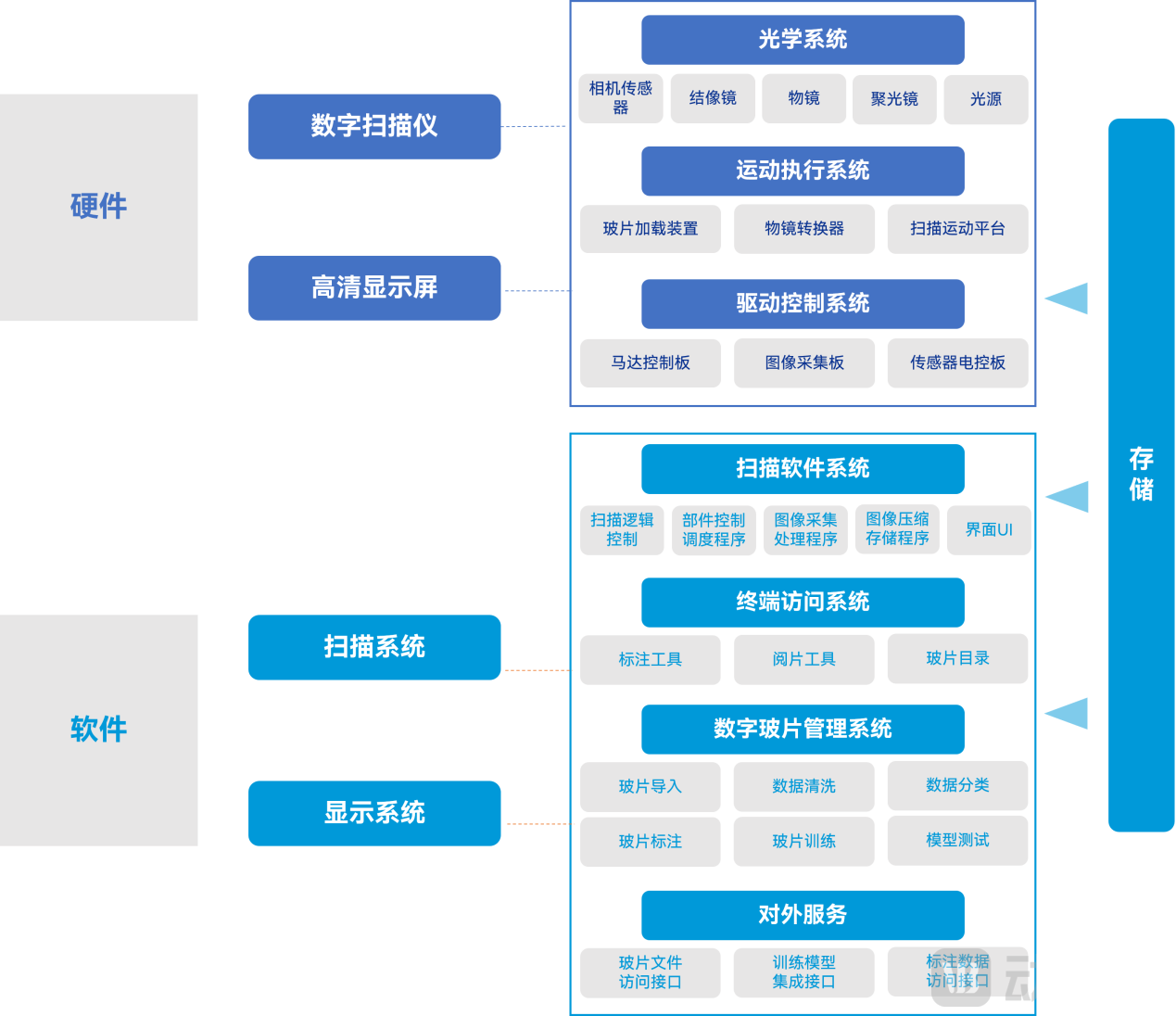
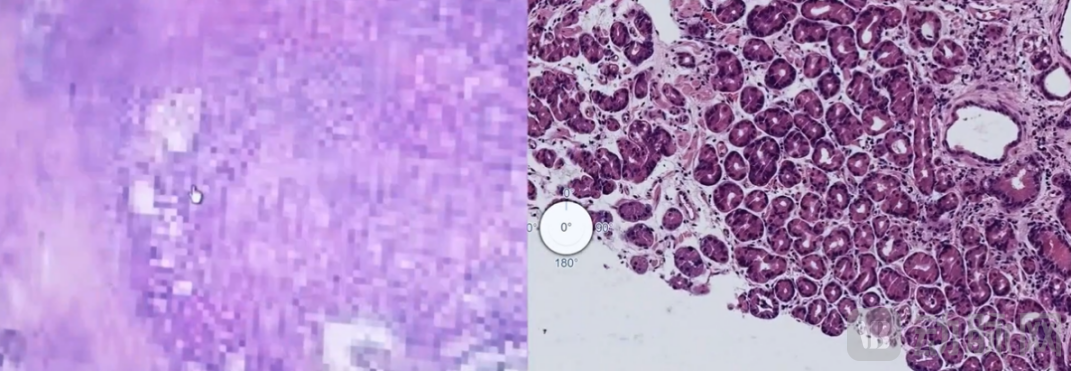
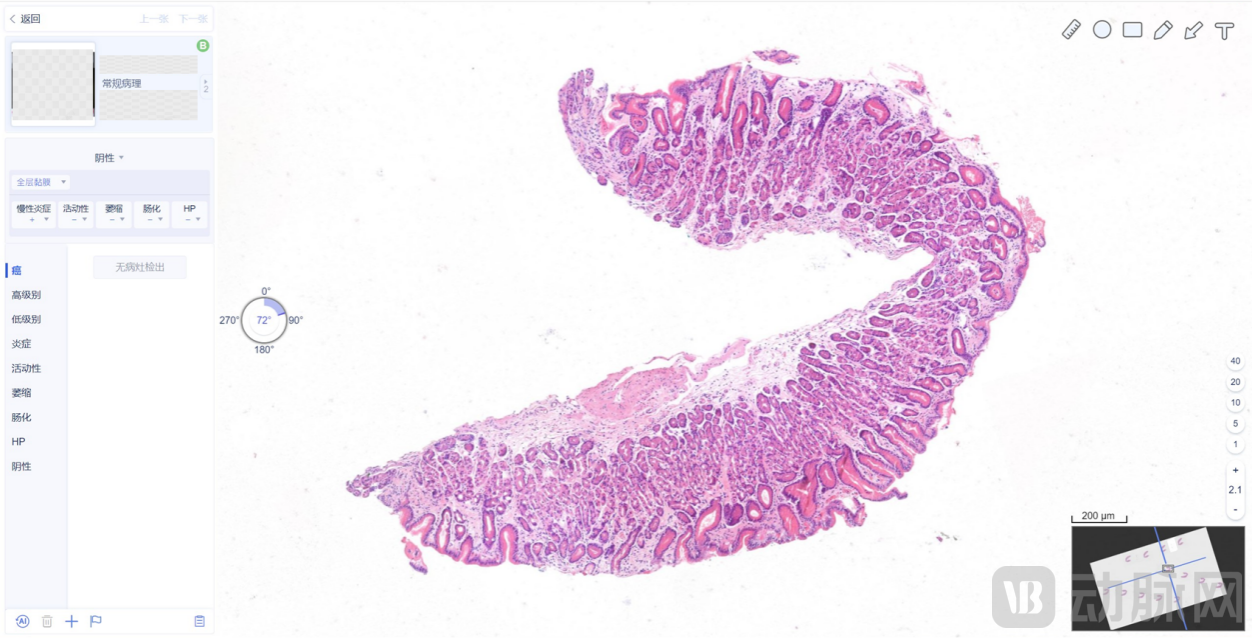
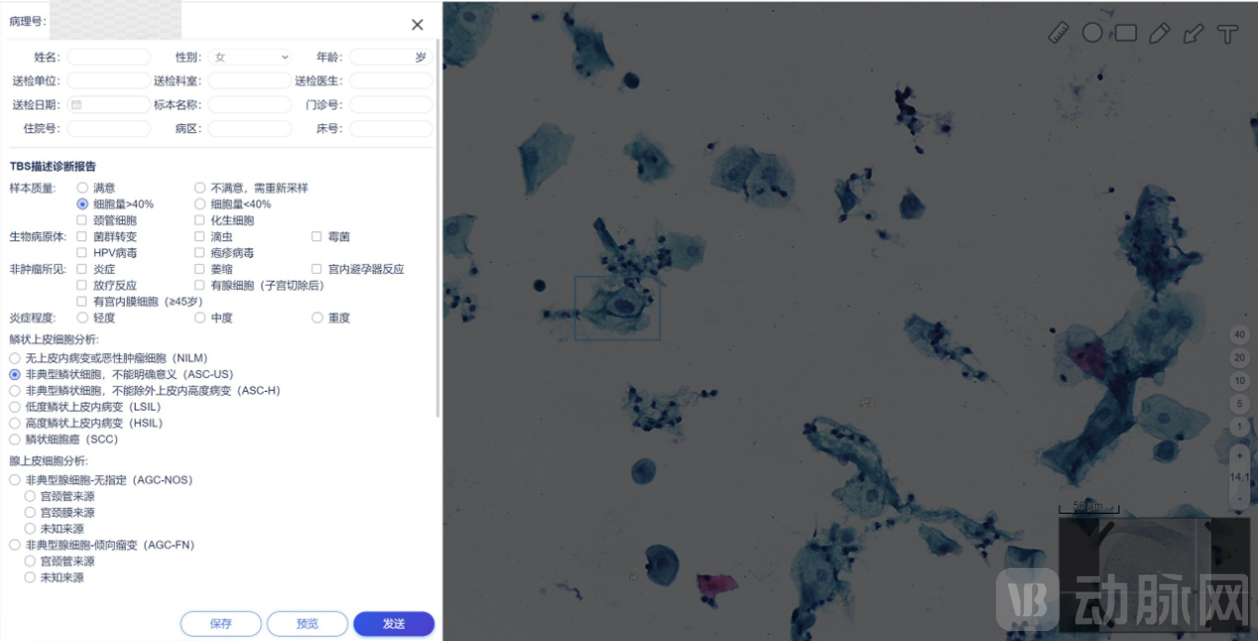
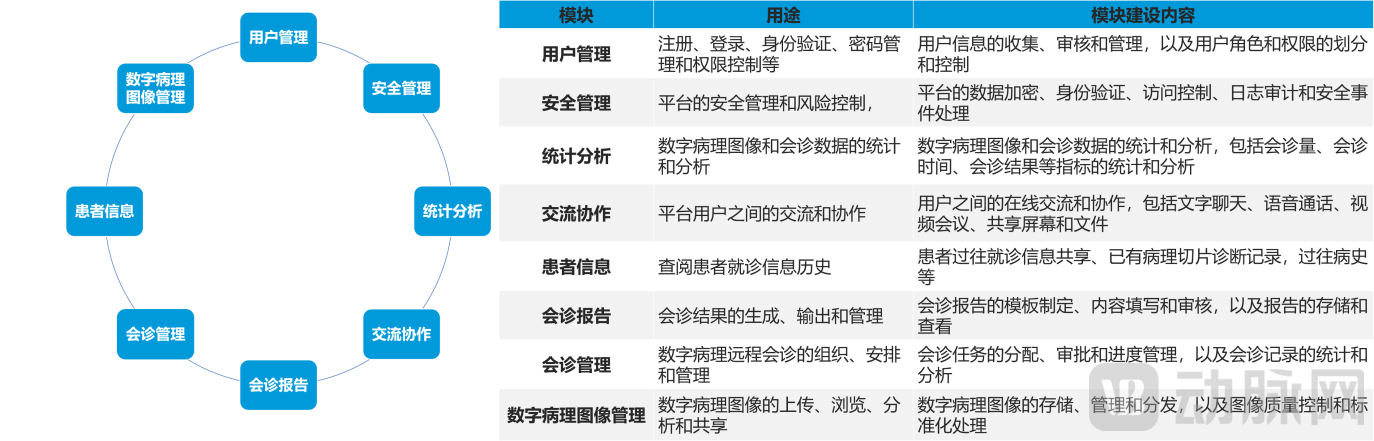
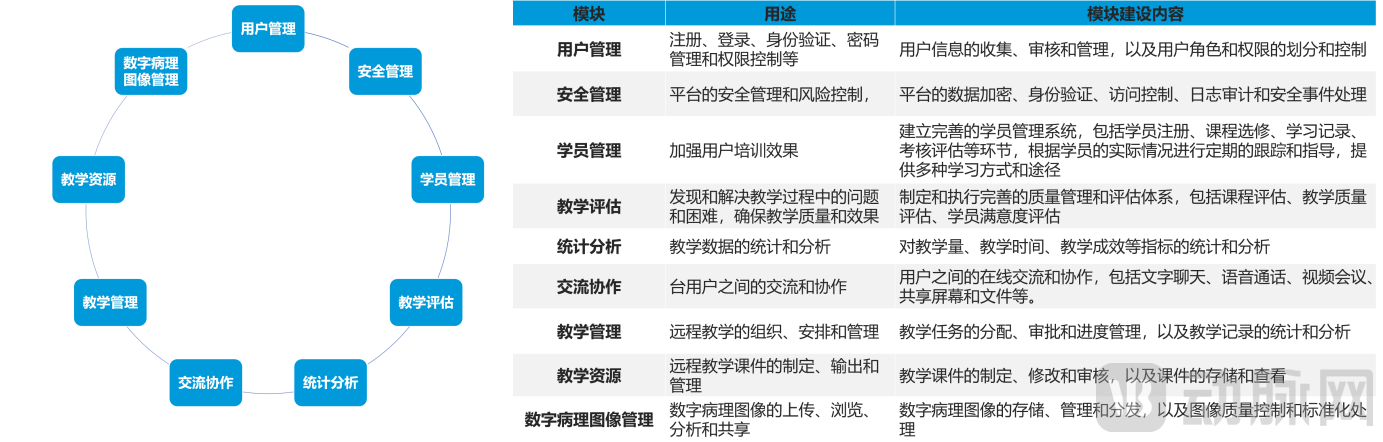
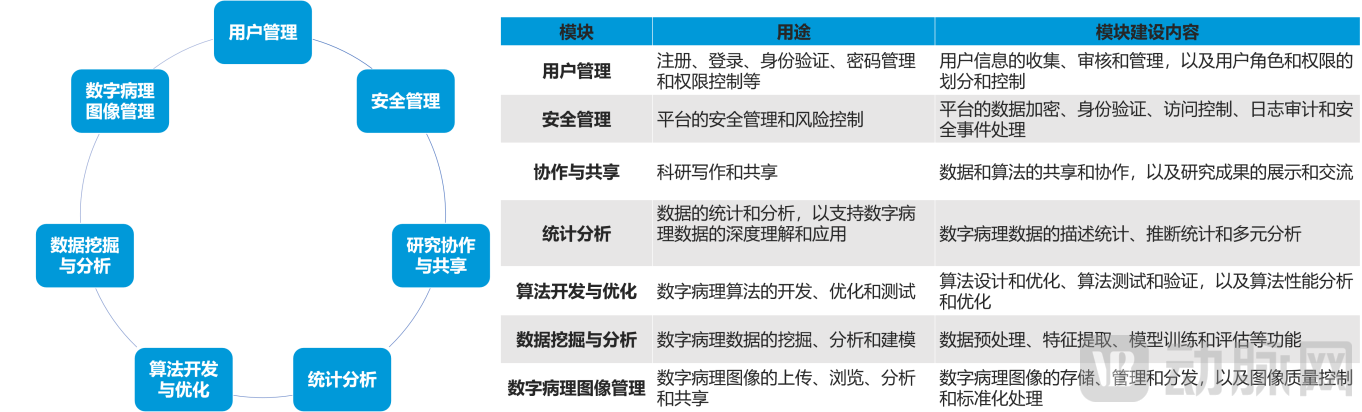
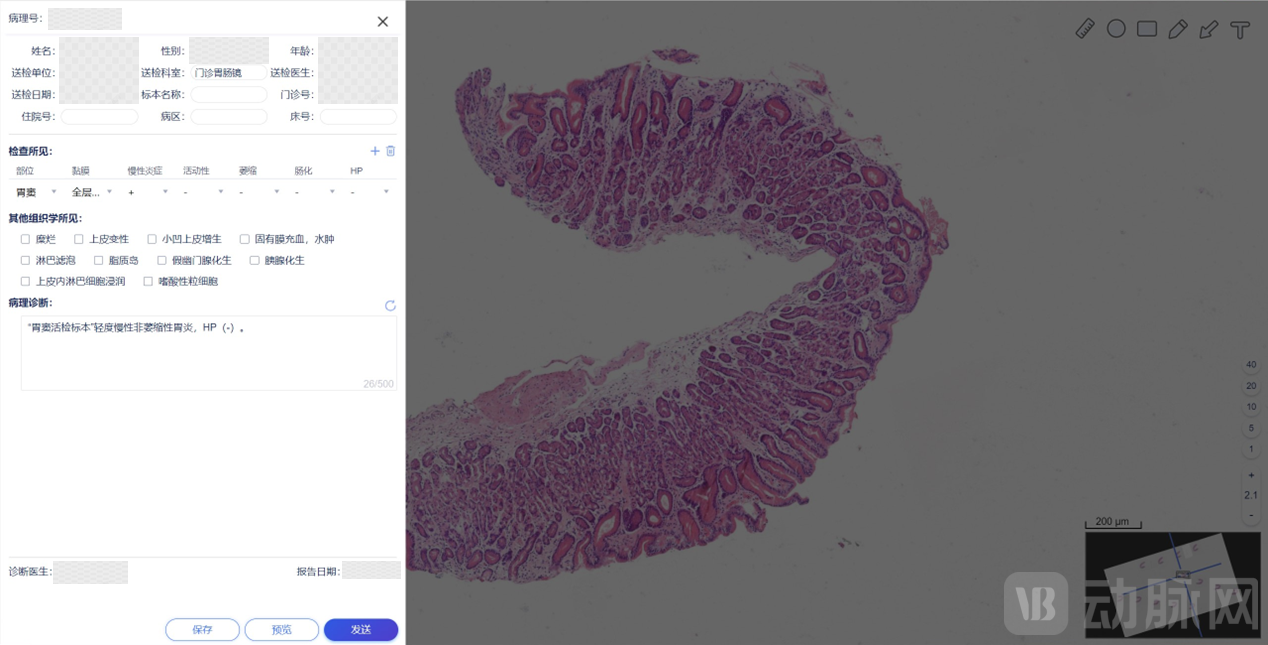
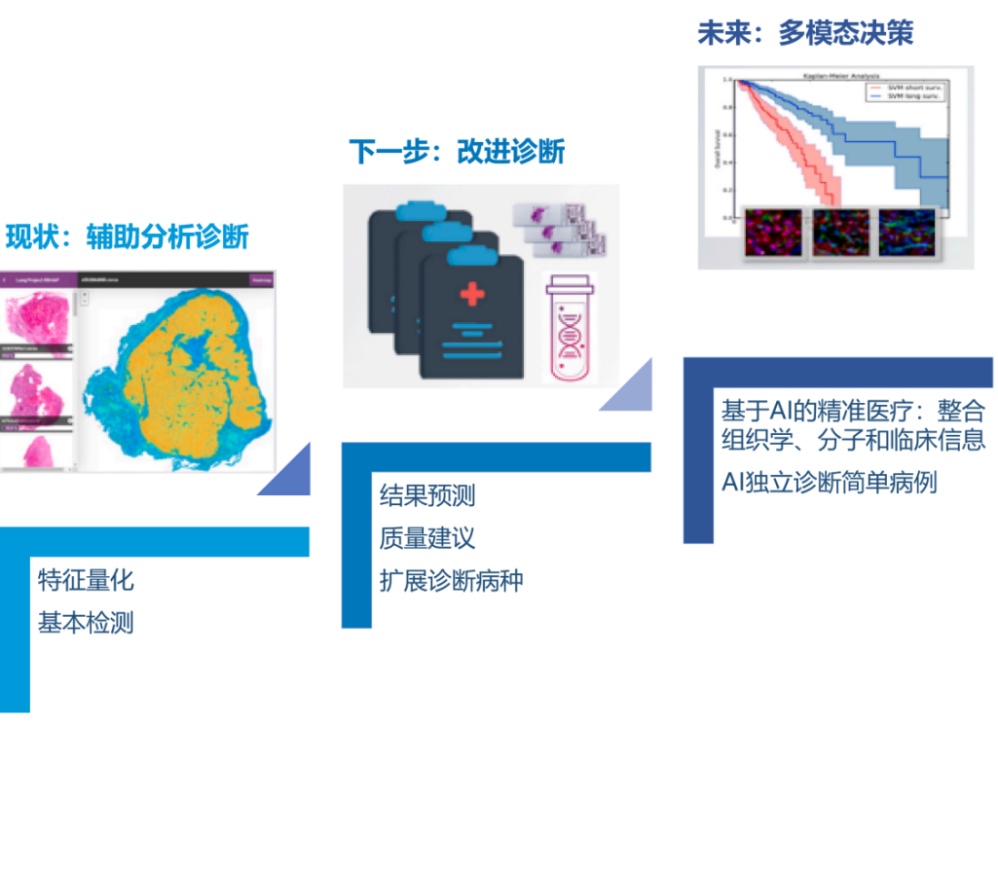
(1) Digital Pathology System (DPS)Source: Jiangfeng Bio, VCBeatEstablish a digital pathology system to digitize physical slides. The digital pathology system comprises five major modules: scanning workstations, digital diagnosis, storage modules, digital quality control, and data security.The scanning module comprises two submodules: scanning and display.The scanning module is primarily responsible for the acquisition and processing of digital pathology images, including digitization, image preprocessing, image enhancement, normalization, and standardization.The core of the scanning module is the scanner configuration.Scanners are the foundation for converting physical slides into digital slides. The quality of the scanner determines the compression level of the output images, directly affecting the quality of the displayed imaging, and is the first step in whether digital slides can accurately replicate analog physical slides.The display module includes a monitor and a display system.Image quality (fidelity, sharpness, and color accuracy) and the image reading experience (system smoothness and operability) depend not only on the scanner’s quality but also on the display module. On one hand, the display screen determines the visual presentation of images, specifically whether they can be rendered without color distortion or compression artifacts.System Smoothness ComparisonSource: Public Information, VCBeat● Digital Diagnostics ModuleThe Digital Pathology Diagnosis Module is primarily designed to support pathologists in conducting pathological diagnoses through digital slide review.The digital diagnostics module must implement all operational functions required for microscopic diagnosis, including field-of-view navigation, image zooming, multi-layer visualization, and image capture. By leveraging auxiliary personalized component development, automated detection and workflow optimization can be achieved, encompassing automatic objective lens magnification detection and morphological calibration, association of slide label data with images, enhanced eyepiece functionality for real-time annotation viewing, database management and filtering, and automatic saving of valuable data.Digital Diagnostic Interface DisplayThe storage module consists of various storage devices, control components, and software for managing information scheduling.The professional data storage module is primarily responsible for the storage and management of digital pathology images. Digital pathology images must be stored in accordance with specific protocols to facilitate subsequent access, processing, and analysis. This module also implements functionalities such as image retrieval, filtering, comparison, and archiving.Integrated hardware and software solution for permanent storage of pathological data.Traditional pathology departments store pathological specimens via physical slides, which are prone to fading over time and thus cannot achieve true permanent preservation. With the digitization of slides, physical slides can be permanently stored as digital images. First, storage implementation requires storage devices with adequate capacity as the storage medium. Second, the storage system must facilitate both data ingestion and retrieval, ensuring it can meet the demand for concurrent access by 500–1,000 users within one second for digital diagnostics, hospital-wide clinical practice, scientific research, and teaching over the next five years, thereby preventing the storage infrastructure from becoming obsolete in the short term. Third, advanced blue-ray media must be employed to ensure low storage costs and extended retention periods, complying with the National Health Commission’s requirement for 30-year data preservation without migration, while supporting rapid, on-demand data access.Based on the implementation of storage functionality, pathological databases and knowledge bases can be further established.This module is primarily responsible for the management and storage of digital pathology data and knowledge. By accumulating extensive digital pathology data and knowledge, digital pathology systems can enhance the accuracy and efficiency of analysis and diagnosis, while also supporting research on disease prediction and treatment, as well as facilitating educational activities.● WSI Quality Control ModuleThe WSI quality control module primarily manages and controls the quality and consistency of the slide digitization process, thereby enhancing the accuracy and reliability of digital pathology diagnosis.It primarily focuses on quality control management in four areas: scanning, sectioning, diagnosis, and data.Digital Slide Scanning Quality Control:During the scanning process, artifacts may arise due to improper cleaning of the scanner’s slide holder, poor focus, or incorrect image stitching methods, thereby affecting the final diagnostic outcome. Therefore, it is necessary to evaluate the quality of digital slide scans, including parameters such as image sharpness, resolution, and contrast.Digital Slide Management Quality Control:Quality control over the storage, retrieval, and sharing of digital slides to ensure their integrity and reliability.Diagnostic Quality Control:Quality control of the digital pathology diagnosis process, including monitoring and correcting issues such as misdiagnosis, missed diagnosis, and erroneous judgment during the diagnostic process.Data Quality Control:Quality control of digital pathology data, including quality monitoring and correction of pathology reports, diagnostic opinions, case materials, and imaging data, to ensure the accuracy and reliability of digital pathology data.● Data Security Management ModulePathological data constitutes protected health information; any breach may readily give rise to medical risks. In particular, following the digitization of pathology slides, data security has become a paramount concern.Therefore, a data security management module must be implemented in digital pathology systems to ensure system security and manage access permissions.Data security and privacy are ensured through a series of technologies, including data encryption, access control, and authentication; meanwhile, system security and stability are further safeguarded through functions such as permission management and auditing.Pathology departments can layer application platforms onto digital pathology systems based on their developmental needs. These typically include three application platforms: a consultation platform, a teaching platform, and a research platform.● Teleconsultation PlatformRemote digital pathology consultation and communication via teleconsultation platforms.Digital pathology systems enable collaboration among physicians through remote consultation and communication features, thereby improving diagnostic accuracy and efficiency. The core of a remote consultation platform lies in the establishment of a remote consultation system. A mature remote consultation system should include the following eight functional modules.Remote Consultation Platform Construction Module DiagramThe emergence of digital pathology slides has fundamentally transformed the model of pathology education, enabling training to overcome limitations in scale, location, and personnel.The teaching platform, built upon a teaching database and a remote teaching system, enables online teaching and training functionalities, thereby promoting the development of medical education.In addition to the user management, communication and collaboration, and security management modules, it is also necessary to establish teaching-related modules, such as the output and display of courseware, assignment of teaching tasks, and statistics on teaching outcomes. Furthermore, standardized training assessments and teaching evaluations can be configured to meet specific instructional needs.Teaching Platform Construction Module DiagramThe research platform, built on a digital pathology database and cloud computing technology, provides pathology researchers with more effective scientific data, thereby enhancing the efficiency and quality of pathological research.From a scientific research perspective, data statistical classification and value mining are the most core components. The module configuration of the research platform should prioritize the development of data-related functionalities.Diagram of the Research Platform Construction ModuleAI applications are primarily manifested in four stages: specimen preparation, diagnosis, quality control, and pathological research.(1) AI Applications in Film ProductionThe application of AI in the digital pathology slide preparation process relies on AI image analysis technology, which can help achieve higher quality and greater efficiency in slide preparation. The main application modules include the following aspects.● Digital Specimen PreparationAI can be applied to the intelligent sectioning module in the process of digital specimen preparation. By digitally scanning tissue specimens with digital equipment, it highlights the pathological areas for sampling, thereby facilitating more precise sectioning and rapid acquisition of specimen images.● Intelligent Staining TechnologyAI can be applied to the digital pathology staining process.On one hand, deep learning technologies can be employed to automate control and intelligently optimize the staining process, thereby enhancing the quality of digital pathology images. On the other hand, virtual staining may become a reality in the future. Traditional staining methods rely on chemical reagents, which are associated with high costs and long turnaround times. According to the latest technology developed by a research team at the University of California, Los Angeles (UCLA), AI-driven deep learning can be used to perform virtual HER2 staining on physical tissue sections. By capturing the autofluorescence signals generated when biological tissues absorb light and leveraging deep neural networks, unstained autofluorescence images can be rapidly converted into virtual histological images that exhibit accurate color and contrast. This virtual staining process requires only a few minutes per sample and eliminates the need for expensive equipment or toxic chemicals. Using just a computer, the staining workflow can be completed more quickly and cost-effectively.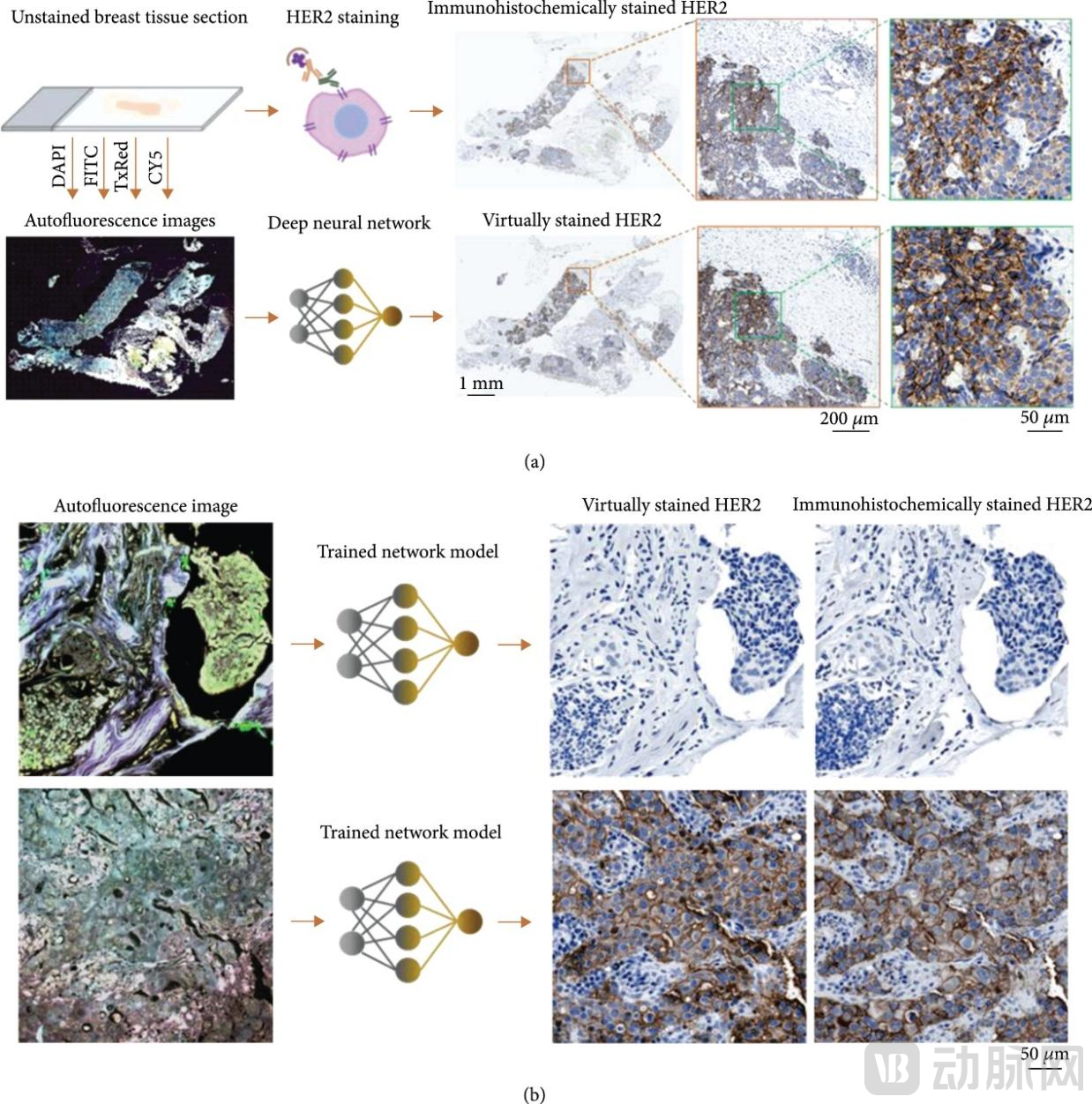 Intelligent Staining TechnologySource: Journal of Cellular Physiology● Intelligent Pathology Case Entry and ArchivingOn one hand, artificial intelligence possesses natural language processing capabilities for pathology reports, enabling the automatic analysis and extraction of key information from digital pathology reports, such as pathological features and grading. This facilitates the automated processing and integration of digital pathology reports, thereby improving the accuracy and efficiency of data entry. On the other hand, AI can be applied to the intelligent identification and archiving of medical cases, classifying and integrating them based on different case types and characteristics, which enhances the efficiency and accuracy of data management.(2) AI Applications in the Diagnostic ProcessAI pathology diagnosis includes general-purpose auxiliary diagnosis and intelligent auxiliary diagnosis.● General-Purpose Auxiliary DiagnosisAI technology, with its capabilities in image recognition and automated analysis, can automatically identify and localize pathological regions in pathology diagnosis and provide reference recommendations to pathologists based on learning models.Existing technologies have already enabled preliminary negative screening for certain types of cancer, significantly reducing the low-value workload of pathologists (by approximately 70%). Taking cytopathological diagnosis as an example, after AI-based pathological systems analyze cell detections, they can preliminarily identify negative cases with a detection rate exceeding 99%, on par with human performance. Pathologists only need to review the diagnostic results and exercise appropriate oversight before issuing reports.AI Diagnostic Interface DiagramAI-assisted pathological diagnosis generally includes the following modules.Digital Pathology Import Module:A standalone pathology assistance system requires the upload of digital pathology images, thus necessitating an image import function. If integration between the scanning system and the AI diagnostic system is achieved in the future, automated transmission can be realized through interface ports.Image AI Automated Processing Module:Including data preprocessing, feature extraction, image classification, and intelligent analysis. The AI system needs to perform preprocessing on pathological images, such as quality control, normalization, denoising, and contrast enhancement. Through deep learning algorithms, the system extracts and classifies feature information from pathological images, including morphology, texture, and color (normal vs. abnormal images).Auxiliary Diagnosis Module:By leveraging visualization and interpretability techniques to present AI automated classification results alongside relevant clinical information, and by providing explanations for the AI model's outputs, physicians can better understand and accept AI-assisted diagnoses, thereby enhancing the trustworthiness and reliability of medical decision-making.Diagnostic Report Module:AI technology can automatically generate structured reports. Based on the analysis results, AI provides pathologists with reference diagnostic conclusions. Currently, apart from cervical cytology, AI-assisted diagnostics have not yet obtained Class III medical device certification in other areas. Therefore, at this stage, pathologists must still manually review AI-generated diagnostic findings and modify them for questionable cases before automatically generating the final diagnostic report.● Intelligent Digital Pathology DiagnosisSmart Pathological Diagnosis is an optimized upgrade based on a general-purpose AI-assisted diagnostic system.AI technology can construct intelligent pathological diagnosis models tailored to individuals based on their biological characteristics and pathological manifestations, thereby enabling personalized auxiliary diagnosis. By developing such intelligent pathological diagnosis models, it is possible to more accurately predict disease progression and treatment outcomes, provide a scientific basis for personalized therapy, and enhance the efficiency and quality of diagnosis and treatment.Based on the general computer-aided diagnosis system, the personalized auxiliary system will be optimized in the following three modules.AI Pathology Diagnosis Iteration ProcessSource: Seminars in Cancer Biology, VCBeatModel Construction and Training:Develop an intelligent digital pathology diagnostic model and enhance its predictive accuracy and stability through training and optimization on existing samples.Model Evaluation and Optimization:Evaluate and optimize the constructed model to ensure its reliability and generalization capability, and update and iterate the model based on new data.Model Application and Iteration:Applied in clinical practice to provide physicians with auxiliary diagnostic and therapeutic recommendations, while simultaneously optimizing its own models and algorithms.(3) AI Applications in Quality Control ProcessesQuality control processes can achieve full intelligence.Artificial intelligence can identify and correct errors and biases in pathological diagnoses, thereby improving accuracy and reliability. The application of AI for quality control is primarily reflected in its empowerment across three key areas.● Business Process Quality Control
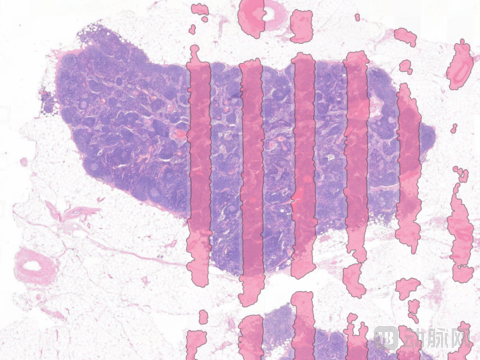
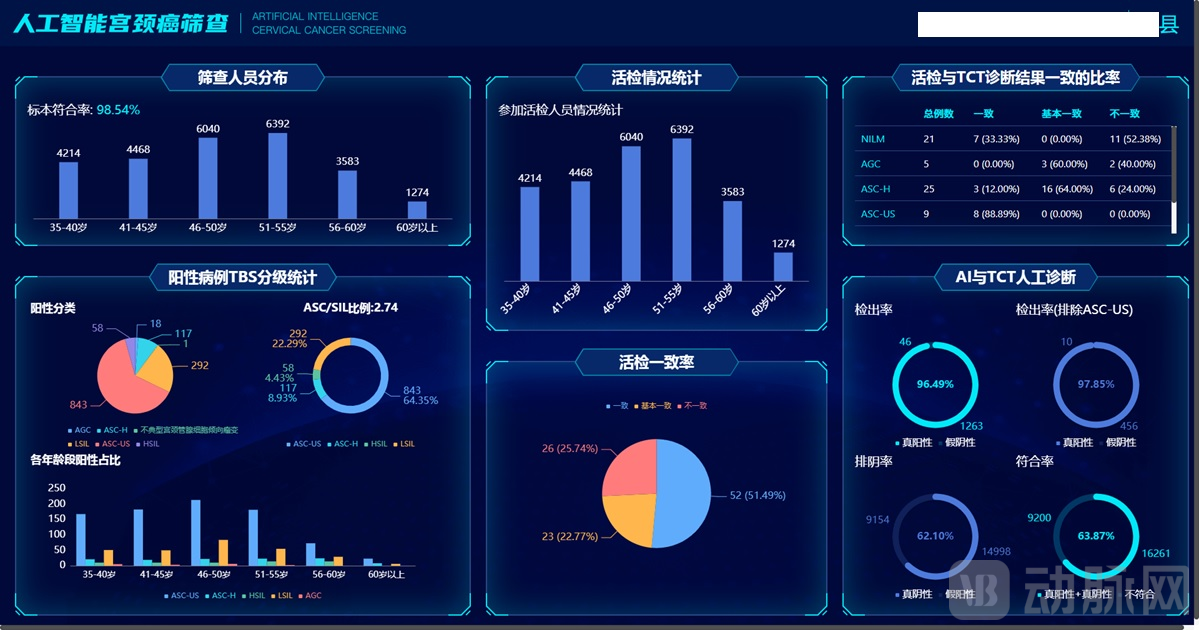
In terms of process quality control,In addition to providing real-time risk alerts during actual operations, AI can be leveraged to statistically analyze the time consumption and completion quality across different stages, thereby driving the optimization of subsequent workflows and personnel collaboration. For instance, AI technology can automatically detect and highlight blurred or unreadable regions in H&E-stained slide images.AI Automatic Detection of Substandard Staining Areas● Digital Quality ControlIn terms of digital quality control,Digital slides are the foundation of digital pathology, and their quality directly impacts the final outcome of pathological diagnosis. AI can automatically control factors such as clarity, color accuracy, artifacts, and image distortion in digital slides, thereby ensuring their quality.● Diagnostic Quality ControlIn terms of diagnosis, before cases are sent to pathologists, AI can be used to screen for unexpected events, such as tissue contamination and microbial contamination; after diagnosis is completed, AI can also be employed for review and issue error alerts.(4) AI Applications in Research PlatformsThe integration of AI with digital pathology technology can accelerate the rapid advancement of pathological research, uncovering greater unknown value and application directions for pathology slides, primarily reflected in the following three functional modules.● Digital Pathology Image Classification and AnnotationThe foundation of scientific research lies in the establishment of databases, and AI can create more valuable databases.The traditional approach involves manual classification and annotation to build databases, which is labor-intensive. By leveraging artificial intelligence technology, digital pathology images can be automatically classified and annotated, enabling the creation of subspecialty databases to serve as a foundation for scientific research.● Big Data Mining and Analysis in Digital PathologyAI can help utilize big pathological data more efficiently.AI technology can more efficiently mine and analyze big data in digital pathology, uncovering patterns and trends hidden within the data, thereby helping medical researchers identify new avenues for research.● Visualization and Interactive Analysis of Digital Pathology DataAI can enhance the efficiency of research analysis.Artificial intelligence technologies can be leveraged to visualize and interactively analyze digital pathology data, providing intuitive digital pathology images and analytical results to assist researchers in conducting digital pathology data analysis and research.AI Pathology Data Visualization and Interactive Analysis
1. Leading Hospitals: Comprehensive Development of Digital Smart Pathology Departments
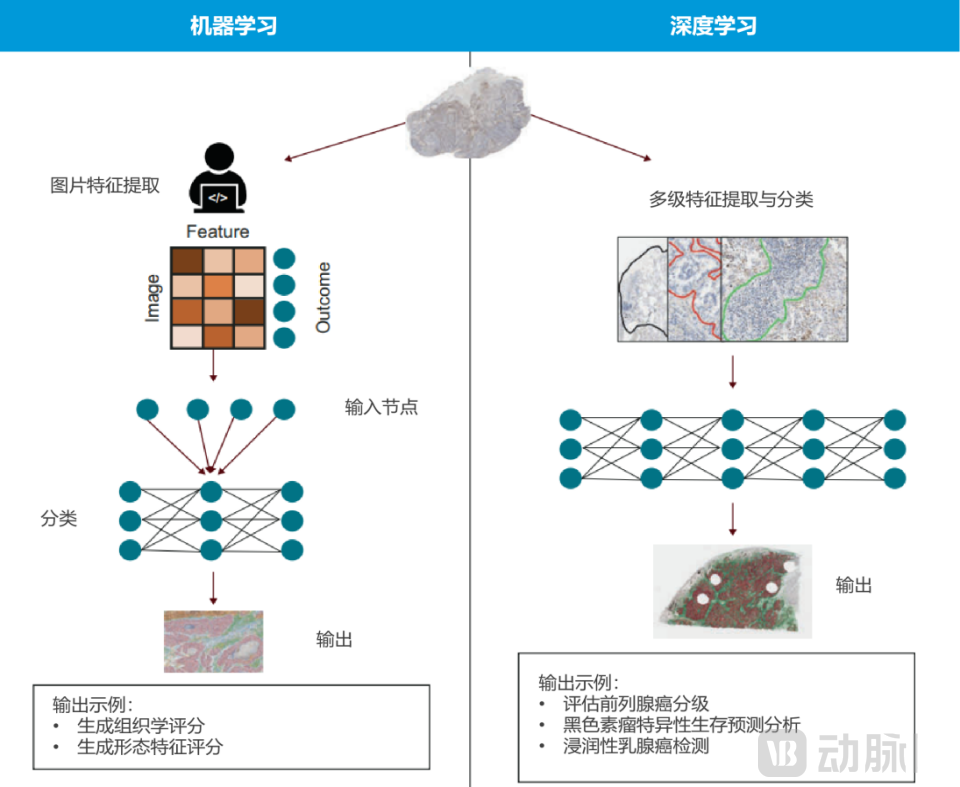
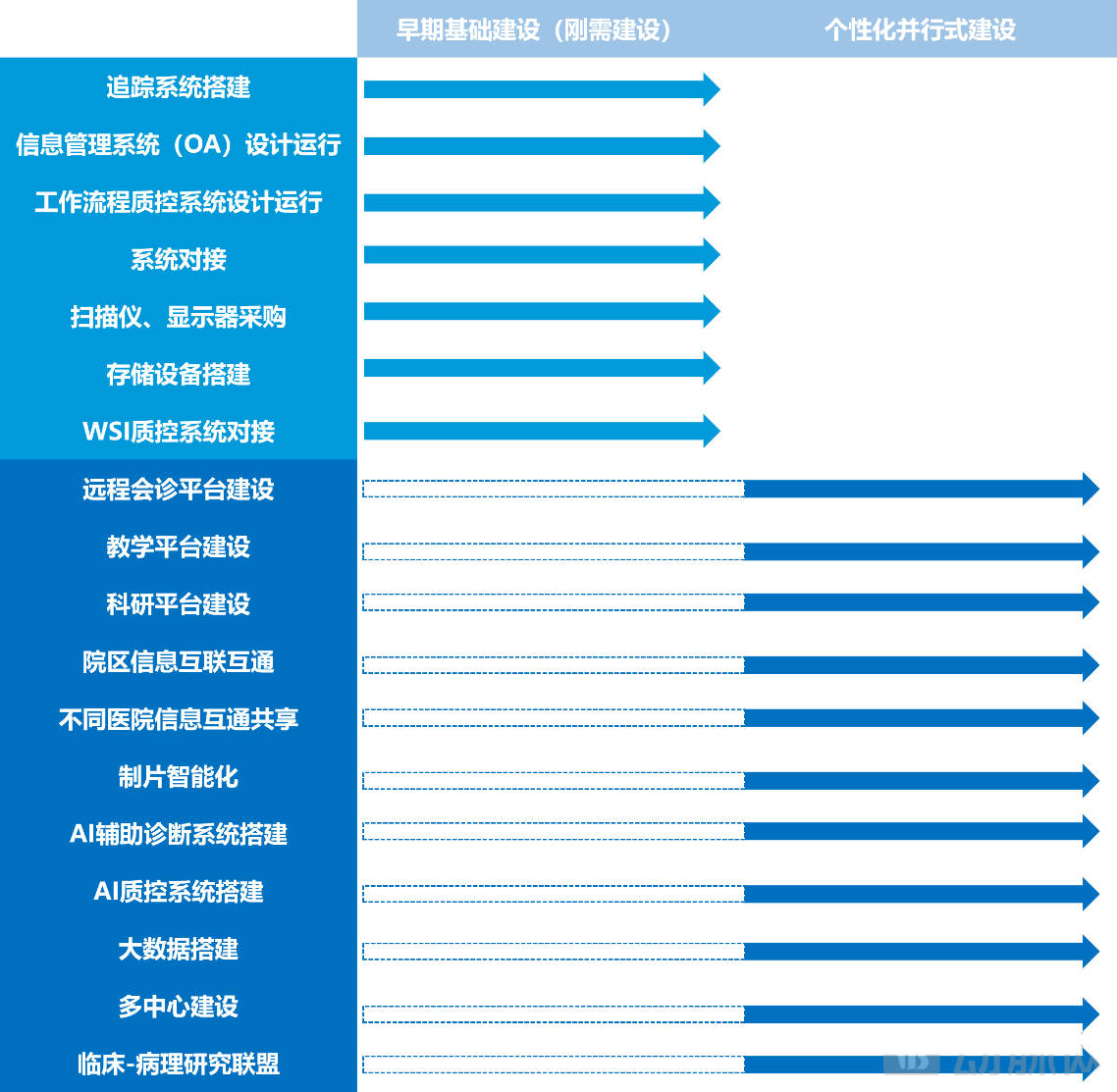
(1) Development Objectives: To Conduct Medical Practice, Teaching, and Research More EfficientlyBased on their positioning and responsibilities, leading large hospitals should establish digital pathology departments grounded in information systems, utilizing digital pathology images as the core medium, implementing full-process quality control, and leveraging AI for efficient operations, thereby promoting the integrated advancement of clinical care, education, and research. From a macro perspective, these leading hospitals should also assume a leadership role in the overall development of pathology departments nationwide, driving the formulation of implementation plans and industry standards, and guiding the development of pathology departments in lower-tier hospitals. Tertiary hospitals serving as National or Provincial Regional Medical Centers often operate multiple branch campuses. Amidst a shortage of pathologists, it is challenging for these branch campuses to deploy or recruit sufficient pathology staff, making digital pathology an inevitable choice for such regional medical centers. Construction Goals for Leading HospitalsSource: Department of Pathology, Ruijin Hospital; VCBeat(2) Development Plan: Comprehensive CoverageAs leading large-scale hospitals, the comprehensive construction of digital smart pathology departments should encompass three directions: the development of all modules; coverage of all disease types and the entire volume of pathology slides; and leadership by top-tier hospitals in driving participation across the entire ecosystem.Information technology construction should cover all business processes to help departments achieve paperless operations.As leading hospitals, it is necessary to achieve comprehensive coverage of all pathological business processes in information technology construction. On the one hand, large hospitals handle a high volume of pathology cases, and manual operations may lead to certain error rates. Therefore, information management must be used to standardize work processes and ensure standardized operations. On the other hand, leading hospitals need to meet the demand for upward consultations from primary healthcare institutions. Achieving full-process informatization enables data transmission and sharing online, allowing access to pathology reports and diagnostic information from other hospitals. This provides more comprehensive information for patient diagnosis and treatment while reducing the risk of coordination errors.During the actual implementation process, it is first necessary to establish an internal information management system for pathology-related operations, known as the Pathology Information System (PIS). The deployment of a PIS requires significant investment of time and human resources from the department.Due to variations in operational habits and workflows among pathology departments in different hospitals, an efficient information system must be designed to address the specific pain points of each department. Consequently, the development process involves a significant number of customized requirements. Given the substantial and complex workload involved, building a robust information management system requires the department to establish clear objectives and project plans, assign dedicated pathology specialists to oversee the entire process, and continuously optimize and improve the system.Secondly, in addition to establishing a pathology business information system, achieving full-process informatization requires the integration of multiple information systems involved in various work processes to realize interoperability and connectivity of information within and between hospitals.Integration of information systems is divided into three aspects: application system integration, hospital system integration, and ecosystem integration.During the system integration process, it is necessary to continuously optimize existing information systems to enhance the level of departmental development.Based on the survey summary, in light of the current state of informatization in pathology departments, the subsystems that have drawn significant attention include: the electronic requisition system, intraoperative frozen section pathology system, pathology quality control system, pathology teaching system, patient appointment system, and patient report system. These systems can undergo informatization upgrades to address the diverse needs of patients, pathology departments, and clinical departments. The specific construction plan is outlined below.Information System IntegrationTo ensure the reliability and operational performance of the information system, it is necessary to appoint an information system administrator for end-to-end management.First, administrators are responsible for system security protection, including monitoring, detecting, and responding to security threats such as cyberattacks and data breaches. They also manage user permissions to ensure that users can only access the information and functions necessary for their roles, thereby preventing data leakage and erroneous operations. Second, information administrators must ensure system stability by monitoring operational status, promptly identifying and resolving system failures and anomalies, and guaranteeing the continuous operation of the information system. Furthermore, information system administrators can enhance system performance and efficiency, as well as improve user experience, by adjusting and optimizing system configurations and parameters.Application Platform Construction: In alignment with the hospital’s future development plan, implement a phased and prioritized construction of the application platform.The operational efficiency and empowerment capability of an application platform are closely tied to the design and detailed optimization of its functional modules. Consequently, departments must invest significant time and human resources, while the simultaneous development of multiple application platforms poses considerable challenges. In line with the hospital’s strategic positioning, a focused approach to prioritized construction represents a more ideal strategy.In addition to digital infrastructure development, departments should also prioritize the application of AI in digital pathology.Actively explore collaborative models between pathologists and AI.In the field of digital pathology AI, artificial intelligence technologies can leverage strong supervised learning and weak supervised learning to build algorithmic models for analyzing whole slide images (WSI). While AI achieves high accuracy in routine pathological diagnoses characterized by high repeatability and consistency, such as cervical cytology, it has not yet met the standards required for practical application in the analysis of complex or challenging pathological cases. Properly positioning AI and allocating tasks to achieve coordinated diagnosis between human pathologists and AI systems can enhance work efficiency. Based on survey results and the current state of technology, serving as an auxiliary tool for pathologists is a more ideal model for AI in the short to medium term. AI can be utilized for initial screening to exclude negative cases (with regular manual spot checks to ensure diagnostic safety), allowing pathologists to focus their review on positive cases.AI applications require personalized training and upgrades tailored to the specific conditions of each department.In the field of digital pathology, given the rigorous nature of the industry, AI models cannot undergo autonomous active learning. Each pathology AI model must be strictly validated and evaluated by practicing physicians before it can be deployed. Developing a mature and stable pathology AI model involves two key aspects.Comparison of AI Learning MethodsSource: Modern Pathology, VCBeat● Optimizing diagnostic models through pathologists:Pathologists can provide more accurate and comprehensive annotation data for AI systems, thereby improving the accuracy of AI diagnostic algorithms.● Establish an internal professional database:To enhance the accuracy and precision of AI-based pathological diagnosis, the data used for AI training should be as accurate and complete as possible to maximize predictability and practical utility. Therefore, pathology departments in leading hospitals should establish internal large-scale pathology databases and develop subspecialty-specific sub-datasets.Pathology Database DisplayAI products are still in the stage of development and improvement. To achieve AI applications for pathological diagnosis of more diseases, joint efforts from both clinical departments and the industry sector are required to drive progress.Pathologists and pathological AI vendors should actively engage in communication and collaboration. On one hand, both parties should jointly explore the latest technologies and application methods in pathological diagnosis and AI, thereby driving overall progress in the field of pathological AI. On the other hand, attention must be paid to practical concerns such as the risks associated with AI product applications and capital investment. Meanwhile, to achieve compliant applications for a broader range of diseases and ensure continuous product optimization, pathology departments should work closely with industry partners to facilitate regulatory approval of AI products and the implementation of corresponding pricing standards, thereby enabling safer and more sustainable adoption.In addition to comprehensive coverage of content modules and workflows, leading hospitals should also achieve the digitization of all pathology slides in the process of building digital pathology departments.The greatest value of full-slide digitization lies in laying the foundation for intelligent healthcare infrastructure, as the extent of digital transformation significantly influences the complexity and pace of smart hospital development. As a leading medical institution, achieving intelligent operations is an undeniable long-term goal. Comprehensive scanning and storage will provide a more complete pathological database, thereby unlocking the true value of data to support future exploration of AI algorithm models across various pathological subspecialties.Adhere to the principle of progressive specialization and gradually promote full-volume digitalization.Considering factors such as project timelines, budget constraints, and technical requirements, the department needs to formulate a reasonable whole-slide imaging (WSI) scanning plan to ensure orderly implementation. At this stage, due to technological limitations, the procurement costs for hardware capable of full-scale digitalization are prohibitively high, and the ongoing pressure from storage costs is gradually increasing, which may significantly impact the normal operations of the Pathology Department. Based on survey findings, the department should adhere to a phased approach to slide scanning, starting with specific subspecialties and deepening integration within key specialties, thereby achieving cost reduction, efficiency improvement, and enhanced research capabilities. The guiding principles are as follows:● Reference Disease Priority:Evaluate the application value of digital technologies across different disease categories. Priority should be given to conditions with high incidence, high mortality, or significant clinical value, such as cervical ThinPrep Cytologic Test (TCT) screening, breast cancer screening, gastrointestinal tumor screening, and lung cancer screening. The application of digital pathology in these areas can enhance diagnostic efficiency and accuracy, thereby improving the cycle and quality of clinical diagnosis and treatment.● Assess feasibility:During the digital and intelligent transformation, departments will experience an adaptation period of a certain duration. To shorten this transition phase, it is necessary to evaluate process feasibility, operational simplicity, and cost-effectiveness. It is recommended to start with cases where AI applications are mature, the sample size is small, and diagnostic difficulty is low, thereby accelerating the achievement of full-slide digital workflow within a single subspecialty.● Aligned with Construction Objectives:Based on the department’s development goals and the need for specialized discipline construction, priority should be given to digitizing disease types that have more urgent daily clinical demands and are key focuses of scientific research.ZuoAs tertiary hospitals, they possess stronger development capabilities and are required to assume the responsibility of leading and assisting lower-tier hospitals in the construction of digital smart pathology departments.As the lead center, in addition to delivering validated, technically comprehensive, and mature integrated digital smart pathology solutions, it will also undertake the task of training and deploying pathology professionals adapted to new work models. First, pathology departments in tertiary hospitals need to establish a sense of outreach and implement substantive assistance measures for primary-care hospitals, thereby facilitating the downward flow of high-quality resources.(3) Development Trajectory: Parallel and Cross-Functional DevelopmentPhased, cross-functional implementation is the key to successful deployment.For tertiary hospitals, the construction of a digital smart pathology department is a long-term project, with an expected timeline of 3–5 years. Based on the construction objectives, a phased approach is recommended; implementing parallel and overlapping activities across different phases constitutes a practical and effective strategy.Depending on the operational status of different hospitals, the focus of construction varies across different stages, with the overall development path broadly categorized into two types.For hospitals that handle a high volume of pathological slides and serve as key regional medical centers, the pressure on pathological diagnosis and treatment is significant, medical resources are scarce, and they often cover regional healthcare demands through multi-campus and multi-center models; thus, their need for digitalization is more pronounced. For specialized hospitals, building databases holds immense value due to the need for in-depth research into specific diseases. For both types of hospitals, it is recommended to prioritize comprehensive digital coverage and explore AI application needs at the appropriate time.Digital-Centric Construction RoadmapFor large, comprehensive Grade 3A hospitals, whose workload includes both routine and challenging histopathology slides, AI can effectively alleviate a significant portion of the diagnostic burden, offering a more cost-effective solution. Meanwhile, by aligning with the hospital’s research priorities, AI can accelerate pathological research progress and help uncover new directions. Therefore, such hospitals are well-suited to pursue simultaneous digitalization and intelligent transformation in the early stages, ultimately achieving full-scale, ecosystem-wide implementation in the later stages.Roadmap for Building Digital Intelligence as the Core FocusThe hospital is advancing implementation through parallel construction to meet its development needs.Under budget constraints, priority should be given to foundational infrastructure, including the establishment of tracking systems, the construction and operation of Pathology Information Systems (PIS), the design and operation of quality control systems, system integration, scanner procurement, and the development of specialized data storage facilities. Meanwhile, based on the hospital’s specific preferences and needs, initiatives such as research and education application platforms, ecological chain information interoperability, intelligent slide preparation, AI-assisted diagnostic systems, AI-based quality control systems, big database construction, multi-center collaborations, and clinical-pathology alliances should be prioritized and developed in parallel with foundational infrastructure.Construction Content Planning Table2. Development of City- and County-Level Hospitals: Leveraging Top-Tier Institutions, Strengthening Foundations, and Achieving Digital Integration(1) Construction Objective: To Meet the Medical Needs at the Municipal and County LevelsAddress more municipal and county-level medical needs, alleviating the patient burden on top-tier hospitals.Under the tiered diagnosis and treatment system, municipal and county-level hospitals are required to meet the local population’s needs for pathological diagnosis to the greatest extent possible, thereby reducing the frequency of consultations for routine cases. In line with this positioning, the pathology departments of these hospitals must perform routine pathological examinations for patients. For complex or difficult cases, remote consultations should be utilized to enable patients to receive care closer to home. Meanwhile, pathology departments at municipal and county-level hospitals need to actively participate in academic exchanges and training activities to enhance the professional skills and knowledge of pathologists, thereby improving the overall level of pathological services within their medical institutions. Consequently, the core digitalization objectives for municipal and county-level hospitals are twofold: conducting high-quality remote consultations and facilitating more convenient and effective learning pathways for pathologists.(2) Construction Plan: Meeting Basic Needs① Digitalization ConstructionFor city- and county-level hospitals, establishing a digital pathology department can facilitate the implementation of clinical work.The Necessity of Establishing Digital Pathology Departments in Municipal and County-Level HospitalsDue to the absence or limited scale of pathology departments in some hospitals, accurate pathological diagnoses cannot be provided for certain complex cases. This hinders subsequent patient treatment and leads to significant patient attrition. For instance, in cancer diagnosis and treatment, the primary challenges lie in determining the specific histological subtype of cancer and formulating appropriate treatment plans. Most municipal-level hospitals possess a certain capacity for oncology treatment, enabling them to administer therapies such as radiotherapy and chemotherapy. By establishing digital pathology departments, these institutions can leverage remote consultations to confirm pathological diagnoses. This facilitates the clinical management of a broader range of diseases, effectively increasing clinical revenue and promoting the sustainable operation of hospitals.Integrated solutions are the most cost-effective approach for city- and county-level pathology departments to achieve digitalization.City- and county-level hospitals face limited IT budgets and weak IT maintenance capabilities. It is recommended to address the digitalization of pathology in these hospitals through an integrated approach. This integrated solution should incorporate digital slide scanners, a pathology information system (PIS), an AI-assisted pathology diagnostic system, a digital pathology viewing system, a data acquisition system, and a telepathology system, thereby enabling city- and county-level hospitals to rapidly achieve digital transformation.For city- and county-level hospitals, traditional pathology and digital pathology will coexist as a long-term model.Given the construction capabilities of municipal and county-level hospitals, departments should selectively develop their infrastructure based on actual conditions, adhering to the principle of starting with simplified and targeted aspects. Municipal and county-level hospitals may continue to employ traditional pathological diagnostic methods, supplemented by digital technologies, to gradually advance the development of digital pathology departments and meet local healthcare needs.Informatization is a component of infrastructure development, and upgrading departmental information systems is a necessary investment.On one hand, lower-tier hospitals need to establish interoperability with higher-tier hospitals. As different pathology departments may adopt varying data formats and standards, an information management system can unify these formats and standards to ensure seamless information exchange and sharing. On the other hand, such systems can automate data processing and transmission, thereby enhancing the efficiency of information delivery. Furthermore, since pathologists in municipal and county-level hospitals often have relatively less experience and are more prone to non-standardized operations, it is particularly crucial for these pathology departments to leverage informatics systems to implement comprehensive monitoring and evaluation of the entire process—including the quality of pathological sample preparation, testing results, and diagnostic outcomes—thus strengthening the reliability of the final reports issued.In the process of information technology infrastructure development, departments should prioritize the paperless digital upgrading of key operational workflows, thereby further achieving end-to-end digitalization. Priority areas for upgrading include: tracking systems, online management systems, and quality control systems. For detailed module construction plans, please refer to the relevant content on information technology infrastructure development.Integrate with the teaching platform of superior hospitals to fundamentally resolve talent-related issues.City- and county-level hospitals can enhance their diagnostic capabilities by participating in academic exchanges and educational programs. Following digital upgrades, these hospitals have integrated with the online teaching platforms of leading medical institutions, thereby strengthening communication and interaction with pathologists at those top-tier hospitals.Where capacity permits, further develop a pathology database.Departments can implement digital documentation for certain high-incidence or common diseases to prepare for the comprehensive rollout of digitalization.For city- and county-level hospitals, the value of building a smart pathology department is mainly reflected in quality control.Pathology departments in municipal and county-level hospitals are relatively small in scale. With the growing need for remote diagnosis, greater attention must be paid to the quality of histological slide preparation, making pathology quality control (QC) particularly important. Compared with diagnostic applications, AI holds greater value in the QC process. Currently, pathology departments can implement QC through information systems, but these still rely on QC administrators and require manual intervention. The adoption of AI-based QC enables real-time quality alerts while reducing labor costs. Although AI QC systems have not yet been fully implemented in practical settings, some departments have begun gradual exploration and strategic deployment in this area.3. Pathology Centers in Medical Consortiums: Adapting to Local Conditions(1) Construction Objective: Achieve Rational Allocation of ResourcesCentralizing pathology services can effectively reduce human resource investment and basic operational costs. Its construction goal is to build and deliver an integrated digital pathology solution, leveraging digitization and artificial intelligence to achieve optimal case volume capacity and the most efficient allocation of human resources, while ensuring equitable distribution of medical resources from large centers.(2) Implementation Approach: Adapted to Local ConditionsThe development of pathology centers requires tailored solutions based on regional conditions. There are two primary categories of pathology center development.① Non-independent Pathology CenterFor major cities (at the provincial level or above), the pathology departments of leading Grade III, Class A hospitals possess strong capabilities in pathological diagnosis and operations, making it unnecessary to establish independent pathology centers. The prevailing trend is to build pathology centers anchored by these Grade III, Class A hospitals to extend their reach to lower-tier hospitals. Such pathology centers are typically developed with functional specialization, establishing different functional centers across various tertiary hospitals, with some highly capable leading hospitals assuming multiple functions. This decentralized model of center development helps impose certain constraints and achieve balance in the overall regional development of pathology departments, thereby fostering collaboration and synergistic growth among medical institutions. Based on their functions, these non-independent centers are generally categorized into four types: Consultation Centers, Quality Control Centers, Teaching Centers, and Research Centers. In light of the specific functions assigned to each center, departments should consider whether to specialize in a single function and prioritize the development of the corresponding application modules.② Independent Pathology CenterFor some municipal and county-level hospitals, the pathology capabilities of leading hospitals are relatively weak and fragmented, making it unfeasible to operate an independent pathology center on their own. In such regions, the centralized establishment of independent pathology departments represents a more ideal development model. By integrating resources and pooling multi-party efforts, economies of scale can be achieved, thereby reducing operational costs, improving efficiency, and realizing the goal of cost reduction and efficiency enhancement. Currently, Ningbo City has successfully implemented the operational model of an independent pathology center. Based on its current operational status, this model not only effectively covers the diagnostic volume of routine pathology across the city but also demonstrates diagnostic capabilities for complex and challenging cases that rival those of pathology departments in leading hospitals. The success of this initiative confirms the feasibility of operating independent pathology centers.
 Interior Display of an Independent Pathology CenterSource: Ningbo Clinical Pathology Diagnosis CenterThe model of independent pathology centers can be promoted and replicated nationwide, but the following points should be noted: First, feasibility assessments must be conducted based on local conditions, including the total volume of regional pathology slides, the status of pathology department construction in hospitals within the region, and the development plan for the regional healthcare sector. Second, government support and guidance are required during the initial construction phase. Due to the substantial upfront investment and the need for integration and collaboration across various entities, it is difficult for municipal- and county-level pathology departments to achieve infrastructure development and initial operations solely through their own capabilities. Third, active cooperation with pathology departments at leading hospitals should be sought to accelerate construction and reduce early-stage trial-and-error costs by leveraging the downward flow of high-quality resources.
The following is the full table of contents for the report: