

Are Implantable Medical Devices Safe in MRI Environments? Insights from the International Forum on MRI Safety and Risk Evaluation
Are implanted devices still contraindicated for magnetic resonance imaging (MRI)? Can patients with various types of implants safely undergo MRI scans? With the increasing prevalence of MRI in clinical diagnosis and the growing number of patients with implanted devices, these questions have become urgent concerns for patients, healthcare institutions, and the entire industry.
May 16,International Forum on MRI Safety Research and Risk Assessment of Implantable DevicesSuccessfully held at the Shanghai International Convention and Exhibition Center, this forum invited industry experts from both China and abroad to share their insights and address, from various perspectives, the question of whether implantable devices are safe in magnetic resonance (MR) environments. Through presentations and discussions at the forum, we have come to understand that the safety of implantable devices in MR environments is not a simple yes-or-no issue; rather, it requires scientific, complex evaluation and validation to provide an answer with clinical reference value. In this process, the application of experimental testing and computer simulation has become an international consensus, and attending experts engaged in focused exchanges on this technical issue of widespread industry concern. They also expressed concerns about certain current industry challenges, including the potential risk that MR safety at high field strengths may not adequately cover safety at low field strengths, the lack of dedicated MR safety evaluation institutions within the industry, and the high costs associated with evaluation technologies as well as the risk of technological bottlenecks.
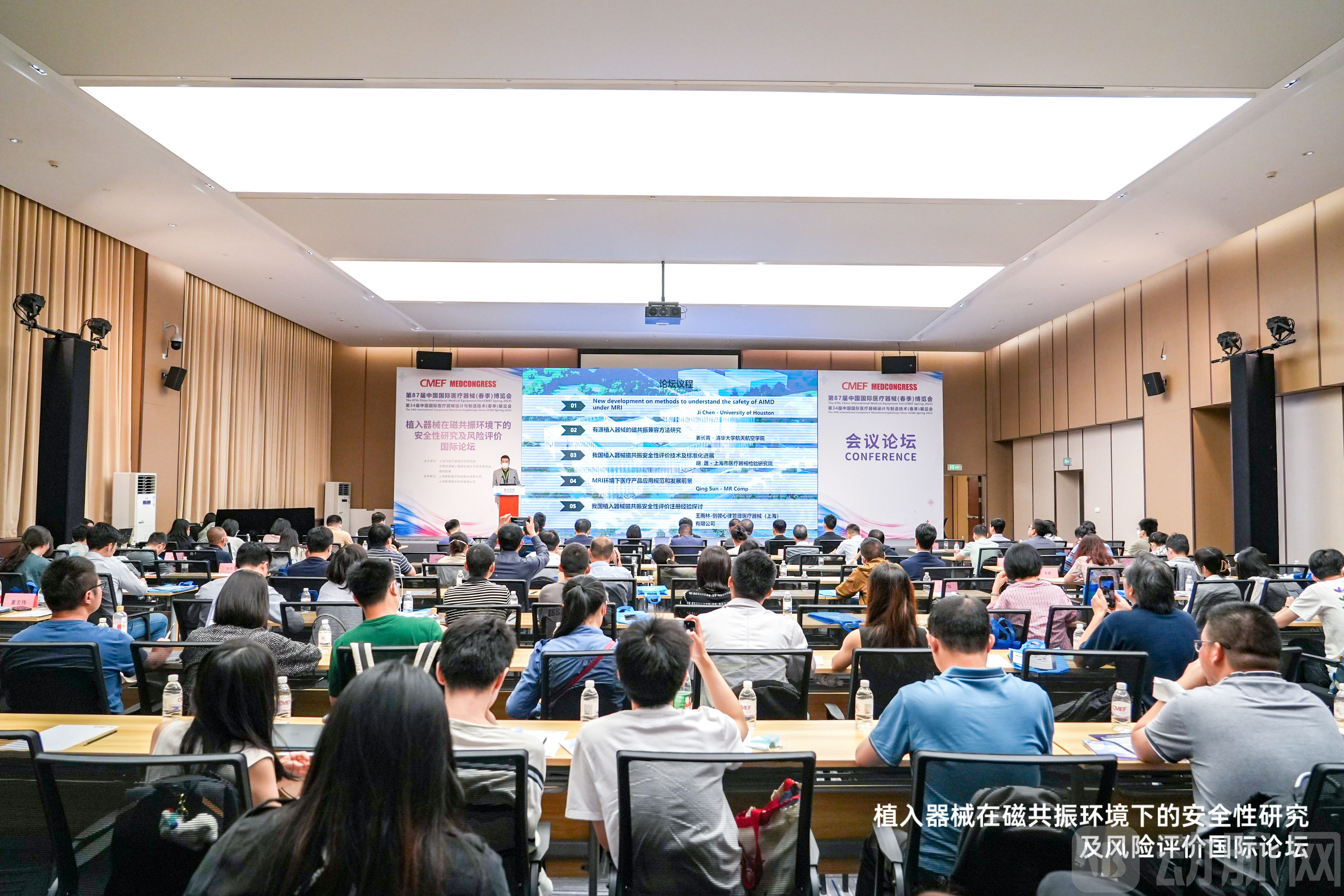
(On-site)
As the organizer of this forum, the Shanghai Institute for Medical Device Testing also shared insights on issues of concern to the attending delegates.President Yu HongyiIn his opening remarks, he stated that the Shanghai Institute of Medical Device Testing, as a national-level quality supervision and inspection institution for medical devices, attaches great importance to research on MRI compatibility safety evaluation technologies. It has established China’s first comprehensive MRI safety evaluation center for implantable devices. This center will provide technical support for improving the quality of MRI safety for implantable medical devices and promoting industry development. Meanwhile,Hu Sheng, Deputy Director of the First Institute for Active Medical Device Inspection at the Shanghai Institute for Food and Drug Control, on behalf of the National Technical Committee for Standardization of Active Implantable Medical Devices, introduced the development of relevant standards in China, as well as the exploratory work undertaken by his team to address challenges such as high evaluation technology costs and critical technological bottlenecks. In particular, a series of domestically produced evaluation equipment and solutions have received unanimous recognition from experts and industry representatives both at home and abroad.
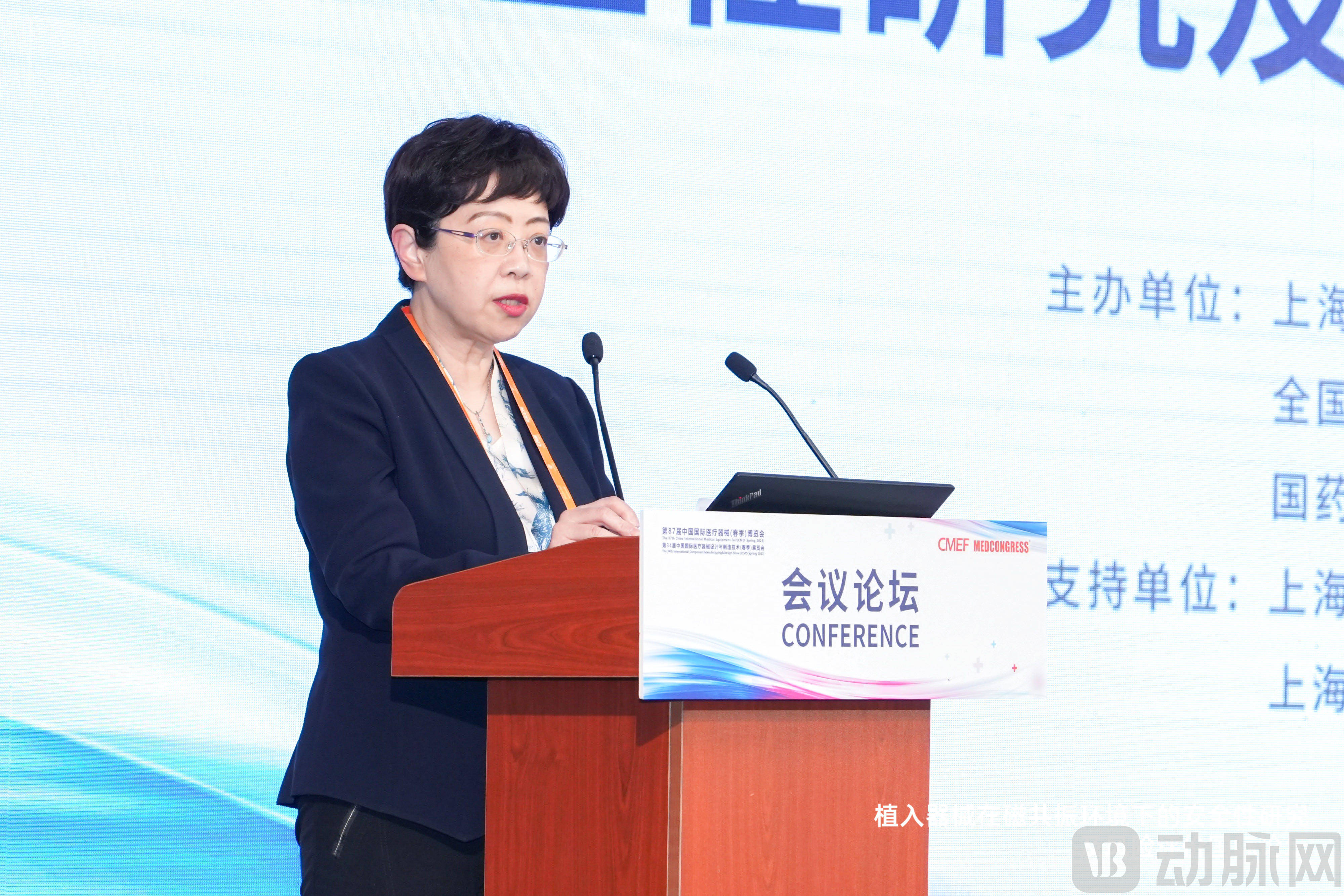
(Director of Shanghai Institute for Medical Device Testing, Yu Hongyi)
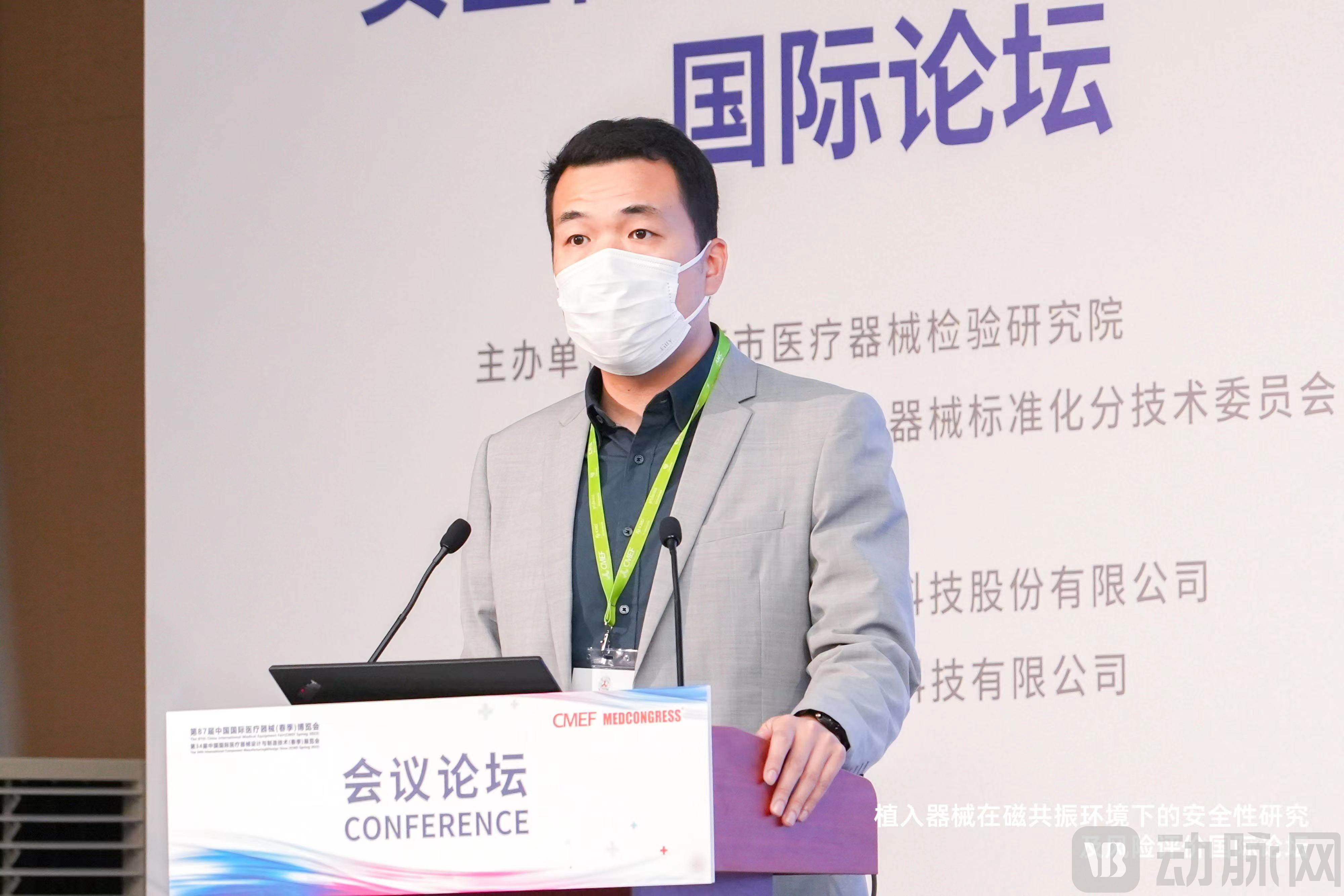
(Deputy Director of the First Division for Active Medical Device Testing, Shanghai Institute for Medical Device Testing)Hu Sheng)
In addition to the presentation by the Shanghai Institute for Medical Device Testing, representatives from MR Comp, a globally renowned institution for MRI safety testing; the University of Houston, an internationally established center for MRI safety research; and leading domestic R&D teams in the field of implantable medical devices delivered speeches and engaged in discussions on MRI safety and risk assessment.
Sun Qing (MR Comp): Safety Assessment and Industry Consensus on Medical Device Implants in the MRI Environment
Safety assessment of implantable medical devices in MRI environments is critical. Through testing and the establishment of industry consensus, we can evaluate the risks associated with implants under various magnetic field conditions and provide clinicians with standardized guidelines for safe scanning. The "iceberg effect" is a significant concern in MRI environments, involving interactions among static magnetic fields, radiofrequency fields, and other complex field strengths. Different implants possess distinct physical properties and therefore require corresponding testing and evaluation. By implementing standardization and applying MR labeling, we can achieve conditional safety for implants, thereby ensuring the safety of both patients and radiologists during scanning procedures. The formation of industry consensus results from negotiations among various stakeholders, balancing the interests of implant manufacturers and MRI scanner manufacturers to maximize risk control and safeguard the rights and interests of all parties involved.
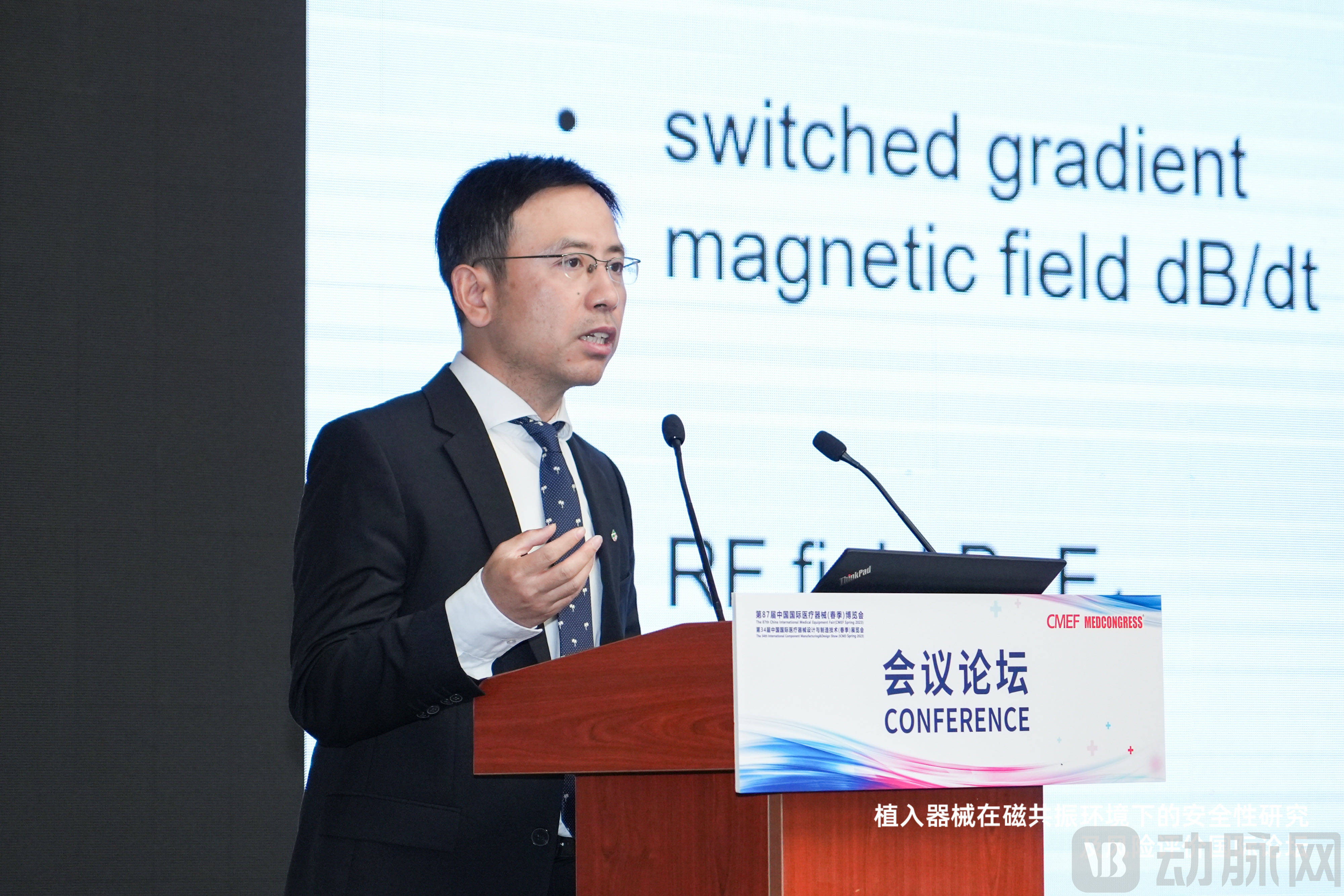
(Sun Qing, Shanghai Moken Medical Technology Co., Ltd.)
Ji Chen (University of Houston): New Developments in MRI Safety Evaluation Methods for Active Implantable Devices
A key approach to evaluating radiofrequency (RF)-induced heating in active medical devices is the use of the transfer function. The establishment and validation of the transfer function can be mathematically expressed in the form of linear equations. By analyzing the validation process of the transfer function, the University of Houston has proposed an independent validation pathway. A general method for establishing effective validation of the transfer function has been put forward to better assess RF-induced heating. Research and development of these evaluation methods can effectively reduce the costs associated with magnetic resonance (MR) safety assessments of active implantable medical devices.
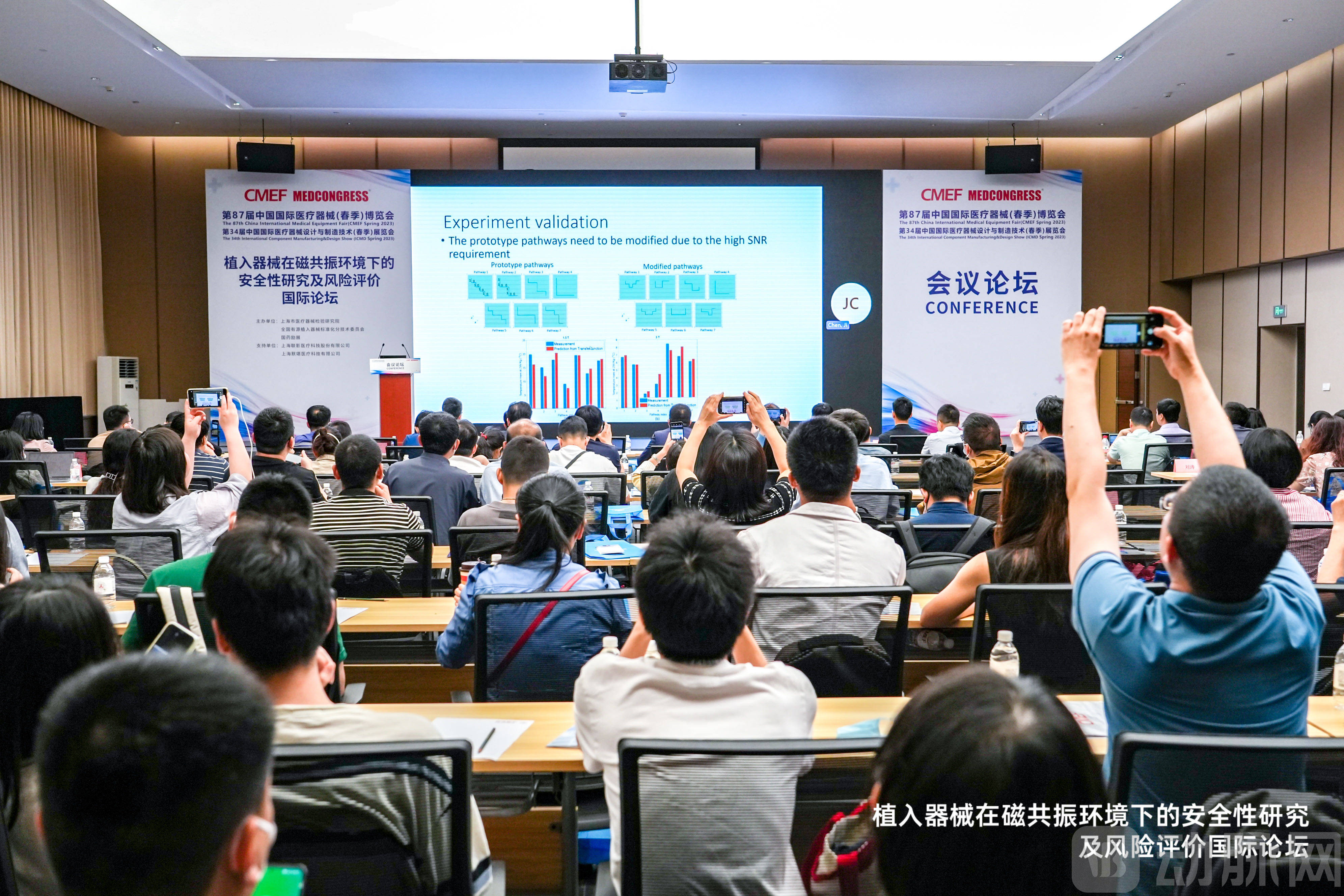
(Chen Ji, University of Houston, USA)
Jiang Changqing (Tsinghua University): Research on MRI Compatibility Methods for Active Implantable Devices
Deep brain stimulation (DBS) devices are long-term implants placed in the human brain, serving as a critical platform for neuroscience research. By delivering targeted electrical stimulation to the brain, these devices treat related neurological disorders and represent the only medical technology currently capable of long-term implantation in the human brain for neuromodulation. The National Center for Neuromodulation, led by Tsinghua University, is a national-level collaborative platform integrating industry, academia, and research in the field of neuromodulation. It aims to foster China’s independent neuromodulation industry and promote the healthy development of scientific research, industrial innovation, and clinical practice. Leveraging this platform, the Tsinghua University team has also conducted research on the magnetic resonance imaging (MRI) safety of DBS devices, providing new insights for the industry.
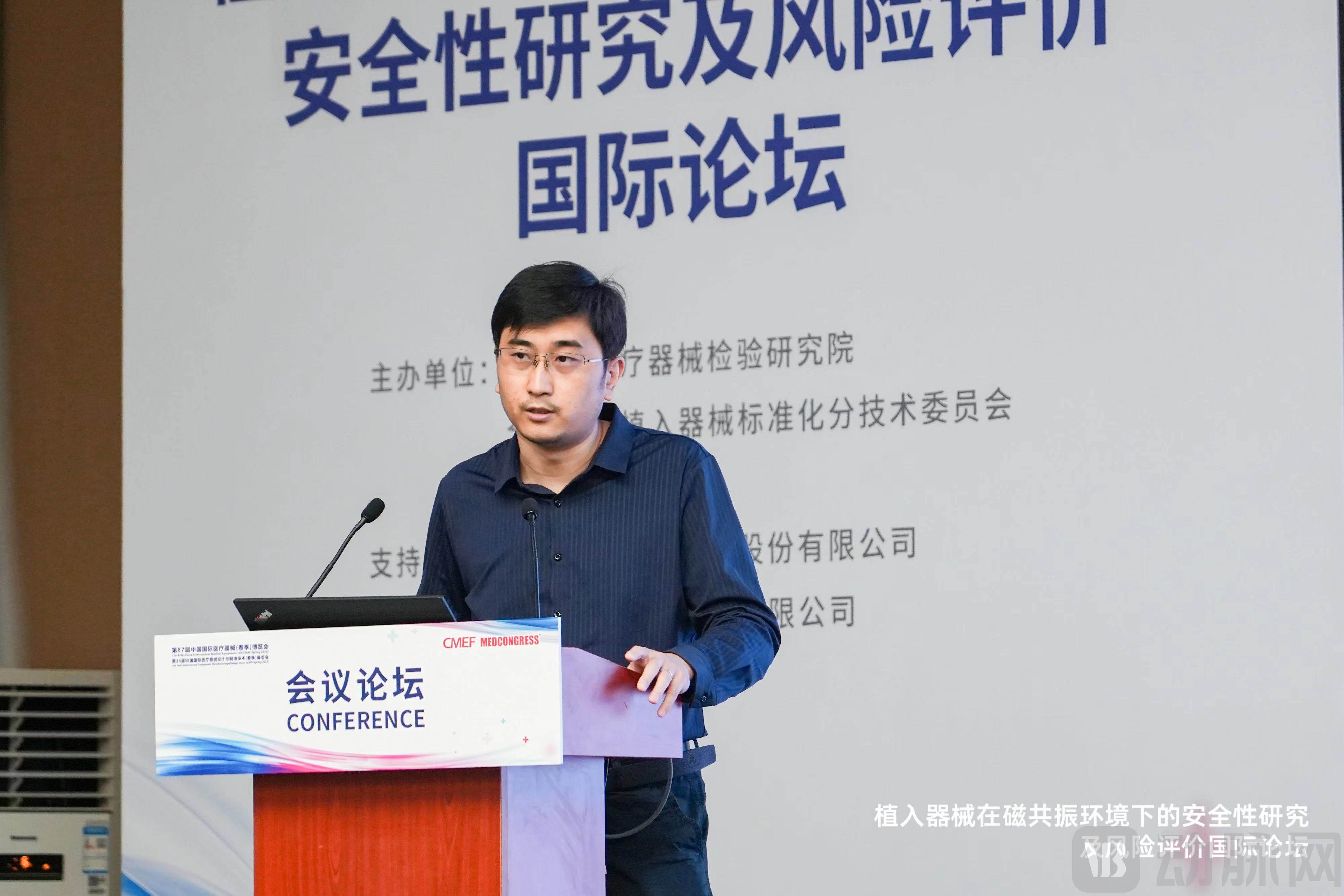
(Jiang Changqing, School of Aerospace Engineering, Tsinghua University)
Wang Yulin: Discussion on Registration Experience for Magnetic Resonance Safety Evaluation of Implantable Devices in China
Dr. Yulin, the pioneer of cardiac rhythm management, authored and reviewed MRI conditional safety registration dossiers for multiple high-end innovative implantable and interventional products. He primarily shared his accumulated experience, highlighting key considerations for drafting non-clinical data on MRI safety testing in registration submissions, designing labeling, and addressing risks associated with active implantable devices under various physical fields of MRI.
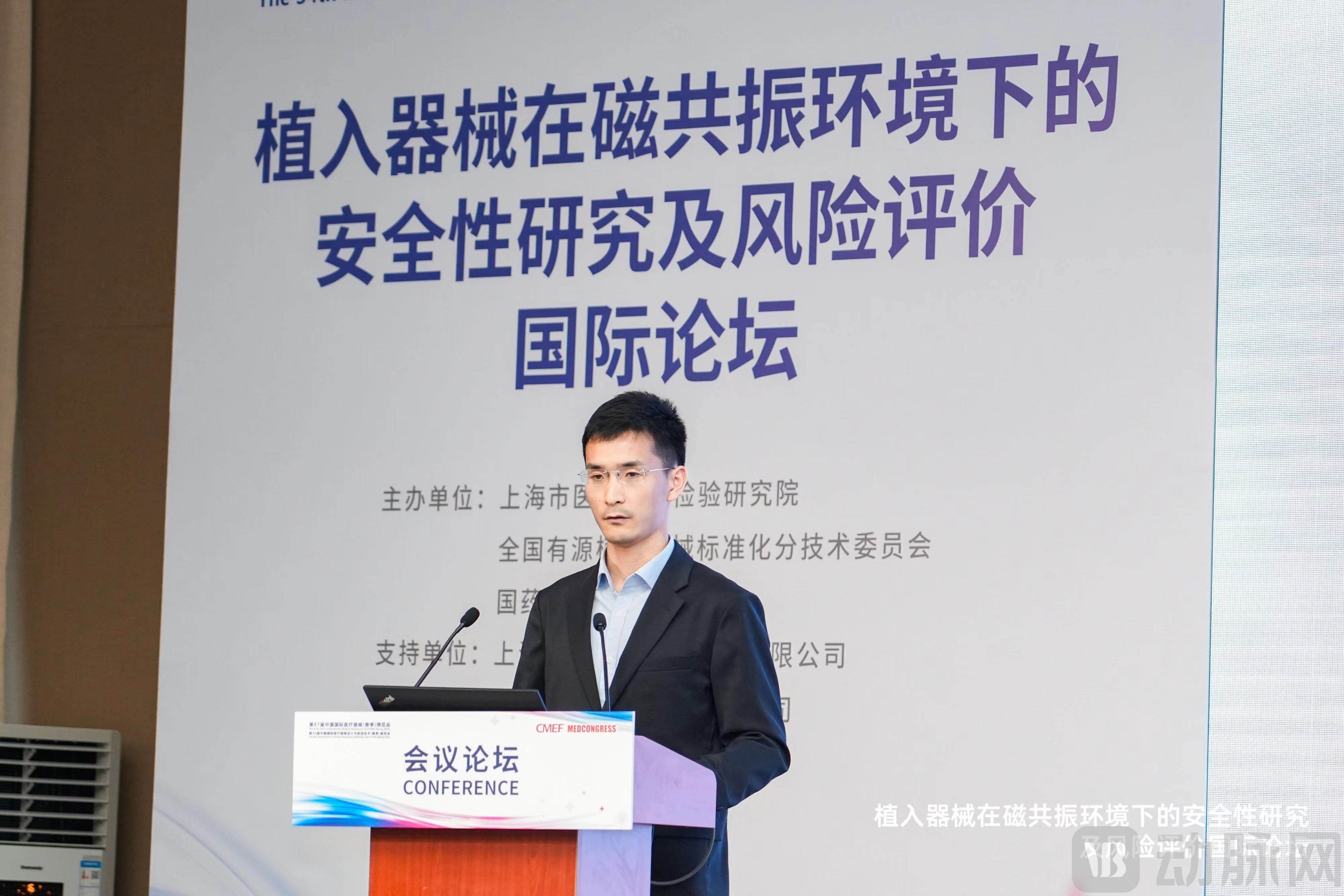
(Wang Yulin, Shanghai Chuangling Cardiac Rhythm Management Medical Devices Co., Ltd.)
The evolution of implantable devices from an absolute contraindication for magnetic resonance imaging (MRI) scans to their current status, where they can safely undergo MRI in large numbers, is the result of relentless efforts by pioneers dedicated to benefiting more patients. In today’s era of maturing technologies and particularly the booming medical device industry, it is even more critical for the entire sector to collaborate, foster industry consensus, enhance technical capabilities, and propose “Chinese answers” and “Chinese solutions” for the MRI safety of implantable devices, thereby driving higher-quality development and progress in China’s implantable device industry.
Tips: Why can’t the MRI safety of high-field-strength systems substitute for that of low-field-strength systems? Why might devices deemed MR Conditional at 3.0 T pose risks at 1.5 T? Why must the MRI safety of devices be independently evaluated and labeled for different field strengths?
The safety profile of the same implantable device can vary significantly across different MRI field strengths due to characteristics such as device size and structure. In particular, temperature rise during magnetic resonance scanning is heavily influenced by device architecture; temperature elevation during low-field-strength scans may far exceed that observed at high field strengths (e.g., temperature rise at 1.5 T may be multiples of that at 3 T, potentially exceeding safe limits). Therefore, evaluating and labeling a device solely based on high-field-strength conditions not only fails to demonstrate its safety at other field strengths but also risks misleading clinical practice and posing significant hazards. Especially given that 1.5 T MRI is a primary modality for routine examinations, implantable devices intended for use at this field strength must undergo independent evaluation and should not rely on MRI safety assessments conducted at higher field strengths (such as 3 T) as a substitute.