Upgrading the Healthcare Ecosystem and Navigating Cycles Together with Industry Partners — The 4th Junlin Capital Healthcare Industry CEO Summit 'Shu Mountain Forum on Health' Successfully Concludes
The healthcare industry is undergoing reshaping and transformation.
In recent years, with an increasing number of emerging enterprises entering the market, medical innovation has been flourishing. The industry is gradually transitioning from a phase of follow-on innovation to one dominated by original innovation, with new opportunities continually emerging.
Against this backdrop, from May 23 to 24, 2023,“The 4th Healthcare Industry CEO Summit — Shushan Discourse on ‘Health’,” hosted by Legend Capital, co-hosted by Bio-Valley Group and Ceyuan Capital, and organized by VCBeat.(hereinafter referred to as the "Healthcare Industry CEO Summit")Successfully Held in Chengdu。
A panoramic view of the summit meticulously outlined the landscape of medical innovation, combining industrial stature with cutting-edge diversity, and delivering a rich feast of intellectual exchange for the industry.
Medical Ecosystem Upgrade
Navigating Cycles with Partners
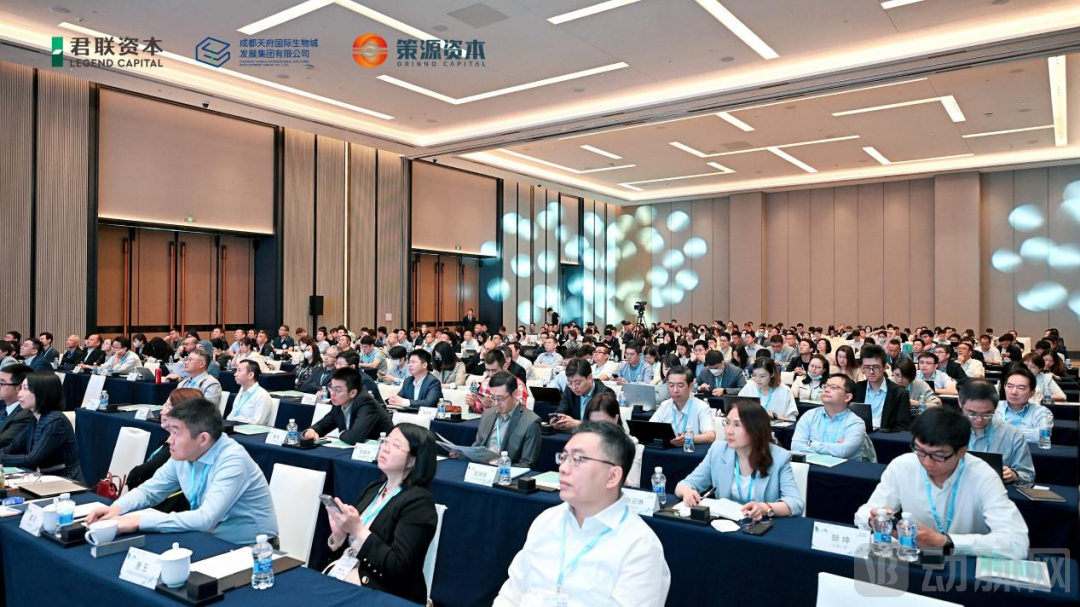
The summit brought together nearly 300 guests from various sectors, including government, industry, academia, research, healthcare, and investment. They shared insights and engaged in discussions on hot topics such as innovation trends in the medical industry, aiming to identify optimal solutions for healthcare within the life sciences field.
The summit has invited Academician of the Chinese Academy of Sciences and Director of the State Key Laboratory of Biotherapy at West China Hospital, Sichuan University, Wei Yuquan; Zeng Ke, Member of the Party Working Committee and Deputy Director of the Administrative Committee of Chengdu High-Tech Zone; Li Wenjin, Deputy Director of the Bureau of Biological Industry of Chengdu High-Tech Zone; Shao Rong, Executive Dean of the Institute for Drug Regulatory Science at China Pharmaceutical University; Huang Song, Deputy Director of the National Institute of Biological Sciences, Beijing; Tang Yu, Head of the GCP Center Office at the Cancer Hospital, Chinese Academy of Medical Sciences; as well as heavyweight guests from the industry and investment sectors representing Changchun High-Tech, CMS Pharmaceutical, Junshi Biosciences, Pharmaron, CanSino Biologics, Recombinex, Jichuan Pharmaceutical, Tianjin Pharmaceutical Group, and China Securities Co., Ltd., alongside entrepreneur partners from the Legend Capital healthcare ecosystem.
In his opening remarks, Hong Tan, Managing Director at Legend Capital, noted that five years have passed since the 3rd Healthcare Industry CEO Summit, during which the healthcare sector has undergone profound transformations. He emphasized that we must not only acknowledge these changes with composure but also proactively adapt to them and seize emerging industry opportunities under new trends. He expressed hope that the experience sharing, intellectual exchange, and extensive dialogue at this summit would inspire attendees and yield valuable insights.
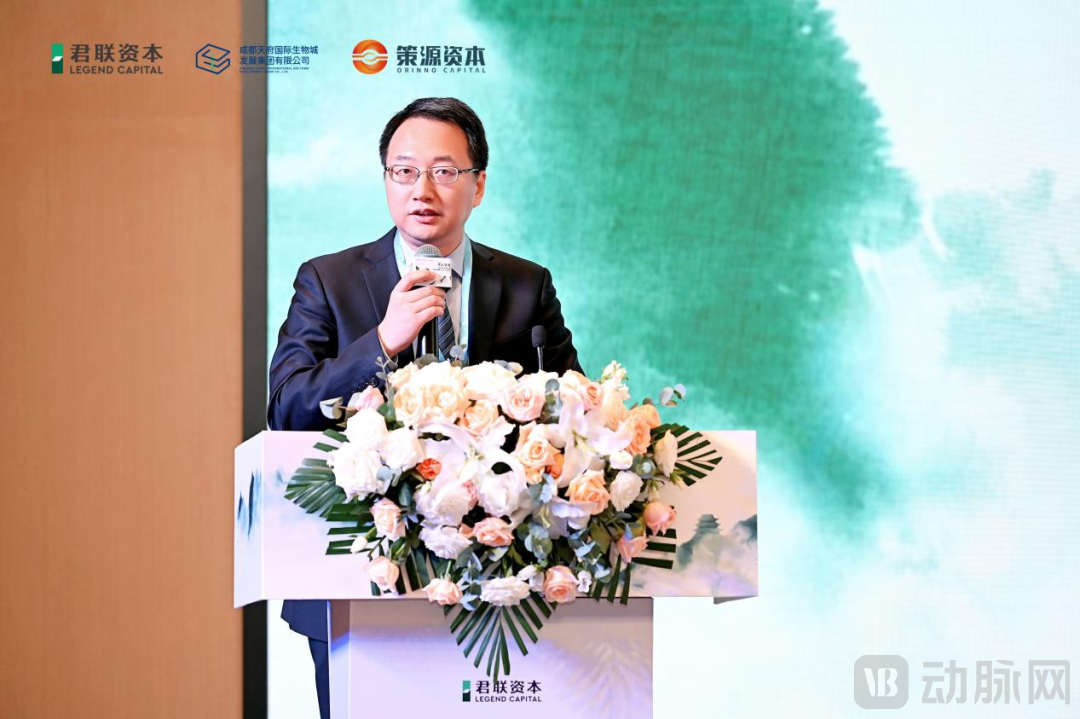
Hong Tan, Managing Director at Legend Capital
Zeng Ke, Member of the Party Working Committee and Deputy Director of the Administrative Committee of Chengdu High-Tech Zone, welcomed the attending guests and enterprises. He introduced that Chengdu High-Tech Zone is the main hub for the development of the bio-industry in Chengdu, Sichuan Province, focusing primarily on five major sectors, including biological drugs and innovative chemical drugs. The Chengdu Tianfu International Bio-Town is jointly built by Chengdu High-Tech Zone and Shuangliu District based on complementary advantages. With its beautiful ecology and complete supporting facilities, it welcomes enterprises to realize value transformation here.
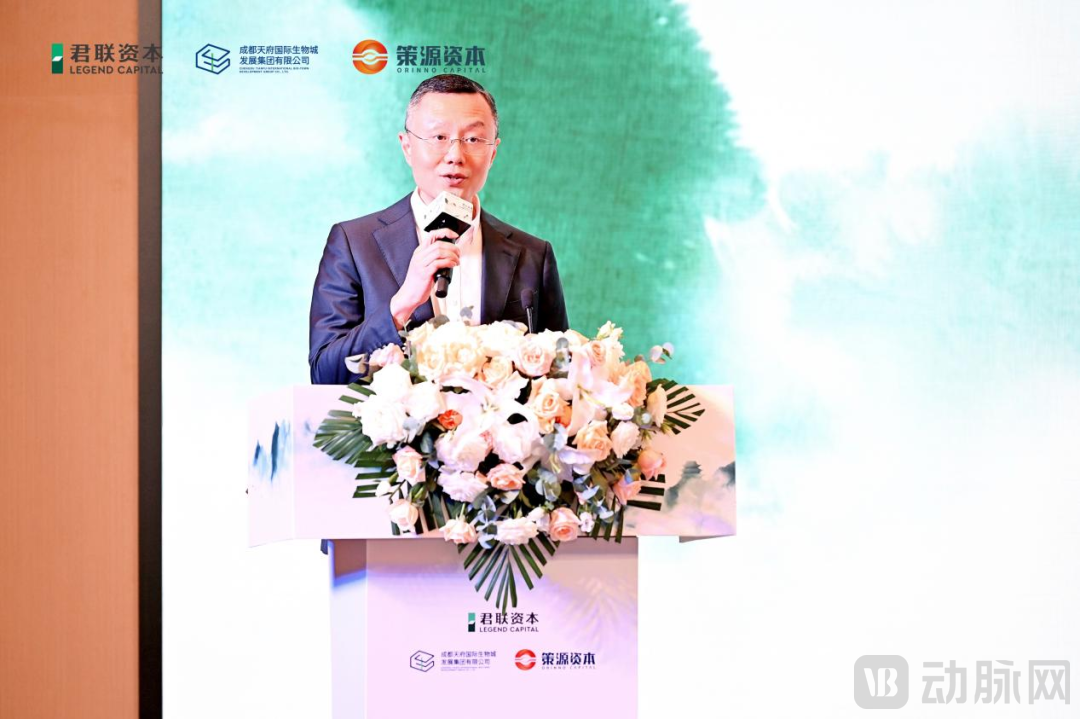
Zeng Ke, Member of the Party Working Committee and Deputy Director of the Administrative Committee of Chengdu Hi-Tech Industrial Development Zone
Academician Wei Yuquan, Director of the State Key Laboratory of Biotherapy at West China Hospital, Sichuan University, delivered a keynote presentation titled “Frontiers in Biomedicine and Drug Development.” Academician Wei introduced the latest global advancements and achievements in biotechnology, highlighting that the driving force behind biomedical progress stems from cutting-edge omics technologies, including genomics, epigenomics, transcriptomics, and proteomics. He also discussed the current developments and future trends in structural biology, synthetic biology, immunotherapy, and gene therapy.
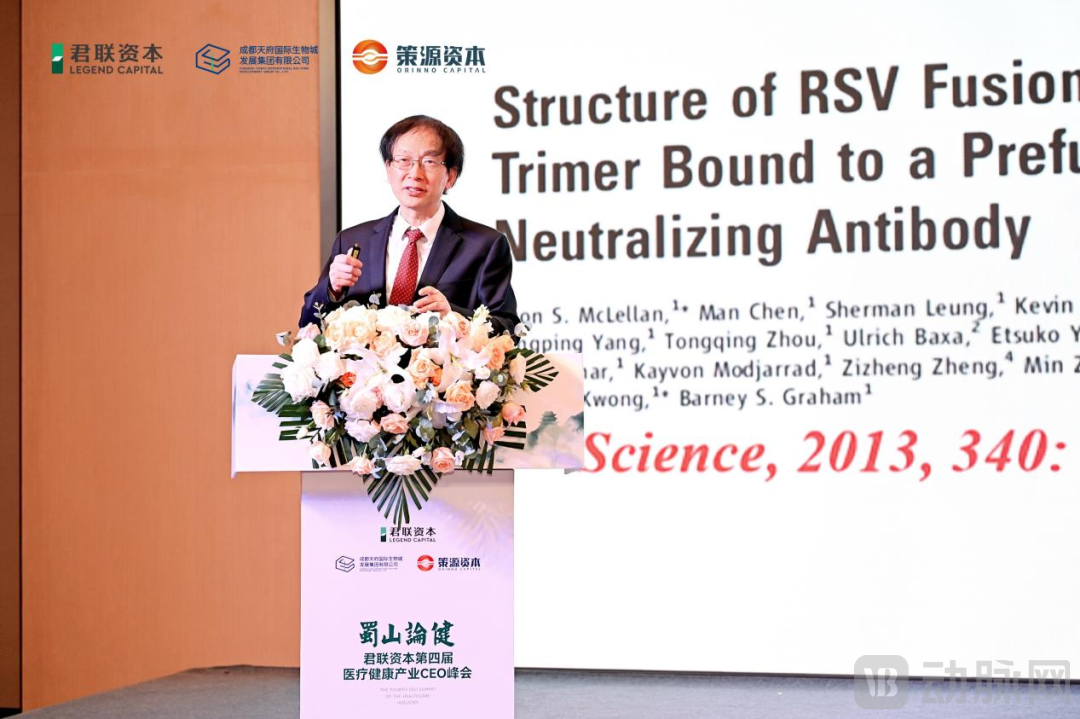
Wei Yuquan, Academician of the Chinese Academy of Sciences and Director of the State Key Laboratory of Biotherapy, West China Hospital, Sichuan University
In his keynote address titled “Focusing on Niche Segments of the Pharmaceutical Industry and Driving Corporate Growth through Innovation,” Jiang Yuntao, General Manager of Changchun High-Tech, shared insights drawn from the company’s 30 years of rapid development, outlined the opportunities and challenges it faces, and offered valuable perspectives on its future trajectory. Mr. Jiang stated that Changchun High-Tech would embrace scientists and partners who share a common worldview and values with an open mindset, thereby fostering a community of shared value.
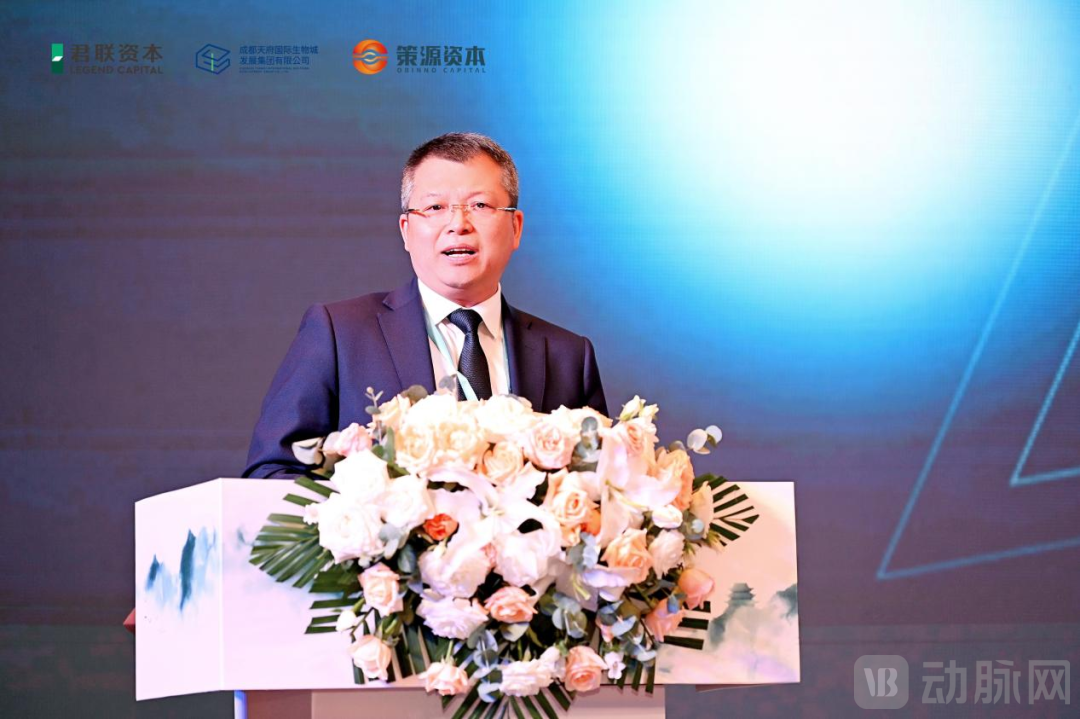
Jiang Yuntao, General Manager of Changchun High-Tech
Li Wenjin, Deputy Director of the Bio-industry Bureau of Chengdu High-tech Zone, introduced the growth environment for the biopharmaceutical industry in the zone. She stated that Chengdu boasts a strong talent foundation, abundant medical resources, significant transportation advantages, and a vibrant atmosphere for innovation and entrepreneurship. As a pioneer zone for the urban bioeconomy and a demonstration zone for the park city concept, the Tianfu International Bio-town is being developed into a hub for biopharmaceutical talent, forming a complete ecosystem integrated with industrial chains, financial support, logistics, and other essential services. “We are continuously cultivating a first-class business environment to empower scientists and entrepreneurs to create value together in the High-tech Zone and contribute Chengdu’s strength to the Healthy China initiative.”
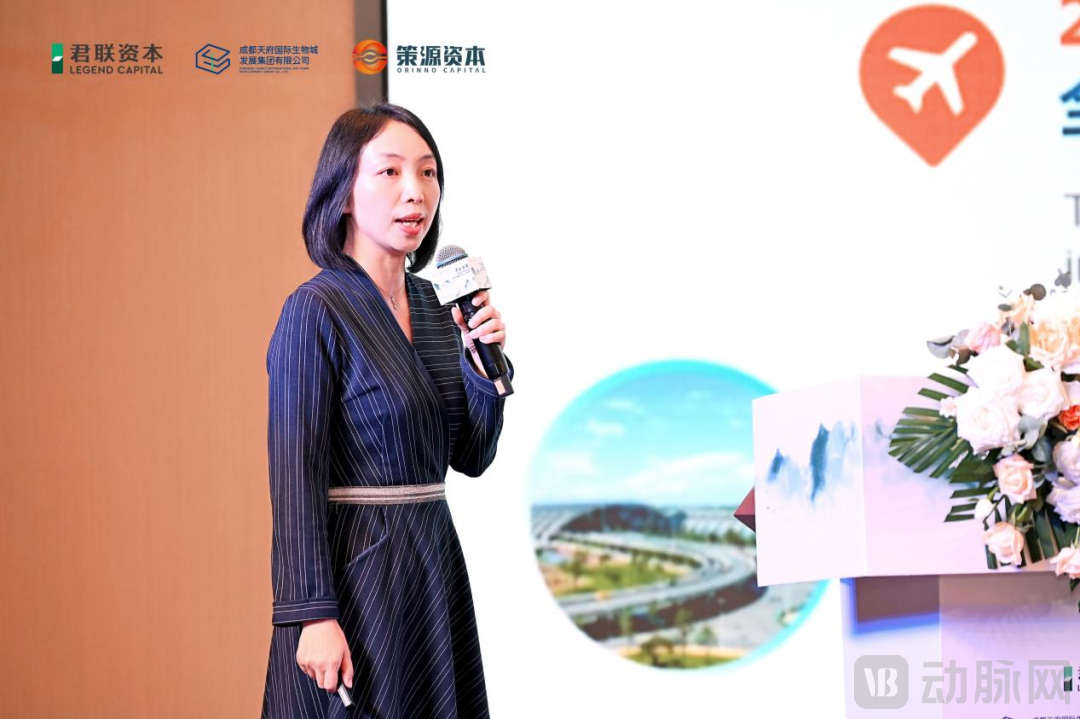
Li Wenjin, Deputy Director of the Biological Industry Bureau, Chengdu High-Tech Zone
Junlian Capital Co-Chief Investment Officer and Managing Director Wang Junfeng unveiled the “Junlian Medical Ecosystem+” strategy at the event. He stated that since introducing the concept of the Junlian Medical Ecosystem five years ago, Junlian Capital has proactively delivered comprehensive value-added services to create collaboration opportunities within the ecosystem.
Over the past five years, Legend Capital has achieved remarkable success in its investment layout within the healthcare sector, with total investments exceeding RMB 7 billion and more than 70 new portfolio companies added. The total capital raised by these portfolio companies has surpassed RMB 50 billion, among which 22 companies have each raised over USD 100 million. The combined market capitalization of the listed companies in its portfolio exceeds RMB 800 billion. These achievements are the result of joint efforts between Legend Capital and its ecosystem partners to withstand the harsh conditions of the capital winter, navigate through market cycles, and strive together.
Legend Capital began its strategic investments in the healthcare sector in 2007 and has since built a distinctive and highly valuable ecosystem. It has invested in pillar companies across multiple fields and segments, establishing a strong foothold in healthcare investment. Within this ecosystem, portfolio companies engage in mutual communication and collaboration to accelerate technology transfer and product commercialization, ultimately achieving business conversion and ecological synergy.
Nowadays, amidst changes in the external environment, Legend Capital will collaborate with ecosystem resources to integrate more industrial resources with a more open stance, achieving leapfrog upgrades and iterations of its ecosystem. Against this backdrop, Legend Capital has proposed the new “Healthcare Ecosystem Plus” strategy. Oriented toward the new development pattern of the healthcare industry, and leveraging capital as a link, it focuses on “innovation” and “ecosystem” to build a broader ecosystem that connects resources from the industry, scientific community, and society. This initiative aims to accelerate the translation of scientific achievements, promote industrial upgrading, and achieve high-quality development. Guided by the vision of “meeting challenges, serving partners, mutual success, and joint entrepreneurship,” this new strategy is characterized by an open, technology-driven, and internationalized ecosystem.
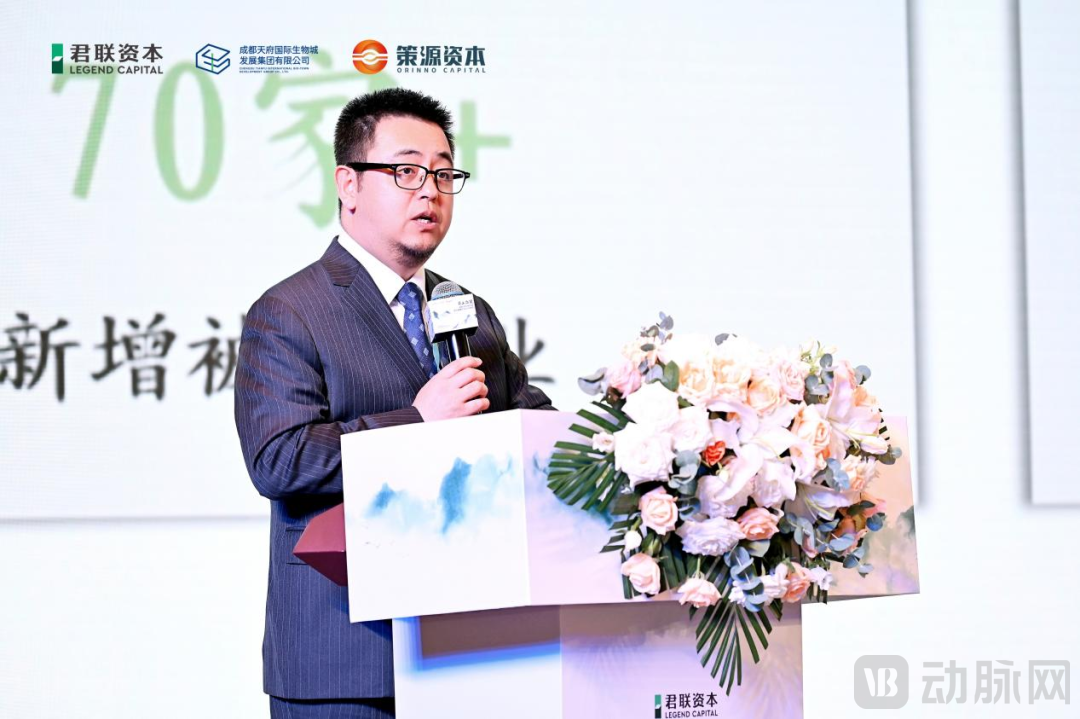
Wang Junfeng, Co-Chief Investment Officer and Managing Director at Legend Capital
Subsequently, witnessed by all attendees, the Healthcare Innovative Ecosystem Alliance (HIEA) was officially established. The founding members of HIEA include research institutes, medical institutions, industry leaders, industry partners, Legend Capital ecosystem companies, and invited experts. Guided by the mission of “Openness, Innovation, and Development” and committed to the philosophy of “Collaboration, Mutual Growth, and Shared Success,” HIEA is dedicated to providing its members with extensive platforms for communication, opportunities for cooperation, and access to resources. It aims to further promote the commercialization of scientific and technological achievements in the healthcare sector, deepen the integration of industry and finance, and facilitate industrial upgrading. By assisting members in addressing difficulties and challenges, HIEA ultimately strives to foster continuous innovation and development within the healthcare ecosystem.
Huang Song, Deputy Director of the National Institute of Biological Sciences, Beijing, extended his congratulations on the establishment of the alliance. He expressed hope that, building upon Legend Capital’s “Ecosystem + Strategy” approach and the foundation of HIEA, the alliance would foster more source innovation and lead industrial development. He also encouraged experts and company founders to strengthen exchange and collaboration, thereby creating a novel ecological environment with distinct Chinese characteristics.
Tang Yu, Head of the GCP Center Office at the Cancer Hospital of the Chinese Academy of Medical Sciences, stated that as a national-level cancer center, the hospital has collaborated with peers in recent years to facilitate the clinical adoption of numerous domestically developed drugs and innovative medical devices. She expressed hope for enhanced future cooperation with partners in HIEA to accelerate the clinical translation of source innovations and serve the health of the Chinese population.
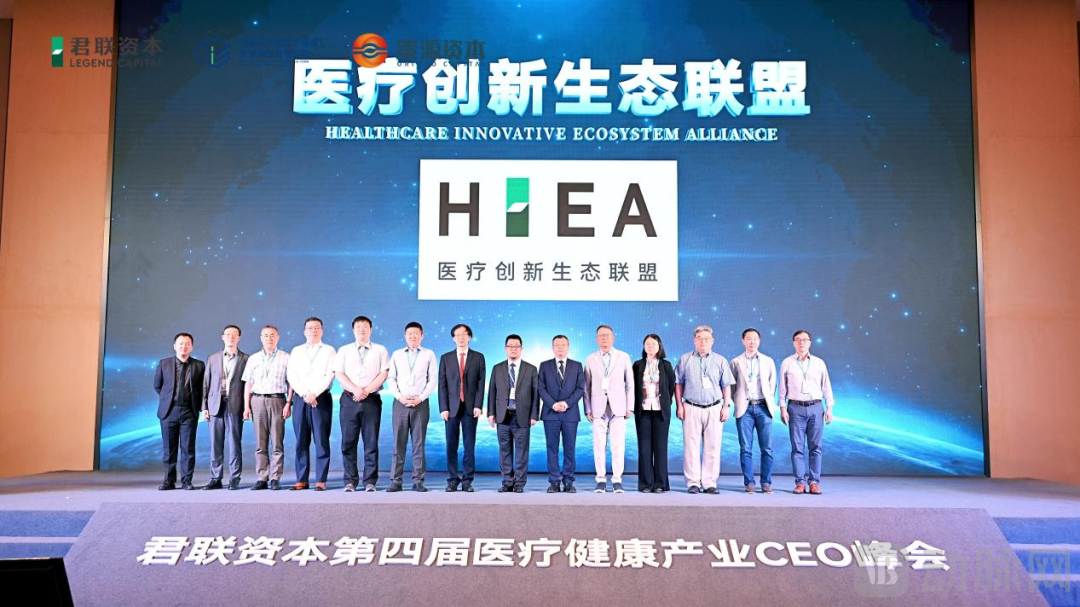
Launch Ceremony of the Medical Innovation Ecosystem Alliance
In her presentation titled “Challenges in Building a Policy Ecosystem for Pharmaceutical Innovation in China: Collaborative Governance and Development of Healthcare, Medical Insurance, and Pharmaceuticals,” Shao Rong, Executive Dean of the School of Regulatory Science for Drugs at China Pharmaceutical University, provided a detailed analysis from the perspectives of medical insurance, healthcare services, and pharmaceuticals. She noted that if the coordination among these three sectors follows the sequence of healthcare services, pharmaceuticals, and medical insurance, with a focus on patients and clinical value, many issues will naturally be resolved.
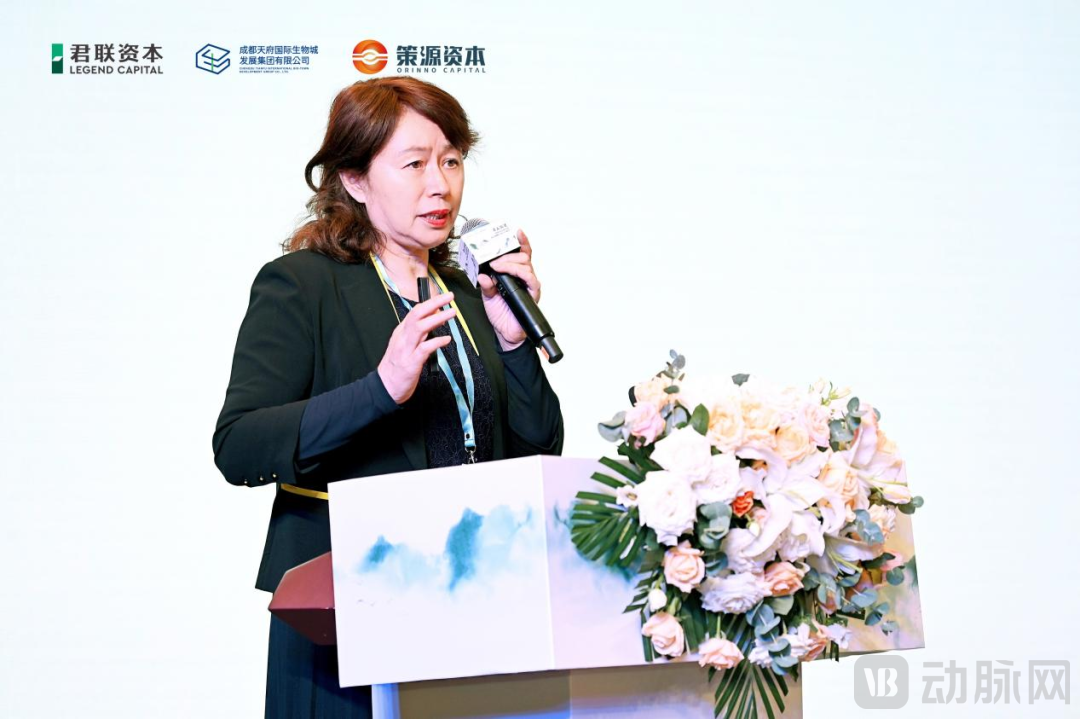
Shao Rong, Executive Dean of the Institute for Drug Regulatory Science at China Pharmaceutical University
He Juying, Chief Healthcare Analyst at China Securities Co., Ltd., delivered a presentation titled “Synergistic Development of Healthcare Policies and Industry.” She argued that, based on the development trajectory of the past 40 years, public hospitals will inevitably enter a new phase of high-quality growth characterized by more refined management. The capital market remains bullish in the long term on companies that demonstrate strengths in clinical value, patient benefits, commercialization, and internationalization.
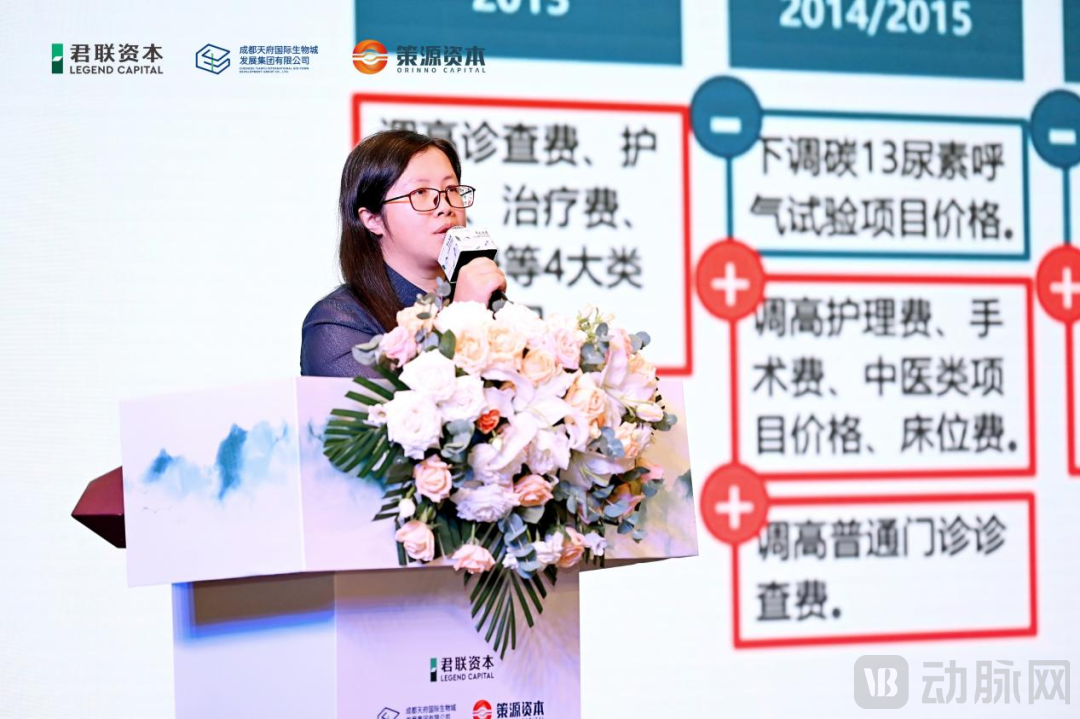
He Juying, Chief Pharmaceutical Analyst at China Securities (CSC) Financial
Moderated by Hong Tan, Managing Director of Legend Capital, Cao Wei, Co-CEO of Jichuan Pharmaceutical; Jiang Fei, CIO of CMS Pharmaceuticals; Li Chengzong, CFO of Pharmaron; Liu Yong, Chairman of Recbio; Xu Xiaoyang, Chief Strategy Officer of Tianjin Pharmaceutical Group; and Yu Xuefeng, Chairman of CanSino Biologics, engaged in a roundtable discussion closely centered on the theme “Capital Empowering Industrial Upgrading.”
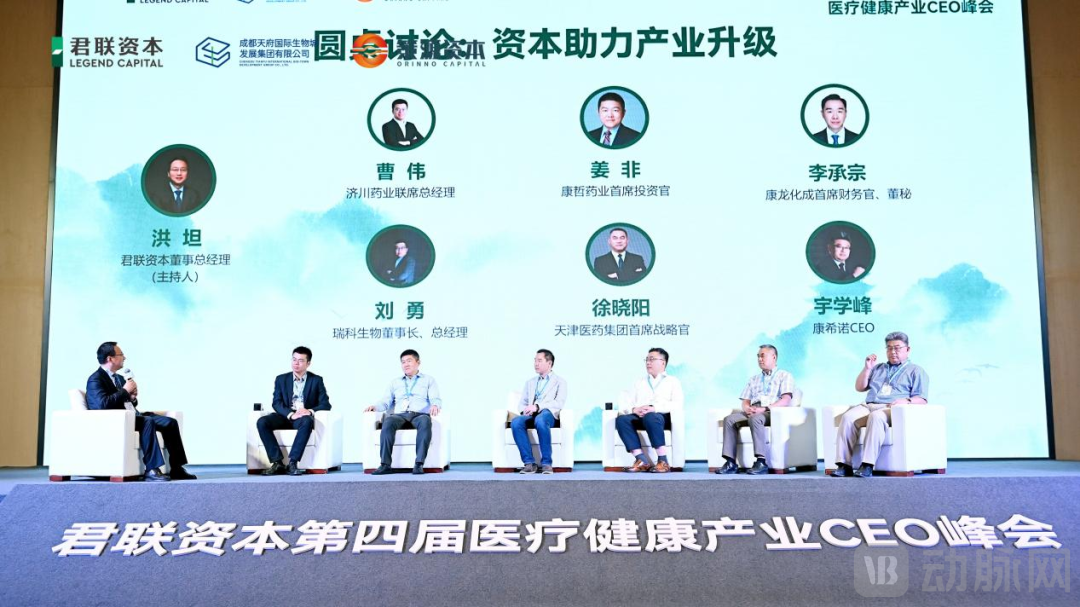
Collaborative Industry-Academia-Research
Empowering High-Quality Industrial Development
A high-quality summit, in addition to its prestigious stature and gathering of industry luminaries, also requires more diverse activity formats and greater attention to cutting-edge topics to better showcase industry insights and reflections.
Building on this foundation, the summit has been meticulously curated. In addition to keynote addresses by distinguished guests, it features three parallel forums covering three major hot topics: “Frontier Technological Innovation and Translation of Scientific Research Achievements,” “Internationalization Strategies and Practices for Healthcare Enterprises,” and “China’s Intelligent Manufacturing Leading Industrial Upgrading.” Furthermore, multiple roundtable discussions and a closing cocktail reception are organized to deepen industry dialogue and interaction.
At the sub-forum on “Frontier Technological Innovation and Translation of Scientific Research Achievements,” participating guests shared insights on topics including “Exploration of the Frontier Translation Ecosystem,” “Challenges and Opportunities for Scientists in the Translation of Medical Research Achievements,” “Key Considerations for Preclinical Evaluation in Frontier Translation Projects,” and “Collaboration and Coordination Among Stakeholders in the Process of Translating Scientific Research Achievements.”
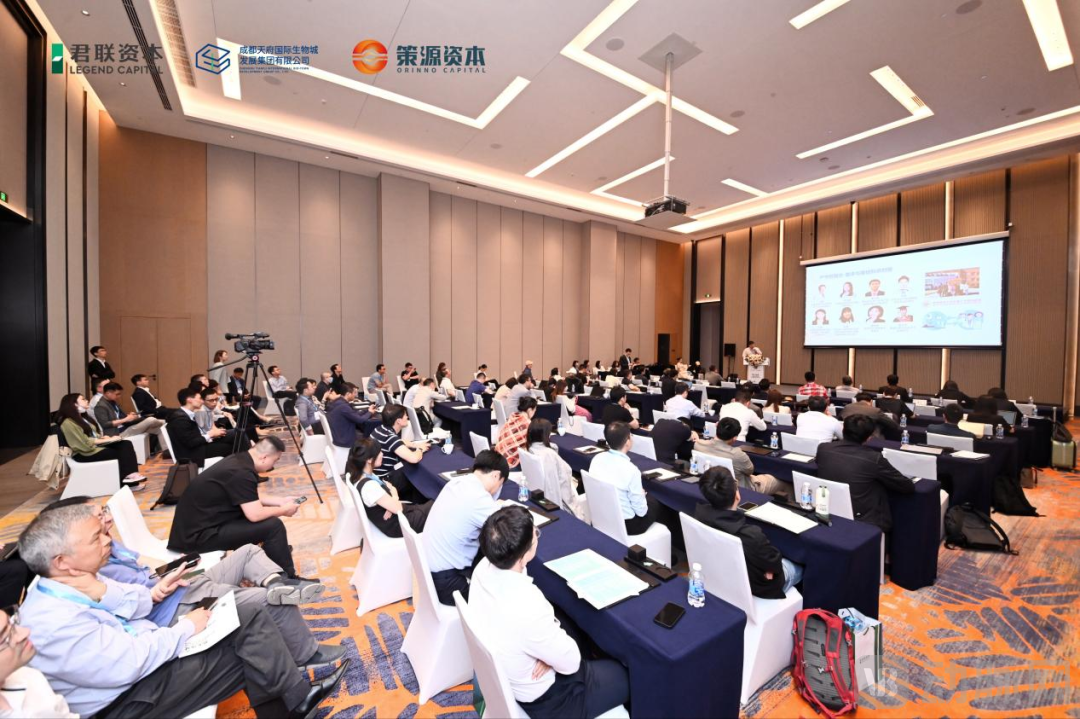
Forum on Frontier Technological Innovation and the Translation of Scientific Research Achievements
At the sub-forum on “Internationalization Strategy and Practice for Healthcare Enterprises,” topics such as “Opportunities and Challenges in the Global Expansion of Chinese-Made Medical Devices,” “Overseas Commercialization of Innovative Diagnostic Technologies,” “Practical Experiences in Going Global with Chinese-Made Medical Devices,” “Exploring Opportunities for Chinese Pharmaceutical Companies in Southeast Asia,” and “Discussions on the Internationalization Pathways for Chinese Pharmaceutical Companies” drew significant attention and thoughtful consideration from attendees.
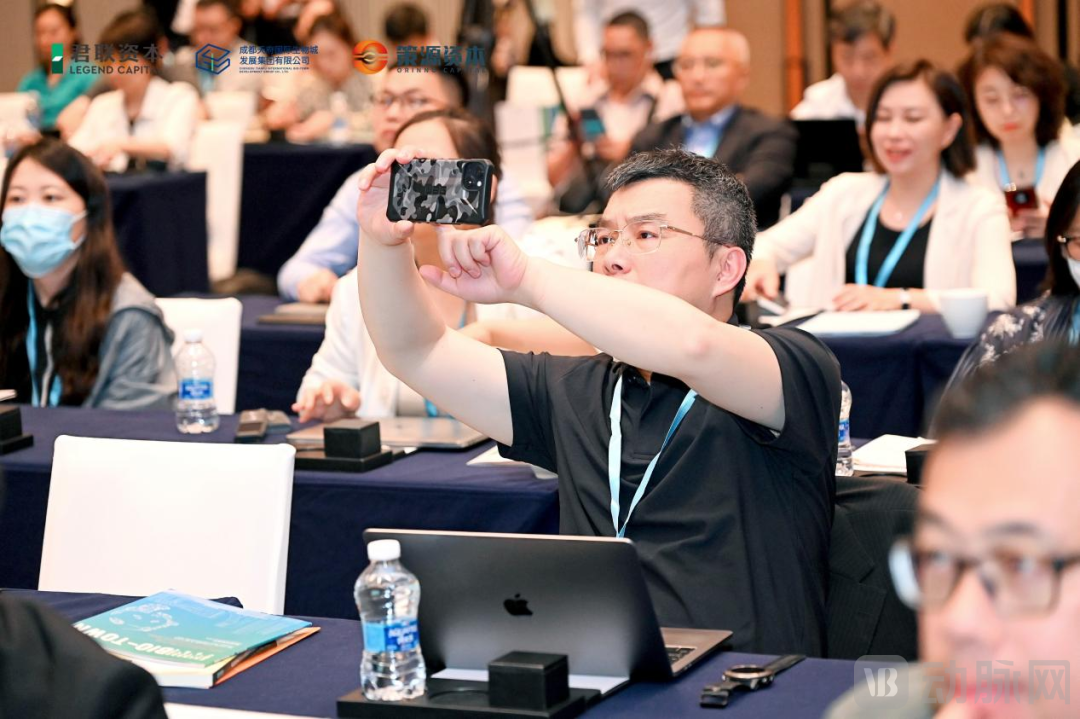
Forum on Internationalization Strategy and Practice for Healthcare Enterprises
At the sub-forum on “China’s Intelligent Manufacturing Leading Industrial Upgrading,” guests shared their insights and practices from various perspectives, including “From Made in China to Intelligently Made in China,” “The Rise of Industry Leaders,” “Exploration and Practice of Import Substitution for Domestic Medical Devices,” “Corporate Strategic Transformation Under Import Substitution,” “China’s Intelligent Manufacturing Serving the World,” and “Upgrading Corporate Supply Chains Amidst Innovative Demands.”
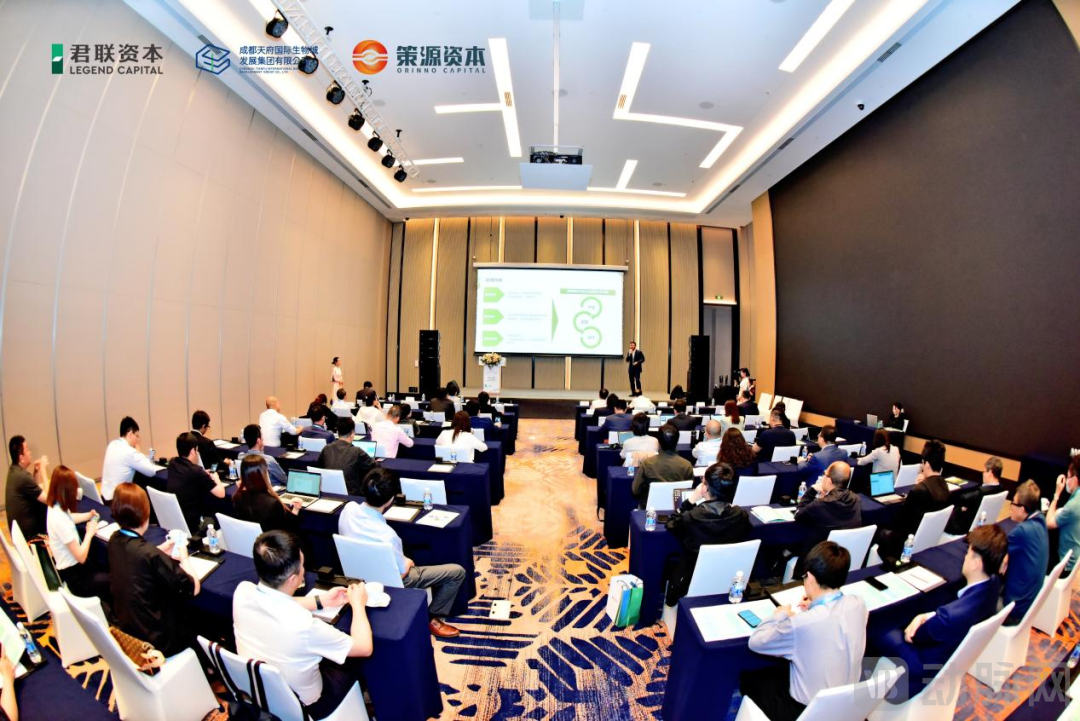
Forum on Intelligent Manufacturing in China Leading Industrial Upgrading
It is evident that, by focusing on high-profile hot topics and employing diverse activity formats, this summit facilitated collaboration among industry, academia, and research institutions. It provided attendees with deeper insights and reflections, fostering a renewed understanding of the sector while enhancing communication and interaction among stakeholders within the industry ecosystem.
Moving Toward the Future
The Mission of Medical Innovation and Its Boundless Imagination
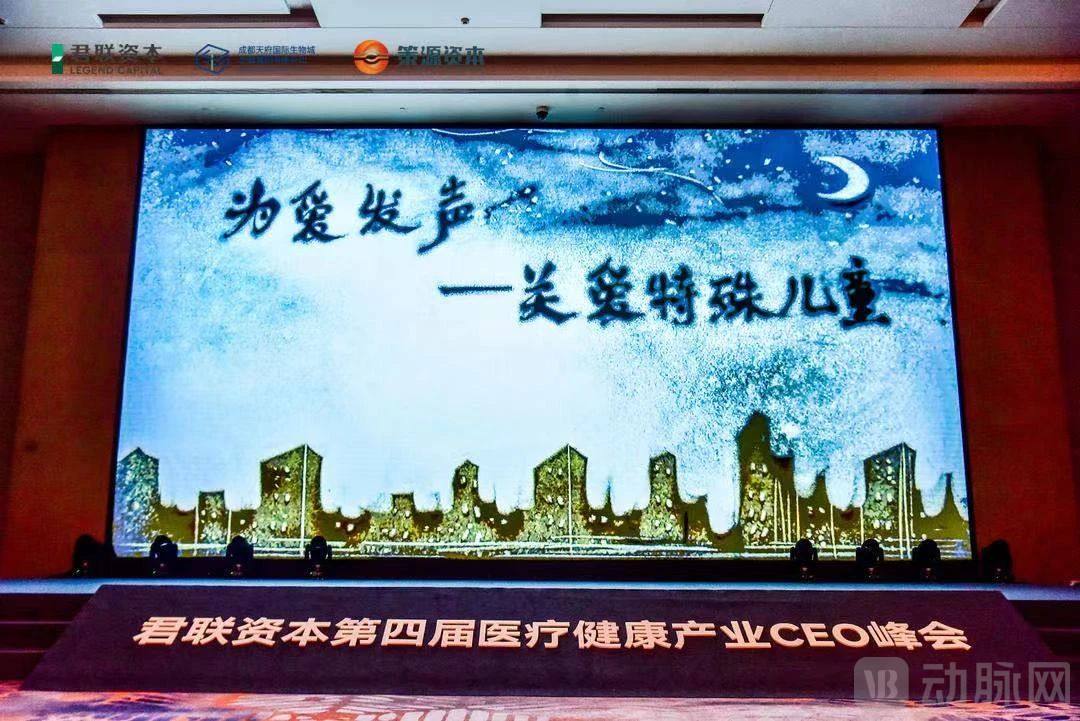
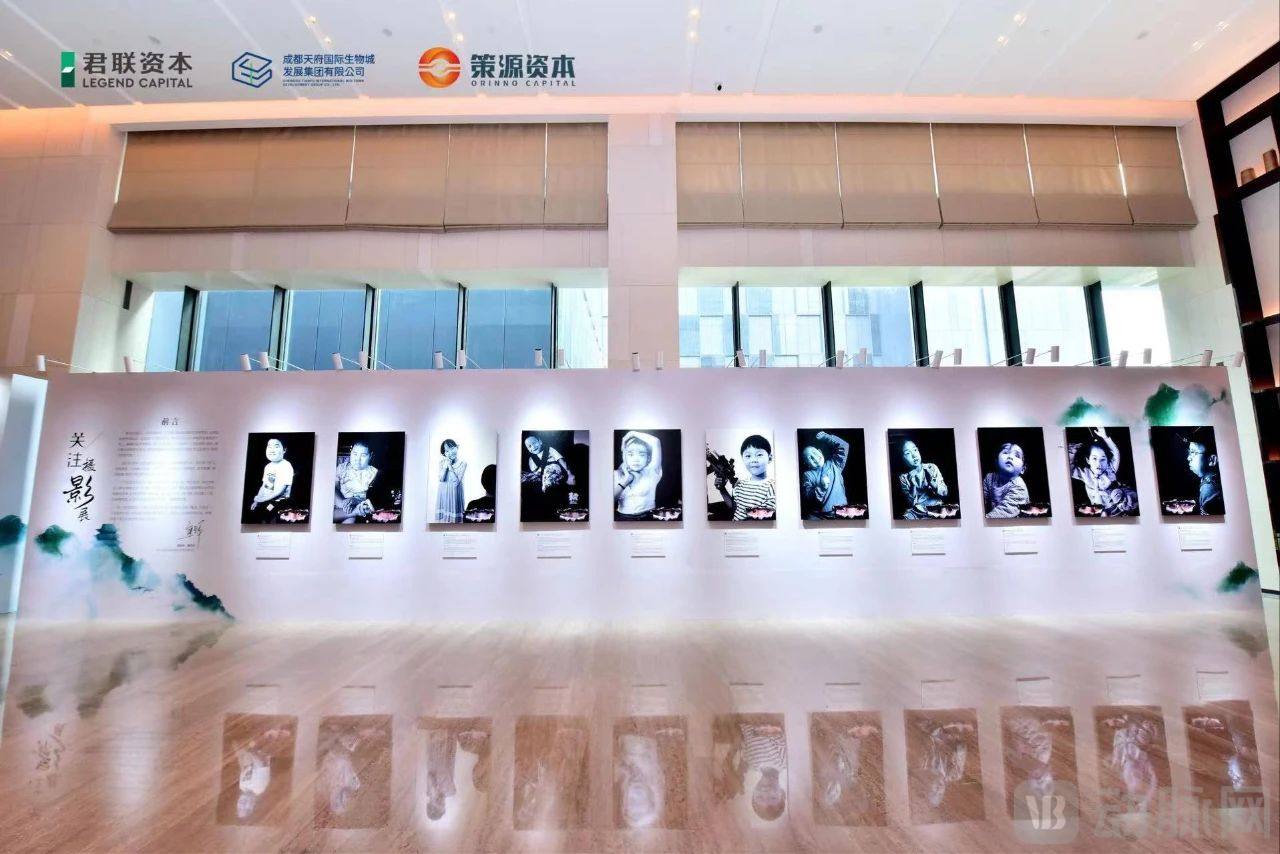
Notably, the summit also hosted the “Speaking Up for Love – Caring for Children with Special Needs” charity gala and a photography exhibition focused on children with rare diseases. The exhibition featured works by Mr. Xiong Xianjun, former Director of the Pharmaceutical Services Management Department under the National Healthcare Security Administration, centered on children with rare diseases. At the gala, Mr. Xiong shared the stories behind his photographs, while several other guests recounted their experiences related to public welfare initiatives for children with special needs. This event, characterized by conviction, warmth, and compassion, left a lasting impression on attendees and exemplified the medical industry’s mission and responsibility: benevolence in healing and boundless love.
After two days of in-depth interaction and exchange, industry attendees expressed a deeper understanding and tangible appreciation of the mission behind medical innovation, along with greater hope for future development. They committed to working together with all stakeholders in the healthcare ecosystem to unlock the boundless possibilities of medical innovation in the days ahead.