

Shenzhen Hosts 2023 Greater Bay Area Brain Science Summit with Strongest Industry-Academia-Research Alliance to Advance Commercialization of Brain Science
Shenzhen is a name familiar to all. It is a city of miracles, having transformed from a remote fishing village into an international metropolis with a population of nearly 20 million in just over 40 years. Its GDP ranks third in China, after Shanghai and Beijing. Home to world-class enterprises such as Ping An, Huawei, and Tencent, Shenzhen has written a legendary tale of industrialization, modernization, and urbanization.
Technological innovation is Shenzhen’s unique “DNA.” In the northern part of the city lies another hub of innovation: the Shenzhen Brain Science and Technology Industry Innovation Center (hereinafter referred to as the “Brain Innovation Center”). As China’s first common technology service platform for the brain science industry, it has gathered more than 70 top-tier research teams and incubated over 60 projects to date. By overcoming challenges in the commercial translation of achievements in brain science and brain-inspired intelligence, it has opened up new prospects for market applications.
It is here that,A high-profile conference, the “3rd International Conference on Frontiers of Brain Science and Industry & 2023 Bay Area Brain Science Summit” (hereinafter referred to as the “2023 Bay Area Brain Science Summit”), was held as scheduled, with the Shenzhen-Hong Kong Institute of Brain Science serving as a key organizer.。
A two-day agenda, themed “ExploreSecrets of Brain Science, Gathering the Brain Industry, Discussing the Future of the Brain” as the theme, featuring six thematic report sessions, six online parallel breakout sessions, and dozens of presentations... More than 60 renowned scientists in the field of brain science from China and abroad, along with business leaders and representatives from investment institutions, have gathered here.Focusing on themes such as technological innovation, industrial translation, and capital integration in the field of brain health, we deeply explored the current development status, future trends, and industrial pathways of brain health medicine. The cumulative number of online and offline viewers reached 13.075 million.
The “Summit Forum on the Future Industrial Development of Brain Science” (hereinafter referred to as the “Summit Forum”) was packed with substantive insights. Starting from cutting-edge technologies, the guests shared multiple projects with promising prospects for industrialization and engaged in thorough discussions on the current state of brain science research, technological breakthroughs, clinical applications, and industrial translation.
The industrialization of any niche sector within the life and health industry is inextricably linked to integration with a region that boasts industrial cluster advantages and deep collaborative capabilities. This holds especially true for the brain science industry, which stands on the cusp of large-scale commercialization.
The Brain Innovation Center, a key organizer of this conference, was established precisely to meet the industrialization needs of brain science. By hosting this event, the Brain Innovation Center has demonstrated its pivotal role in advancing the industrial development of brain science.
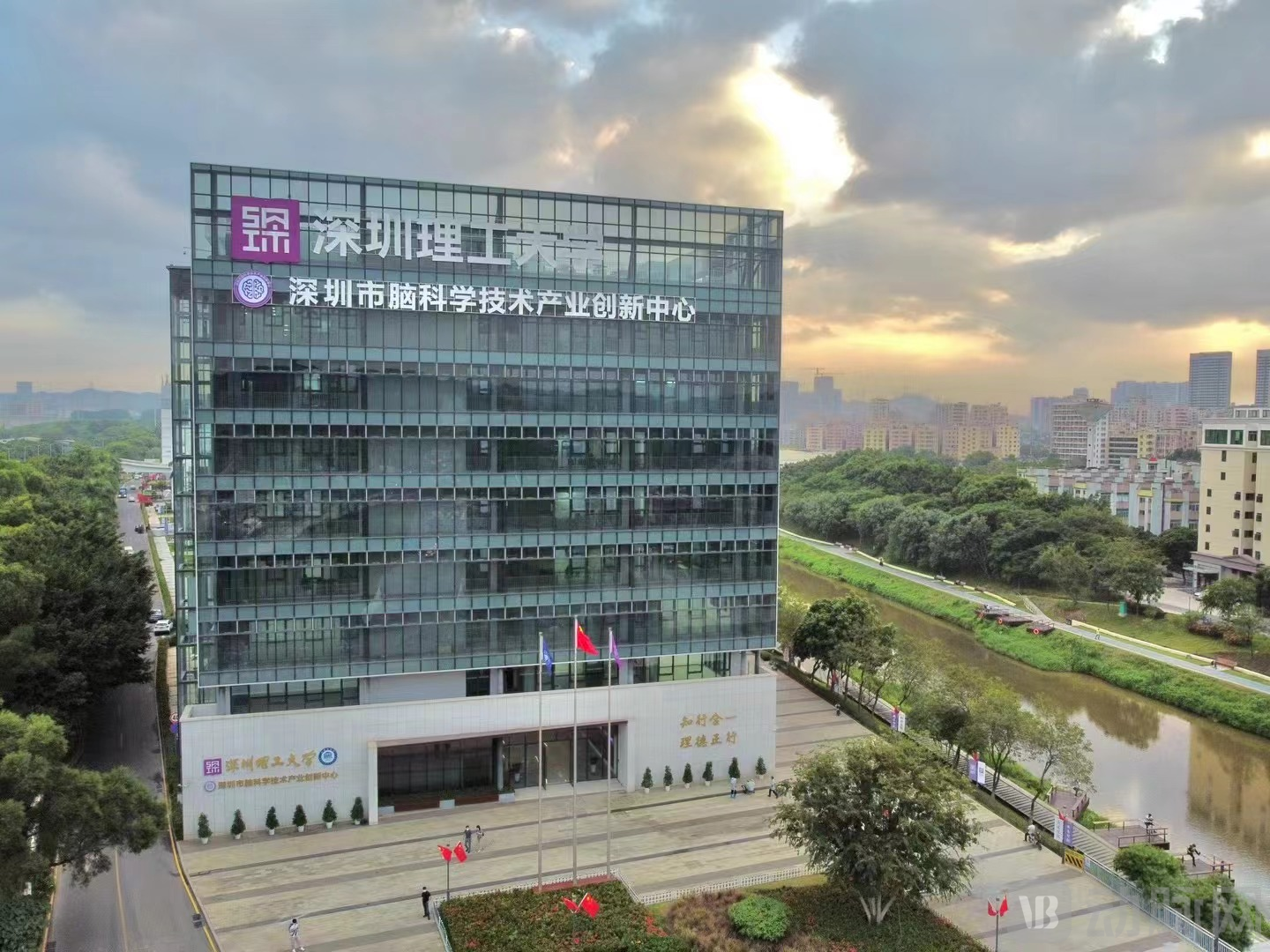
The Brain Innovation Center boasts a comprehensive innovation incubation system with long-term application value. Addressing the key pain points and common needs in the industrial translation of brain science and brain-inspired intelligence, the Center adopts a collaborative model of “enterprises and hospitals posing questions, researchers providing answers,” along with a development model integrating innovation, entrepreneurship, and venture capital (“three-in-one integration”). Aiming to establish an industrial development ecosystem characterized by “continuous spin-offs and agglomeration effects,” the Center has built an industrial incubation platform that supports the commercialization of brain science technologies through a “multi-dimensional operation” encompassing scientific research, equipment, intellectual property, and capital.
The Brain Innovation Center has established 11 technical platforms, including the Organized Imaging and Neuro-Optical Technology Platform, the Experimental Animal Technology Development and Application Platform, the GMP Gene Therapy Vector and Peptide Drug Technology Platform, the Neural Signal Acquisition and Analysis and Brain-Computer Interface Technology Platform, the Neuroelectrochemical Technology Platform, the Biosafety Level 2 Laboratory Platform, and the Public Service Platform for Basic Experimental Technologies. These platforms comprise over 500 sets of equipment, supporting low-cost validation and high-efficiency translation of cutting-edge brain science technologies, significantly reducing innovation costs, and empowering both capital and enterprises.
Moreover, the Brain Innovation Center has established China’s first professional incubation and empowerment platform featuring a “plug-and-play” model for brain-related ventures. It has effectively helped multiple resident enterprises integrate upstream and downstream resources across the industry chain, including clinical settings, clients, and suppliers, while providing them with comprehensive support in scientific validation and technological research and development.
Since the commencement of its trial operations, the Brain Innovation Center has incubated scientific and technological achievements from top research teams across major institutions in China, including the Institute of Automation of the Chinese Academy of Sciences, Xuanwu Hospital, Capital Medical University, The Chinese University of Hong Kong, Shenzhen Bay Laboratory, and the Shenzhen Institute of Advanced Technology of the Chinese Academy of Sciences. More than 40 enterprises have subsequently established their presence in Shenzhen, such as Brinkes (Shenzhen) Biotechnology Co., Ltd., Shenzhen Yiwan Life Technology Co., Ltd., Shenzhen Zhongke Huayi Technology Co., Ltd., Beijing Huixin Yigu Biotechnology Co., Ltd., and Kunyu Biotechnology Co., Ltd. Over the past six months, the cumulative investment secured has exceeded RMB 150 million. The total historical financing of resident enterprises has surpassed RMB 1 billion, with valuations exceeding RMB 10 billion. A special incubation fund for the Brain Innovation Center, with a scale of RMB 100 million, has been established, initially fostering a notable industrial clustering effect.
Undoubtedly, the establishment of the Brain Innovation Center is key not only to the sustainable development of emerging industries but also to the cultivation of innovative talent who can integrate technology with industry. This epochal move will once again send shockwaves through the healthcare sector, unlocking the full potential of the trillion-dollar brain and health industry.
The inaugural session of the High-Level Forum was launched by Si Ke, Deputy Dean of the School of Brain Science and Brain Medicine at Zhejiang University, with a discussion on “Quantitative Assessment and Digital Therapeutics for Attention-Deficit/Hyperactivity Disorder in Children.” His insightful presentation generated enthusiastic engagement from the audience.
Scott outlined the significant importance of addressing the pain points in the treatment of attention-deficit/hyperactivity disorder (ADHD) in children, starting from the harms posed by neuropsychiatric disorders. According to the data he shared, there are currently 23 million ADHD patients in China, with their risk of developing antisocial personality disorder and engaging in criminal behavior being ten times higher than that of neurotypical children. However, the clinical consultation rate for ADHD in China is less than 2%, and diagnosis primarily relies on scale-based screening, resulting in a misdiagnosis rate as high as 40%. Commonly used neuroimaging techniques also face significant challenges: electroencephalography (EEG) suffers from low spatial resolution, poor signal accuracy, and operational difficulties; while functional magnetic resonance imaging (fMRI) is limited by poor motion compatibility, high cost, excessive noise, and unsuitability for children and the elderly. Consequently, there is substantial unmet demand in the market.
Scott believes that digital therapeutics represent a significant breakthrough in addressing this challenge. This view has not only been corroborated by multiple studies, but the School of Brain Science and Brain Medicine at Zhejiang University has also proposed the first closed-loop diagnosis and treatment protocol for attention-deficit/hyperactivity disorder (ADHD).This integrated solution combines diagnosis, treatment, and efficacy evaluation to manage ADHD. The Sko team has developed the second-generation portable functional brain spectroscopy imaging device, which accurately captures brain imaging data and enables further quantitative assessment of children’s brain signals based on this data. The device features 27 standard short-distance channels and 65 medium-distance channels, significantly improving signal accuracy. Moving forward, the Sko team plans to migrate the product to the cloud and establish industry standards, thereby increasing the rates of consultation and treatment for ADHD and effectively addressing the challenges in its diagnosis and management.
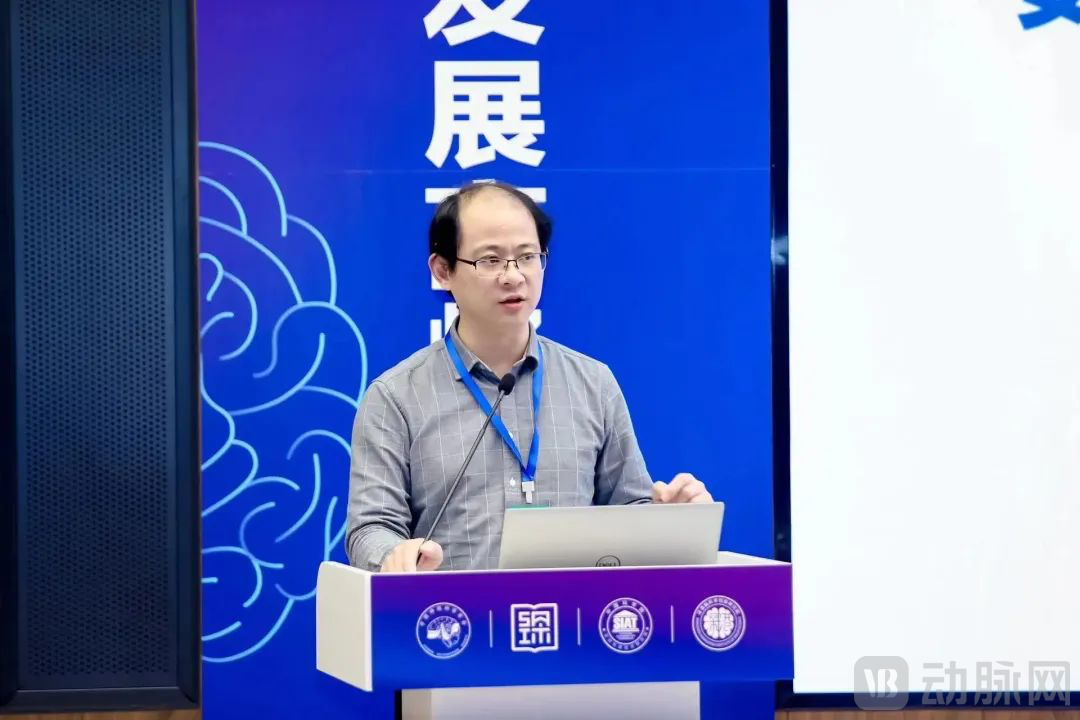
Scott, Deputy Dean of the School of Brain Science and Brain Medicine at Zhejiang University, and Jointly Appointed Professor at the College of Optical Science and Engineering
Professor Gong Wei from the School of Brain Science and Brain Medicine at Zhejiang University and the Second Affiliated Hospital of Zhejiang University School of Medicine shared insights on ultrafast optical clearing technology and its path to industrialization., showcasing the rapid development of ultrafast optical clearing technology—an emerging technique—in China, along with its application pathways in brain science research, thereby providing a novel approach for high-resolution acquisition of three-dimensional structural information of tissues.
Tissue optical clearing technology reduces light scattering in biological tissues by rendering them “transparent,” thereby increasing optical imaging depth and addressing current challenges in biological research, pathological examination, and medical diagnosis, such as low image resolution, shallow imaging depth, and prolonged processing times. Developed by Gong Wei’s team, this organic solvent-based method offers strong clearing capability, rapid action, and ease of use: a single drop can clear a 300-micrometer brain section within two minutes, reducing the time required to one-tenth that of conventional methods. It enables high-speed clearing of any animal tissue, as well as rapid and uniform staining of large tissue samples, which is crucial for biomedical research. Currently, Gong Wei’s team has established a dual-track product commercialization model—combining service provision with product development—centered on tissue-clearing reagents and microscopic imaging equipment, and guided by the construction of digital organ atlases.
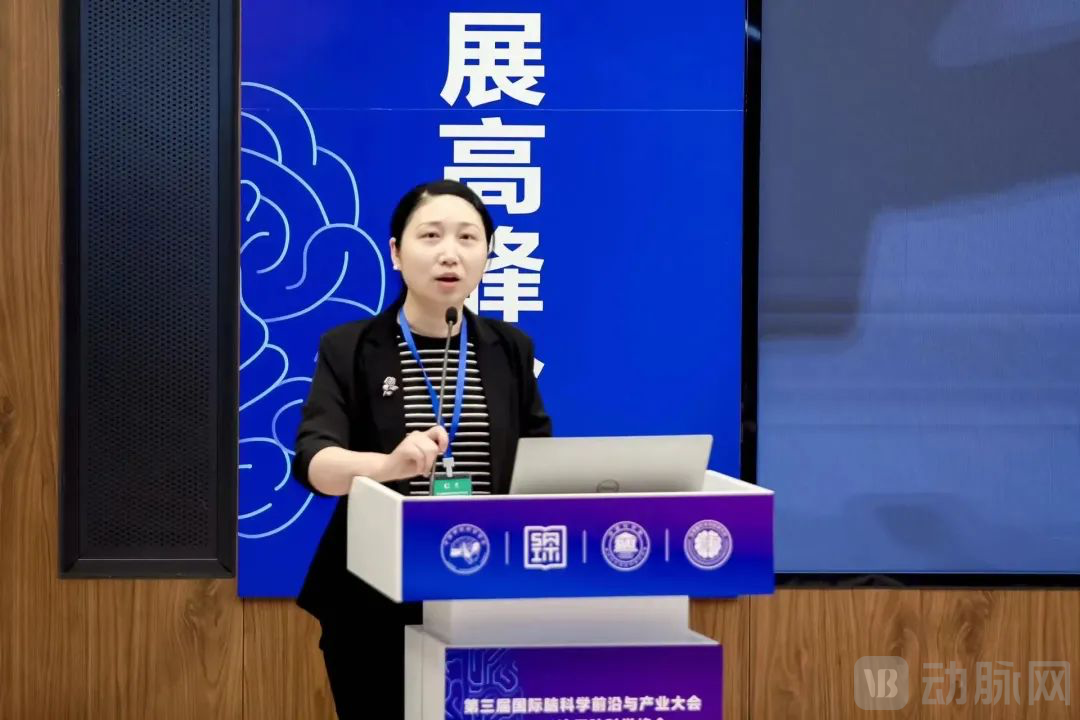
Professor Gong Wei, School of Brain Science and Brain Medicine, Zhejiang University; The Second Affiliated Hospital, Zhejiang University School of Medicine
Jiang Tianzi, from the Institute of Automation of the Chinese Academy of Sciences, the Brainnetome Center, and the Hybrid Augmented Intelligence Center of Zhejiang Lab, shared his insights on the topic “Neuromodulation Robots Guided by the Brainnetome Atlas.”
Jiang Tianzai led the audience through a review of the milestones in the development of the human brain atlas, and attempted to use this as an entry point to explore innovative approaches to current diagnostic and therapeutic solutions for brain diseases. At the conference,Jiang Tianzi proposed“The concept of ‘Brain Network Group Atlas = Fine-grained Brain Parcellation + Brain Connectivity Atlas,’ along with its discoveries regarding the subregions and connectivity patterns of the temporal pole cortex, has overturned the traditional view of the temporal pole as a structurally and functionally homogeneous brain region, as well as the limitations of conventional brain atlases.”At the application level, Jiang Tianzi proposed a neuromodulation technology guided by the Brainnetome Atlas to address the challenges facing non-invasive neuromodulation and provide innovative approaches for neuroscience research in the industry.
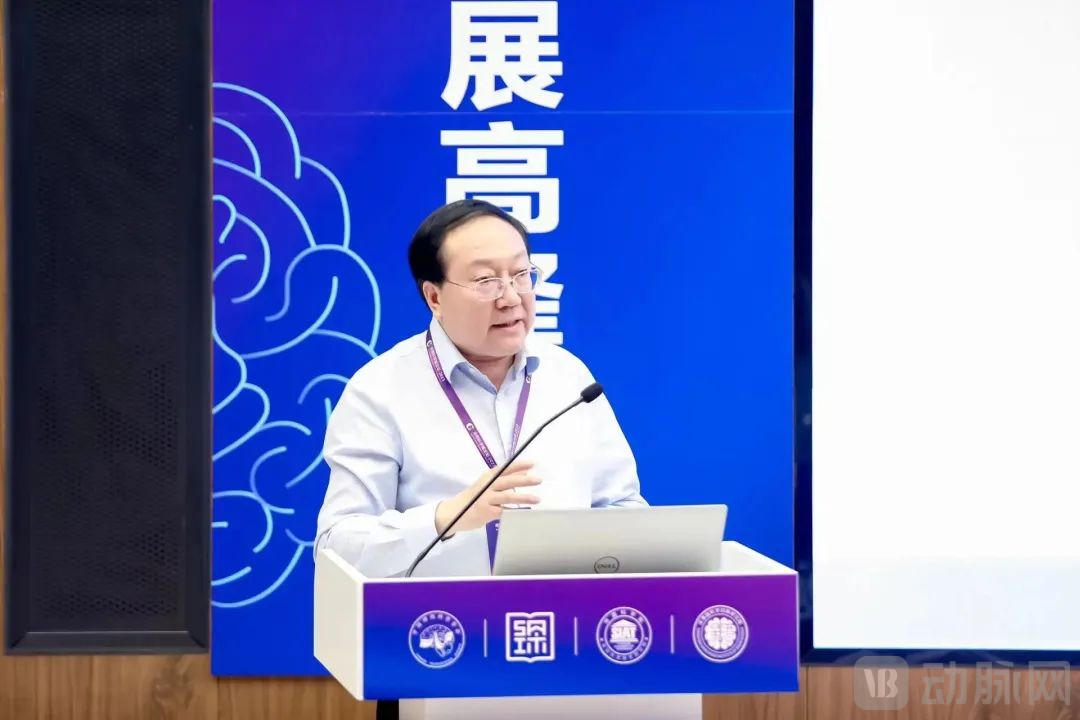
Tianzi Jiang, Distinguished Researcher at the Institute of Automation, Chinese Academy of Sciences; Center for Brain Network Group Research; and Zhijiang Laboratory; Foreign Member of Academia Europaea
Brain science and brain-inspired intelligence are key technological priorities during China’s 14th Five-Year Plan period and constitute one of the future industries within Shenzhen’s “20+8” industrial clusters. Shenzhen’s open environment, robust industrial foundation, and innovative ecosystem will undoubtedly attract more innovative enterprises and high-caliber talent in the fields of brain science and brain-inspired intelligence to converge in the city.
Following the keynote address, several outstanding entrepreneurs shared their startup ventures.
Saville Biotech CEO Tan Yuansheng with "New Generation 'Vitrification' Active Preservation Technology—Empowering Biological Resource Utilization"》was used for the project roadshow.The brain slice amber-state deep cryopreservation and revival experiment, led by Dr. Tan Yuansheng, successfully preserves the electrophysiological and learning-memory functions of brain slices. Studies have shown that after vitrification cryopreservation and revival of brain slices, there are no significant differences in cellular activity, electrophysiological activity, and transcriptional function compared to fresh tissue. Saiver Biotechnology focuses on technologies such as "vitrification" for active preservation, providing technical services and research products for life health science research. Currently, the company has completed its angel round of financing.
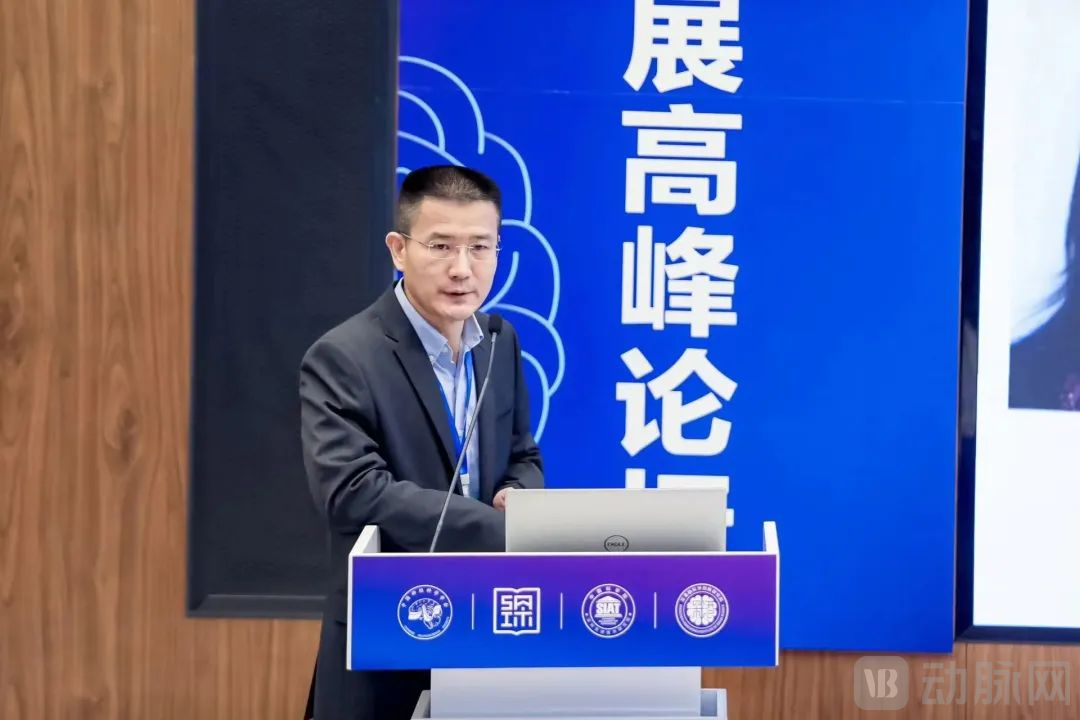
Tan Yuansheng, CEO of Saiver Biotechnology
Professor Chen Zhiguo, Founder of Beijing Huixin Yigu Biotechnology, delivered a project pitch on “Cell-Based Drug Development for Neurological Diseases.”Huixin Medical Valley is dedicated to stem cell-based regenerative medicine, focusing on the research and development of innovative biopharmaceuticals in the field of cellular therapy for neurological disorders. Leveraging cutting-edge reprogramming technologies and non-integrating systems, the company directly induces neural stem cells (iNSCs) from human peripheral blood mononuclear cells or fibroblasts. These iNSCs are then directionally differentiated into dopaminergic neural precursor cells (iNSC-DAPs), which are administered via internationally leading stereotactic transplantation techniques for the clinical intervention and treatment of Parkinson’s disease (PD). This represents the world’s first application of iNSC-derived dopaminergic neural precursor cells for PD therapy. It is reported that Huixin Medical Valley has also established platforms for organoid differentiation, cellular reprogramming, and nervous system differentiation, continuously expanding its product pipeline.
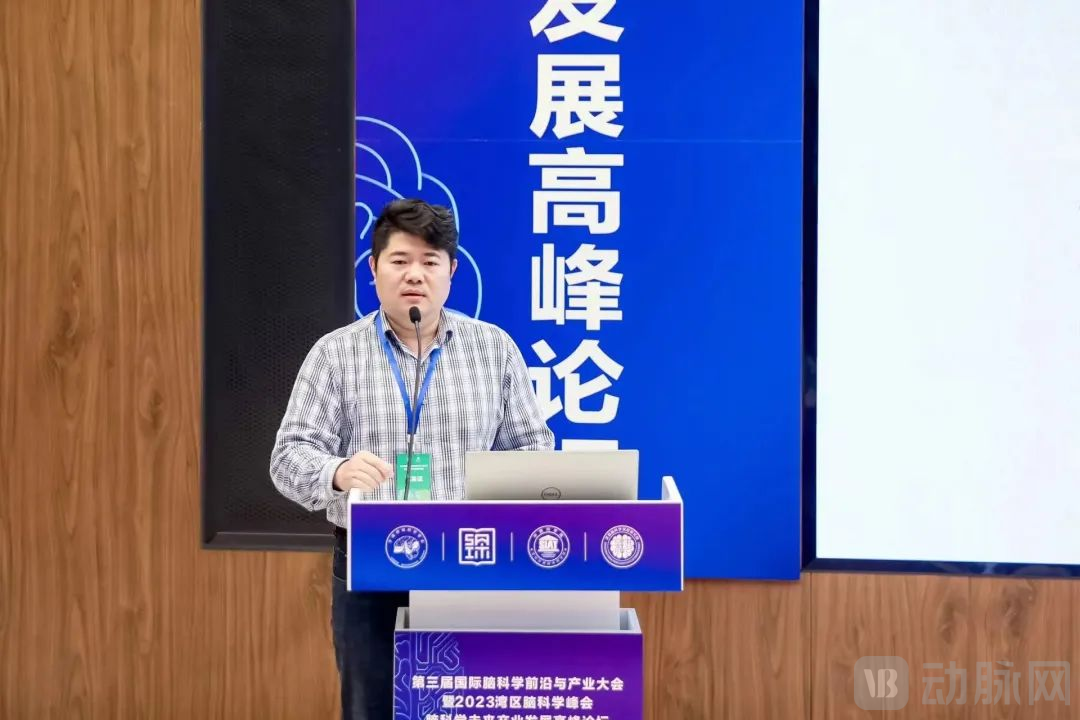
Chen Zhiguo, Founder of Beijing Huixin Yigu Biotechnology
Zhang Xin, CEO of Zhongke Borui (Beijing) Technology, delivered a presentation on the theme “Industrialization of Innovative Brain Monitoring and Imaging Diagnostic and Therapeutic Devices”, presented the project roadmap based on market opportunities in brain science. Zhongke Borui was incubated by the Institute of Automation, Chinese Academy of Sciences. Under the leadership of Researcher Jiang Tianzi, the Brain Network Group Research Center, where the team is based, has over 20 years of history in brain science research. Through in-depth analysis of head imaging data from thousands of cases, the Research Center has established accurate structural and optical property models of multi-layered head tissues.
Building on this foundation, Zhongke Borui has applied “near-infrared spectroscopy (NIRS)” to precise cerebral oxygen monitoring. The team employs NIRS technology to collect blood gas information from multiple sites in brain tissue, thereby acquiring cerebral oxygen monitoring data with significantly improved accuracy. Reportedly, the error margin between Zhongke Borui’s non-invasive cerebral oxygen monitoring and invasive measurements is less than 1.34%. The company has obtained five medical device registration certificates, covering a non-invasive cerebral oximeter, a wireless cerebral oxygen monitoring headband, a cerebral oxygen probe, and a tissue oxygen probe.
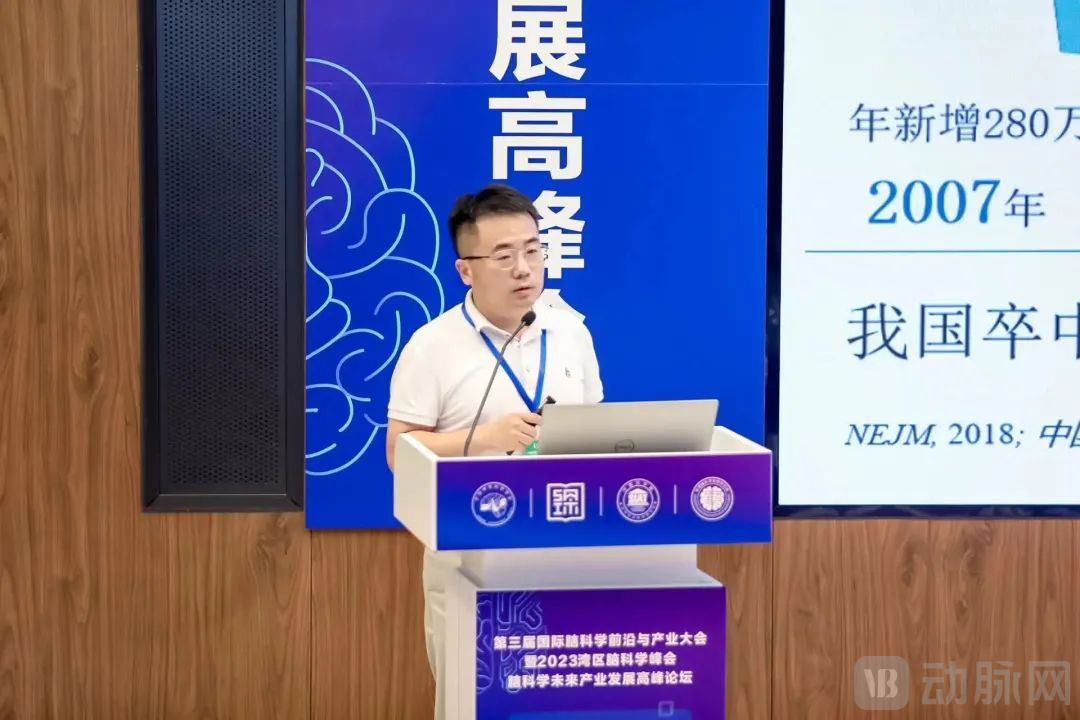
Zhang Xin, CEO of Zhongke Borui (Beijing) Technology
Lei Sun, Deputy General Manager of Shenwan Innovation Technology (Shenzhen), presented “Closed-Loop Neuromodulation and Cognitive Training System Based on Brain-Computer Interfaces”Delivered a project roadshow on this theme. Lei Sun began by analyzing the market size of brain-computer interfaces (BCIs) and delved into growth opportunities in the neuroscience market. He posited that BCI applications in healthcare will focus primarily on detection and improvement in the short term, shift toward functional replacement in the medium term, and emphasize enhanced therapeutic interventions in the long term. Following extensive market exploration, Shenwan Innovation Technology has concentrated its efforts on neuroscience and BCI applications. By integrating non-invasive BCIs with artificial intelligence and big data to decode neural signals, and leveraging core capabilities in human bioelectric signal acquisition and real-time EEG intelligent analysis algorithms, the company provides wearable BCI solutions. It develops wearable smart interaction products that detect and intervene in mental health issues, sleep disorders, and neurological conditions through neurofeedback and neuromodulation mechanisms, thereby delivering personalized, comprehensive brain-computer collaborative interaction solutions for the healthcare sector.
Currently, the company has launched products and solutions including the Foretie EEG Sleep Recorder, EEG Neurofeedback Training System, EEG-tES Closed-Loop Neuromodulation System, and Brain-Computer Interface (BCI) Data and Interaction Solutions.
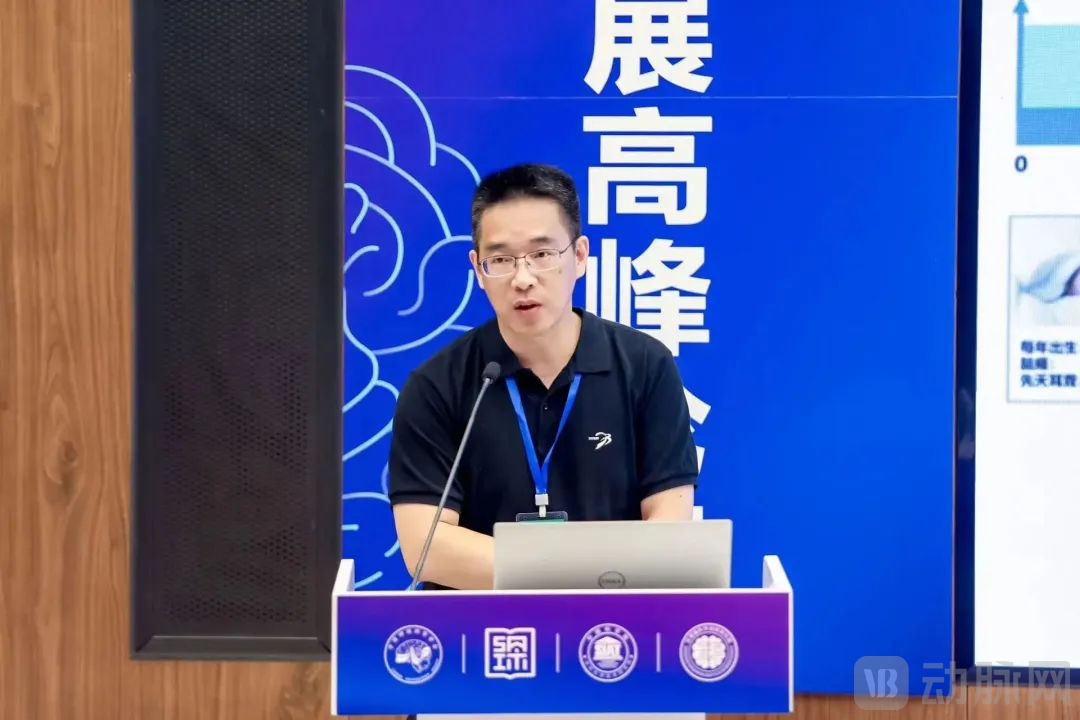
Lei Sun, Deputy General Manager of Shenwan Innovation Technology (Shenzhen)
The morning forum concluded successfully with Lei Sun’s insightful sharing. The afternoon session was kicked off by Yang Zhiwen, Founding Partner of Nuoyu Capital.
HeFrom an investor’s perspective, this report provides an in-depth analysis of the development trends and opportunities in the brain science industry.Yang Zhiwen believes that although the brain science sector is still in its early stages, it has already demonstrated immense potential and promising prospects. With the accumulation of EEG data and the practical application of research technologies, the field of brain science will encompass markets such as motor rehabilitation, mental disorder detection, depression, and Alzheimer’s disease, offering broad future opportunities. Many outstanding brain science projects have already emerged within universities, and through collaborative models involving industry, academia, research, and healthcare, rapid industrialization is expected. However, he also cautions that market selection is critical; brain science projects require professional guidance and support from investors to identify the correct direction and positioning. Therefore, he calls on more investment institutions and social forces to pay attention to and support innovation and development in the field of brain science.
Subsequently, Chen Wei, Partner at Tongli Law Firm and representative of the Shenzhen Society for Brain Science; Cao Yang, General Manager of Joinn Biologics (YiChuang); and Wang Yuping, Director of the Department of Neurology at Xuanwu Hospital, Capital Medical University, respectivelyProvided an in-depth sharing on the development of the brain science industry, focusing on the current state of Shenzhen’s brain science sector, reflections on frontier scientific and technological innovation in brain science, how frontier drug evaluation platforms accelerate CNS drug R&D, and the integration of medicine and engineering.Led by Wang Liping, Director of the Brain Research Institute at Shenzhen Institute of Advanced Technology and Dean of the Shenzhen-Hong Kong Institute of Brain ScienceRoundtable Forum: “Development and Investment Strategies for the Brain Science Industry”, it will be launched as one of the key agenda items at this conference.
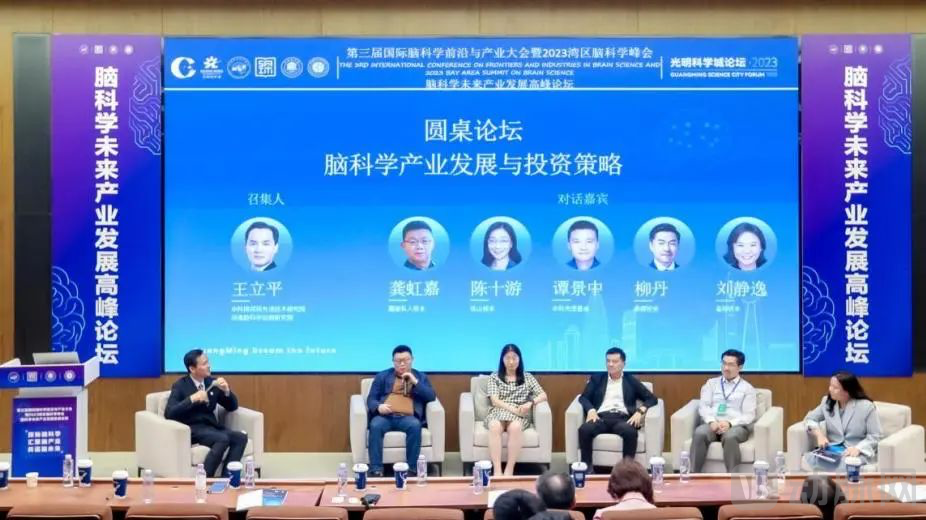
The forum invited representatives from leading institutions to engage in insightful dialogues on the most cutting-edge topics in brain science, sparking enthusiastic discussions among the audience. The roundtable featured prominent figures such as Gong Hongjia, Founder of Jiadao Private Capital; Chen Shiyou, Chairman of Youshan Capital; Tan Jingzhong, Partner at CAS Advanced Fund; Liu Dan, Partner at CDH Investments; and Liu Jingyi, Investment Vice President at Gaorong Capital. These industry leaders conducted in-depth discussions on frontier subjects including digital diagnosis and treatment of brain disorders, brain-computer interfaces, and the diagnosis and treatment of central nervous system (CNS) diseases. The initiative aims to promote a dual-drive model integrating academic research with industrial translation, establishing a new paradigm for Shenzhen-Hong Kong technological collaboration and positioning the region as a global hub for innovation in brain science.
At the roundtable forum, the panelists shared their views on investment opportunities and challenges in the field of brain science.
Mr. Gong Hongjia believes that“Brain science is hailed as the ultimate frontier in humanity’s exploration of itself and the universe, making now an opportune time to invest in brain science technologies. Brain and cognitive neuroscience have reached a turning point, where disruptive technological innovations can creatively integrate breakthroughs from diverse fields into specific application scenarios to drive innovation. Brain science is precisely such a field. For instance, the integration of emotional health management with artificial intelligence, early diagnosis and non-pharmacological treatment technologies for brain disorders, new therapeutic targets and approaches for brain diseases enabled by novel research tools, and other emerging areas represent highly promising investment opportunities.”
Ms. Chen ShiyouIt emphasizes the close connection between scientific research and corporate operations.She remarked, “The complexity of brain science as a discipline, the cutting-edge nature of the industry, and its strategic importance necessitate that scientific research and corporate operations be closely intertwined. In the coming years, numerous high-quality investment opportunities are expected to emerge in fields such as nervous system drug development, organ transplantation and preservation technologies (including those for the brain), neuromodulation technologies, and early warning technologies for brain disorders. We hope the government will increase its support and implement policies that further encourage scientists and entrepreneurs to co-found ventures.”
Tan Jingzhong, Liu Dan, and Liu Jingyi also expressed their keen interest in and high expectations for the field of brain science.They stated, “Neuroscience research is a critical prerequisite for protecting the brain and developing brain-inspired technologies. Major health challenges such as autism, mood disorders, and neurodegenerative diseases have already imposed a substantial burden on society. In certain subfields of neuroscience, prior research has accumulated to a tipping point poised for breakthroughs; whereas other subfields offer significant room for future expansion, thus warranting different strategic approaches. For hard-tech-oriented projects, investors focus primarily on the iteration of the technology itself. The commercialization of achievements in neuroscience and brain-inspired intelligence may lend itself to a boutique investment strategy, with a focus on areas such as the treatment of brain disorders, brain-computer interfaces, and minimally invasive or non-invasive neuromodulation.”
From the remarks of various panelists, it is evident that the development and investment strategies of the brain science industry constitute a diversified, complex, and high-end topic, requiring continuous exploration and innovation, as well as multi-faceted collaboration and support.
As night fell, the 2023 Bay Area Brain Science Summit also came to a close.
At the summit, scientists, business leaders, and representatives from investment institutions engaged in in-depth discussions to reveal the challenges and opportunities facing the fields of brain science and brain-inspired intelligence. Key topics included optimizing mechanisms for technological innovation services, deeply integrating various stakeholders across the industry chain, accelerating the implementation of innovative projects, fostering industrial agglomeration effects, and enhancing market education to improve societal awareness and acceptance of brain science technologies. These are all issues worthy of further reflection and exploration.
Moreover, leading scientists have showcased a series of flagship projects featuring cutting-edge brain science technologies, providing the industry with a clear view of the latest advancements in neuroscience research and demonstrating its substantial potential for industrialization. These projects encompass the Brain Network Atlas, attention-deficit/hyperactivity disorder (ADHD) in children, ultrafast optical clearing technology, next-generation “vitrification”-based active preservation technology, cellular therapies for neurological disorders, digital therapeutics for brain modulation, brain-computer interface (BCI) technology, Trojan horse peptide technology, innovative brain monitoring and imaging diagnostic/therapeutic devices, dedicated positron emission tomography (PET) systems for brain imaging, and smart glasses based on integrated eye-brain engineering. All these technologies are characterized by their breakthrough nature, innovativeness, and clinical value.
Many have said that Shenzhen is a city without boundaries, where anyone can put down roots and grow upward.
Despite the growing pains faced by the brain science industry on the eve of large-scale industrialization, the Shenzhen Brain Science and Technology Industry Innovation Center continues to play a pivotal connecting role. By gathering numerous outstanding researchers and research projects, it leverages its capacity as a source of technological innovation to further integrate the “five-in-one” innovation ecosystem and industrial chain for brain technology and health, encompassing “basic research + technological breakthroughs + achievement industrialization + sci-tech finance + talent support.” This effort promotes the formation in Shenzhen of a high-level, comprehensive, and multi-dimensional innovation ecosystem for the brain science and health industries, covering fields such as brain science, brain technology, brain intelligence, brain rehabilitation, and brain health, thereby driving the Guangming Science City in Shenzhen to develop an innovative industrial cluster with international competitive advantages.
This summit undoubtedly serves as the best testament to this. The 2023 Bay Area Brain Science Summit not only established a platform for exchange and collaboration in the field of brain science for Shenzhen and Hong Kong, as well as globally, but also made positive contributions to advancing the development of this field.