

Ten Renowned Chinese Medicinal Herb Regions Partner with Bianque Group to Advance Digital 'Origin Warehouses'
On May 29, the “First China Daodi Herbs Industry Conference and National Chinese Herbal Medicine Rural Revitalization Conference,” co-hosted by the China Association of Traditional Chinese Medicine and the China Rural Development Association, opened in Chengdu. During the conference, the “Signing Ceremony for Cooperative Production Areas of the Digital Origin Warehouse Project for Chinese Herbal Medicines” was held. Ten Daodi herb production areas, including Huocheng County in Xinjiang and Harbin City in Heilongjiang Province, entered into strategic cooperation with Bianque TCM Health Industry Group (hereinafter referred to as “Bianque TCM Group”) to jointly promote the construction of “Quality-Assured Origin Warehouses for Chinese Herbal Medicines” (hereinafter referred to as “Origin Warehouses”), establish an integrated direct-supply system encompassing production, processing, and sales, and foster the industrialized development of characteristic agriculture.
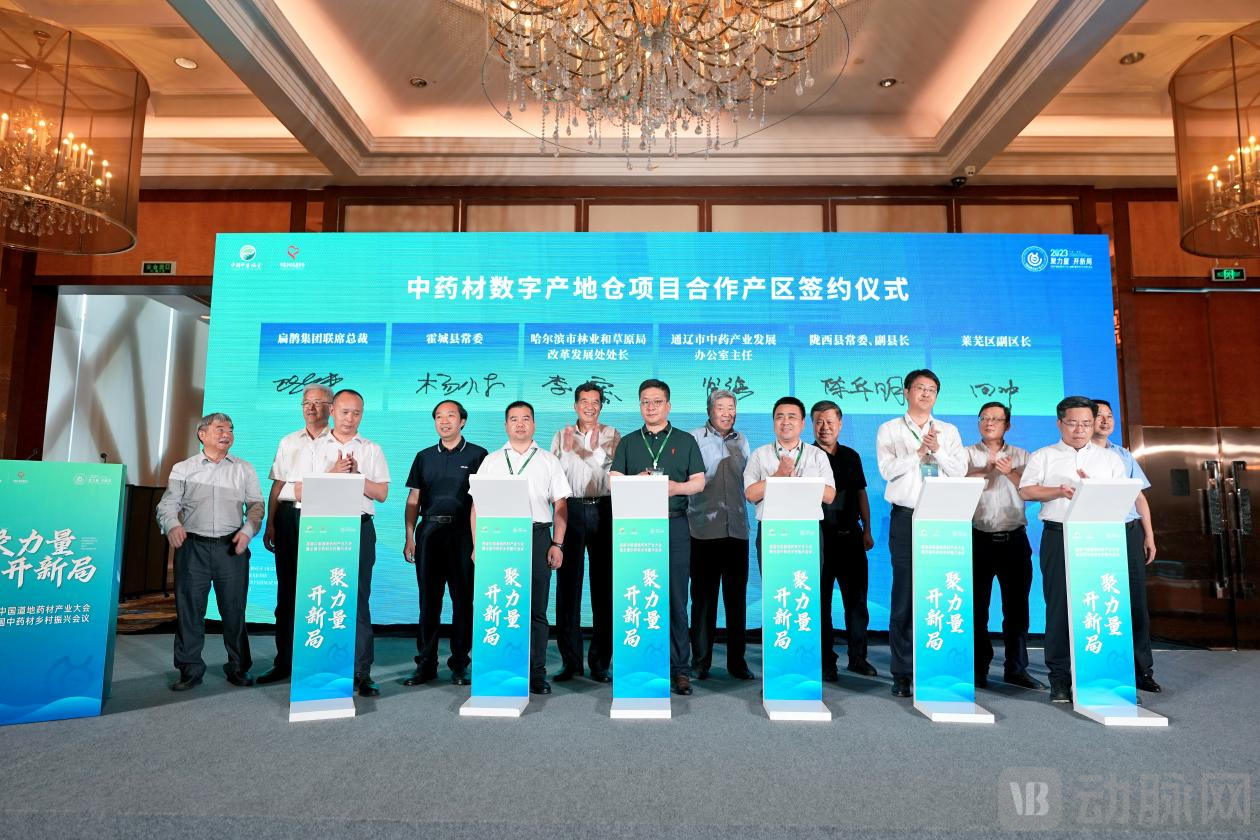 (Figure | Signing Ceremony for the Cooperation Zones of the Digital Origin Warehouse Project for Traditional Chinese Medicinal Materials)
Exploring the "Origin Warehouse" Model to Build an Integrated Direct Supply System for Production, Processing, and Sales
In recent years, China has continuously advanced the development of authentic medicinal herb production bases to accelerate the transformation and upgrading of the modern traditional Chinese medicine industry.
According to the National Plan for the Construction of Production Bases for Authentic Chinese Medicinal Materials (2018–2025), China will establish more than 3 million mu of production bases for authentic Chinese medicinal materials annually nationwide from 2018 to 2025. By 2025, the total area of such production bases across the country will exceed 25 million mu, and a quality traceability system, a production-sales information monitoring system, and a distribution system covering major producing regions of authentic Chinese medicinal materials nationwide will be established.
Meanwhile, China’s continued advancement of the volume-based procurement (VBP) pharmaceutical reform is also compelling the upgrading of the traditional Chinese medicine (TCM) herbal materials industry. Recently, the Sanming Procurement Alliance’s Inter-Provincial TCM (Herbal Materials) Procurement Alliance conducted the nation’s first joint centralized procurement of TCM decoction pieces. A total of 6,050 medical institutions from 15 member provinces submitted their procurement volumes, with a total procurement demand reaching 6.5588 million kilograms, and 328 TCM decoction piece manufacturers participated. As the inaugural exploration of cross-regional centralized volume-based procurement for TCM decoction pieces, this joint procurement serves as a “bellwether,” establishing the core principles of “ensuring quality, upgrading standards, and stabilizing supply,” and imposing higher requirements on upstream segments such as the cultivation, processing, and storage of TCM herbal materials.
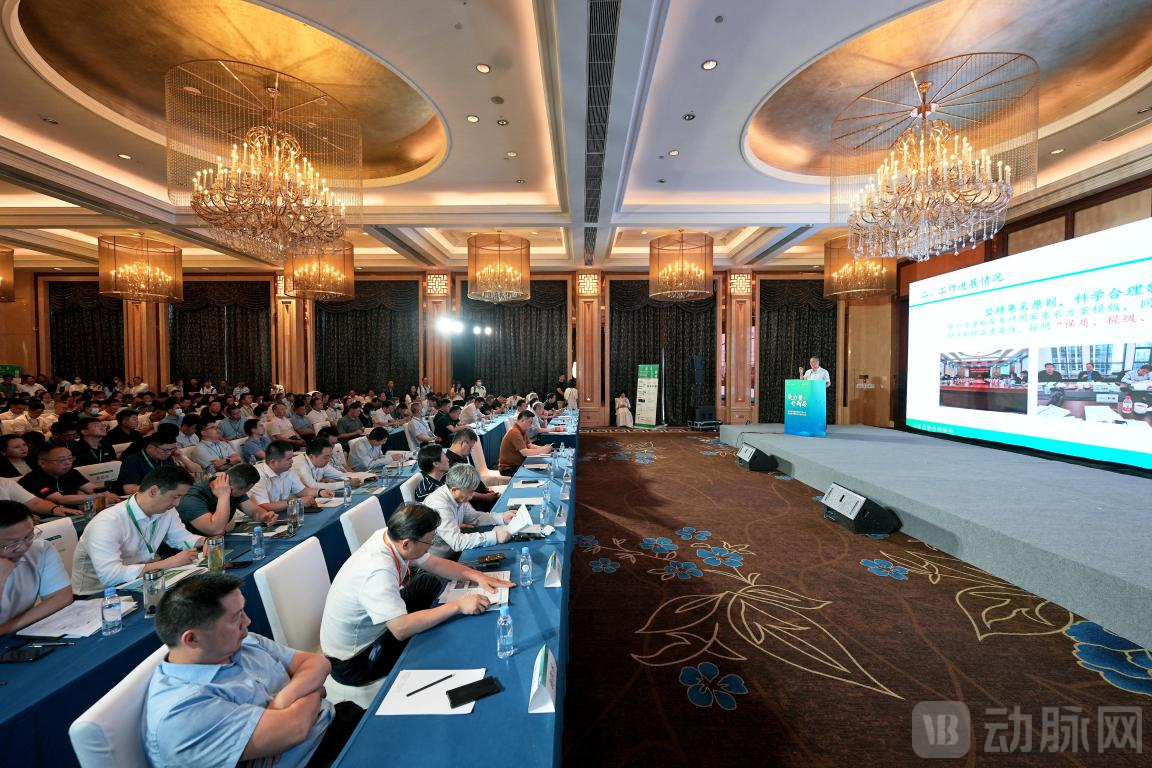 (Figure | The conference introduces the progress of China's first centralized procurement of traditional Chinese medicine decoction pieces)
To this end, with the support of local governments in multiple regions, Bianque Traditional Chinese Medicine Group has pioneered a new model for establishing authentic herbal medicine bases known as “Origin Warehouses.” By constructing digital “Origin Warehouses” in major production areas for authentic Chinese medicinal materials across China, the group has established an integrated “production, processing, and sales” direct-supply system from origin. This system encompasses standardized cultivation, on-site harvesting, on-site processing, on-site storage, and shipment directly from the production area. Through digitalization, it achieves quality-controlled, traceable end-to-end management of traditional Chinese medicines from their place of origin to the final patient, thereby addressing key pain points such as non-standardized cultivation, inconsistent processing at the source, and inefficient sales channels.
Bian Que Traditional Chinese Medicine Group has established a Sichuan Ophiopogon origin warehouse in Santai County, Sichuan Province, known as the "Hometown of Chinese Ophiopogon." The ruscogenin content (one of the main active chemical components in Ophiopogon) in the produced Ophiopogon can reach over 0.36%, which is more than three times the standard set by the Chinese Pharmacopoeia. The per-mu output value of Ophiopogon has increased from no more than RMB 10,000 in the past to consistently exceeding RMB 30,000 in recent years, with this year's per-mu output value surpassing RMB 40,000.
10 Authentic Medicinal Herb Production Regions Join Hands with Bian Que to Collaboratively Advance the Modernization of Specialty Agriculture
The project has signed agreements with ten regions, including Huocheng County in Xinjiang, Harbin City in Heilongjiang Province, Tongliao City in Inner Mongolia, Longxi County in Gansu Province, Laiwu District of Jinan City in Shandong Province, Baokang County in Hubei Province, Yangqu County and Pingshun County in Shanxi Province, Chengkou County in Chongqing Municipality, and Badong County in Hubei Province. These areas are major production bases for authentic Chinese medicinal materials in China, widely recognized by the industry and TCM patients for their superior varieties, abundant yields, meticulous processing methods, prominent therapeutic efficacy, and distinct regional characteristics.
As the “Origin Warehouse” project advances, Bianque Traditional Chinese Medicine Group will leverage its digital capabilities to further upgrade the traditional Chinese medicine (TCM) industrial chains in ten regions. By collaborating to build an integrated digital service platform that combines scientific management of planting bases, precise matching of production and sales, origin-based warehousing and storage, and direct supply from production areas, the group aims to achieve end-to-end digitization from production to distribution and establish a comprehensive traceability system for the entire TCM herb lifecycle.
In practice, the establishment of “origin warehouses” is expected to yield multifaceted benefits. On one hand, the implementation and widespread promotion of origin warehouses will effectively support the development of production bases for authentic Chinese medicinal materials in China. On the other hand, by implementing large-scale, standardized, and intensive cultivation practices, these initiatives will enhance quality and efficiency, thereby driving increased production and income for farmers. Meanwhile, through the construction of consortium models for the traditional Chinese medicine (TCM) industry, local governments will be assisted in developing modern TCM industries, thus contributing to rural revitalization.
It has been revealed that the Digital Origin Warehouse Project for Chinese Medicinal Materials plans to establish public service platforms for origin warehousing in 100 production regions of authentic medicinal materials, covering 200 types of such materials. This initiative aims to form a supply cluster of high-quality Chinese medicinal materials and prepared slices, thereby promoting the industrial upgrading of traditional Chinese medicine in China.
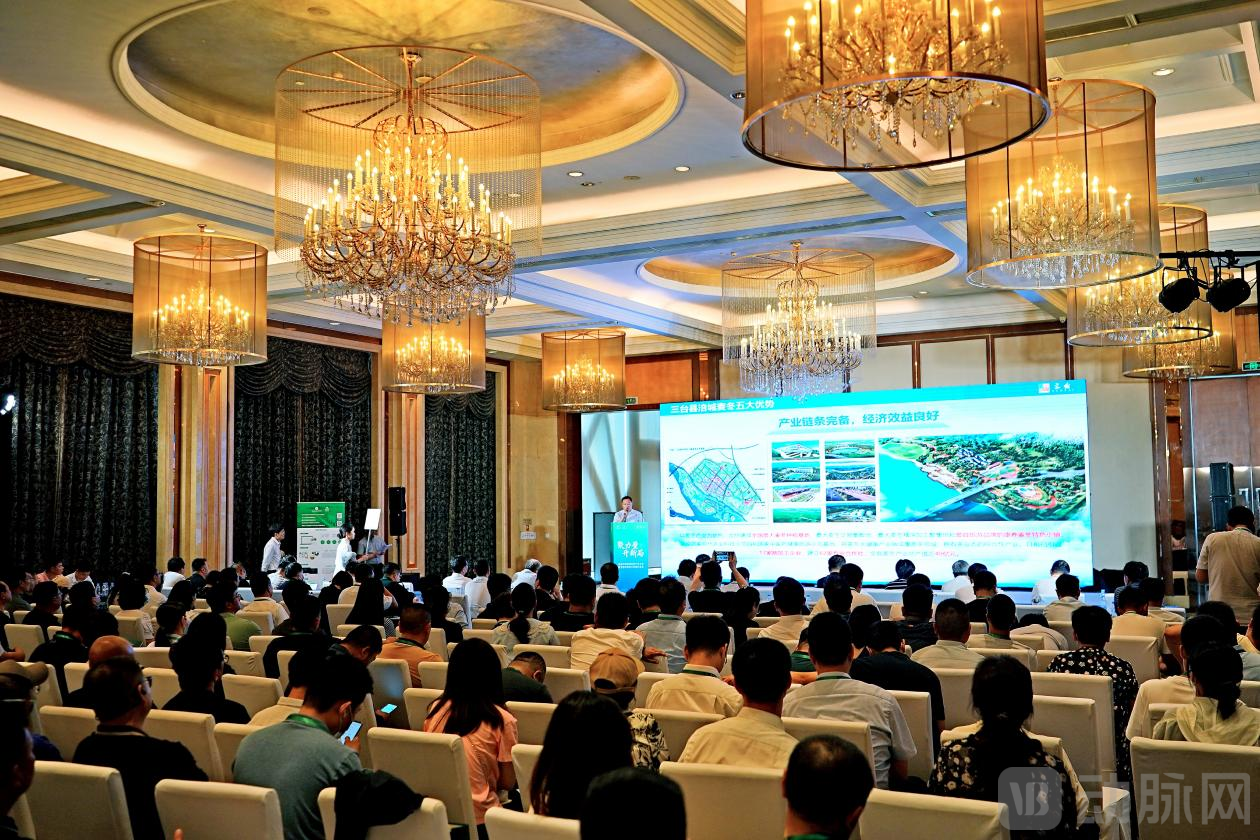 (Figure | Promotion Conference on Key Production Areas of Authentic Chinese Medicinal Materials Nationwide)
At the conference, key authentic medicinal herb production regions across China—including Santai County in Sichuan Province, Enshi Tujia and Miao Autonomous Prefecture in Hubei Province, Pingshun County in Shanxi Province, Neijiang City in Sichuan Province, Pingyi County in Shandong Province, Zizhou County in Shaanxi Province, Yanbian County in Sichuan Province, Fusong County in Jilin Province, Longhua County in Hebei Province, and Shizhu Tujia Autonomous County in Chongqing—promoted their characteristic authentic herbs such as ginseng, Ophiopogon japonicus (Maidong), Coptis chinensis (Huanglian), Lonicera japonica (Jinyinhua), Asparagus cochinchinensis (Tiandong), and Astragalus membranaceus (Huangqi), attracting numerous decoction piece enterprises to express interest in collaboration.