

Innovation & Integration: The First Patient Empowerment & Innovation Ecosystem Summit Successfully Held in Qingdao
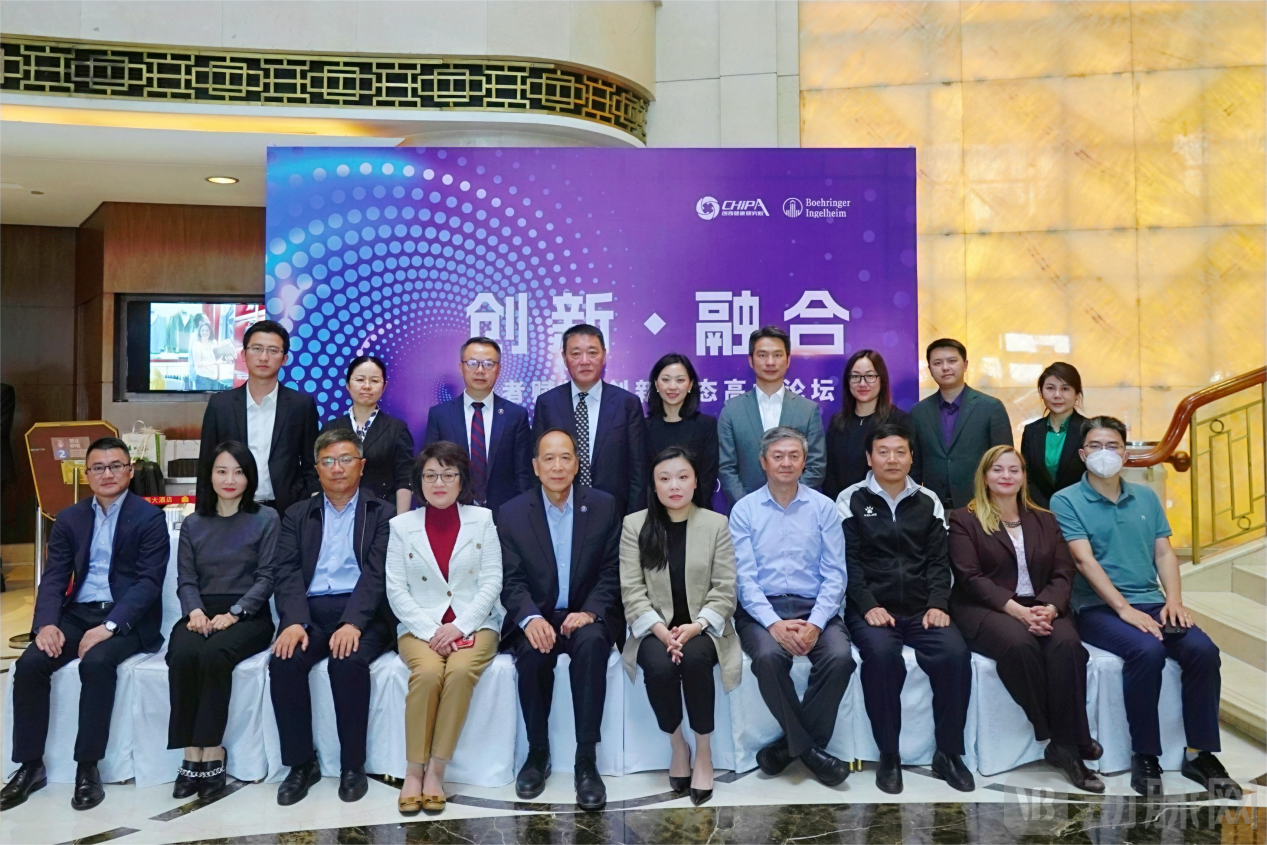
Recently, the “Innovation · Integration” Patient Empowerment and Innovative Ecosystem Summit, hosted by the Shanghai Chuangqi Health Development Research Institute and supported by Boehringer Ingelheim, was successfully held in Qingdao. The forum brought together more than 50 representatives from industry, academia, research, government, and patient communities. Starting from patients’ pain points, participants explored how to promote collaborative efforts among healthcare delivery, pharmaceuticals, and health insurance. The aim was to pool multi-stakeholder resources to provide higher-quality, more valuable services for patients throughout their entire lifecycle, including prevention, treatment, and education.
Zhao Yongqing, Deputy Director of the Chuangqi Research Institute, presided over the symposium. He stated that it was an honor to engage with innovators, practitioners, and industry leaders from various sectors in discussing development trends in the pharmaceutical industry, hospital management practices, and health insurance policies under the core philosophy of “patient-centeredness.” He further emphasized the active exploration of a practical, replicable, and scalable model for the coordinated reform of healthcare, pharmaceuticals, and health insurance (“Three-Medical Linkage”), aiming to contribute strategic insights toward the realization of the Healthy China initiative.
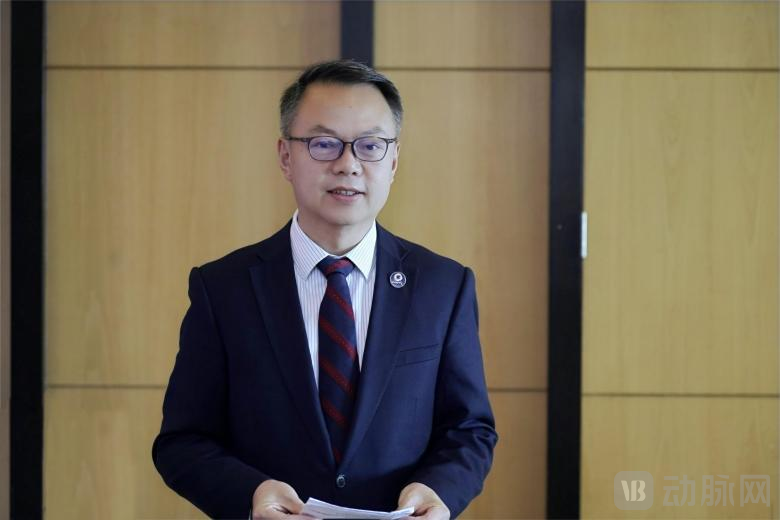
Deputy President Zhao Yongqing
Ms. Chen Xingrong, General Manager of Boehringer Ingelheim’s Human Pharma Business in Greater China, stated at the conference: “In addition to exploring drug research and development, Boehringer Ingelheim is also focused on multi-faceted, multi-dimensional, and multi-level innovative therapies, including rehabilitation support and digital therapeutics. ‘Patient empowerment’ has become a medium- to long-term development strategy for Boehringer Ingelheim. Leveraging this conference as a bridge, we hope to collaborate with experts from various industries to jointly explore and implement ‘patient empowerment’ in China, paving a path with Chinese characteristics to address the pain points, difficulties, and bottlenecks in the patient journey.”
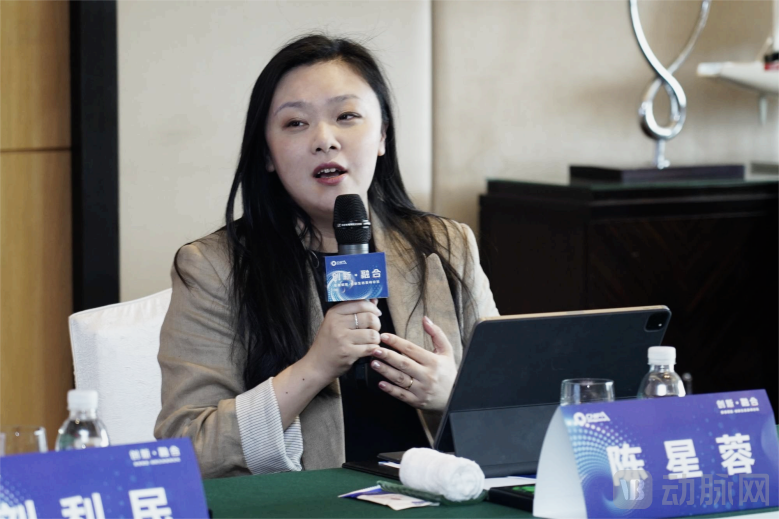
Ms. Chen Xingrong
During the roundtable discussion session of the conference, Xu Shuqiang, Director of the Department of System Reform under the National Health Commission; Ms. Genevieve Faith, Head of the Greater China Health Innovation Business Unit at Boehringer Ingelheim; Liu Limin, Deputy Director of the Hospital Management Committee of Zhejiang University; Tang Minhao, President of the Shanghai Food and Drug Safety Research Association; Cai Hansong, Founder of Ben Health Consulting; Professor Yao Lan from the School of Medicine and Health Management at Tongji Medical College, Huazhong University of Science and Technology; and Wang Yiou, Vice Chairperson of the Beijing Pain Challenge Public Welfare Foundation, delivered keynote speeches titled “Deepening Healthcare System Reform to Further Establish a High-Quality and Efficient Integrated Healthcare Service System,” “Innovative Practices in Whole-Course Disease Management for Stroke Patients,” “Building a ‘Patient-Centered, Employee-Driven’ Value System to Promote High-Quality Hospital Development,” “Clinical Value-Oriented Drug Regulatory Reform,” “Research Findings on Patient Journeys and Their Application in Industry Value,” “Value-Based Healthcare Leading the Reshaping of Patient Value under a Multi-Tiered Medical Security System,” and “The Role and Significance of Patient Organizations in Advancing the Medical Insurance System.”
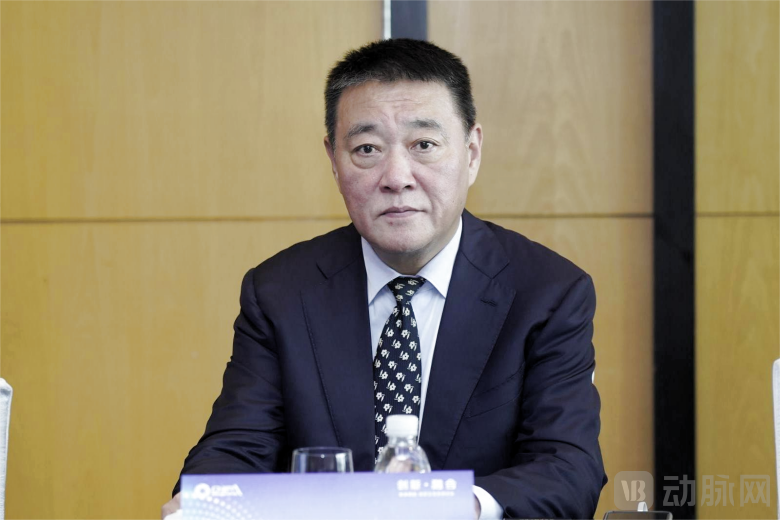
Mr. Liu Limin
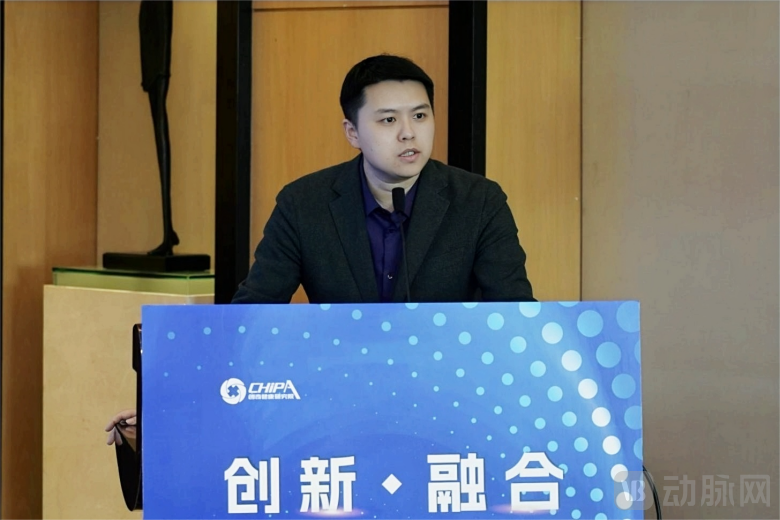
Mr. Cai Hansong
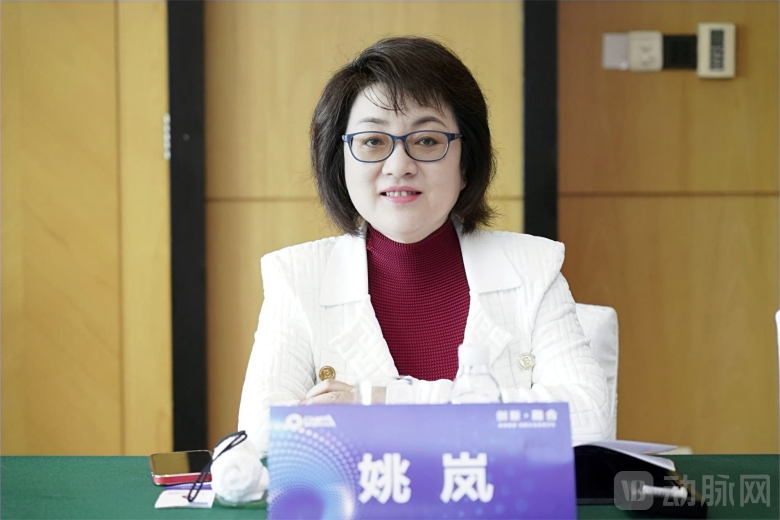
Professor Yao Lan
Mr. Xu Shuqiang, Director of the Department of System Reform under the National Health Commission, stated via video link that establishing a high-quality, efficient, and integrated healthcare service system is an imperative requirement for implementing the Party’s people-centered development philosophy. Enhancing capabilities, integrating systems, improving services, strengthening management, and perfecting governance constitute the focal points of this systematic endeavor to build such a healthcare service system. Only by effectively carrying out these tasks can we continuously enhance the public’s sense of gain, happiness, and security in health.
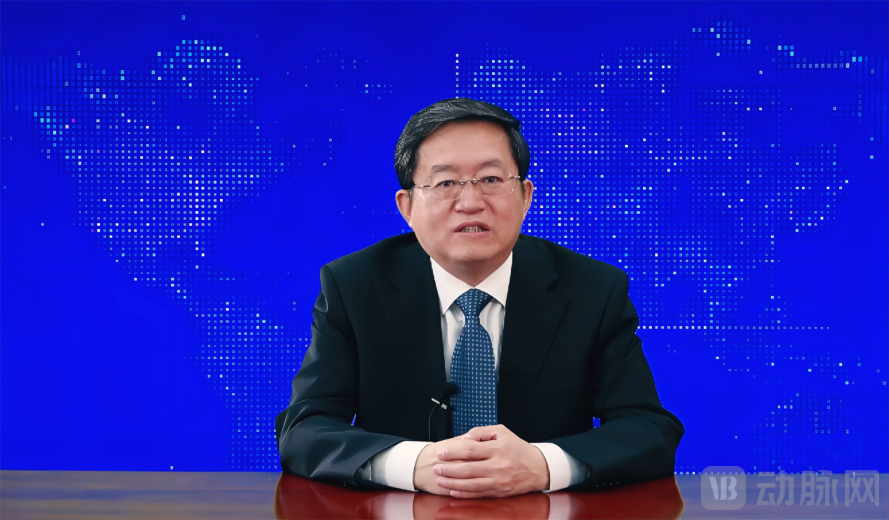
Photo of Mr. Xu Shuqiang
Innovative Practices in Full-Course Disease Management: Leading Industry Development with “Holistic Solutions”
Enhancing patient service capabilities through a “patient-centric” approach requires clear strategic guidance, deep insight into patient pain points, and comprehensive implementation plans. To put this philosophy into practice, Boehringer Ingelheim is committed to fostering integrated collaboration among healthcare providers, medical insurance, and pharmaceutical services (“San Yi” linkage), thereby delivering one-stop, holistic, end-to-end, and full-lifecycle patient services. This commitment is grounded in a thorough understanding of the needs of patients and their caregivers, physicians, hospitals, government authorities, and other stakeholders. The “Comprehensive Stroke Solution” stands as a testament to Boehringer Ingelheim’s dedication. Covering seven key modules—prevention, disease education, screening, emergency care, diagnosis, treatment, and rehabilitation—the project aims to provide stroke patients with rehabilitation training support and guidance aligned with German standards. Furthermore, through initiatives such as establishing Comprehensive Stroke Training Centers, optimizing stroke green channels for expedited care, and actively collaborating with commercial insurance providers, the project helps enhance the emergency and therapeutic capabilities of clinical practitioners in China, ensuring comprehensive treatment and management throughout the entire disease journey.
Ms. Fei Zifu, Head of Boehringer Ingelheim's Health Innovation DivisionIt stated: Stroke is one of the major chronic non-communicable diseases jeopardizing the health of Chinese citizens. The company will continue to explore innovative treatments and solutions in the field of stroke, helping patients and their families address the difficulties and challenges encountered at all stages of the disease, thereby reducing the incidence, mortality, and disability rates associated with stroke.
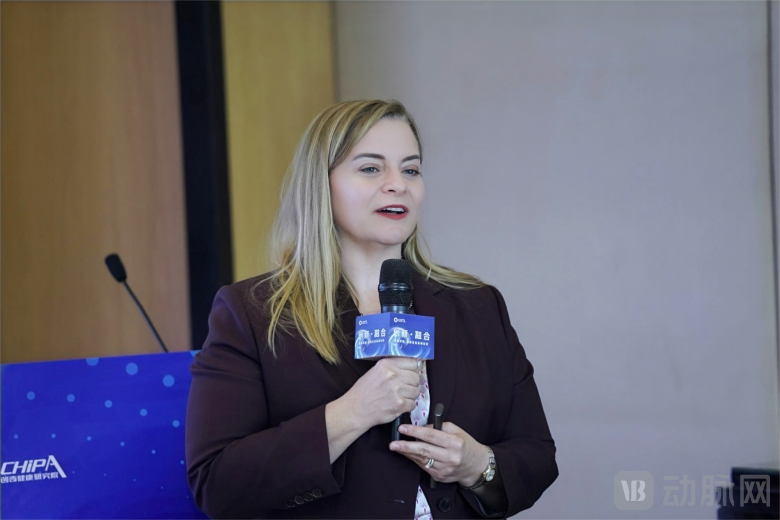
Ms. Fei Zifu
Clinical Value Leads Industry Transformation and Reshapes the Healthcare Security System
In recent years, with the gradual deepening of China's healthcare system reform, the drug review and approval system has been continuously optimized and improved. The forum has invitedMr. Tang Minhao, President of the Shanghai Food and Drug Safety Research AssociationInterpretation of the trends and policies in drug review and approval reform in recent years, sharing the current status of drug innovation in China, and proposing implementation opinions to comprehensively strengthen drug regulatory capabilities; emphasizing policy support and responsiveness toward innovative drugs with clinical advantages.Aiming to Address Unmet Therapeutic Needs of Patients. Regarding how to anchor pharmaceutical regulatory reforms in clinical value orientation, he shared his positions, perspectives, and reflections on related initiatives, including updating the definition of “new drugs,” strengthening source innovation and basic research (such as target research), incorporating economic considerations, implementing the new version of Good Clinical Practice (GCP), establishing pharmacovigilance systems, promoting the use of real-world evidence, managing investigator-initiated trials (IITs), and enhancing the regulation of off-label drug use.
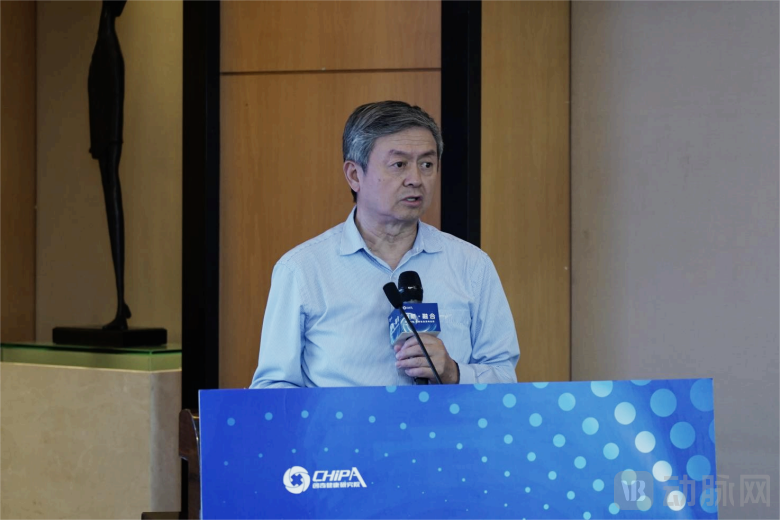
Mr. Tang Minhao
Boehringer Ingelheim’s “China Key” strategy has been fully implemented against this policy backdrop, spanning multiple therapeutic areas including oncology, pulmonary fibrosis, and immunology. This initiative fully integrates China into Boehringer Ingelheim’s global early clinical development, enabling the simultaneous global registration and launch of innovative medicines.
Leverage the Functions of Patient Organizations to Ensure Patients Have Access to Medical Care, Medications, and Security
Whether it is promoting the research and development of innovative drugs, accelerating their implementation and translation, or building a diversified and multi-tiered medical security system to effectively improve drug accessibility and truly realize the “coordination among healthcare services, health insurance, and pharmaceuticals,” none of these can be achieved without close collaboration among multiple stakeholders in the healthcare sector. It also critically depends on the active participation of patient organizations, which leverage real-world patient data and feedback on patient needs to fulfill their functional roles.
Taking rare diseases as an example,Ms. Wang Yi'ou, Vice Chairperson of the Beijing Pain Challenge Public Welfare FoundationShe shared an overview of rare diseases in China across four dimensions: diagnosis and treatment, insurance coverage, family impact, and the current state of organizations. Drawing on case studies such as patient support services and policy advocacy, she analyzed the roles played by patient organizations throughout their lifecycle—providing effective online and offline information to reduce misdiagnosis and missed diagnoses; conducting research, analysis, and advocacy to facilitate the inclusion of rare disease drugs in national medical insurance; and promoting synchronized access to treatments both domestically and internationally. Finally, she noted that while rare diseases are receiving increasing attention, many challenges remain unresolved. She called for greater attention and support from the government and all sectors of society to ensure that patients have access to medical care, medications, and insurance coverage.
Ms. Wang Yiou