

From Digitalization to Intelligence: How the Elderly Care Digital Infrastructure Strategy Launch 'Refreshes' Industry Trends
“Technology’s power is limitless. It can refresh and transform our lives, work, and society,” wrote Microsoft CEO Satya Nadella in his book Hit Refresh. On May 30, 2023, the “Hit Refresh – Tianyu Digital Infrastructure Strategy Launch Event for Elderly Care” kicked off at the Kerry Hotel Pudong, Shanghai. “From Digitalization to Intelligence” emerged as the central theme of this major industry launch event in the elderly care sector.
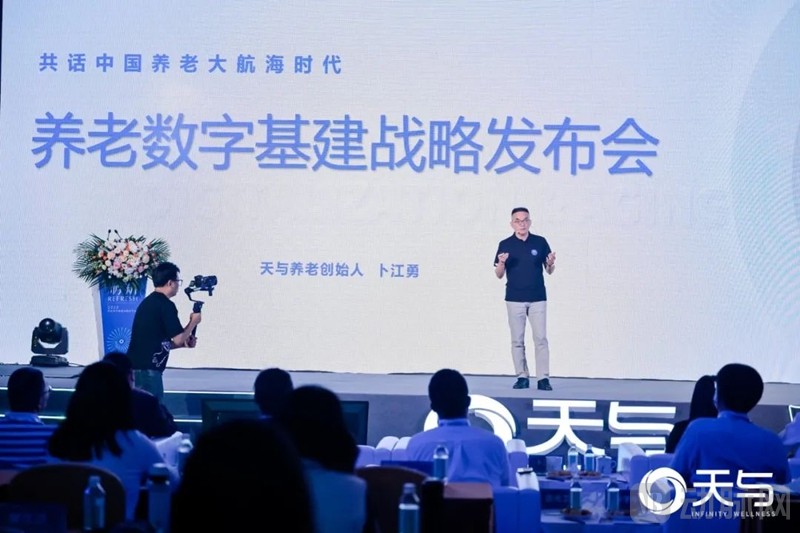
Since its inception, Tianyu Pension has been committed to the digital transformation of the elderly care industry. Founder Bu Jiangyong shared insights into the development stages and pain points of the sector, outlining a pathway from digitization to intelligent upgrading. He also unveiled Tianyu Pension’s digital infrastructure strategy and a series of intelligent product solutions. Distinguished guests from government, investment firms, and industry ecosystems—including the People’s Government of Putuo District in Shanghai, Hillhouse Ventures, Asia Impact Fund, China Unicom, Manulife-Sinochem Life Insurance, Wuxi Jingzi, and Xuzhou Kangpeng Elderly Care—gathered to explore how digital intelligence can empower the elderly care industry to reshape its capabilities and landscape.
“China’s aging society is rapidly approaching, and we are currently in the era of the digital economy,” pointed out Bu Jiangyong. The digital economy represents an organic integration of digital industrialization and industrial digitalization. Globally, the digital economy has clearly become the forefront of the world’s technological revolution and industrial transformation. Much like the steam engine spurred the First Industrial Revolution, digitalization is now driving a revolution in productivity.
In stark contrast to the rapidly developing digital economy, the traditional elderly care service industry is facing numerous challenges and dilemmas: the overall level of elderly care service supply is low, and the quality of service delivery is heavily dependent on individual caregivers; cost structures are rigid, leading to a trade-off between efficiency and scale. These practical problems lie before elderly care enterprises, and digitalization will undoubtedly become the “panacea” for addressing these challenges and difficulties.
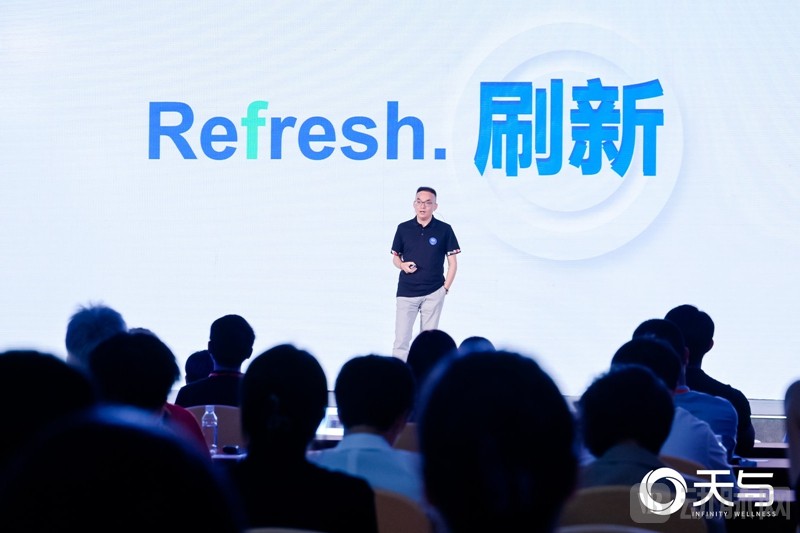
Committed to the “critical mission” of building digital infrastructure for China’s elderly care industry, Tianyu Pension has embarked on its digitalization journey by establishing a professional R&D and technical team at its inception. By integrating frontline elderly care service scenarios into actual business operations, the company continuously updates and iterates the application of digital solutions in services and business processes, thereby optimizing and upgrading its digital system platform.
By integrating self-developed and globally sourced smart hardware technologies and data with its proprietary digital system platform, Tianyu Pension achieves seamless connectivity between smart hardware data and backend systems, enabling full-process digital management and supervision of elderly care services. The system efficiently verifies key information such as service duration, location, and work order validity, facilitating end-to-end digital dispatch, management, and oversight. Customer satisfaction is recorded via platform-based audio recordings, with all service records and evaluation audio synchronized to government regulatory platforms and family members’ mobile apps, thereby enabling socialized supervision of services. Leveraging these capabilities, Tianyu Pension has established a comprehensive service system spanning home-based, community-based, and institutional care, as well as long-term care insurance services, delivering high-quality health and wellness services to millions of seniors.
From the perspective of Tianyu’s actual business applications, “digitalization” is not a “bonsai” project. From start to finish, digitalization has been aimed at helping elderly care enterprises reduce costs and improve efficiency, standardize offline elderly care services, enable end-to-end supervision of service processes, and enhance service quality. Only when user experience and operational efficiency improve in tandem can there be genuine growth.
To date, intelligent care, intelligent safety, intelligent companionship, telemedicine, and wearable devices have been applied in elderly care services but have not yet achieved comprehensive scale. Addressing false positives and missed detections in real-world scenarios, while integrating the supply chain to achieve market-adaptive end-user pricing, represents Tianyu’s first step in the field of intelligent elderly care.
The featured Fall Detection Guardian, leveraging millimeter-wave radar technology, provides fall alerts along with vital sign and behavioral monitoring. By utilizing high-resolution 4D point cloud real-time imaging, it achieves precise recognition and assessment of elderly individuals' fall postures. In cases of suspected or confirmed falls, family members or caregivers receive alerts via a mini-program and client application, enabling timely detection of abnormal behaviors and ensuring comprehensive protection for the elderly.
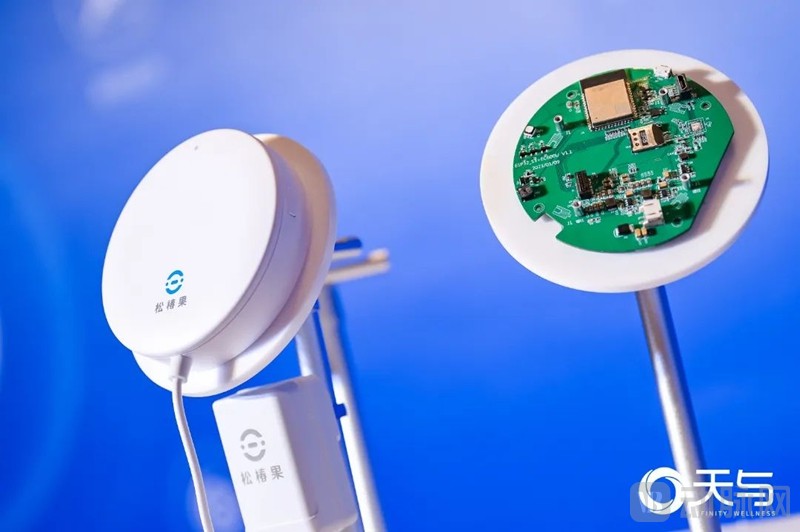
This series of smart hardware solutions also includes mmWave radar for human presence detection, which leverages edge computing, big data, and AIoT technologies to monitor occupancy, respiration, micro-movements, and motion within a space, enabling intelligent, contactless, 24/7 monitoring and early warning. The Smart Health Guardian, based on mmWave radar technology, continuously monitors vital signs such as physiological status, activity levels, and sleep patterns, promptly detecting respiratory events, cardiac events, and nighttime bed exits. These hardware solutions comprehensively safeguard the safety of elderly individuals.
Data is a key production factor in intelligent systems. Taking “falls” as an example, by leveraging multi-sensor fusion data and algorithms centered on this sentinel event, we can uncover more innovative solutions. The causes of falls may stem from one or a combination of factors such as age-related frailty, osteoporosis, dementia, visual impairment, anemia, cardiovascular and cerebrovascular diseases, hypertension, diabetes, and sleep disorders. Early warning signals for nearly all these factors can be detected through daily behavioral patterns and physiological indicators. More importantly, many of these conditions can be reversed or mitigated through timely, targeted treatment or lifestyle interventions. By harnessing intelligence derived from data, the value proposition of elderly care services can shift “upstream,” expanding the focus from emergency response to prevention.
“Without digitalization and intelligence, the services we provide to the elderly would have to rely on repeated in-home, face-to-face deliveries. In this model, time is essentially our enemy. Through digitalization and intelligence, however, our services achieve continuous ‘companionship.’ In this context, time becomes our friend while continuously generating valuable data, turning time into a factor of production.” It is in this sense that the intelligence Tianyu seeks to define does not refer to the adoption of specific technologies or the implementation of particular functions, but rather represents a new, data-driven productive force.
For an innovative technology or solution to achieve widespread adoption, it must strike an organic balance among three key factors: demand, technology, and price. Without demand, a technology is useless; if the price is too high, there will be no market. Only by reducing the price of innovative products to a reasonable range can innovative technologies achieve better industrialization and scalability, thereby benefiting more ordinary people and serving more elderly individuals. The essence of innovation lies in making technology accessible to the general public.
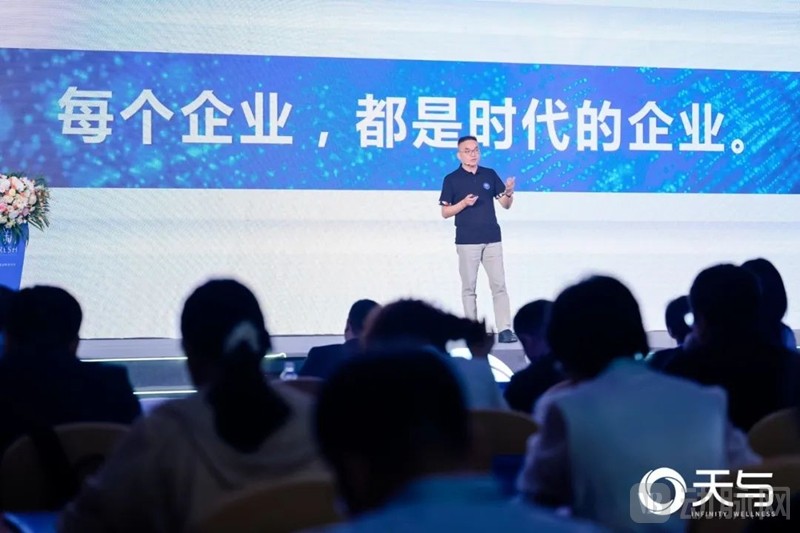
In Bu Jiangyong’s view, the true value of Tianyu Pension lies in whether the industry would be different without its presence. The recent launch event for elderly care digital infrastructure marks Tianyu’s initiative to open up its core “digital” and “intelligent” capabilities to ecosystem partners across the entire elderly care sector. Upstream and downstream enterprises—including those providing home-based elderly care services, long-term care insurance services, elderly care institutions, retirement communities, elderly care technology, and insurance—can all collaborate and achieve win-win outcomes on this digital infrastructure platform.
“Pooling Wisdom for Mutual Success, Harnessing Trends to Drive Renewal”: Held against the backdrop of a booming digital economy, this Strategic Launch Conference on Digital Infrastructure for Elderly Care serves as a comprehensive showcase of the latest digital and intelligent practices by leading enterprises and ecosystem partners in the elderly care sector. As the adage goes, “To do a good job, one must first sharpen one’s tools.” We have continually witnessed technology-driven industrial transformations across various sectors, and we believe that China’s elderly care industry has now reached a pivotal opportunity for transformation and upgrading.