

DEBx Medical Secures €10 Million Funding to Expand Global Commercialization of DEBRICHEM, a Rapid-Acting Debridement Agent Eliminating Over 90% of Bacterial Infection Within 60 Seconds

DEBx Medical
Developer of Chronic Wound Treatment Products
VCBeat has learned that DEBx Medical recently secured €10 million in funding from TVM Capital Healthcare, a global private equity firm specializing in healthcare. With this new capital, DEBx Medical will establish a regional headquarters and manufacturing base in the Middle East and North Africa (MENA) region, expand its global footprint, and accelerate the commercialization of its products.
DEBx Medical, established in 2019 and headquartered in the Netherlands, is a medical technology company. Its sole product, DEBRICHEM, is a novel debriding agent for the treatment of chronic wounds.
Under normal circumstances, a minor cut on an ordinary person’s hand can heal naturally within a few days, thanks to the self-repair mechanisms of human tissues and organs.
However, some wounds fail to heal properly and remain in a persistent state of inflammation; clinically, these are referred to as chronic wounds. Chronic wounds are generally categorized into five major types: venous ulcers, arterial ulcers, diabetic foot ulcers, traumatic ulcers, and pressure ulcers. The underlying causes are evident and include venous insufficiency, diabetes, obesity, vascular disease, traumatic scarring, and infection.
Chronic Wounds: A Silent Epidemic. Driven by rising healthcare costs, an aging population, and a sharp increase in the global prevalence of chronic conditions such as diabetes and vascular diseases, the incidence of chronic wounds is escalating, imposing a substantial medical burden on patients and public health systems.
The process of normal wound healing is divided into three stages: the hemostasis and local inflammatory response stage, the cell proliferation and differentiation and granulation tissue formation stage, and the tissue remodeling stage.
Clinically, wounds are classified into acute and chronic wounds. Acute wounds are those that form suddenly and heal normally within a short period, whereas chronic wounds are defined as those that fail to heal after more than one month of treatment. In chronic wounds, healing stalls during the inflammatory phase, making them susceptible to bacterial infection; this is the direct reason why chronic wounds fail to heal properly.
After bacteria aggregate on the wound surface, they form a smooth, viscous biofilm that resists the host immune system and various antimicrobial agents. This biofilm blocks immune cells and antibiotics, preventing them from neutralizing and eliminating pathogenic bacteria, which leads to persistent, non-healing wound infections.
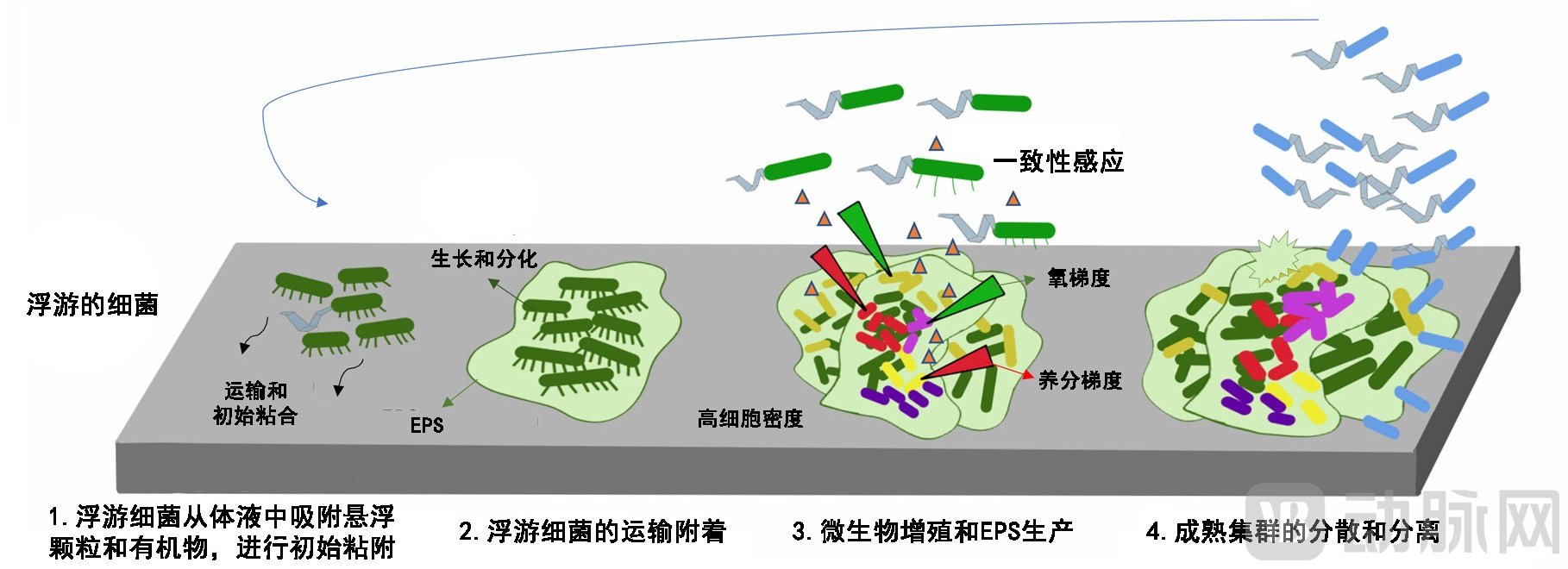
Biofilm Adhesion, Formation, and Detachment Processes. Image source: DEBx Medical official website
Acute wounds have only about a 6% probability of forming bacterial biofilms,However, the probability of chronic wounds is as high as 60%–78%, and as long as the wound remains unhealed, bacteria will continue to adhere to its surface.Bacterial infection prevents wound healing, and the delayed healing in turn leads to recurrent infections, creating a seemingly endless cycle.
Debridement is the first step in cleaning chronic wounds, and surgical debridement is the optimal method for removing biofilms and reducing infection. However, this approach has certain drawbacks. First, biofilms are invisible to the naked eye and often reside in the deeper layers of skin and tissue. Second, bacterial biofilms have a rapid growth cycle; although surgical debridement can effectively remove biofilms from chronic wounds, biofilms reform within two days after the initial debridement, and by day three, substantial bacterial loads can be detected within the mature biofilm.
Therefore, a single debridement procedure cannot eliminate all bacteria and pathogens; chronic wounds typically require an average of 3 to 6 debridement sessions before healing can resume. The high costs associated with multiple procedures and patient expenses impose a significant financial burden and cause considerable suffering for patients.
Therefore, DEBx Medical has developed a novel debridement agent, DEBRICHEM, whose name is derived from the English words “CHEMical DEBRIdement.” DEBRICHEM is an acid-containing desiccant gel with strong hygroscopic properties. It can chemically treat locally infected chronic wounds and has been certified as a single-use medical device.
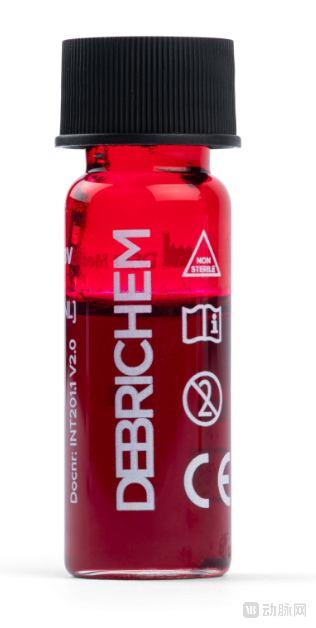
DEBRICHEM Image source: DEBx Medical official website
The patient applies DEBRICHEM directly to the wound,The desiccant gel extracts water molecules from the biofilm, rapidly disrupting the wound’s biofilm, pathogens, and inflammatory proteins. It eliminates infection in chronic wounds within 60 seconds, thereby converting chronic wounds into acute ones—a critical step in accelerating wound healing.. The patient then rinses the wound clean with sterile water or saline, applies a dressing, and the wound will gradually begin to heal naturally. A single use is sufficient to eliminate more than 90% of bacterial infections.
In 2021, DEBRICHEM obtained CE certification and approval from the Australian Therapeutic Goods Administration (TGA), and has since successfully treated more than 5,000 patients.
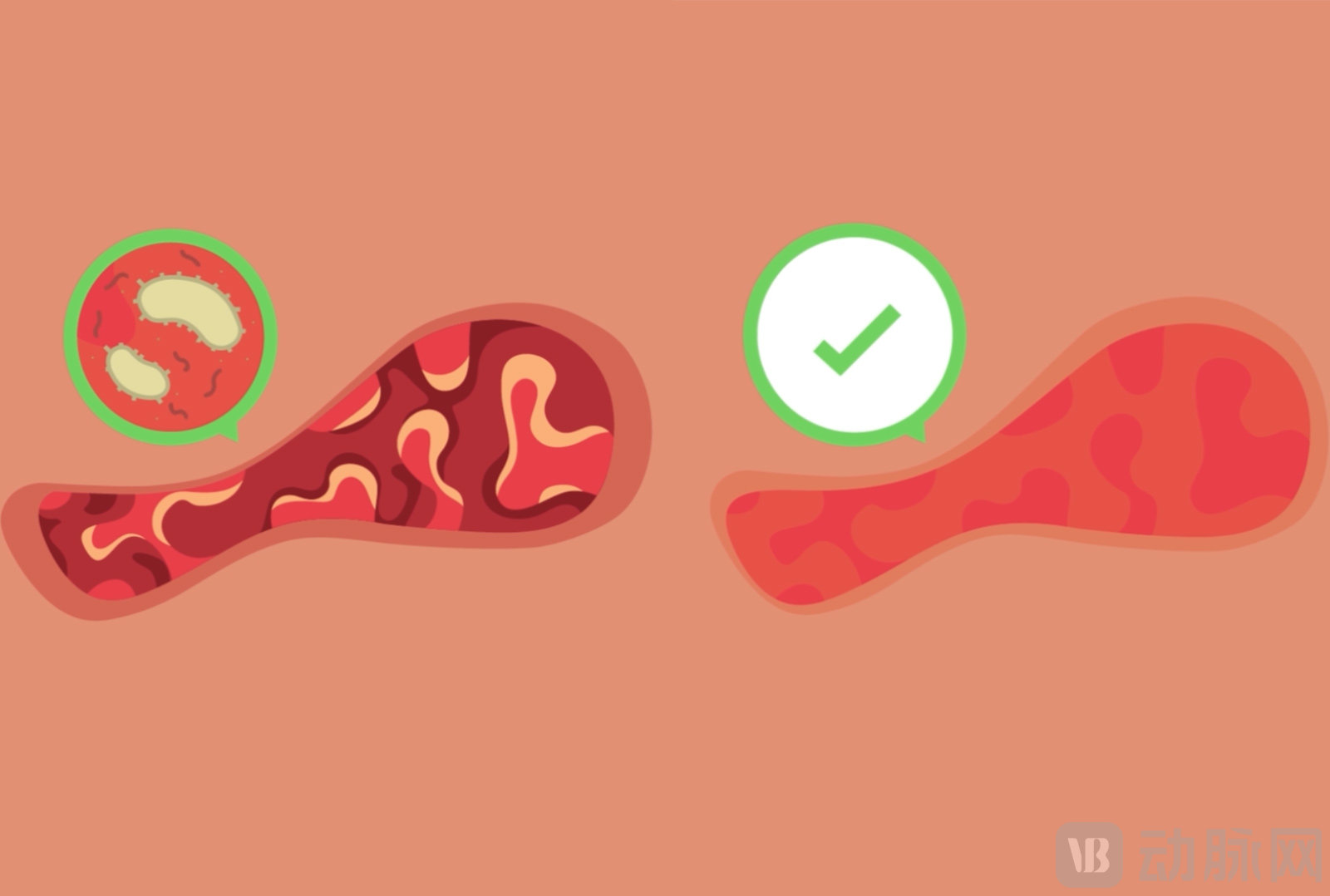
Before-and-After Comparison of DEBRICHEM Treatment. Image Source: DEBx Medical Official Website
Previously, some studies have indicated that certain weakly acidic formulations can be used for wound care.[1], there is also evidence that desiccants can treat chronic wounds with biofilm infections[2]。
Based on these studies, DEBx Medical first introduced a topical desiccant primarily composed of methanesulfonic acid (MSA), dimethyl sulfoxide (DMSO), and amorphous silicon dioxide (SiO₂) to evaluate its efficacy against biofilms produced by Pseudomonas aeruginosa (ATCC-15442) and Staphylococcus aureus (ATCC-6538). The results demonstrated that viable cells were completely eradicated within 30 seconds of applying the topical desiccant in all in vitro biofilm models for both strains.[3]。
Amid a prolonged lack of significant innovation in the chronic wound care market, the three founders leveraged their years of research in biochemistry and trauma medicine to rapidly develop their first product, DEBRICHEM, based on the mechanism of “acidic substances disrupting bacterial biofilms.” Its primary ingredient is the strong acid methanesulfonic acid (MSA), while two additional components, DMSO and SiO, serve to buffer the acidity of MSA.
Next, to verify the product's efficacy, they conducted a case study on venous leg ulcers (VLU). The study included 10 VLU patients with a mean age of 74.5 years, a mean wound bed area of 65.7 cm², and a mean wound duration of 15.8 weeks. After using DEBRICHEM,All wounds entered the granulation tissue formation stage within an average of 30.4 days, and complete granulation was achieved in all wounds within 12 weeks.[4]。
DEBRICHEM demonstrates favorable therapeutic efficacy when used as a monotherapy. According to research by DEBx Medical, if DEBRICHEM is utilized during standard care (SC),The probability of healing in VLU patients can increase by 75% within 12 months. Compared with SC alone, the combination of SC and DEBRICHEM reduces the NHS cost of treating VLU by 57%.[5]。
In addition, the combination of DEBRICHEM with Negative Pressure Wound Therapy (NPWT) can also remove biofilms and necrotic tissue, accelerating the wound's progression into the granulation tissue formation phase. NPWT is a wound treatment technique that employs specialized foam dressings, seals the wound with a transparent film dressing, and utilizes negative pressure to promote wound healing.[6]。
Currently, the DEBx Medical team is continuously increasing its investment in research and development and striving to expand its product portfolio, with a commitment to providing a comprehensive suite of products for the diagnosis, treatment, and follow-up care of chronic wound infections.
The high prevalence and substantial costs of chronic wounds have become a major challenge in healthcare. According to statistics from the U.S. National Institutes of Health (NIH), approximately 1–2% of the population in developed countries is affected by chronic wounds, with annual care costs in the United States alone amounting to at least tens of billions of dollars.
The growing demand for chronic wound care is driving continuous market expansion. According to data from Fortune Business Insights, the global chronic wound care market is projected to grow from USD 12.36 billion in 2022 to USD 19.52 billion by 2029, representing a compound annual growth rate (CAGR) of 6.7% during the forecast period.
Chronic wound care can be primarily categorized into wound dressings, biologics, therapeutic devices, and others, based on product type. Currently, many companies have entered these sectors, including TISSIUM, BRH Medical, EnzySurge, Allmed Medical, Aipai Medical, and Lanming Medical.
Meanwhile, numerous innovative therapies continue to emerge. Examples include hydrosurgical debridement, which combines hydrodynamic forces with debridement to achieve single-pass pulsed irrigation; the wound gel dressing Aurase, which utilizes proteolytic enzymes from maggot saliva to promote wound healing; the debridement gel NexoBrid, which replaces surgical debridement with enzymatic debridement; the topical medication Sanarever, containing “probiotic postbiotics” for the treatment of chronic wounds; and a non-invasive approach combining ultrasound with palmitoleic acid and gentamicin, leveraging a microneedle system to enhance the delivery of antimicrobial agents to chronic wounds.
As innovative therapies for chronic wounds become increasingly diverse, patients are reaping significant benefits, and the market holds substantial promise.
References:
[1] DAY A, ALKHALIL A, CARNEY B C, et al. Disruption of biofilms and neutralization of bacteria using hypochlorous acid solution: an in vivo and in vitro evaluation[J]. Advances in Skin & Wound Care, 2017, 30(12): 543-551.
[2] Park E, Long S A, Seth A K, et al. The use of desiccation to treat Staphylococcus aureus biofilm‐infected wounds[J]. Wound Repair & Regeneration, 2016, 24(2): 394-401.
[3] Schwarzer S, Radzieta M, Jensen SO, et al. Efficacy of a Topical Wound Agent Methanesulfonic Acid and Dimethylsulfoxide on In Vitro Biofilms[J]. Int J Mol Sci, 2021, 22(17): 9471.
[4] Cogo A, Quint BJ, Bignozzi CA. Restarting the Healing Process of Chronic Wounds Using a Novel Desiccant: A Prospective Case Series[J]. Wounds, 2021, 33(1): 1-8.
[5] Julian F Guest, Valter Deanesi, Arrigo Segalla. Cost-effectiveness of Debrichem in managing hard-to-heal venous leg ulcers in the UK[J]. Journal of Wound CareVol, 2022, 31(6).
[6] Michael H E Hermans, President Hermans Medical Consulting, Hoorn, et al. Combining an Acidic Compound and NPWT: Debridement and Granulation in Leg and Foot Ulcers[J]. Annals of Case Reports, 2022, 7: 1101.