

Breaking the 'Innovator's Dilemma': ITBT & AI Drug Discovery Forum Explores the Future of the Industry
On the morning of May 5, 2023, the 7th Future Healthcare Top 100 Conference · ITBT & AI Drug Discovery Forum, hosted by VCBeat VB100 and supported by Source Code Capital, was successfully held at the Zhangjiang Science Hall in Shanghai.
The ITBT & AI Drug Discovery Forum brought together experts from various fields. Zhu Min, General Manager of the Healthcare Finance Department at Huarong Rongde; Qian Yue, Senior Director of Computational Chemistry at Viva Biotech; Lai Caida, Co-founder and CEO of DTI Pharma; Chen Hang, Co-founder and CEO of neoX Biosciences; Duan Huimin, Director of the Industrial Platform Development Department at Xingbei Free Trade Zone No.1; He Qi, Founder and CEO of Tenmax Pharma; Cheng Senping, Founder and CEO of 3D Matrix; and Liu Xiangnan, Head of Digital Innovation at Roche Pharma, attended the event and delivered insightful speeches. Yang Yehui, Executive General Manager and Director of the Institute at Guolian Securities, served as the moderator for the forum.
During the roundtable discussion, diverse perspectives were thoroughly exchanged. Participants included Cailai Lai, Co-founder and CEO of Metagenomi; Wen Wen, Founder and CEO of Huanyi Bio; Yang Li, Co-founder and Chairman of ReviR Therapeutics; and Yi Li, Vice President and Head of Antibody Business at XtalPi. Xutian Jing, Managing Director at Wuyuan Capital, served as the moderator for the roundtable discussion.
Distinguished guests conducted an in-depth analysis of hot topics in AI-driven drug discovery and related interdisciplinary fields from the ITBT perspective, seeking the key to achieving industrial breakthroughs.
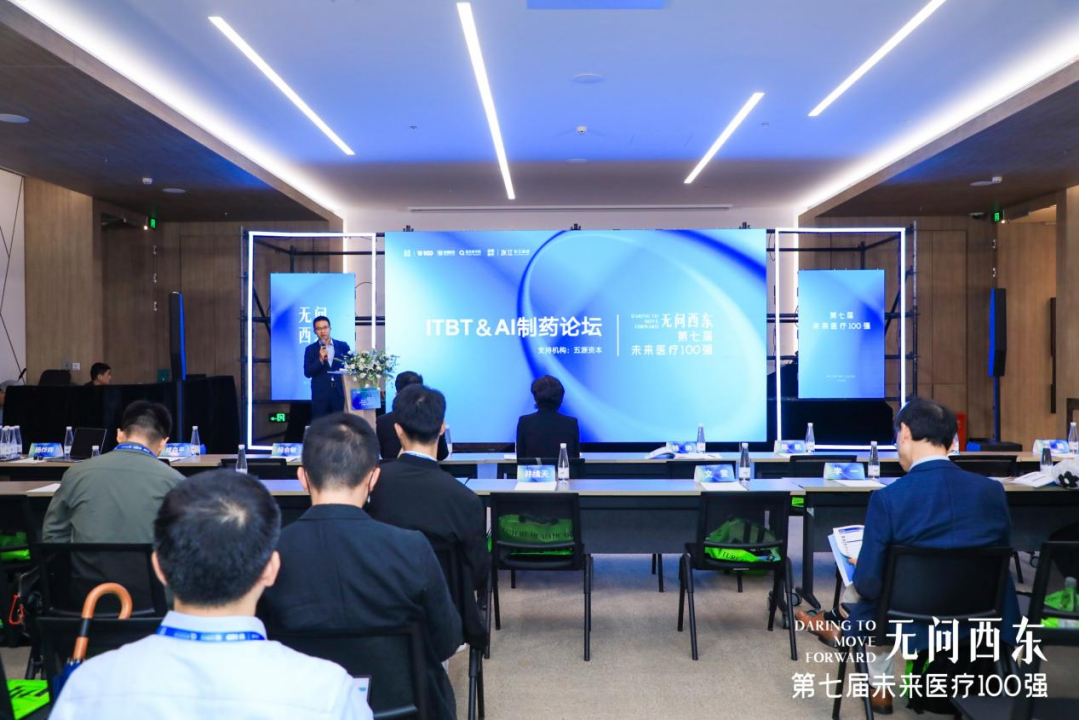
Zhu Min, General Manager of the Medical Finance Department at Huarong Rongde, delivered an insightful speech titled “AI Drug Discovery Through the Eyes of Investors” at this conference, analyzing the current challenges and future development trends of AI in the pharmaceutical industry from an investor’s perspective.
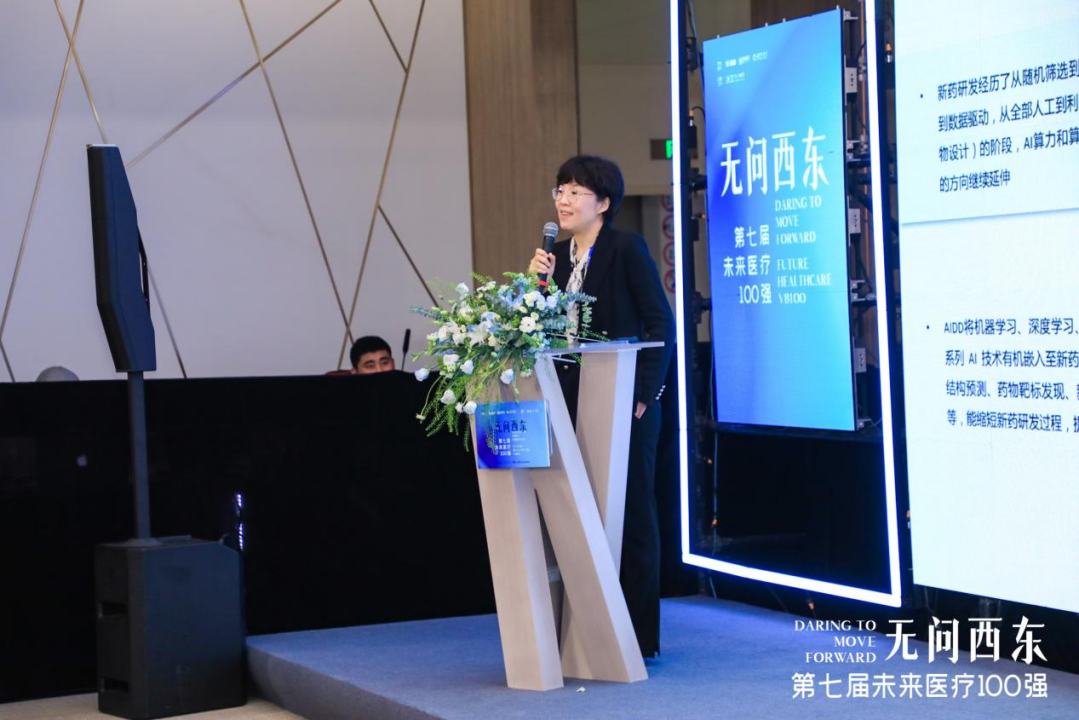
Zhu Min pointed out that the pharmaceutical industry is driven by scientific discoveries, and a breakthrough in a single technology is unlikely to bring about rapid, disruptive changes. The breakthrough of AI technology lies in its ability to evolve from unimodal data to multimodal and cross-modal data, empowering drug research and development as an intelligent tool. The market for AI-enabled drug R&D could be enormous in the future. 2021 marked the inaugural year of AI-driven drug discovery, with collaborations between international biotech firms and AI companies showing a clear upward trend. Integrating AI has become an inevitable choice for leading pharmaceutical companies to advance their pipelines. Furthermore, national policies exhibit a trend of localized caution but overall encouragement. AI-driven drug discovery has entered a phase of state-led promotion.
Currently, the innovative drug R&D industry has fully entered an era of intelligence and automation. The primary challenge lies in a shortage of interdisciplinary talent and innovative mechanisms. In the long run, capital will inevitably guide resource allocation toward superior productive forces. AI will drive specialization and collaboration within the pharmaceutical industry, enabling its renewed surge.
Qian Yue, Senior Director of Computational Chemistry at Viva Biotech, shared the current research progress and industry outlook of Viva Biotech’s computational chemistry division at the conference.
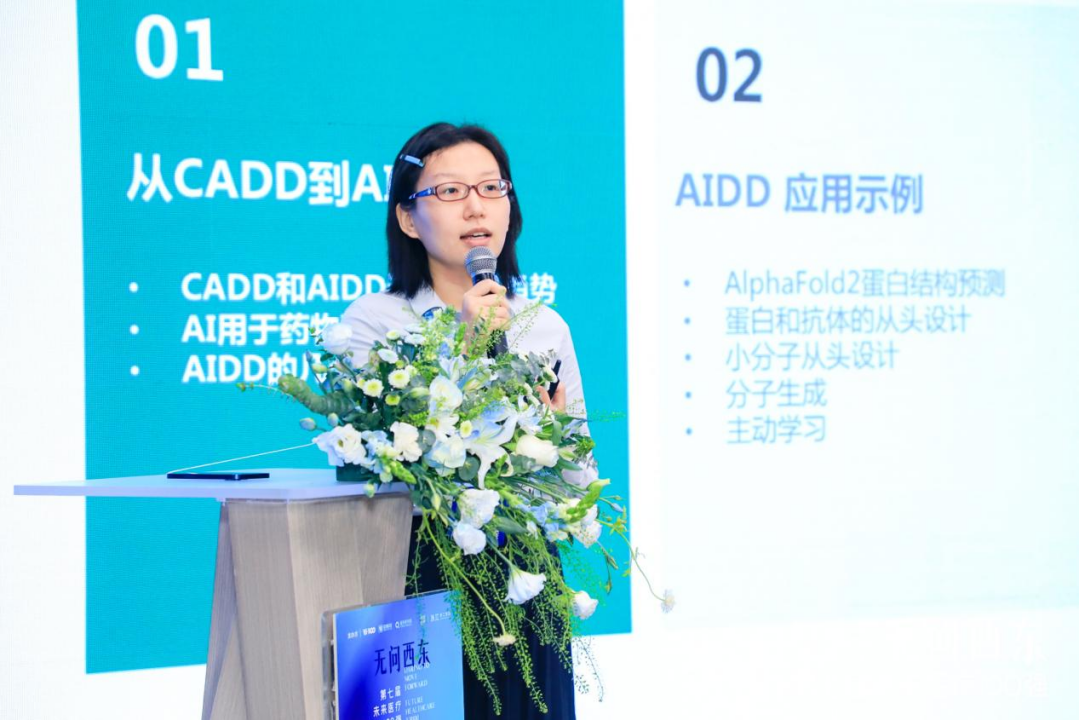
Advancements in computational power have accelerated the rapid development of traditional computational chemistry and drawn global attention to artificial intelligence (AI). Currently, the application of AI faces challenges such as data scarcity, difficulties in system representation, and quality control issues. Despite numerous obstacles in drug research and development, certain AI tools have demonstrated significant capabilities—these include AI-assisted screening, AI-integrated molecular dynamics and computational chemistry tools like AlphaFold, and a series of tools for later-stage translation. AI has provided substantial practical assistance in target discovery and small molecule generation. Two particularly practical application scenarios stand out. The first is quantitative structure-activity relationship (QSAR) studies, where AI can screen millions of compounds within days while maintaining a very high negative predictive value. The second involves molecular dynamics and free energy perturbation in computational chemistry; AI meets the requisite computational demands and helps uncover hidden patterns and explain unknown phenomena. Viva Biotech’s supercomputing center facilitates the rapid completion of ultra-long molecular dynamics simulations and further promotes the application of AI tools.
We are in the nascent stage of AI-driven drug discovery (AIDD). Via is cautiously optimistic about the future. When dealing with AI-generated outputs, it is essential to ensure data reliability, computational transparency, and, most critically, result reliability. Therefore, the future development trend should be human-centric artificial intelligence.
Lai Caida, Co-founder and CEO of Metagenomi, shared at the conference how the company leverages AI to design a series of materials for mRNA or nucleic acid delivery, thereby achieving enhanced delivery efficacy.
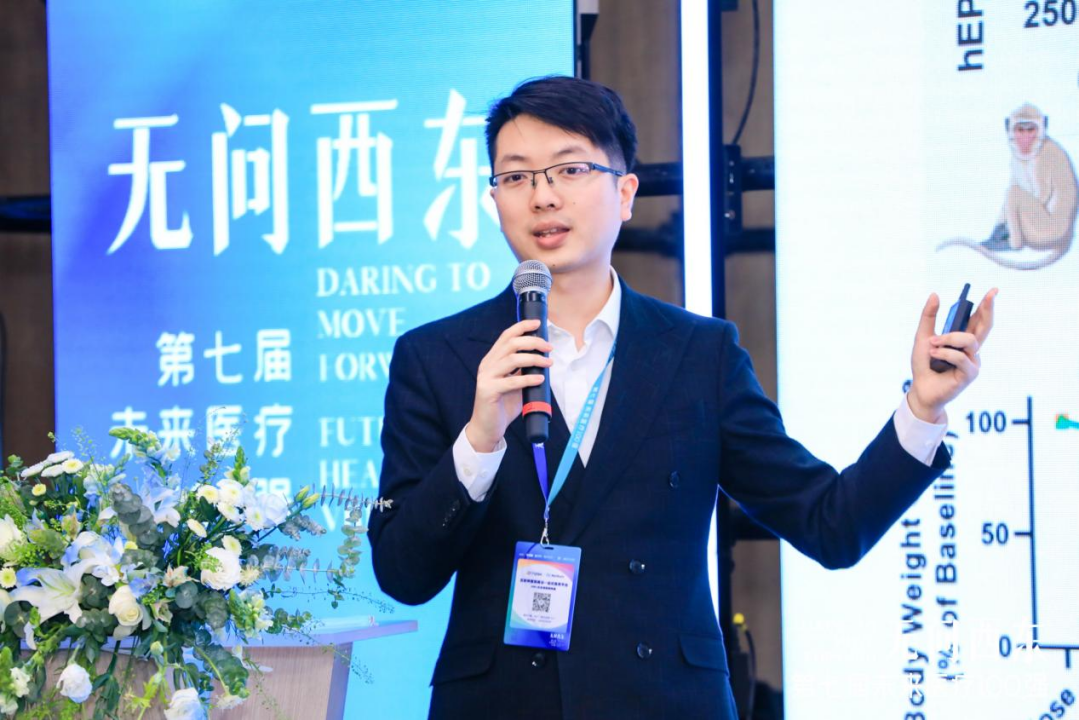
Whether for nucleic acid drugs or gene therapy, drug delivery remains the core “bottleneck” challenge. Key issues include calculating how nanospheres enter cells, developing target organs beyond the liver, and enhancing encapsulation efficiency and release kinetics within the carrier. The critical pain point lies in the lack of first-principles-based predictive mechanisms. MetiDrug pioneered an integrated approach combining Computer-Aided Drug Design (CADD) and AI-Driven Drug Discovery (AIDD), developing the innovative YANK algorithm to compute multi-molecular interactions and simulate supramolecular formulations. This enables “dry-lab” simulations of the delivery processes for formulations and nanocarriers.
Jetai has created the world’s first high-throughput platform integrating dry and wet experiments, which, together with the world’s first high-throughput LNP formulation platform, forms a patented system and a vast database that lays the foundation for AI-driven machine learning. Through AI-powered machine learning, traditionally challenging targeting modalities—such as lung-targeting, tumor-targeting, and muscle-targeting—have now become feasible. AI also plays a critical role in sequence design. With AI assistance, the development of both delivery systems and sequences can be completed within three months. Currently, Jetai has opened up application avenues for delivery technologies and is collaborating extensively with numerous pharmaceutical companies.
Chen Hang, Co-founder and CEO of Xingkangyuan neoX, took AI as the entry point to share Xingkangyuan’s current practices and the ongoing industrial transformation.
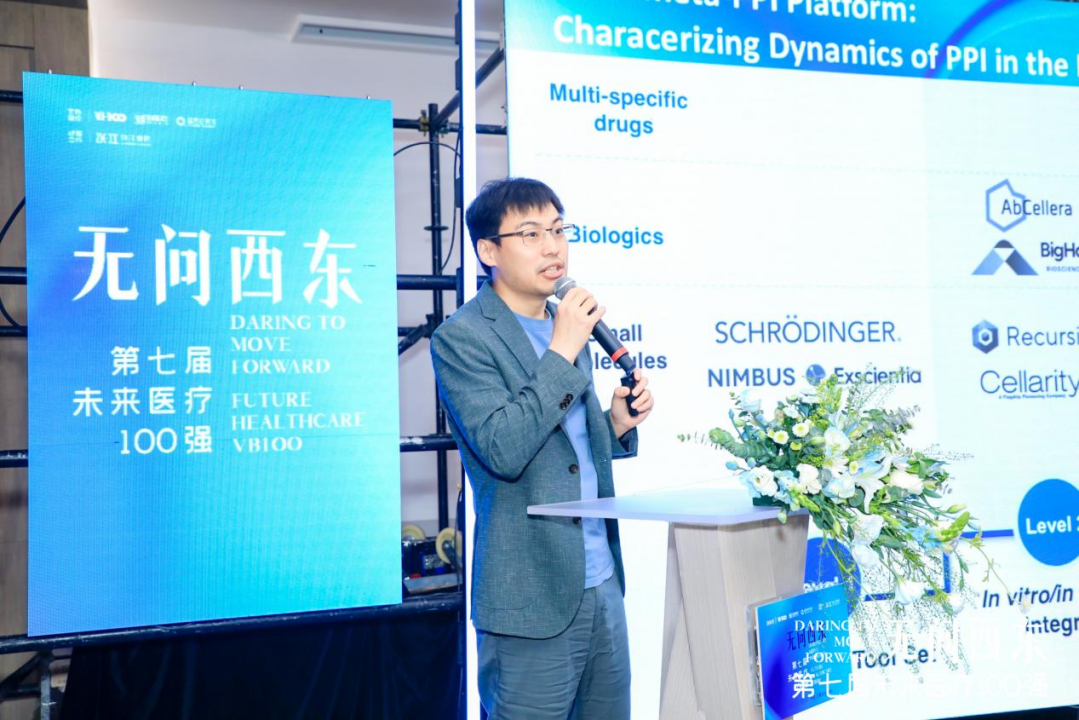
In the realm of innovative drug development, neoX focuses on biomedicine. It has made significant progress in generating protein structures and applied these advancements to various scenarios. The generation of proteins has shifted from relying on natural immunization in mice to AI-driven generation, representing a disruptive breakthrough.
To achieve more efficient protein structure generation and realize global optimization, while considering the feasibility of backend development, Xingkangyuan neoX has constructed its underlying architecture and models. The first-generation technology employed AI-based computation to identify candidate sites, followed by experimental validation to pinpoint precise locations, thereby generating various sequence permutations and combinations, which were then ranked using AI. The second-generation technology achieved remarkable results by performing extensive in silico permutations and combinations, followed by multi-layered screening. The third-generation technology focuses on sequence design for specified target proteins, delivering high accuracy. The entire process is design-first and computation-driven.
Duan Huimin, Director of the Industrial Platform Development Department at Xingbei·Free Trade Zone No. 1, introduced Xingbei·Free Trade Zone No. 1 at the forum, starting with an analysis of the industrial park model.
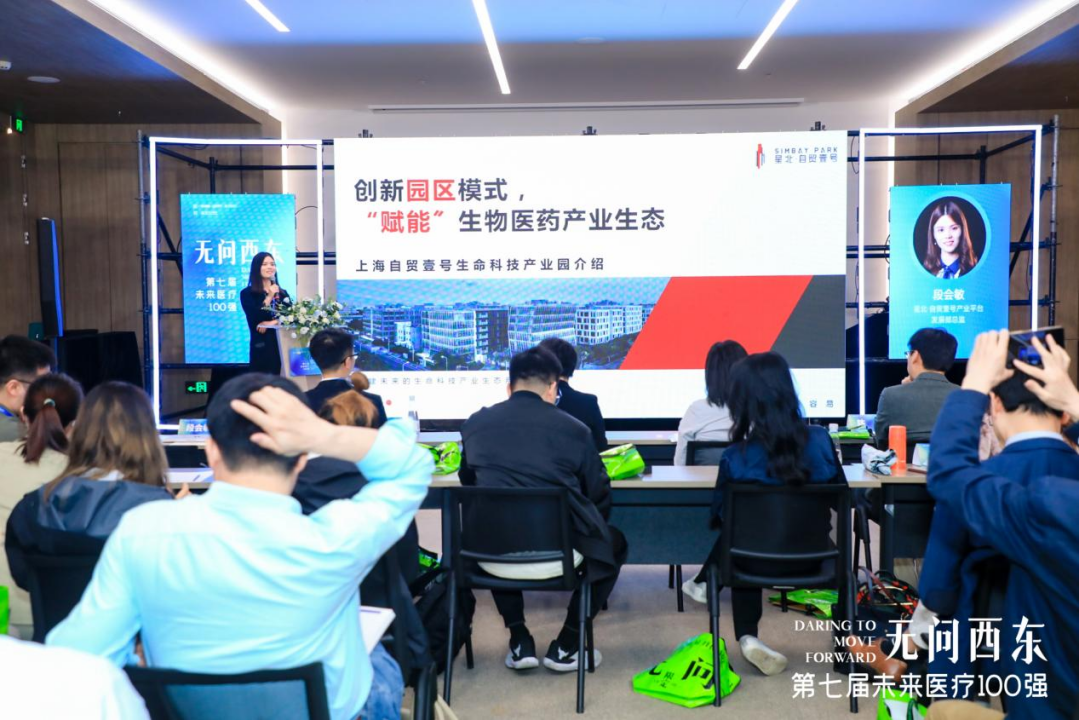
Xingbei Free Trade Zone No. 1 is a privately owned industrial park operated on market-oriented principles, characterized by its flexible, market-driven model. The park adopts the EVIC model, leveraging the park itself as both a carrier and an asset to host project entities and foster an ecosystem. It attracts projects to establish operations within the park and provides comprehensive services. Currently, its primary focus areas include innovative drugs, biotechnology, and emerging therapies. Furthermore, Xingbei Free Trade Zone No. 1 emphasizes both project sourcing and development, maintaining collaborations with domestic universities at the source level. In the CXO sector, beyond traditional CXO services, it is committed to supplying CXO talent to enterprises. Its service framework operates on two levels: first, corporate operations, offering operational support such as laboratory certification and policy advisory services; second, industrial development, which focuses not only on providing space and basic property management but also on fostering enterprise growth. This is manifested in three dimensions: human resources, through an HR platform; financial resources, via mature partnerships with mass entrepreneurship and innovation institutions and banks; and material resources, by establishing a supply chain service platform in addition to laboratories and other facilities. The implementation process begins with policy planning, proceeds to negotiation for project landing, and culminates in entry into the park, providing full-lifecycle enterprise services and strategic resource matching.
Xingbei · Free Trade Zone No.1 is located in Waigaoqiao, Pudong, Shanghai, boasting superior policy, resource, and hardware environments. It is planned to cover a total area of 1.1 million square meters, attract approximately 1,000 enterprises, and establish a mature biopharmaceutical industry cluster.
He Qi, Founder and CEO of Tengmai Pharma, shared the company’s innovative model at the forum.
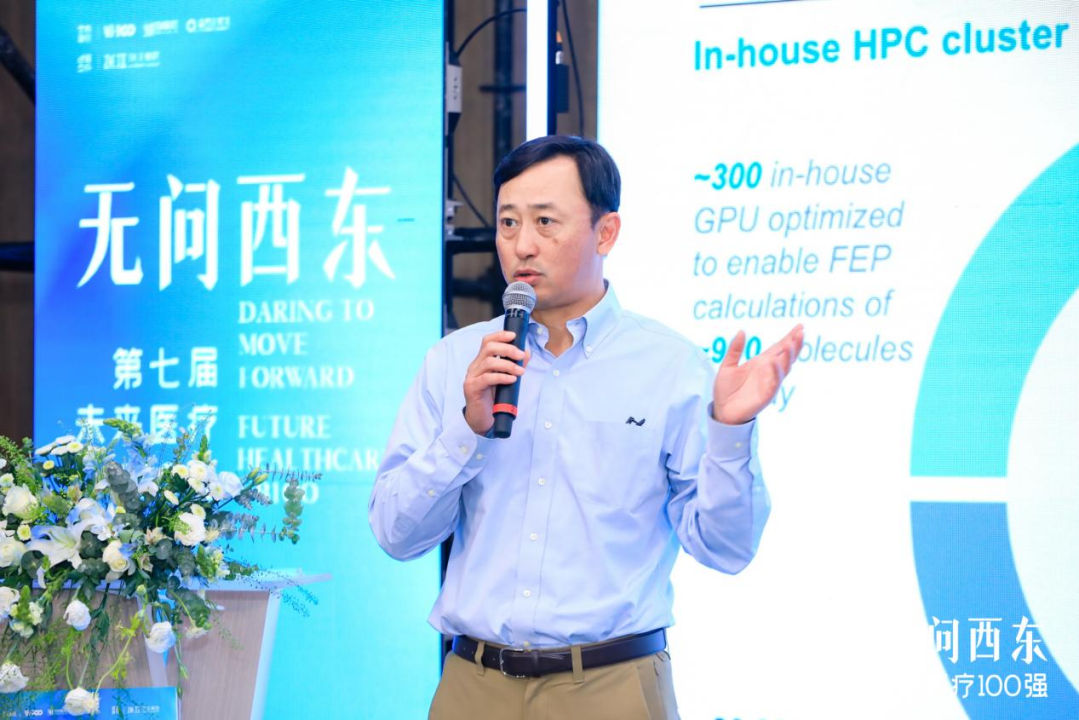
Tengmai’s innovations are grounded in both business and technological innovation, with a current focus on small-molecule drug development. The company emphasizes quality throughout the process, from hit identification to candidate molecule advancement. Advances in generative and computational tools have enhanced project efficiency. Tengmai’s business innovation lies in its CRO pricing model. The company has developed revolutionary, world-class computational tools capable of processing 900 molecules per day and delivering an integrated four-in-one solution. Tengmai’s products serve not only as data visualization and data management tools but also as collaboration platforms. The integration and management of data deliver substantial value. Tengmai’s business innovation holds strong appeal for pharmaceutical R&D enterprises.
Teng Mai’s technological innovations are based on physics-based modeling and the use of AI tools. The physics-based modeling has reached an industry-leading level. The application of AI tools has improved efficiency while maintaining accuracy.
Cheng Senping, Founder and CEO of Triastek, shared an update on Triastek’s current status and the latest progress in the 3D pharmaceutical printing industry at the forum.
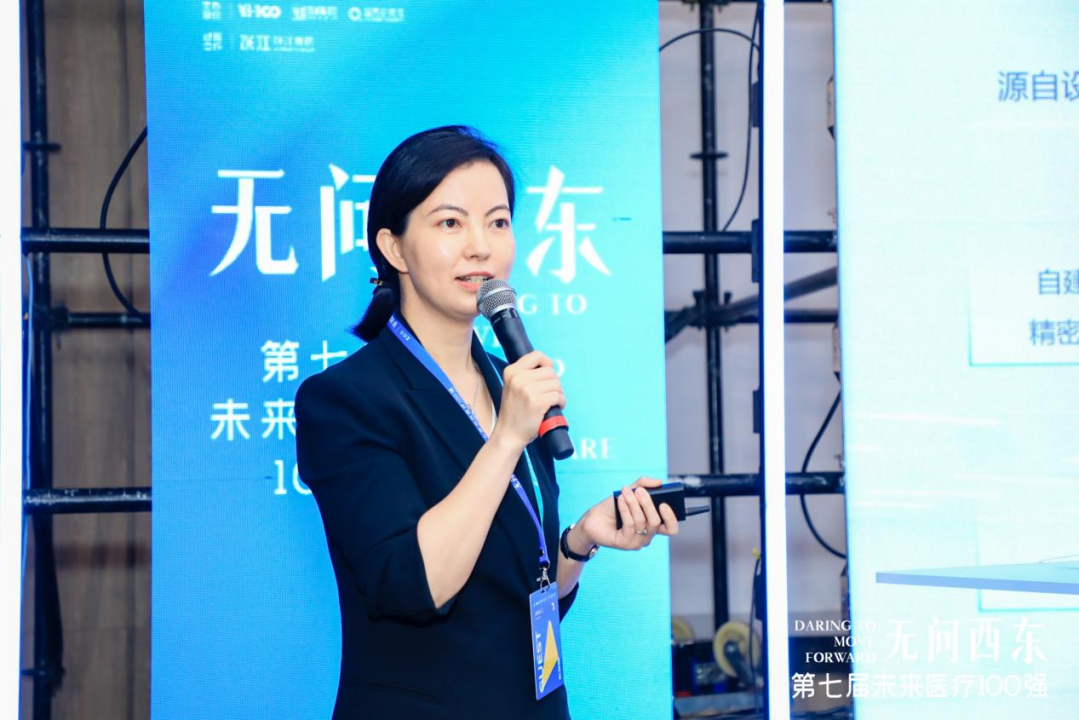
Triastek focuses on 3D printing technology for pharmaceuticals. Its core technology, Melt Extrusion Deposition (MED), enables drug release profiles that are difficult to achieve with traditional delivery technologies, thereby improving the efficiency and success rate of drug product development and significantly enhancing drug production quality. Triastek currently holds a leading position in the industry, with three products in various stages of clinical development, and its industrialization infrastructure has been fully established.
Triastek’s end-to-end technology chain encompasses drug product design, digital development of formulation products, and direct transfer of manufacturing processes from R&D equipment to production lines to accelerate market launch. Additionally, the company has established a drug delivery platform leveraging its proprietary technologies. Triastek’s technological innovations are rooted in its core Melt Extrusion Deposition (MED) technology, which extends upward to encompass 3D printing equipment technologies and digital methodologies. Triastek operates under two business models: first, an open-platform model that fosters collaborative product development, enhances efficiency, and provides comprehensive support from research and development through to production; second, the development of its own pipeline, which currently includes products in clinical stages.
The path traversed by Triastek is emblematic of the growth trajectory of an emerging technology company. Cheng Senping believes that 3D printing will ultimately evolve toward intelligent pharmaceutical manufacturing.
Liu Xiangnan, Head of Digital Innovation at Roche Pharma, shared his insights on AI-driven drug discovery (AIDD) and translational medicine at the forum.
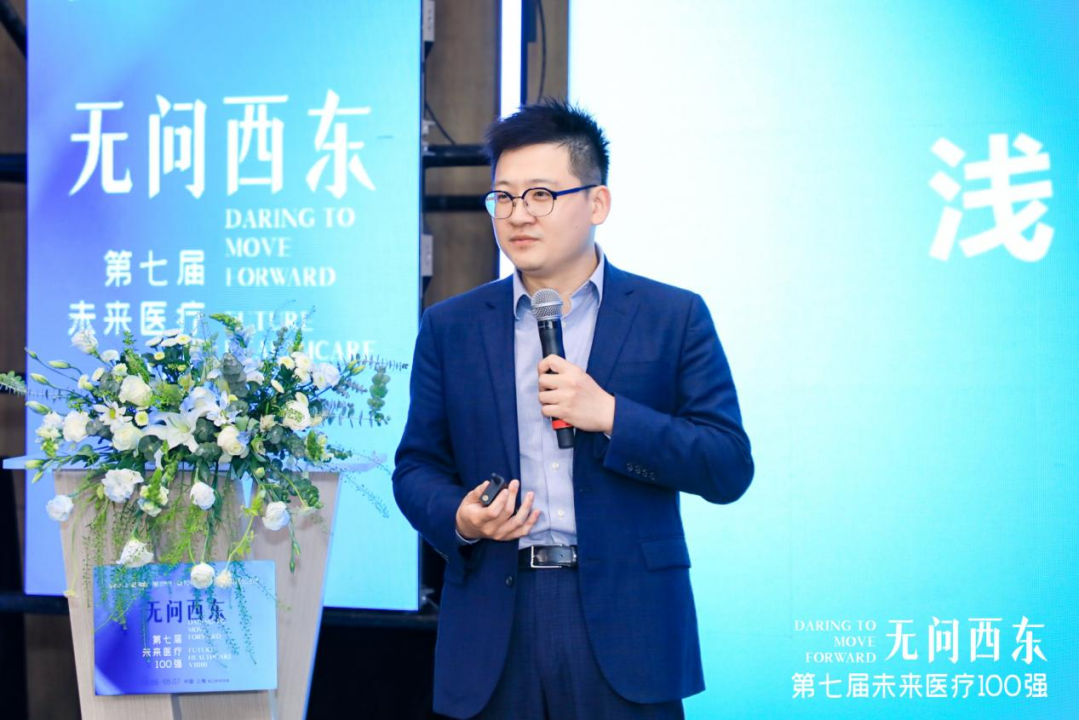
The ultimate goal of basic medical research and pharmaceutical companies is to develop drugs that transform disease treatment paradigms and change patients’ destinies. The value and support that AI-driven drug discovery (AIDD) brings to the drug development process should be viewed rationally. AIDD significantly enhances overall efficiency and mechanistic understanding during the earliest stages of drug development. In contrast, its contribution during the clinical trial phase is relatively limited.
AIDD currently faces three challenges. First, there are issues concerning data privacy and ownership. Second, the high demand for interdisciplinary talent and stringent requirements for corporate knowledge systems create significant barriers to entry within the industry. Third, there is currently no relatively complete and viable business model; it remains uncertain whether future efforts should focus on developing specialized tools in vertical domains or on building an entire industrial chain. However, these challenges are not insurmountable. Collaborations with research-oriented hospitals can help address data gaps. There is substantial potential for growth in strengthening the integration and communication between clinical research and basic research. In the long term, cooperation between basic medicine and clinical medicine will promote the development of a full-industry-chain AIDD model. Roche Pharma focuses on the commercialization of AIDD-derived finished products and approved drugs.
Five panelists joined the roundtable discussion to explore the future of ITBT and AI-driven drug discovery.
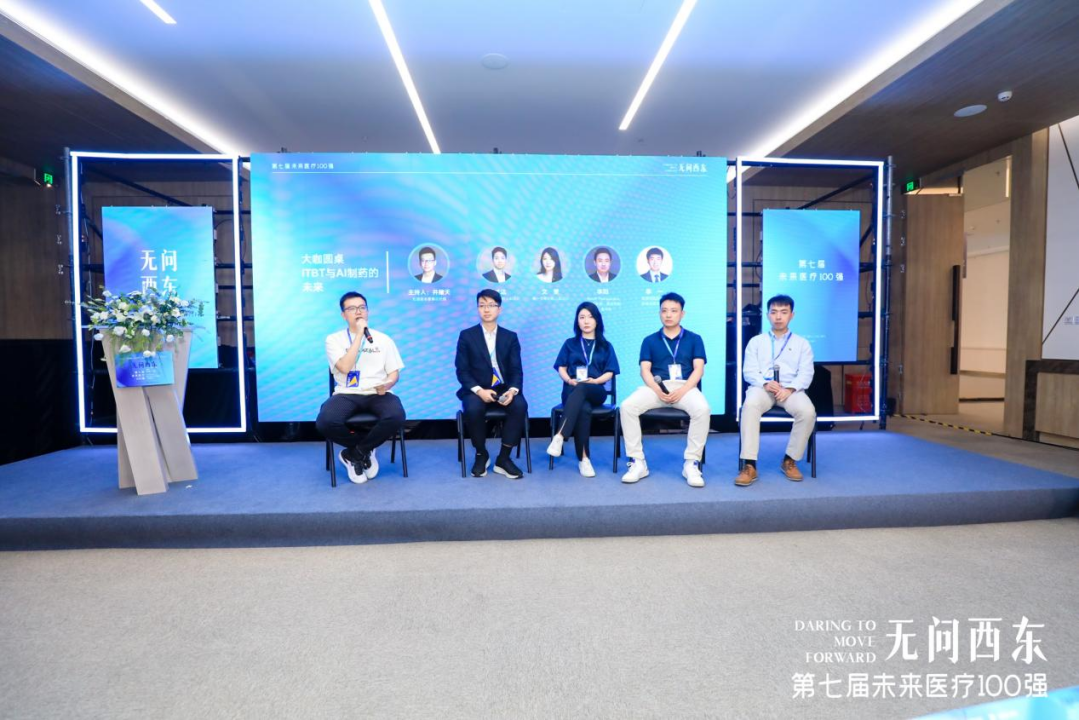
Jing Xutian: Do you agree that LNPs are poised to become the most mainstream delivery system in the field? What role has AI played in this process?
Lai Caida, Co-founder and CEO of Metagenomi
LNPs offer significant advantages. The primary advantage is safety, which is the FDA’s most immediate and paramount requirement. In contrast, it is more challenging for AABs to achieve comparable safety profiles. Secondly, LNPs can deliver large and heavy molecular payloads, opening up new opportunities for the future. The integration of AI has improved expression efficiency by one to two orders of magnitude, addressing a long-standing core challenge for mRNA and sRNA therapies. Through AI, we have met delivery requirements in key areas such as the liver, lungs, and tumors, representing a critical advantage.
Jing Xutian: What drives Xili Technology to develop small-molecule drugs targeting RNA?
Li Yang, Co-founder and Chairman of ReviR Therapeutics:
Conventionally, proteins are regarded as the ultimate executors of biological functions, and traditional drug discovery has primarily focused on protein targets. Among the hundreds of thousands of proteins in the human body, fewer than 1,000 have proven to be druggable targets. Moving one step upstream along the central dogma to the RNA level, regulating RNA to modulate proteins or biological functions has achieved significant success, albeit with inherent limitations. This naturally raises the question: can small molecules accomplish such tasks? The core challenges lie in three aspects: first, whether RNA possesses stable structures; second, the relationship between RNA structures and their biological functions; and third, how to identify suitable small-molecule binders. The field of small-molecule targeting of RNA is well-suited for the application of AI-driven drug discovery.
Jing Xutian: What major breakthroughs and advancements have been achieved with the latest large model algorithms, including Diffusion Models, in the life sciences or pharmaceutical R&D sectors that were previously difficult to attain?
Li Yi, Vice President of XtalPi and Head of Antibody Business:
I will primarily discuss the field of antibodies. Antibodies represent a highly mature therapeutic modality and currently constitute the second-largest segment in the global pharmaceutical market, surpassed only by small-molecule drugs. The scope of antibody development is vast. To be viable as therapeutics, antibodies must meet two key criteria: first, they must exhibit biological activity by binding to their targets and exerting regulatory functions; second, they must possess favorable developability, remaining free from aggregation or precipitation during manufacturing and transportation. Traditionally, experimental approaches have explored only a tiny fraction of the antibody sequence space. The advantage of AI lies in its ability to help explore a much larger druggable space by computationally generating antibody candidates. When combined with traditional experimental methods, AI can help overcome certain limitations and bottlenecks inherent in conventional approaches.
The sequences of protein-based therapeutics, such as antibodies, are essentially a language spoken by nature, bearing an inherent similarity to semantic and textual models. We have found that the introduction of large language models (LLMs) for proteins has led to significant improvements in many downstream R&D tasks. The generated antibodies exhibit higher naturalness, more closely resembling those naturally produced by human or animal immune systems. In the realm of diffusion models, the incorporation of Diffusion Models has enabled the purely computational generation of protein therapeutics, resulting in a remarkable increase in the rate of viable candidates. As data accumulates at an accelerating pace, the application of large models in the biomedical and pharmaceutical fields has already demonstrated enormous potential, potentially driving transformative technological advancements in the future.
Jing Xutian: What is the current state of industry progress in integrating multi-omics data with machine learning? Has the company achieved any relatively early-stage technical validations or business milestones?
Wen Wen, Founder and CEO of Huanyi Bio:
In drug development, beyond molecular challenges, a critical issue lies in biology. It is evident that neither current experimental technologies—ranging novel preclinical in vitro and in vivo techniques to advanced animal models—nor quantitative pharmacology models have been able to curb the high clinical failure rates of drugs, which continue to rise steadily. Real-world clinical omics data reveal that disease mechanisms are diverse and stratified, meaning different patients may respond to different targets or therapeutic approaches. Consequently, the entire industry is shifting toward systems biology modeling, leveraging artificial intelligence and digital computing to better simulate disease mechanisms and improve the success rate of clinical trials.
Huanyi Bio’s technology validation comprises two main pillars. The first focuses on biomarkers, where we provide clinical testing services through third-party medical laboratories and have recently established a GMP-certified facility to advance the productization and commercialization of in vitro diagnostics (IVD). The second pillar is our computational platform, which integrates multi-omics technologies, artificial intelligence, and mechanistic modeling capabilities. This platform automates and scales solutions to address key R&D bottlenecks in elucidating biological mechanisms, delivering personalized and customized solutions to pharmaceutical companies and other R&D partners. At the operational level, we are providing AI-enabled multi-omics research services and collaborative R&D services to innovative pharmaceutical companies, biotechnology firms, clinical research organizations, and academic research institutes both in China and abroad.