

Surgical Robotics Innovation and Development Forum Held Successfully in Shanghai, Highlighting Opportunities and Challenges for Domestic Surgical Robots
On May 7, 2023, the Surgical Robot Innovation and Development Forum, hosted by VB100, VCBeat, and Eggshell Research Institute, strategically co-hosted by Shanghai Zhangjiang Group, and supported by CDH VGC, was successfully held in Zhangjiang, Shanghai.
Over the past two decades, surgery has undergone a transformation from open procedures to minimally invasive techniques, and in the last ten years, it has begun advancing toward intelligent digitalization. Surgical robots serve as the primary platform for digital surgery, enabling greater precision and safety. In the past five years, the development of surgical robots has entered a period of explosive growth, with multiple companies listing on capital markets or entering stages of commercialization and IPO filing. However, as the capital market has cooled, surgical robot companies have also been affected, raising questions about their commercial viability. Although the future looks promising, addressing short-term challenges while achieving long-term goals remains a key focus.
This forum has invited multiple industry experts, including clinical medicine specialists, surgical robotics entrepreneurs, and investors, to jointly discuss the development of the surgical robotics industry.
Lin Jin, Chief Physician and Professor at Peking Union Medical College Hospital, Chinese Academy of Medical Sciences: "The Path to Intelligent and Digital Orthopedic Surgery"
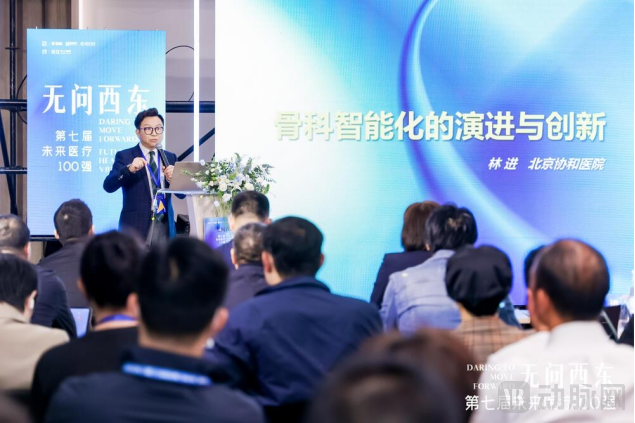
Figure 1. Lin Jin, Chief Physician and Professor at Peking Union Medical College Hospital, Chinese Academy of Medical Sciences
Professor Lin Jin mentioned in his speech that intelligent innovation in orthopedics should focus on both technology and the market, striving to build emerging value networks. In clinical translation and clinical research, one should first learn, think, and observe, and finally propose reasonable ideas. Currently, surgical robots have great potential in terms of patient benefits, addressing clinical pain points, enhancing physician capabilities, and reducing clinical medical costs. During the innovation process, researchers should dare to take responsibility and actively provide suggestions for policy and regulatory adjustments to adapt to new situations. If innovative enterprises can reduce imitation, increase innovation, and enhance product reliability and stability, they will attract more attention and purchasing desire. We should not blindly imitate foreign products; instead, we should develop products that are both aesthetically pleasing and substantively valuable, based on the actual conditions of the Chinese population and clinical value.
Gao Jieliang, Senior Partner at CDH VGC: "Interpreting the Development Trends of the Surgical Robot Industry"
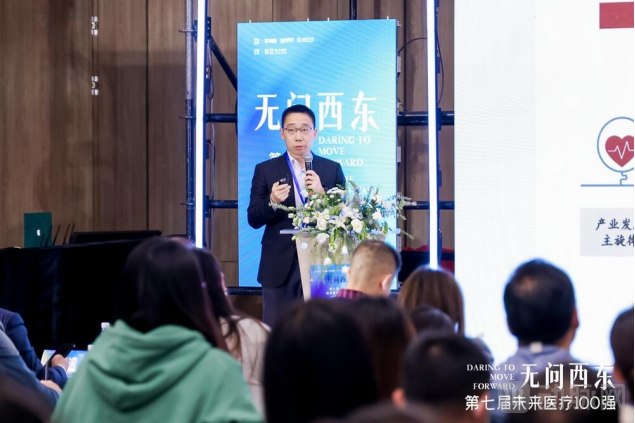
Figure 2. Gao Jieliang, Senior Partner at CDH VGC
Mr. Gao Jieliang mentioned in his speech that the amount of financing for medical robots has experienced explosive growth over the past three to four years. This growth is driven by two factors: first, clinical value, as robots make surgeries more effective and safer; second, commercial value, as robots promote the digitalization and intelligent development of surgery, with significant potential market value. The prospects for the surgical robot industry are positive. Surgical robots are more precise and safer than traditional methods, providing more comprehensive protection for both doctors and patients, while also reducing average hospital stays and hospitalization costs. The future development directions of the surgical robot industry include several points: first, leveraging strengths and addressing weaknesses to maximize the advantages of robots; second, respecting surgeons' operational habits and strengthening academic promotion and market education; third, addressing economic issues by reducing costs; and fourth, enhancing intelligence by utilizing artificial intelligence technology to develop precise surgical planning solutions.
Cai Jingjing, Senior Marketing Director at MicroPort MedBot, “Exploring the Unknown: Shaping the Era of Hyper-Intelligent Surgery”
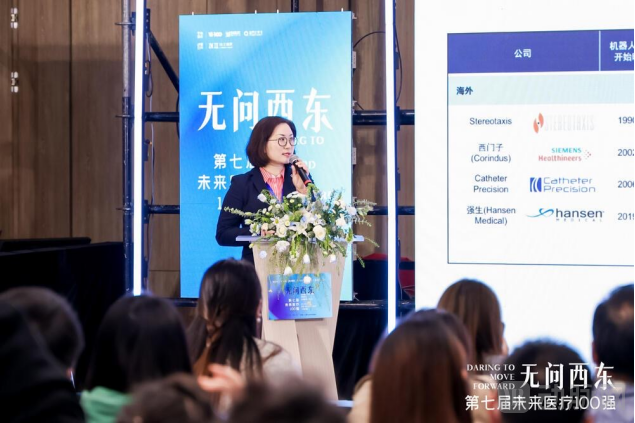
Figure 3. Cai Jingjing, Senior Marketing Director at MicroPort MedBot (Shanghai)
In her remarks, Ms. Cai Jingjing stated that surgical robots have become an inevitable trend in development. Following open surgery and laparoscopic surgery, the rise of surgical robots is unstoppable. Currently, five major tracks have emerged, encompassing laparoscopic, orthopedic, vascular interventional, percutaneous puncture, and natural orifice transluminal endoscopic surgical robots. MicroPort MedBot has established five core advantages: first, extensive surgical coverage across various application fields, forming integrated diagnostic and therapeutic solutions; second, strategic layout of R&D technologies and mastery of the entire underlying technology chain; third, a clinical-oriented approach that has led to the creation of a training platform; fourth, collaboration among industry, academia, research institutions, and healthcare providers to develop robotic surgical solutions tailored to physicians and Chinese patients; and fifth, support from MicroPort Group’s operational and maintenance system. There is still a long road ahead for domestically produced surgical robots. To progress from substitution to surpassing international counterparts, concerted efforts with numerous surgical robot companies are required to shape an era of hyper-intelligent surgery.
Dr. Guo Jian, Co-Founder and General Manager of Aibo Medical Robotics: “The Path to Innovation in Pan-Vascular Interventional Surgical Robots”
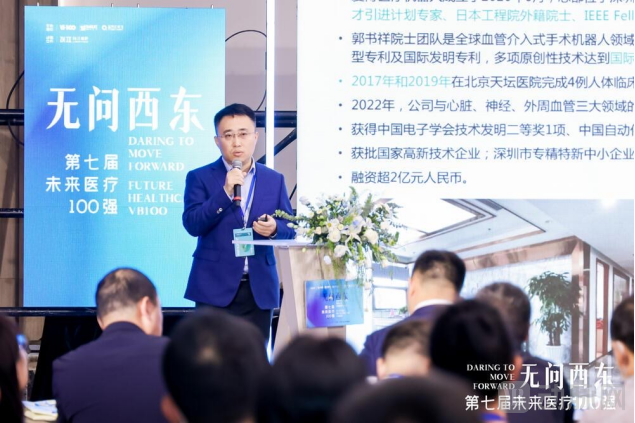
Figure 4. Guo Jian, Co-founder and General Manager of Aibo Medical Robot
Dr. Guo Jian stated in his speech that the AiBo Medical Robotics team is a pioneer in the field of pan-vascular interventional surgical robots, with a portfolio of over 360 intellectual property rights, including more than 240 invention patents and international patents. The company has gained recognition from top clinical experts and leading-tier investors. Adopting a user-centric mindset, the company develops its products based on user needs and has established strategic collaborations with top Principal Investigators (PIs) in the three major fields of cardiology, neurology, and peripheral vascular diseases. Interventional surgery is the most direct and effective treatment for patients with cardiovascular and cerebrovascular conditions. Clinical pain points include the need for physicians to wear lead aprons, caps, and glasses weighing up to 20 kilograms during procedures, which poses risks to the cervical and lumbar spine and increases the likelihood of cancer and skin diseases. Additionally, physician fatigue can lead to procedural inaccuracies, creating safety hazards. Interventional robots address these challenges by reducing radiation exposure to physicians through master-slave teleoperation and ensuring surgical safety and precision via a multi-year force-feedback safety warning algorithm. Remote intervention via 5G technology represents a major strategic direction, enabling patients in remote areas to access high-quality medical resources, and the company is continuously striving toward this goal.
Dr. Zhang Yiling, Founder of Changmugu: "AI and Surgical Robotics Solutions in Orthopedics"
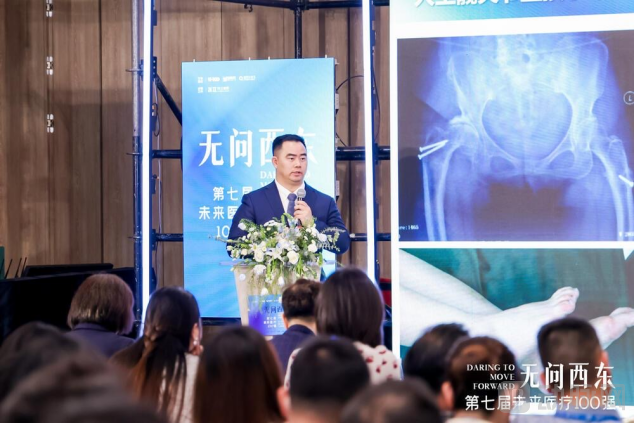
Figure 5. Dr. Zhang Yiling, Founder of Changmugu
Dr. Zhang Yiling mentioned in his speech that Changmugu is a relatively young company that has secured substantial investment and completed seven rounds of financing. The company has consistently introduced diverse solutions within the industry, offering a comprehensive product portfolio for orthopedics and digital health, ranging from AI-based surgical planning to 3D printing and surgical navigation robots. The company’s inaugural product focused on hip and knee joint replacement. While this market is vast, patient satisfaction has been suboptimal; many patients treated at primary care hospitals experience numerous postoperative complications, such as discomfort and pain. Performing these surgeries effectively poses a significant challenge for physicians. To address this, the company developed an AI-driven robotic system with its core module being the "Digital Brain." Through continuous learning and iteration, the system aims to accumulate millions of data points over the next five years to learn various surgical strategies and preferences. The system achieves an accuracy rate of over 96%, reduces surgical time by 4%, shortens hospital stays by 20%, and alleviates postoperative pain for patients. The company hopes to leverage the support of more physicians and renowned experts to decentralize high-quality medical resources, ensuring that every patient receives premium care.
Dr. Cheng Min, Founder of Tuodao Medical: "Surgical Robots: Industry Characteristics and Practical Reflections"
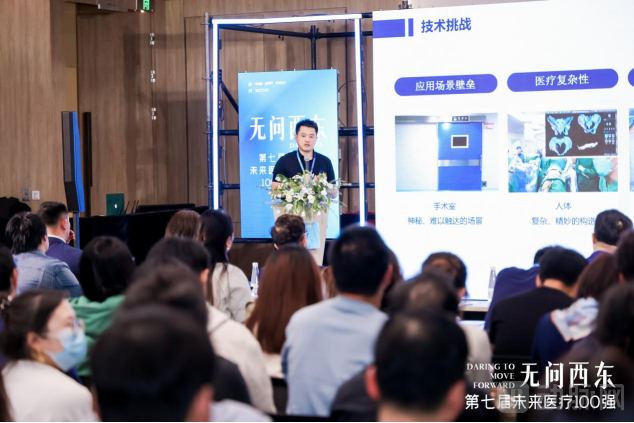
Figure 6. Cheng Min, Founder of Tuodao Medical
In his remarks, Dr. Cheng Min highlighted three challenges currently facing the surgical industry. The first is a technological challenge: how to manufacture products that meet clinical needs. The second is a commercialization challenge: how to rapidly bring products to market after significant investments of effort and resources. The third is path dependence: how to break through established interest structures within an industry characterized by stable stakeholder dynamics to promote product adoption.To address these challenges, companies must first engage deeply with clinical practice to develop products that are truly practical and effective in clinical settings. Second, they need to adopt a holistic mindset, carefully balancing the interests of the numerous stakeholders involved in medical products. Furthermore, corporate development requires strategic focus and a commitment to long-term perseverance and investment. Finally, surgical robots demand a comprehensive support system spanning the entire organization, from supply chain and quality control to manufacturing and social services.By listening more extensively and intensively to clinical feedback, the company aims to develop products with stronger local competitiveness, drive the growth of China’s surgical robotics industry, and deliver greater benefits to clinicians and patients alike.
Roundtable Discussion: The Present and Future of Chinese-Made Surgical Robots
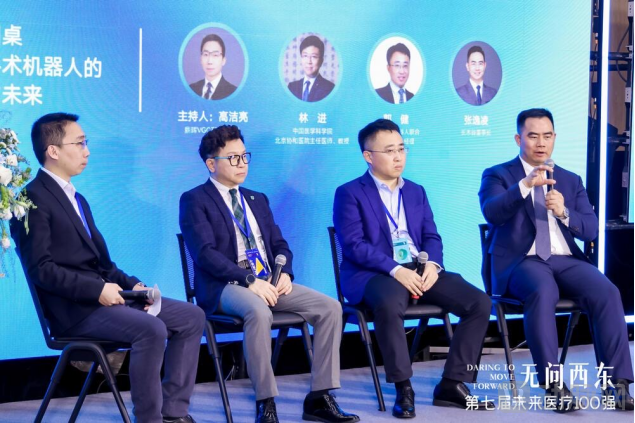
Figure 7. Photo of the Roundtable Discussion
During the roundtable session, moderated by Gao Jieliang, Senior Partner at CDH VGC, Lin Jin, Chief Physician and Professor at Peking Union Medical College Hospital, Chinese Academy of Medical Sciences; Guo Jian, Co-founder and General Manager of Aibo Medical Robotics; and Zhang Yiling, Chairman of Changmugu, jointly participated in a dynamic discussion centered on “The Present and Future of Domestically Produced Surgical Robots.”
Lin Jin, Chief Physician and Professor at Peking Union Medical College Hospital, believes that an ideal orthopedic robot should liberate surgeons both mentally and physically, alleviating their burden. However, robots will not replace doctors; even highly intelligent machines cannot fully substitute for human physicians. Therefore, robots are designed to relieve the mental and physical strain on doctors rather than to replace them. The robot serves as the most trusted first assistant to the lead surgeon, aiming to take over tedious auxiliary tasks so that physicians can perform their duties more effectively. Regarding commercialization, Professor Lin identifies two main challenges faced by users when purchasing robotic systems. First, there is a prevalent bias among Chinese consumers favoring foreign products over domestic ones, under the assumption that imported goods are superior. In reality, many domestically produced products have surpassed well-known international brands in various aspects. Second, due to a combination of factors—including hospital procurement plans and regulatory policies—it remains difficult for users to acquire these robotic systems.
Guo Jian, Co-founder and General Manager of Aibo Medical Robotics, stated that Aibo’s development of robotic systems is driven by clinical needs, with a user-centric approach that deeply examines the challenges encountered during interventional procedures. By establishing foundational technologies, the company aims to cover the entire interventional department, including neurointerventional, coronary, peripheral, and comprehensive interventional specialties. In the future, physicians will operate the robots, which will interact with consumables, and these consumables will in turn interact with patients. The robot will serve as an interface connecting physicians, patients, operating room equipment, consumables, and even data. Regarding commercialization, the product must first be robust, meeting clinical needs and genuinely solving problems. Second, the company must demonstrate its capabilities through leading independent innovation. It is also essential to consider the requirements of multiple stakeholders and balance their interests. Hospitals should achieve financial benefits; physicians should have their pain points addressed; patients should have their issues resolved; and the nation should benefit from the contribution. The initial establishment of Aibo Medical aimed to address physicians’ pain points and ensure precise safety for patients, thereby benefiting society and the country. An initial public offering (IPO) provides returns for investors and offers more participants opportunities in the secondary market. Ultimately, enterprises must resolve critical pain points, achieve long-term development, address national concerns, and promote the domestic production of high-end medical devices.
Zhang Yiling, Chairman of Changmugu, highlighted several key modules of the orthopedic surgical navigation and positioning system. The first module is surgical planning and design, which primarily involves image processing and computer-simulated surgery. The second module functions as the “eyes,” employing optical tracking solutions to perform continuous registration, thereby aligning the machine’s perception with both the virtual and real worlds. The third module serves as the “hands,” offering various approaches, including active, semi-active, and passive catheter-based systems.Ultimately, orthopedic robots enable surgeons to perform more precise and minimally invasive procedures. For patients, this translates to shorter operative times, reduced blood loss, and faster recovery. For society, it helps lower healthcare insurance expenditures, reduces the likelihood of revision surgeries, empowers younger and grassroots physicians to perform high-quality surgeries, and facilitates the decentralization of premium medical resources to primary care settings.Going public is merely a small step in a company’s development journey, not the entirety of its purpose. The core mission of an enterprise is to create valuable products that benefit more patients and are accessible to more physicians. In summary, beyond the act of listing itself, the goal is to refine products and technologies so they can serve a broader population, benefit more patients, and achieve wider adoption.
This forum is honored to have invited numerous industry experts, including clinical medicine specialists, surgical robotics entrepreneurs, and investors, ensuring comprehensive coverage. Domestically produced surgical robots are currently experiencing a period of explosive growth, having achieved significant accomplishments in certain fields. Substantial capital has flowed into the sector, with many well-known companies advancing toward commercialization and filing for initial public offerings (IPOs). Nevertheless, compared to their foreign counterparts, Chinese surgical robots still lag behind by several decades. To catch up with international standards and achieve the long-term development of domestically produced surgical robots, concerted efforts from medical experts, outstanding physicians, entrepreneurs, and investors are required. By addressing the current pain points of domestic robotic systems, we can enable more high-quality products to serve a broader patient population, ensuring that patients are left with no regrets.