

How Assisted Reproductive Technology Offers New Hope for Healthy Births Amid Fertility Challenges
On May 7, 2023, the Assisted Reproductive Technology Industry Development Forum, hosted by VB100, VCBeat, and Eggshell Research Institute, and strategically co-hosted by Shanghai Zhangjiang Group, was successfully held in Zhangjiang, Shanghai.
Yang Jingmin, CTO of Vhanse Bio: "Genetic Testing and Vertical Blockade of Birth Defects"

Figure 1. Yang Jingmin, CTO of Vahan Bio
Mr. Yang Jingmin mentioned in his speech that giving birth to a healthy child is not easy, with a 5.6% probability of birth defects occurring after birth. Therefore, genetic testing plays an important role in the prevention and control of genetic diseases. It can be conducted before pregnancy, during pregnancy, and after the child is born to help determine or assist in diagnosis. Genetic testing can also be used to prevent and control recessive genetic diseases by reducing the risk of birth defects through carrier screening, preimplantation genetic testing, and prenatal testing. The company’s developed product “Yunke’an” can detect whether the fetus has inherited pathogenic mutations from its parents. The testing method is non-invasive, and the product has completed nearly a thousand validations with high accuracy, capable of detecting the widest variety of diseases globally. Furthermore, even if neither spouse carries any mutations, the child may still carry de novo mutations. In such cases, the company also offers professional non-invasive testing methods for screening.
Yan Fei, Co-Founder and CEO of IVFbio: “New Infrastructure” for Core Assisted Reproductive Technology Devices—Intelligent Automation in Embryology Laboratories

Figure 2. Yan Fei, Co-founder and CEO of Aiweifu
Mr. Yan Fei’s keynote address primarily focused on the domestic production of assisted reproductive technology (ART) devices. He noted that ART medical device products are generally categorized into three major groups: culture media, active equipment, and auxiliary consumables, with 95% of IVF medical devices concentrated in embryology laboratories. Currently, the key challenges for future intelligent automation in embryology laboratories mainly lie in culture systems, cryopreservation systems, and high-frequency, low-energy operational systems. The development direction for future intelligent automation in these laboratories prioritizes import substitution, emphasizes applications in long-cycle scenarios, and ensures compliance with applicable laws and regulations. Mr. Yan also stated that in the digitalization and informatization of ART, clinical data falls under the category of human genetic information. This imposes higher requirements on ART clinical data compared to ordinary pathological data, with a greater emphasis on security. Finally, Mr. Yan mentioned that iVF has a clear direction and purpose in product development. Its overall product design philosophy focuses on the three stages of pre-culture, during-culture, and post-culture at the clinical level, ensuring the safety, quality control, standardization, and efficiency of all products.
Lu Jie, Partner at Yuyuan Life: “Exploration and Strategic Layout of Innovative Drugs in Assisted Reproduction”
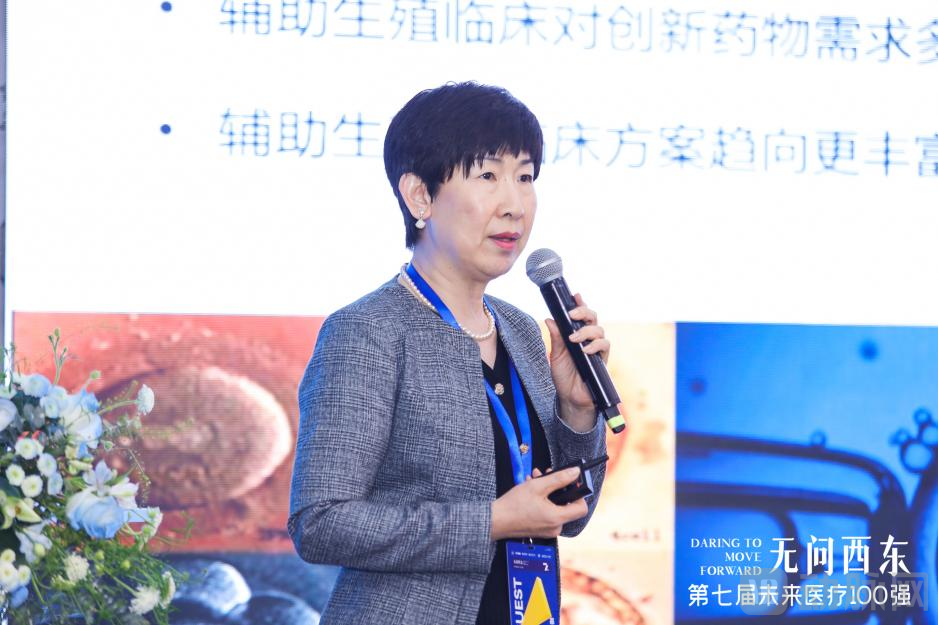
Figure 3. Lu Jie, Partner at Yuyuan Life
In her address, Ms. Lu Jie noted that with the continuous development of the in vitro fertilization (IVF) field, clinical protocols are becoming increasingly diversified and personalized. This trend necessitates the optimization and improvement of related pharmaceuticals to ensure patients have access to higher-quality medications. The total number of IVF cycles in China reached 1.08 million in 2020, with a pregnancy rate of 52.4%, demonstrating the ongoing development and maturation of IVF services in the country. Pharmaceutical intervention is required in two key stages of the IVF process: ovarian stimulation and luteal phase support. Currently, commonly used drugs in the IVF field fall into five major categories: down-regulation agents, ovarian stimulation drugs, ovulation induction agents, luteal phase support medications, and oxytocin receptor antagonists. Imported products dominate the majority of the market share, indicating significant potential for substitution by domestically produced drugs. Specifically, the market share of domestic enterprises in the field of ovarian stimulation drugs is less than one-third, highlighting the need for increased R&D investment to develop new products. The IVF sector anticipates products that are simpler, more efficient, and more personalized, capable of effectively improving pregnancy rates. Currently, the company’s recombinant FICH has entered Phase III clinical trials. It features a pre-filled syringe design with single-use, disposable administration, offering considerable convenience and safety for both physicians and patients. Another product, NOLASIBAN, is in the clinical initiation stage. NOLASIBAN is an oxytocin receptor antagonist that inhibits uterine contractions induced by oxytocin, holding promise for enhancing endometrial receptivity.
Zhang Ting, Head of the Industry Development Department, Health Insurance Division, Taikang Online: “Commercial Insurance Fuels New Opportunities in the Development of Assisted Reproductive Technology”
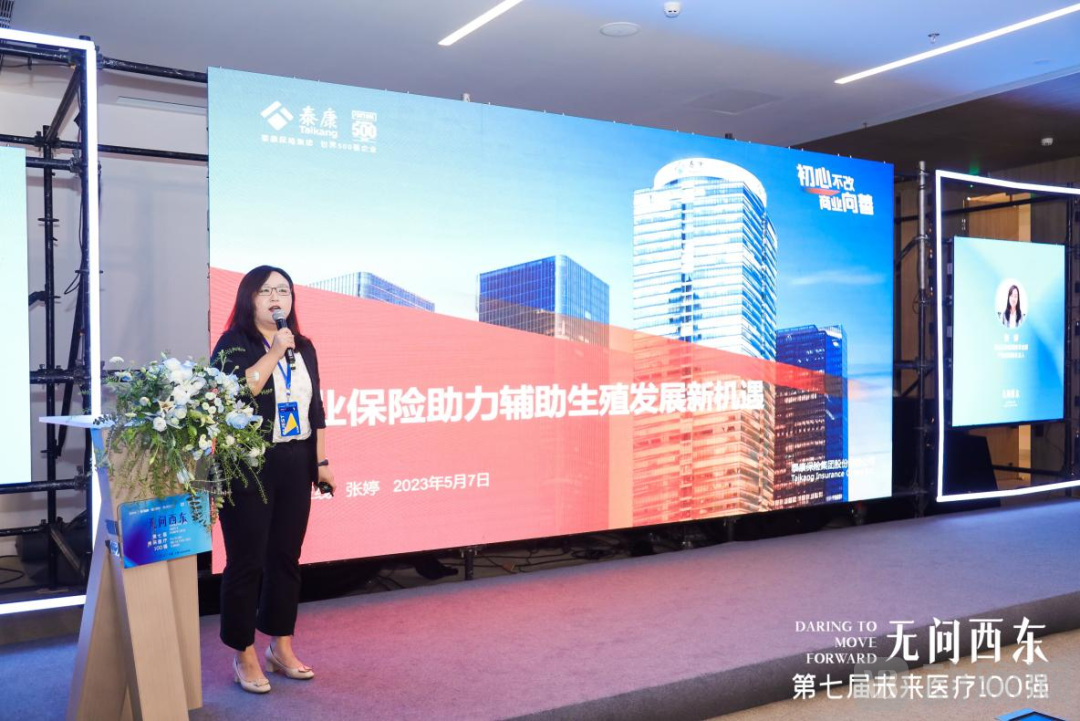
Figure 4. Zhang Ting, Head of the Industry Expansion Department, Health Insurance Division, Taikang Online
In her remarks, Ms. Zhang Ting stated that Taikang Online is the internet-based insurance subsidiary of Taikang Insurance Group, focusing on the field of online health insurance. From a policy perspective, the gradual inclusion of appropriate labor analgesia and assisted reproductive technologies (ART) within the scope of fund coverage is a positive signal. Medical risks in the field of ART are relatively low, and treatment protocols are standardized. The two most significant pain points for patients undergoing ART are the high cost of treatment and the strong desire for successful outcomes. Introducing more payment solutions to help families with a strong willingness but unable to complete treatment due to medical conditions would better align with national fertility policy guidelines. Therefore, in 2016, Taikang Online launched the “Pregnancy Blessing” IVF Insurance. This product addresses the dual concerns of financial loss and emotional distress associated with unsuccessful ART cycles, while also boosting confidence through enhanced service coverage. By alleviating psychological stress, which can to some extent improve ART success rates, the insurance provides holistic support for patients at fertility centers. Insurers’ exploration in the ART sector also includes products such as diagnostic testing insurance and Huimin Bao (inclusive commercial health insurance). However, these products face challenges such as poor loss ratios and declining enrollment rates. Ultimately, insurers need to expand their funding base, strengthen underwriting and risk control, build robust medical networks, and enhance payment capabilities. By establishing a comprehensive health ecosystem for assisted reproduction, the industry can achieve its goals of reducing patients’ psychological and financial burdens, improving success rates, or providing guarantees for successful outcomes.
Wei Yanxing, Founder and CEO of Renchen Biotech: “The First 100 Days After Life Begins—Opportunities and Reflections Following Assisted Reproduction”

Figure 5. Wei Yanxing, Founder and CEO of Renchen Biology
Mr. Wei Yanxing mentioned in his speech that on the 100th day of gestation, various fetal organs begin to develop and form, and the placenta also starts to develop. The incidence of fetal malformations has risen significantly following assisted reproductive technology (ART), necessitating measures to prevent and manage birth defects. Commonly available testing methods in the current market include Down syndrome screening and genetic testing. Down syndrome screening is relatively common, costing approximately RMB 400, while genetic testing has become increasingly popular, with non-invasive prenatal testing (NIPT) being the most expensive option. The company has developed Pregbio, a product capable of detecting fetal malformations more accurately, affordably, and at an earlier stage by analyzing fetal cells containing the complete genome. Using a non-invasive method, fetal stem cells can be obtained around six weeks of gestation. These stem cells exhibit rapid amplification, allowing detection within two to three days with high accuracy. This enables timely identification of fetal malformations in high-risk populations, thereby alleviating maternal anxiety. Furthermore, preeclampsia is the second leading cause of maternal mortality. Currently, there are no highly effective clinical testing products for this condition. The company has utilized technology from a California-based firm to develop PIGF, a product that can accurately detect preeclampsia at 16–18 weeks of gestation with an accuracy rate of 91%, facilitating timely preventive interventions.
The market potential for assisted reproductive technology (ART) is immense, with continuous innovations in both techniques and devices bringing hope and opportunities to families unable to conceive naturally. We must consistently promote the development of the ART industry, ensuring it becomes more standardized, lawful, and reliable, so that the joy of childbirth can be passed on through the hands of ART professionals.