

NewBiologix Files for IPO Following $50 Million Series A to Advance Innovative rAAV Manufacturing Platform

NewBiologix
DNA Integration Platform Developer
The growth trajectory of the CXO industry is often contingent upon the new drug R&D sector it serves.
NewBiologix is a Swiss biotechnology services company established amid the cutting-edge wave of gene and cell therapy (CGT). This May, NewBiologix announced the completion of a $50 million Series A financing round, with Recipharm as the investor. The funds will be used for beta testing of its cell line prototypes. NewBiologix is expected to commercialize its viral production cell lines by 2026.
Regarding this round of financing, Dr. Igor Fisch, Co-founder and CEO of NewBiologix, stated: “As the number of gene and cell therapies in clinical development and on the market continues to grow, biopharmaceutical companies need to improve viral vector manufacturing.“Our mission is to provide these companies with innovative technologies and solutions that help them rapidly and cost-effectively increase the yield and potency of viral vectors.”
Why Has an Obscure Swiss Company Won the Favor of Capital? Let’s Start by Examining the CGT Track Behind CXOs.
The concept of gene therapy was first proposed as early as the 1970s. In 2012, Europe approved the first gene therapy drug, Glybera, for market launch. In 2015, the first gene therapy product in the United States, IMLYGIC, was launched. Milestone drugs such as Kymriah, Luxturna, and Zolgensma have subsequently been approved for marketing. After nearly half a century, gene therapy has evolved from a concept into a reality. Currently, more than 40 gene therapy drugs are available worldwide for the treatment of cancer, genetic disorders, and other conditions.
According to Frost & Sullivan data, the gene therapy market grew from approximately $50.4 million in 2016 to $2.08 billion in 2020, and is projected to reach nearly $30.54 billion globally by 2025.
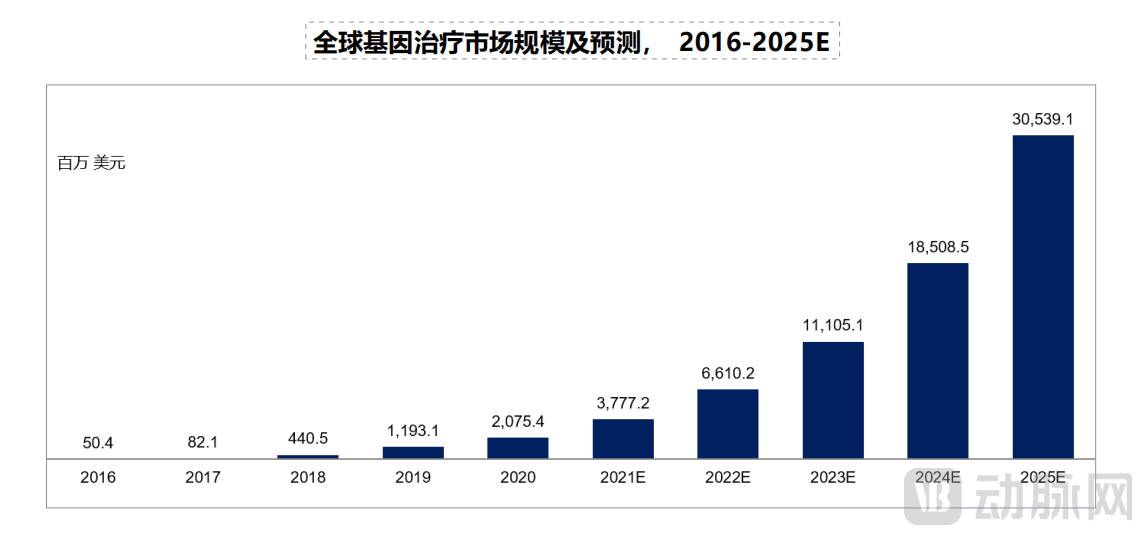 Source: Frost & Sullivan
As cell and gene therapy (CGT) has become one of the most promising frontier areas in the global pharmaceutical industry, the CGT contract research and manufacturing organization (CXO) market is simultaneously experiencing a boom, particularly in the segments of CGT contract manufacturing organizations (CMOs) and contract development and manufacturing organizations (CDMOs). According to Frost & Sullivan analysis, driven by the expansion of cell therapy-related research and clinical trials, the global CGT CMO/CDMO market is projected to reach $10.1 billion by 2025, representing a compound annual growth rate (CAGR) of 34.9% from 2020 to 2025.
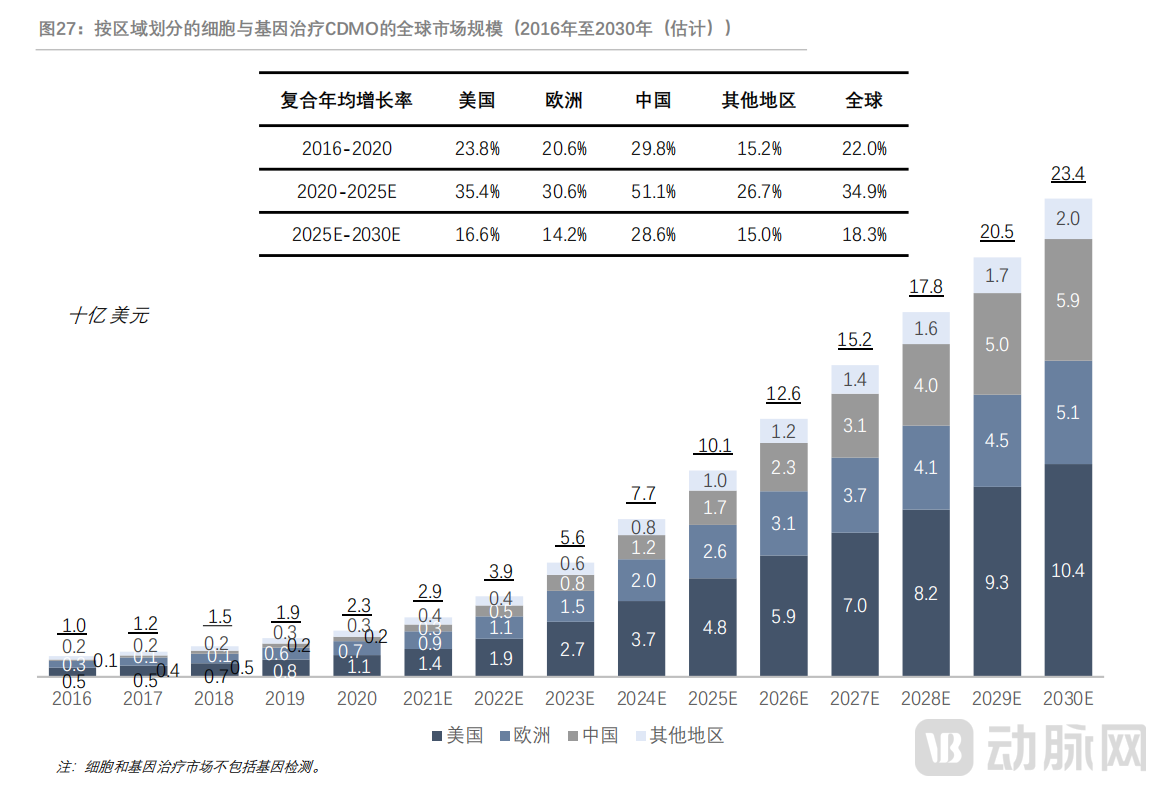
Image source: Frost & Sullivan
CGT CDMOs typically maintain extensive cell and vector libraries, enabling pharmaceutical companies to select appropriate cell lines or gene-editing viral vectors for customized editing and optimization. This approach reduces trial-and-error costs and enhances R&D success rates. Furthermore, their manufacturing processes, quality control measures, and regulatory compliance capabilities help pharmaceutical companies lower commercialization costs and accelerate drug development timelines.
Gene therapy refers to the introduction of genetic material into target cells using vectors to prevent and treat diseases by correcting or supplementing defective genes. Gene therapy can be implemented through ex vivo or in vivo strategies. The ex vivo strategy involves harvesting target cells from the patient, genetically modifying them, and then reinfusing them into the patient. The in vivo strategy, similar to conventional drugs, delivers genetic material directly into the patient’s target organs or tissues via vectors to achieve therapeutic effects.
Among these, the critical step in CGT lies in effectively delivering genes to target tissues or cells, making viral vectors particularly important. Adeno-associated virus (AAV) is currently the mainstream viral vector for gene therapy.
AAV is a small, non-enveloped parvovirus that offers numerous advantages as a delivery system, including non-pathogenicity, efficient and sustained expression, ease of manipulation, and low immunogenicity. After the therapeutic gene (gene of interest, GOI) carried by the AAV vector enters the cell, it is transcribed and translated into a functional protein, thereby achieving the treatment of a range of diseases.
Recombinant adeno-associated virus (rAAV) is a modified AAV vector.Following modification, the DNA sequences encoding the regulatory protein (Rep) and structural protein (Cap) in the AAV single-stranded deoxyribonucleic acid genome are removed and replaced with the desired GOI expression cassette.
Currently, recombinant adeno-associated virus (rAAV) is the safest and most effective gene delivery vector for driving long-term therapeutic gene expression in gene therapy. However, as a complex biologic composed of a viral genome and multiple structural proteins, rAAV products face numerous technical challenges in both upstream development and downstream manufacturing processes.
On the one hand, upstream development focuses onHow to Enhance the Vector Targeting and Cell-Type-Specific Transduction Efficiency of rAAV. On the other hand, downstream production focuses onHow to Achieve Scalability and Cost-Effectiveness in Impurity-Free Carrier Production。
The most common method for producing rAAV is transient transfection of plasmid DNA in HEK293 cells. However, this approach has several limitations, including limited scalability, high production costs, low predictability and reproducibility, lack of established large-scale manufacturing processes, and a high proportion of empty capsids, which compromise efficacy and safety.
NewBiologix has developed a proprietary DNA integration platform, and the NewBiologix system it powers is dedicated to addressing these issues.
Engineered HEK Cell Lines to Reduce Empty Capsid Rate
The empty capsid rate primarily refers to the large quantity of empty viral particles generated during the preparation of recombinant adeno-associated virus (rAAV) vectors. These empty viral particles may compromise the efficacy and safety of rAAV vectors. Specifically, they can increase the immunogenicity of rAAV vectors, thereby elevating the risk of immunotoxicity. Furthermore, empty viral particles can impair rAAV transduction efficiency by competing for cell surface receptor binding sites and interfering with endocytosis and intracellular processes.
The NewBiologix system consists ofStable HEK Cell Line Engineered to Integrate All Genes Required for rAAV Production. The suspension is cultured to a high cell density, and density gradient centrifugation (DGC) is employed to cause empty viral particles (lacking DNA genomes) and viral particles containing partial DNA to aggregate in the lower density range, thereby achieving separation.
Meanwhile, the NewBiologix system willIntegration of Viral Vector Genes into Predefined Genomic Locito achieve predictability and reproducibility, yielding stable and safe high-titer rAAV vectors.
Gene Expression Overcomes Cytotoxicity
Endotoxin release occurs during bacterial death and autolysis, adhesion to other cells, and normal cellular growth and division. Carrier-bound endotoxins may induce host immune responses, exert cytotoxic effects on cells, and potentially cause fever and systemic inflammatory responses, ultimately leading to death. Therefore, endotoxin control is critical during the manufacturing process and represents a major challenge in production quality control.
During the preparation of rAAV vectors, endotoxins may be introduced from plasmid DNA, transfected 293T cells, and the production environment. Removing endotoxins from the vector has certain limitations, including high costs and poor recovery rates.
NewBiologix System Innovates Endotoxin Control Methods—Induce gene expression to overcome the cytotoxicity of certain viral proteins.This approach offers predictability and reproducibility, while bypassing the high costs associated with in-carrier removal of botulinum toxin, thereby achieving cost reduction and efficiency improvement.
Innovative Inducible rAAV Production System
Large-scale rAAV vector production is a critical step in meeting clinical demand, reducing product costs, and enhancing R&D efficiency. However, to date, large-scale production remains an unresolved technical barrier for rAAV.
To achieve this goal, the NewBiologix systemUtilize different capsid proteins, optimize vector serotypes, and improve packaging efficiency. For different target tissues and cells, the system can produce rAAV with higher specificity and transduction efficiency, greatly expanding the range of R&D and therapeutic needs that can be met.
Highly adaptable engineered HEK cell lines, reduced endotoxin levels in gene expression, and predefined genomic loci—multiple technological innovations have established aYesA production platform capable of achieving large-scale output with controllable costs.
In the field of cell therapy, NewBiologix has also established a bioinformatics platform and gene safe harbor identification technology.
Traditional T-cell immunotherapy is prone to causing graft-versus-host disease, leading to patient mortality. Therefore, scientists have employed genetic engineering to develop T cells that specifically target tumor cells, namely CAR-T, the star product currently leading cell therapy research and development.
In CAR-T therapy, exogenous genes are delivered via viral vectors to enable antigen receptor modification, thereby overcoming tumor cell immune evasion. Following the success of this technology, which combines cell therapy with gene transfer, it is being extended to the development of other novel therapies, such as TCR-T and CAR-NK.
However, this new technology carries certain risks. During the gene engineering process for preparing CAR-T cells, transgene integration into the genome occurs in a random manner. This may raise safety concerns, including unstable gene expression, disruption of endogenous transcription, and tumorigenicity.
To address this technical risk, an ideal solution isIdentification and Determination of “Genomic Safe Harbors (GSH)”, and integrate the transgene into the designated GSH locus.This approach enhances the safety of engineered cells, thereby significantly improving the safety and efficacy of cell therapy.
An ideal GSH must not interfere with functional cellular genes, allowing for cell-type-specific expression and ensuring that active transcription remains effective and unaffected by silencing mechanisms. Consequently, the identification and validation of predefined genomic loci present certain challenges. NewBiologix combines gene transfer with next-generation sequencing (NGS) to experimentally validate and identify robust, applicable GSHs.
Meanwhile, NewBiologix has also developed a proprietary bioinformatics platform.The platformRNA/DNA libraries are prepared based on cells and viral vectors, and bioinformatic analyses are performed using next-generation sequencing (NGS) technologies—including short-read sequencing, long-read sequencing, and optical mapping—to generate a high-coverage bioinformatic sequence library.This technical solution can be applied across multiple levels of bioinformatics, including exploring genomic plasticity, transcriptomics, epigenomics, transgene integrity, comprehensive cell line characterization, and clone assessment.
This bioinformatics platform willProvide data-driven decision-making during cell line development, offer data support for safety and regulatory requirements, and ultimately integrate with R&D trials to improve the generation and preparation of viral vectors.
Dr. Igor Fisch, Co-Founder and CEO of NewBiologix, brings over 20 years of experience in biotechnology and cell line development, having conducted postdoctoral research in the laboratory of Nobel Laureate Professor Sir Gregory Winter. Dr. Fisch also serves as the current President of Fongit, the innovation incubator for Western Switzerland (Romandie), where he is dedicated to fostering life sciences startups.
Dr. Nicolas Mermod, Co-founder and Senior Vice President of R&D, brings over 20 years of experience in molecular biotechnology R&D. He holds a Ph.D. from the University of Geneva and conducted postdoctoral research at the University of California, Berkeley. He later served as Professor Emeritus of Biotechnology, Full Professor, and Director of the Institute of Biotechnology at the University of Lausanne. Dr. Mermod holds multiple patents related to epigenetic regulatory elements and gene transfer. His molecular biotechnology laboratory team has published more than 100 journal papers and gained recognition in the field of eukaryotic gene expression control.
This is not the first collaboration between Igor Fish and Nicolas Mermod. As early as 2001, the two co-founders jointly established Selexis SA, a CXO company spun out from academic technology transfer at universities, specializing in mammalian cell line development and protein expression.
After 21 Years, Igor Fish and Nicolas Mermod Reunite to Co-found NewBiologix"Adhering to technological innovation and transforming cell line production has been the unwavering philosophy of the two co-founders for two decades."
According to Frost & Sullivan's forecast,China’s cell and gene therapy CMO/CDMO market will be the fastest-growing globally, with a compound annual growth rate (CAGR) of 51.1% from 2020 to 2025.
In March 2022, Obio Technology was officially listed on the STAR Market of the Shanghai Stock Exchange, becoming the first gene therapy CDMO company to go public on the STAR Market. Biotechnology companies represented by Obio Technology have long focused on CGT (Cell and Gene Therapy), with capacity expansion currently being their primary strategic direction.
Another category of players entering the CGT field is leading CXO companies. After witnessing the rise of CGT drug development,Such companies are expanding their presence in the gene and cell therapy CDMO sector through production line expansion or mergers and acquisitions.
WuXi AppTec established WuXi Advanced Therapies (WuXi ATU) in Wuxi in 2017, focusing on CTDMO (Contract Testing, Development, and Manufacturing Organization) services for cell and gene therapies. In 2021, WuXi AppTec acquired Oxgene to expand its CTDMO footprint in Europe.
Pharmaron has expanded its cell and gene therapy product services market by acquiring Absorption Systems and Allergan Biologics Limited, both mature CDMO companies with established production lines.
Porton Pharma Solutions has pursued a path of organic growth. Since 2018, Porton has expanded into the gene and cell therapy CDMO sector, subsequently establishing its subsidiary, Suzhou Porton Biopharmaceuticals. This business line has developed rapidly, with process technologies in plasmids, lentiviral vectors, and cell therapy reaching internationally advanced levels. According to the company’s financial reports, the gene and cell therapy CDMO segment achieved a growth rate of 443% in 2022 and completed a Series B financing round worth RMB 520 million.
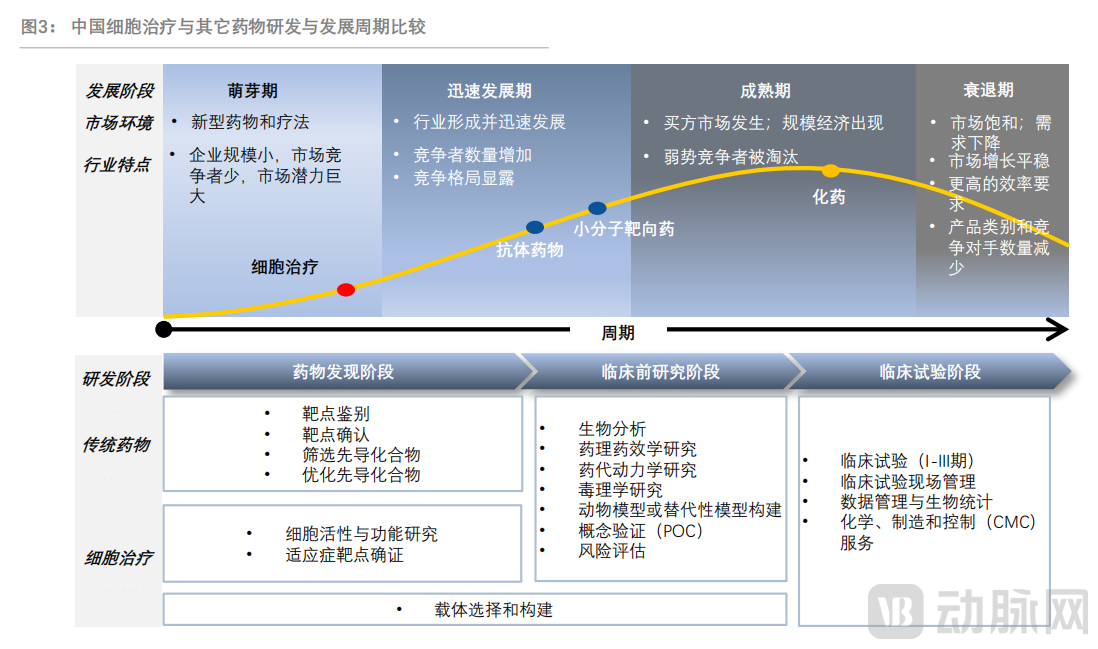 Source: Frost & Sullivan
Since 2022, the capital winter has continued to impact the R&D and survival of pharmaceutical companies. In the short term, this presents an opportunity for the development of CDMOs. Many innovative pharmaceutical companies have chosen to collaborate with CDMOs to reduce costs and diversify risks, driving short-term business growth for these service providers. However, this has also intensified competition within China’s CDMO sector, even leading to a vicious cycle of price wars.
In the long term, only a thriving sector can build a sustainable industrial ecosystem.CDMOs need to innovate technologies, update production capacity, and improve processes in order to achieve long-term development.As Dr. Igor Fish stated, in the face of the future, science and innovation will be the fundamental keys to success.