

The Future of Personalized Diagnostics and Therapeutics: Innovations, Integration, and Industrialization
Amidst a capital winter and the transmission of pressure from the secondary market to the primary market, 2022 was a year of ups and downs for China’s precision diagnostics and therapeutics sector, marked by both excitement and disillusionment. After years of abundant funding, exuberance, and frenzy, certain sub-sectors have entered a period of calm, with industry bubbles gradually deflating as companies focus intently on strengthening their core competencies. Other sub-sectors, having lain dormant for many years, have stepped into the spotlight, entering a phase of capital appreciation and industrial commercialization. Meanwhile, some sub-sectors, long constrained by challenges in standardized development, are being propelled toward an imminent breakout by sustained high-level policy attention.
On May 6, 2023, at the 7th Future Healthcare 100—Personalized Diagnosis and Treatment Forum held in Zhangjiang, Shanghai, we joined experts, scholars, corporate representatives, and investors in the field of personalized diagnosis and treatment to discuss cutting-edge technologies and future development trends. Attendees included Wang Yucai, Professor at the University of Science and Technology of China, Deputy Director of the Institute of Big Health at the Hefei Comprehensive National Science Center, and recipient of the National Science Fund for Distinguished Young Scholars; Yang Caohua, Chief Technology Officer at Tianrui Diagnostics; Fan Yuqing, Vice President of Products at ChenAn Biologics; Lou Feng, Co-founder and CTO of Jinxiang Medicine; Zhang Rui, Deputy General Manager of Kuoran Biology; Chen Ji, Investment Director at Chende Capital; Bu Lingbin, Founder and Chairman of Kuoran Biology; Peng Ying, Senior Director of Investor Relations at Weidian Biology; He Hao, Founder & CEO of Light & Biology; Cui Lulu, Senior Researcher at VCBeat; Wang Junqi, Chairman and CEO of Jingzhi Future, and Doctoral Supervisor at the Beijing-Tianjin-Hebei National Technology Innovation Center; Zhang Yong, Co-founder and Chief Scientist of Yuanguji; Li Jiacheng, CEO of DewinCare; and Huang Jingzhou, Medical Director at Light & Biology.
Guests delivered speeches on topics such as innovation, development, and future trends in personalized diagnosis and treatment. VCBeat has compiled their insightful perspectives.
Wang Yucai: Research and Application of Precision Drug Delivery
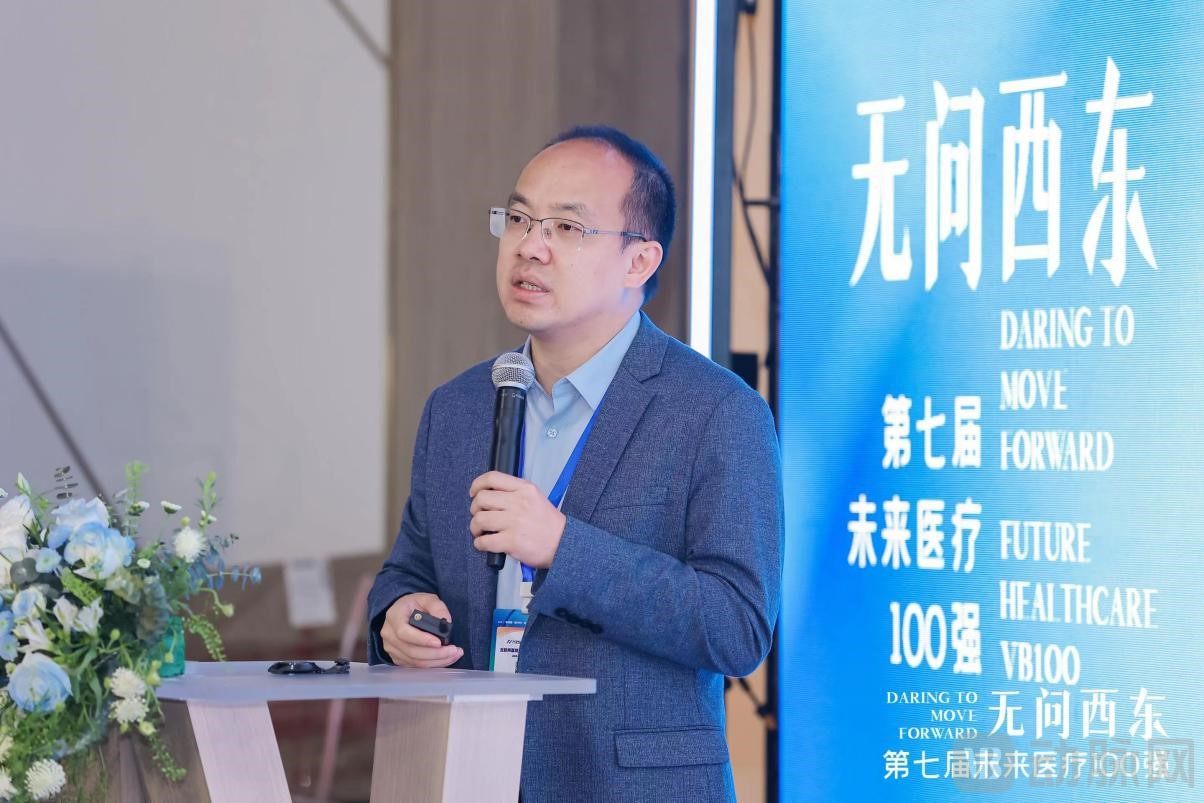
Wang Yucai | Professor at the University of Science and Technology of China, Deputy Director of the Institute for Health Sciences at Hefei Comprehensive National Science Center, Recipient of the National Distinguished Young Scholars Fund
The ultimate goal of employing microscopic imaging technology is to further advance the field of drug delivery to the sub-organ level. Currently, in the context of hepatic gene therapy, it remains difficult to precisely determine the intrahepatic distribution of drugs after they reach the liver. While it is known that the drugs accumulate in the liver, it is uncertain whether they actually reach the target cells. Microscopic imaging techniques can reveal that nanodrugs readily enter the bile ducts and gallbladder. By modulating this process, nanodrugs can be retained within hepatocytes, thereby facilitating the treatment of hepatocyte-related diseases and enabling more precise sub-organ-level drug delivery.
Designing precise drug delivery vehicles enables accurate targeting of different tissues in the body, thereby facilitating targeted delivery to specific regions of the liver and distinct cell types. This approach is primarily based on our understanding of vector construction and research into in vivo mechanisms. By integrating these two areas, we aim to foster collaboration with pharmaceutical companies and accelerate the clinical and industrial translation of delivery systems.
Yang Caohua: Innovative Clinical Solutions for Liquid Chromatography-Tandem Mass Spectrometry
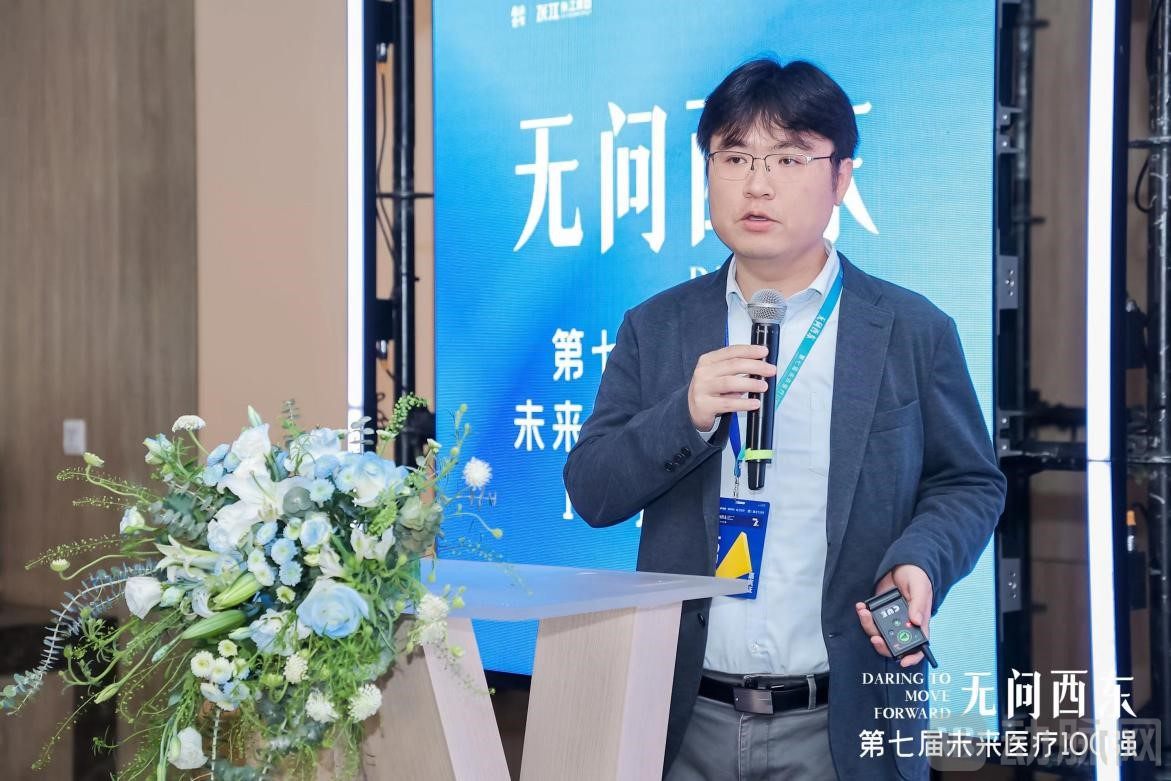
Yang Caohua | Chief Technology Officer, Tianrui Diagnostics
We now offer innovative solutions centered on automated sample pretreatment and artificial intelligence (AI)-powered analysis, marking a breakthrough in the true clinical application of mass spectrometry. Automated pretreatment addresses the complexity of current LC-MS/MS sample preparation protocols, minimizes human operational errors, and effectively enhances the standardization of testing. Furthermore, while traditional report formats may hinder clinical interpretation of mass spectrometry results, AI-driven analysis leverages big data to correlate disease categories with mass spectrometry findings, thereby achieving truly precise diagnosis.
Addressing the challenges facing the industry, including talent development, the high cost of mass spectrometers, and limited choices of commercialized kits, Yang Caohua further introduced the existing models for training mass spectrometry professionals, the breakthrough progress already achieved by domestically produced mass spectrometers, and specifically highlighted the application and development of currently mainstream clinical mass spectrometry kits.
Fan Yuqing: Flow Cytometry Mass Spectrometry Multi-Index Detection Empowers Clinical Precision Medicine
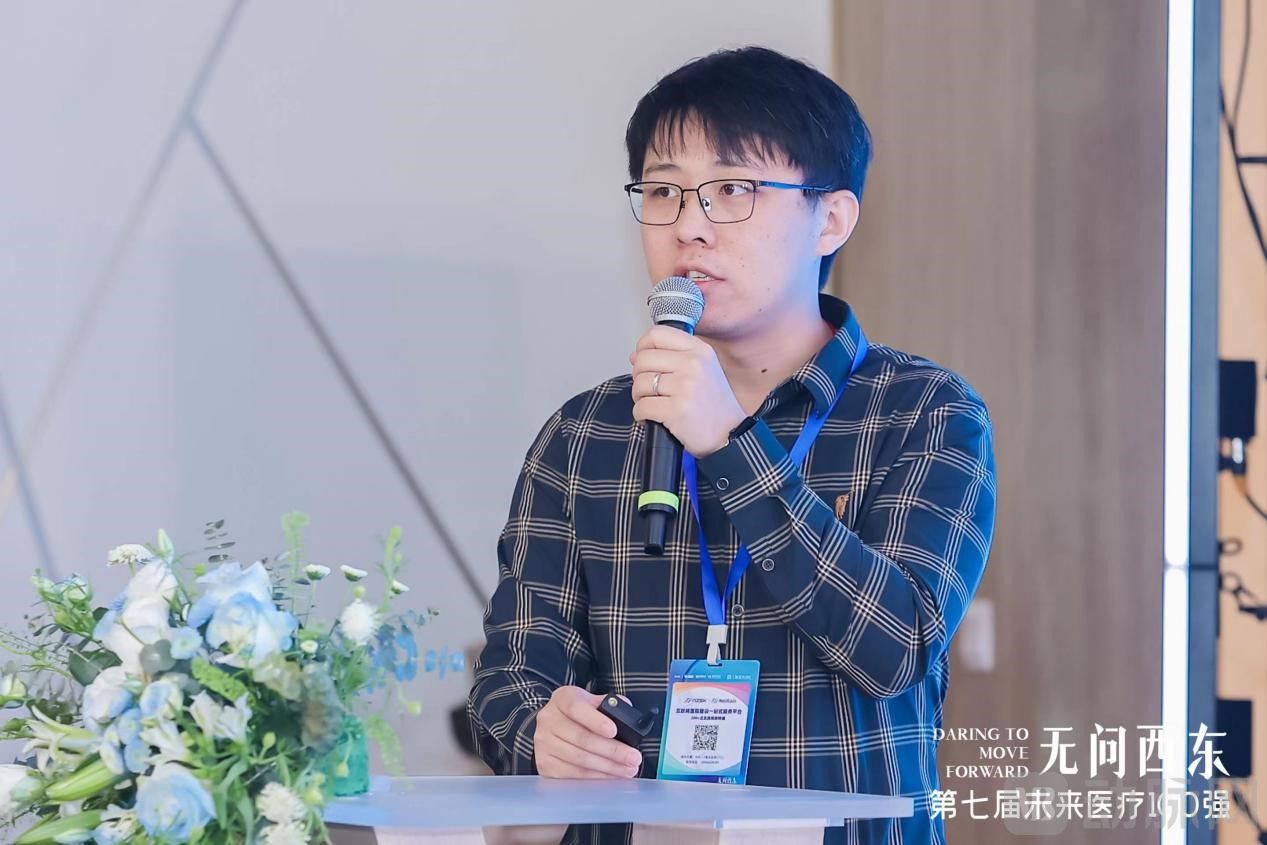
Fan Yuqing | Vice President of Products, ChenAn Bio
As a next-generation high-throughput tool for single-cell proteomics, mass cytometry (CyTOF) enables multiparametric analysis of individual cells or microspheres, leveraging its advantages in high resolution, high sensitivity, and high-throughput data acquisition. Furthermore, while current multi-parameter immune function assays (e.g., 8-color TBNK phenotyping) have already provided a solid immunological basis for clinical diagnosis and treatment, refined immune phenotyping panels based on mass cytometry (30-color) offer significantly deeper insights. In addition to quantifying the proportions of lymphocyte subsets such as T, B, and NK cells, this approach allows for detailed characterization of functional subpopulations. By integrating analysis of innate immune cells, it generates a comprehensive immune landscape of the patient, facilitating diverse applications including immune phenotyping, identification of rare cell subsets, patient stratification, therapeutic response prediction, and assessment of disease progression. Notably, it provides robust and comprehensive immunological evidence to support personalized diagnostics and precision medicine.
The compound annual growth rate (CAGR) of the domestic flow cytometry market in China currently reaches 30%. It is evident that there is substantial room for growth in domestically produced flow cytometers. Furthermore, expert consensus across multiple disease areas recommends refined immunophenotyping and acknowledges the clinical significance of multi-parameter testing in disease diagnosis and prognostic monitoring.
Lou Feng: Discovery of Original Novel Biomarkers Expands the Application Space of Precision Oncology.
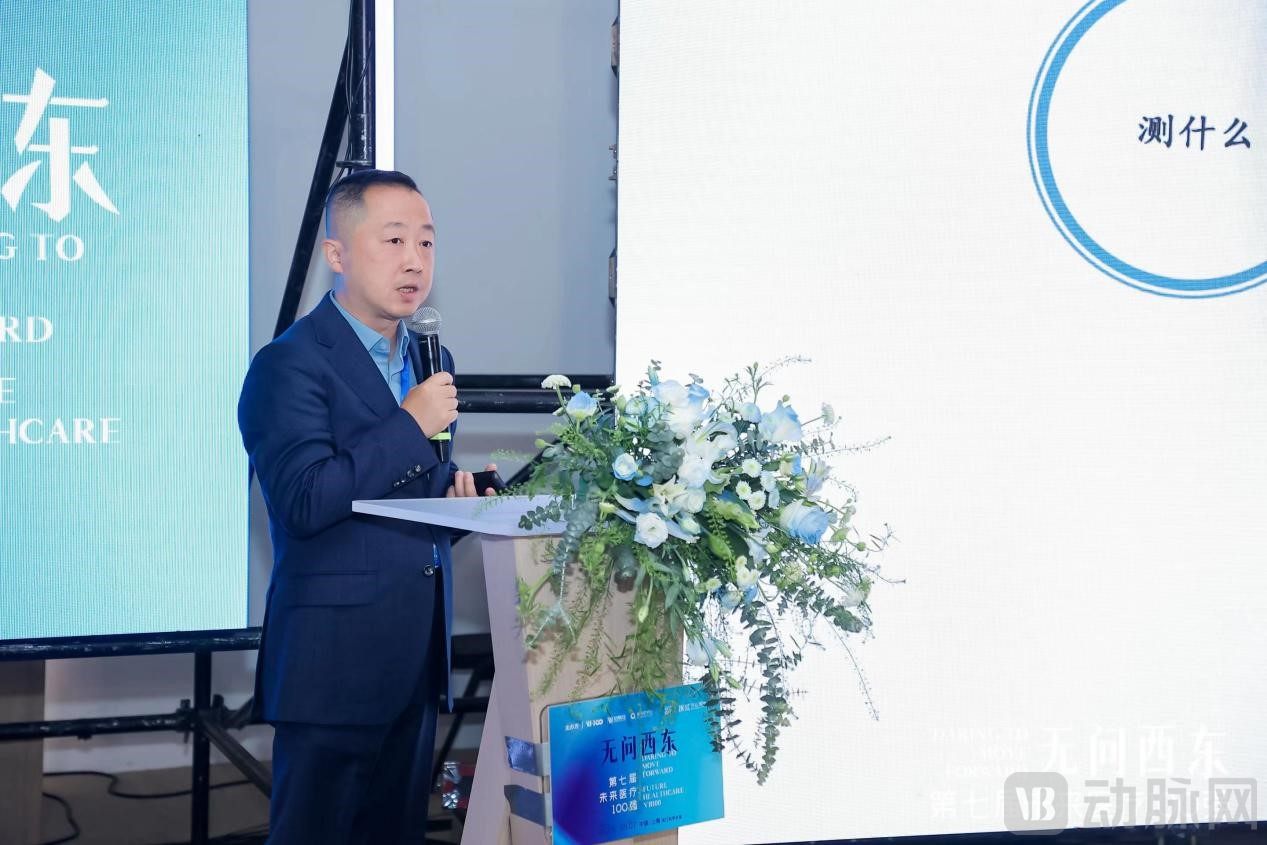
Lou Feng | Co-founder & CTO of Jinxiang Medicine
Dr. Lou Feng believes that as the threat of malignant tumors to life continues to grow, and due to their high incidence and mortality rates, they are receiving increasing attention. Consequently, medical technology is continuously innovating and advancing in the field of early cancer screening. In his speech, Dr. Lou Feng introduced that the core of molecular diagnosis lies in the discovery of original biomarkers, which is precisely the advantage driving the development of Jinxiang Medicine. The company has established a technology platform centered on tumor next-generation sequencing (NGS). Jinxiang Medicine’s core bioinformatics algorithms are currently at the forefront of the industry. Its product, U-Ai, is the world’s first urine-based solution for early screening and treatment monitoring of urothelial carcinoma, enabling comprehensive management throughout the entire patient journey. Meanwhile, utLIFE-Pca is poised to become the first international multi-omics early screening product for prostate cancer based on urine analysis.
Zhang Rui: Comprehensive Analysis of the Tumor Immune Microenvironment, Pioneering a New Future for Pathological Diagnosis
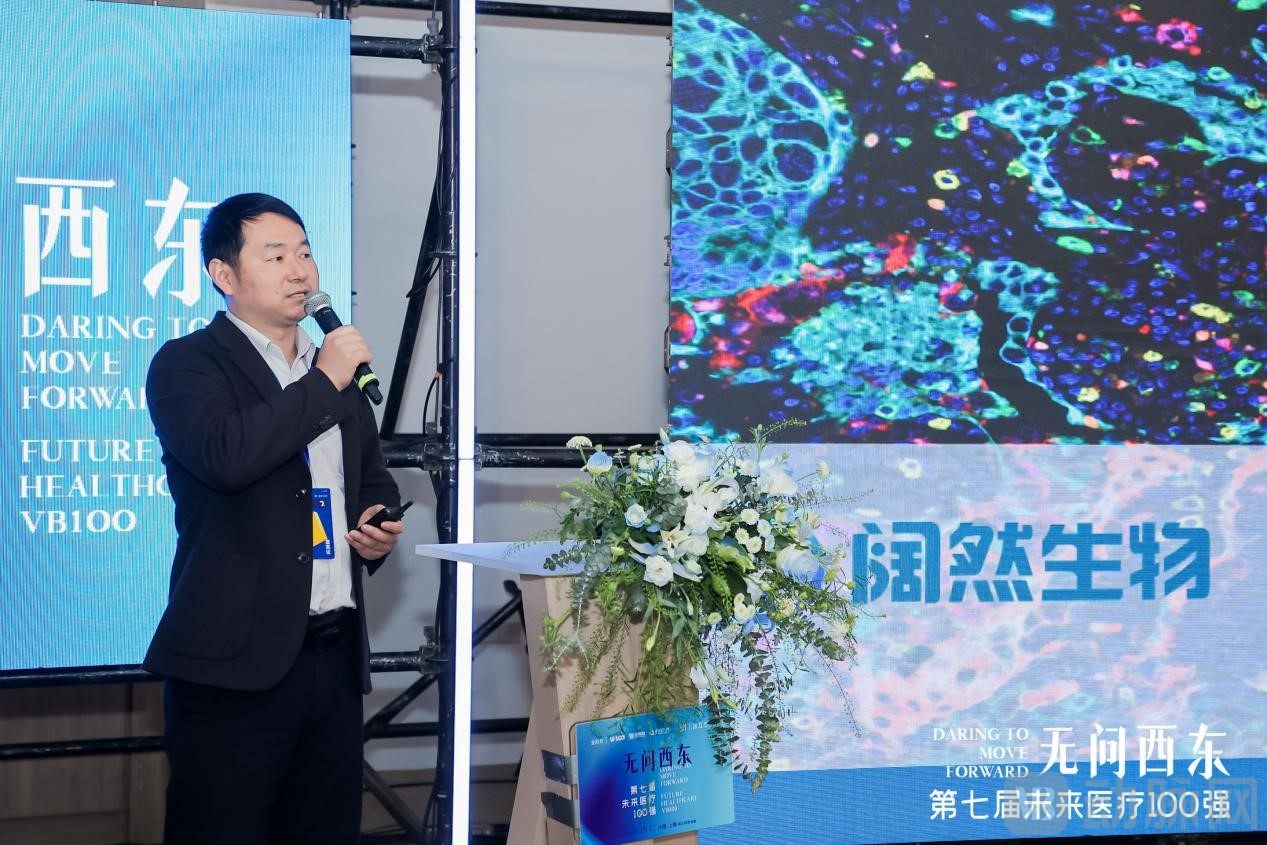
Zhang Rui | Deputy General Manager of Kuoran Biotech
Pathological diagnosis involves the processing and analysis of human tissues or cells obtained through surgery or biopsy puncture using tools such as microscopes. Currently, pathological diagnosis is the gold standard for diagnosing the vast majority of diseases, particularly those related to tumors. However, due to various reasons, the pathology sector has long occupied a relatively marginal position. With recent policy-driven initiatives creating new demands in the healthcare market, alongside the emergence of new technologies and concepts, the pathology industry is poised to enter a phase of rapid growth.
The efficacy of current predictive biomarkers for tumor immunotherapy is limited, creating an urgent clinical need to employ novel technologies and explore new dimensions to discover molecular biomarkers that predict responses to immunotherapy. Addressing these industry pain points, Zhang Rui introduced the staining principles of Kuoran Bio’s multiplex fluorescent immunohistochemistry technology.
Expert Roundtable: How Personalized Diagnosis and Treatment Are Ushering in a New Chapter for the Industry
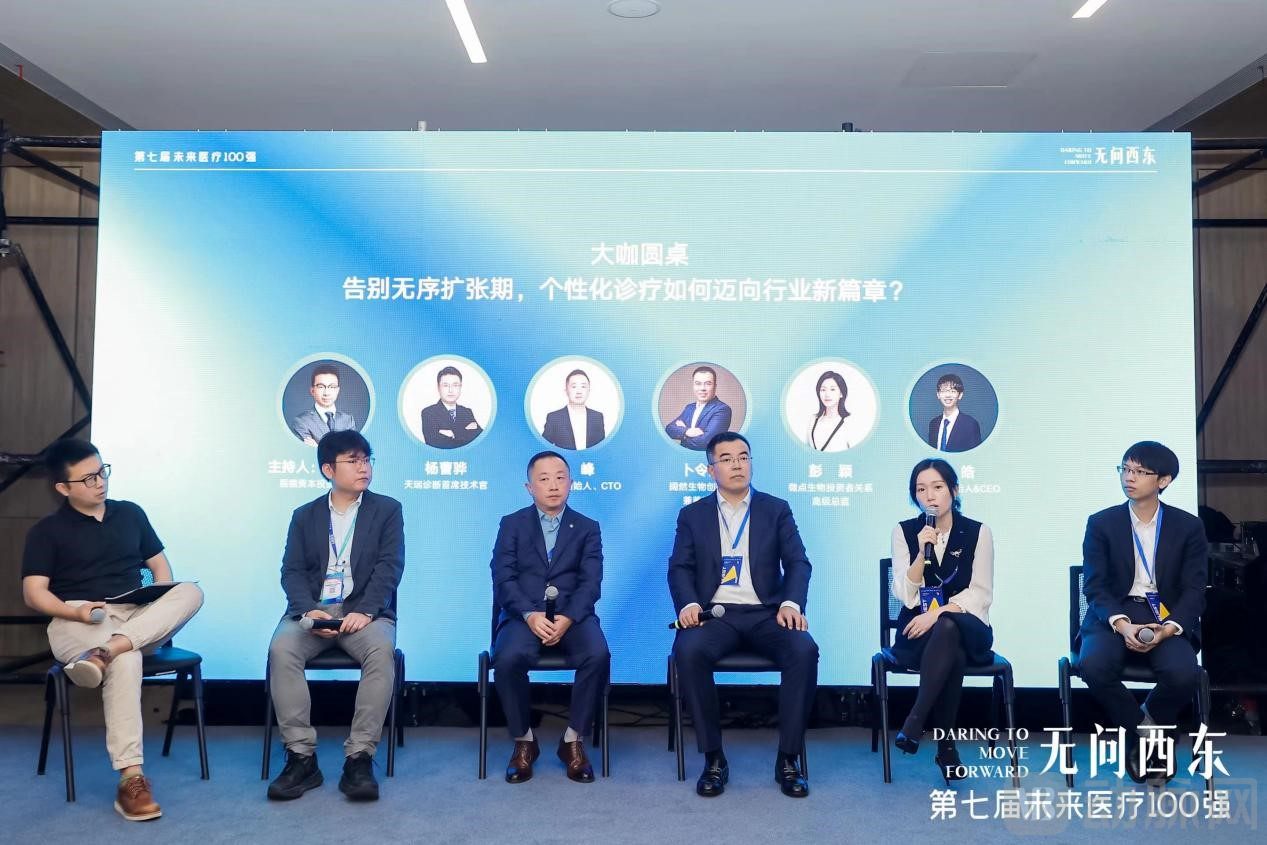
From left to right: Chen Ji, Investment Director at Chende Capital; Yang Caohua, Chief Technology Officer at Tianrui Diagnostics; Lou Feng, Co-founder/CTO of Jinxiang Medicine; Bu Lingbin, Founder and Chairman of Kuoran Biology; Peng Ying, Senior Director of Investor Relations at Weidian Biology; He Hao, Founder & CEO of Light & Biology
After several years of development, the personalized diagnostics and therapeutics industry is now facing intense competition. Some argue that it has entered its final phase of consolidation, with the industry landscape expected to become much clearer within the next two to three years. Although personalized diagnostics and therapeutics may not be as hyped as some other hot subsectors, it remains a vital component of the broader healthcare industry. Today, we have invited six guests to discuss the roundtable topic: “Moving Beyond the Era of Disordered Expansion: How Can Personalized Diagnostics and Therapeutics Embark on a New Chapter?”
Yang Caohua, Chief Technology Officer of Tianrui Diagnostics
By automating pre-processing and matching with automated reagents, the resulting data is fed into a mass spectrometer to meet corresponding quality control requirements. Once this initial step is achieved, integration with a subsequent intelligent diagnostic platform enables true clinical interpretation of the data. This platform informs clinicians about which diseases are associated with specific tests and clarifies their diagnostic significance. Only in this way can clinical mass spectrometry achieve widespread adoption across tertiary hospitals of various tiers.
Lou Feng, Co-founder & CTO of Jinxiang Medicine
Dr. Lou stated that the emergence of diagnostic products for precision oncology depends on more than just technological accessibility. Beyond technology, full consideration must be given to clinical needs and challenges, as well as factors such as patient convenience and the broader policy environment. The decision to develop urine-based products for urological tumors was driven by robust clinical validation. In prior multicenter prospective studies involving thousands of cases, leveraging Golden Oak Medicine’s proprietary underlying database and AI intelligent algorithms, and considering the current application landscape of urothelial carcinoma across China, innovative biomarkers have demonstrated superior specificity and sensitivity in both early detection/screening and companion diagnostics. As corporate operations expand and cost-control capabilities strengthen, these advancements will benefit a greater number of cancer patients.
Bu Lingbin, Founder and Chairman of Kuoran Bio
Molecular diagnostics for tumor NGS offer another significant advantage: controllable costs. Products must be designed with accessibility in mind. While annual subscription models are advantageous, it is crucial to determine whether they can achieve broad accessibility when developed as in vitro diagnostic (IVD) products. Specifically, can they reach a larger patient population and extend from tertiary hospitals to secondary hospitals, including those in less-developed prefecture-level cities? This is of paramount importance.
Peng Ying, Senior Director of Investor Relations at Weidian Biology
Microfluidic chips have seen numerous successful applications in laboratory medicine, including blood gas analysis, cardiac marker detection, biochemical assays, and coagulation testing, characterized by their rapidity, convenience, and precise quantification. As a multidisciplinary technological product, the core challenges of microfluidic biochips lie in chip design and cost control. Currently, Roche and Abbott dominate approximately 70% of the Chinese market for cardiac marker testing using microfluidic technology. Weidian has dedicated over a decade to research and development, refining a stable, low-cost microfluidic detection system. The system is highly user-friendly and rapid, supporting whole blood, serum, and plasma samples. It requires no sample pretreatment; whole blood can be applied directly to the reaction zone without interfering with fluorescence or test results. Testing can be completed in just 3–8 minutes.
He Hao, Founder & CEO of Light and Biology
The application value of single-molecule detection is mainly reflected in two aspects. One is scientific instruments in the field of life sciences, such as marker screening; the second application scenario is the detection of ultra-low concentration proteins for conditions like Alzheimer’s disease (AD), cardiomyopathy, and cardiovascular diseases. Single-molecule detection enables not only the translation into in vitro diagnostics (IVD) but also offers greater potential in joint early-stage development and the discovery of novel biomarkers.
Leveraging core rare-earth fluorescent materials, we have developed a highly cost-effective ultra-sensitive single-molecule detection technology platform, delivering femtogram-level detection solutions for medical research and diagnostics. This marks the first breakthrough application of rare-earth nanomaterials in in vitro diagnostics (IVD), sparking a new wave of “material revolution.” In the future, we will expand into more application scenarios based on our core rare-earth technologies, building a platform enterprise with comprehensive coverage from raw materials to a diverse product pipeline.
During the morning forum, attendees gained a clear understanding of emerging technologies—such as precision drug delivery and comprehensive clinical mass spectrometry solutions—and how these innovations support the future development of the personalized diagnostics and therapeutics industry. The insightful discussions and sharing during the roundtable session provided valuable perspectives on how the industry can transition from a period of disordered expansion to a new chapter of structured growth. In the afternoon, several experts will continue to share insights into the personalized diagnostics and therapeutics field, exploring product applications and the industry’s future trajectory.
Cui Lulu: The Clinical Battle Between the Two Mainstream MRD Detection Technologies Is About to Begin
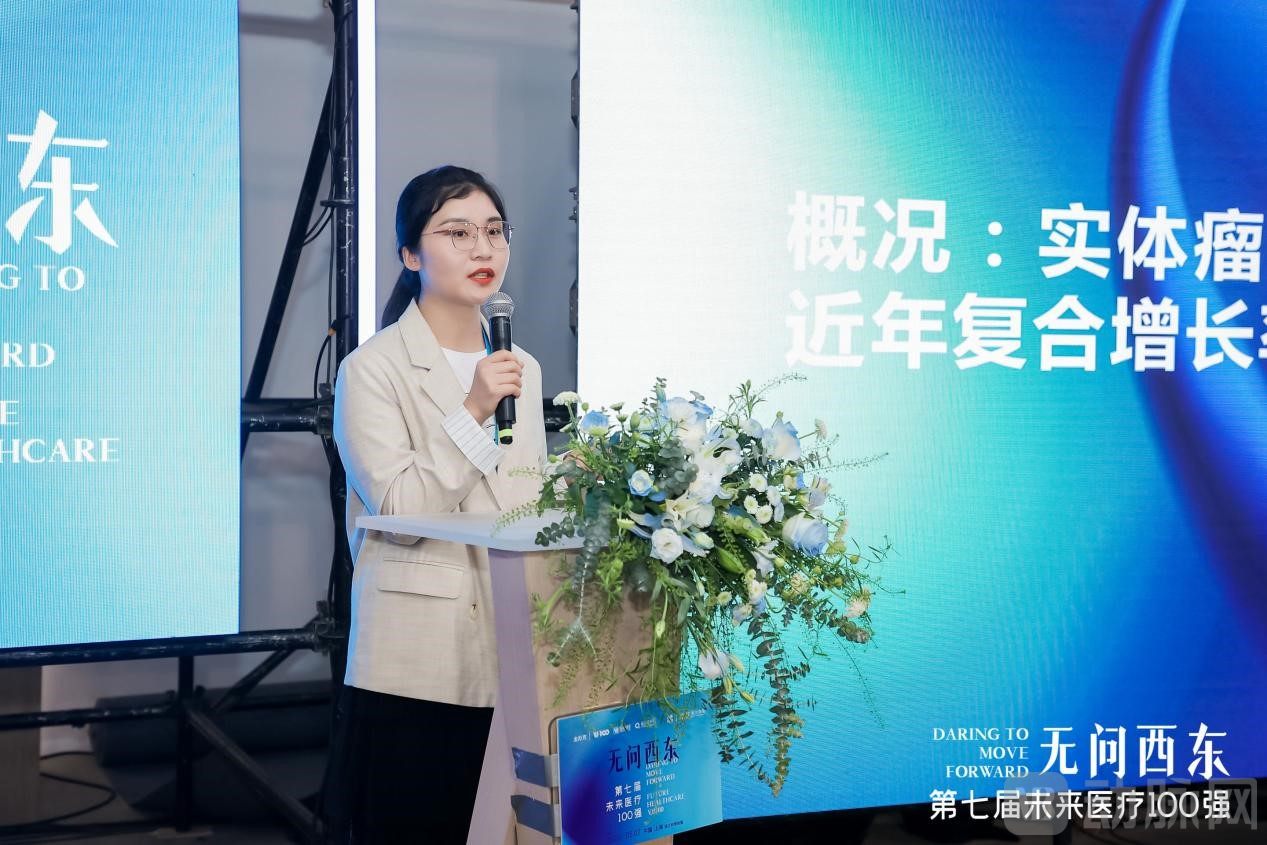
Lulu Cui | Senior Researcher, VCBeat
MRD testing is primarily used for assessing the risk of recurrence and evaluating treatment efficacy. Compared with traditional treatment pathways—such as surgery followed by postoperative chemoradiotherapy, targeted therapy, and immunotherapy, with further chemoradiotherapy or targeted/immunotherapy administered only upon recurrence or metastasis—the incorporation of MRD testing enables postoperative assessment of recurrence risk. If the MRD test result is positive, corresponding chemoradiotherapy, targeted therapy, and immunotherapy can be initiated; if negative, long-term observation or recurrence monitoring may be pursued.
The technical challenges of MRD detection include mutation heterogeneity, the need for high sequencing depth, and significant background noise; therefore, noise-reduction algorithms are a key component of MRD detection technology. The commercialization of MRD detection is primarily driven by Laboratory Developed Tests (LDTs), supplemented by collaborations with pharmaceutical companies. Future trends will focus on expanding the applications of MRD detection and further standardizing LDTs.
Wang Junqi: Analytical Techniques, Clinical Applications, and Commercialization of Exhaled Breath Metabolomics
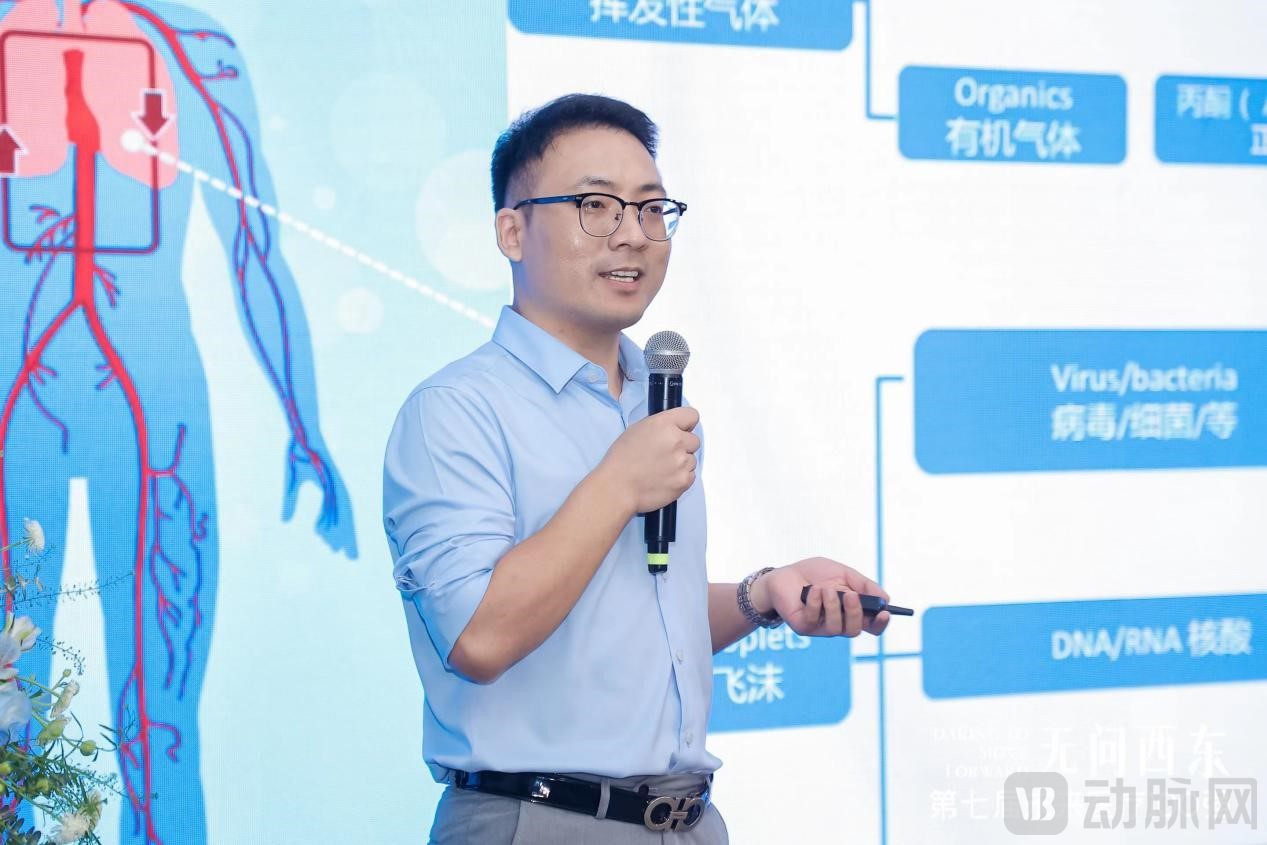
Wang Junqi | Chairman and CEO of Jingzhi Future, Doctoral Supervisor at the National Technology Innovation Center for Beijing-Tianjin-Hebei Region
Dr. Wang stated that, compared with inorganic molecules, volatile organic compound (VOC) molecules are characterized by their trace concentrations and great diversity. In terms of composition, inorganic molecules account for more than 98% of the molecules in exhaled breath, while organic molecules constitute approximately the remaining 2%. These organic compounds are present at trace levels ranging from parts per trillion (ppt) to parts per million (ppm), with more than 1,000 different species identified. Currently, research on aerosols and droplets in exhaled breath remains in the scientific investigation stage worldwide. Analytical studies of exhaled breath have primarily focused on organic compounds, and the analysis of VOCs in exhaled breath has given rise to the field of breath metabolomics.
During his presentation, Dr. Wang also introduced that the breath analysis technology adopted by Jingzhi Future is micro gas chromatography. Based on the principles of traditional gas chromatography, this technology enables qualitative and quantitative analysis of specific molecules. Its innovation lies in integrating the core components of classical technology onto a chip using MEMS (Micro-Electro-Mechanical Systems) technology, thereby still achieving precise qualitative and quantitative analysis of molecules in exhaled breath. The entire process takes only 15 minutes to fully resolve all organic molecules in the exhaled breath. Another notable feature of the product is that it is the first POCT (Point-of-Care Testing) breath analyzer capable of performing full-spectrum analysis of exhaled breath molecules at the parts-per-trillion (ppt) level.
Zhang Yong: Exploring the Transition from Precision Personalized Testing to Personalized Diagnosis and Treatment of Respiratory Diseases
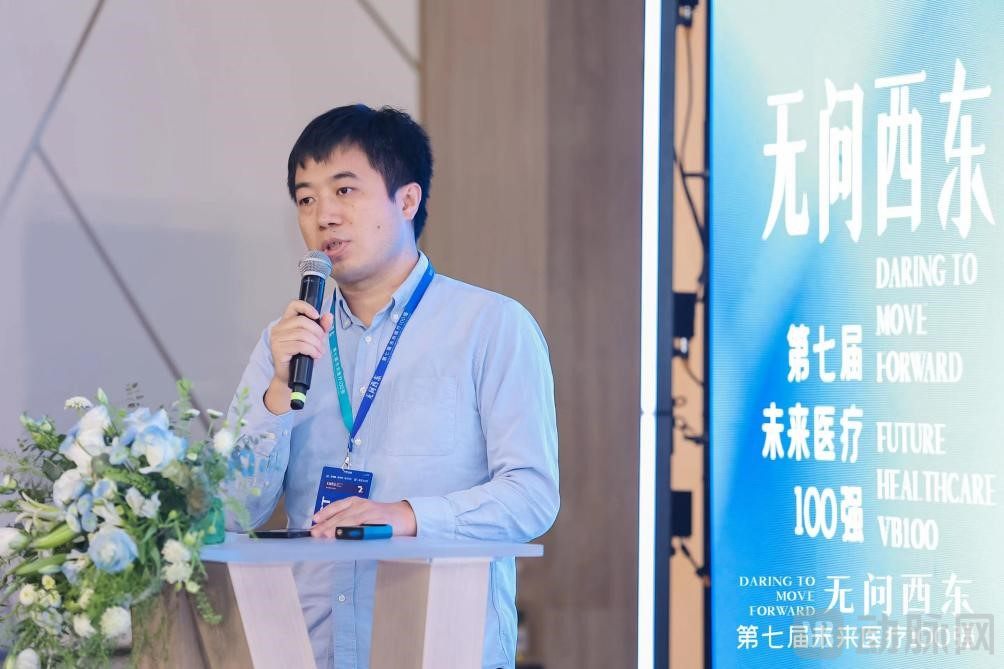
Zhang Yong | Co-founder and Chief Scientist of Yuanguji
Yuanguji directly addresses the critical pain points in specialized clinical practice. Adhering to a clinical demand-oriented approach and leveraging the standardization of respiratory specialty construction as a key driver, it provides the Department of Respiratory Medicine with an integrated “product + service” supply system centered on respiratory diseases. This system encompasses IVD products, bronchoalveolar lavage fluid/sputum solutions, and ICL/LDT services. By establishing deep collaborative partnerships with multiple regional leading hospitals across China, Yuanguji actively promotes innovation and advances the remote and internet-based delivery of medical technologies. Based on standardized diagnostic and therapeutic pathways for respiratory diseases, it gradually achieves full lifecycle management for all subspecialties of respiratory conditions, thereby constructing a specialized diagnosis and treatment management system that covers the entire lifecycle of respiratory diseases.
Building on personalized testing, how can we achieve personalized diagnosis and treatment? Dr. Zhang Yong proposed several directions for collective discussion at the event, including: the establishment of standardized population cohorts and biobanks; research into respiratory metagenomics, pathogenesis, and biomarkers; and studies on viral detection and identification as well as statistical analysis, with a focus on establishing correlations with clinical symptoms and diagnostic and therapeutic practices. Finally, he expressed hope for opportunities to collaborate with practitioners and experts in the areas of precision testing, precision diagnosis and treatment, and chronic disease screening and management for respiratory diseases, thereby jointly promoting high-quality development in the field of pulmonology.
Li Jiacheng: Building a World-Class Single-Cell and Spatial Omics Technology Platform
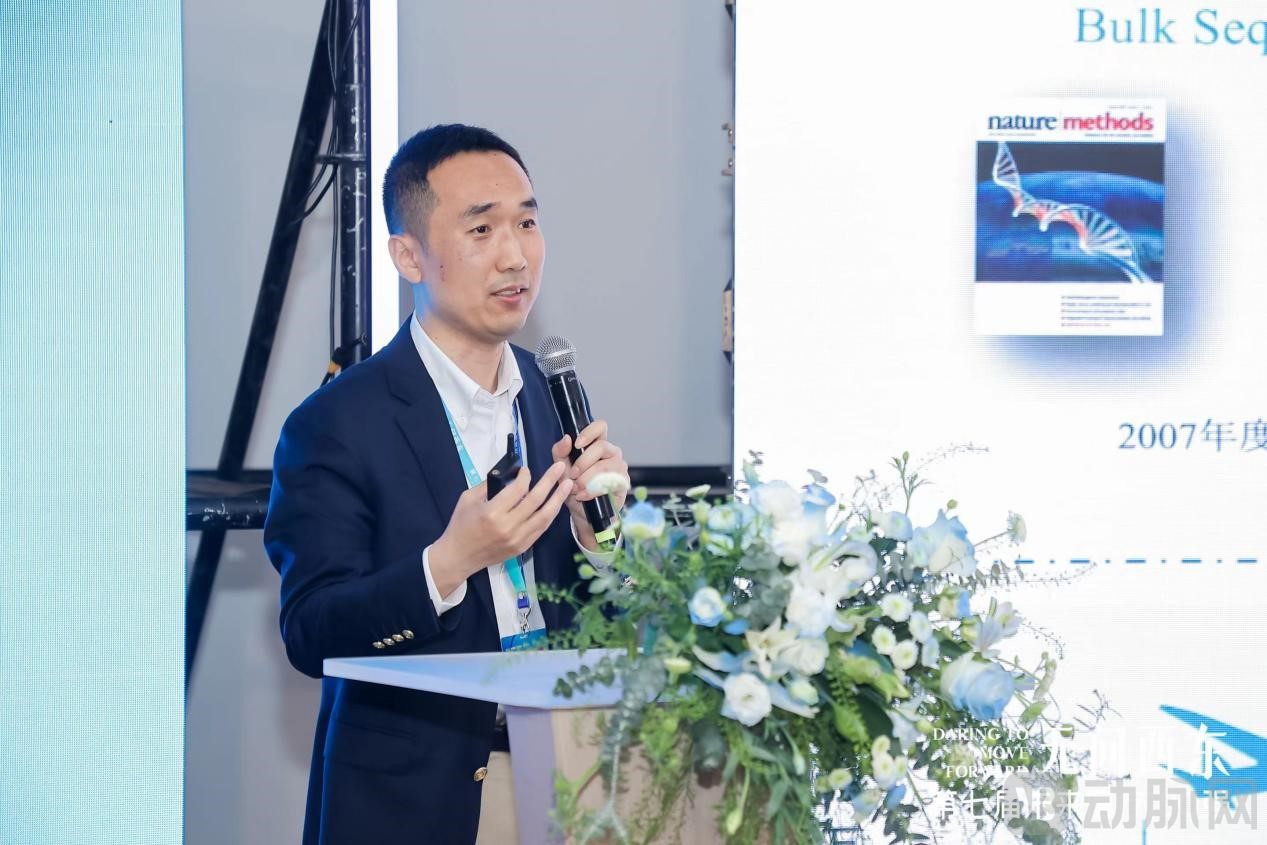
Li Jiacheng | CEO of Deyunkangrui
As one of the seven most noteworthy biotechnologies highlighted by Nature in 2022, what makes spatial omics so compelling? To answer this, we must first address the limitations of traditional molecular diagnostic methods, such as next-generation sequencing (NGS) and polymerase chain reaction (PCR). These techniques rely on bulk analysis, which presents an averaged view of complex information, thereby failing to capture tissue heterogeneity. Furthermore, because nucleic acid extraction disrupts histological architecture, these methods cannot intuitively reveal the spatial localization of tumor gene expression and immune cell infiltration. Analogously, in the fight against cancer, traditional methods may provide a general awareness that the “enemy” possesses aircraft, artillery, and naval vessels, but they struggle to distinguish specific types (e.g., transport planes, fighter jets, long-range bombers, or aerial refueling tankers), quantify their respective numbers, or determine the precise distribution of these “weapons.”
Currently, precision medicine is achieving a leap across two “dimensions of precision,” entering the era of single-cell spatial omics. In particular, in situ sequencing—a spatial omics technology with subcellular resolution—represents a perfect integration of histopathology, molecular pathology, and digital pathology, and is poised to emerge as a revolutionary tool in the field of pathology.
Huang Jingzhou: Development and Clinical Application of Single-Molecule Detection Technology
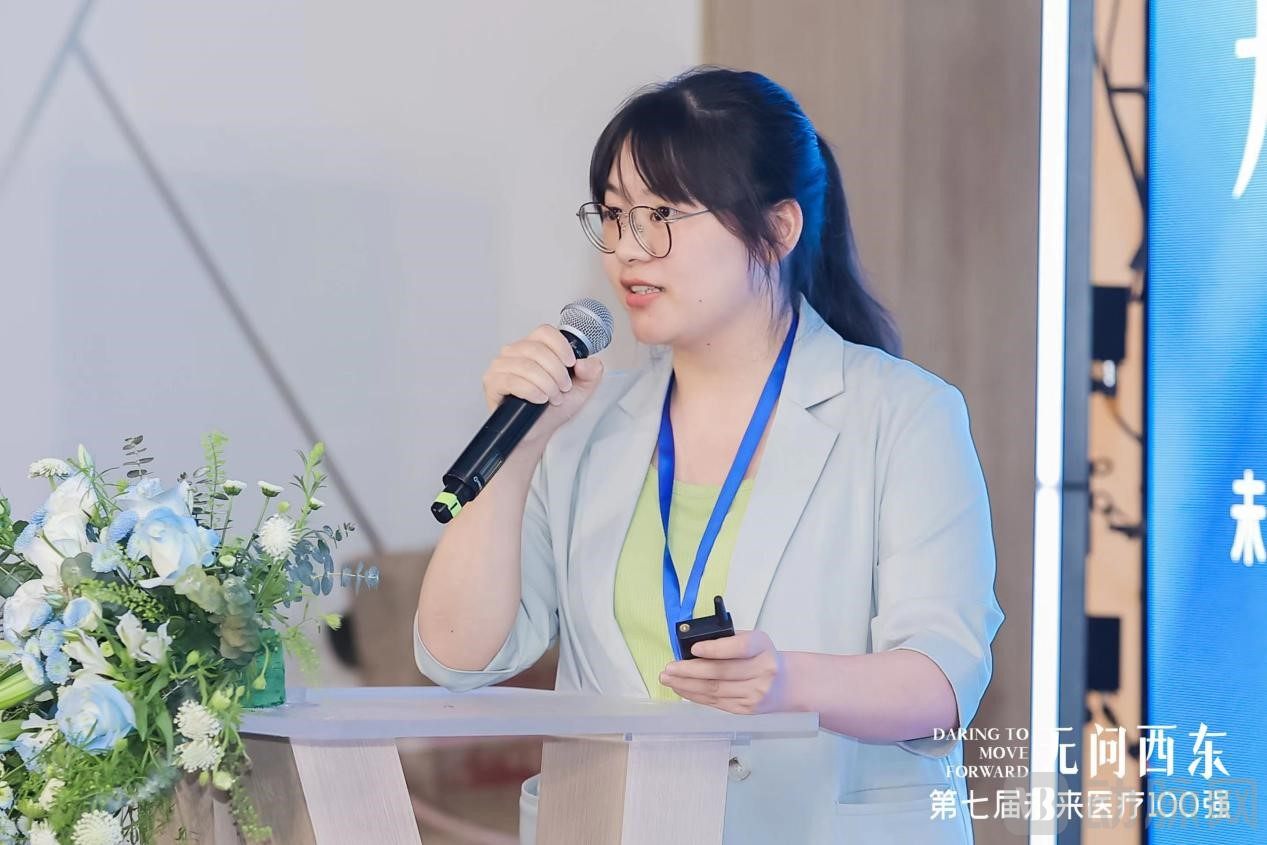
Jingzhou Huang | Director of Light and Biomedicine
What Is the Value of Single-Molecule Detection? We believe that advances in protein detection technology will drive breakthroughs in precision medicine, as these trace molecules are likely to serve as future drug targets and early diagnostic biomarkers for various diseases. Single-molecule detection is an ultra-sensitive biosensing technique that enables the manipulation, resolution, and real-time monitoring of individual molecules. Its most prominent advantage is exceptionally high sensitivity, making it particularly suitable for detecting samples with ultralow concentrations or trace amounts. Currently, the most widely used single-molecule detection method is single-molecule fluorescence detection, which essentially involves labeling target molecules with fluorophores followed by imaging, tracking, and detection at the single-molecule level.
Compared with conventional detection methods, the advantage of single-molecule detection technology lies in its fundamental principle: it directly analyzes individual molecules, whereas traditional techniques measure the average signal from the bulk solution. Single-molecule detection can achieve a sensitivity at the femtogram per milliliter (fg/mL) level, enabling the development of diagnostic products for more than 1,000 types of trace biomarkers. Furthermore, this technology offers strong adaptability, allowing for the development of either high-throughput or low-throughput detection devices tailored to different application scenarios.
Single-molecule detection technology has broad applications, not only in clinical testing but also in drug development and the discovery of disease biomarkers. For instance, developing customized diagnostic products based on specific testing objectives, identifying novel biomarkers through clinical research and diagnostic practices in oncology, and assisting clinicians in making more precise prognostic assessments for cancer patients represent key directions for the future.
After three years of the pandemic and a period of somewhat disordered expansion in recent years, enterprises have been continuously learning and growing, constantly adjusting their capital allocation, commercialization strategies, and investment directions to actively adapt to the market, better serve the Chinese market, and ensure their survival.