

Empowering Industry, Sailing Toward the Future: Brain Science Industry Trends Forum Successfully Concludes
Brain science, along with its associated brain imaging, neuromodulation, and brain-inspired intelligence technologies, not only guides humanity in expanding the depth and breadth of self-understanding and scientific frontier exploration but also holds immense potential for transforming and advancing the medical and health industry. Over the next decade, cutting-edge advances in brain science are expected to drive the development of related industries in brain intelligence and brain health, while injecting new momentum into multidimensional technological transformation, interdisciplinary talent cultivation, and paradigm shifts in education based on principles of brain cognition. These developments will create new possibilities for human society in the fields of life sciences and artificial intelligence.
To delve deeply into the practical applications and future development of the brain science industry, and to exchange the latest frontier information and technologies, on May 5, 2023, jointly organized by the 7th Future Healthcare Top 100 ConferenceChina Renaissancebrought byForum on Trends in the Brain Science IndustrySuccessfully held at the Zhangjiang Science Hall in Shanghai, the event drew a massive crowd with seats in high demand, attracting numerous industry professionals and receiving unanimous acclaim. It delivered a premier forum for exchange within the brain science industry to all attendees.
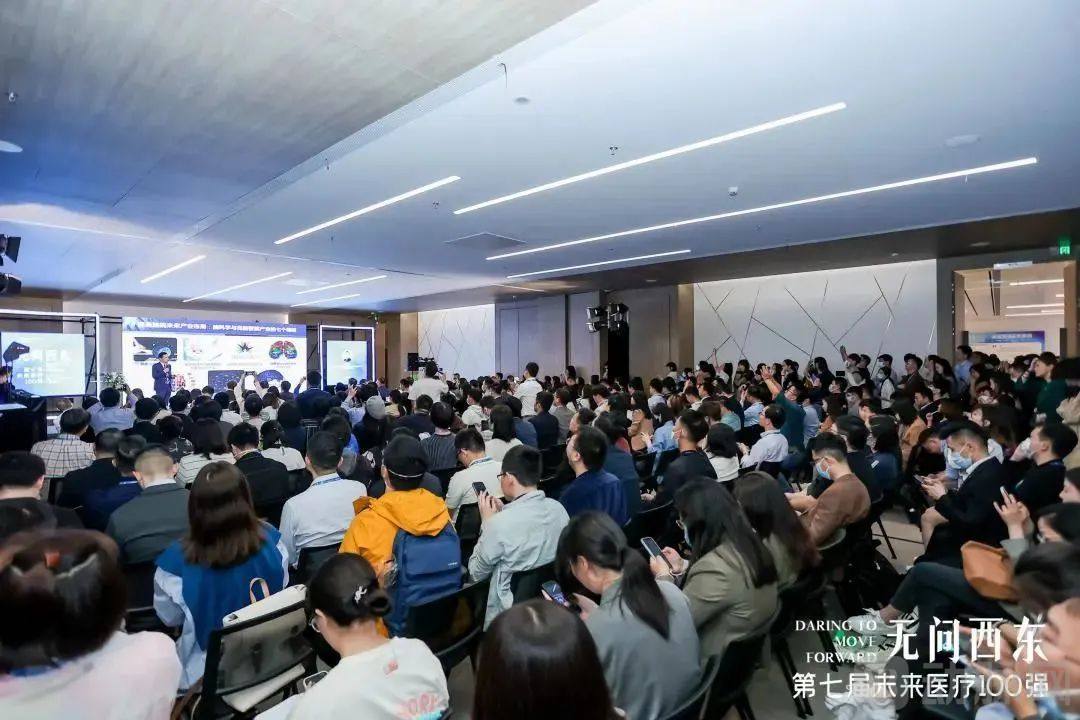
(Live photos from the bustling forum)
It is reported that the forum, oriented toward industrial practice and diversified development, explored the opportunities and challenges facing the brain science industry in the era of brain science and brain health, through the convergence of diverse perspectives from academia, industry, and investment.
On that day, the forum was held atJia Yan, Director of the Healthcare and Life Sciences Division at China Renaissanceunder the auspices of, kicked off. The first speaker wasWang Liping, Director of the Institute for Brain Cognition and Brain Diseases at the Shenzhen Institutes of Advanced Technology, Chinese Academy of Sciences / Dean of the Shenzhen-Hong Kong Institute of Brain ScienceHe shared insights from “The Brain Industry and the Future of the Brain,” highlighting three major demands arising from the development of brain science: clinical needs for major brain disorders, public demand for brain health in an aging society, and practical requirements from basic brain science research driven by studies on brain-inspired intelligence systems. Addressing the cellular origins of neural information is a fundamental scientific question at the core of key technologies. The Shenzhen-Hong Kong Institute of Brain Science has established platforms such as the Brain Technology Industry Innovation Center and the Academic and Industrial Alliance for Brain Cognition and Brain Science, strategically laying out seven sectors within the brain science and brain-inspired intelligence industries. It has successfully built an academic and industrial ecosystem for brain science and brain-inspired intelligence, calling for interdisciplinary collaboration and innovation among the scientific, industrial, and capital communities, as well as shared social responsibility to serve public welfare and societal needs through technological advancement.
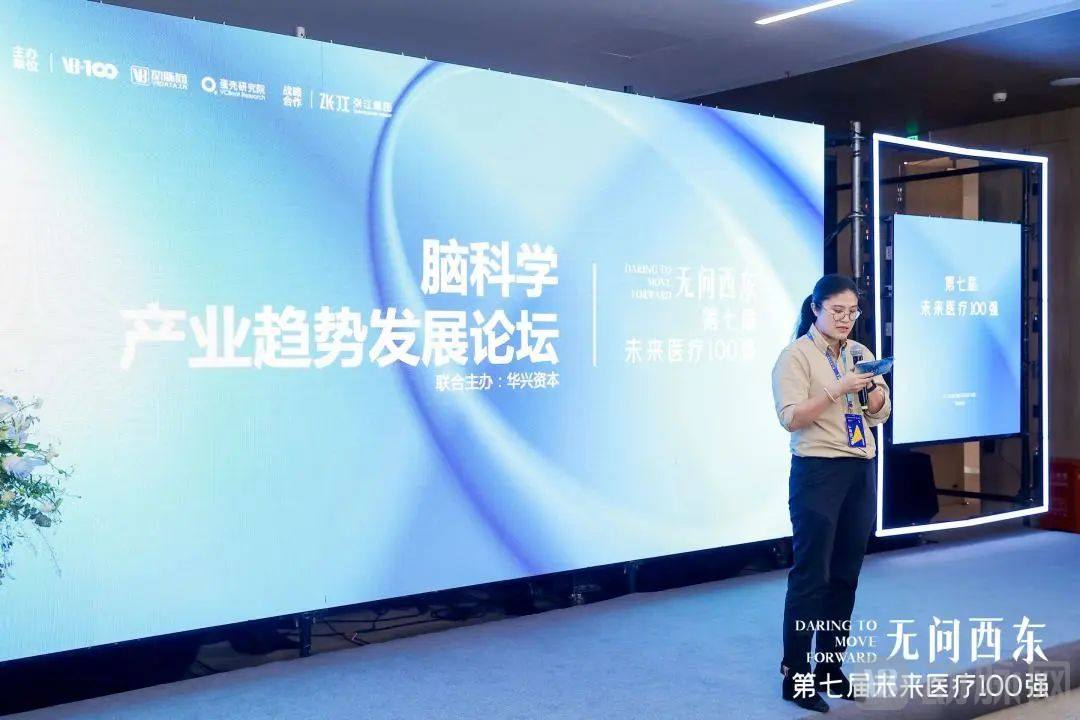
(Jia Yan, Director of the Healthcare and Life Sciences Division at China Renaissance)
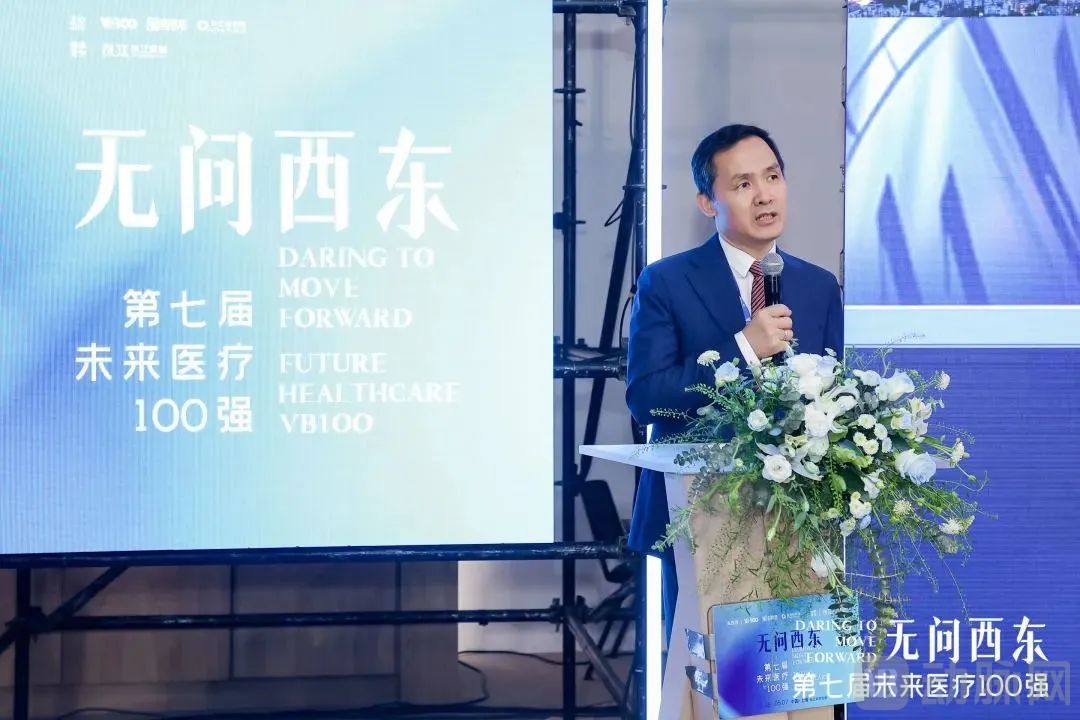
(Wang Liping, Director of the Institute of Brain Cognition and Brain Disorders, Shenzhen Institutes of Advanced Technology, Chinese Academy of Sciences / Dean of the Shenzhen-Hong Kong Institute of Brain Science)
Immediately following,Peng Lei, Co-founder and CEO of BrainCoHe delivered a presentation titled “Connecting the Brain to the Future.” He highlighted that achieving long-term, stable read-write access to large-scale neuronal dynamic network data is a key focus in brain science. Brain-computer interfaces (BCIs) represent a typical interdisciplinary field, encompassing microelectronics, medical devices, chips, materials, algorithms, robotics, and psychology. The three core elements that must be addressed for the commercial promotion of BCI technology are high throughput, minimal invasiveness, and long-term in vivo stability. NeuroXess is a life sciences company dedicated to protecting and exploring the brain through flexible BCI technology. It possesses the world’s exclusive minimally invasive silk fibroin electrode coating and implantation technology, as well as globally leading deep-brain electrode design and manufacturing capabilities based on advanced MEMS processes.

(Peng Lei, Co-founder and CEO of NeuroXess)
Wei Kecheng, Co-founder and CEO of UBrain GalaxySharing “POINT: Innovative Therapies for Brain Disorders,” which centers on the quest to “conquer brain disorders.” Given the substantial individual variability in brain functional networks, individualized brain functional parcellation is key to understanding the mechanisms of brain disorders and addressing them effectively. Built upon the founding team’s breakthrough in neuroscience—personalized Brain Functional Segmentation (pBFS)—Ubrain Galaxy has developed the “POINT Therapy” to innovatively treat various brain disorders. The therapy has been implemented clinically in Beijing, with successful operation of medical services based on “POINT Therapy,” marking the entry into large-scale market commercialization in the effort to conquer brain disorders.

(Wei Kecheng, Co-founder and CEO of UBrain Galaxy)
Subsequently,Li Long, Founder of Dome MedicalA presentation titled “Application and Development of Temporal Interference Stimulation Technology” was delivered. Neuromodulation represents a blue-ocean market valued in the tens of billions, serving as the final link in closing the loop from “brain reading” to “brain intervening,” with significant clinical value and broad commercial prospects. Dome Medical has been focusing on temporal interference (TI) stimulation technology since 2015 and has initiated preclinical trials. The company holds more than 60 invention and utility model patents, currently operates six product lines, and is the only enterprise in China that has mastered the relevant core technologies.
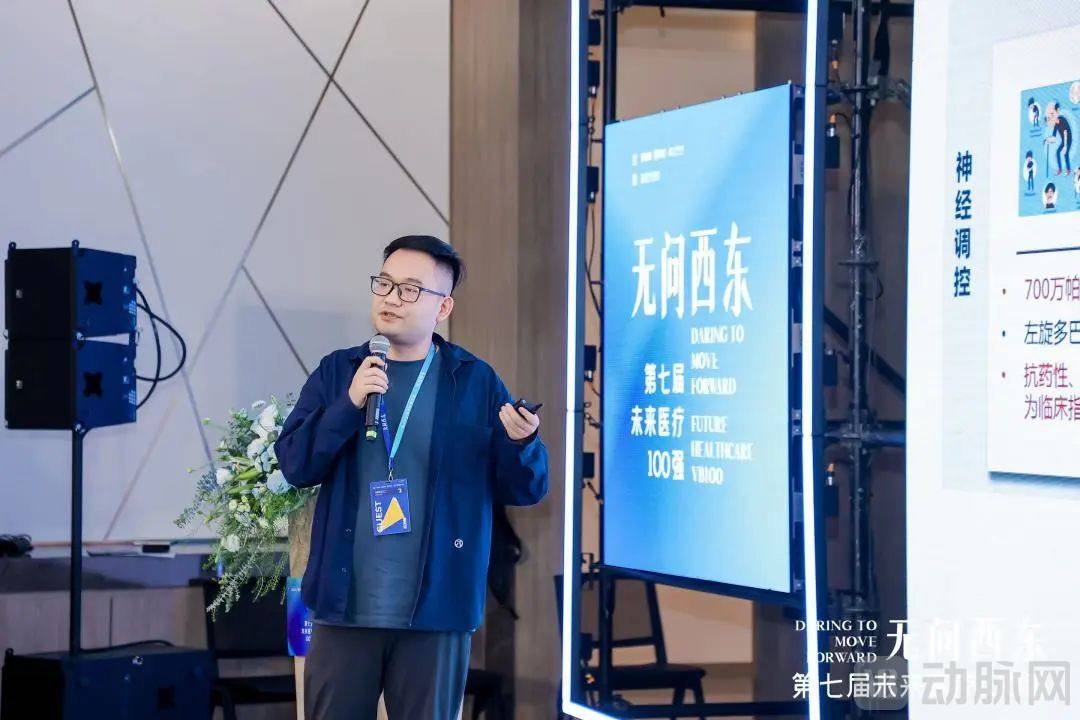
(Li Long, Founder of Dome Medical)
In the speech titled "The Path for Chinese Neurointerventional Medical Devices to Go Global,"Michael Alper, Founder and President of VBMentioning that Vobi Medical completed its acquisition of the German company phenox in April 2022, becoming a global leader in the neurovascular industry, with neurointerventional solutions including hemorrhagic, ischemic, and access categories. Regarding going global, Amuke mentioned that it is currently the hottest topic for high-value consumables. To successfully enter the Chinese market and go global, products must meet doctors' needs without compromising on quality.

(Michael Alper, Founder and President of Vobi)
Chen Nan, Co-founder and CTO of Bositeng TechnologyThe presentation titled “Cognitive Technology Empowering the Prevention and Treatment of Cognitive Impairment” was delivered. He stated that speech contains a wealth of important information that can aid in determining the onset of diseases. By integrating speech as a biomarker with neuropsychological assessments and artificial intelligence models, an intelligent cognitive assessment system capable of analyzing evaluation results can be developed, leveraging technology to ensure high-quality speech capture, analysis, and review. Bosteng addresses the shortcomings of traditional methods—such as being unscientific, abstract, and difficult to sustain—through cognitive function training, establishes a brain health data platform, and utilizes large language models to comprehensively support human-AI collaboration.
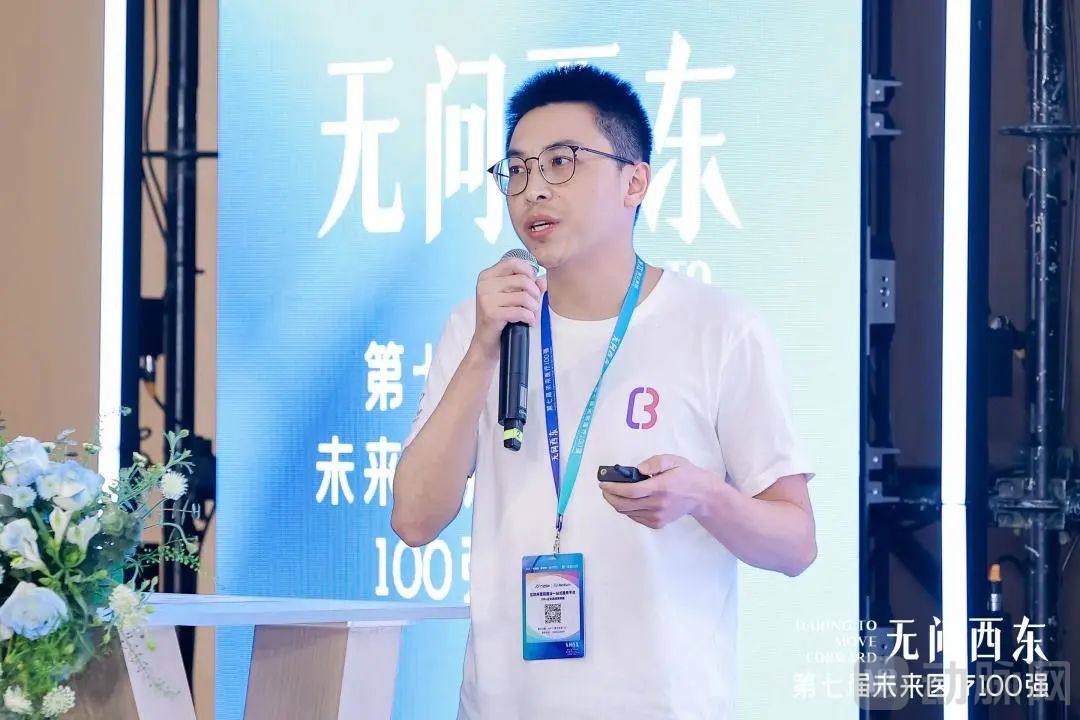
(Chen Nan, Co-founder and CTO of Boston Technology)
Wei Jun, Co-founder and CEO of Ruijian MedicinePresented a sharing session on “Innovative Therapies for Neurodegenerative Diseases.” In the field of neurodegenerative diseases, many pharmaceutical companies have withdrawn their investments, while the advent of global aging has further exacerbated the scarcity of available treatments. In response to this predicament and the reality that China has become a country with a high burden of neurodegenerative diseases, Ruijian Medicine initiated its efforts with Parkinson’s disease (PD), adopting a clinical-oriented approach to product design. Leveraging its unique “AI + chemical induction” R&D platform, the company screens efficient compound combinations to specifically reprogram cellular functions, thereby developing more effective cell therapy drugs. It is committed to providing patients with novel, accessible therapies capable of “reversing disease progression.” Ruijian Medicine has established an autonomous, patent-protected, one-stop R&D ecosystem, pioneering a new comprehensive treatment platform. Its flagship product, NouvNeu001, is a next-generation chemically induced cell therapy drug capable of reversing the course of PD.
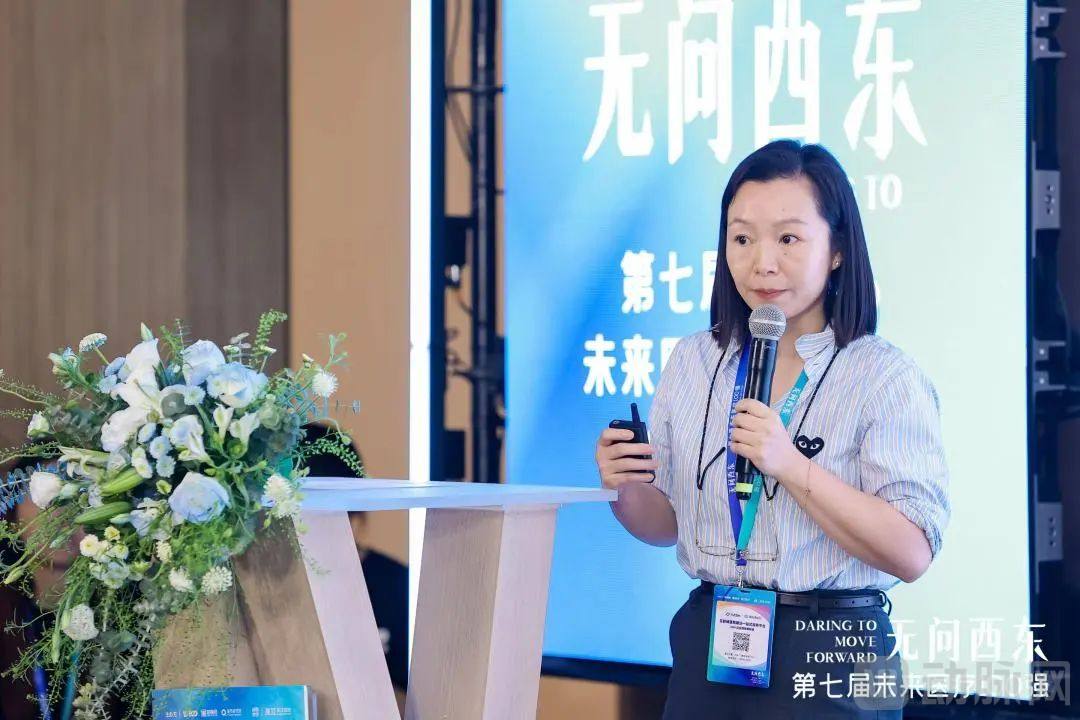
(Wei Jun, Co-founder and CEO of Ruijian Medicine)
Li Wenyu, CEO of Shuyao IntelligenceIn “Non-invasive Brain-Computer Interfaces + Digital Therapeutics: Building a Systematic Solution for Neuropsychiatric Disorders,” it is stated that Shuyao Intelligence focuses on digital therapeutics for neurological disorders, concentrating on the diagnosis and treatment of such conditions. Leveraging cutting-edge neuroscience, the company researches and develops digital therapeutic regimens capable of effectively treating neurological disorders through an integrated hardware-software approach involving adaptive models, brain-computer interfaces (BCIs), and AR/VR technologies. As a new paradigm in serious medical care, digital therapeutics enjoy strong policy support, effectively address the core pain points and limitations of traditional therapies, cater to a broader patient population, and further enhance therapeutic efficacy through robust collaboration with brain-computer interface technology. Shuyao Intelligence has independently developed its “BCI + Digital Therapeutics” solution and launched three products, forming efficient and customized treatment regimens.

(Li Wenyu, CEO of Shuyao Intelligence)
The forum concluded with a roundtable session, inJia Yan, Director of the Healthcare and Life Sciences Division at China Renaissanceunder the auspices of,Cao Peng, Founder and Chairman of Jialiang Medical; Jiang Jian, CEO of Shanghai Quanlan Technology; Sheng Jingwei, Founder and CEO of Kunmai Medical; Zhang Chencheng, Deputy Director of the Brain Disease Center at Ruijin Hospital, Shanghai Jiao Tong University School of MedicineParticipants presented their respective achievements in their fields and engaged in an in-depth discussion centered on the themes of “How enterprises can leverage the current brain science boom to seize opportunities and achieve rapid growth” and “The development of China’s brain science sector over the next 5 to 10 years,” envisioning a new landscape for the industry’s future. There was a consensus that, as a high-growth track with clear certainty over the coming decade, the sector is currently in a rare market window period, poised to give rise to industry giants.
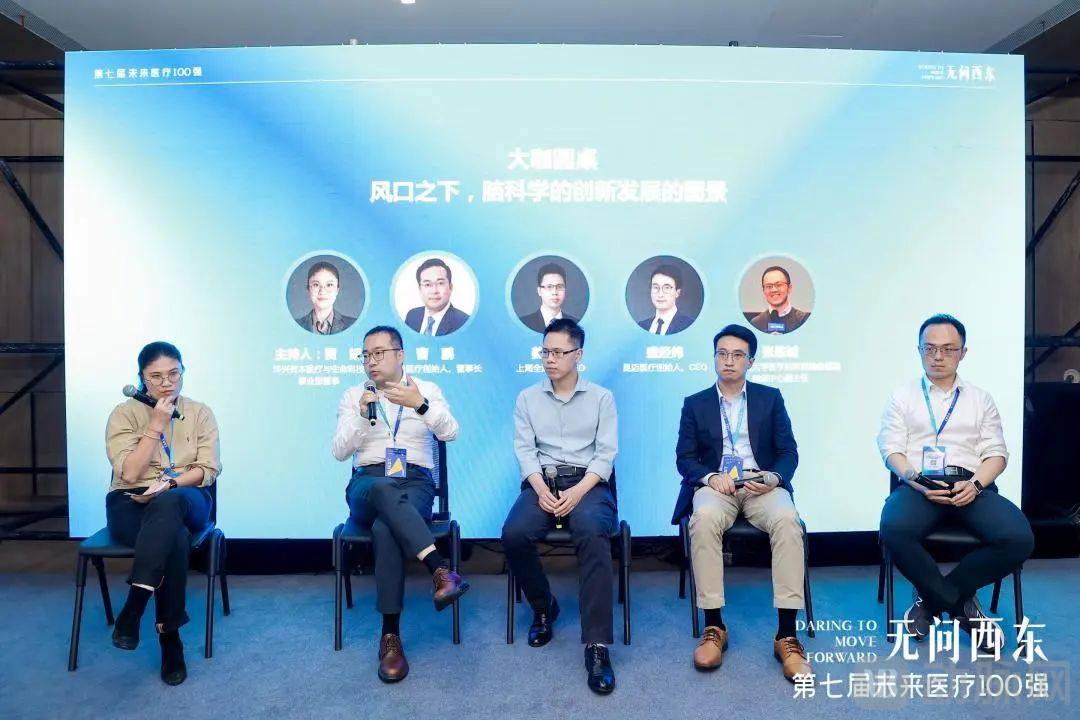
(Roundtable Discussion: From left to right are Jia Yan, Director of the Healthcare and Life Sciences Division at China Renaissance; Cao Peng, Founder and Chairman of Jialiang Medical; Jiang Jian, CEO of Shanghai Quanlan Technology; Sheng Jingwei, Founder and CEO of Kunmai Medical; and Zhang Chencheng, Deputy Director of the Center for Brain Disorders at Ruijin Hospital, Shanghai Jiao Tong University School of Medicine.)
Cao Peng, Founder and Chairman of Jialiang MedicalIt was noted that neuroscience is destined to be a hotbed of innovation over the next decade, and corporate R&D must align with this trend. The field of neuroscience is witnessing a surge of innovations; precisely because there are few established paths to follow, this presents a genuine opportunity for many medical device companies and entrepreneurs.
Jiang Jian, CEO of Shanghai Quanlan TechnologyHe stated that the translation of brain science still faces two major challenges: one is the innovative research and development of instruments and equipment, while the other, even greater challenge, lies in data acquisition. Hospitals hold a significant advantage in this regard; for instance, achieving greater precision and personalization requires more extensive and larger-scale datasets. Data acquisition has always been a substantial obstacle due to its high cost as a resource. Although the translational progress of brain science may experience fluctuations in the future, the accumulation of data will undoubtedly continue to grow, thereby facilitating a deeper understanding of brain science.
Sheng Jingwei, Founder and CEO of Kunmai MedicalIt is believed that brain science will achieve breakthroughs at several key points over the next five to ten years. These breakthroughs depend on translating scientific discoveries in research fields, represented by cognitive neuroscience, into clinical advancements, particularly for large patient populations with mental disorders. This translation will effectively address current challenges where there are no effective interventions or diagnostic methods. Secondly, new tools are required. Whether it involves hardware tools currently under development, such as invasive brain-computer interfaces, functional brain imaging combined with FFI, and the mapping of brain atlases using existing technologies, these novel instruments will provide scientists and clinicians with better means to achieve new breakthroughs in both research and clinical practice within brain science.
Zhang Chencheng, Deputy Director of the Brain Disease Center at Ruijin Hospital, Shanghai Jiao Tong University School of MedicineFrom a physician’s perspective, Ruijin Hospital, as a comprehensive medical center, is deeply committed to brain science research and has established a specialized branch dedicated exclusively to neurological disorders. Furthermore, Ruijin Hospital is highly eager to collaborate with basic science researchers, engineering teams, and industry partners to advance Clinical New Science. This collaboration aims to enhance our understanding of disease-related principles, enabling us to elucidate the mechanisms underlying various diseases by interpreting fundamental life science phenomena, thereby more directly facilitating translational medicine.
With this, the “Forum on Development Trends in the Brain Science Industry” came to a successful conclusion. Participants widely expressed that as top-level design for the development of the brain science industry becomes more established and robust, and as technological and scientific research achieves breakthroughs, the field will usher in greater opportunities. Moreover, brain science enterprises that align with these trends and pursue innovation will create new possibilities for advancing human brain health.