

DeepKinase's Dr. Zheng Naizhong: Seizing the Right Moment to Pioneer the Blue Ocean of Functional Proteomics
The central dogma, proposed by Francis Crick in 1958, elucidates the principles of information flow within living organisms, from DNA to RNA and then from RNA to protein.
As research into life processes deepens, the concept of omics has emerged.
The Human Genome Project, launched in 1990, ushered in the era of precision medicine and made the commercialization of genetic testing possible. However, with the completion of human genome sequencing and the deepening of research, growing evidence indicates that genomic data alone cannot accurately and comprehensively elucidate disease progression. In practical applications, the limitations of genetic testing, particularly its insufficient concordance with clinical findings, have gradually become apparent. This is because proteins, rather than genes, are the true “executors” that regulate human biological processes.
It is worth noting that while the human genome contains only about 25,000 genes, the number of proteins produced through DNA transcription and translation reaches the millions. These proteins maintain normal physiological activities in the human body through biological processes such as post-translational modifications and molecular interactions. Scientists recognized this disparity early on; in 1994, Marc Wilkins first proposed the concept of the “proteome.” Over the following decade, continuous advancements in proteomics-based technologies marked the formal entry of life sciences research into the “post-genomic era.”
ProteomicsIts emergence has made a significant contribution to the development of precision medicine and opened up new frontiers for the research and development of innovative drugs, particularly targeted therapies. An increasing number of companies are seizing the opportunity to dive into the blue ocean of functional proteomics.
But among the many enterprises, whyJiaHuayao Rui Technology (Zhuhai) Co., Ltd.(hereinafter referred to as Jiahua Yaorui) secure over RMB 100 million in Series A financing and tens of millions in Series A+ financing within just three years, thereby emerging as a pioneer in clinical proteomics?
Key 1: Favorable Timing and Location
In the field of life sciences, protein phosphorylation is often likened to a "switch," marking the initiation of a specific biological process.
Most proteins that regulate key physiological processes in the human body, such as muscle contraction or nerve conduction, exist in two states: resting and active. In the resting state of a cell, these proteins are inactive. When their function is required, they undergo a conformational change from the resting form to the active form through the addition or removal of phosphate groups, thereby exerting their physiological effects. This process is known as phosphorylation or dephosphorylation. Enzymes that add phosphate groups are called kinases, while those that remove phosphate groups are called phosphatases, and the reaction is reversible.
The high sensitivity of this system lies in the balance between two types of enzymes within cells, namelyThe balance between kinases that activate phosphate groups and phosphatases that remove phosphate groupsOnce balance is disrupted, disease follows.
The onset of cancer and other diseases is precisely due to an imbalance in this system. For instance, kinases locked in the phosphorylated active conformation lead to cellular dysfunction. In particular, aberrant phosphorylation of tyrosine residues upstream in signaling pathways often results in tumorigenesis.
Although phosphorylation has been recognized for over 40 years, there has long been a lack of robust technical methods for its comprehensive and precise detection. Pioneering the accurate detection of protein phosphorylation to systematically elucidate signaling pathway activity and immune activity is the key first step that has propelled Jiahua Yaorui to the forefront of the industry as a market leader.
Dr. Zheng Naizhong, Founder and CEO of Jiahua Pharmaceutical TaxMy journey with protein phosphorylation began at Peking University. Dr. Zheng Naizhong told VCBeat that the first protein he encountered upon joining a laboratory in his junior year was one containing an SH2 domain, which recognizes and transmits tyrosine phosphorylation signals to form signaling networks, leaving a profound impression on him. Throughout his subsequent doctoral studies, he pursued a broad range of research interests, primarily focusing on tumor migration, neural development, and gene editing, and inPNAS、Genetics、Journal of Molecule Medicine...and other internationally renowned journals. The extensive accumulation of knowledge and in-depth research led Dr. Zheng Naizhong to realize that,The Significant Potential of Proteomics in Clinical Applications, Especially the Importance of Protein Phosphorylation in Precision Oncology.
How Important Is Phosphorylation?
Reversible protein phosphorylation is involved in nearly all cellular responses. In its award citation, the Nobel Committee stated, “We now know that approximately 1% of genes in the entire genome encode protein kinases, which regulate the functions of thousands of proteins within cells.”
Kinases activate downstream signaling pathways by phosphorylating substrates, thereby regulating critical biological processes such as cell growth, differentiation, proliferation, angiogenesis, and apoptosis. Studies have revealed that human cells contain more than 500 protein kinases, constituting a vast reservoir of potential drug targets.
However, at that time, China’s industrial sector was still in the nascent stage of genomics, with limited understanding of the concept of precision medicine, let alone functional proteomics.
Determined to serve clinical practice, Dr. Zheng Naizhong opted for an indirect approach; from 2015 to 2019, he co-foundedMein Gene Company(hereinafter referred to as “Meiyin”), Dr. Zheng Naizhong led Meiyin to achieve a breakthrough from zero to one, establishing it as a leading enterprise in the consumer genetic testing industry. During his tenure supporting Meiyin’s growth, Dr. Zheng developed close collaborations with numerous clinicians. It was during this period that he gained clearer insight into the contradiction between the growing demand for precision testing in oncology clinical diagnostics and the insufficient clinical concordance resulting from the lack of direct alignment between the informational dimensions of genetic testing and clinical needs.
Fortunately, with technological advancements, market perceptions of precision medicine have begun to shift. From being virtually unknown in 2014, precision medicine saw patients proactively requesting more testing by 2018. An increasing influx of R&D funding, capital, and talent has entered the market, while new technologies have emerged in abundance.
In 2018, a year hailed by Dr. Zheng Naizhong as the “New Era of Proteomics,” he seized the opportune moment to focus on the core of oncology—protein phosphorylation. By providing multi-omics solutions centered on functional proteomics, he embarked on his third entrepreneurial venture in 2019.
Since then, it has specialized in the field of precision oncology, adoptingSelf-developed DoTK®Phosphotyrosine Superbinder Technology Platform, covering the tyrosine phosphorylation (hereinafter referred to as pY) proteome, global phosphoproteome, whole proteome, and genome, Jiahua Yaorui was established as a pioneer in next-generation solutions for precision medicine.
The Second Key: Technological Barriers
With awareness established and the market in place, what enterprises need to do is to “offer what others don’t” and “excel where others merely participate.”
As early as 2015, Dr. Zheng Naizhong established in-depth connections with numerous clinicians, enabling Jiahua Yaorui to rapidly obtain frontline clinical feedback at its inception. This allowed the company to accurately assess market demands and maturity, fill gaps with innovative products, and create value by enhancing efficiency.
pY is a star target in drug development and the most important post-translational protein modification in signaling pathway research. The well-known kinase inhibitors, also known as receptor blockers, inhibit protein kinase phosphorylation rather than protein expression. The majority of targets and pathways involved in currently available oncology and immunotherapy drugs are regulated or even directly mediated by tyrosine kinases. For example, EGFR, HER2, PDGFR, and MET are all pY sites.
It can be said that mastering comprehensive and unbiased detection of phosphotyrosine (pY) is key to the success of precision oncology. With this understanding, Jiahua Yaorui has deeply cultivated the field of protein phosphorylation, establishing a functional proteomics platform centered on pY detection. The company has developed DoTK, an in-depth pan-phosphorylated kinase proteomics platform, which encompasses three major sample processing technology platforms, method packages and mass spectrometry platforms, as well as database and bioinformatics AI platforms.®。
at VBInsight®Before its advent, research on phosphotyrosine (pY) was akin to finding a needle in a haystack. Traditional anti-phosphoprotein antibodies suffered from poor specificity and stability, resulting in low research efficiency. Although high-throughput mass spectrometry can comprehensively and unbiasedly detect global protein phosphorylation levels, the abundance of pY is extremely low, constituting less than one part per million of the total proteome, which is comparable to panning for gold in sand. Conventional enrichment techniques using Fe³⁺ or Ti⁴⁺ metal ions yield pY sites at a rate of only 0.1% to 0.5%; identifying more than ten pY sites in a single experiment is already considered remarkable. Moreover, these few identified sites are plagued by issues of low accuracy and poor reproducibility.
Therefore, DoTK®The advent of the technological platform has truly been a case of “sifting through the sand to find the gold” for pY research. Jiahua Yaorui’s DoTK®Technology PlatformLeveraging SH2 Superbinder’s patented technology for ultra-high-affinity enrichment of pY, we have achieved stable, specific, and reproducible industrial-grade pY proteomics detection for the first time.This technology is based on detected phosphorylation information, supplemented by Jiahua Yaorui's proprietary K-Score kinase activity prediction algorithm,Comprehensive Assessment and In-Depth Mining of Kinase Activity in Samples, providing a novel perspective for drug discovery and development, clinical diagnosis, and intervention.
Furthermore, this technology overcomes the limitations associated with intact samples, paving the way for broader clinical applications. Whether dealing with tissue sections, formalin-fixed specimens, fresh-frozen samples, blood samples, cell samples, or patient-derived xenograft (PDX) models, Jiahua Yaorui delivers precise diagnostic results, significantly enhancing clinical accessibility.
Dr. Zheng Naizhong told VCBeat,DoTK®Phosphorylation detection can cover most clinical conditions associated with tumors, immune disorders, and degenerative diseases.Current Stage of DoTK®We continue to deepen our focus on oncology, while also allocating some resources and funding to research on protein phosphorylation assays related to immunology, infectious diseases, and Alzheimer’s disease.
Unparalleled technical barriers, the world’s only DoTK®Technical Platform: Continuous Innovation and R&D in Backend Technologies—The Second Key to Jiahua Yaorui’s Rise as an Industry Leader
The Third Key: Human Harmony
DoTK®The patented technology SH2 Superbinder, which underpins the technical platform, serves as the core foundation of Jiahua Yaorui. This technology was developed by Dr. Zheng Naizhong’s senior fellow apprentice and co-founding core member of Jiahua Yaorui—Prof. Li Shunchenginvented.

Li Shuncheng, Chief Scientific Officer and Co-Founder of Jiahua Yaorui
Professor Li Shuncheng completed his undergraduate studies in the Department of Chemistry at Peking University, and subsequently pursued advanced studies at the Shanghai Institute of Biochemistry and Cell Biology and the University of Toronto. Under the mentorship of Tony Pawson—a fellow of the British, American, and Canadian Academies of Sciences and an eight-time Nobel Prize nominee—he co-discovered phosphorylation signaling pathways, making significant contributions to research in the field of protein phosphorylation. To this day, the study of protein phosphorylation and dephosphorylation remains one of the most prominent and extensively researched areas, from which numerous therapeutics for cancer and autoimmune diseases have emerged.
Professor Li Shuncheng was impressed by Dr. Zheng Naizhong’s in-depth understanding of his technology, while Dr. Zheng was eager to create a superior application platform for Professor Li. The two scholars hit it off immediately. In 2019, Dr. Li returned to China with his SH2 Superbinder technology (for enrichment of pY-modified proteins). Dr. Zheng personally conducted experiments to validate the capability of SH2 Superbinder in detecting pY in tumor cell lines, and ultimately officially joined Jiahua Yaorui, bringing this patented technology with him.

Xiao Yun, Chief Commercial Officer and Co-Founder of Jiahua Yaorui
In addition to Dr. Nai-Zhong Zheng and Dr. Shun-Cheng Li,Jiahua Yaorui’s growth has also been driven by the addition of core team members such as Xiao Yun.Xiao Yun earned his bachelor’s degree from Peking University and his MBA from the School of Economics and Management at Tsinghua University. With over a decade of dedicated experience in the medical device industry, he has served multiple large domestic and international medical device companies. He possesses extensive practical expertise in marketing, excels at deeply uncovering customer needs, and drives teams to develop products that align with market demands.
Guided by Peking University’s spirit of inclusiveness, the three founders have consistently upheld the value of “seeking truth from facts,” fostered a corporate culture of fairness, impartiality, and transparency, and continuously optimized decision-making mechanisms. These efforts have attracted a large number of outstanding talents from both China and abroad, leading to increasing diversity. Dr. Zheng Naizhong proudly stated: “Jiahua Yaorui has assembled a highly capable elite team in functional proteomics, taking a solid step forward in the fields of cancer detection and drug development.“Let us redouble our efforts to realize the vision of ‘turning cancer into a chronic disease,’ and steadfastly advance on our ordinary yet great journey.”
“Founded by Peking University alumni,” the founding team boasts a collaborative core group with complementary strengths and mutual trust. Leveraging functional proteomics core technologies with broad application prospects and the vast market for precision medicine, the company successfully secured multiple rounds of financing within just three years, including an A round exceeding RMB 100 million and an A+ round amounting to tens of millions of yuan.
Just as “human harmony” is the most critical element among “favorable timing, advantageous location, and human harmony,” an outstanding team serves as the third key enabling Jiahua Yaorui to rank among the industry’s forefront and emerge as a sector leader.
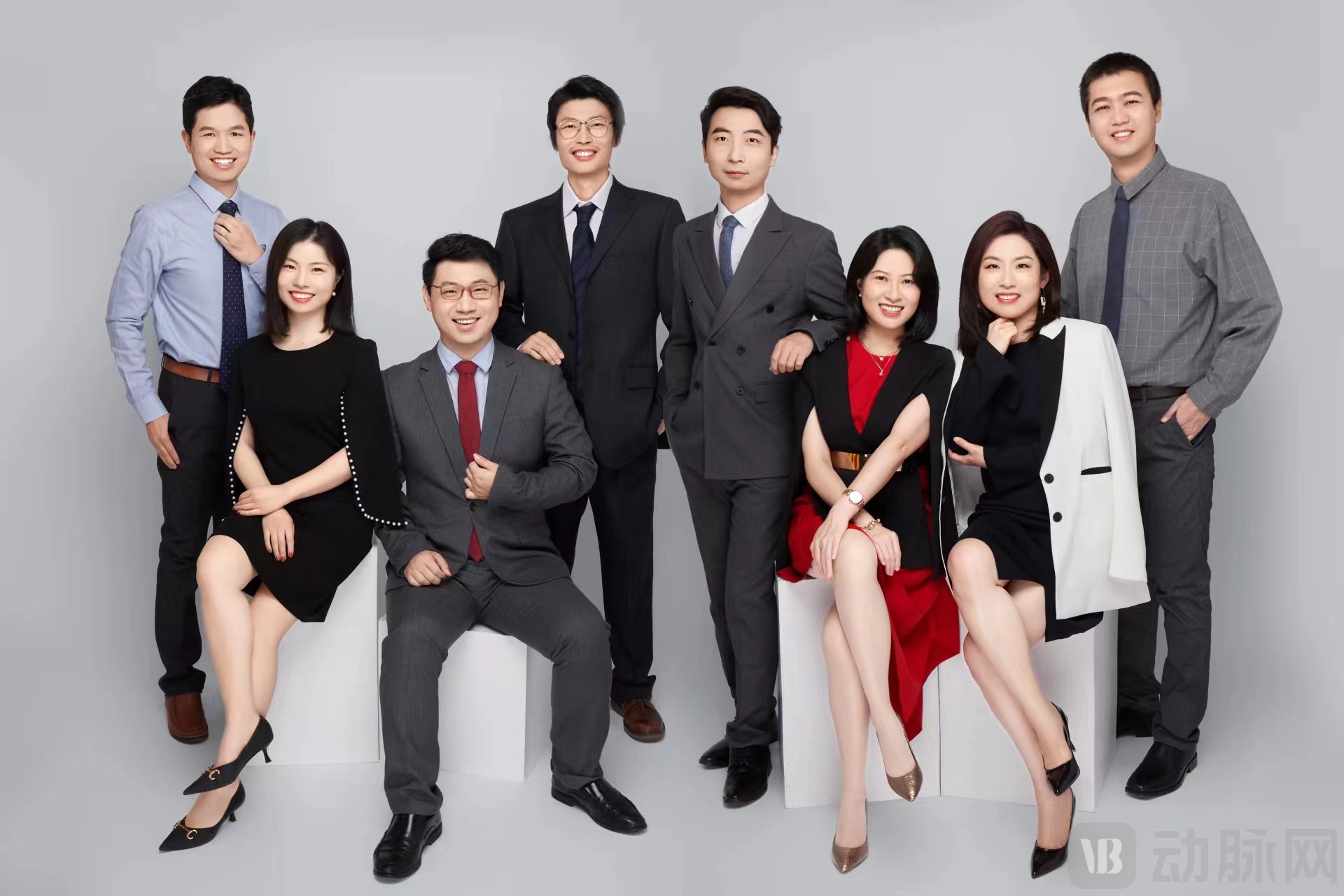
Jiahua Yaorui Management Team
Dr. Zheng Naizhong told VCBeat that while Jiayao Pharma’s core strengths and R&D funding remain in the background, the company has also begun to develop its front-end operations over the past two years.On one hand, it focuses on clinical IVD deployment to uphold Jiahua Yaorui’s vision of “making cancer a chronic disease”; on the other hand, it strategically develops CRO services for pharmaceutical companies, having already assisted numerous firms in elucidating the mechanisms of new drugs, thereby enhancing the precision of innovative therapies.Meanwhile, as Jiahua Yaorui creates greater value for society and attracts more resources, it deeply embodies the essential meaning of life science research—enabling more people to “live well.”
Looking back on the trajectory of genomics, China’s genomics sector has achieved a leapfrog advantage through non-invasive prenatal testing (NIPT), leading to continuous market expansion. As proteomics technologies mature, clinical breakthroughs are imminent, and investment opportunities are becoming increasingly clear. The concept of precision medicine has gained widespread acceptance, with urgent market demand; broader adoption is only a matter of time. Functional proteomics thus represents a vast blue ocean opportunity.
Dr. Zheng Naizhong stated, “With the rapid emergence of diverse proteomics technologies, accessibility is increasing and application scenarios are expanding, delivering tools that are more effective, practical, and promising than those in genomics. I believe that over the next 10 to 20 years, proteomics will remain a highly dynamic emerging field and a hot area for investment. While upstream tool platforms in proteomics have gained full recognition in global capital markets, no clear industry leader has yet emerged. We are confident in our ability to compete with top international enterprises and expect to distinguish ourselves.”