

Midea Building Technologies Unveils Northwest China's First Child-Friendly Concept Hospital with Innovative Healthcare Space Solutions
Since the National Health Commission first provided a standard definition of “Smart Hospitals” (Smart Hospitals = Smart Medical Care + Smart Management + Smart Services) in 2019, various policies promoting evaluation and assessment have continued to drive progress. Today, smart medical care and smart services have become the areas with higher levels of digital application and adoption among the three major components of hospital smartification, while the development of smart management continues to deepen.
In response to the unmet demands of the smart healthcare industry, Midea Building Technologies has strategically positioned itself by leveraging its core strengths. From a strategic development perspective, the company is pursuing a dual approach: on one hand, it delivers diversified operational value for smart hospitals through the “Midea Smart Hospital LIFE Flow Solution”; on the other hand, it capitalizes on its advantages in medical device hardware and comprehensive service capabilities to achieve software-hardware synergy, thereby carving out a differentiated market path.
The recently completed and operational Xi’an Tus-Holdings Children’s Hospital (hereinafter referred to as “Tus-Holdings Children’s Hospital”), located in the core area of Phase II Software New City in Xi’an High-Tech Zone, represents another exploration by Midea Building Technologies.
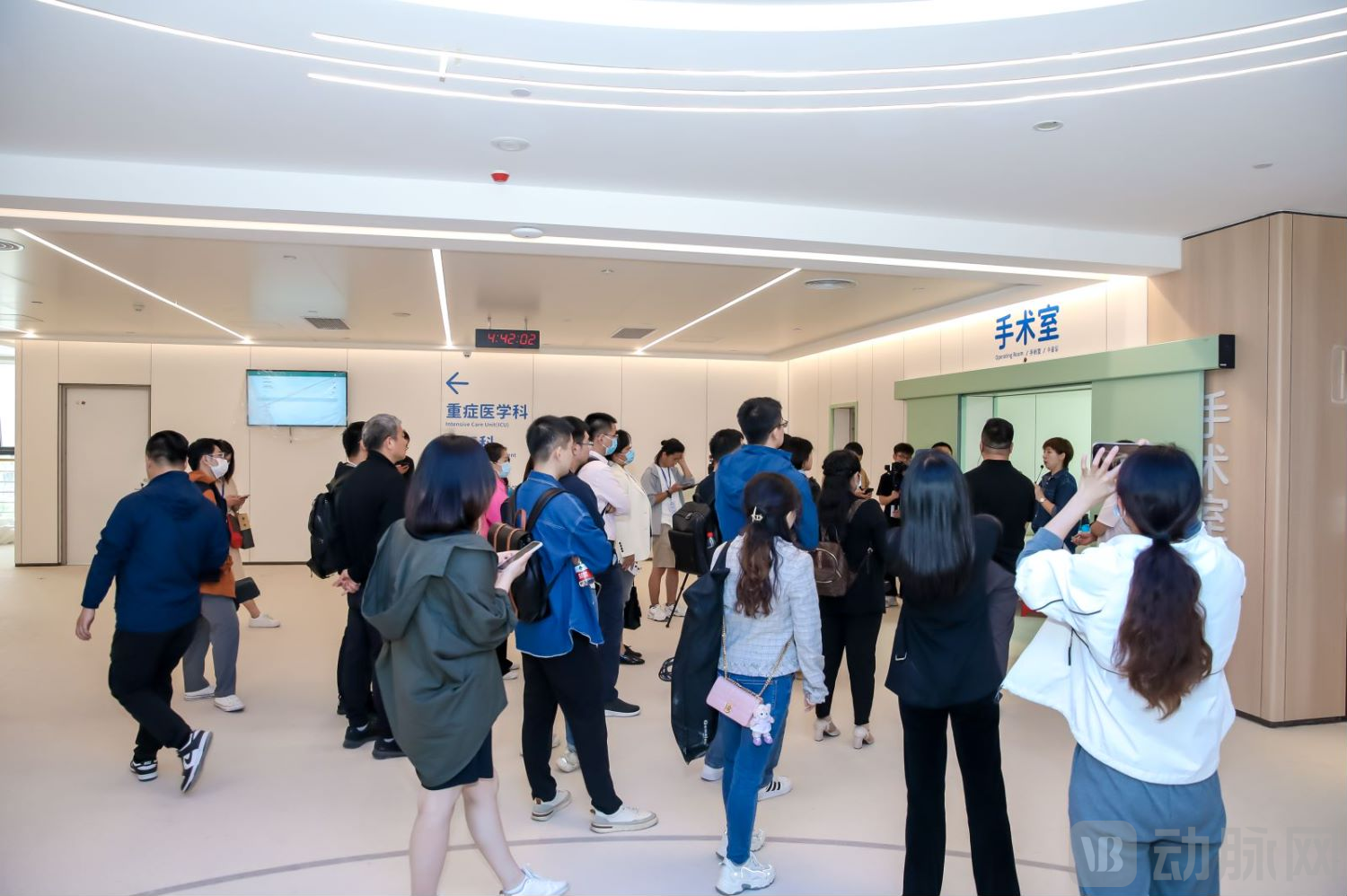
As the first child-friendly conceptual hospital in Northwest China, Tusi Children’s Hospital has drawn industry attention for its medical capabilities and innovative technological applications of space within the hospital setting. To gain a deeper understanding of the hospital’s distinctive features and highlights, VCBeat conducted an on-site visit.

Xi'an Tus-Holdings Children's Hospital
Tusker Children's Hospital is located in the core area of the Software New City in the High-Tech Zone. To its east, it borders the Third Ring Road, separated by the Yanghui Canal and Yunshui 1st Road. The hospital occupies an area of 38.075 mu, with a total gross floor area of 121,270 square meters. It has a planned capacity of 400 beds, resulting in an average floor area of over 300 square meters per bed. Upon entering Tusker Children's Hospital, visitors are immediately struck by the technological sophistication of its design and the child-friendly atmosphere created through thoughtful spatial planning.
According to Hou Fangdi, General Manager of the hospital“From its inception, the hospital has integrated innovative concepts such as green and smart healthcare facilities, while leveraging internationally leading information technology and Internet of Things (IoT) solutions, along with pneumatic tube logistics and integrated medical services, with the aim of providing mid-to-high-end pediatric healthcare services to the market.”
To achieve this goal while meeting the stringent cleanliness requirements of hospital spaces, Qidi Children’s Hospital partnered with Midea Building Technologies, a smart building solutions provider under the Midea Group. Starting with consultation and design, the two parties collaborated to build a medical Internet of Things (IoT) application system, realizing a comprehensive upgrade in products, technologies, and service models. Furthermore, they conducted in-depth optimizations for specialized areas with strict environmental requirements, such as operating rooms, ICUs, MRI suites, and DR rooms. Regarding air quality, continuous harmless treatment measures were implemented to address hazardous gases and radiation generated in certain departments, thereby creating a “people-centric” healthcare environment.
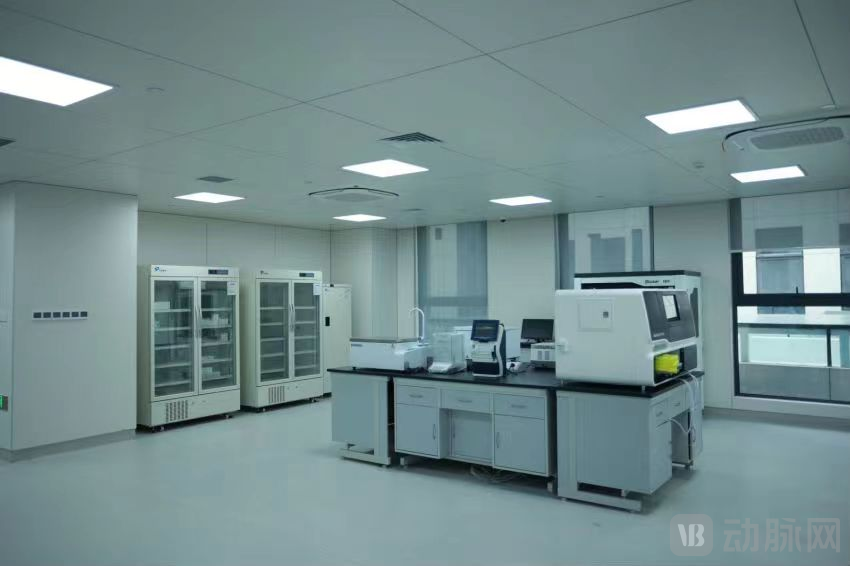
According to Wang Liping, President of Qidi Children's Hospital“Tuscan Children’s Hospital has optimized every aspect of air purification and construction, from equipment to spatial design. In hospital clean environments, the ‘three-zone, two-corridor’ layout is commonly planned. This design requires the separation of personnel and material flows, as well as clean and contaminated flows. These requirements far exceed those stipulated by conventional environmental engineering standards for space, circulation paths, and environmental control. Faced with numerous and complex scenarios, this not only tests the integration capability of spatial solutions but also the core technical strength of solution providers. Our collaboration with Midea Building Technologies aims to address these pain points, thereby creating a more distinctive hospital with higher quality assurance.”
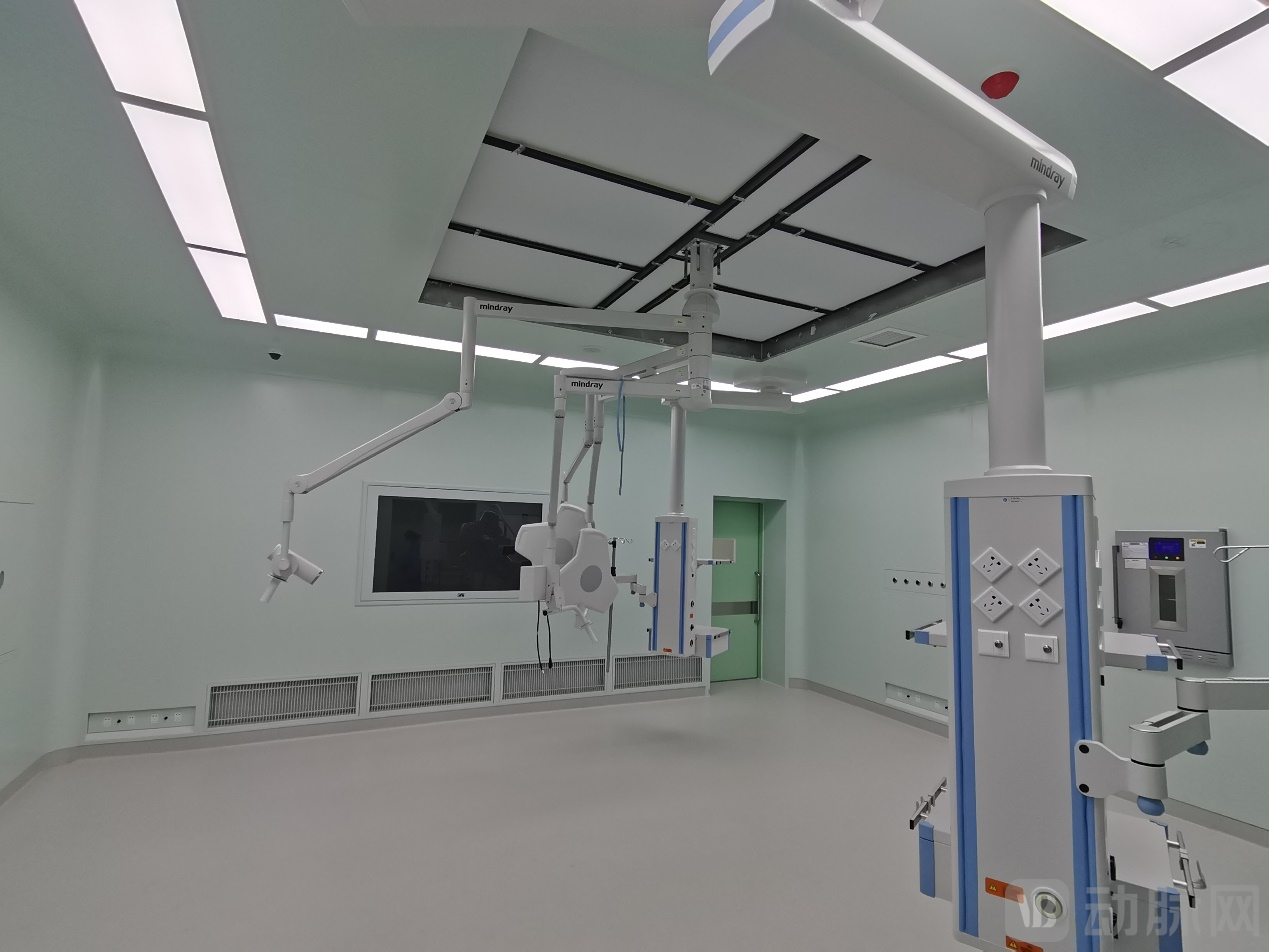
From spatial integration to equipment selection, it is also worth mentioning the integrated soft decoration services provided by Midea Building Technologies.
To truly realize a “user-centric” approach, Qidi Children's Hospital has reimagined its spatial design. The entire ward is designed as a soft and minimalist environment, accented with light blue and yellow hues. To create a sensory-spacious and comfortable healing space for children, the hospital’s public areas feature a dominant palette of white and wood tones. Notably, this design has received the AIIDA International Innovative Design Award in the United States.
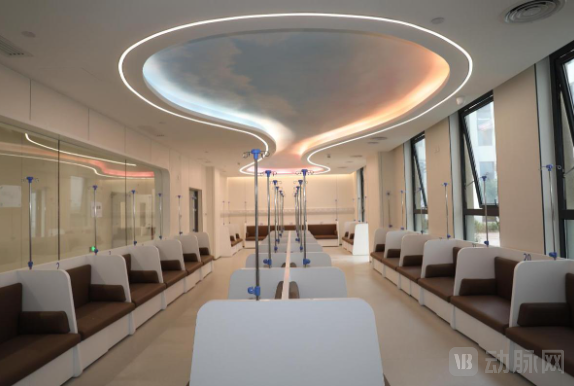
Qidi Children’s Hospital is a specialized hospital primarily serving pediatric patients, which entails more stringent requirements for environmental control. It must not only comply with the standards of large-scale building systems but also align with the design principles specific to children’s specialized hospitals. Therefore, during the design and operational phases, factors such as children’s lower immunity and heightened sensitivity to the environment must be taken into account. Meanwhile, it is essential to adhere to exceptionally high standards and reliability to achieve optimal air purification levels.
Among these, the operating room is the space with the most stringent cleanliness requirements. According to the national standard "Code for Construction of Clean Operating Departments in Hospitals" (GB 50333—2013), clean operating rooms are classified into four grades, with humidity requirements of 40–60% and temperature requirements of 21°C–25°C.
Operating rooms must employ air purification technology to implement varying degrees of control over microbial contamination, filtering airborne particulate matter from nearly one million particles per cubic meter down to the thousands or even hundreds. This ensures that the air cleanliness level within the controlled space meets the requirements for various types of surgical procedures, while also providing appropriate temperature and humidity to create a clean and comfortable surgical environment.
For example, there are three to four doors surrounding the entire surgical area. As medical staff pass through each door, they move sequentially from the contaminated zone, through the semi-contaminated zone, and finally into the clean zone, with the level of cleanliness increasing at each stage. Items are introduced into the operating room area via pass-through windows, which are designed so that both sides cannot be opened simultaneously, thereby preventing contamination of the internal space by external air.
Taking “sterile operating rooms” as an example, in procedures such as craniotomy, thoracotomy, and joint replacement, the risk of infection is higher than in general surgeries due to the extensive surgical trauma and greater exposure to ambient air. To mitigate this risk, air purification systems employ multi-stage cyclic filtration to meet the national standard requirements for “Class 100 cleanrooms.” In terms of air cleanliness classification, “Class 100” represents a more stringent standard than “Class 1,000” or “Class 10,000.”
In addition to air purification equipment, Midea also emphasizes the integration of software and hardware in indoor spaces, aiming to create a higher-quality environment.
Taking Qidi Children's Hospital as an example, the entire vinyl flooring in the operating rooms is seamlessly connected to the walls, with rounded corners designed to facilitate wall cleaning and ensure a high level of spatial cleanliness. On one hand, the curved wall design makes cleaning easier. On the other hand, this design facilitates the circulation and filtration of the purification air conditioning system. Midea Control has installed high-efficiency air supply outlets at the ceiling above the operating tables to deliver clean, filtered air, which then circulates through return air vents located on both lower sides of the room. Furthermore, the rounded corner design along all wall edges helps organize airflow more effectively, further ensuring a high degree of cleanliness in the surgical environment.
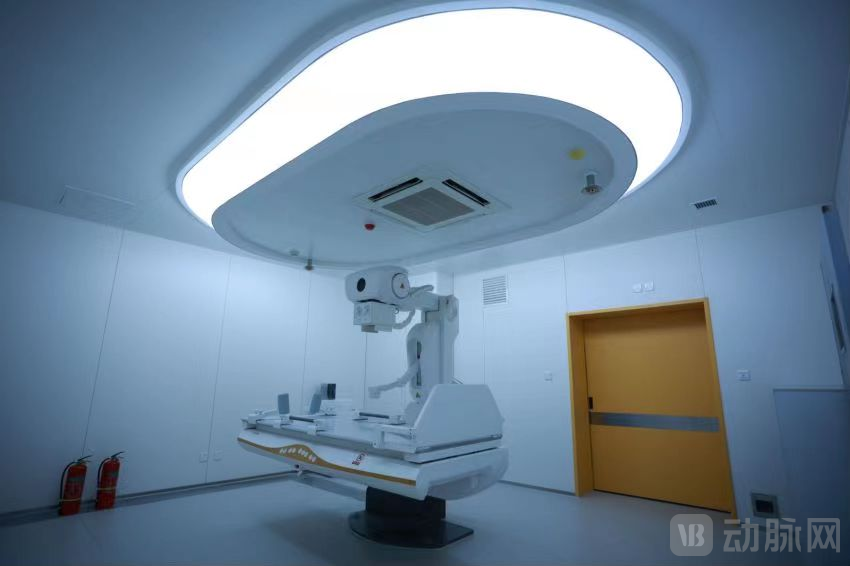
It is also worth mentioning the hospital’s orthopedic operating rooms. To shield against radiation, Meikong Space Solutions not only installs stainless steel electrolytic panels on the walls but also lays lead sheets or copper foil, depending on the specific functional requirements and construction specifications of each operating room, thereby providing comprehensive radiation shielding for the entire surgical space.
In addition to meeting radiation shielding requirements, Meikong implements air cooling and dust filtration in every shielded room to address the heat dissipation needs arising from the high-power operation of medical equipment such as DR, CT, and MRI systems. Furthermore, in response to the hospital’s requirements for ambient noise control, careful consideration has been given to details such as exterior windows and drainage systems. The installation of silent piping and sound-insulating glass further enhances the overall comfort of the space.
Of course, cleanroom technology is just one aspect. With the comprehensive development of smart technologies in recent years, the healthcare industry has also witnessed an unstoppable wave of intelligent transformation.
To achieve rational cleanliness control under varying scenario conditions, Midea Building Technologies’ Clean Space Solution integrates with Midea Control’s DDC (Direct Digital Control) solution. According to Chen Guang, Director of Smart Environment at Midea Control, “The DDC system acts as the ‘nervous system’ of the entire building space. Through effective integration with algorithmic software, it ensures efficient equipment operation and automatically controls indoor temperature, humidity, bacterial and harmful gas concentrations, and airflow distribution in operating rooms of various classifications and their ancillary spaces. This enables medical staff within the operating room to manage temperature, humidity, illumination, background music, and external telephone communications for the entire zone.”
In fact, the transmission of spatial data demands the same meticulous precision as spatial cleanliness requirements, leaving no room for error. All these tasks can be centrally managed via the Meikong Digital Operating Room’s Multifunctional Medical Control Screen, shifting operations from passive to active. This approach not only reduces errors caused by human factors but also significantly enhances the work efficiency of medical staff.
Hospital cleanroom projects require support from numerous complex and specialized equipment. Adhering to the philosophy of “leaving complexity to Midea, making it simpler for users,” Midea, responsible for professional integration of clean spaces, has innovatively provided Xi’an Tus-Holdings Children’s Hospital with a systematic ecosystem partner procurement model, leveraging its industrial chain integration capabilities.
From Midea HVAC equipment, Midea building automation systems, and Wandong medical devices to integrated services such as decorative materials, low-voltage system integration, and software platforms—all sourced through Midea’s procurement channels—this approach ensures overall optimization of hospital costs, operational efficiency, and project delivery outcomes.
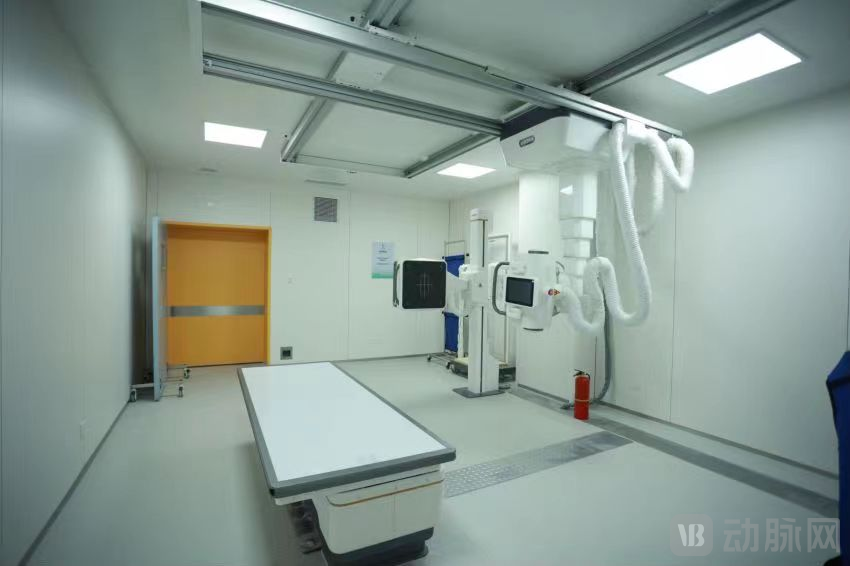
Notably, Wandong Medical, a medical imaging equipment enterprise under Midea Group, is one of the first companies in China to master core X-ray technologies, with its DR/DRF sales volume ranking first nationwide. In the construction of Qidi Children's Hospital, Midea started with equipment procurement and installation, providing the hospital’s imaging department with Wandong’s DRF-5A digital gastrointestinal fluoroscopy system and the New Oriental 1000FB ceiling-mounted DR. This approach improved the hospital’s project efficiency and reduced decision-making costs for users.
Identifying and fulfilling hospital construction needs, while delivering new value and significance to users, is the direction in which Midea Building Technologies is moving. Today, the company is leveraging its clean space solutions to endow Qidi Children's Hospital with "people-centric" spatial value.
Midea Building Technologies’ explorations in recent years have demonstrated the correctness of its strategic layout. The company has not only partnered with institutions such as Shanghai Tongji Hospital and Foshan Heyou International Hospital to conduct varying degrees of exploration in areas like smart hospital wards and digital hospital management, but it has also continuously collaborated with newly built specialized hospitals to address specific user needs, driving ongoing innovation in applications such as space purification, the Internet of Things (IoT), and artificial intelligence (AI).
The cleanroom space at Qidi Children’s Hospital serves as a showcase of Midea’s expertise in hospital facility construction, demonstrating the company’s deep understanding of healthcare spatial design. As a provider of smart building solutions, Midea will continue to deepen its engagement in the medical sector. By leveraging its iBUILDING Smart Brain for hospitals, Wukong Smart Ward, Smart Cleanroom Spaces, and High-Efficiency Plant Rooms, Midea aims to advance hospital intelligence and decarbonization, providing robust technical support and delivering greater value to healthcare facility development.