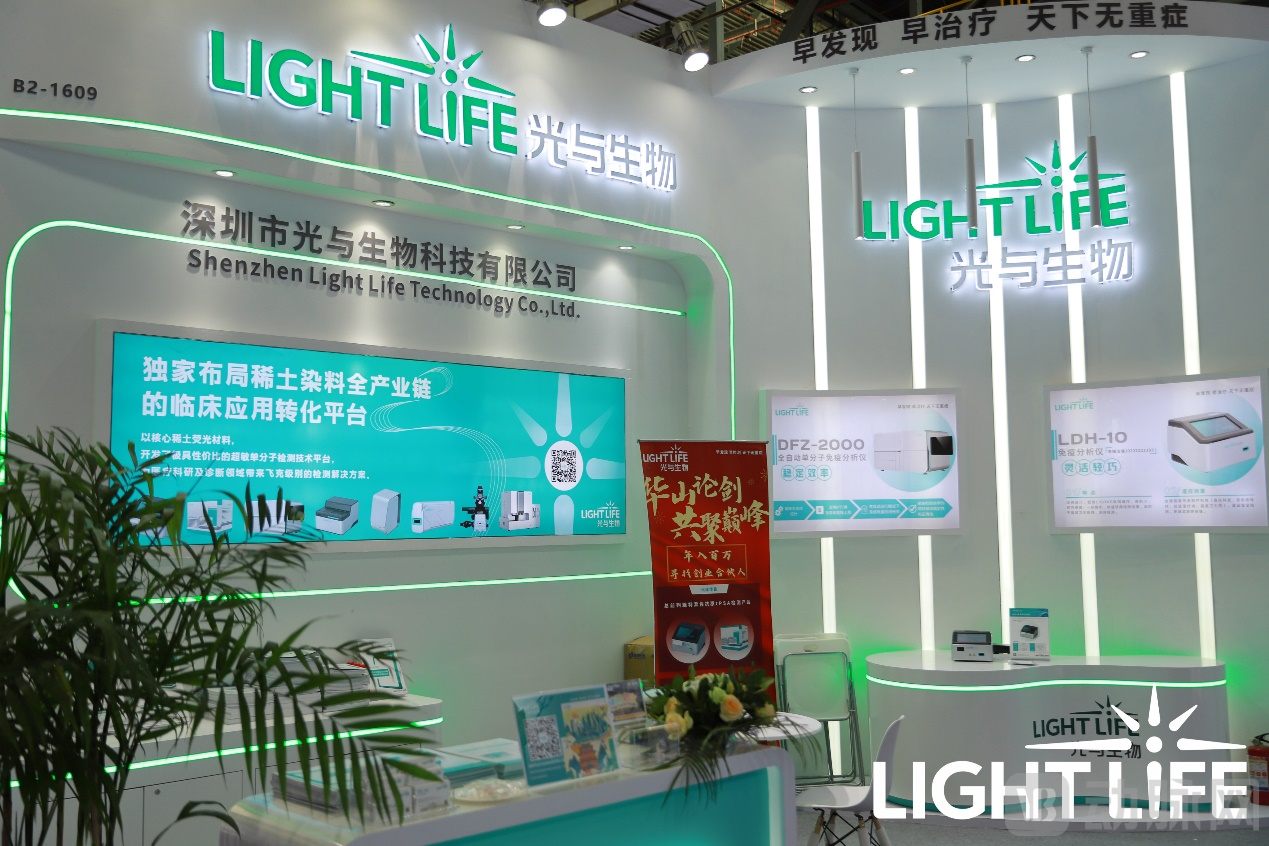
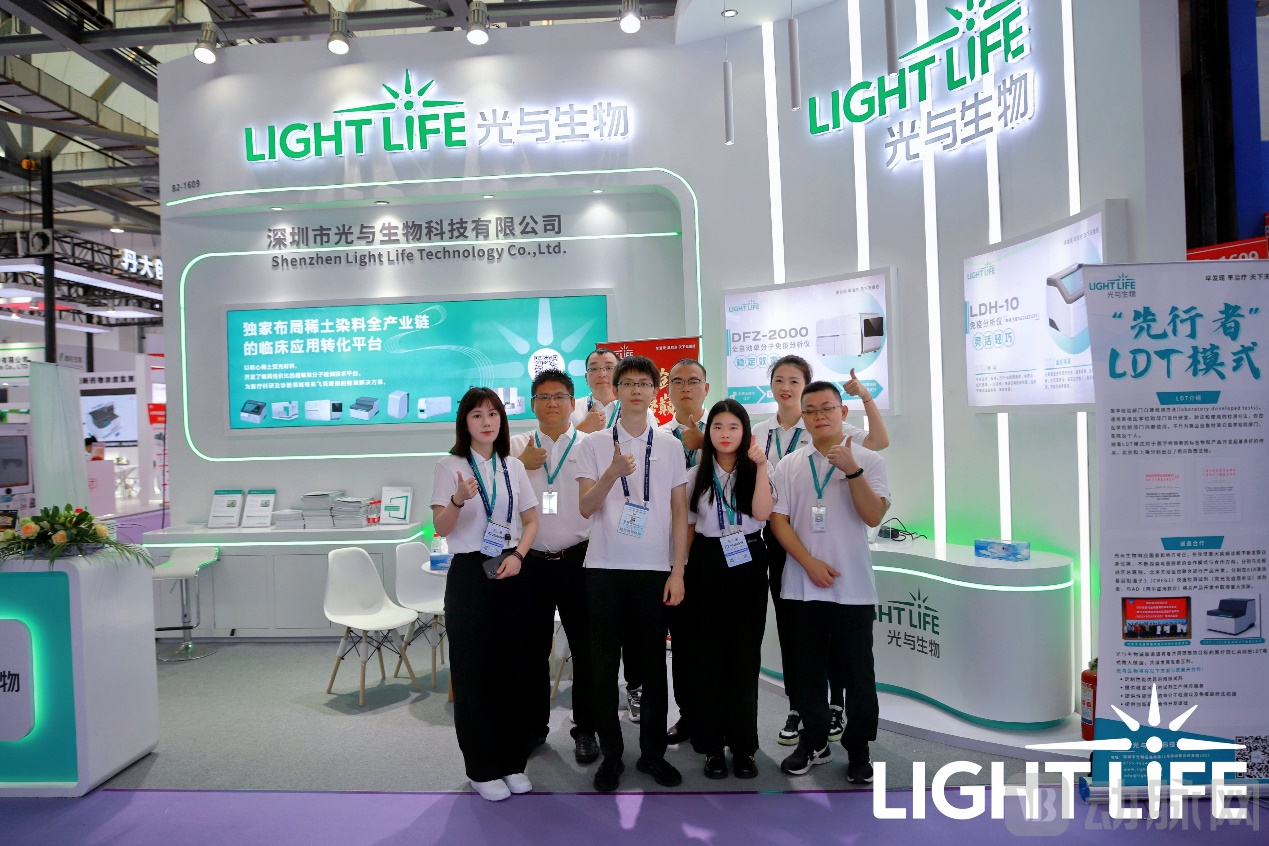
Guangyu Bio Seeks Entrepreneurial Partners to Advance Early Prostate Cancer Screening with Innovative tPSA Detection Solutions
On May 28, 2023, the 20th China International Clinical Laboratory & Transfusion Medicine Instrument and Reagent Expo (CACLP) officially opened at the Nanchang Greenland International Expo Center.

Spanning 130,000 square meters, the exhibition brought together more than 1,300 companies from over 20 countries and regions worldwide, covering the entire upstream, midstream, and downstream industrial chains of in vitro diagnostics (IVD), to convene in Nanchang for joint discussions on industry development trends and cutting-edge technologies.
At the exhibition, companies such as YHLO, Fapon Biotech, Zhongyuan Huiji, and Kehua unveiled new products, showcasing their latest R&D achievements to attendees.

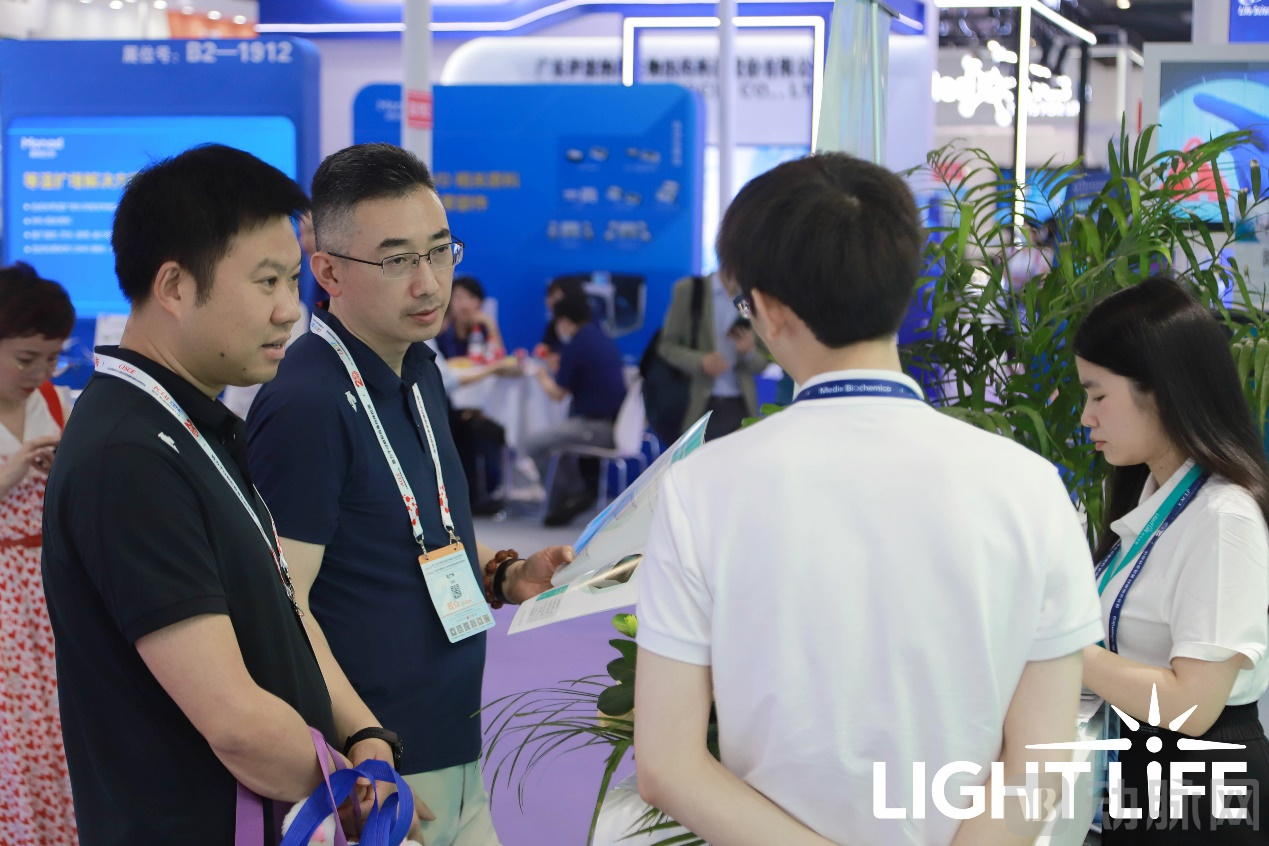
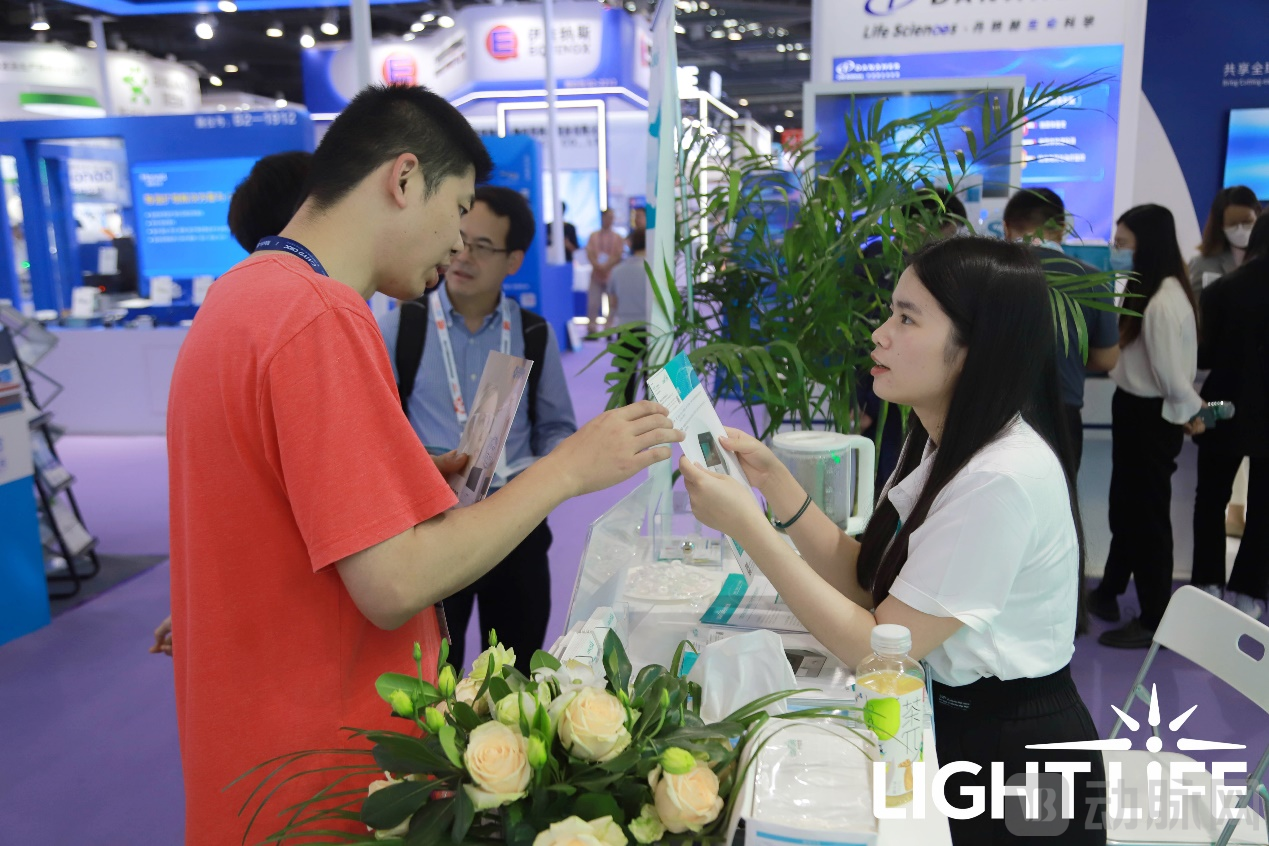
Brand-New Entrepreneurial Partnership Model: Co-Creating the Pinnacle
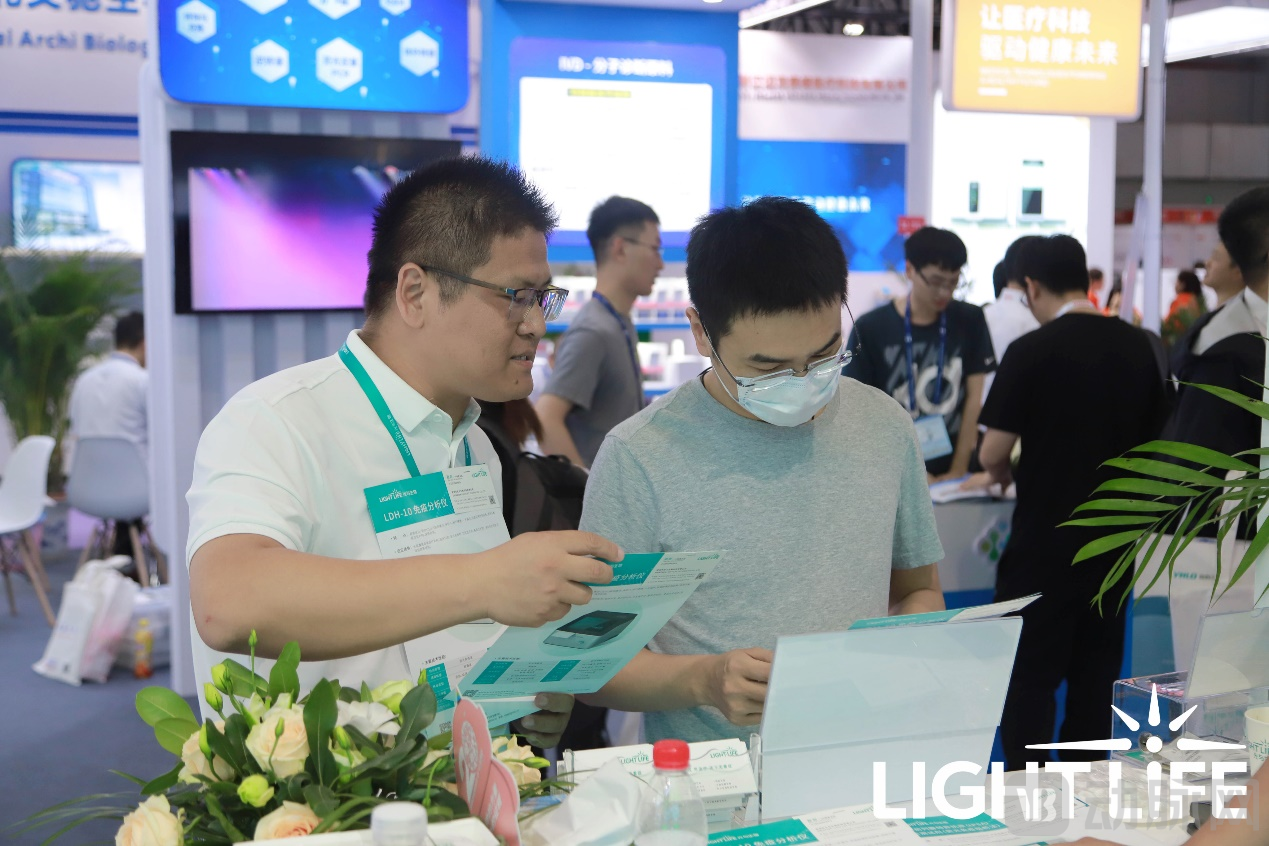
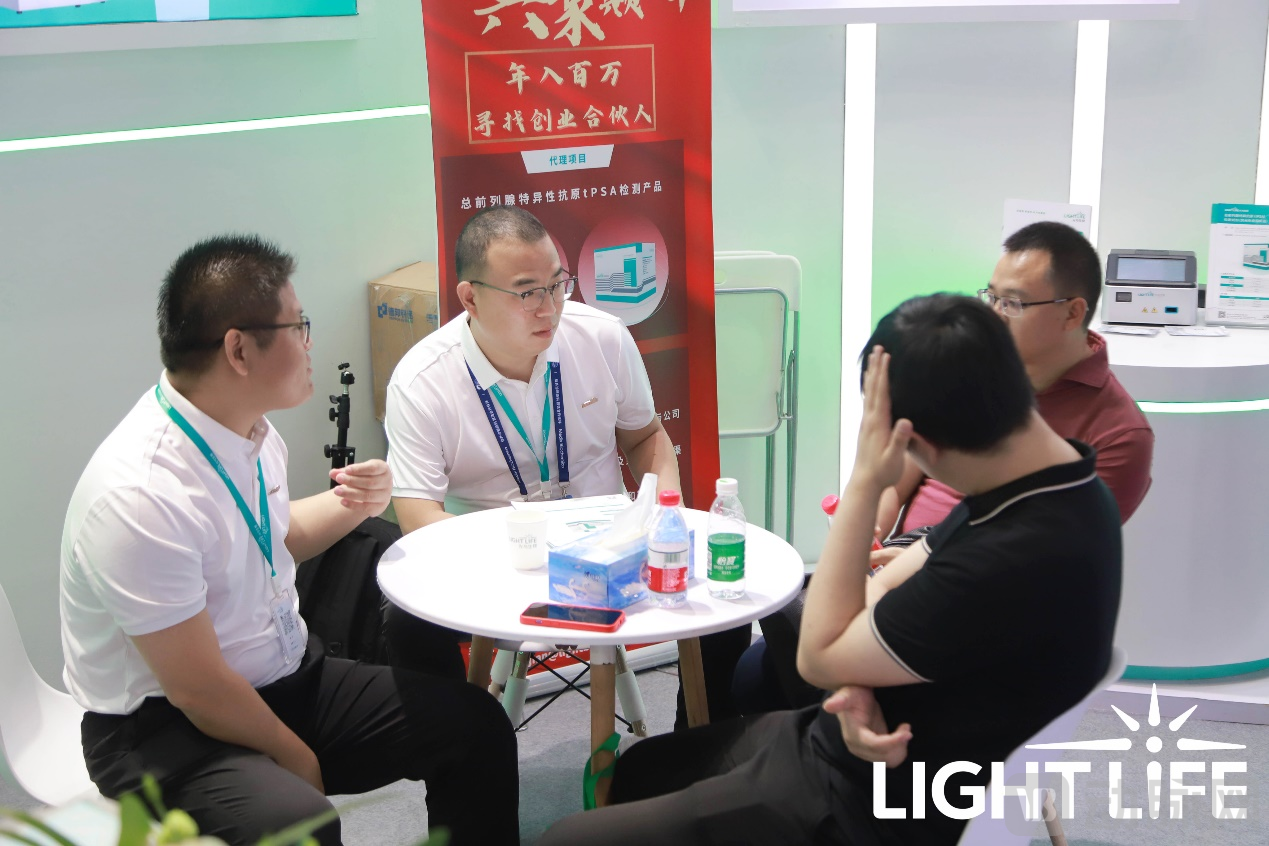
We are honored to have interviewed Mr. Zhao Jian, Sales Director of Guangyu Biology. Mr. Zhao introduced Guangyu Biology’s new agency partnership model, which differs from traditional medical sales approaches, and announced a nationwide call for agents for its total prostate-specific antigen (tPSA) testing products. Mr. Zhao welcomes young professionals who align with Guangyu Biology’s products and corporate philosophy, are committed to growing together with the company, possess relevant channels such as local medical institutions and third-terminals as well as government resources in their respective districts or counties, and have certain distribution and outreach capabilities to rural medical institutions, to join Guangyu Biology as entrepreneurial partners.
“Pioneer” LDT Model – Collaborative Win-Win
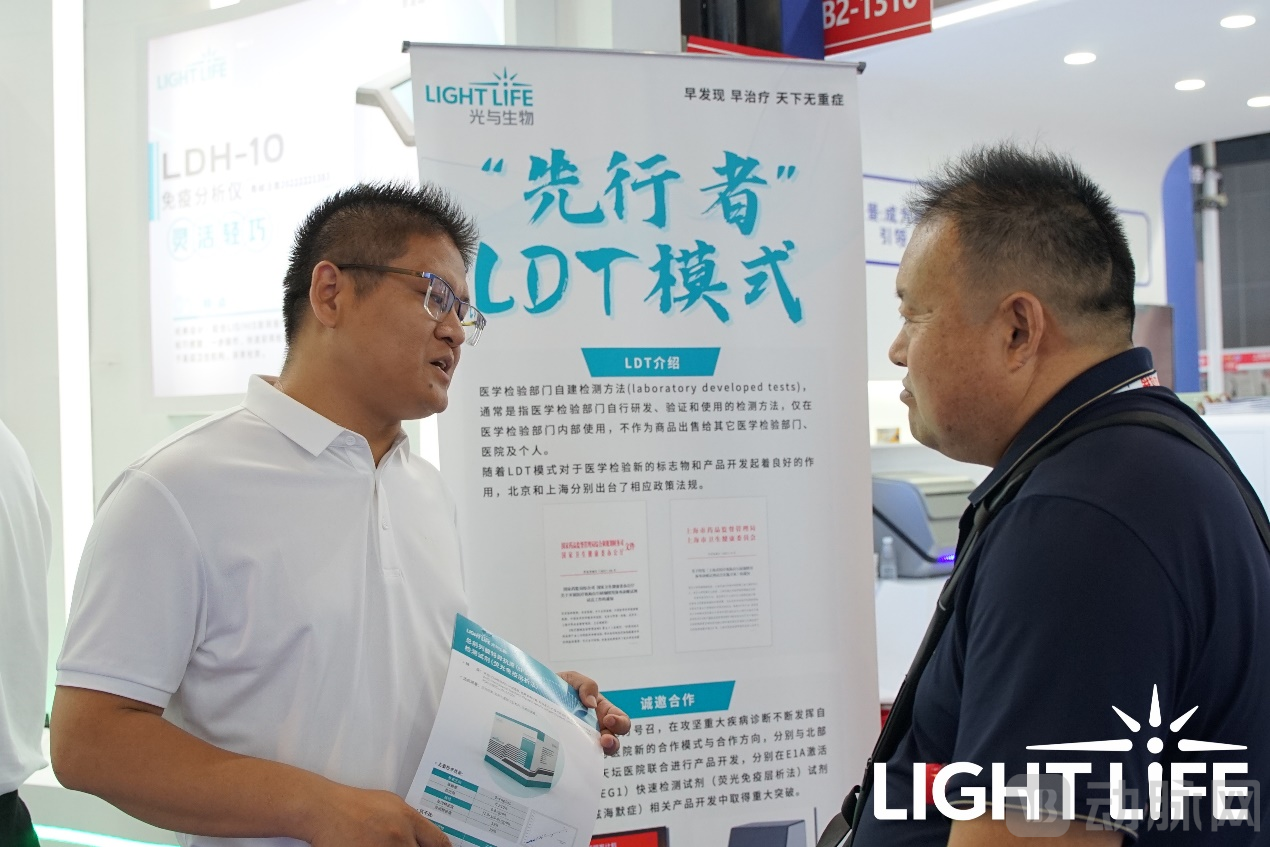
Meanwhile, Guangyu Shengwu also introduced the “Pioneer” LDT model. LDTs, grounded in molecular, genomic, and proteomic technologies, have paved the way for translating certain advanced technologies from the laboratory to clinical applications. Under the broader trend toward precision medicine, accelerating the deployment of LDT projects for clinical use has become an inevitable direction.
Following the successive introduction of relevant policies and regulations in Beijing and Shanghai, Guangyu Shengwu has actively responded to national and local initiatives. Leveraging its strengths in tackling the diagnosis of major diseases, the company has continuously explored new models and directions for collaboration with hospitals. It has jointly undertaken product development with the General Hospital of the Northern Theater Command and Beijing Tiantan Hospital, achieving significant breakthroughs in the development of a rapid detection kit for Cellular Repressor of E1A-Stimulated Genes 1 (CREG1) using fluorescence immunochromatography, as well as in products related to the detection of Alzheimer’s disease (AD) biomarkers.
LDTs are a vital channel for clinical innovation and lay the foundation for the future promotion of new technologies and drugs. Greater deregulation and encouragement are needed, with tolerance for errors being key to fostering innovation. We should explore regulatory pathways for LDTs to achieve formal registration, accelerate the translation of scientific achievements, and launch several new products.
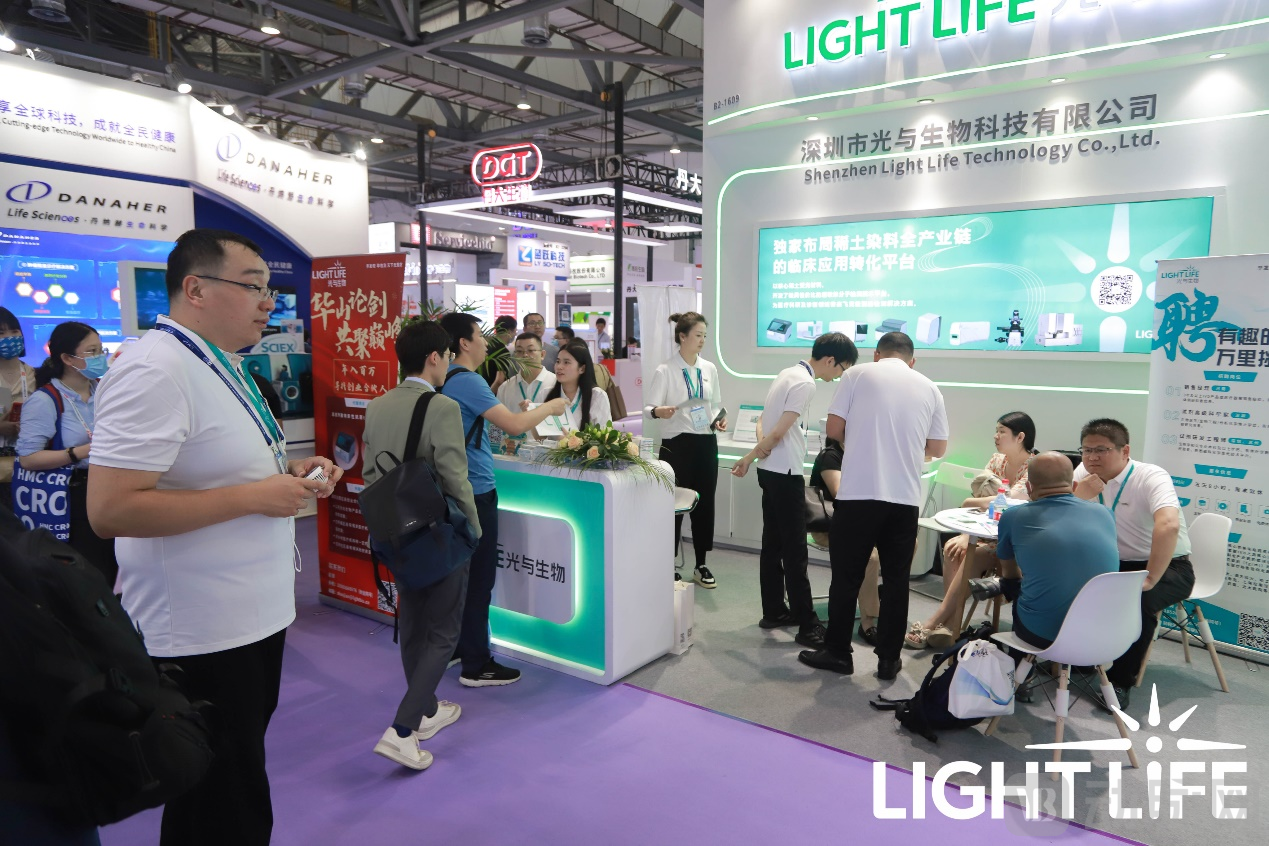
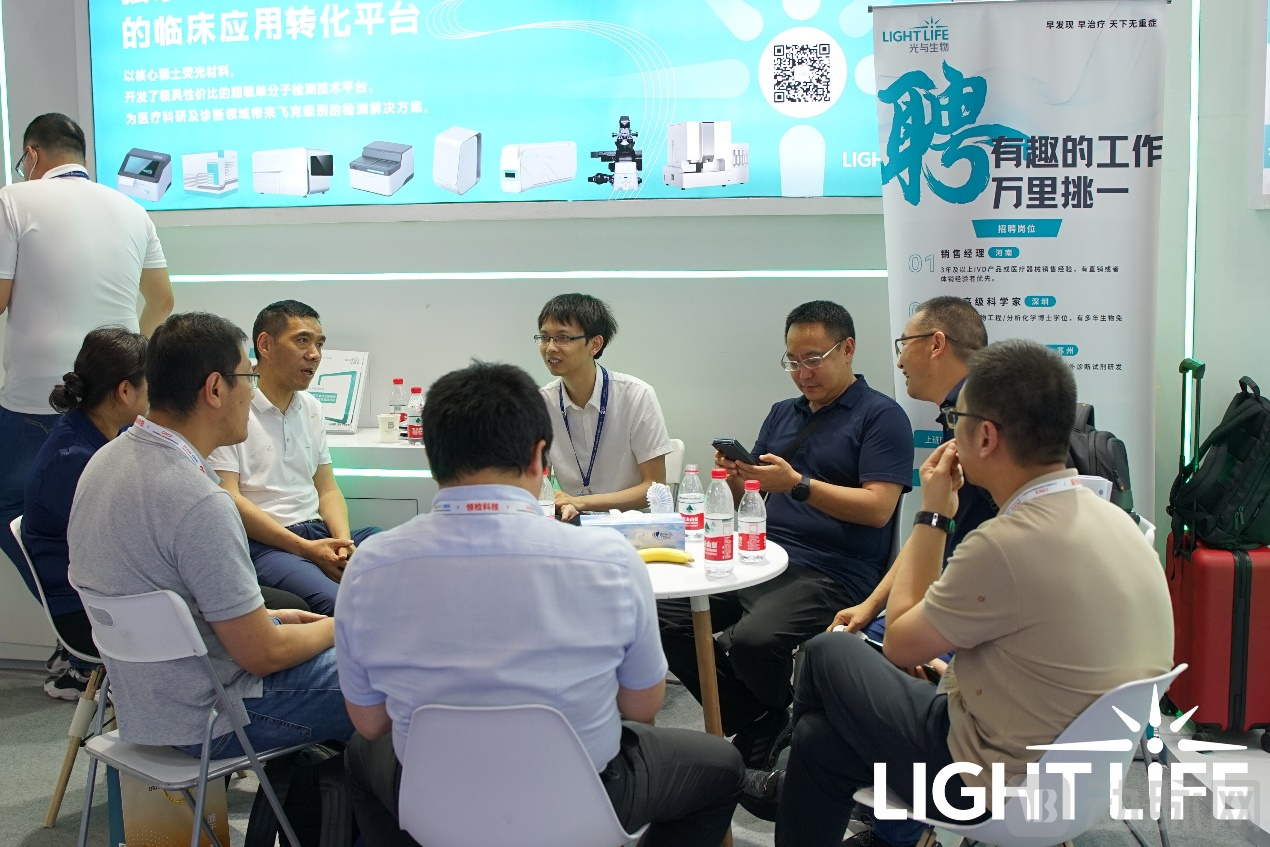
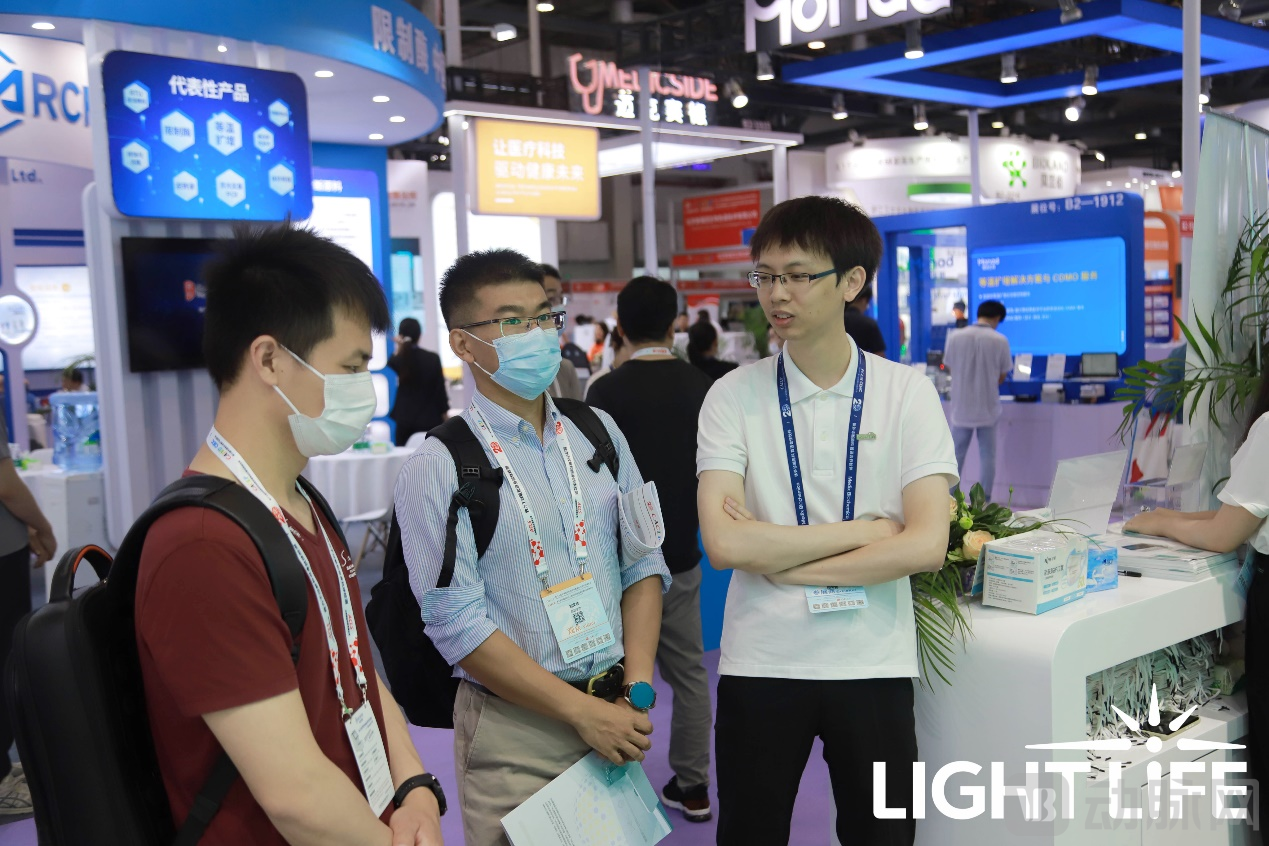
Finally, Dr. He Hao, the founder, introduced us to the future strategic layout of Guangyu Bio. The Guangyu Bio team will continue to focus on the innovation and development of bio-detection products centered around rare earth materials. Leveraging the superior optical properties and unique characteristics of rare earth elements, the company will further deepen its research into high-sensitivity rapid immunoassay platforms, ultra-sensitive single-molecule immunoassay platforms, multiplex flow cytometry immunoassay platforms, and rare earth-labeled mass spectrometry detection platforms, with a key investment in the development of various rare earth-labeled diagnostic reagents. Subsequently, it will collaborate with research institutions such as the Chinese Academy of Sciences to develop detection equipment suitable for diverse application scenarios, covering stages including exploratory discovery in protein research, scientific research, and clinical translation, ultimately applying these solutions across the entire ecosystem to accelerate the early screening of diseases through protein applications.
In response to the health challenges posed by population aging, future efforts will focus on cancer, cardiovascular diseases, and neurological disorders. For instance, as a provider of single-molecule detection technology solutions and a sub-project undertaking unit, we will collaborate with top-tier domestic clinical and research institutions—including Beijing Tiantan Hospital, Xuanwu Hospital of Capital Medical University, and the Institute of Medical Engineering of the Chinese Academy of Sciences—to undertake key projects under the Ministry of Science and Technology’s 14th Five-Year National Key R&D Program. These initiatives aim to develop single-molecule diagnostic reagents and clinical diagnostic criteria for Alzheimer’s disease, thereby supporting strategic layouts for early diagnosis and treatment. Let us look forward to Photonic Biotech delivering an outstanding performance in the future.