

Forethought Medical's Spine 3D Measurement System Becomes First FDA-Approved Device of Its Kind Developed in China, Targeting a Multi-Billion-Dollar Global Market
Chinese-Made Innovations Are Accelerating Their Global Expansion.
On May 29, Beijing time, Fusote, the technology provider implementing the “Initial Screening Technology Project for Scoliosis among Primary and Secondary School Students in Sanya City,” received further good news from the U.S. Food and Drug Administration (FDA):The “3D Spinal Measurement Instrument,” developed based on its proprietary patented technology, has received U.S. FDA clearance and is approved for official market launch and sales in the United States.
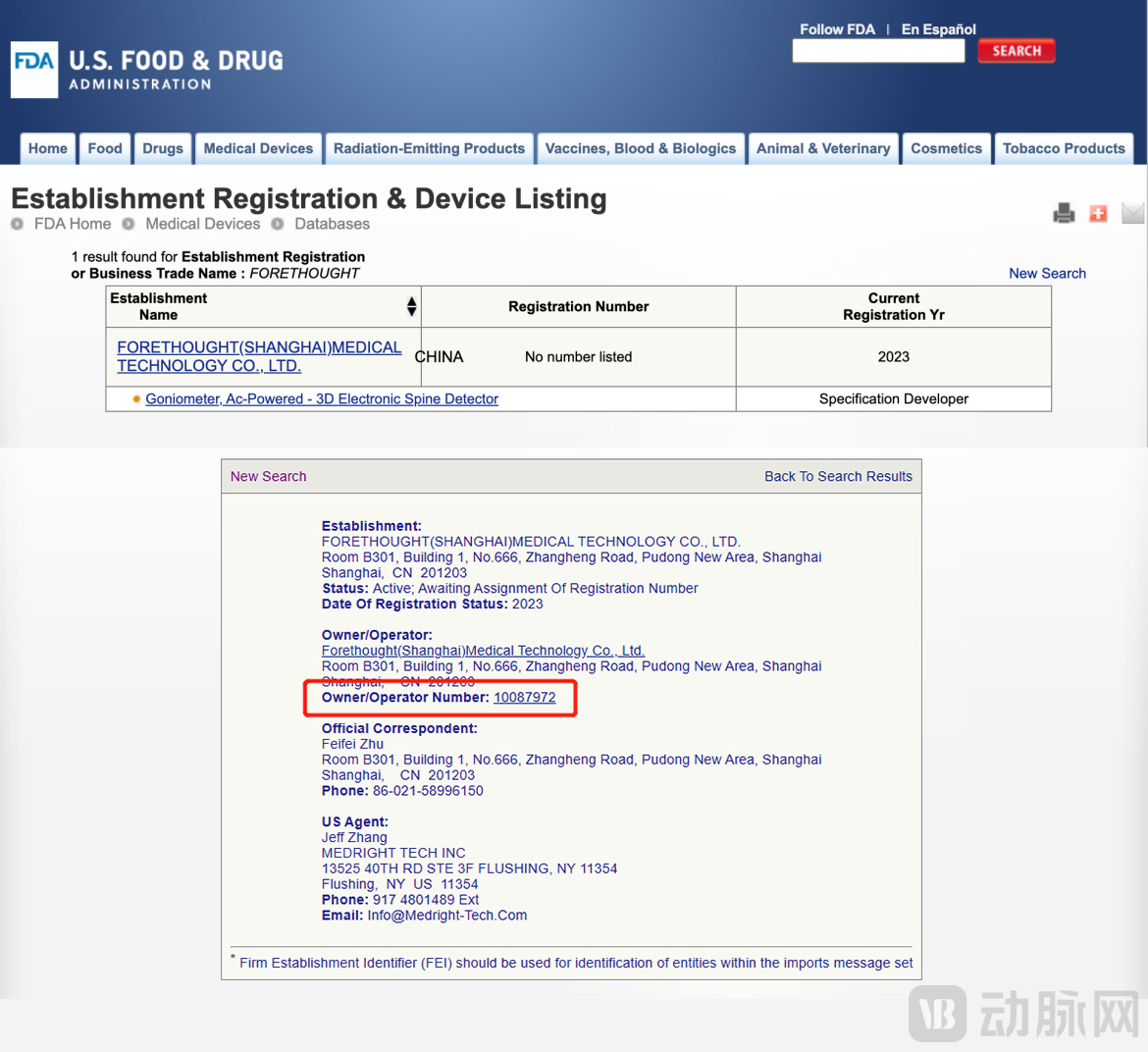
It is reported that,The 3D Spinal Measurement System is the first spine data acquisition and analysis system developed with original Chinese technology to receive FDA approval, featuring proprietary products and technologies.This product approval not only signifies that the technical capabilities of domestic manufacturers, represented by “Fusuote,” are sufficient to meet the most stringent regulatory requirements abroad, reflecting substantial progress in their innovation capacity and technological level. More importantly, it breaks the long-standing predicament in China’s medical device industry, which has been constrained by competitive pressure and technological barriers imposed by foreign brands, sending a positive signal for Chinese medical devices to exert innovative leadership and expand into international markets.
Scoliosis is a disabling deformity commonly occurring in children and adolescents. According to statistics from the National Health Commission, the number of primary and secondary school students with scoliosis in China has exceeded 5 million, with an annual increase of approximately 300,000 cases, making it the third major “killer” affecting the health of Chinese children and adolescents, after obesity and myopia.
Despite significant demand, research on abnormal spinal curvature and breakthroughs in related solutions have lagged considerably. On one hand, long-standing pain points in spinal assessment remain unresolved, with the market lacking a widely recognized, efficient, convenient, and cost-effective technology for measurement and screening. On the other hand, the strong demand for home-based testing—an ideal screening scenario—has yet to be met due to the absence of portable and standardized technologies.
Specifically, traditional scoliosis screening methods—such as physical examination, the Adams forward bend test combined with a scoliometer, Moiré topography, and radiographic X-ray examination—all have significant drawbacks.X-ray examination methods that require the subject to be exposed to radiation may cause irreversible adverse effects on the growth and development of adolescents, while also posing challenges for the follow-up observation of adolescent scoliosis. In contrast, traditional single-method scoliosis screening...Issues such as inconsistent measurement methods, varying levels of physician expertise, and slow image interpretation speeds fail to meet the demands of large-scale screening., and may lead to issues such as an excessively high false-positive rate in test results, inconsistency between the indeterminate positive rate and disease prevalence, and poor reproducibility of results.
This FDA ApprovalThe “3D Spinal Measurement System” is a novel screening method characterized by high sensitivity, accuracy, and safety. It is the world’s first radiation-free spinal health examination device capable of directly measuring the spinal Cobb angle and Angle of Trunk Rotation (ATR).In a double-blind clinical validation trial conducted at the Department of Radiology, Ruijin Hospital in Shanghai (with comparison to EOS, the most advanced international spinal X-ray imaging system), preliminary measurement results have demonstrated that the device exhibits significant concordance with conventional X-rays in the detection of scoliosis.
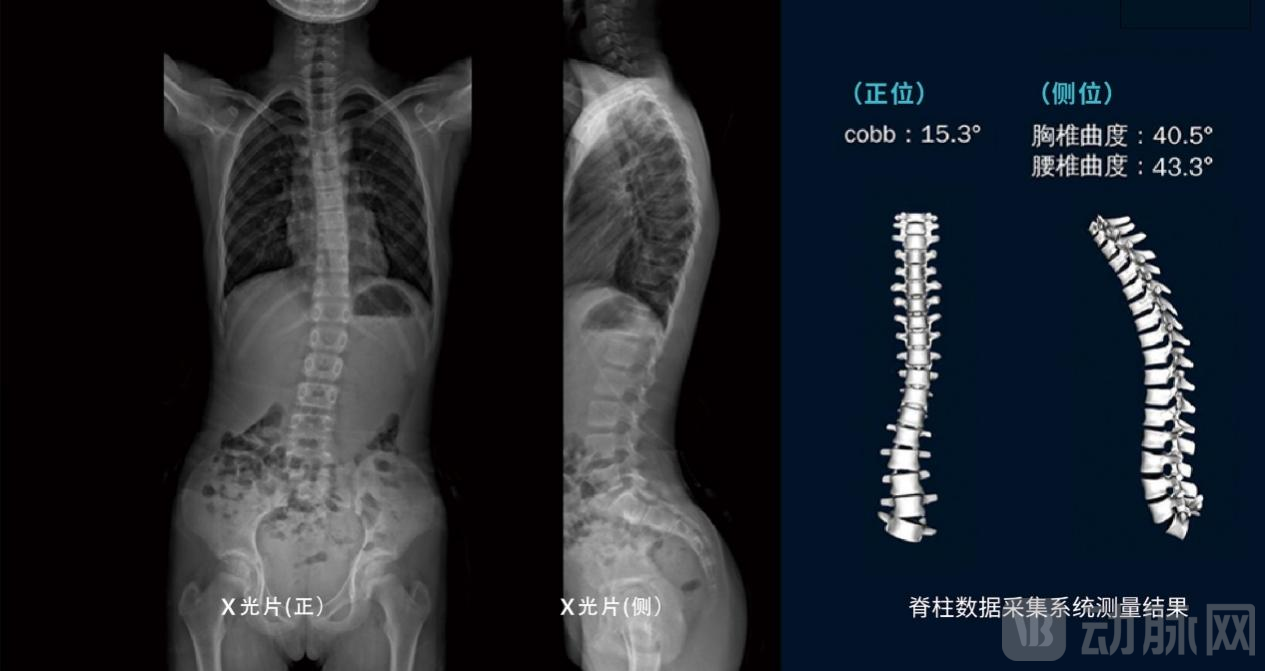
Comparison of Double-Blind Clinical Trial Results
This product integrates intelligent optical sensing technology, terrain scanning technology, and multi-sensor information fusion technology, supplemented by gain control technology, digital twin technology, and digital mapping technology.Radiation-free acquisition of 3D spinal reports (including data such as Cobb angle, thoracic curvature, lumbar curvature, and Angle of Trunk Rotation [ATR]), enabling a three-dimensional bionic mirror representation of the spine.Effectively addresses key pain points in traditional scoliosis diagnosis, including high false-positive rates and poor reproducibility of results due to varying levels of physicians’ measurement proficiency, as well as excessive radiation exposure.
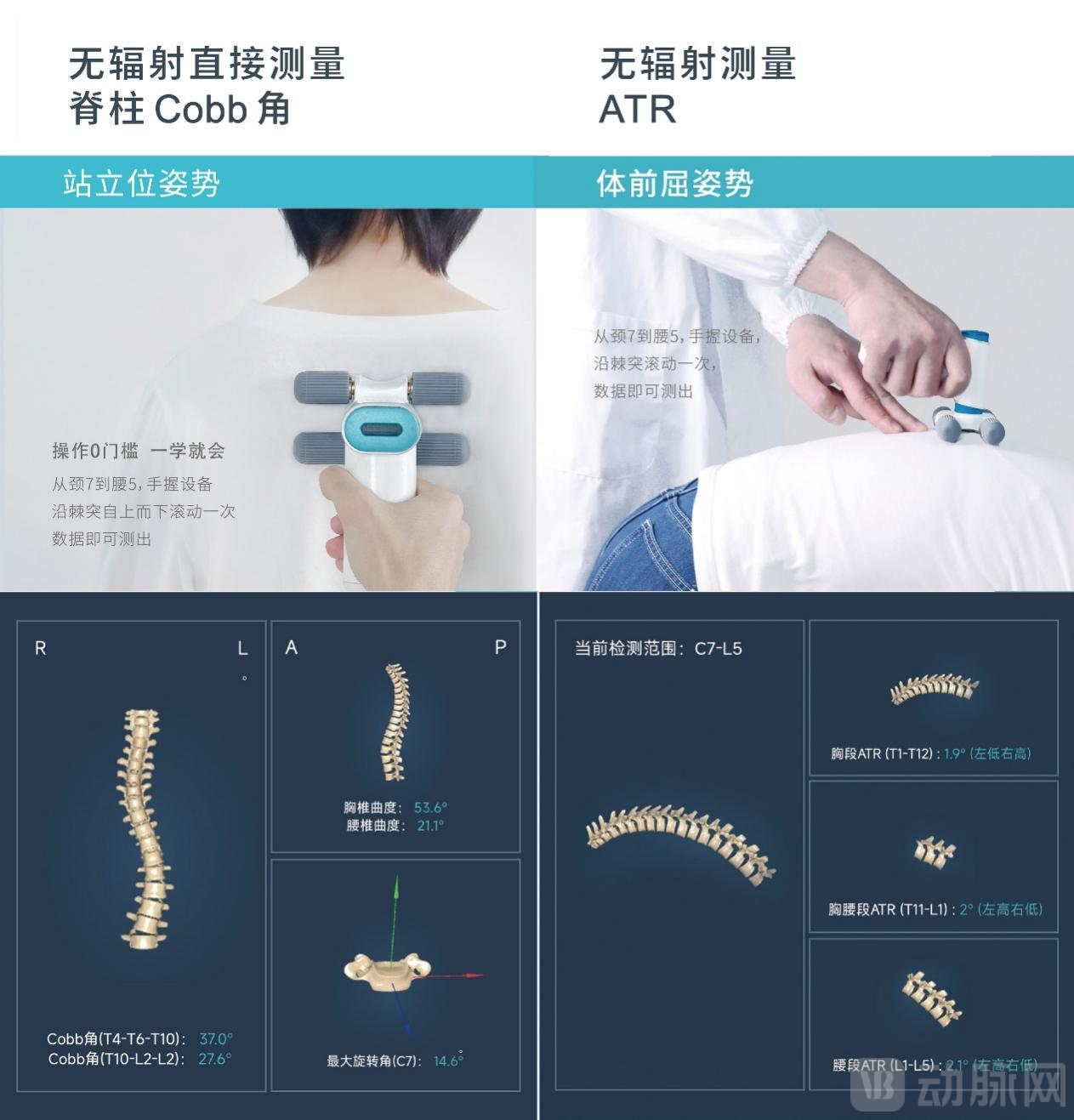
Simultaneous measurement of Cobb angle and ATR angle
It is worth mentioning that,This detection method also offers the advantages of simple operation and a low learning curve.In practice, the user simply holds the measuring wheel and rolls it once along the spinous processes from C7 to L5, completing the measurement within 10 seconds. This effectively addresses the challenge of insufficient radiologist availability in large-scale screening programs.
Having addressed the needs of hospital settings, and in light of the substantial demand for spinal monitoring in home environments, Fusote has also developed a cutting-edge product called “Xiao Shu Tongxue Spinal Detector,” designed to monitor and support healthy spinal development in children, along with a companion app-based spinal monitoring platform.Enable users to measure spinal health indicators with a detector in just one minute and view detailed reports via the app. If users wish,Detection data can also be shared with hospitals or online experts on the platform to obtain professional analysis and recommendations. This enables seamless integration between B-end and C-end users, as well as between hospitals and homes, providing comprehensive spinal health management services for children and adolescents.
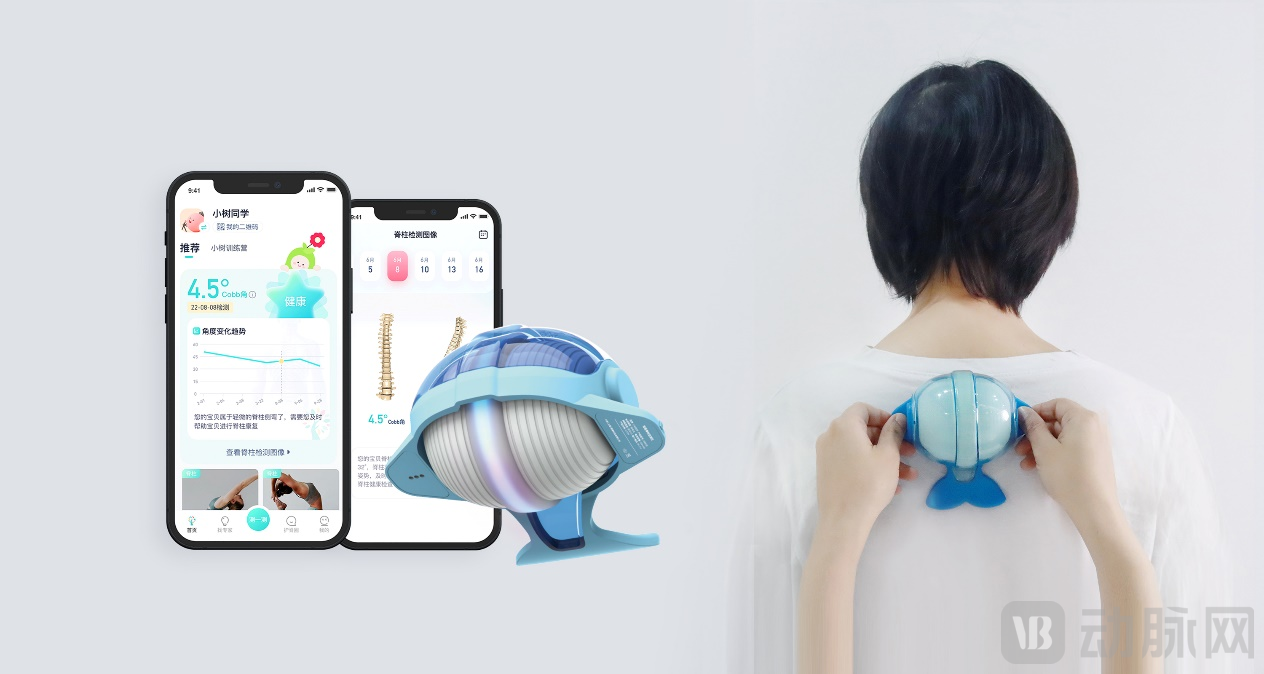
“Xiao Shu Classmate Spinal Detector” and “Xiao Shu Classmate APP Spinal Monitoring Platform”
It is understood that Fusote will obtain its Internet Hospital license this July, after which it will be rapidly deployed for market application.Building on the patient community established by Xiaoshu, Fusote will further seek collaborations with pharmaceutical companies and insurance providers to deliver end-to-end services for users.
In addition to its two flagship scoliosis screening products, Fusote has innovatively designed a set of metaverse-based rehabilitation exercises to address the issue of poor adherence to rehabilitation training among children and adolescents.Patients can access the metaverse for training simply by scanning a code with their smartphones. The training process requires no sensors; patients can advance by performing the correct movements according to the guided patterns, thereby addressing the issue of low patient adherence in traditional rehabilitation training.
To overcome the limitations of traditional brace products in diagnosis and treatment,Fusote also plans to launch a smart brace this year, creating a smarter, more cost-effective, and more environmentally friendly diagnosis and treatment solution.This smart brace can achieve data interoperability with Fosuote's spinal detection system, automatically adjusting support strength and angle according to the patient's spinal growth. Unlike traditional braces that require replacement with different sizes every three months, this smart brace only needs to be purchased once to accompany the patient through the entire treatment process, and it can also be recycled after treatment ends.
In just two years since its establishment, Fusote has built an integrated service chain covering education, screening, diagnosis and treatment, rehabilitation, and monitoring, while continuously refining the details of this chain to provide innovative and efficient solutions for spinal health. With the perfection of the closed-loop system encompassing screening, diagnosis, and treatment, along with domestic and international product certifications and the acquisition of an internet hospital license, Fusote’s commercialization process is set to accelerate.
Since 2021, the Chinese government has progressively rolled out relevant policies to promote screening for spinal disorders. For instance, two proposals submitted by members of the National Committee of the Chinese People’s Political Consultative Conference—namely, the “Proposal on Expediting Prevention and Control of Scoliosis in Children and Adolescents” and the “Proposal on Paying Attention to Spinal Health in Adolescents to Improve Their Overall Health Status in China”—have accelerated efforts to intervene in spinal health issues among children and adolescents.

Key Milestones in the Nationwide Large-Scale Implementation of Spinal Screening (Partial List)
This underscores the state’s emphasis on scoliosis screening and points to an impending surge in potential market demand, positioning Fusote at an optimal juncture for growth.From the current commercialization progress of Fusote, it is evident that the company has already initiated large-scale implementation.
One month ago, Fusote and China Resources Pharmaceutical jointly launched the “‘Backbone of the Nation’ Protection Initiative.” In collaboration with local government authorities, the initiative employs Fusote’s self-developed “3D Digital Diagnosis and Intelligent Treatment System for Spine” and the “Xiaoshu Classmate Spinal Detector” to conduct spinal health screenings among primary and secondary school students. According to the plan formulated by both parties, screenings will be completed in at least 10 cities this year, covering a total population of no less than 10 million people. Currently, the project has made initial progress in Wuhan, Harbin, Beijing’s Xicheng District, and other locations.
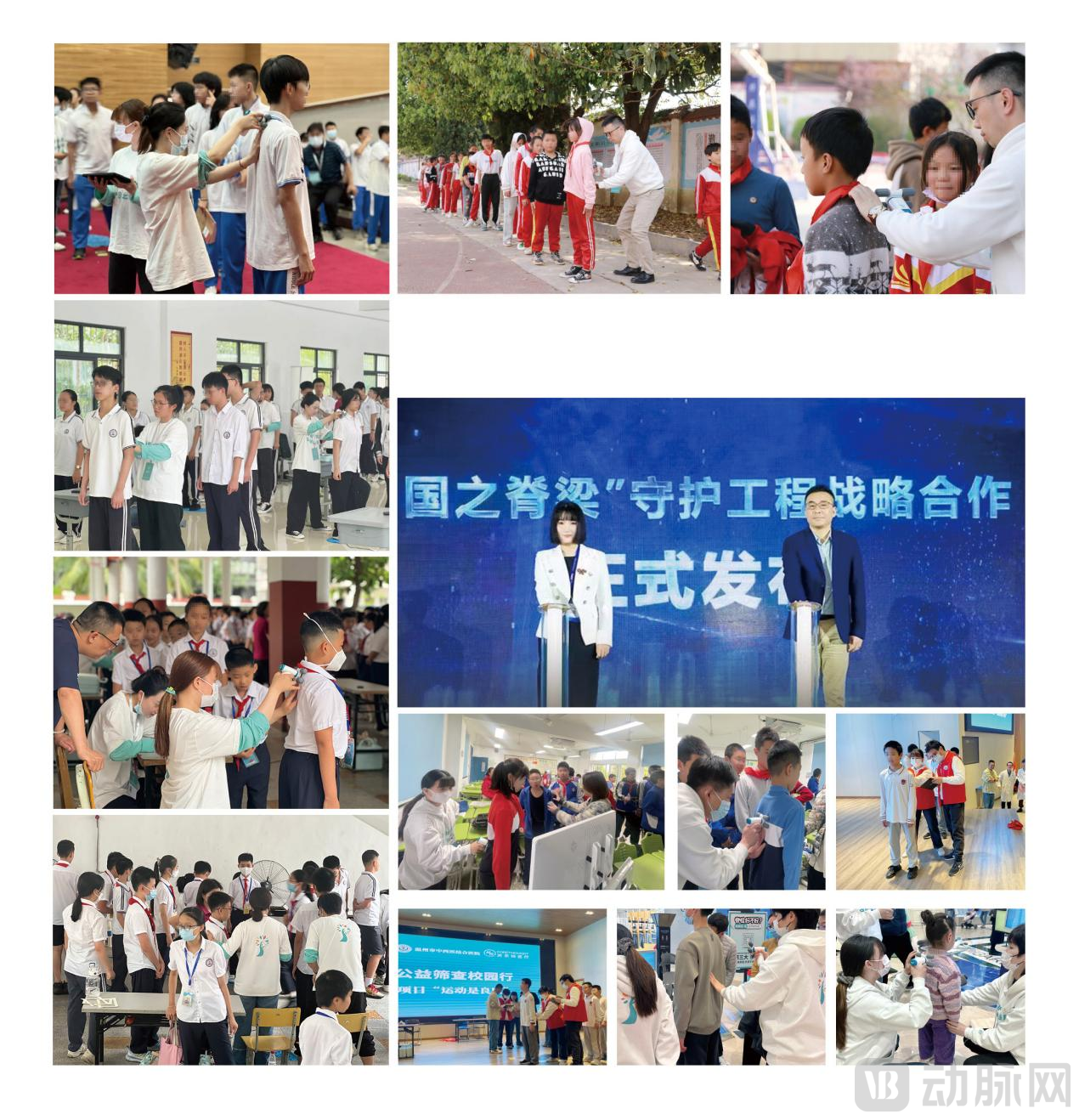
“Backbone of the Nation” Protection Project Screening Campaign Underway
Recently, the “2023 Sanya Primary and Secondary School Scoliosis Screening Project: Initial Screening Technology Initiative,” led by the Sanya Maternal and Child Health Hospital with Fusote participating as the provider of scoliosis screening technology, has achieved remarkable results. This initiative marks the first time in China that a government-led screening program has employed a radiation-free measurement tool capable of directly obtaining Cobb angles to assess spinal health among 96,000 primary and secondary school students in Sanya. Empowered by this cutting-edge technology, students in Sanya were able to undergo scoliosis examinations under safe and standardized conditions. These achievements serve as strong validation of Fusote’s commercial success.
It is reported that the company’s independently developed 3D spinal measurement system has obtained both China’s Class II medical device registration certificate and EU CE certification. The recent FDA approval signifies that Fusote has successfully entered the international market. Currently, Fusote holds 28 invention patents, establishing high technical barriers and strong technological scalability. In the domestic market, Fusote has already made significant strides and achieved remarkable results.
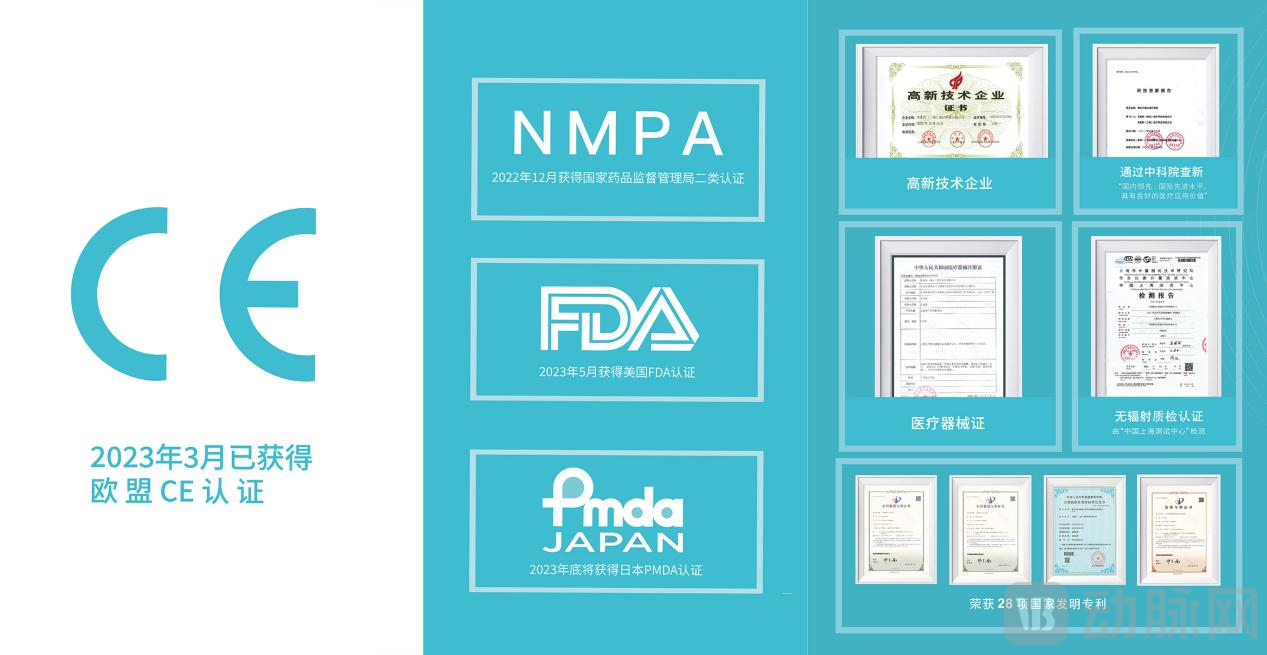
Official Authoritative Certifications Obtained by Fusote
Following its initial expansion into key global markets, Fusote will leverage the launch of its commercialization efforts as an opportunity to simultaneously intensify R&D in scoliosis equipment and expand detection capabilities to include the cervical spine through transducer iterations, with the aim of making advanced technologies more accessible to a broader range of countries in the future.
Supported by leading brands such as China Resources, Fusote has gained greater potential. On one hand, Fusote will continue to increase its investment in research on scoliosis equipment, expand indications to include degenerative scoliosis in the elderly, and extend the detection range to the cervical spine through probe iterations. Building on its scoliosis offerings, the company will further expand into product areas such as pediatric and adolescent flatfoot and obesity, striving to create a comprehensive one-stop platform for healthy development in children and adolescents. On the other hand, it will leverage the patient community established by “Xiaoshu Tongxue” to seek collaborations with pharmaceutical companies and insurance providers.
Additionally, He Dan, founder of Fusote, revealed that since obtaining the medical device registration certificate in December 2022, Fusote’s 3D electronic spinal measurement system has been marketed in hospital settings. However, the company has not limited its commercialization efforts to hospitals alone. In the future, the company plans to collaborate with academic institutions on research projects, such as exploring treatments for Alzheimer’s disease from a neuroscience perspective or developing rehabilitation devices for patients with high-level paraplegia. These initiatives point to a blue-ocean market worth tens of billions of yuan.
As can be seen, Fusote’s development trajectory and technological roadmap are not isolated; rather, they are interlinked to form a cohesive network. Consequently, this technology becomes increasingly difficult to surpass, and as the company clears successive market access hurdles, its commercialization process will accelerate rapidly.
It is reported that the company is currently undergoing Series A financing to accelerate its commercialization efforts.