

TISSIUM Files for IPO Following €200 Million in Total Funding to Advance Its Bio-Inspired Programmable Polymers for Tissue Reconstruction
TISSIUM
Biopolymer R&D and Production Company
In minimally invasive surgery, suturing not only demands exceptionally high technical proficiency from the operator but is also highly time-consuming; even minor inadvertent errors can result in local tissue injury. Traditional sutures and skin staples may cause mechanical damage to tissues, and post-suturing wounds are prone to dehiscence, leakage, and inflammation. Furthermore, associated postoperative complications, such as anastomotic bleeding and fibrous adhesions to surrounding organs, can lead to severe clinical consequences for patients. To mitigate treatment risks and improve therapeutic outcomes, medical adhesives are commonly used in clinical practice as an alternative to traditional suturing methods.
However, clinically available adhesives, such as medical-grade cyanoacrylate (CA) and fibrin sealants, exhibit weak adhesive performance under dynamic in vivo conditions and possess toxicity, rendering them unable to withstand the mechanical forces within cardiac chambers and major blood vessels. Moreover, some adhesives achieve tissue adhesion through chemical reactions with functional groups on tissue surfaces, thereby precluding their efficacy in the presence of blood.
In recent years, research teams worldwide have actively conducted studies and achieved certain results to better realize the reconstruction of damaged tissues and the restoration of their natural functions.
On May 23, TISSIUM, a private life sciences company headquartered in Paris, France, and Boston, USA, dedicated to the development of fully synthetic, bio-inspired programmable polymers, announced the completion of a €50 million Series D financing round, with participation from Cathay Capital’s Global Healthcare Fund. This marks Cathay Capital’s second investment in TISSIUM, following its lead role in the company’s Series C financing in August 2021.
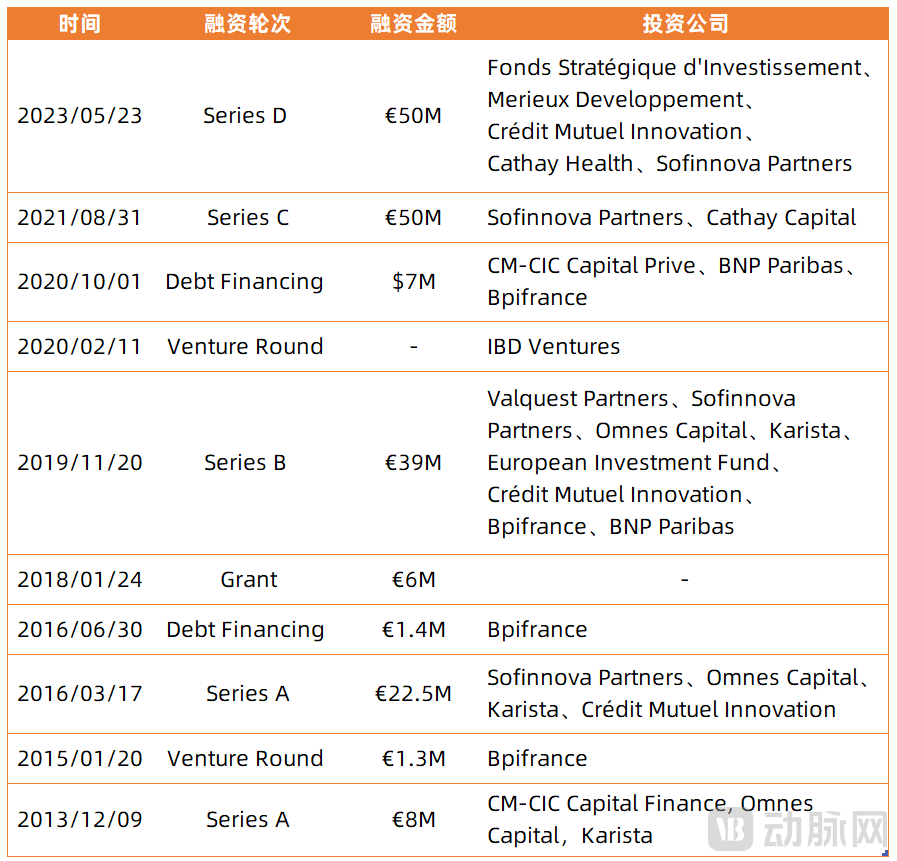
TISSIUM’s Historical Financing Rounds (Compiled from Public Information)
“Nature provides immense inspiration for developing solutions to medical challenges, and wound closure is no exception. Our scientists observed that the mechanisms of adhesion in nature function in a manner remarkably similar to the process of wound suturing. This insight helped them envision entirely new solutions for wound closure,” said Professor Robert Langer of MIT’s David H. Koch Institute, co-founder of TISSIUM.
Professor Robert Langer is the youngest individual to be elected as a member of all three U.S. National Academies. His primary research focuses on targeted drug delivery systems and tissue engineering. He has published over 1,500 academic papers and helped incubate more than 40 biotechnology startups, earning him the title of “Father of Tissue Engineering and Drug Delivery.”
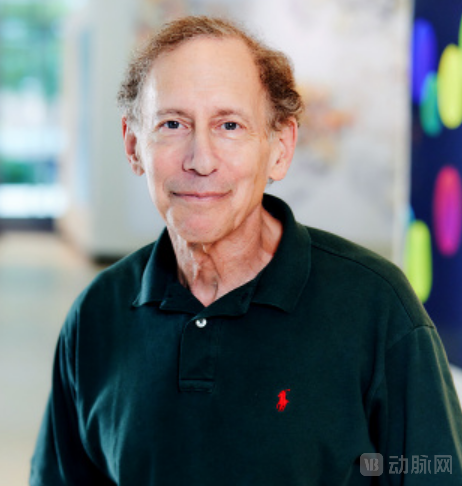
Professor Robert Langer (Image source: MIT)
Sandcastle worms are organisms that inhabit coastal shorelines. They secrete a gelatinous mucus that binds sand and shell fragments together to construct sturdy tubes, forming their protective shells. The robust underwater adhesiveness of sandcastle worm mucus has attracted the attention of scientists.
Inspired by sandcastle worms, Professor Robert Langer and Professor Jeffrey Karp of Brigham and Women’s Hospital at Harvard Medical School led a team to combine safe, natural compounds such as glycerol and sebacic acid, developing a high-viscosity prepolymer. This prepolymer can be activated on demand within seconds by visible blue light to form a surgical adhesive with strong adhesion and elasticity.
This “bio-inspired” adhesive is non-toxic, bonds firmly to tissues, and provides leak-proof seals as needed. Moreover, it performs effectively in environments with actively contracting tissues and blood flow, and can be used alone or in combination with biodegradable patches to effectively repair cardiac defects and vascular ruptures during minimally invasive surgeries.
Based on the aforementioned research, Professor Robert Langer and Professor Jeffrey Karp jointly founded Gecko Biomedical in 2013, and later renamed the company TISSIUM in 2019.
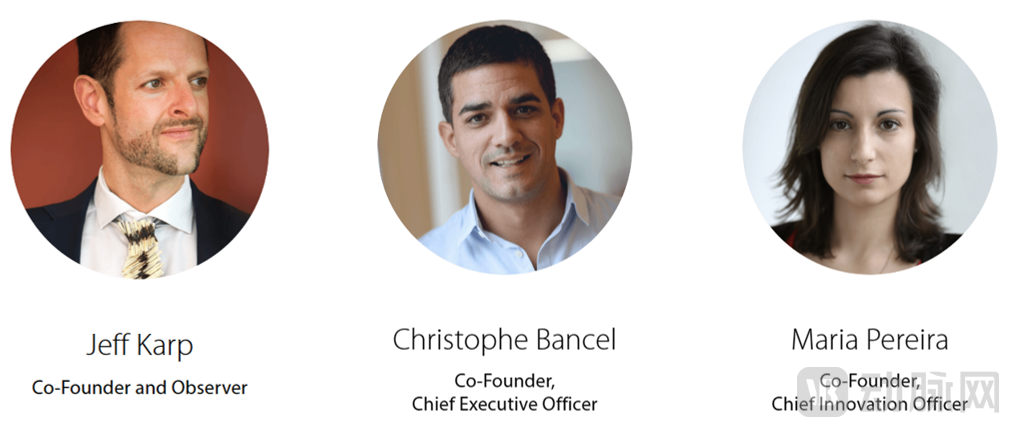
Several Co-founders of TISSIUM (Image source: TISSIUM official website)
TISSIUM is developing a portfolio of products spanning multiple vertical sectors, with each product enhancing the tissue regeneration process in a unique way. Additionally, the company has developed complementary delivery and activation devices to improve the performance and usability of its products.
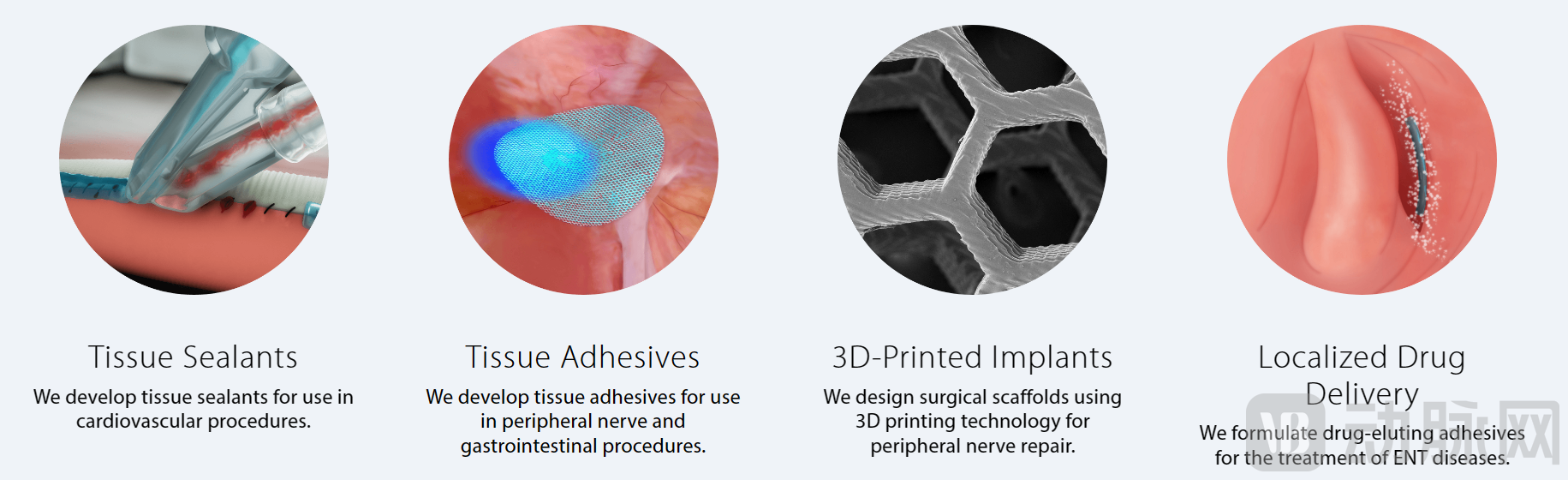
Multiple Fields Covered by TISSIUM Products (Image Source: TISSIUM Official Website)
Cardiovascular Field: Vascular Sealants for Cardiovascular Surgery
TISSIUM’s flagship product, SETALIUM™ Vascular Sealant, is a novel on-demand synthesized photo-activated poly(glycerol sebacate) acrylate (PGSA). Designed for in situ tissue application, it can be activated by a proprietary light-activation pen in moist environments and serves as an adjunct to sutures to achieve immediate hemostasis during peripheral vascular surgery.
SETALIUM™ Vascular Sealant demonstrates favorable biocompatibility and an acceptable safety profile. In preclinical animal studies, 100% of subjects achieved clinically significant hemostasis in carotid artery and aortic models. Biocompatibility testing revealed no significant toxic reactions with SETALIUM™ Vascular Sealant at either the standard clinical dose or at 40 times the clinical dose. In clinical studies, rapid hemostasis was achieved in 84% of cases during carotid artery reconstruction, with no related adverse events reported.
SETALIUM™ Vascular Sealant received CE Mark approval in June 2017. On November 17, 2020, TISSIUM announced that the Investigational Device Exemption (IDE) for this vascular sealant had been approved by the FDA. Currently, TISSIUM is accelerating the development of its vascular indications and expanding its platform.
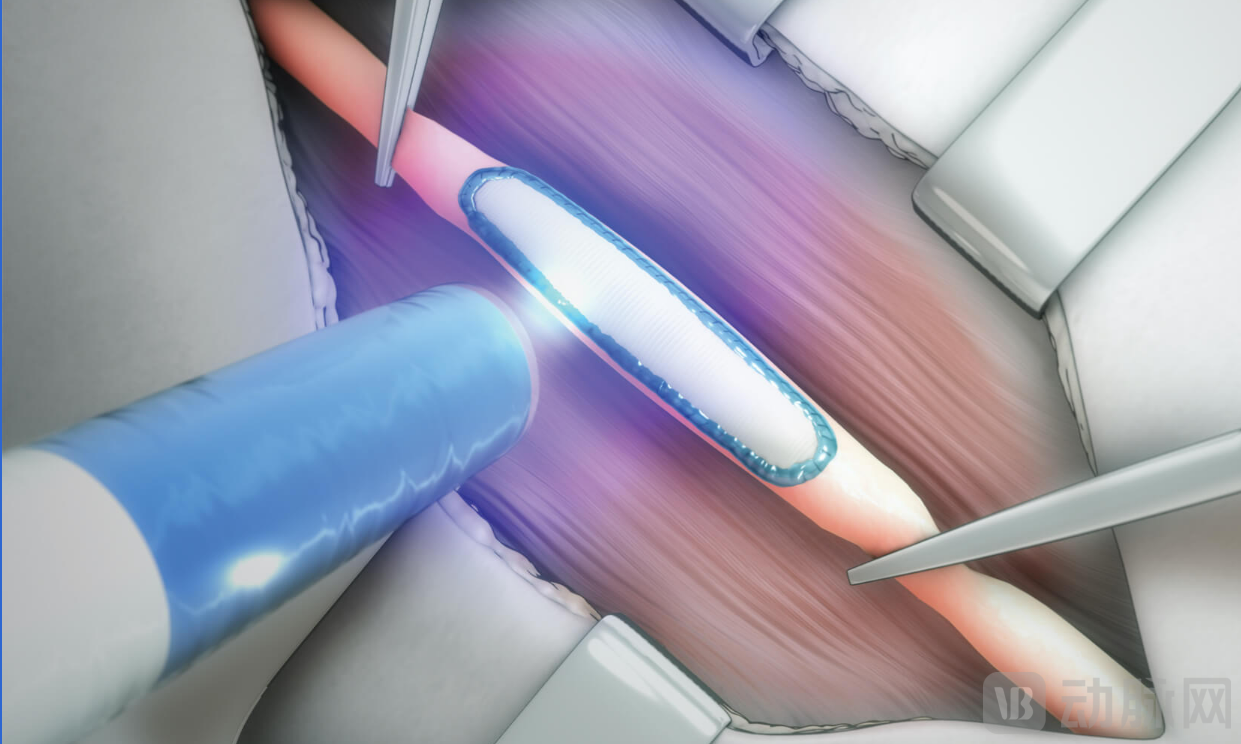
Schematic Diagram of the Mechanism of Action of Vascular Sealant (Image Source: TISSIUM Official Website)
Gastrointestinal Field: Adhesives for Hernia Repair
TISSIUM’s unique biopolymer platform is based on a novel material that is biocompatible, bioconformable, and biodegradable. This material is a high-viscosity, light-activated surgical adhesive. It enables precise positioning and adherence to hernia defects while avoiding the trauma associated with traditional penetrating fixation methods, making it an ideal choice for minimally invasive procedures such as hernia repair.
TISSIUM previously conducted a study on the safety and efficacy of its system products. In this study, the TISSIUM system was used as an alternative to hernia tacks for fixation in a porcine model with abdominal hernias undergoing intraperitoneal onlay mesh (IPOM) repair. The results demonstrated that the device could integrate with underlying tissues and maintain long-term mesh fixation, effectively preventing hernia recurrence while exhibiting good local tissue tolerance.
In addition to advancing preclinical testing of adhesives for hernia repair, TISSIUM has received funding from the Crohn’s & Colitis Foundation to collaborate on solutions aimed at improving outcomes for patients with inflammatory bowel disease.
Peripheral Nervous System Field: 3D-Printed Surgical Scaffolds for Peripheral Nerve Repair
As nerve connectors become an increasingly popular component in the surgical treatment of peripheral nerve injuries, TISSIUM has developed the COAPTIUM Connect system. This system consists of a biodegradable, light-activated surgical adhesive and a protective coating “cuff,” enabling materials to be 3D-printed into a range of off-the-shelf nerve “chambers.” Compared with traditional nerve connectors, these nerve “chambers” feature unique capabilities such as enhanced transparency achieved through cutting-edge digital light projection technology.
Currently, the product is undergoing its first-in-human study in Australia. With the support of the Translational Trials Team at the Translational Research Institute and Professor Randy Bindra at Gold Coast University Hospital, the first cohort of patients has been successfully implanted. The patients are recovering well postoperatively.
Otolaryngology: Drug-Eluting Adhesives for the Treatment of Chronic Rhinosinusitis (CRS)
TISSIUM’s drug-eluting polymer is designed to remain at the target site and provide sustained, localized delivery of steroids to inflamed tissues. Currently, TISSIUM is leveraging this polymer’s drug-delivery capabilities to develop anti-inflammatory agents for the treatment of nasal and sinus mucosal inflammation, aiming to maximize therapeutic efficacy while minimizing systemic toxicity. In the future, this technology may be expanded to other otolaryngology indications and used to deliver bioactive molecules such as antimicrobial agents. Additionally, the polymer can serve as a local anesthetic, reducing the need for postoperative opioid therapy.
The French Tech 120 program, launched by the French government in 2019, aims to provide individualized and team-based support to the “most promising” French startups on strategic issues such as international expansion, financing, recruitment, industrial integration, intellectual property, and regulatory matters. As of this year, TISSIUM has been selected for the program for four consecutive years.
According to Christophe Bancel, CEO of TISSIUM, 2023 will be a pivotal year for the company, with significant milestones to be achieved across all its vertical sectors. In particular, its first commercial products, scheduled for launch in 2024, are now entering their final critical phase.
Currently, TISSIUM is striving to expand its product portfolio into new therapeutic areas and pursuing international expansion by leveraging its in-house production capabilities, advanced manufacturing facilities, and strategic partnerships established in select vertical sectors.