

Bianque 'Origin Warehouse' Model Gains Momentum with 21 Traditional Chinese Medicine Regions at Inaugural China Dao-di Herbal Medicine Industry Conference
Quality standardization is a necessary prerequisite for achieving the modernization of traditional Chinese medicine (TCM) and an inevitable path toward its high-quality development. Within the current trend of revitalizing and advancing TCM, several emerging developments warrant attention.
In terms of policy, China is continuously advancing the volume-based procurement (VBP) of pharmaceuticals to promote the industrial upgrading of traditional Chinese medicine (TCM) materials. Recently, the first national centralized joint procurement of TCM decoction pieces was successfully implemented, which will foster healthy competition characterized by “premium quality at premium prices” in the decoction pieces market and drive high-quality development across the entire industry.
In terms of the market, China’s traditional Chinese medicine (TCM) sector has long faced challenges such as disordered resource exploitation, insufficient variety innovation, and subpar quality standards. It is therefore crucial to strengthen quality assurance at the source of authentic TCM medicinal materials and foster industrial development.
In this context, jointly hosted by the China Association of Traditional Chinese Medicine and the China Rural Development Association“The 1st China Daodi Herbs Industry Conference & National Chinese Herbal Medicine Rural Revitalization Conference””held in Chengdu from May 29 to 31.
Themed “Developing Authentic Chinese Medicinal Materials to Promote Rural Revitalization,” the conference hosted multiple high-level sessions on enhancing quality and ensuring stable supply of authentic Chinese medicinal materials nationwide, rural revitalization through Chinese medicinal materials, ecological development of authentic Chinese medicinal materials, the Sichuan-produced authentic Chinese medicinal materials industry, nationwide promotion and implementation of the new Good Agricultural Practice (GAP), and clinical application of authentic Chinese medicinal materials. Leaders from relevant national departments and representatives of industry associations were invited to attend and deliver speeches. More than 2,000 participants from local governments in major producing regions of authentic Chinese medicinal materials, traditional Chinese medicine (TCM) enterprises, TCM hospitals, TCM clinics, and various sectors across China attended the conference.
During the conference, several key projects were signed and launched, including“Thousand Townships and Ten Thousand Cooperatives Chinese Herbal Medicine Technology-Driven Agricultural Revitalization Program” “Chinese Herbal Medicine Digital Origin Warehouse Project” “Sichuan Herbal Medicine Digital Origin Warehouse Project”etc. These initiatives will further drive the modernization and upgrading of the Chinese herbal medicine industry, injecting new vitality into the revitalization of Traditional Chinese Medicine (TCM).
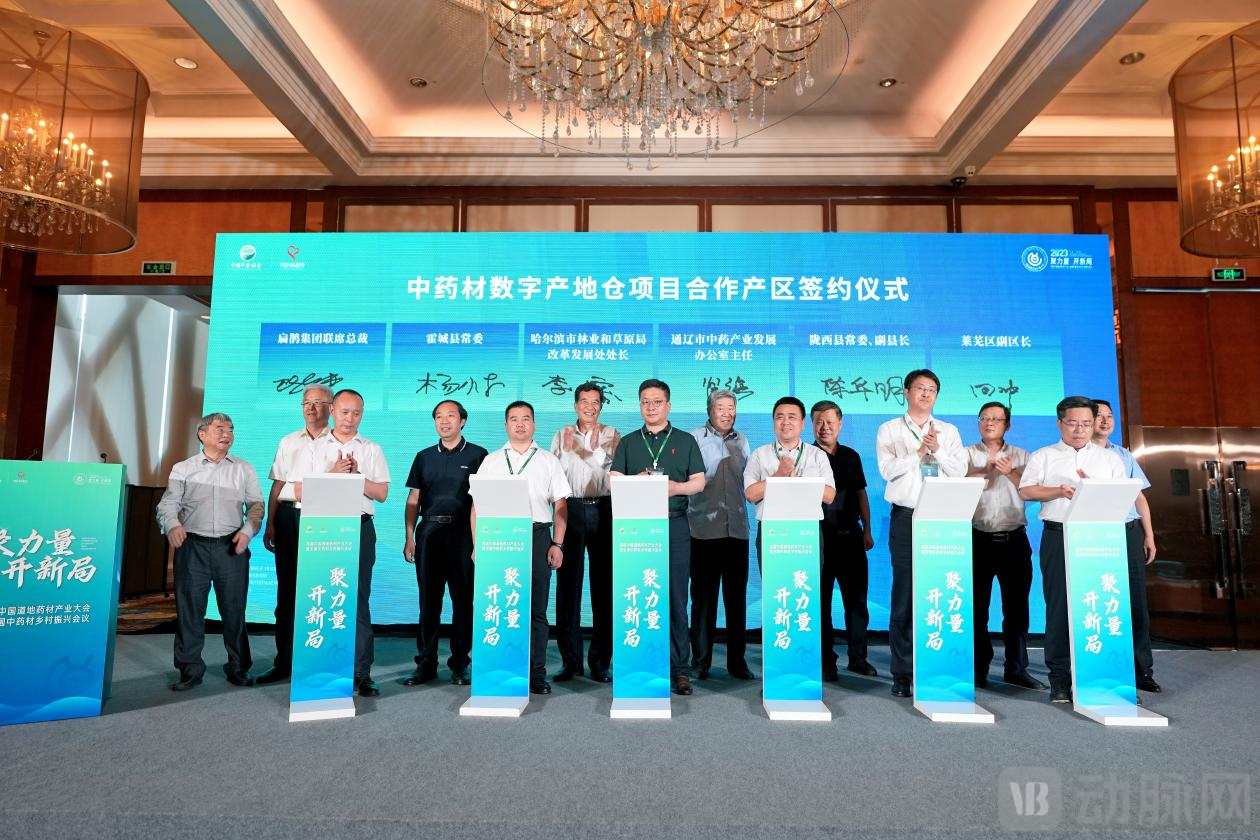 Figure | First Daodi Medicinal Materials Industry Conference: 21 Daodi Medicinal Material Production Areas Sign Agreements for Bian Que’s “Origin Warehouses”
Authentic Medicinal Materials refer to Chinese herbal medicines that are grown in specific ecological environments (with particular climate and soil conditions) and undergo specialized harvesting and processing, and which have been proven through long-term medical practice to be of high quality and efficacy. Due to the uniqueness of their growing environments, these herbs possess distinct qualities and therapeutic effects, and are considered superior and more effective than the same species produced in other regions.
In traditional medical theory, the concept that “geo-authenticity determines quality” has long been established. Geo-authentic herbs are widely used and highly valued in the field of Traditional Chinese Medicine (TCM). Taking Sichuan Province as an example, the Work Promotion Plan for the Revitalization of the Sichuan Herbal Medicine Industry (2019–2022) proposed the development of 32 key counties for the Chinese herbal medicine industry and the cultivation of 24 varieties of Chinese herbal medicines, including Chuanxiong Rhizoma and Salvia miltiorrhiza, with a focus on building a portfolio of geo-authentic herbs. In 2022, the total planting area of Chinese herbal medicines in Sichuan Province reached 8.52 million mu, with an output value exceeding RMB 120 billion.
However, China’s authentic medicinal herbs have long faced challenges such as unregulated resource exploitation, insufficient varietal innovation, suboptimal quality and safety standards, and a disordered market.Overexploitation and habitat destruction have led to a decline in medicinal herb resources, while the lack of unified standards and regulations has resulted in inconsistent product quality. The prevalence of counterfeit and substandard products in the market has further tarnished the industry’s reputation. There is an urgent need for effective models to integrate resources, standardize regulations, enhance the quality and efficacy of traditional Chinese medicine (TCM) products, and foster orderly competition and healthy industry development.
Fortunately, there are already positive signals on the policy front. Recently, the results of the first national centralized procurement of traditional Chinese medicine (TCM) decoction pieces, conducted by the Sanming Procurement Alliance’s Inter-provincial TCM (Materials) Procurement Alliance, were announced.
As the first significant exploration of cross-regional centralized volume-based procurement for traditional Chinese medicine (TCM) decoction pieces, this joint procurement initiative does not aim solely at price reduction, but instead follows“Quality Assurance, Grade Enhancement, and Stable Supply”the core approach, placing greater emphasis on quality assurance to promote the realization of"Premium Quality, Premium Price"healthy competition. This has also established a new “barometer” for the industry, imposing higher requirements on source-level segments such as the cultivation, processing, and warehousing of Chinese herbal medicines, while explicitly mandating that authentic medicinal material production regions establish more comprehensive end-to-end digital traceability and quality control systems.
To meet policy requirements and industry demands, digital pharmaceutical platforms in China, such as Shandong Bian Que Chinese Medicine Health Industry Group Co., Ltd., are actively exploring innovative models for the development of authentic medicinal herb bases—the “Origin Warehouse.”At its core, the initiative involves establishing digital “origin warehouses” for Chinese herbal medicines in authentic production regions across China, and building an integrated “production, processing, and sales” origin-based supply assurance system that covers the entire process of standardized cultivation, on-site harvesting, on-site processing, on-site storage, and direct shipment from the place of origin.
Wei Shengli, Deputy Dean of the School of Chinese Materia Medica at Beijing University of Chinese Medicine, stated,“The ‘Origin Warehouse’ model represents a creative exploration to address the ‘upgrading’ of centralized procurement for Chinese herbal decoction pieces. It resolves the lack of foundational support for quality control and traceability of raw Chinese medicinal materials at the front end of the decoction piece supply chain. This model is of significant importance for establishing a comprehensive quality control and traceability system covering the entire process from the origin of Chinese medicinal materials and decoction pieces to the patient end. Furthermore, it addresses issues such as non-standardized cultivation of Chinese medicinal materials, inconsistent processing at the place of origin, and inefficient sales channels.”
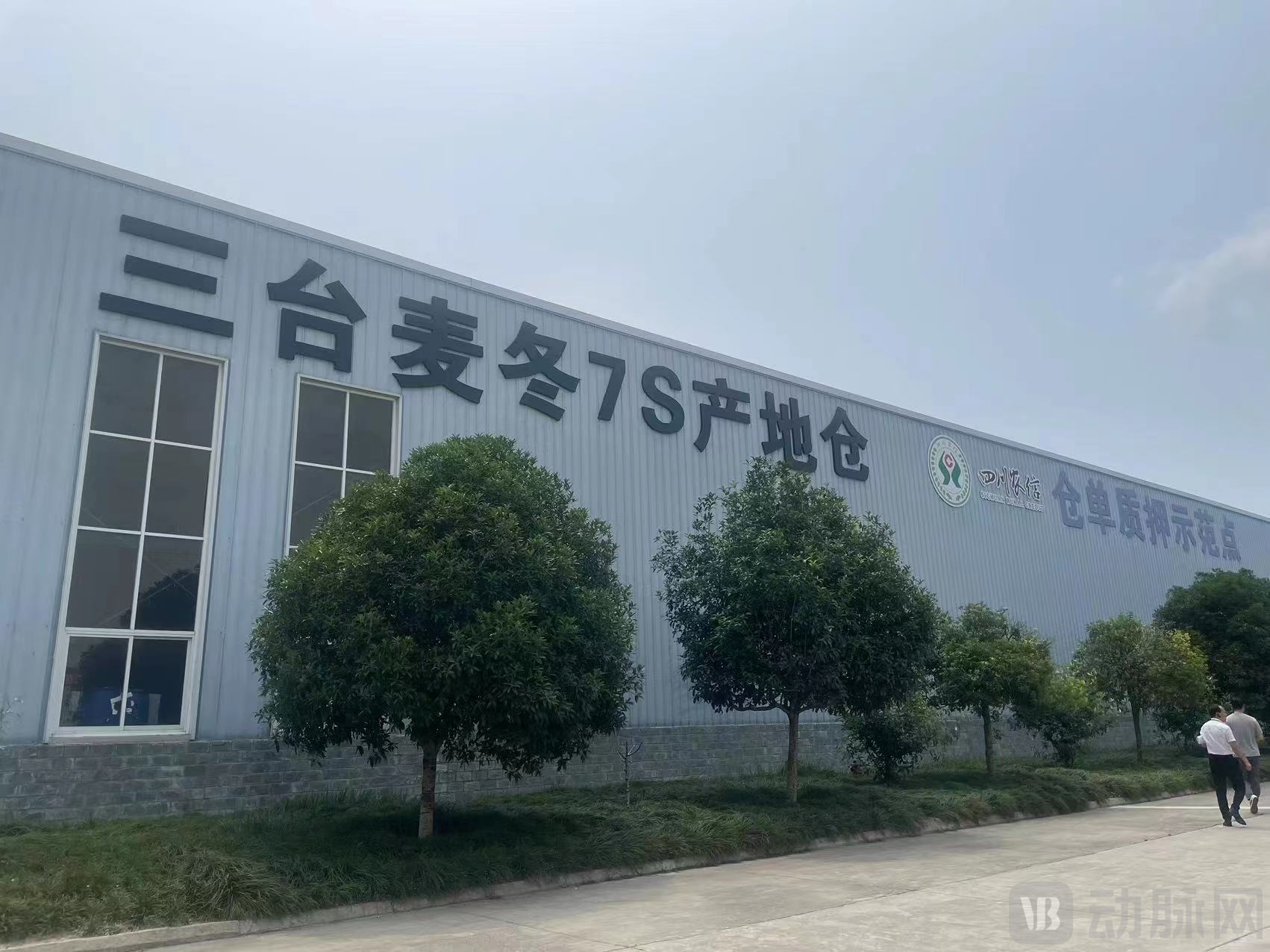 Figure | The "Origin Warehouse" for Chuan Maidong (Sichuan Ophiopogon) built by Bian Que Chinese Medicine Group in Santai County, Sichuan
At the “Signing Ceremony for Cooperative Production Areas of the Digital Origin Warehouse Project for Chinese Medicinal Materials” and the “Signing for Cooperative Production Areas of the Sichuan Medicinals Digital Origin Warehouse Project,”Bian Que’s “Origin Warehouses” have attracted a total of 21 authentic Chinese medicinal herb production regions across China to sign on as partners, including Huocheng County in Xinjiang, Harbin City in Heilongjiang Province, Tongliao City in Inner Mongolia, Longxi County in Gansu Province, Laiwu District of Jinan City in Shandong Province, Baokang County in Hubei Province, Yangqu County and Pingshun County in Shanxi Province, Chengkou County in Chongqing, Badong County in Hubei Province, as well as Suining City, Dongxing District of Neijiang City, Yanbian County, Qu County, Yuechi County, Muchuan County, Jiajiang County, Pengzhou City, Emeishan City, Santai County in Sichuan Province, and Shizhu County in Chongqing.
Bian Que’s “Origin Warehouses” Achieve Fourfold Increase in Per-Mu Revenue for Ophiopogon Japonicus
Leveraging Industrial Consortia to Unlock the Scale Benefits of Authentic Chinese Medicinal Materials
The reason why Bian Que’s “Origin Warehouse” model has attracted cooperation from 21 authentic medicinal material production regions across China is that the innovative industrial consortium it has established has achieved breakthroughs in the large-scale development of authentic medicinal materials such as Ophiopogon japonicus and Ligusticum chuanxiong.
“China’s Hometown of Ophiopogon Japonicus”: Santai County, Mianyang, Sichuan Province, was the first to initiate the construction of a digital “origin warehouse” for Ophiopogon Japonicus. Currently, through scientific cultivation methods and strict unified management,The content of ruscogenin (the main active chemical component contained in Ophiopogon japonicus) can reach more than 0.36%, which is more than three times the standard of the National Pharmacopoeia.
By leveraging digital platforms to precisely match production with sales and establish direct supply from origins, the longstanding issue of “high-quality goods failing to command premium prices” has been reversed. This approach reduces intermediate links in the distribution chain, allowing a greater share of profits to remain with planting enterprises and farmers.Ophiopogon japonicus: Per-Mu Revenue Grows from Less Than 10,000 Yuan to Over 30,000 Yuan Annually, with the increasing market recognition of authentic Chinese herbal medicines,The output value per mu is expected to exceed 40,000 yuan this year.
Specifically, the “origin warehouse” for Ophiopogon japonicus through“Company + Base + Cooperative + Family Farm/Household”Ophiopogon japonicus under the operational modelIndustrialization Consortium, with an expanded base covering more than 13,200 mu and a total managed area reaching 17,000 mu.
First, the “origin warehouse” planting base is established in accordance withThe “Seven Unified, One Separate” Management Model: Unifying Variety, Technology, Production Materials, Processing, Packaging, Branding, and Sales, with Household-Based CultivationImplement standardized cultivation.
Secondly, throughDigital Management Cloud PlatformAchieve full-process traceability for the production of authentic Chuan Maidong (Ophiopogon japonicus from Sichuan), covering soil and water testing at production bases, land preparation, seedling grading and sourcing, fertilization, irrigation, weeding, harvesting, primary processing at the place of origin, quality testing, color-based grading, storage, and distribution, thereby establishing a genuine traceability system.Ensure Full-Process Quality Control and Traceability of Authentic Chinese Herbal Medicines。
Additionally, throughEnd-to-End Digital ManagementQuota-based accounting calculates the labor, workforce, and material costs required for each operation. All input costs throughout the entire planting production process are paid via bank transfer to the corresponding product and service providers, achievingTransparent Implantation Costs, resolving the challenge of ambiguous accounting for basic planting costs.
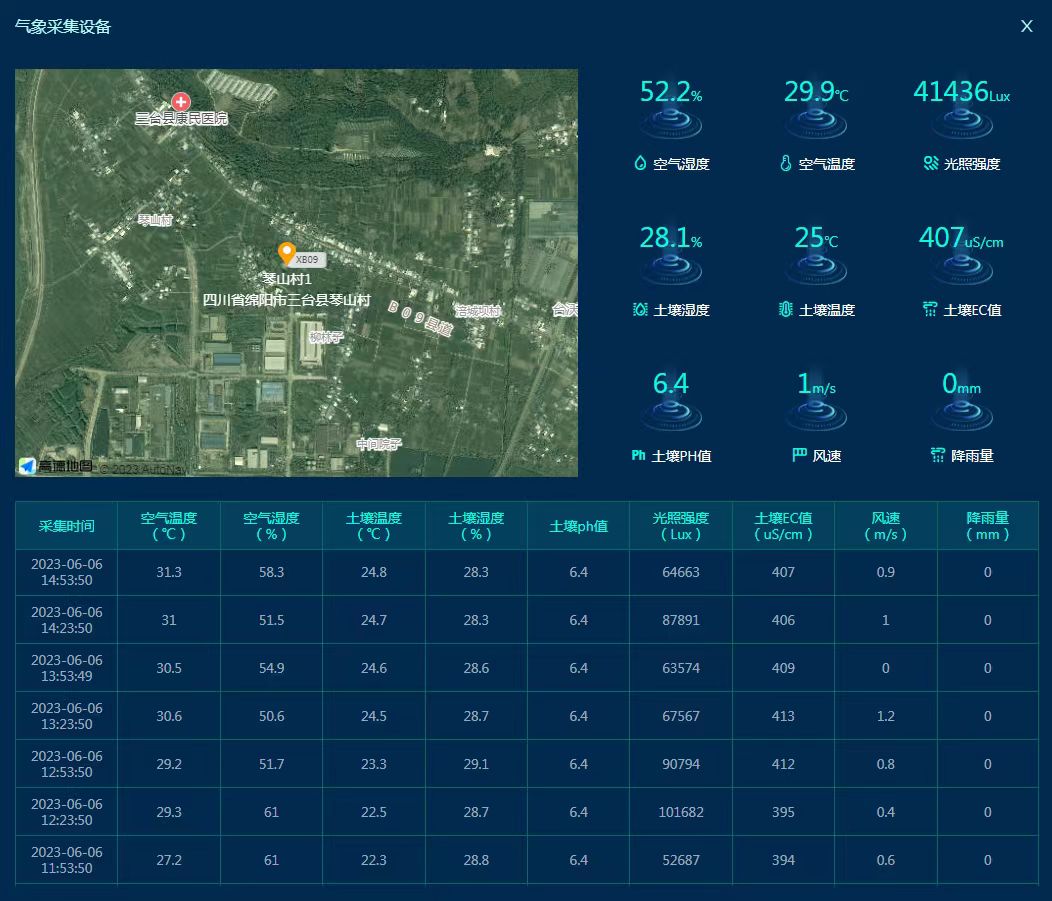
Figure | Digital management cloud platform for the “origin warehouse” of Chuan Maidong (Ophiopogon japonicus) establishes authentic traceability across all stages
Notably, unlike smallholder farming, the innovative industrial consortium model built on Bian Que’s “origin warehouses” has also achievedDual upgrades and guarantees in organization and services.
In terms of organizational structure, industrial consortia can achieve integration in land transfer, agricultural contracting, base employment, contracted management, profit-sharing from yield increases, risk mitigation, and equity-participated operations.Shared Benefits and Shared Risks。
In terms of service assurance, the industrial consortium can provide supply chain finance services such as loans and pledges, insurance products including crop planting and price protection, as well as third-party certifications like origin certification and 7S management system certification.Diversified Services and Professional Empowerment.
Particularly in the realm of supply chain finance services, based on authentic and valid production, transaction, and management data from the Management Cloud Platform, various stakeholders—including Ophiopogon japonicus farmers, agricultural input suppliers, cultivation enterprises, warehousing companies, trading firms, pharmaceutical manufacturers, banks, insurance companies, and quality inspection agencies—can establish a closed-loop ecosystem for financial and insurance services on the Ophiopogon japonicus Supply Chain Finance Cloud Platform.
Innovative supply chain finance products include: loans for agricultural input supplies for Ophiopogon japonicus, loans for concentrated labor costs during the harvest season, inventory pledge, warehouse receipt pledge, and order financing.
Insurance products include Ophiopogon japonicus cultivation insurance and range-based price index insurance, among others. Efforts are being made to establish a mutually beneficial linkage mechanism based on contract farming, fully mobilizing the enthusiasm of various business entities across the industrial chain under market-driven principles, thereby building a full-industry-chain ecosystem for Sichuan Ophiopogon japonicus and promoting the sustainable development of the broader Ophiopogon japonicus health industry.
Currently, the “Origin Warehouse” for Ophiopogon japonicus in Santai County, Sichuan Province operates nine primary processing centers (both self-built and jointly operated), features over 10,000 square meters of controlled-atmosphere storage workshops, and has an annual processing capacity of more than 5,000 tons for dried Ophiopogon japonicus, an annual grading and color-sorting capacity of 10,000 tons, and an annual controlled-atmosphere storage capacity of 7,000 tons.
Chuan Maidong (Ophiopogon japonicus from Sichuan) is also the first “direct-from-origin supply” variety listed in the Authentic Medicinal Materials Section of the Shandong Internet Traditional Chinese Medicine (Materials) Trading Center, which falls under the TCM (Materials) Special Zone of the Sanming Procurement Alliance (China).
This trading center is the designated transaction platform for the Sanming Procurement Alliance (National) Inter-Provincial Chinese Herbal Medicine (Materials) Procurement Alliance. It undertakes alliance-based procurement of Chinese herbal medicines (materials) across China and also facilitates market-oriented transactions. All Chinese herbal materials listed in the Geo-authentic Herbs Section strictly comply with the "Standards for Commodity Specifications and Grades of Chinese Herbal Materials" formulated by the center, and traceability assurance is required.
With complete and authentic traceability guarantees, 150 metric tons of Sichuan Ophiopogon japonicus were snapped up instantly upon listing on the first day of the dedicated zone’s launch, commanding a price higher than the prevailing market rate and eliciting an extremely enthusiastic market response.. On the basis of achieving standardization of authentic medicinal herb products, the herbs are listed on third-party trading platforms to enable synchronized online and offline transactions, thereby establishing a direct production-to-sales channel and further promoting product standardization and enhancing market competitiveness.
In addition to Santai County, Pengzhou City, known as the “Hometown of Chuanxiong,” is the second authentic medicinal herb production area to implement a “origin warehouse.” After adopting the “origin warehouse” management model,The rate of first-grade Chuanxiong rhizomes increased by over 10%, with a yield increase exceeding 20%, thereby boosting the net profit for growers by more than RMB 1,000 per mu.. Currently, income from Ligusticum chuanxiong cultivation accounts for approximately 80% of local farmers’ annual earnings, having become their primary source of economic livelihood.
Currently, the traditional Chinese medicine (TCM) industry is being incentivized by national policies. The recently issued “Implementation Plan for Major Projects to Revitalize and Develop Traditional Chinese Medicine” clearly defines the construction goals, tasks, supporting measures, and departmental responsibilities for various major TCM development projects. By providing a comprehensive framework, it offers robust support for the advancement of TCM. While national top-level design supports the high-quality development of the TCM industry, effective implementation at the industrial level is equally critical.
Addressing the critical bottlenecks in the Chinese herbal medicine industry, Dean Wei Shengli stated, “Establishing an authentic traceability system through digital technologies to achieve quality standardization is a crucial foundation for the high-quality development of traditional Chinese medicine (TCM) and its raw materials. Digital traceability enables the recording and tracking of key information on TCM materials and prepared slices, including planting locations, pesticide usage, harvest times, and processing techniques. These data are recorded, stored, and transmitted via digital technologies to ensure their authenticity and reliability. Consumers can access traceability information by scanning the identification codes on product packaging, thereby enhancing trust and satisfaction. Furthermore, digital traceability assists enterprises in risk management and quality control, ultimately improving product quality and safety.”
Sun Jingmeng, head of the Shandong Internet Traditional Chinese Medicine (Herbal Materials) Trading Center, stated: “The Trading Center is working closely with local ‘origin warehouses’ to advance a full-chain traceability system—from cultivation and decoction piece processing to sales—based on GAP, GMP, and GSP (Good Supply Practice for Pharmaceutical Products) standards under the ‘3P One-Code’ framework. This will enable genuine ‘one-code traceability,’ thereby addressing the longstanding challenges of inconsistent quality and difficult process traceability in traditional Chinese medicinal materials and decoction pieces.”
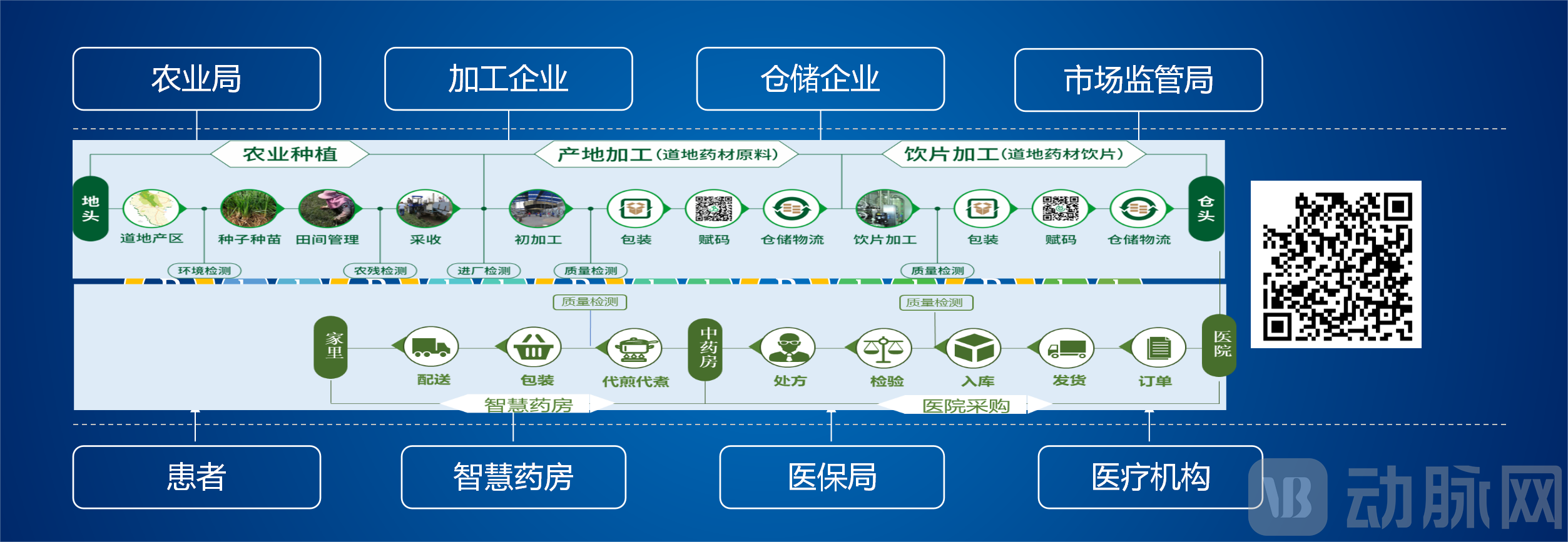
Figure | Bian Que’s “Origin Warehouse” Builds a Full-Process Traceability System Based on Blockchain Technology, Enabling One-Code Traceability
In addition,“The integrated development of production, processing, and sales in authentic medicinal herb-producing regions is also key to achieving high-quality development of Chinese herbal medicines and decoction pieces. In the future market competition characterized by ‘premium quality at premium prices,’ only by ‘enhancing quality and ensuring stable supply’ can one secure a favorable position. The recent signing agreements between 21 authentic medicinal herb-producing regions across China and Bian Que’s ‘Origin Warehouses’ precisely reflect the efforts of local governments in these regions to plan ahead, and indirectly validate their recognition of the feasibility and broad development potential of building an innovative industrial consortium for authentic medicinal herbs,” said Dean Wei Shengli.
Think big, start small. Regarding the initial selection of pathways, with the establishment and further promotion of "origin warehouses" for authentic medicinal materials across various regions, a reliable and verifiable traceability system will gradually be established in the production and processing stages, covering key links such as cultivation, processing, and storage for major varieties.
Furthermore, as third-party digital trading platforms continue to evolve, the “origin warehouse” model will establish a traceability system from production regions to patients within the transaction and circulation process, while simultaneously enhancing the integration of production, processing, and sales.
At the inaugural Daodi Herbs Industry Conference, Sichuan Province took the lead in setting an example for promoting the development of the local traditional Chinese medicine (TCM) herb industry. Sichuan Traditional Chinese Medicine Big Health Industry Investment Group and Bian Que TCM Health Industry Group jointly established Sichuan Pharmaceutical Investment TCM Herbs Co., Ltd., facilitating the signing of agreements for the construction of “origin warehouses” across 11 Daodi herb production areas in the Sichuan-Chongqing region.
Meanwhile, led by the government and leveraging the combined strengths of platforms, industrial funds, research institutes, authentic medicinal herb bases, and enterprises, initiatives such as the Sichuan Province Traditional Chinese Medicine Traceability Platform, the Alliance of Authentic Sichuan-Produced Medicinal Herb Growing Regions, and the “Thousands of Townships and Cooperatives” Science and Technology for Agricultural Revitalization Plan for Chinese Medicinal Materials have been launched. These efforts provide comprehensive support mechanisms—including platforms, funding, and talent—to foster the development of the Sichuan medicinal herb industry.