

FanJu Tech Paves the Way for ADHD Digital Therapeutics with Product Entering China's Innovative Medical Device Fast-Track Approval
XR Devices Have Weathered Ups and Downs, Returning to the Spotlight.
At the recent WWDC 2023 developer conference, Apple unveiled its first AR/VR headset, the Apple Vision Pro, marking a significant step in its entry into the metaverse. In the healthcare sector, AR and VR technologies have long demonstrated immense potential and are now being widely adopted.
For example, AR can be used to assist physicians with surgical navigation and real-time display of patient information. VR, on the other hand, can be applied in medical training, surgical simulation, pain management, and rehabilitation therapy, providing a more realistic and effective healthcare experience. Zhejiang Fanju Technology Co., Ltd. (hereinafter referred to as “Fanju Tech”) is such a digital health company that leverages VR technology to treat brain disorders, having been deeply engaged in the industry for 10 years.
Qin Lu, the founder of Fanju Technology, embarked on her entrepreneurial journey in 2013. From day one, she has been focused on understanding how consumers would leverage virtual reality technology and what their true needs are.
“How can we persuade users to willingly endure a host of issues—such as bulky hardware, a steep learning curve, high costs, and dizziness or discomfort—during the early stages of virtual reality (VR) technology development? The only answer lies in offering capabilities that would be impossible without VR. I must identify such essential needs to expand the market and develop applications,” said Qin Lu.
Thus, with the support of its partners, Fanju Technology initially ventured into the medical sector and, under the guidance of clinical experts, developed a series of healthcare-related projects, such as using exposure therapy to treat phobias, virtual reality-based panoramic ward rounds, and 3D reconstruction of MRI images.
In 2016, Fanju Technology held a media-free product launch in Beijing, attended exclusively by department heads from various Grade A tertiary hospitals in the city, to jointly explore the role of virtual reality technology in healthcare and its future development. During discussions with neurology experts, Fanju Technology identified that, due to the limited understanding of the human brain, many chronic neurological disorders lack precise targeted therapies, and pharmacological treatments often entail significant side effects, creating an urgent need for more effective therapeutic solutions. This insight provided Fanju with a clear strategic direction.
Qin Lu explained to VCBeat, “Over 90% of human sensory input is processed through the visual and auditory channels. Therefore, we deliver audiovisual sensory stimuli and observe the resulting outputs to iteratively refine cognitive behavioral task training for neuromodulation, thereby achieving disease intervention. Gradually, we have found that virtual reality (VR) technology plays an increasingly significant role in the field of neurological disorders. Compared with two-dimensional training devices, VR equipment offers distinct advantages, such as multi-scenario presentation, interactivity, and immersion. Under controlled conditions, it can accurately capture three-dimensional dynamic behavioral data, thereby enhancing data accuracy. Consequently, we have progressively embarked on the path of exploring digital therapeutics.”
Since 2016, Fanju Technology has integrated technologies such as virtual reality (VR/AR) and artificial intelligence (AI) with neuroscience, creatively proposing the theories of “Active Task-Based Contextual Neurofeedback Assessment and Training Integration” and “Active Task-Based Contextual Cognitive Behavioral Assessment and Training Integration.” The company has developed three rigorously evaluated and selected digital therapeutic products: VR Attention Peak Assessment and Training, VR Heart Rate Variability Assessment and Training, and VR Cognitive Assessment and Training for Middle-Aged and Elderly Adults, covering individuals across all age groups, including children, middle-aged adults, and the elderly.
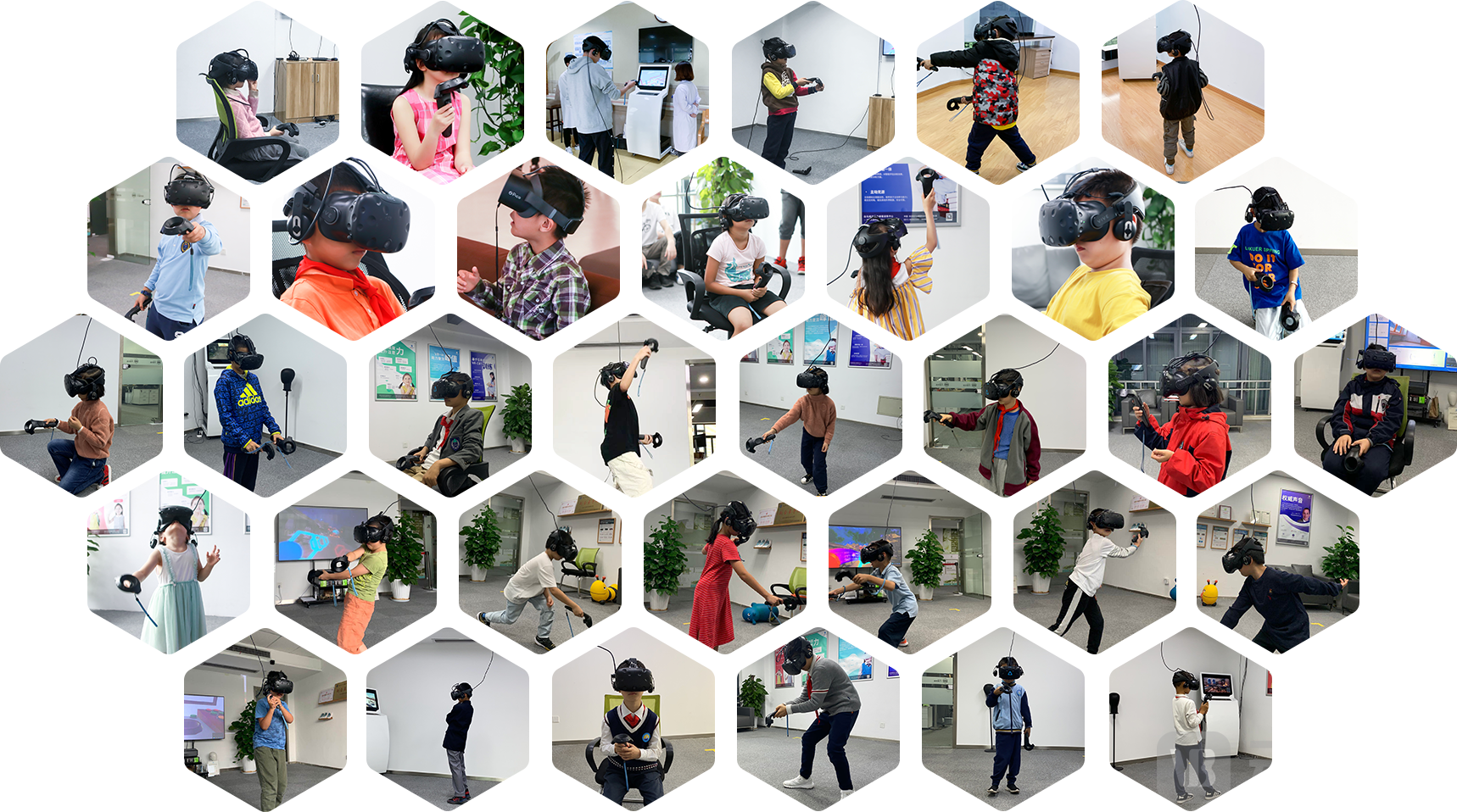 Fan Ju KeSkillVR AttentionPeak ForceCase Studies of Testing and Training Equipment
“These three products target a large patient population with high disease awareness, demonstrate significant intervention efficacy, and align well with our R&D pace. During cognitive training, we collect extensive dynamic behavioral data. Such data form the foundation of digital therapeutics and will facilitate future horizontal expansion into additional disease areas,” said Qin Lu, outlining the product development rationale.
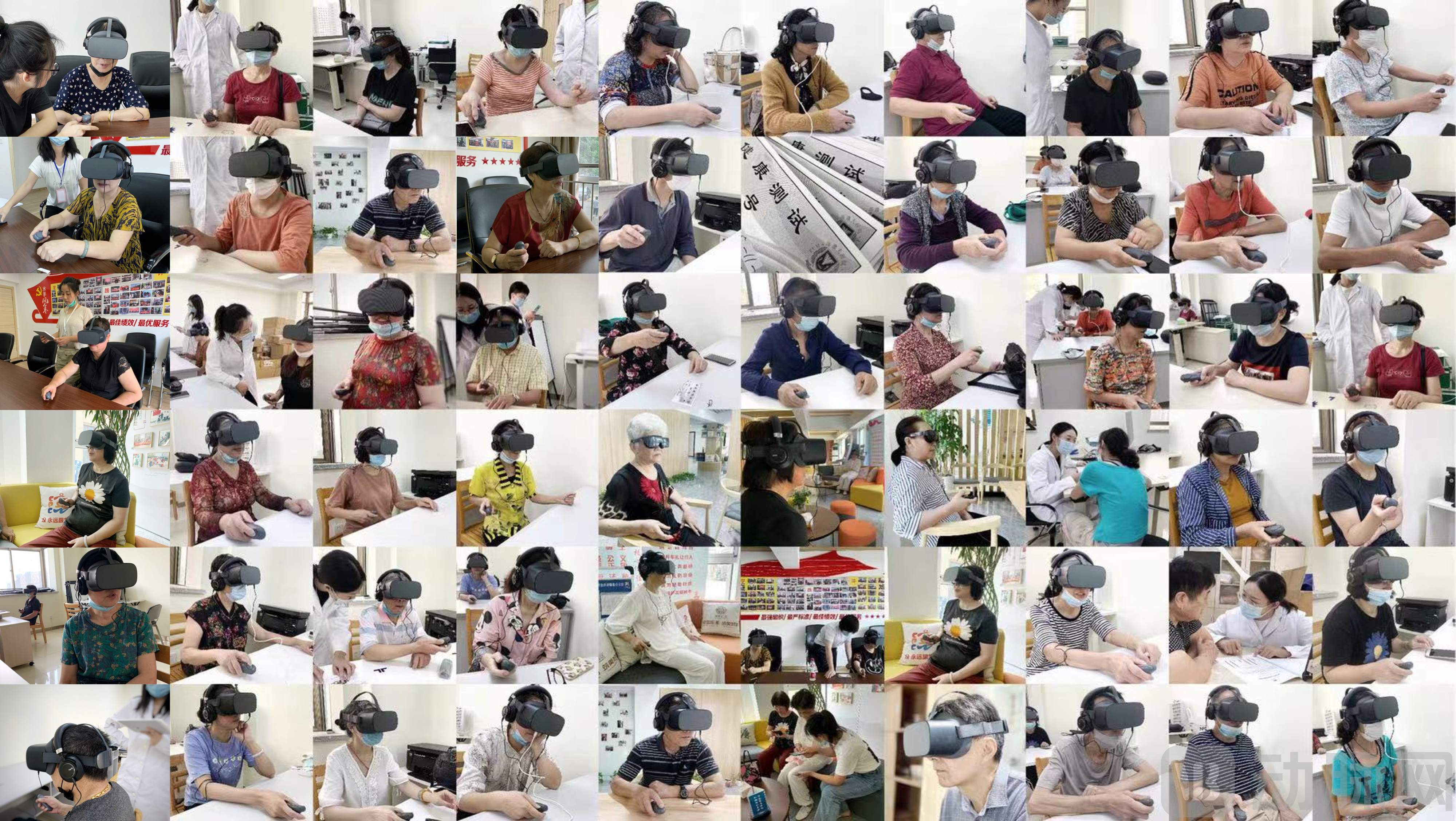
FanjukeTechniqueUse Cases of VR Cognitive Assessment and Training Devices for Middle-Aged and Elderly Adults
Fanju Technology has always maintained that in digital therapeutics, the therapy itself is the core, with “digital” serving merely as a modifier. The company prioritizes user experience and intervention efficacy, which is why it remains committed to laying a solid foundation.
It is reported that Fanju Technology’s digital therapeutic product for measuring and training children’s peak attention levels received certification as an innovative medical device in Zhejiang Province last year, gained access to the expedited approval “green channel,” and is currently in the clinical trial phase. At present, Fanju Technology has established deep industry–academia–research collaborations with multiple specialized universities and medical institutions, including The First Affiliated Hospital of Zhejiang University School of Medicine (Zhejiang First Hospital), The Second Affiliated Hospital of Zhejiang University School of Medicine (Zhejiang Second Hospital), Sir Run Run Shaw Hospital, and the Children’s Hospital of Zhejiang University School of Medicine (Zhejiang Provincial Children’s Hospital).
According to Qin Lu, statistical data from the Zhejiang Provincial Department of Science and Technology showed that as early as 2016, the number of patents in fields related to Fanju ranked second within the province. In recent years, the company has filed for more than 100 intellectual property rights, including invention patents and software copyrights, with invention patents accounting for nearly one-third of the total.
In 2019, Fanju Technology’s child attention project received support from the National Natural Science Foundation of China, and the company was approved to establish a municipal-level enterprise high-tech R&D center for VR neuroscience. Furthermore, Fanju Technology was invited to become an expert member unit of the VR Evaluation Working Group established by the China Academy of Information and Communications Technology (CAICT). In 2021, its child attention project and elderly cognitive project were included in the Key Research and Development Program of Zhejiang Province.
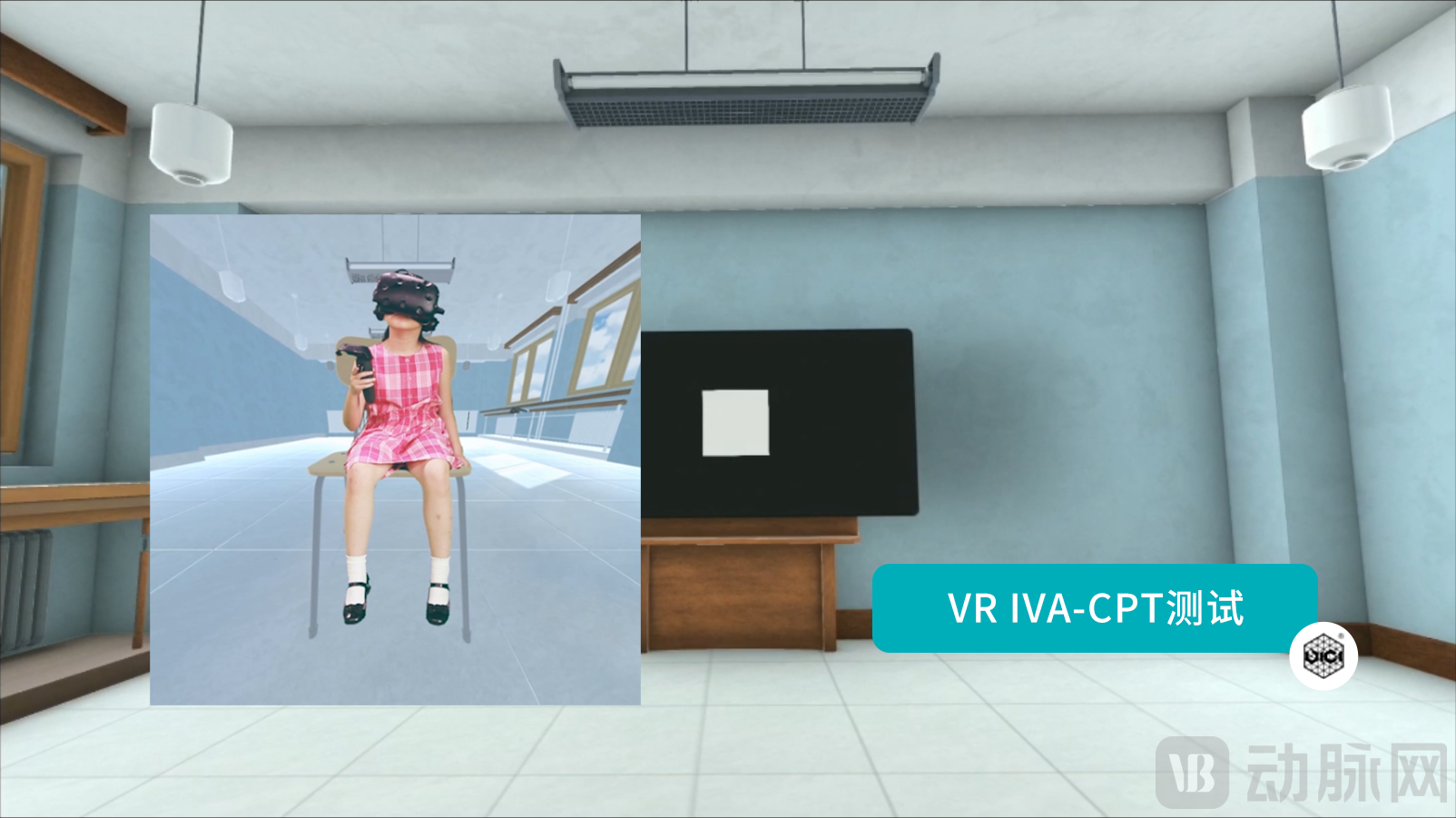 Fanju Technology's Digital Therapeutics: Testing and Evaluation Framework
Regarding the firm commitment to the regulatory approval pathway for medical devices, Qin Lu also shared an anecdote with VCBeat.
During a summer family education event, Fanju’s child attention assessment device inadvertently attracted significant interest from many parents. This device offers a purely objective evaluation method that requires no parental involvement; children simply wear a VR headset and complete a 12-minute cognitive task, during which all their behavioral data are accurately recorded and incorporated into Fanju’s database, stratified by gender and in six-month age increments. This database reflects children’s attention levels and daily behavioral patterns, enabling parents to better understand their child’s development and helping to formulate appropriate learning strategies.
Qin Lu recalled, “Once issues are identified, parents naturally develop a strong desire to resolve them. In response to their persistent requests, we initially designated a space in our office for attention training for several children. Subsequently, even without any advertising, new parents continued to join through word-of-mouth referrals. To meet the growing demand, we renovated additional training rooms. Parental feedback directly bolstered our confidence in the market and drove us to continuously improve and expand related services, such as appointment scheduling systems and mini-programs.”
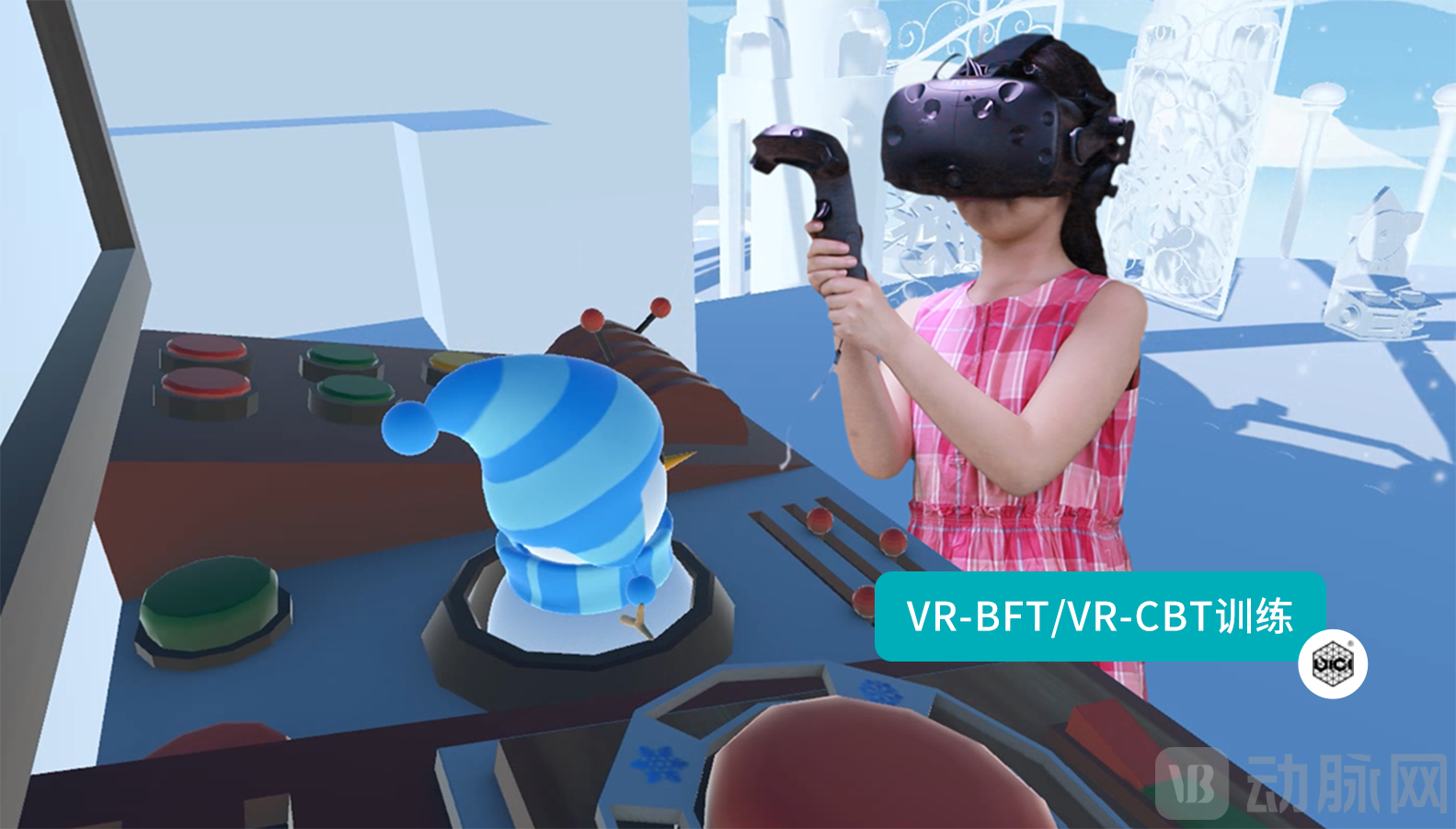
Fanju TechDigital Therapeutics Training Formats
Danfanju did not immediately launch an aggressive market promotion campaign. Instead, it prioritized securing registration for its medical device license. Qin Lu observed that the most challenging aspect of the entire process was helping parents understand that the product is not a game, but a tool beneficial to children’s health. “If we obtain the medical device registration certificate and demonstrate its efficacy through rigorous clinical trials, this educational process can be simplified and shortened. Moreover, once the registration is secured, our business model will undergo innovation, providing greater support to existing training institutions and distributors to help them rapidly expand their market presence,” said Qin Lu.
Yet we cannot help but ask: although therapy is the core of digital therapeutics, how can efficacy be discussed without data? How can artificial intelligence be discussed without data?
Qin Lu stated that Fanju Technology has now accumulated over 100,000 hours of behavioral data. In 2021, the company also obtained Zhejiang Province’s first certificate for the notarization and preservation of intellectual property data assets. “This inaugural certificate was rigorously selected by relevant Zhejiang authorities from a pool of outstanding data-driven enterprises. We were able to secure credit approval from a bank solely based on this certificate. Therefore, it is not merely proof of the authenticity, security, and validity of our data, but also an honor that recognizes the value of our vast underlying data.”
When discussing future directions, Qin Lu stated, “Nearly 80% of human diseases are associated with disruptions in brain networks. In the future, digital therapeutics can be used to intervene and regulate these conditions, offering vast potential, although this will require a period of development. Moving forward, we aim to leverage our existing data foundation to provide more digital healthcare products and services, address a broader range of brain science-related disorders, and ultimately achieve a leading position in the field.”
Just like the name Vici—“I came (Veni!), I saw (Vidi!), I conquered (Vici!).”