

Telesis Bio Secures $28 Million in Financing to Advance 'One-Click' Gene Synthesis Platform

Telesis Bio
Synthetic Biology Solutions Provider
Telesis Bio, a synthetic biology solutions provider, recently secured $28 million in initial upfront funding from a Series Preferred Stock financing. The private placement also includes the issuance of equity warrants, which would provide Telesis Bio with an additional $46.2 million in proceeds if exercised for cash.
This round of financing was led by Novalis LifeSciences LLC, with participation from Northpond Ventures, BroadOak Capital Partners, and M-185 Corporation.
Telesis Bio is dedicated to creating novel synthetic biology solutions for scientists and has launched its commercial automated benchtop gene synthesis platform, BioXp. This benchtop automated instrument can synthesize DNA and RNA within hours to days, meeting the needs of synthetic biology discovery and preclinical development.
Telesis Bio (formerly known as Codex DNA) was listed on the Nasdaq Global Market in 2021.As of June 16, Telesis Bio had a market capitalization of $60.621 million. Earlier in March, Telesis Bio launched two new kits, expanding the application scope of its BioXp platform, which drove its stock price up by 10%.
Currently, DNA synthesis relies primarily on traditional chemical synthesis methods, which face insurmountable limitations in terms of synthesis length and cost, failing to meet the growing demands of the biomanufacturing sector. The use and generation of toxic chemicals during the preparation process also pose certain hazards.
Enzymatic DNA Synthesis (EDS) has emerged at the forefront of DNA synthesis technology due to its unparalleled potential in terms of synthesis speed, length, efficiency, and cost compared to chemical synthesis. Telesis Bio’s core synthesis method is the Gibson Assembly technique, co-invented by Daniel Gibson.
Gibson Assembly is a seamless, enzyme-based cloning method that enables simple, rapid, and efficient directional seamless DNA cloning, allowing the ligation of up to six fragments in a single step. This method is currently one of the most widely used enzymatic cloning strategies and is considered the “gold standard” for molecular cloning.

Dr. Daniel Gibson
Image source: Telesis Bio
In 2004, Dr. Daniel Gibson became a professor in the Synthetic Biology Group at the J. Craig Venter Institute (JCVI), where he participated in the creation of the world’s first synthetic bacterial cell, *Mycoplasma mycoides* JCVI-syn1.0, and developed the Gibson Assembly method. He also held multiple positions at Synthetic Genomics and joined Telesis Bio as Chief Technology Officer in 2018.
In 2019, SGI-DNA, a subsidiary of the U.S. synthetic biology company Synthetic Genomics, officially announced its independent operation and was subsequently renamed Codex, which is today’s Telesis Bio.
The parent company, Synthetic Genomics, was founded by Dr. J. Craig Venter, a pioneer in synthetic biology and genomics research. Dr. J. Craig Venter is the founder and executive chairman of JCVI and Human Longevity. Human Longevity was once the world’s largest human gene sequencing company, possessing the most comprehensive bioinformatics database globally.
The BioXp platform integrates the entire workflow of DNA and mRNA synthesis. Leveraging this fully automated, high-throughput desktop instrument, rapid and automated synthesis of biological sequences can be achieved with just the click of a button.
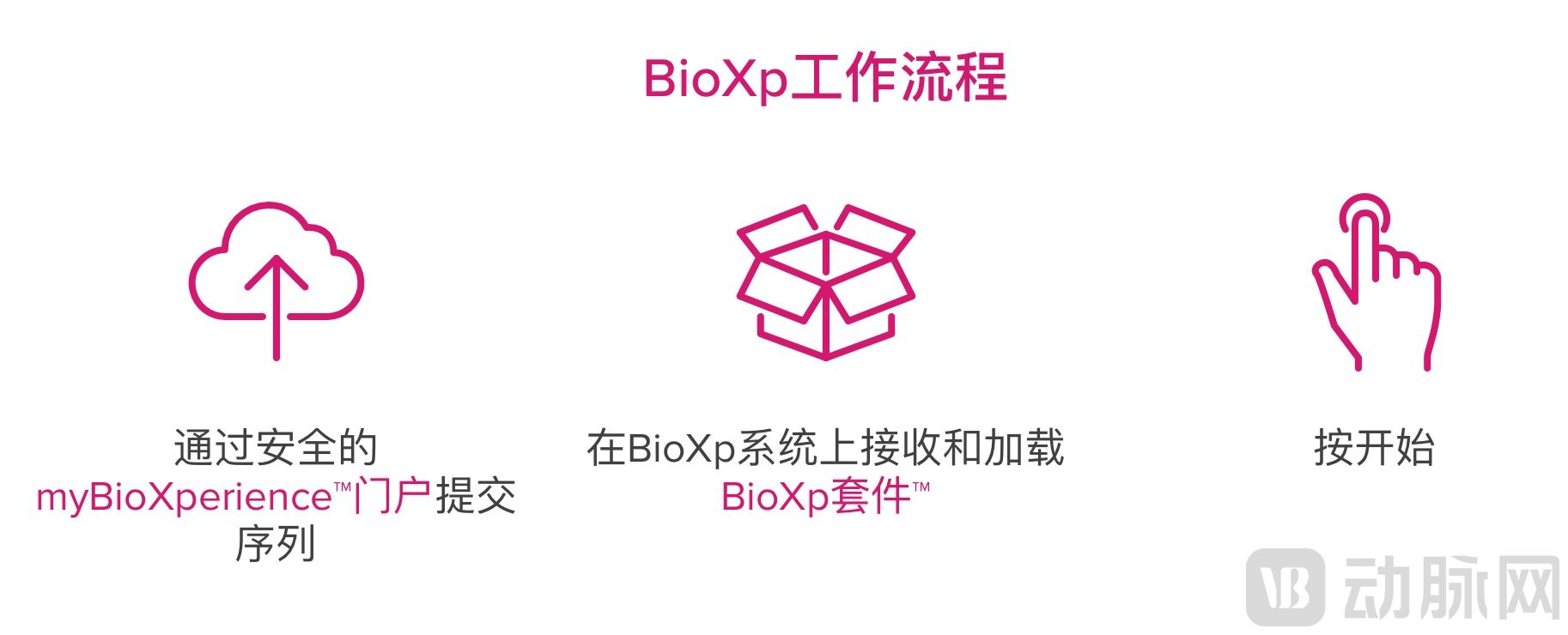
Image source: Telesis Bio official website
This fully automated synthesis platform capability is built upon the scientific innovations of Telesis Bio:
1-Innovative Motion Control
2-Fluid Handling
3-On-Deck Thermal Cycling Function
4. Gibson Assembly Method
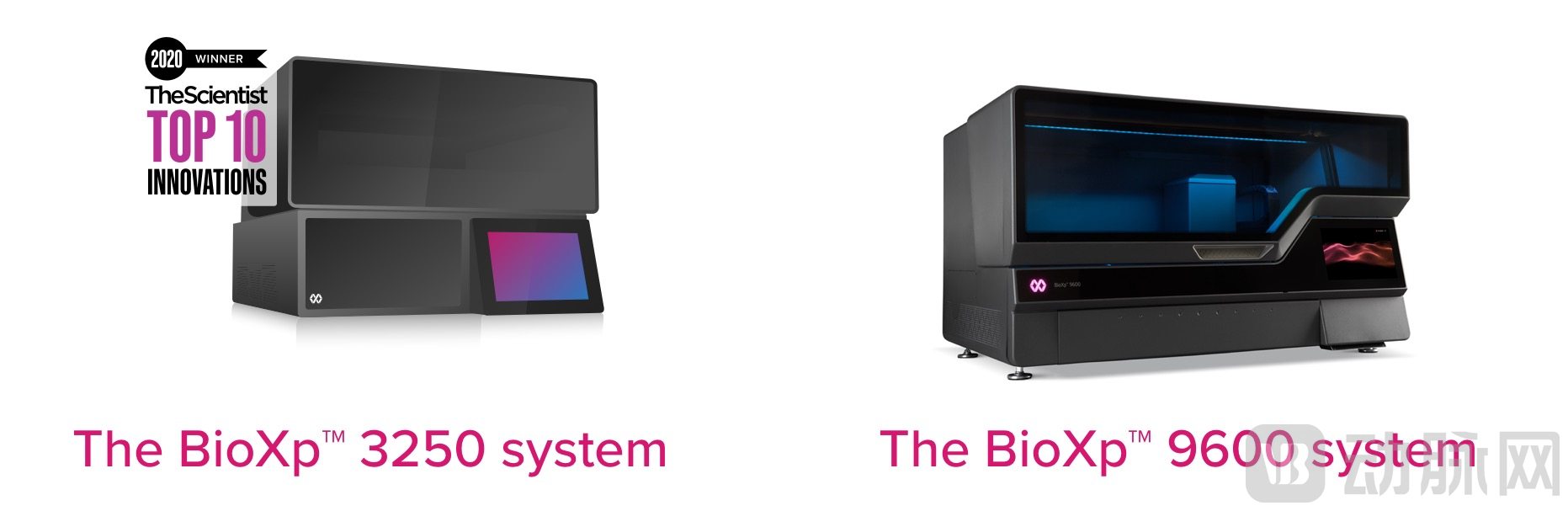
BioXp Platform Prototype
Image source: Telesis Bio official website
Compared with traditional single DNA and RNA preparation methods, the BioXp platform leverages automation for reliability and ease of use,Optimize resource utilization and accelerate candidate sequence preparation. Thus, scientists can overcome the limitations imposed by the complexity of acquiring DNA and mRNA, expand synthetic biology discoveries, and expedite the design–build–test cycle in product development.
Currently, the BioXp platform has been updated to its third-generation product, the BioXp9600. Compared with the previous generation, the BioXp9600 is designed to accelerate high-throughput screening and discovery workflows, enabling the platformSeamlessly synthesize and clone 97 candidate genes overnight。
Leveraging the next-generation BioXp™ 9600 system, Telesis Bio has introduced a high-throughput, comprehensive, and automated solution by adding the BioXp Reagent Kits, tailored for specific synthetic biology workflows. With this expanded solution, users can automatically synthesize mRNA, perform clonal amplification of DNA, construct variant libraries, and more with a single click.
With the upgrade of the BioXp platform suite, the Daniel Gibson method has been updated to the Gibson Assembly RapidAMP method. This method enables cell-free synthesis and amplification of transgenic synthetic DNA, allowing for the generation of up to 24 different DNA constructs in a single run.
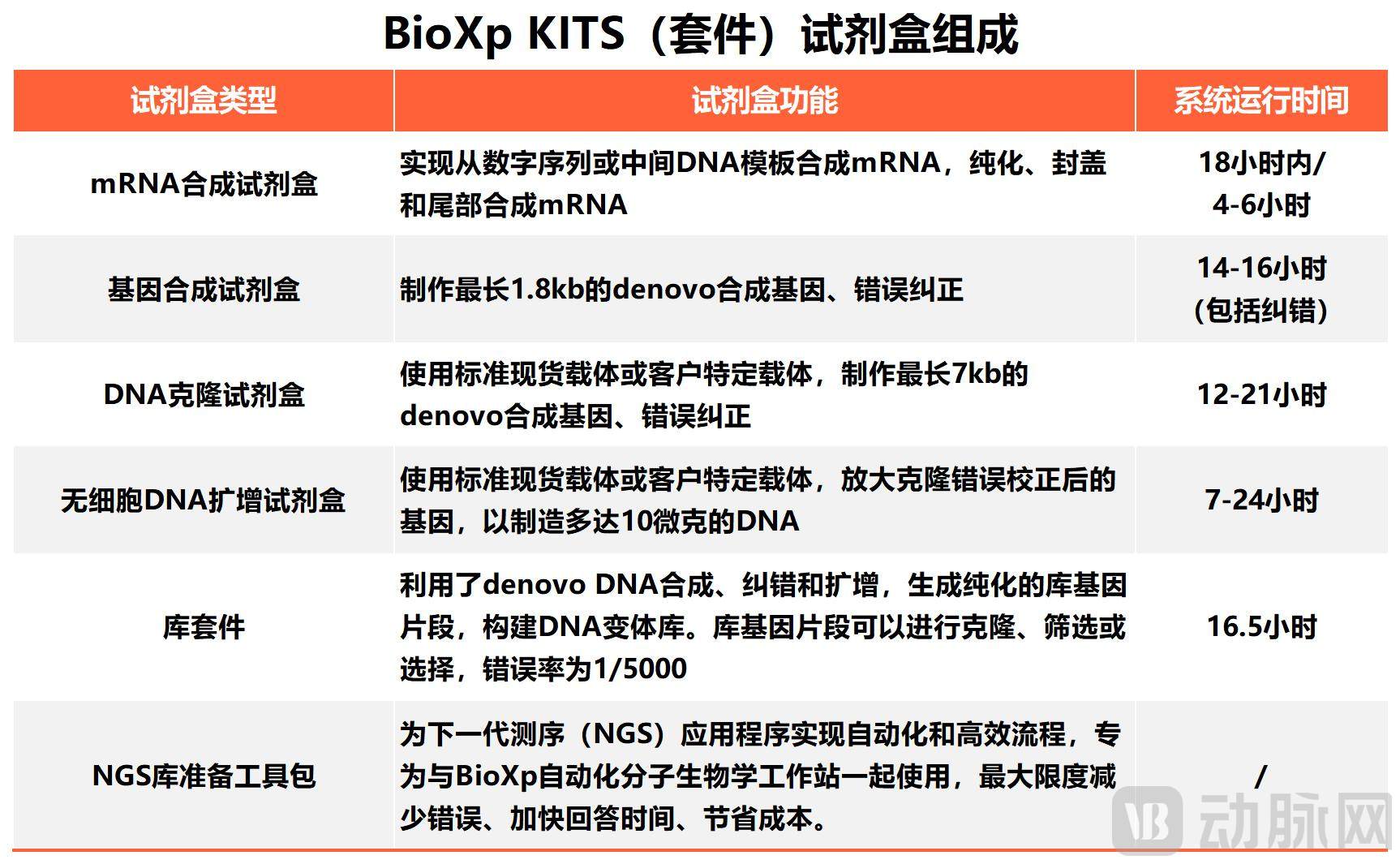
Data: Telesis Bio
Graphic: VCBeat
Currently, kit reagents tailored to different application tracks are being launched successively, serving as a strong complement to the BioXp platform. Its NGS library kits completed their first commercial shipment in May, and the DNA cloning kits also completed their first commercial shipment in May.
The BioXp9600, equipped with reagent kits, enables one-click automated preparation and fully automated synthetic biology workflows. This automation is applied across many areas of synthetic biology, including the research and development of novel infectious disease vaccines, antibody therapeutics and immunotherapies, engineered meat alternatives, and sustainable cell-based agricultural products.
Genome Editing—Accelerating the Production of DNA Molecules with Full-Genome Sequences
The BioXp platform enables the construction and editing of large structures and full-length genomes within days to weeks. Furthermore, the use of the BioXp platform allows for the modification of previously uneditable engineered genomes and vaccine scaffolds, the design of fully synthetic genomes lacking pathogenicity, and the rapid research and development of emerging strains.
Precision Medicine — Accelerating the Identification and Validation of Personalized Neoantigens
As major tumor rejection antigens, neoantigens enable tumors to activate the immune platform and induce effective anti-tumor responses. With the increasing availability of personalized cancer therapies, the development of patient-specific neoantigens has garnered significant attention. Speed is a critical factor in the identification and validation of neoantigens.
BioXp’s on-demand, high-throughput gene and mRNA synthesis and cloning enable rapid screening and development of personalized cancer therapies. The Gibson Assembly RapidAMP technology avoids the use of Escherichia coli during cloning and amplification, thereby eliminating endotoxin contamination and immunogenicity.
Vaccine Development — Accelerating the Development of Synthetic mRNA Vaccines
The de novo genes rapidly synthesized by the BioXp platform can enhance the specificity of antigenic proteins, facilitate the development of more effective vaccine adjuvants, and enable safer specialized vectors. Meanwhile, the codon optimization and mutation library capabilities of the BioXp platform accelerate vaccine development while improving the efficiency and safety of recombinant genes, adjuvants, and vectors. Furthermore, epitope mapping technologies combined with the rapid iterative capacity of the BioXp platform expedite rational design strategies for vaccine development.
Antibody Development – Accelerating Screening and Optimization to Advance Antibody Discovery
The BioXp platform enables high-throughput DNA synthesis within a single day, streamlining the screening and optimization workflows for antibody candidates. Using the BioXp platform, researchers can achieve one-click synthesis of variable regions, cloning into expression vectors, and automatic scale-up of the resulting plasmids to transfection-ready quantities. Upon request, Telesis Bio provides an automated BioXp synthetic biology solution along with an operational white paper. In real-world applications, the time required for antibody candidate synthesis has been reduced by 66%, enabling antibody discovery to be completed within six weeks.
Immunotherapy—Accelerating Immune Surveillance and Novel CAR Design
For patients undergoing cancer immunotherapy and novel immunomodulatory therapies, the speed and efficiency of immune assays dictate adjustments to treatment regimens. The BioXp platform’s high-throughput gene synthesis and flexible cloning capabilities enable rapid screening and design of new chimeric antigen receptors (CARs), engineered T-cell receptors (TCRs), and artificial transcription factors, thereby enhancing tumor specificity. This supports the development of novel genetic circuits or CARs that improve therapeutic efficacy by modulating engineered T-cell activity or reducing immunosuppressive signals.
Therapeutics—Rapid Design Validation of mRNA Vectors
The BioXp platform enables the rapid generation of small-scale, biologically active mRNA for the identification of therapeutic mRNA candidates. During drug discovery and development, its extensive on-demand, automated library synthesis menu further accelerates iterations of the design-build-test cycle. When BioXp library kits are combined with mRNA production, screening and optimization timelines can be shortened by weeks or months.
Metabolic Engineering and Enzyme Engineering—Accelerating Diversity Library Generation and Continuous Iteration
Metabolic engineering involves reconstructing and optimizing biosynthetic pathways in model organisms to create robust cell factories, enabling the efficient bioproduction of proteins, enzymes, metabolites, and biomolecules for various applications. By using the BioXp platform to assemble novel genes and genetic circuits that modify components of host pathways, valuable biomolecules can be produced with precision and efficiency for biomedical, industrial, and research applications.
For example, synthesizing DNA and mRNA via the BioXp platform and generating proteins from predicted sequences can facilitate more rapid testing of uncharacterized protein or enzyme functions, thereby accelerating the DBTL cycle. By evaluating various combinations of catalytic site modifications, it may be possible to push beyond the functional limits of proteins or enzymes, enabling the rapid launch of high-value, low-cost products.
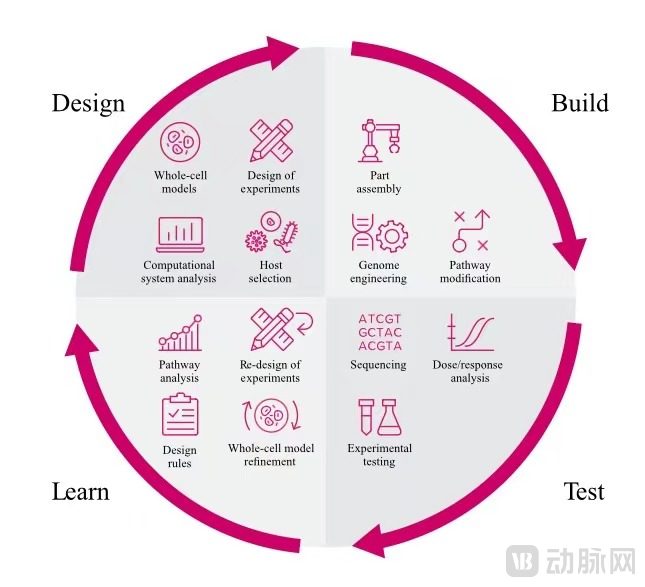
DBTL Cycle in Metabolic Engineering and Enzyme Engineering
Image source: Telesis Bio official website
The BioXp platform, combined with de novo modular library design, has transformed traditional supply chains and eliminated cumbersome validation processes, enabling the rapid generation of both high- and low-diversity libraries. By leveraging the BioXp platform, target libraries can automatically validate sequence efficacy and undergo continuous iteration, facilitating the discovery of enzymes with higher activity than the original counterparts.
Daniel Gibson did not halt his R&D efforts. Building on the Gibson Assembly method, Telesis Bio’s innovation team developed a next-generation EDS approach called SOLA (Short Oligonucleotide Ligation Assembly).
The SOLA method enables rapid, high-fidelity assembly of DNA oligonucleotides starting from digital DNA sequences.Currently, the SOLA method can synthesize oligonucleotides up to 100 bp in length and is applied in the production of PCR primers, diagnostic probes, sequencing enrichment probes, and CRISPR-Cas9 guide RNAs.Furthermore, 100 bp products can be rapidly assembled on the BioXp platform to generate synthetic genes, genomes, mRNA, and proteins, thereby enabling fully automated digital-to-biological conversion.Compared with the TdT method and chemical synthesis, SOLA EDA is faster, more accurate, and offers higher throughput.:
1-Once the desired DNA sequence is digitally input, the software determines the required building blocks and automatically completes oligonucleotide synthesis, enabling the fabrication of any DNA sequence.
2–100-mer oligonucleotides can be assembled using Gibson AssemblyConstruct any gene in any genome.
3. Preparation of OligonucleotidesOnly involvesA 3-cycle, 2-step process generates a 100-base sequence. In contrast, the traditional method using single-base synthesis requires 100 cycles of four steps.
4- Platform-mountedDNA building blocks can be reused hundreds of thousands of times, leading to an exponential decline in DNA synthesis costs.
5-SOLA MethodFree from the chemical waste used and generated in traditional oligonucleotide synthesis processes。
6-Technology for Synthesizing Oligonucleotides Using Short DNA Building BlocksProvides higher coupling efficiency, resulting in higher sequence accuracy and a greater percentage of full-length products, potentially optimizing the accuracy of downstream applications (CRISPR, NGS).
SOLA Enzymatic DNA Synthesis Technology Will Be Integrated into Telesis Bio’s Next-Generation Oligo Printers and Digital Bioconverter Instruments.
When Telesis Bio made its market debut, the technological dividends from being the “first desktop synthetic biology instrument” drove its stock price to surge.
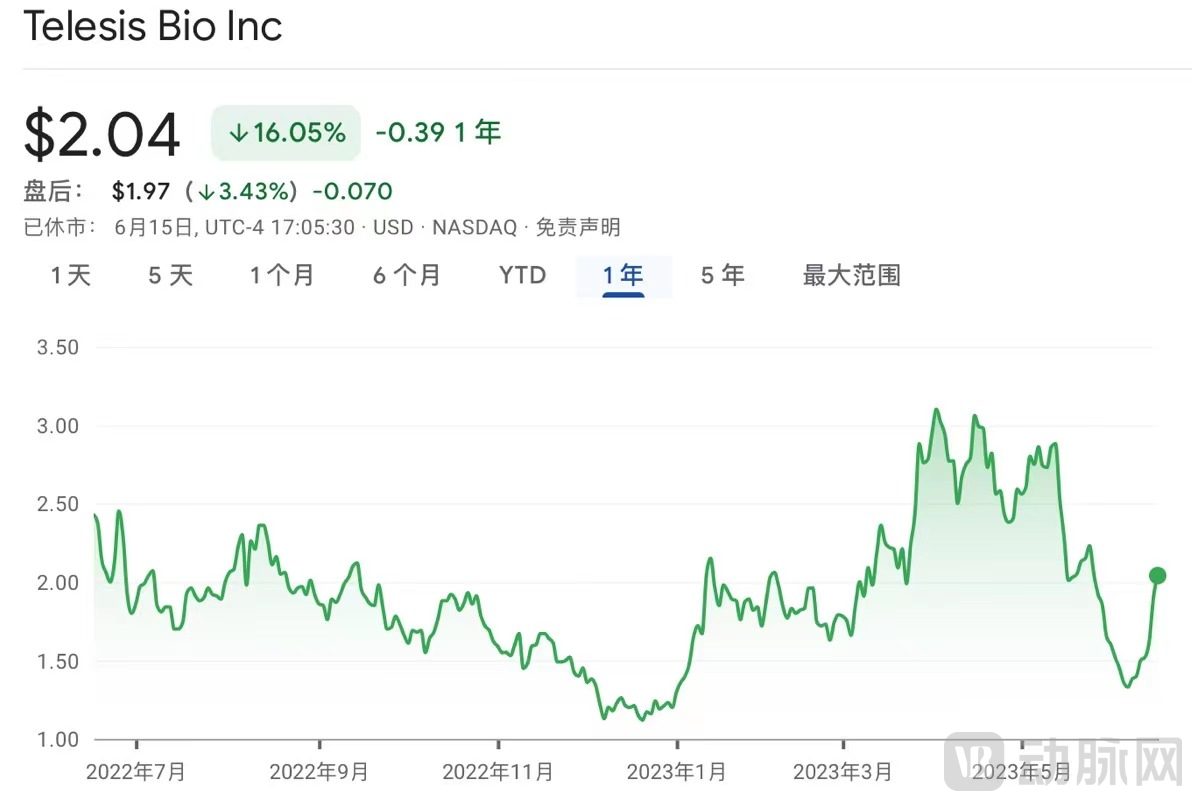
Image source: Google Finance
However, reliance on a single-product pipeline offers limited sustainability, making it difficult to secure long-term attention and financial support. Additionally, as a CRO provider specializing in gene editing and gene therapy, Telesis Bio operates in a relatively niche market, resulting in mediocre stock performance.
Currently, its platform products are entering a phase of accelerated commercialization, with assay kits tailored to diverse R&D directions being rolled out sequentially, driving robust future growth momentum.
Net growth in the broad market has been limited, while Telesis Bio has gained significant favor in the mRNA sector. In December 2021, Codex DNA announced a collaboration with Pfizer to apply its technology to the development of mRNA vaccines and other therapies.
In late 2022, Telesis Bio achieved the first milestone under its collaboration and licensing agreement with Pfizer, further advancing the development of its novel EDS technology, SOLA, for supply to Pfizer in the research and development of mRNA vaccines and biotherapeutics. This milestone also generated $2.5 million in revenue for Telesis Bio.
In the fourth quarter of 2022, Telesis Bio’s sales revenue reached a record $9.5 million, representing a year-over-year increase of 208%, with BioXp platform sales amounting to $3.4 million. The gross profit margin for the quarter reached 68%, compared to only 29% in the same period of 2021.Total revenue for the full year 2022 reached $27.44 million, exceeding the $24 million projected at the end of 2021, representing a year-on-year increase of 149%, while gross profit margin increased by 263% year on year.
According to Telesis Bio’s projections, its total revenue for the full year 2023 will exceed $45 million, with a gross margin ranging from 55% to 59%. Recently, Telesis Bio announced its participation in the 2023 European Antibody Engineering & Therapeutics Summit, where it will showcase its comprehensive molecular biology workflow solutions designed to streamline antibody discovery.
As a CRO,Telesis Bio’s Path Is Not Hard to Replicate—Incubated by its parent company, a pioneer in synthetic biology; its machine technology R&D team originates from the technology’s inventors themselves; and it continuously extends from its foundational products to develop kit-based offerings adaptable to a wider range of applications.
Why Telesis Bio Stands Out: Securing a Collaboration Agreement with Pfizer and Emerging as a Promising, High-Momentum CRO in the Gene SectorMore importantly, it is crucial to keep moving forward—by continuously investing in the development of next-generation technologies, expanding application scenarios for synthetic biology, and directly confronting the fierce competition that lies ahead in the industry.