

VarmX Raises Nearly €100 Million Across Eight Rounds, Inspired by Snake Venom, Files for IPO

VarmX
Therapeutic Protein Developer
Anticoagulant therapy is the cornerstone of thrombosis prevention and treatment. From “rat poison” to a “miracle drug for stroke prevention,” the advent of warfarin has opened a new chapter in the history of anticoagulants.
In the past, patients mostly relied on indirect anticoagulants, namely vitamin K antagonists (VKA anticoagulants, such as warfarin), to prevent thromboembolic diseases.Although their efficacy is well-established, they have a fatal side effect: bleeding.Patients on long-term vitamin K antagonist (VKA) anticoagulation therapy require monitoring of the International Normalized Ratio (INR) to ensure safety. Frequent laboratory testing and dose adjustments also lead to poor patient adherence.
In 2008, dabigatran and rivaroxaban were successively approved for marketing in Europe, followed by approvals in numerous other countries. These direct oral anticoagulants (DOACs), also known as novel oral anticoagulants, have been widely adopted due to their favorable efficacy, lower risk of bleeding, and the absence of a need for routine coagulation monitoring. DOACs exert their antithrombotic effects by inhibiting factor IIa (thrombin) or factor Xa, key enzymes in the coagulation cascade, thereby preventing blood clot formation.However, although the risk of bleeding is lower than that with traditional anticoagulants, a small subset of patients taking direct oral anticoagulants (DOACs) still experience spontaneous, life-threatening hemorrhage.
For hemostatic management of major bleeding in patients taking direct oral anticoagulants (DOACs), scientists have proposed the use of prothrombin complex concentrates and resumption of anticoagulation. Unfortunately, both strategies have limited efficacy. Idarucizumab has brought hope to patients experiencing major bleeding while on factor IIa–targeting DOACs, with studies demonstrating its utility in reversing dabigatran-associated major hemorrhage. Additionally, andexanet alfa can be used to treat major bleeding in patients receiving rivaroxaban or apixaban; however, this drug is approved only in select countries in Europe and the United States.
In response to the limited availability of therapeutic agents for major bleeding following NOAC use, the Dutch publicVarmX, a biotechnology company, focuses on developing novel methods for anticoagulation reversal。On May 25, 2023, VarmX announced that it had secured €30 million in Series B2 financing. The round was led by Sound Bioventures, with the European Innovation Council joining as a new investor. Existing investors EQT Life Sciences (formerly LSP), Inkef, Lundbeckfonden BioCapital, Ysios Capital, BioGeneration Ventures (BGV), InnovationQuarter (IQ), and Libertatis Ergo Holding (LEH) continued to participate in the follow-on investment.To date, VarmX has raised €93.3 million across eight rounds of financing.
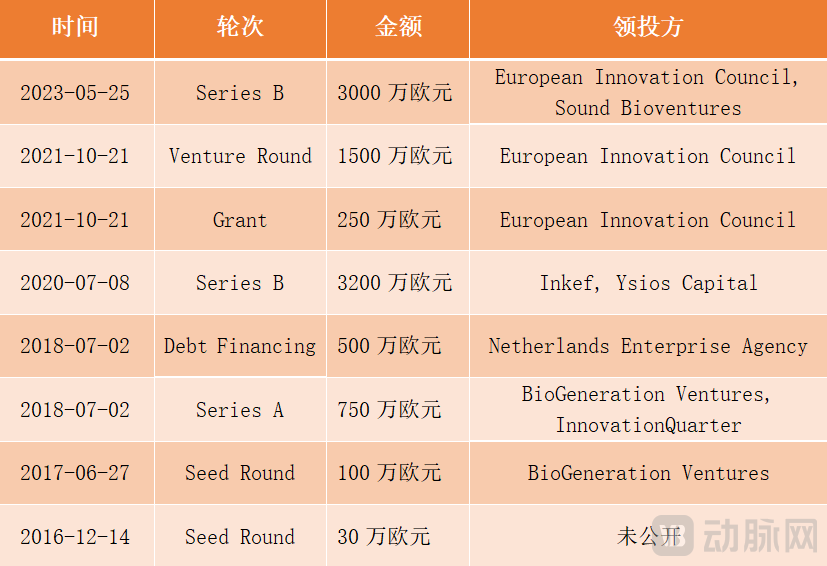
VarmX Funding History (Source: Crunchbase)
When venomous snakes are mentioned, what comes to mind besides fear?
In fact, in addition to serving as a defensive weapon for the snake itself, this biological toxin—rich in proteins, peptides, enzymes, and small-molecule substances—has also attracted extensive research from scientists.
In 1933, recent graduate Rochae Silva witnessed a patient bitten by a Brazilian pit viper develop refractory hypotensive shock, leading him to hypothesize that snake venom might contain a “mysterious substance” capable of lowering blood pressure. In the subsequent decades of research, biochemists isolated a peptide from the venom of the Brazilian pit viper and modified its activity, ultimately developing the drug captopril. Captopril was the first approved angiotensin-converting enzyme inhibitor (ACEI) antihypertensive medication and the first venom-derived drug approved by the FDA. Currently, captopril remains a first-line antihypertensive agent in clinical practice.
The antiplatelet drugs Aggrestat (tirofiban) and Integrilin (eptifibatide) are both approved for the treatment of acute coronary syndrome; they are derived from the venoms of the saw-scaled viper and the Barbour’s rattlesnake, respectively. Additionally, snake venom-derived agents such as batroxobin and α-cobratoxin have demonstrated efficacy in anticoagulation and analgesia.
VarmX’s core product, VMX-COO1, draws its pharmaceutical inspiration from a venomous snake, the Australian brown snake (Pseudonaja textilis).
Previously, scientists discovered that certain components in the venom of the Australian brown snake can induce blood coagulation even in the presence of Factor Xa inhibitors (such as rivaroxaban) in human blood. Against this backdrop, researchers at Leiden University Medical Center (LUMC) in the Netherlands identified different components of snake procoagulant proteins and engineered them to develop VMX-COO1. They aim to bring this potential anticoagulant reversal agent into clinical use to address the need for immediate restoration of hemostasis in patients taking Factor Xa direct oral anticoagulants (Xa-DOACs).
At its inception, VarmX secured an exclusive license from LUMC for VMX-C001. Subsequently, VarmX launched its first round of financing and accelerated the research and development of VMX-C001 at full speed.
In July 2021, VarmX presented preclinical data on VMX-C001 at the International Society on Thrombosis and Haemostasis (ISTH) Congress. In prior experiments conducted at the Maastricht Coagulation Laboratory in the Netherlands, researchers added VMX-C001, FXa-DOACs, dexanet alfa, or 4-factor PCC to platelet-poor plasma from healthy donors. The primary endpoint was the endogenous thrombin potential (ETP) parameter derived from thrombin generation (TG) curves.
Experimental results demonstrated that VMX-C001 restored thrombin generation in the presence of FXa-DOACs without inducing ETP overshoot; PCC failed to restore thrombin generation and caused ETP overshoot in the absence of FXa-DOACs; Andexanet alfa restored thrombin generation but also led to ETP overshoot due to the neutralization of TFPI (tissue factor pathway inhibitor, an anticoagulant factor).
In December 2021, VarmX transitioned from a preclinical-stage company to a clinical-stage company by initiating a randomized, double-blind, single-ascending-dose trial, which also served as the first-in-human (FIH) study for VMX-C001. The company plans to enroll 88 subjects, who will receive either VMX-C001 monotherapy or VMX-C001 in combination with a direct oral anticoagulant (DOAC). This FIH trial aims to evaluate the safety, tolerability, pharmacokinetics, and pharmacodynamics of VMX-C001.
Recently, VarmX announced that it will present the results of the first-in-human trial of VMX-C001 at the International Society on Thrombosis and Haemostasis (ISTH) conference to be held in Montreal this June.
Universities are the owners and monopolists of scientific and technological achievements and intellectual property rights, and are therefore regarded by many as “engines of economic growth.” In Europe and the United States, many universities leverage their own resources and technological advantages to incubate spin-off enterprises, which serves as an effective channel for promoting the commercialization of university-based technological outcomes.
A report by the UK consulting firm GovGrant shows that between 1998 and 2018, UK universities incubated nearly 1,000 spin-off companies. By valuation, eight of the top ten UK spin-offs belong to the healthcare sector.
VarmX is also a company that has grown in Europe, a fertile ground for spin-offs.
Professor Pieter Reitsma is an expert in the field of coagulation and the former head of the Thrombosis and Haemostasis Department at Leiden University Medical Center (LUMC) in the Netherlands.Meanwhile, he is also a translational scientist who has been dedicated to advancing drugs and diagnostic assays into clinical applications. In the early stages of Professor Reitsma’s career, he conducted animal and in vitro studies on the bisphosphonate APD and successfully introduced it into clinical practice for the treatment of bone-destructive diseases. Subsequently, he shifted his focus to the fields of hemostasis and thrombosis.The Factor V Leiden test, co-invented by Professor Reitsma and Rogier Maria Bertina, is considered one of the most commonly used genetic tests.Factor V Leiden Testing
In 2016, Professor Reitsma officially retired from LUMC. With the support of the university, Professor Reitsma founded VarmX and serves as its Chief Scientific Officer, continuing his research on human coagulation factor variants.
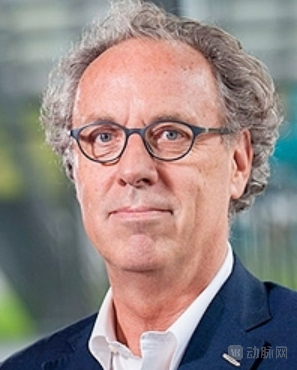
Pieter Reitsma (Image source: Leiden University official website)
In March 2023, Dr. Jeffrey Lawson assumed the role of Chief Scientific Officer at VarmX.Dr. Lawson is a scientist specializing in the biochemistry of coagulation and surgical hemostasis, as well as a vascular surgeon. He has over 20 years of experience in the development of hemostatic products and vascular surgical techniques. Prior to joining VarmX, he served as President and Chief Executive Officer of Humacyte, a publicly traded regenerative medicine company, where he oversaw the clinical development of human acellular vessels and led Phase III clinical trials for products related to dialysis access, peripheral artery disease, and vascular trauma. Additionally, Dr. Lawson founded InnAVasc, a vascular device company dedicated to developing vascular access products for hemodialysis, which was acquired by Gore in 2022.
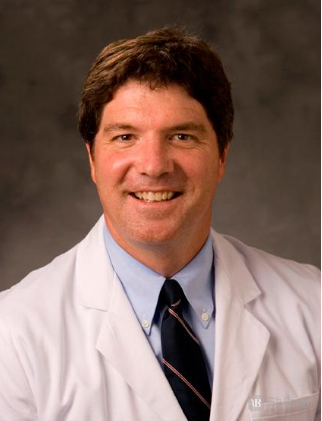
Jeffrey Lawson (Image source: Twitter)