

Pujee Bioscience Unveils High-Throughput PCR Solution to Drive IVD Adoption in Hospitals and Expand Access to Grassroots Markets
On June 10, Puji Biotech held the “New Product Launch for High-Throughput PCR Clinical Diagnostic Solutions” in Shanghai. Themed “Breaking Boundaries, Leading the Future with Intelligence,” the event aimed to showcase Puji Biotech’s global debut of its ten-thousand-foldTMOne-Stop Solution for High-Throughput PCR Clinical Diagnostics.
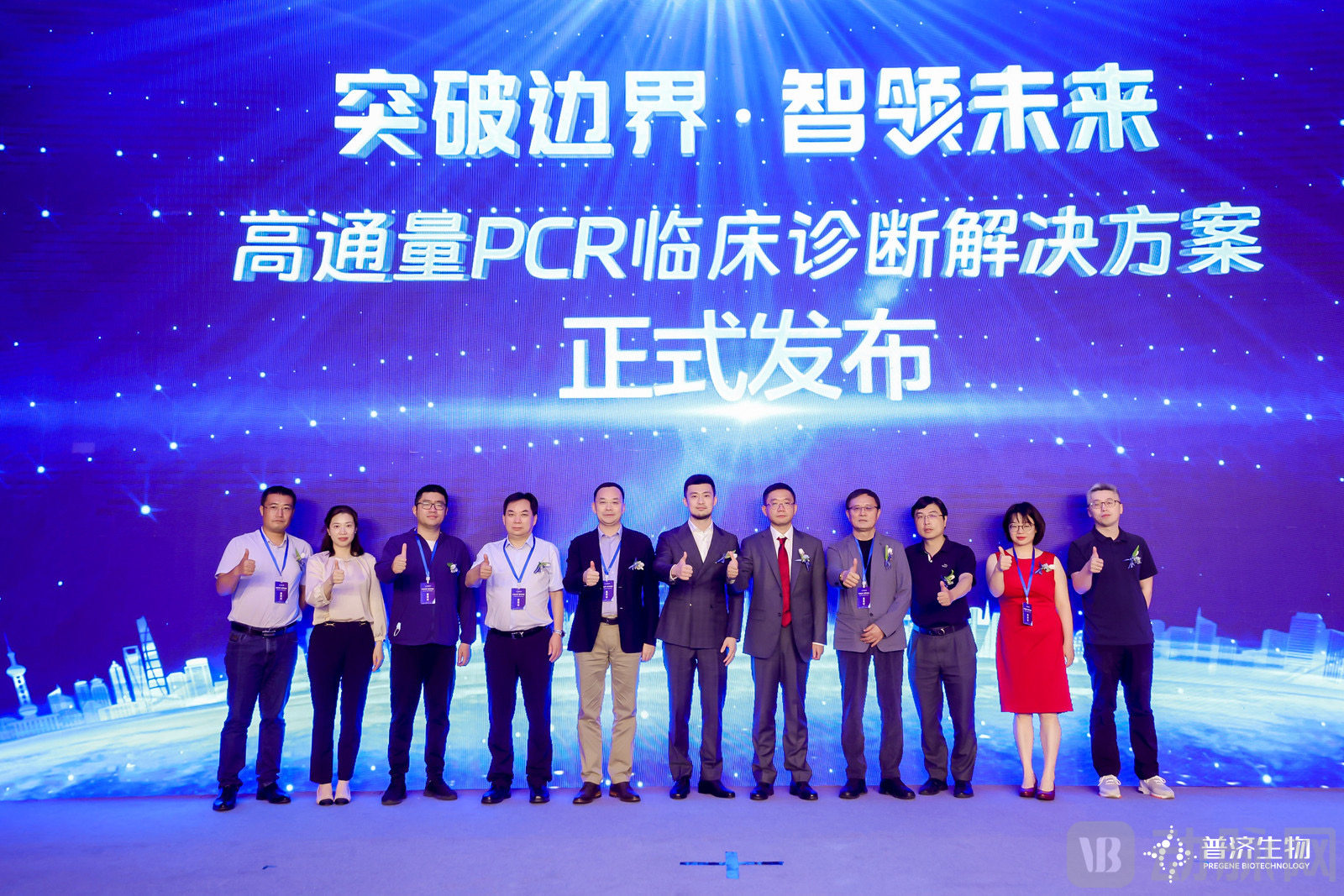
Press Conference Venue
At this launch event, Mr. Song Haibo, President of the Medical Laboratory Industry Branch of the China National Health Industry Enterprise Management Association, delivered an opening address. Director Xu Chenming from the Genetic Center of the Obstetrics and Gynecology Hospital affiliated with Fudan University, Director Li Hao from the Department of Oncology at Ruijin Hospital affiliated with Shanghai Jiao Tong University, and Director Song Zhenju from the Emergency Department of Zhongshan Hospital affiliated with Fudan University shared insights on high-throughput PCR applications across various fields. Additionally, numerous experts and scholars in clinical diagnostics gathered for in-depth discussions and exchanges on related diagnostic technologies, sharing the latest research findings and practical application experiences with the industry.
At the conference, Puji Biologics unveiled WanchongTMHigh-Throughput PCR Clinical Diagnostic Solution: Leveraging the dual advantages of high information yield and superior detection sensitivity, this solution enables simple, rapid, and cost-effective implementation of clinical applications that traditionally require complex instrumentation. By balancing timeliness and cost-efficiency, it supports the adoption of IVD products in hospitals and facilitates their widespread deployment across lower-tier healthcare settings.
Breaking Through Multiple Detection Limitations: High-Throughput PCR Clinical Diagnostic Solution Released
Molecular diagnostics is the fastest-growing segment within the in vitro diagnostics (IVD) industry. Compared with biochemical and immunodiagnostics, molecular diagnostics offers advantages such as shorter turnaround times, higher sensitivity, and greater specificity. Driven by both the pandemic and supportive policies, it has become a key direction for the development of clinical laboratory testing.
Currently, common molecular diagnostic techniques mainly include PCR (conventional PCR, qPCR, dPCR), gene chips, and NGS. These technical platforms each have their own advantages, forming a subtle balance.
Among these, PCR has become the most mature and largest market-share technology platform due to its advantages of high sensitivity, ease of adoption, and cost-effectiveness. To address emerging research needs, continuous improvements have been made to PCR technology, achieving an evolution from qualitative to quantitative, and further to precise quantification. However, limited information throughput remains a major bottleneck, restricting the scope of its clinical applications.
For scenarios requiring high-throughput testing, next-generation sequencing (NGS) offers the advantages of high throughput and high accuracy; however, its cumbersome procedures, long turnaround time, and high costs hinder improvements in clinical adoption rates.
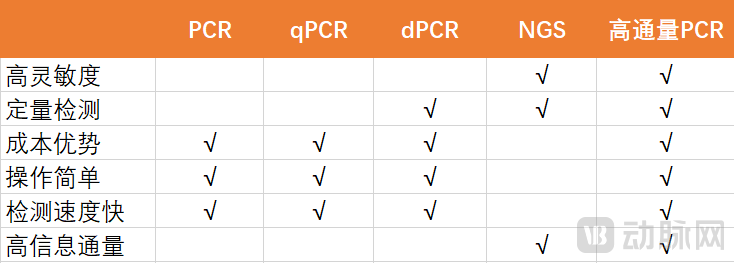
Mainstream Technical Platforms for Molecular Diagnostics
Puji Bio is committed to increasing detection information throughput while preserving the inherent advantages of PCR. At the conference, Puji Bio made a major announcement of its “Wanchong”TMHigh-Throughput PCR Clinical Diagnostic Solutions.
Song Haibo, President of the Medical Laboratory Industry Branch of the China National Health Industry Enterprise Management AssociationIn his opening remarks at the conference, he stated that the three-year pandemic has created immense opportunities for the development of molecular diagnostics. While China’s in vitro diagnostic (IVD) technologies have reached maturity in conventional areas, there is still room for growth in cutting-edge technologies and specialized fields. There is an urgent clinical need for high-quality, high-throughput molecular diagnostic products. The high-throughput PCR series solutions introduced by Puji Biology have opened up new possibilities for the future of the molecular diagnostics sector.
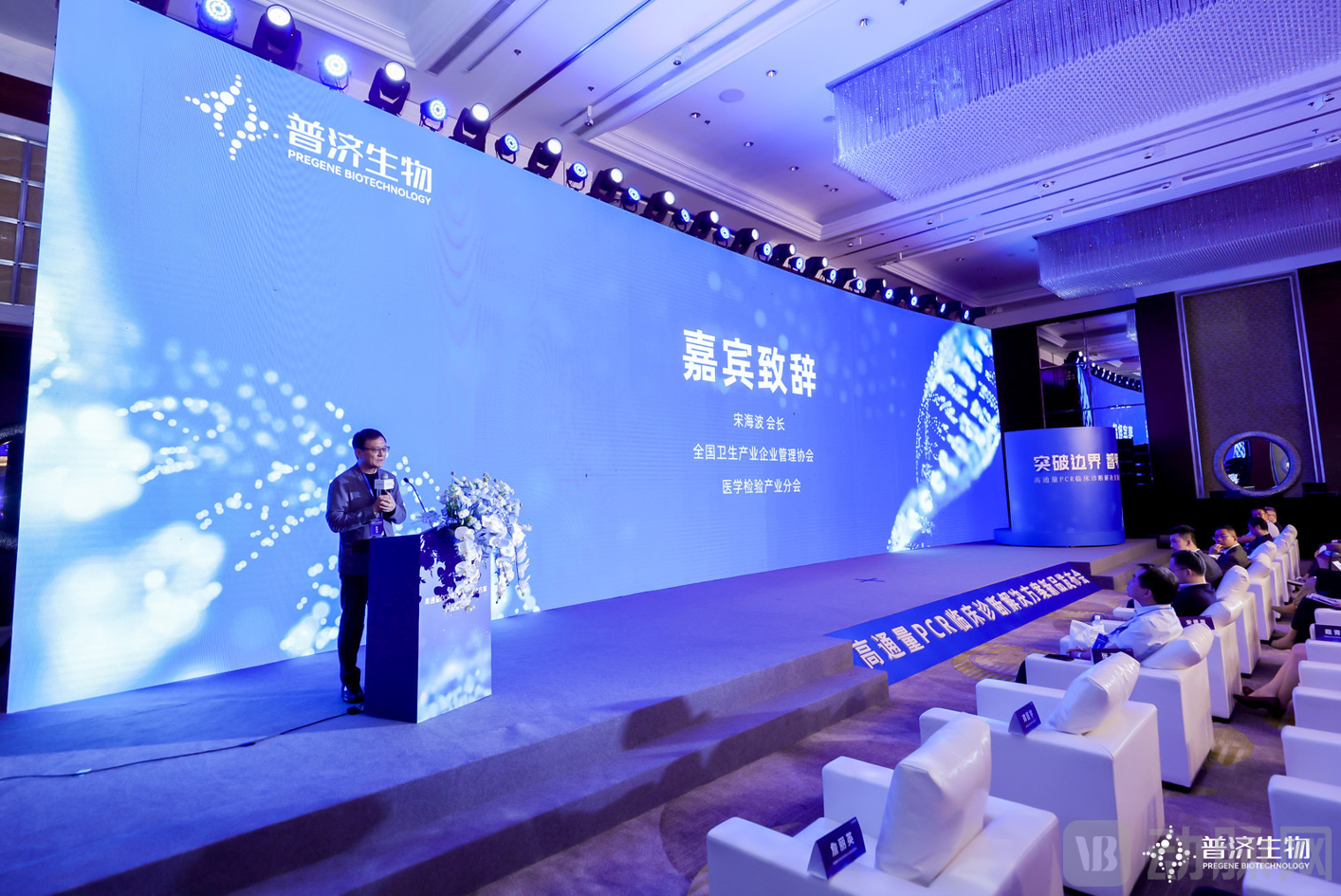
Address by President Song Haibo
Dr. Shang Wu, Co-founder and General Manager of Puji BiologicsDui WanzhongTMOn-site Introduction of High-Throughput PCR Clinical Diagnostic Solutions: Multi-Target High-Throughput Detection Kits Developed for Different Syndromes Based on the High-Throughput PCR Instrument Platform, Paired with Proprietary High-Throughput PCR Automated Analysis Algorithms, WanchongTMHigh-throughput PCR clinical diagnostic solutions enable a seamless workflow from sample input to result output, providing clinicians with actionable insights rapidly without the need for complex data analysis.
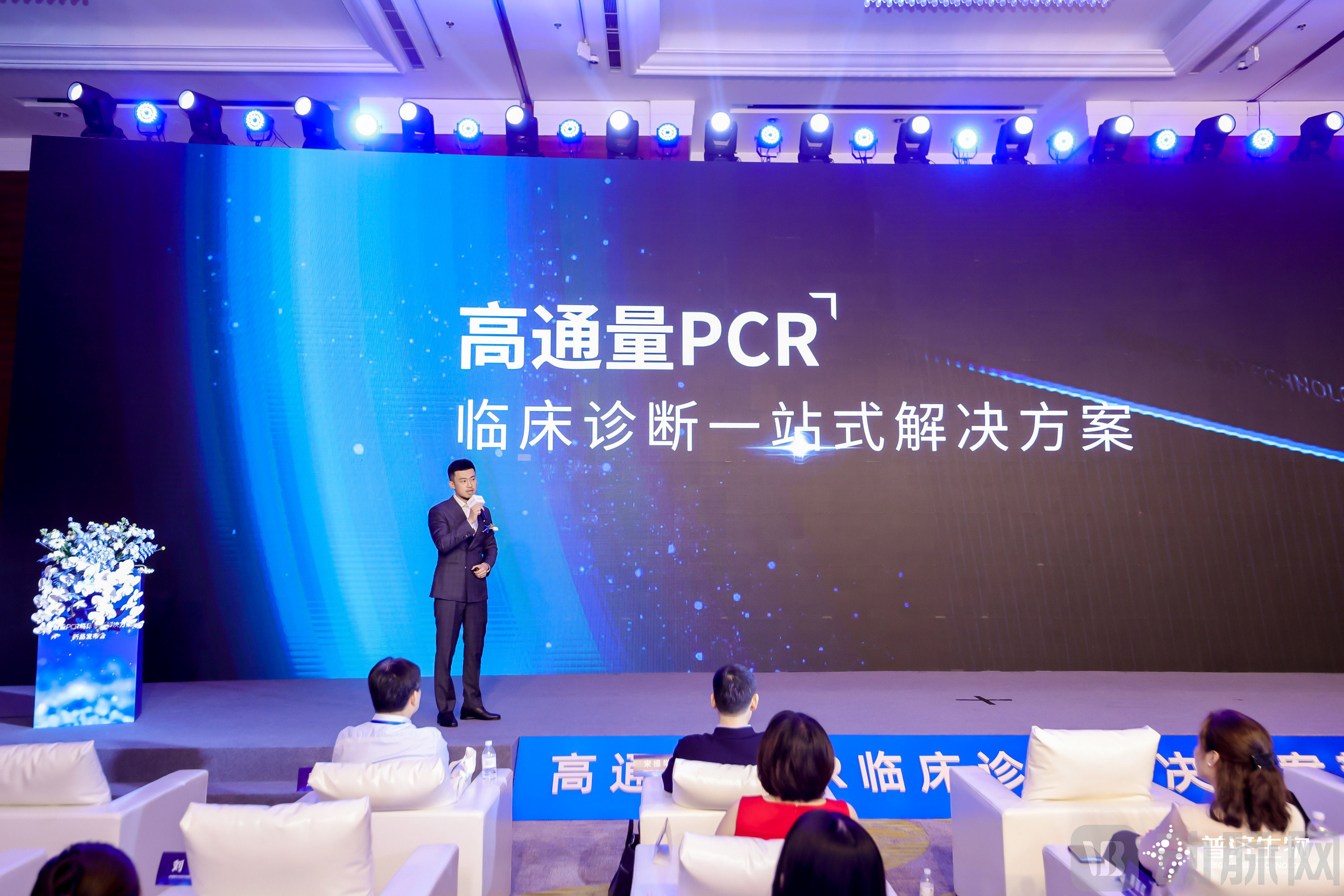
Dr. Shang Wu Presents Product Introduction On-Site
Director Xu Chenming, Genetic Center, Obstetrics and Gynecology Hospital of Fudan UniversityShe believes that high-throughput PCR will help promote the wider adoption of precise, non-invasive birth defect screening across China. She noted that, after years of comprehensive prevention and control efforts, the incidence rates of 22 major birth defects in China have declined significantly. Currently, due to cost and other considerations, non-invasive screening tests such as NIPT are not yet covered by medical insurance. Puji Bio’s Wan ChongTMHigh-throughput PCR clinical diagnostic solutions are fast, cost-effective, highly accurate, and high-throughput, facilitating the decentralization and widespread adoption of non-invasive screening for birth defects.
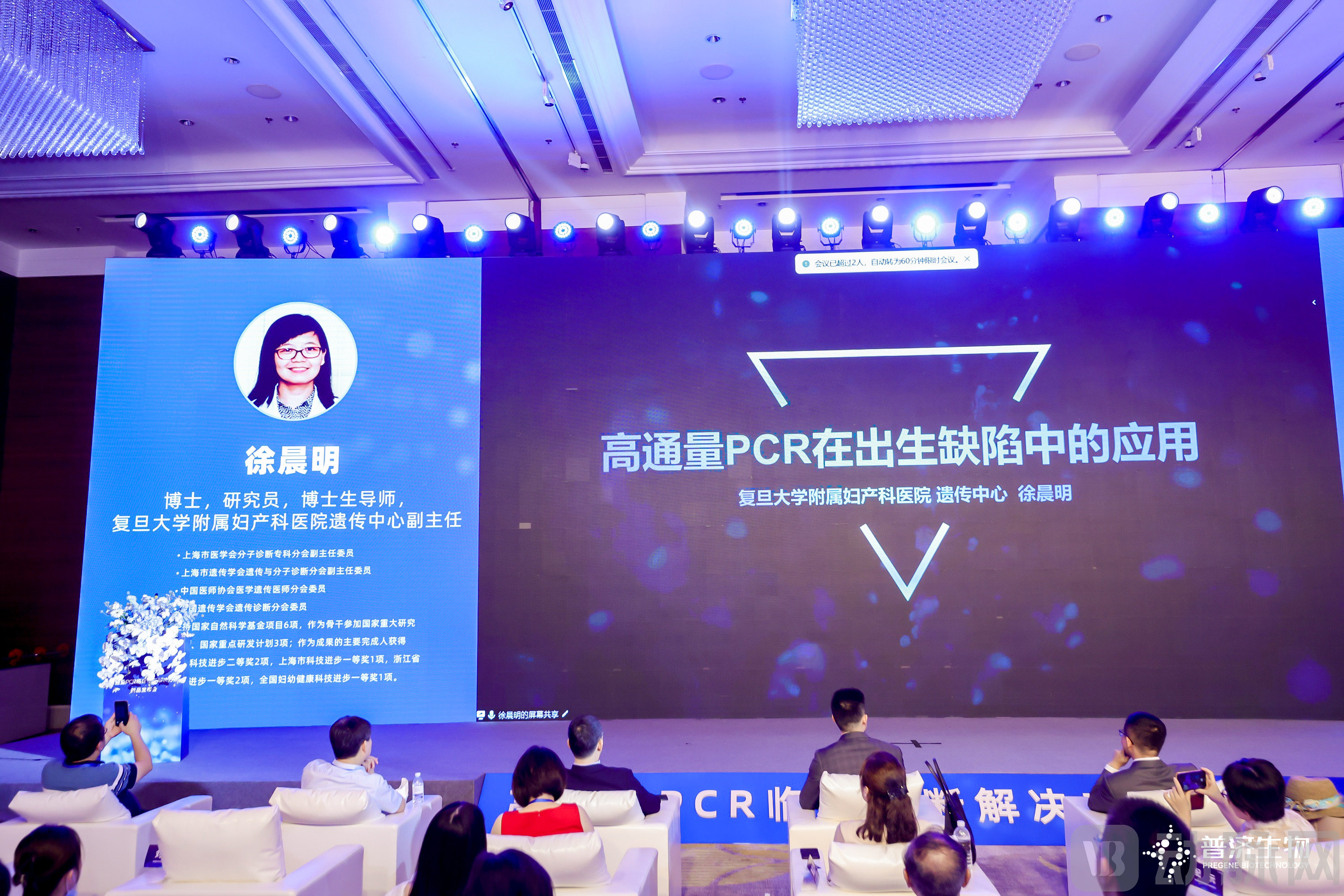
Director Xu Chenming Shares Online on the Application of High-Throughput PCR in Birth Defects
Director Li Hao, Department of Oncology, Ruijin Hospital Affiliated to Shanghai Jiao Tong Universitystated that genetic testing is a prerequisite for precision diagnosis and treatment of tumors, WanchongTMHigh-Throughput PCR Clinical Diagnostic Solution integrates the advantages of multiple technology platforms, including qPCR, dPCR, and NGS. Featuring multiplex targets, rapid turnaround time, superior performance, and cost-effectiveness, it provides a complete sample-to-result solution. Without the need for complex bioinformatics analysis, it can be performed in-house, making it a more clinically suitable solution widely applicable to tumor companion diagnostics, early screening and prognosis, and immunotherapy management.
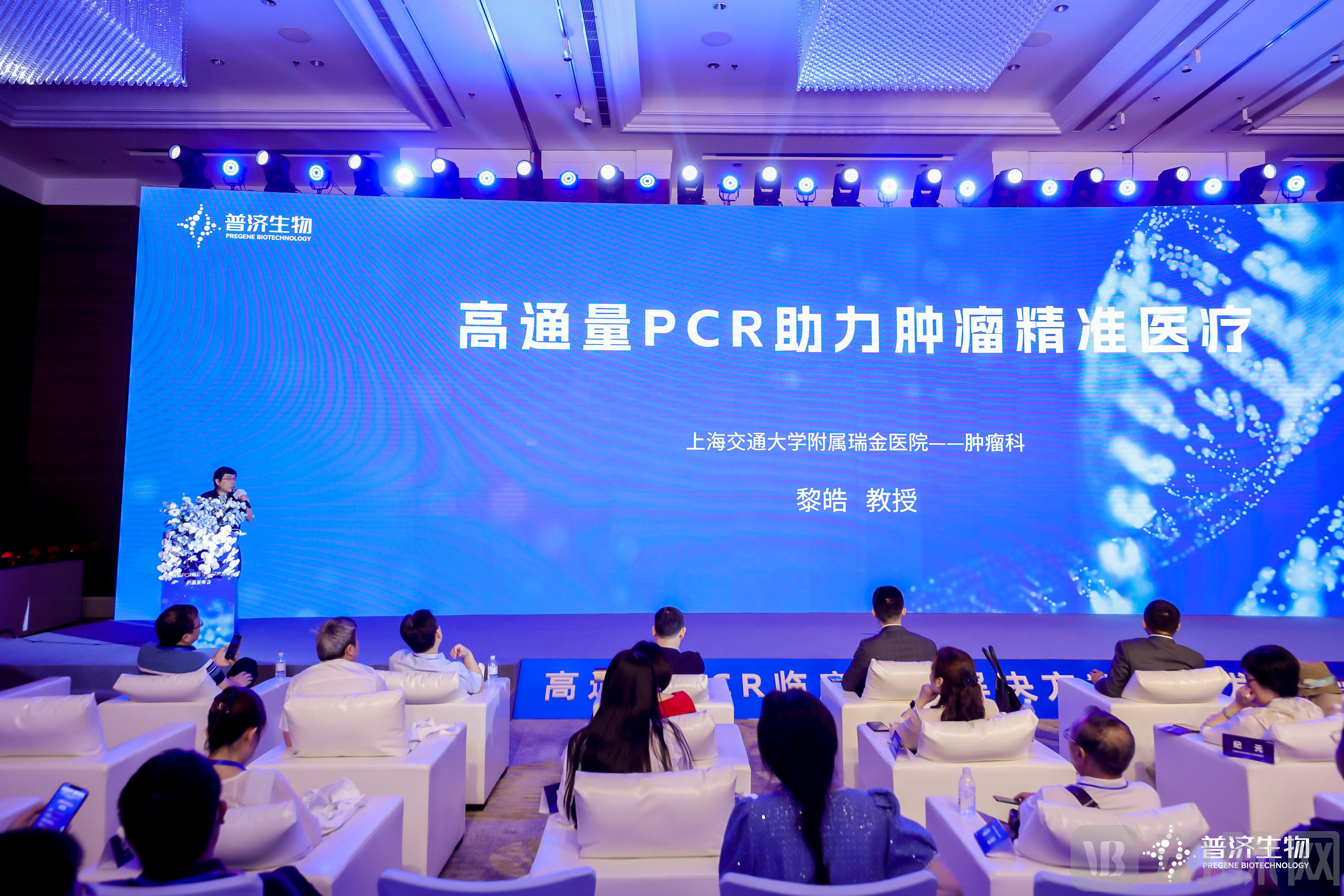
Director Li Hao Shares the Application of High-Throughput PCR in Precision Oncology Diagnosis and Treatment
Director Song Zhenju, Department of Emergency Medicine, Zhongshan Hospital Affiliated to Fudan UniversityIt is stated that infectious diseases are one of the leading causes of death globally, characterized by a diverse yet shared spectrum of pathogens, high urgency, and the global challenge of antimicrobial resistance. Current mainstream clinical detection methods suffer from long turnaround times, limited targets, poor sensitivity, and high costs, failing to simultaneously meet the needs for convenient, rapid, comprehensive, and accurate universal screening. Puji’s high-throughput PCR testing offers comprehensive target coverage, short turnaround time, superior performance, and high cost-effectiveness, thereby guiding rational clinical medication.
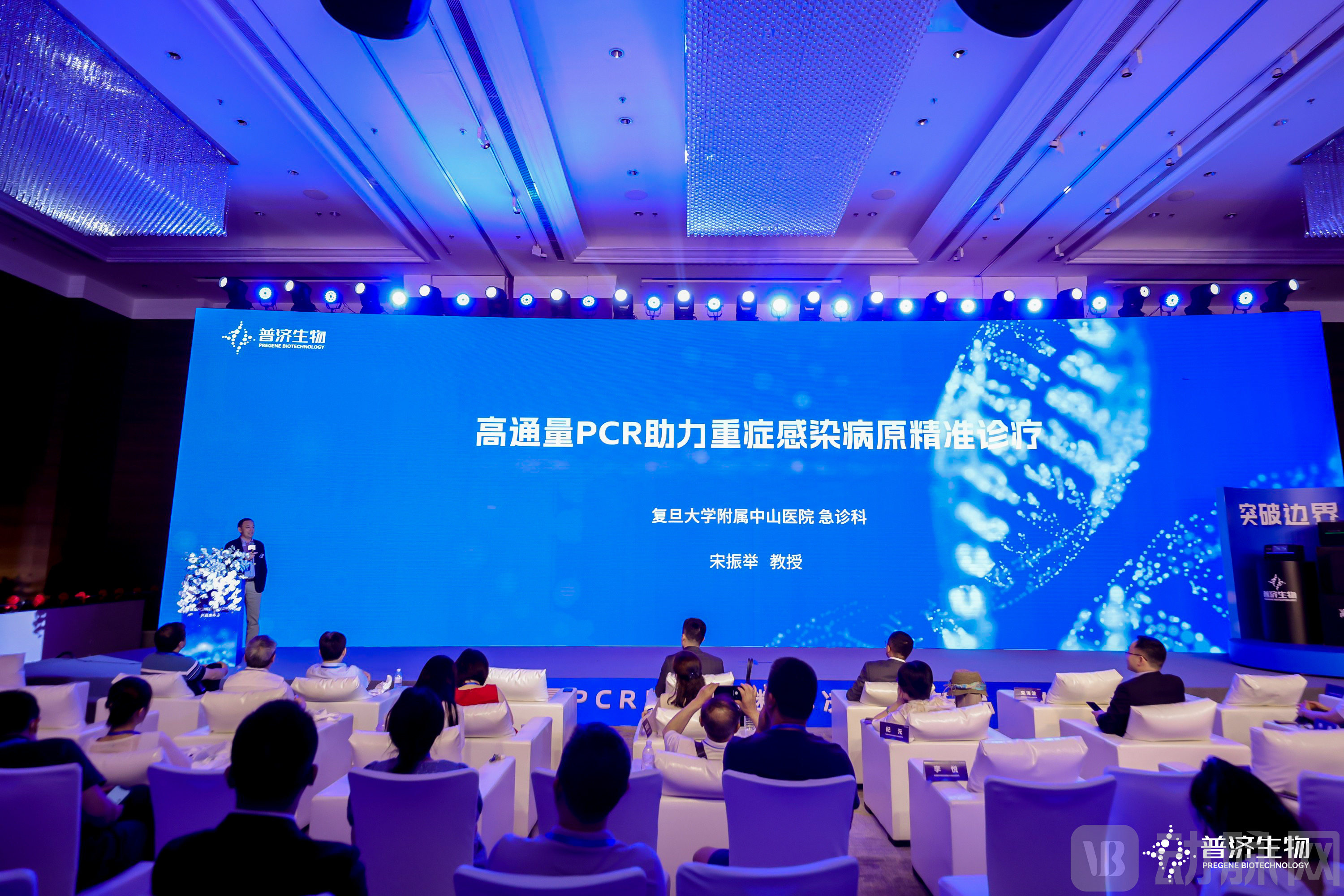
Director Song Zhenju Introduces the Application of High-Throughput PCR in the Precise Diagnosis and Treatment of Pathogens in Severe Infections
On the day of the press conference, Puji Biologics also launched a nationwide, multicenter clinical study to evaluate the value of high-throughput PCR in the early diagnosis of sepsis pathogens. In the future, Puji Biologics will continue to promote the establishment of relevant guidelines and consensus statements to support industry development.
Expansion of the Primary Care IVD Market Facilitates the Adoption and Decentralization of Complex Diagnostic Tests
Driven by initiatives such as the establishment of National Regional Medical Centers, tiered diagnosis and treatment systems, and centralized procurement, primary care diagnostic and treatment capabilities have become a key focus, leading to further expansion of the primary IVD market.
Over the past three years, the COVID-19 pandemic has accelerated the rapid maturation of molecular diagnostics in China. The widespread availability of PCR testing equipment across hospitals at all levels, coupled with clinical staff proficient in PCR testing techniques, has undoubtedly laid a solid foundation for the implementation of high-throughput PCR clinical testing platforms within healthcare institutions.
Although favorable policies and market conditions exist, entering the primary care IVD market is by no means easy. On one hand, medical expenses at the primary care level are significantly lower than those at tertiary hospitals. Coupled with the impact of DIP/DRG payment reforms, companies seeking to penetrate the vast primary care IVD market must simultaneously enhance product quality and cost-efficiency within the constraints of limited reimbursement budgets.
On the other hand, current complex testing panels are all performed on high-throughput NGS platforms. These processes are not only operationally complex and time-consuming but also costly, which hinders the adoption of high-end tests in hospitals and their decentralization to lower-tier institutions, while simultaneously driving the growth of off-site NGS testing models. In reality, however, this approach makes it difficult to ensure product quality and, from the perspective of patient payment, poses challenges for national regulatory oversight.
Wan ChongTMHigh-throughput PCR clinical diagnostic solutions simplify complex testing tools, offering advantages in speed, sensitivity, and cost-effectiveness. With strong health economic value, they facilitate the adoption of IVD products in hospitals and their broader dissemination to grassroots healthcare settings, delivering significant value to all stakeholders in the industry.
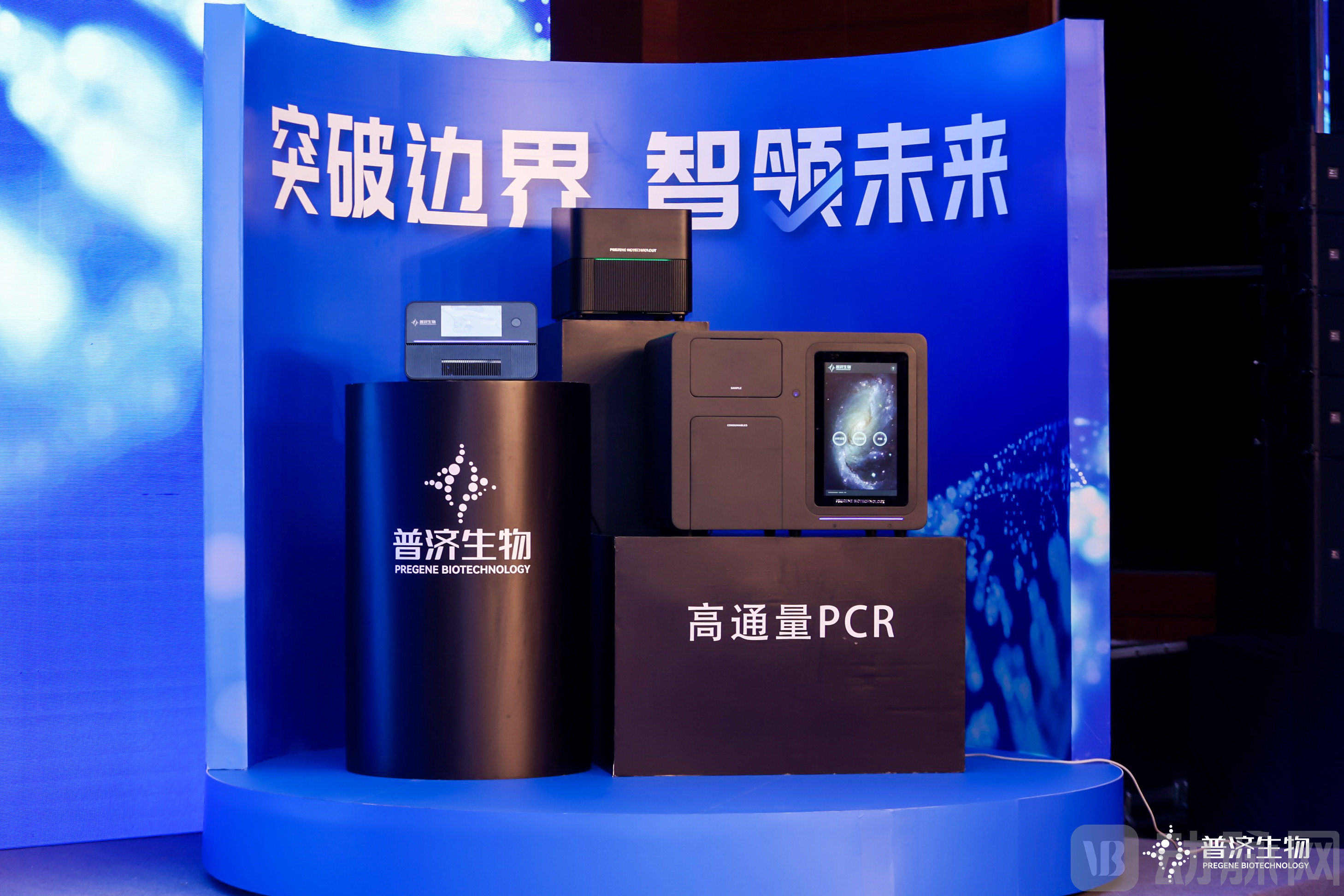
On-Site Product Showcase
This is undoubtedly a significant step forward in bringing high-end molecular testing to the primary healthcare market. Compared with next-generation sequencing (NGS), high-throughput PCR is better suited for deployment in primary care clinical settings, representing a more universally applicable technological platform in clinical practice, and has already demonstrated its potential across multiple application areas.
Unlocking Further Clinical Potential to Advance Accessible and Precise Healthcare
Currently, Puji Bio's WanzhongTMAs a valuable enabler facilitating the adoption of complex diagnostic tools in hospitals and their deployment to grassroots healthcare settings, high-throughput PCR clinical diagnostic solutions have covered three major application areas: birth defects, precision oncology diagnosis and treatment, and severe infections. At the conference, experts also delivered thematic presentations on these three fields.
Advancing the Early Intervention in Oncology Diagnosis and Treatment to Facilitate the Realization of "Preventive Care"
In recent years, the clinical application of molecular testing in precision oncology has experienced rapid growth, with companion diagnostics serving as a core application. In fact, the market for tumor genetic testing extends beyond companion diagnostics; high-throughput PCR also holds significant potential in scenarios such as early cancer screening and prognosis. It is estimated that the current market size for tumor companion diagnostics is approximately RMB 5 billion, whereas the market for early cancer screening reaches as high as RMB 60 billion, and the prognosis market stands at around RMB 24 billion.
Early screening targets healthy individuals, while prognostic assessment focuses on cancer patients; both fall within the realm of “preventive medicine.” The primary characteristic is the absence of diseased tissue, meaning only blood samples can be tested. Furthermore, tumor-derived DNA in blood samples is extremely scarce, necessitating high detection sensitivity. Finally, sufficient informational content is required to achieve effective screening, and multiple tests are often needed, resulting in high cost sensitivity. In summary, early cancer screening and prognostic assessment demand comprehensive coverage from detection tools, high sensitivity, and cost-effectiveness. High-throughput PCR can effectively meet these requirements.
NIPT Needs “Decentralization”: High-Throughput PCR Enables Rapid Clinical Implementation
In the field of birth defects, non-invasive prenatal testing (NIPT) is a key product focus for Puji Biotechnology. With growing public awareness of birth defect prevention and updates to prenatal testing guidelines, the market penetration rate of NIPT in China has risen rapidly. Statistics show that the market size of China’s NIPT industry reached RMB 6.5 billion in 2021 and is projected to grow to RMB 8.5 billion in 2022, indicating substantial market potential.
Currently, NIPT solutions are predominantly based on sequencing, which is costly and operationally complex, exhibiting a distinct "centralized" characteristic. While multiple first-tier cities have incorporated NIPT into their medical insurance schemes, fostering awareness of prenatal screening, such awareness has yet to take hold in less developed regions. There is a practical demand for the decentralization of NIPT testing tools. High-throughput PCR can facilitate the deployment of complex testing capabilities to lower-tier settings, positioning NIPT as a promising application for the rapid clinical adoption of high-throughput PCR in the future.
High-Throughput PCR Offers Significant Advantages in Meeting the Extremely High Throughput Demands for Severe Infection Detection
Infection is one of the leading causes of death among critically ill patients. In China, infectious diseases account for more than 50% of all diseases, with a mortality rate as high as 50% in patients with sepsis.
The causative pathogens of severe infections are highly diverse, necessitating the detection of dozens of different targets. This imposes stringent requirements for multiplexing capabilities, which currently can only be met by metagenomic next-generation sequencing (mNGS). Meanwhile, given the time-sensitive nature and sample complexity associated with severe infections, there are also high demands for turnaround time and sensitivity, which currently can only be satisfied by high-throughput PCR. High-throughput PCR is poised to become a faster, more precise, and cost-effective solution in the field of severe infection diagnosis.
In the promising and rapidly growing field of molecular diagnostics, which warrants long-term dedication, we have overcome myriad limitations in detection signals.TMHigh-throughput PCR clinical diagnostic solutions are expanding into a broader range of application areas. In the future, Puji Biotech will continue to drive technological upgrades, striving for excellence in product performance and automation, and widely applying high-throughput PCR technology in hospitals at all levels and clinical laboratories, thereby truly fulfilling its mission of “universal benefit” and reaching a wider population.