

Bridging Academia, Industry, and Investment: Advancing the Commercialization of Scientific Research – Key Insights from Junlin Capital's Shushan Forum on Health CEOs
Under the new development paradigm, achieving a higher level of scientific and technological self-reliance and strength requires translating laboratory breakthroughs into commercial applications. How should various stakeholders collaborate in this process of transforming scientific achievements, and what difficulties and challenges lie ahead? On May 24, the “4th Shushan ‘Health’ Dialogue – Medical and Health Industry CEO Summit,” hosted by Legend Capital, co-hosted by Tianfu International Bio-Town and Ceyuan Capital, and organized by VCBeat, was held in Chengdu. At the sub-forum on “Frontier Technological Innovation and Transformation of Scientific Achievements,” participants from industry, academia, and the investment community drew on their practical experiences to jointly discuss the translation of scientific outcomes within the medical ecosystem.
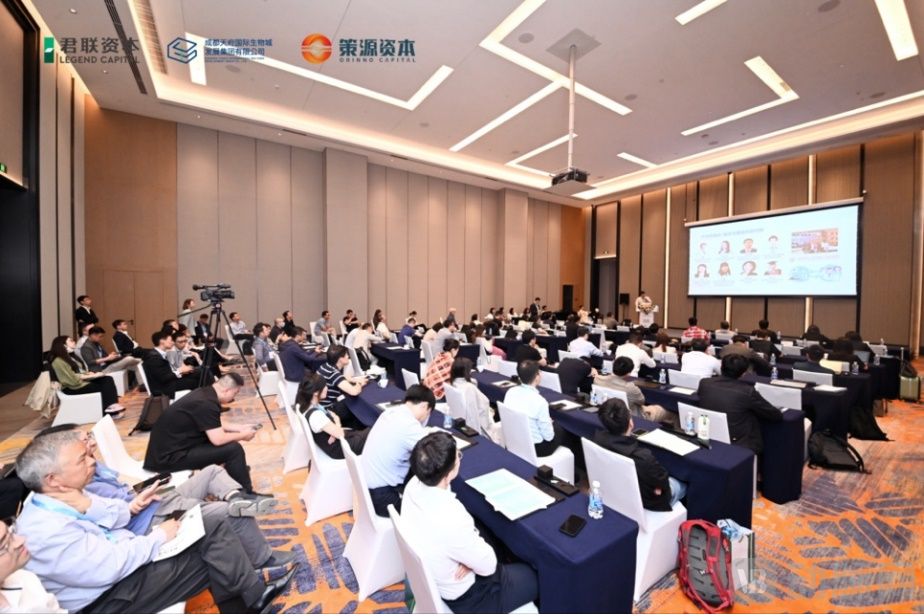
Frontier Technological Innovation and Translation of Scientific Research Achievements
In Global For Global
Original Innovation Seizes Opportunities
The commercialization of scientific and technological achievements is a complex systemic engineering endeavor. The journey from the laboratory to the market involves multiple stages, necessitating the establishment of an ecosystem that addresses every pain point in the product translation process. Drug research and development (R&D) and translation represent a global challenge. How can we better promote the R&D and translation of innovative drugs, bridge the gap between scientific innovation and industrial application, and achieve genuine original innovation?
Qi Fei, Executive Director at Legend Capital, stated that Legend Capital has built a healthcare industry ecosystem by leveraging its past investments in over one hundred medical and health enterprises. In recent years,Continuously integrate resources around the innovative translation of scientific research achievements, explore and establish a full-chain ecosystem from idea to commercialization, with particular emphasis on professional empowerment and management empowerment., Legend Capital aims to integrate and consolidate medical ecosystem resources into truly innovative products, providing support for genuinely innovative scientists.
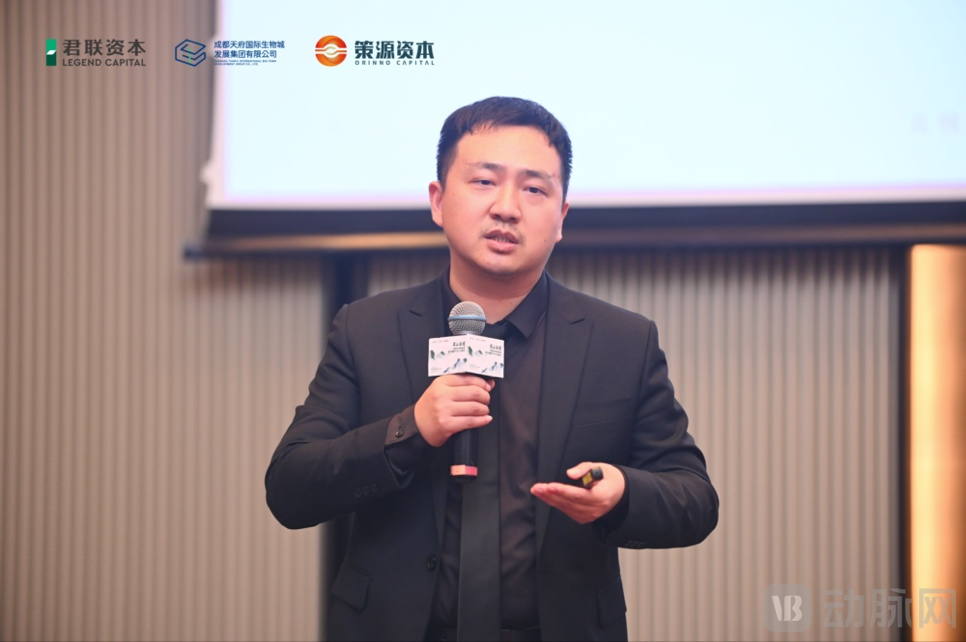
Executive Director of Legend Capital, Qi Fei
Whether in terms of the policy environment or technological R&D, China’s innovative drugs have ushered in opportunities for original innovation. However, the Chinese biopharmaceutical industry still faces numerous challenges at the stages of innovation incubation and frontier translation. How can we bridge the gap between scientific innovation and industrial translation? How can research achievements be translated into products? And how can these products be advanced into clinical practice and the market? He believes that, first and foremost, entrepreneurs with a scientific background must recognize that innovation, drug development, and commercialization are three distinctly different capabilities.Enterprises need to possess a diverse range of capabilities. Furthermore, genuine original innovation must not target only the Chinese market; it must also address the broader global market, dominated by Europe and the United States., while also expanding into the Southeast Asian, Japanese and South Korean, Middle Eastern, and Belt and Road Initiative markets; only by meeting these conditions can original innovation under the “In Global, For Global” paradigm be achieved.
Industry, Academia, and Research Institutions: Each Playing Its Part to Co-Create an Ecosystem
The translation of scientific and technological achievements is fraught with complexity and challenges, encompassing technical hurdles, uncertainties in market application, and the selection and coordination of partners. Amidst these challenges, how can various stakeholders in industry, academia, and research fulfill their respective roles? At the conference, experts and entrepreneurs from the National Institute of Biological Sciences, Beijing; the GCP Center of the Cancer Hospital, Chinese Academy of Medical Sciences; Syngene Pharma; and GenScript ProBio shared their valuable insights.
Huang Song, Deputy Director of the National Institute of Biological Sciences, BeijingIntroduction,The Beijing Institute of Biological Products has established a comprehensive loop spanning clinical practice, pharmacy, and scientific research. Clinical questions collected from physicians are addressed within the scientific framework, and ultimately translated into pharmaceutical products through its translational platform., ultimately benefiting patients. This has been made possible through close interactions with clinical experts, communication with government regulatory authorities, and collaboration with leading CRO companies such as WuXi AppTec. The Beijing Institute of Life Sciences bears the responsibility of cultivating talent, delivering research outcomes, and establishing innovative mechanisms.
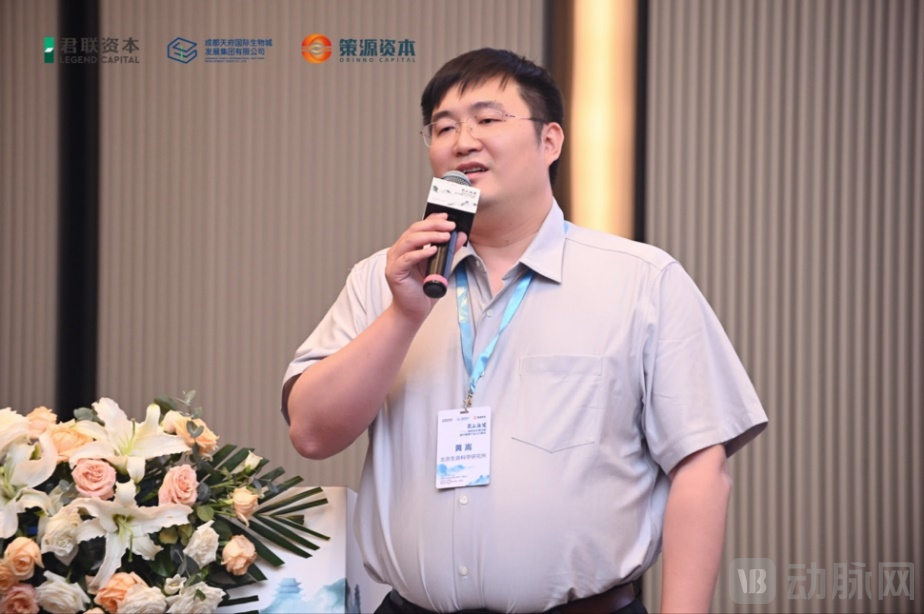
Deputy Director of the National Institute of Biological Sciences, Beijing: Huang Song
Tang Yu, Head of the GCP Center Office, Cancer Hospital, Chinese Academy of Medical SciencesShared experiences in clinical trials of innovative drugs in the field of oncology. She introduced that the Cancer Hospital of the Chinese Academy of Medical Sciences & National Cancer Center is the largest cancer prevention and treatment research center in Asia. The hospital has profound expertise and a long history in the field of clinical research, having led various registrational clinical studies for different types of cancer.Oncology is the most dynamic field for innovative medical technologies, where traditional clinical evaluation systems often pose challenges for novel biotechnological innovations.To better facilitate clinical development, the National Cancer Center/Cancer Hospital of the Chinese Academy of Medical Sciences has senior investigators matched to each oncology indication targeted by any innovative medical technology, thereby supporting companies in the clinical development of their innovative medical technologies.
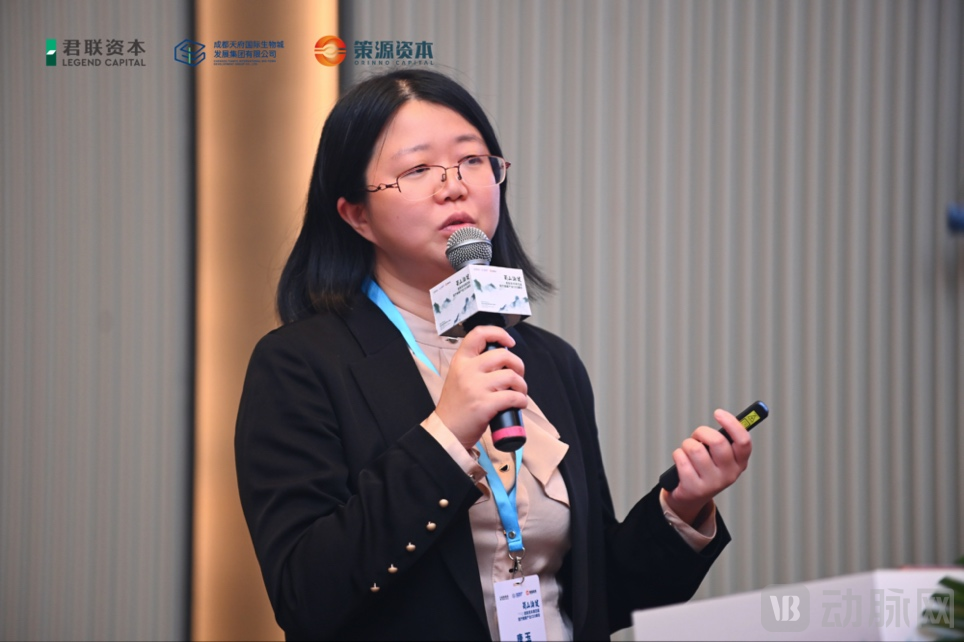
Tang Yu, Head of the GCP Center Office at the Cancer Hospital of the Chinese Academy of Medical Sciences
Liu Zhenyu, Chairman of GenScript ProBioSharing Synthea Biologics’ concrete practices from the perspective of an “enabler of industrialization and globalization,” he stated,As a one-stop platform for the research, development, and manufacturing of biopharmaceuticals, Pengbo Bio positions itself as an enabler, empowering the globalization of the pharmaceutical industry and enterprises through its biopharmaceutical R&D platforms and technical support.Pengbo Biopharma has positioned itself as a global company since its inception, empowering Chinese innovative pharmaceutical companies with global standards while facilitating their international expansion. He believes that for CDMO companies, as drug molecular forms become increasingly diverse, they should focus more on their core businesses and areas of expertise. The CDMO industry has seen rapid growth in recent years, and it will next face a period of adjustment and consolidation. What Pengbo Biopharma aims to do is improve efficiency, excel in its operations, and empower innovative pharmaceutical companies.
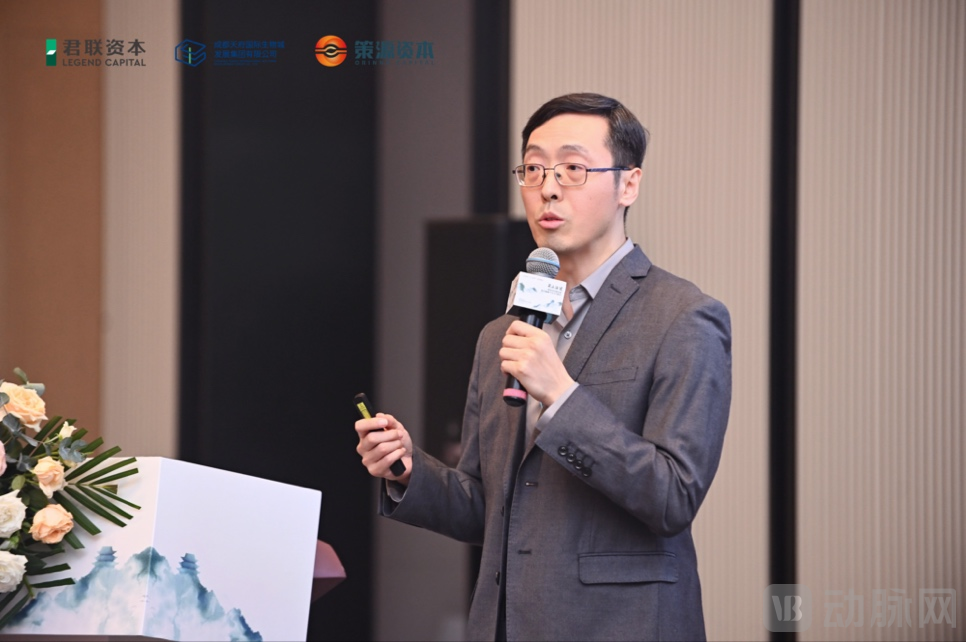
Liu Zhenyu, Chairman of GenScript ProBio
Key Considerations for Preclinical Evaluation in Frontier Translational Projects,Wang Quanjun, Chief Scientist at Saifu MedicineIt was stated that, for emerging innovative drugs, the primary priority is to ensure the safety of first-in-human trials. No matter how promising the preclinical animal data may appear, uncertainties remain when transitioning to human studies; therefore, such clinical trials must be underpinned by robust non-clinical research. The second priority is to conduct efficacy validation. Non-clinical studies should provide maximal support for exploring the drug’s mechanism of action, thereby facilitating the design of more rigorous subsequent clinical trial protocols and ensuring that all aspects of future clinical trial execution can withstand regulatory scrutiny.
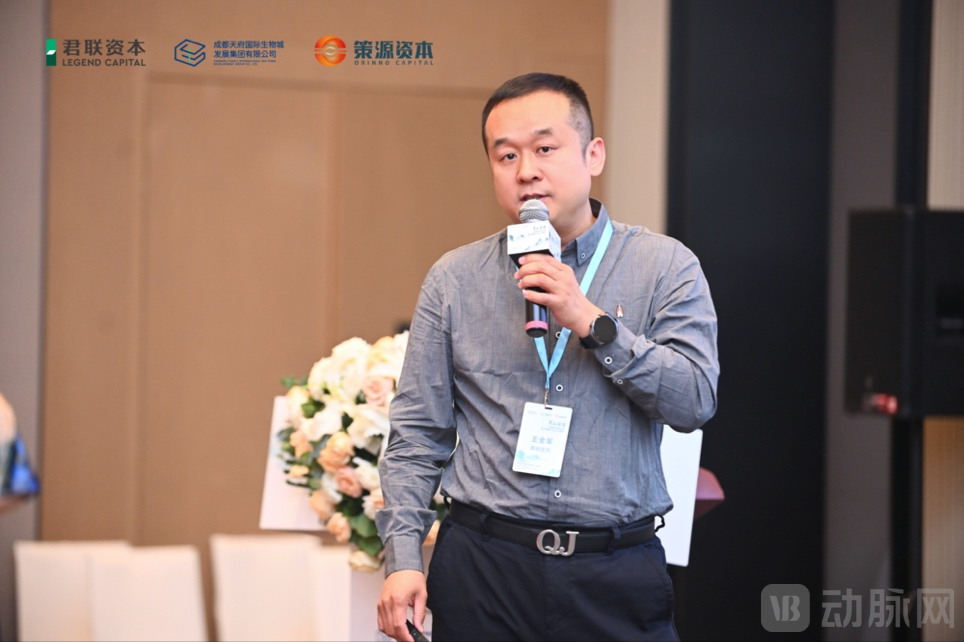
Wang Quanjun, Chief Scientist at Saifu Medicine
Difficulties and Challenges: From Original Innovation to Industrial Translation
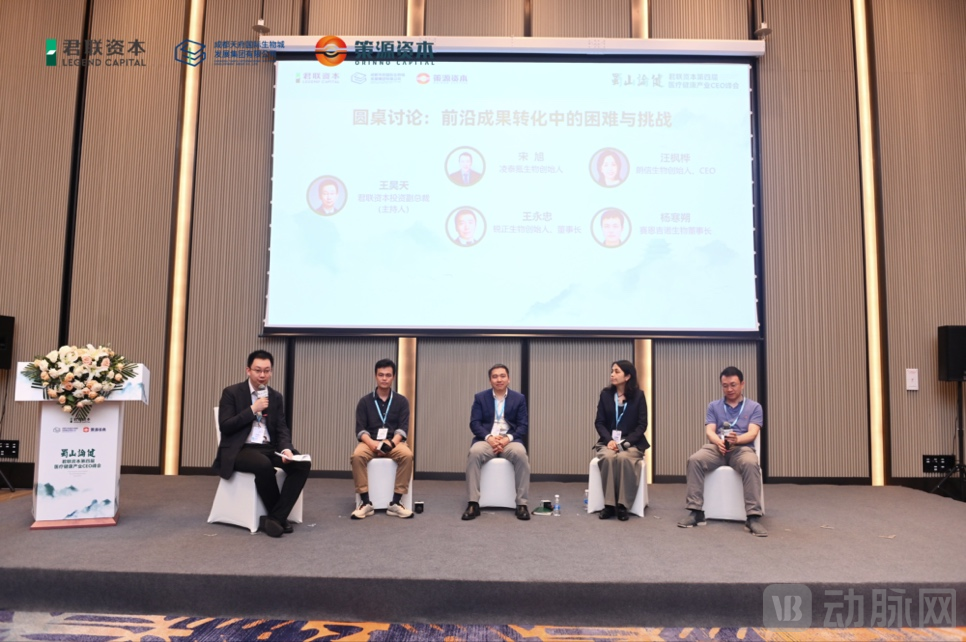
Roundtable Discussion: Difficulties and Challenges in the Translation of Frontier Achievements
The new development paradigm aims to achieve a higher level of scientific and technological self-reliance and self-strengthening, promoting the deep integration of science and technology with the economy through the commercialization of scientific and technological achievements. This serves as a crucial support for establishing the new development paradigm and thereby achieving high-quality development. It is also worth noting that the process of translating frontier scientific and technological achievements into practical applications is lengthy and requires collaborative efforts across multiple stages. Where lies the path to innovation in the commercialization of frontier scientific research? How can existing challenges be overcome? Moderated by Wang Haotian, Investment Vice President at Legend Capital, Song Xu, Founder of Lingtaike Biotechnology; Wang Fenghua, Founder and CEO of Langxin Biotechnology; Wang Yongzhong, Founder and Chairman of Ruizheng Biotechnology; and Yang Hanshuo, Chairman of Saengeno Biotechnology, shared their respective insights.
Yang HanshuoHe is one of the earliest practitioners in China’s CGT industry. He believes that the most challenging part is translating an idea into intellectual property (IP), particularly the process of transforming a valuable idea into valuable IP.Many basic research projects do not originate from clinical problems, resulting in a large number of ideas that are unsuitable for intellectual property (IP) protection. Researchers should be guided to align their ideas with clinical needs at the earliest stage., otherwise the likelihood of failure is substantial. Saengeno focuses on low-cost, off-the-shelf cell therapy products, striving to address solid tumors, with the goal of developing products based on unmet clinical needs.
Wang FenghuaPreviously, she was a medical scientist with extensive experience in both clinical practice and clinical research. She stated that entrepreneurship has been a process of deepening her understanding.In fact, for many entrepreneurs with a scientific research background, significant initial challenges include determining how a new molecule becomes a candidate in the clinical development process and identifying the pathways required for product translation. What these entrepreneurs need most is a comprehensive understanding of the entire product translation value chain.. If entrepreneurs could access training earlier, enabling all research scientists aspiring to start businesses to be fully prepared for the challenges, the translation and commercialization of scientific achievements would proceed more smoothly.
RuiZheng Gene is a leading in vivo gene editing company in China, under its founder and chairmanWang YongzhongIt appears that the founding team of Ruizheng Gene comprises seasoned industry veterans with comprehensive experience spanning the entire spectrum from product R&D to commercialization. Their core competitiveness lies in their proficiency in translation—specifically, the ability to translate novel therapeutic targets into commercially viable drugs. This process demands diverse modes of thinking, and the more innovative the target, the greater the difficulty in achieving successful translation.In addition to technical challenges, innovative enterprises also require the sustained support of long-term, patient capital and resources from diverse industries.
Song Xuit is believed that the first challenge on the path to translating scientific research achievements into practical applications is how to become partners with investors,Seek investors who understand the industry and technology.Lingtaike is engaged in R&D within the lncRNA niche, one of the hottest and most cutting-edge segments in fundamental biological research. Therefore, since its inception, Lingtaike has devoted considerable time and effort to identifying investor partners. Through repeated communications with investors and by aligning with genuine unmet clinical needs, the company has continuously optimized its strategy to ensure it remains on the right track.
Collaboration and Coordination Among Stakeholders in the Commercialization of Scientific Research Achievements
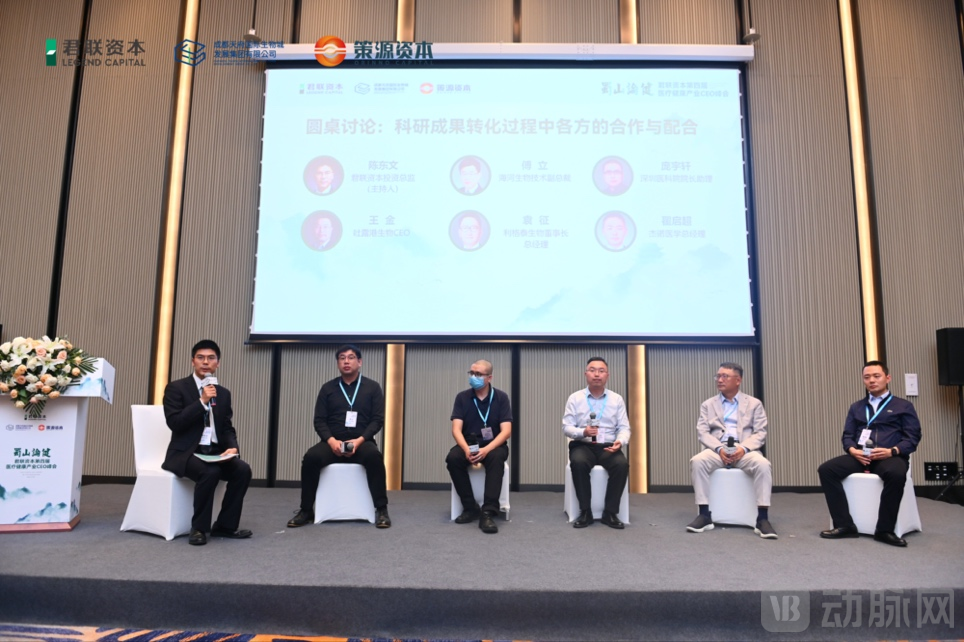
Roundtable Discussion: Collaboration and Coordination Among Stakeholders in the Translation of Scientific Research Achievements
The commercialization of scientific research achievements is a multi-stakeholder, collaborative process. Establishing a smooth collaborative ecosystem for the translation of scientific research outcomes is a concern and benefit to all relevant parties. In this ecosystem, how different roles can better coordinate in the process of transforming scientific research results was discussed at the end of the forum. Moderated by Chen Dongwen, Investment Director at Legend Capital, participants including Fu Li, Vice President of Haihe Biotechnology; Pang Yuxuan, Assistant to the President of Shenzhen Medical Academy of Research and Translation; Wang Jin, CEO of Tolo Harbour Bio; Yuan Zheng, Chairman and General Manager of Ligetai Biology; and Zhai Qichao, General Manager of Jeno Medicine, engaged in discussions on cooperation and coordination among various parties in the process of commercializing scientific research achievements.
What are the differences in focus between scientists and clinicians versus industry players and investors in the context of technology transfer?Fu Listates,Scientists are most focused on innovation, but they often overlook the regulatory requirements imposed by drug administration authorities on the entire lifecycle management of medical devices, including safety considerations.Medical devices constitute a highly specialized product category involving multidisciplinary integration. Demonstrating the safety and efficacy of a medical device requires expertise across numerous disciplines. Haihe Bio’s services are centered on regulatory compliance for registration; whether providing regulatory consulting or regulatory confirmation services, the aim is to better facilitate product commercialization.
Tulugang Bio is the global holder of foundational patents for CRISPR-based diagnostic technologies and represents a frontier technology commercialization project invested in by Legend Capital’s healthcare team during their systematic industry scan.Wang JinIt was observed that,In external communications regarding the market prospects of technologies and products, scientists often struggle to align with outside perspectives; they tend to focus more on breakthroughs from 0 to 1, while giving less consideration to application scenarios.. Furthermore, in the process of translating scientific research achievements into practical applications, full consideration must be given to the linkage between innovation and patents. He proposed three recommendations: first, clarify the patent holders; second, be willing to invest in protecting important patents, particularly those with global commercialization potential; and third, if scientists’ discoveries or inventions are significant, engage professional third parties such as law firms early on to assist in safeguarding these achievements.
Pang YuxuanHe also noted the cognitive disparities among scientists in this regard, stating,Many scientists devote the majority of their efforts to scientific research and innovation, lacking a comprehensive understanding of product commercialization and market prospects, which may result in inefficient business operations., to better pursue both scientific research and market development, ensuring a more balanced approach to our work.
How Does the Product Development Path for Innovative Medical Devices Differ from the Traditional Medical Device Model?Zhai QichaoIt points out that, in China, there were actually very few truly innovative medical device companies for a long period of time, becauseFor a novel medical device to establish itself as a milestone by demonstrating its safety and efficacy in the treatment of a specific disease, the costs incurred in both basic and clinical research are substantial.. Gradually, an increasing number of innovative medical devices are emerging in China, with the hope that a truly distinct “Chinese model” will take shape in the future.
Yuan ZhengHe stated that sustained corporate growth requires innovative products. If we deem the ideas or innovations proposed by professors and physicians to be a viable direction, we will continue our collaboration. The development of medical devices is a systematic engineering endeavor.Historically, domestically produced medical devices in China followed a “rural-encircling-urban” strategy, entering the market through small hospitals and gradually penetrating larger ones. However, innovative medical devices may require a shift in approach, starting with top-tier hospitals to capture the innovation dividend.