

Internationalization Strategies and Practices of Chinese Medical Enterprises: Insights from the Junlin Shushan Forum on Health CEO Summit
What opportunities and challenges do Chinese medical enterprises face when expanding overseas? What factors should be considered when selecting target markets? What lessons can be learned from companies that have already gone global? Why has Southeast Asia become a hotbed for Chinese pharmaceutical companies’ international expansion? What advice is there for companies preparing to enter the Southeast Asian market? On May 24, the “4th Shushan Lun ‘Jian’ Healthcare Industry CEO Summit,” hosted by Legend Capital, co-hosted by Tianfu International Bio-town and Ceyuan Capital, and organized by VCBeat, was held in Chengdu. During the sub-forum on “Internationalization Strategy and Practice for Medical Enterprises,” the aforementioned topics garnered significant attention. The panelists delivered high-density insights, sparking discussion and reflection among attendees.
Break Away from Low-End Manufacturing
Climbing Up the Value Chain
In his opening remarks, Zhou Quan, Managing Director at Legend Capital, shared insights on the internationalization opportunities and challenges facing domestically produced medical devices: China’s medical device market is approaching a scale of RMB 1 trillion, accounting for one-quarter of the global market, while the remaining three-quarters of overseas markets remain largely untapped. Globally, the true mainstream segments are high-value consumables and high-end equipment; Chinese companies must achieve breakthroughs in these areas in the future.
Chinese medical device companies have significantly enhanced their capabilities over the past two years, as evidenced by advancements in technology, scaled industrial manufacturing, cost control, increased brand recognition, and a more robust ecosystem.Future policy trends in the medical device sector will be characterized by encouragement of innovation and promotion of external circulation:Allow innovative products to be priced reasonably and generate substantial profits, enabling companies to reinvest in new R&D; encourage mature products to actively expand into overseas markets, leveraging Chinese enterprises’ large-scale industrial manufacturing capabilities to earn global profits through high cost-performance ratios, while hedging against domestic market risks.

Zhou Quan, Managing Director at Legend Capital
Zhou Quan believes that, against the backdrop of increasingly stringent global regulatory oversight, pain points for Chinese companies expanding overseas include insufficient understanding of foreign markets, misinterpretation of local market access requirements, lack of familiarity with post-marketing regulatory policies, as well as the long timelines and high costs associated with international expansion. In response, he advises “not putting all your eggs in one basket,” recommending diversification of export proportions to hedge risks across various markets; formulating flexible, targeted strategies for different countries and regions; and identifying suitable CRO partners. Zhou Quan stated that, regardless of the difficulties and challenges,The momentum for Chinese enterprises to expand globally, move beyond low-end manufacturing, and climb up the value chain is irreversible, representing the true development opportunity for medical device companies.
When Going Global Becomes a Necessity
Represented by New Horizon Health, Changde Medical, and Walvax Biotechnology, the pioneers of China’s healthcare globalization have reached new developmental heights by boldly advancing their internationalization efforts, actively seizing opportunities through independent exploration. At the forum, they candidly shared the “bittersweet insights” of their overseas expansion.
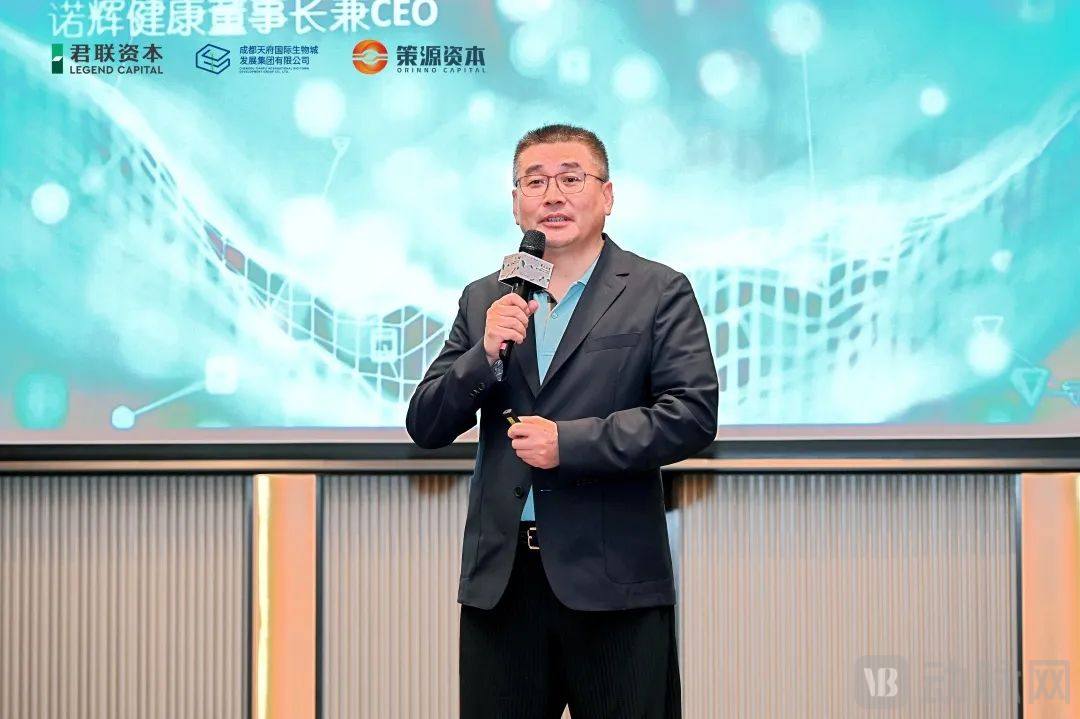
New Horizon Health CEO Zhu Yeqing
In terms of the various sub-sectors of medical devices, going global presents distinct challenges.Zhu Yeqing, CEO of New Horizon Health, stated that for Chinese enterprises aiming to scale up and strengthen their competitiveness, overseas markets are no longer an optional choice but rather a necessity.Companies need to adapt to prevailing trends, with each enterprise selecting the most suitable overseas expansion model and timing based on its specific circumstances. New Horizon Health prefers to expand into overseas markets through partnerships. Zhu Yeqing pointed out that for commercial medical device companies that have grown domestically in China, relying on the robust Chinese market and continuously driving its rapid growth serves as the foundation for their long-term development. In overseas markets, priority should be given to identifying a strategic foothold for market entry.
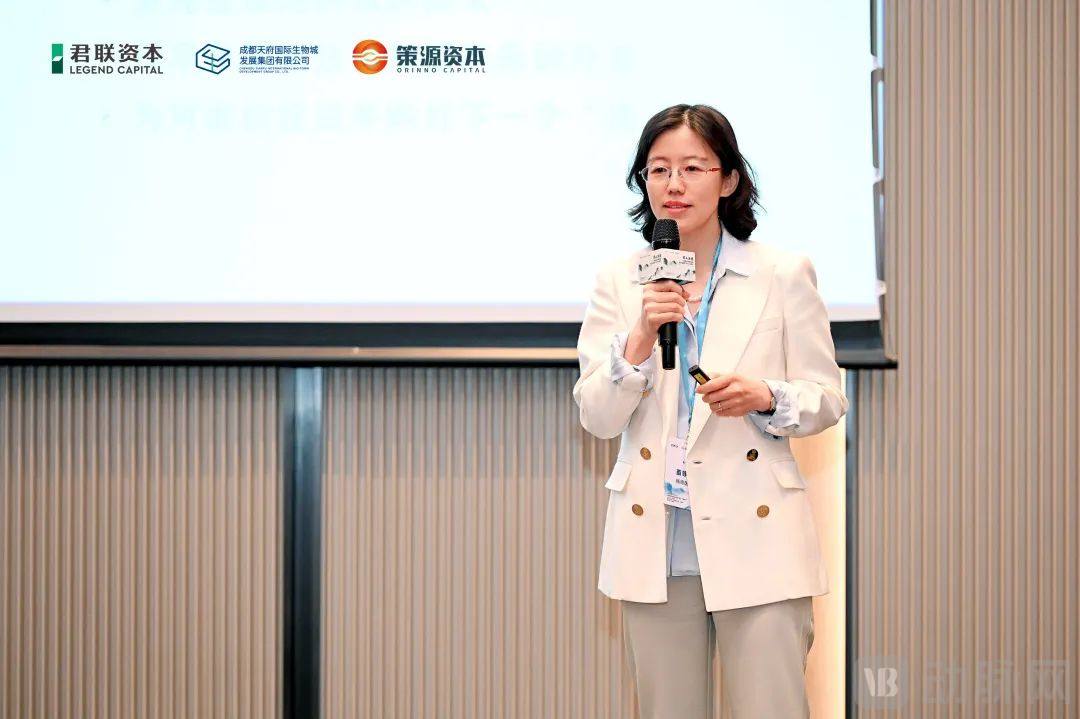
Miao Zhenghua, Chairman and General Manager of Changde Medical
Miao Zhenghua, Chairman and General Manager of Changde MedicalIt is believed that expanding overseas can deliver multifaceted value, such as hedging against the unavoidable risks associated with reliance on a single market; helping companies gain a deeper understanding of the logic and trends in technological development; laying the groundwork for potential investments and mergers and acquisitions; and building corporate image and reputation. In short,The returns from technology exceed those from the market, and the returns from the market exceed those from sales revenue and profit.Regarding overseas expansion strategy, she recommends that high-value consumables adopt a "premium quality at competitive pricing" approach in international markets, which is more conducive to building a professional brand image. In terms of product portfolio strategy, it is advisable not to rely on a single product; instead, the lineup should include both cash-flow-generating products and innovative offerings. With respect to market access, the feasibility of international expansion should be considered at the project initiation stage, with concurrent feasibility analyses for CE marking and FDA registration. For new product launches overseas, key considerations should include patent infringement risks, market size, competitive landscape, channel accessibility, and registration costs.
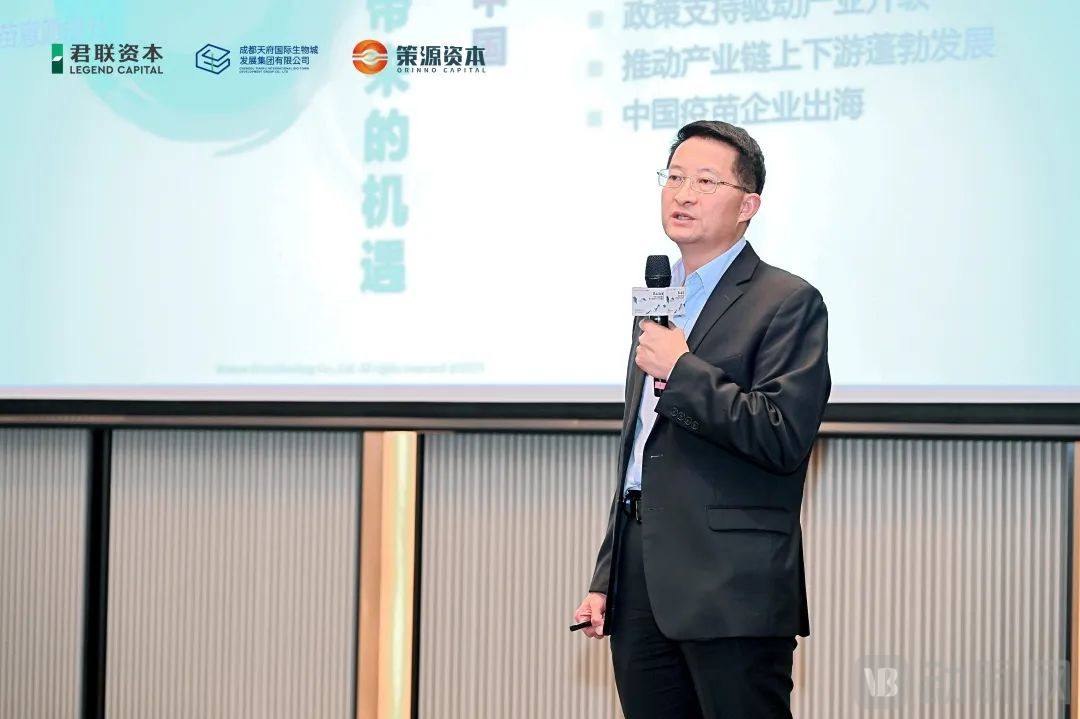
Wang Zilong, Director of Business Development at Walvax Biotechnology
Since 2020, the number of Chinese pharmaceutical companies going global and licensing products through international business development has grown rapidly, with transaction amounts repeatedly hitting record highs and therapeutic areas gradually expanding.Wang Zilong, Director of Business Development at Walvax Biotechnology, pointed out that global expansion is a strategic initiative requiring systematic planning and long-term investment.The COVID-19 pandemic has provided an excellent opportunity for Chinese vaccines to expand into global markets, significantly enhancing the technical recognition and brand influence of China’s vaccine industry. However, the goal of internationalization is ambitious, and the path is arduous, involving challenges in production, regulatory compliance, standardization, supply chain risks, and capital investment. Therefore, companies must make thorough preparations before going global; otherwise, they will be forced to continually “patch up” deficiencies. In terms of internationalization, multinational pharmaceutical companies serve as the best mentors, warranting in-depth study and learning by domestic enterprises.
Medical Device Global Expansion Practices
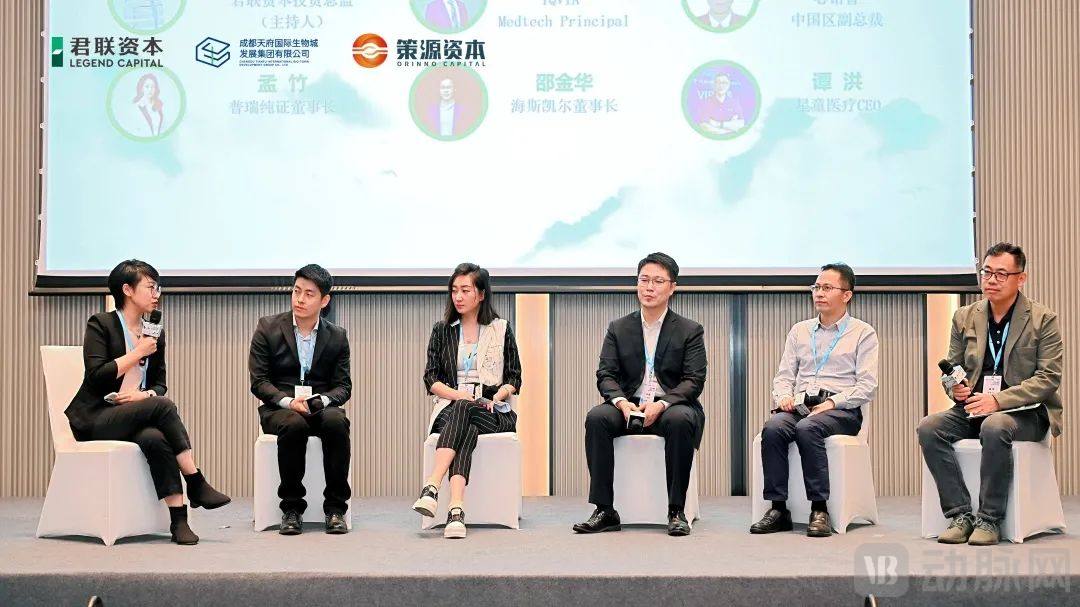
What value can global expansion bring to enterprises? What preliminary preparations are required before going global? How can companies best avoid common pitfalls? Moderated by Liu Haitao, Investment Director at Legend Capital, the discussion on the global expansion practices of Chinese-made medical devices featured Chen Zhihao, Principal at IQVIA Medtech; Feng Ji, Vice President of China Region at Nuowopu; Meng Zhu, Chairman of PureCheck; Shao Jinhua, Chairman of Hisky Medical; and Tan Hong, CEO of Starry Medical.
When it comes to considering the value of going global,Feng Jistated that in an industry with highly active technological research and development,To preserve brand value and market position, it is imperative to engage with and compete in the most advanced markets, thereby securing a critical lifeline for survival.When expanding overseas, it is essential to assess whether local laws, regulations, and regulatory frameworks align with your company’s capabilities.
Shao JinhuaIt stated that internationalization is a strategic choice requiring systematic and scientific long-term planning during implementation. Hisky initiated its overseas expansion efforts relatively early,Internationalization not only brings new growth to the company, but also broadens its horizons and strategic perspective, while significantly boosting product promotion in the domestic market.Shao Jinhua cautioned that, whether for proactive prevention or to safeguard future markets, intellectual property is a critical element that must be carefully considered and strategically planned in advance during the process of internationalization.
Tan HongIt was stated that life science research instruments should keep pace with international counterparts, and collaboration with overseas universities, research institutes, and multinational corporations would better facilitate market entry abroad. In the diagnostics sector, some overseas countries have high entry barriers, posing significant risks for market expansion; it is therefore advisable to enter only when there is a clear certainty of success, adopting a cautious, step-by-step approach. Meanwhile,Collaborating with capable CRO partners can also significantly alleviate the challenges encountered in global expansion.
Chen ZhihaoHe pointed out that the international expansion of medical device companies can be categorized into two models: trade-based expansion, which relies on distributors, and deep-market expansion, which requires establishing local teams. In his view,Several Pitfalls for Healthcare Companies Expanding Overseas, first of allPricing, due to differences in external environments, the domestic pricing system is difficult to replicate overseas; secondly,The Complexity of Local Healthcare Systems Abroad, companies expanding overseas must fully understand and effectively implement localization strategies; thirdly,Distributor Selection, thorough preparation is essential to avoid pitfalls.
PureCert is dedicated to enabling end-to-end digitalization of the global market expansion process for medical device manufacturers, providing comprehensive consulting services for regulatory compliance and market access worldwide.Meng Zhustated that domestic enterprises have encountered numerous regulatory pitfalls overseas. In light of this, PureCert is attempting to optimize the overseas compliance process for corporate products through digitalization, with the aim of establishing an information flow platform,Leverage globalization and informatization to make going global more efficient for everyone.
Exploring Opportunities for Chinese Pharmaceutical Companies in Southeast Asia
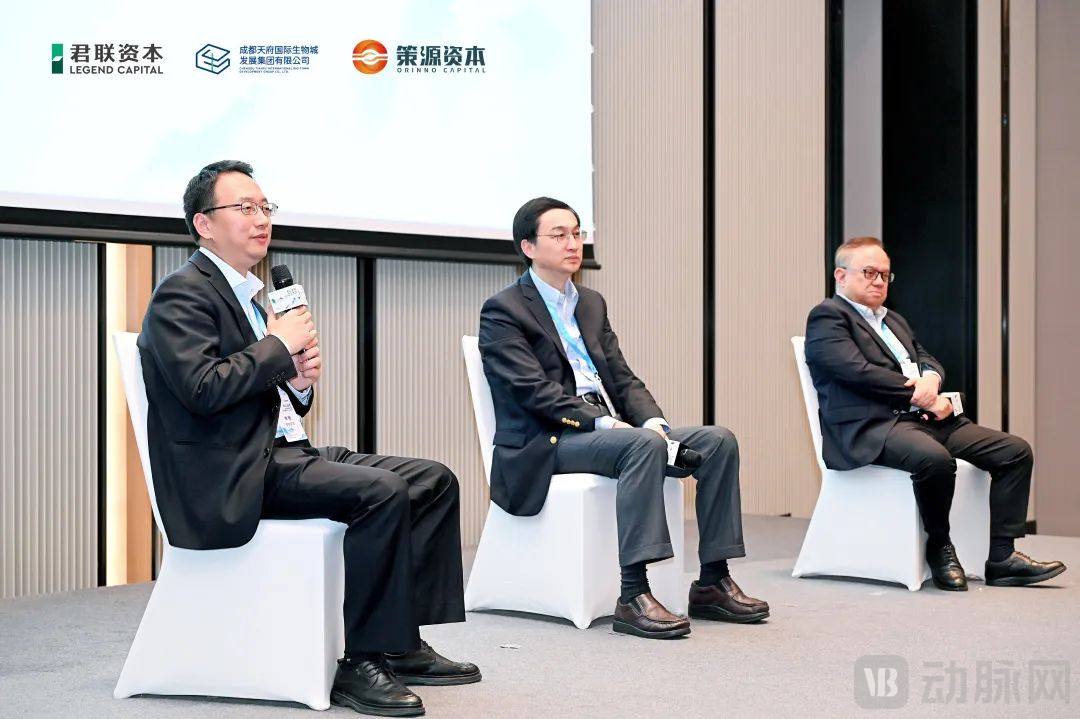
In recent years, Southeast Asia, an emerging market born from demographic and policy advantages, has become a hotbed for pharmaceutical companies expanding overseas. An increasing number of Chinese pharmaceutical firms are choosing to expand southward into the Southeast Asian market. Li Ning, CEO of Junshi Biosciences; Lee Ker Yin, CEO of Rxilient Health; and Hong Tan, Managing Director at Legend Capital, discussed the exploration of opportunities for Chinese pharmaceutical companies in Southeast Asia.
Li Ning stated that internationalization has been the path Junshi Biosciences has adhered to since its inception.Corporate internationalization strategies are predicated on several prerequisites, including identifying suitable partners, clearly defining capability boundaries, and offering products that gain recognition in overseas markets. Furthermore, companies must possess sufficient R&D and production capacities to enhance the competitiveness of their products abroad. In turn, internationalization can foster corporate R&D innovation and talent development.
Rxilient Health and Junshi Biosciences are currently collaborating to drive the commercialization of innovative drugs, including PD-1 inhibitors, in the Southeast Asian market.LEE KER YINstated that at the outset of the collaboration, we initially considered a loose partnership through distribution agreements; however, given Junshi Biosciences’ already robust product pipeline, we ultimately opted for a tripartite joint venture structure.Establishing joint ventures to focus on building the influence of proprietary brands overseas and enhancing professionalism, a global expansion model that is being adopted by other enterprises as well.
Regarding the background of the establishment of Rxilient Health,Hong Tan, Managing Director at Legend Capitalstated that Legend Capital began focusing on the Southeast Asian market in 2018. Legend Capital and its partners, such as Junshi Biosciences, share a consensus on the development of the healthcare industry in the coming years: with the growth of China's biopharmaceutical industry and the rise of emerging markets like Southeast Asia,Chinese pharmaceutical companies expanding into Southeast Asia to improve the accessibility of medical products in emerging markets is of significant importance, both for Chinese biopharmaceutical enterprises and for enhancing access to innovative drugs in emerging markets such as Southeast Asia.
The Internationalization Path of Chinese Pharmaceutical Companies
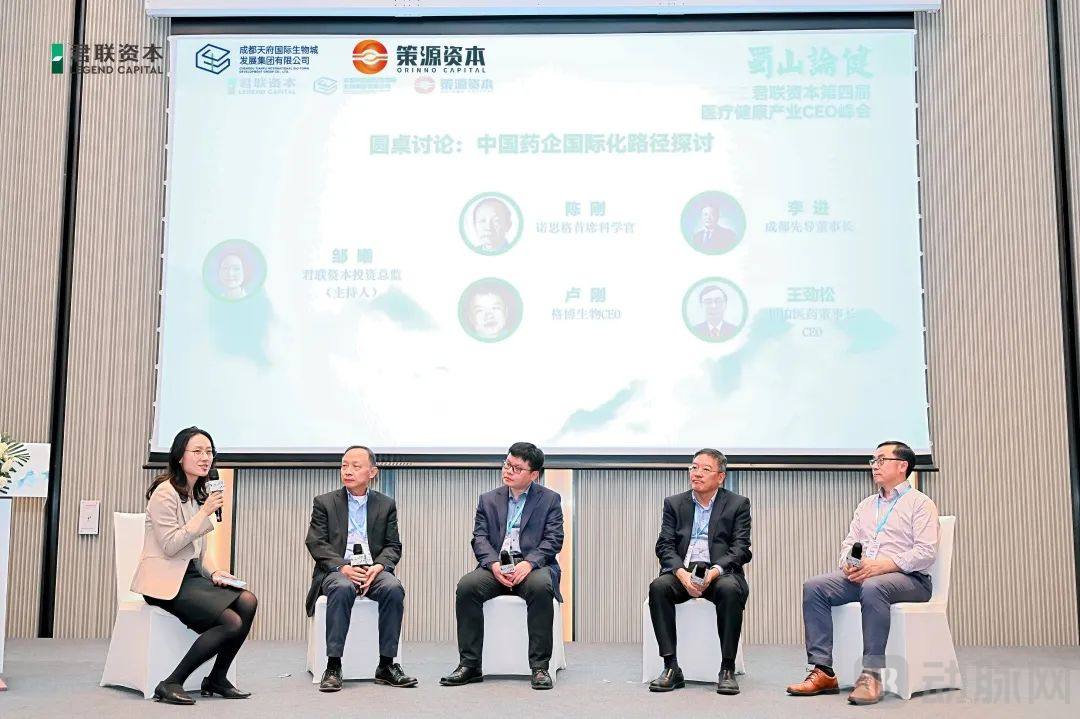
Moderated by Zou Xi, Investment Director at Legend Capital, Chen Gang, Chief Scientific Officer of Noxell; Li Jin, Chairman of Chengdu HitGen; Lu Gang, CEO of Gebio; and Wang Jinsong, Chairman and CEO of Harbour BioMed, engaged in an in-depth discussion on the internationalization pathways for Chinese pharmaceutical companies.
Wang Jinsongstated that innovative drug assets originating from China are increasingly gaining recognition in the international market. Pharmaceutical companies and biotechs that successfully secure overseas licensing deals must have accumulated extensive technological expertise over a prolonged period, developing differentiated assets that address unmet clinical needs. In the past two years, Harbour BioMed has achieved overseas licensing for multiple innovative drug assets, with licensees including global pharmaceutical giants such as AstraZeneca. The underlying reason isSince its inception, Harbour BioMed has emphasized strengthening its technology platform, developing a pipeline of novel drugs based on biological foundations and clinical needs, and actively seeking partners for collaborative development.Recently, Harbour BioMed established Nona Biosciences to actively empower the development of antibody-drug conjugates (ADCs), cell therapies, and mRNA-based novel drugs domestically and internationally through its “Antibody+” platform. Collaborators include leading global pharmaceutical companies and biotech firms such as Moderna and Dragonfly Therapeutics.
Li Jin emphasized that building a globally leading platform, while simultaneously validating it through service revenue and project development, is the overseas expansion path adhered to by HitGen Chengdu.Established for over a decade, HitGen has built a globally leading DNA-Encoded Library (DEL) and, through mergers and acquisitions as well as in-house R&D, expanded its platforms to include Structure-Based Drug Design (SBDD) and Fragment-Based Drug Design (FBDD), providing efficient services to global new drug R&D enterprises. To date, it has completed the transfer of more than 600 projects, 85% of which feature novel scaffolds, with several candidates having entered clinical trials. Meanwhile, HitGen maintains more than 20 innovative drug pipelines, further validating its technology platforms.
Lu Gang pointed out that truly valuable and sustainable innovations must be based on biological mechanisms.If improvements are limited to drug development technologies alone, it is easy to fall into involution, devolving into fierce competition among domestic innovative pharmaceutical companies. What multinational corporations (MNCs) seek in partners are biotech firms with a profound understanding of target mechanisms and the biological foundations of innovative druggability, backed by robust experimental data. Gebio Therapeutics, founded in 2021, was established based on this very philosophy: the development of innovative drugs requires a perfect integration of biological mechanisms and druggability technologies. Gebio Therapeutics is rapidly advancing several best-in-class (BIC) and first-in-class (FIC) protein degradation assets into clinical trials, while actively engaging with MNCs to explore opportunities for co-development.
Chen GangHe stated, “I previously worked at the U.S. FDA for many years and later spent several years leading global new drug R&D efforts at Johnson & Johnson. Currently, I am with Noxgel, a CRO platform that supports dozens of pharmaceutical companies and biotech firms worldwide in their new drug development initiatives in China and globally. Through our collaborations, I have observed that many Chinese pharmaceutical companies and biotechs lack sufficient understanding of the regulatory requirements, review processes, and regulations of the U.S. and EU authorities when conducting simultaneous global new drug development.”To achieve efficient global synchronized new drug development, it is crucial to partner with an experienced CRO.They have handled a wealth of cases and possess development experience across diverse targets, indications, and druggable formats, while being well-versed in the regulatory requirements and communication protocols of various countries. It is fair to say that a major challenge for Chinese new drugs going global is the shortage of talent with relevant international R&D experience and technical expertise among domestic pharmaceutical companies and biotech firms.