

Zanubrutinib: A Trailblazing BTK Inhibitor Driving China's Innovation in Global Oncology
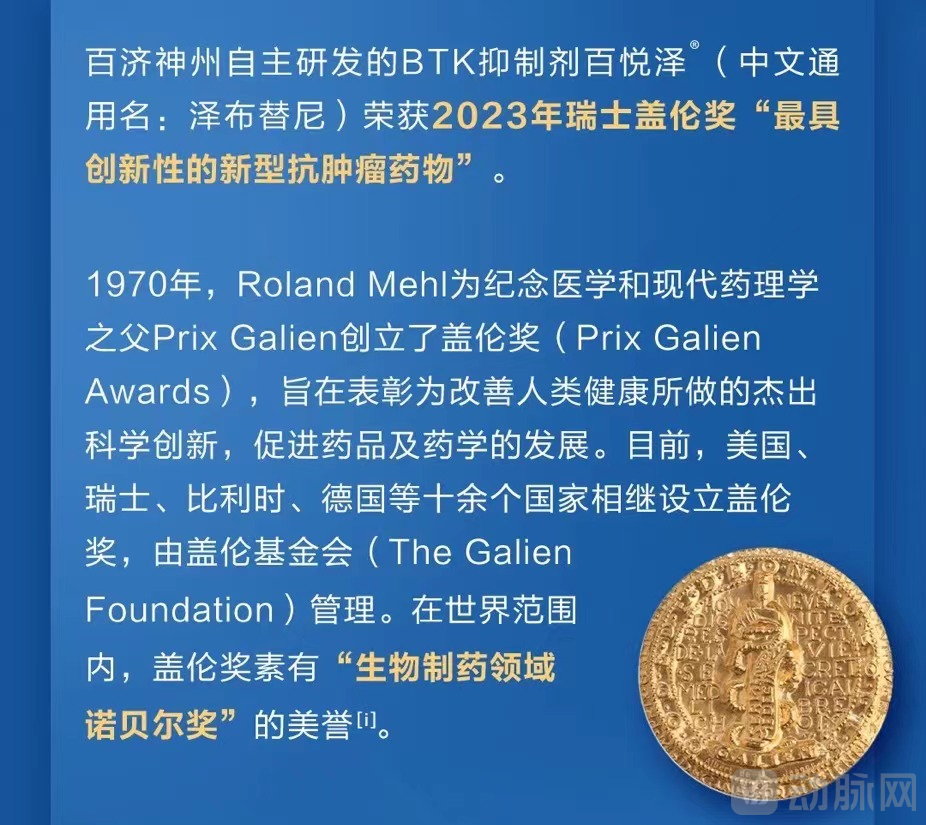
Recently, zanubrutinib (Brukinsa), a next-generation BTK inhibitor independently developed by BeiGene, was honored with the 2023 Swiss Galien Award for “Most Innovative New Oncology Drug,” further underscoring its leadership in innovation. The Galien Awards recognize outstanding scientific innovations in the life sciences that improve human health. With awards established in more than ten countries, including the United States and Switzerland, the Galien Awards are widely regarded as the “Nobel Prize of the biopharmaceutical industry.”
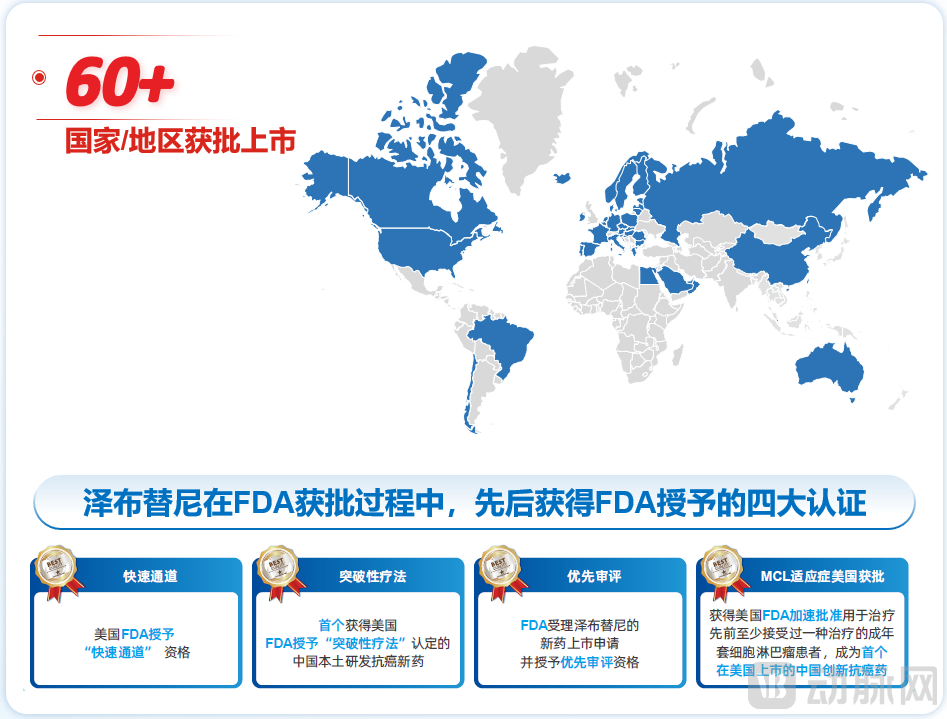
In 2019, zanubrutinib became the first Chinese innovative anti-tumor drug to receive approval from the U.S. Food and Drug Administration (FDA). Its initial indication was approved for the treatment of adult patients with relapsed or refractory mantle cell lymphoma (MCL), marking a historic “zero-to-one” breakthrough. Since then, zanubrutinib’s evidence-based journey has flourished, securing multiple new indications for B-cell malignancies in numerous countries worldwide. These indications cover chronic lymphocytic leukemia (CLL)/small lymphocytic lymphoma (SLL), mantle cell lymphoma (MCL), and Waldenström macroglobulinemia (WM), among others. To date, zanubrutinib has been approved and launched in over 65 markets globally, establishing itself as an exemplary model of Chinese innovative pharmaceuticals going global.
Expert Profile
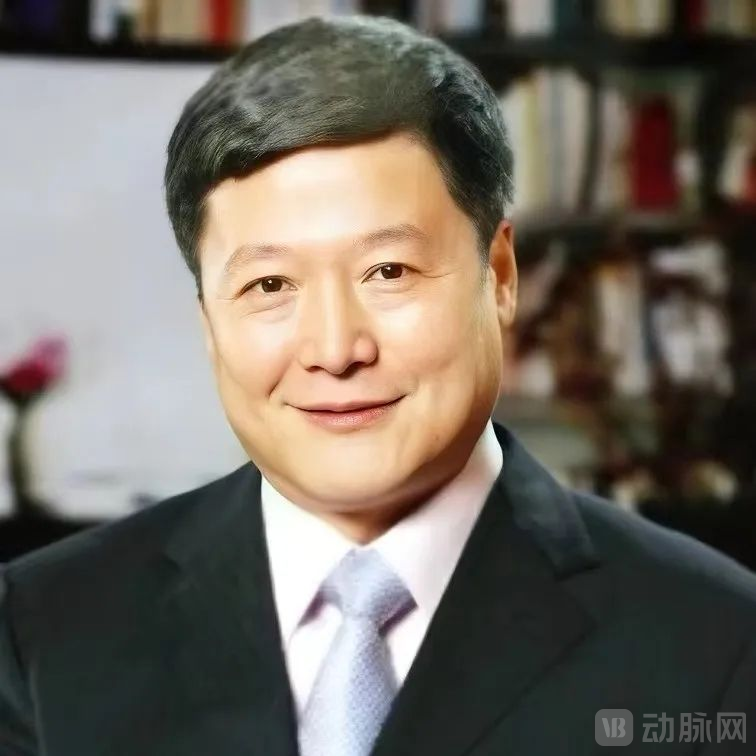
Prof. Ma Jun
● Chief Physician, Doctoral Supervisor
● Director of the Harbin Institute of Hematology and Oncology
● Chairman of the Board of Supervisors, Chinese Society of Clinical Oncology (CSCO); Vice Chair, Asian Society of Clinical Oncology
● Chairman of the Leukemia Expert Committee, Chinese Society of Clinical Oncology (CSCO)
● Head of the Expert Group for the Lymphoma Specialty Construction Project, Capacity Building and Continuing Education Center, National Health Commission
● Honorary Advisor, Nursing Group of the Lymphoma Expert Committee, Chinese Society of Clinical Oncology (CSCO)
● In 1979, he studied abroad at the Faculty of Medicine, University of Tokyo, Japan. He has been dedicated to the diagnosis and treatment of benign and malignant hematologic disorders, earning particular renown in the field for his expertise in treating leukemia and lymphoma. In 1982, he established China’s first in vitro culture system for multipotent hematopoietic progenitor cells, filling a domestic gap in this area. Since 1983, he has applied sequential therapy with all-trans retinoic acid (ATRA) and arsenic trioxide (ATO) to treat over 1,200 cases of acute promyelocytic leukemia (APL), achieving an 85% 10-year disease-free survival rate, which reaches international advanced standards.
● Published over 200 academic papers in domestic and international journals, authored more than 40 monographs, received twenty national, provincial, and municipal science and technology awards, undertook eight major national research projects under the National High-Tech R&D Program (863 Program), and led 25 provincial and municipal research projects.
Approved Indications Updated Again
Approval Granted for First-Line Indications in CLL/SLL and WM
On May 6, 2023, BeiGene issued an announcement stating that four regulatory applications related to zanubrutinib had been approved by the National Medical Products Administration (NMPA) of China. These approvals included two marketing authorization applications for new indications and two supplemental applications converting conditional approvals into full approvals.
The two newly approved indications for zanubrutinib mentioned above are for adult patients with newly diagnosed chronic lymphocytic leukemia/small lymphocytic lymphoma (CLL/SLL) and adult patients with newly diagnosed Waldenström’s macroglobulinemia (WM). With the approval of these two new indications, zanubrutinib has become the only next-generation Bruton’s tyrosine kinase (BTK) inhibitor currently approved in China for first-line treatment of CLL/SLL and WM, further expanding the beneficiary population and benefiting more Chinese patients. Meanwhile, as part of this indication update, the National Medical Products Administration (NMPA) has also converted the conditional approvals for zanubrutinib in adult patients with CLL/SLL and WM who had previously received at least one prior therapy into full approvals.
Review of the Evidence-Based Strategy for Zanubrutinib
B-Cell Malignancy Patients Benefit Extensively
B-cell lymphoma is one of the most common malignant tumors. Its major subtypes, including chronic lymphocytic leukemia and Waldenström macroglobulinemia—indolent B-cell lymphomas—are hematologic malignancies that predominantly affect the elderly, with incidence rates rising with age. As China’s population ages, the incidence of these hematologic malignancies in China has been increasing year by year. The advent of Bruton’s tyrosine kinase (BTK) inhibitors, represented by zanubrutinib, has opened up new possibilities for targeted therapy in patients with B-cell lymphoma. BTK inhibitors not only significantly prolong patient survival but also spare patients from the hardships of chemotherapy, thereby enabling a better quality of life.
Zanubrutinib has been evaluated in extensive global clinical trial programs, either as monotherapy or in combination with other therapies, for the treatment of various B-cell malignancies. The recent approval of zanubrutinib for the indication of newly diagnosed chronic lymphocytic leukemia/small lymphocytic lymphoma (CLL/SLL) is primarily based on a randomized, controlled, global, multicenter Phase 3 clinical study (the SEQUOIA study). The study results demonstrated that zanubrutinib significantly improved the 24-month progression-free survival (PFS) rate compared to the bendamustine plus rituximab (BR) regimen in previously untreated CLL/SLL patients without del(17p) (85.5% vs. 69.5%; HR 0.42, P<0.0001).[1]。
The ASPEN study, the first and only head-to-head Phase III clinical trial of BTK inhibitors in Waldenström’s macroglobulinemia (WM), served as the primary basis for the approval of zanubrutinib for the treatment of newly diagnosed WM. The study results demonstrated that patients treated with zanubrutinib achieved higher rates of very good partial response plus complete response compared to those treated with ibrutinib, regardless of CXCR4 mutation status (36% vs. 22%; P=0.02). Additionally, the zanubrutinib group showed superior progression-free survival (PFS) rates at 42 months (78.3% vs. 69.7%).[2]。
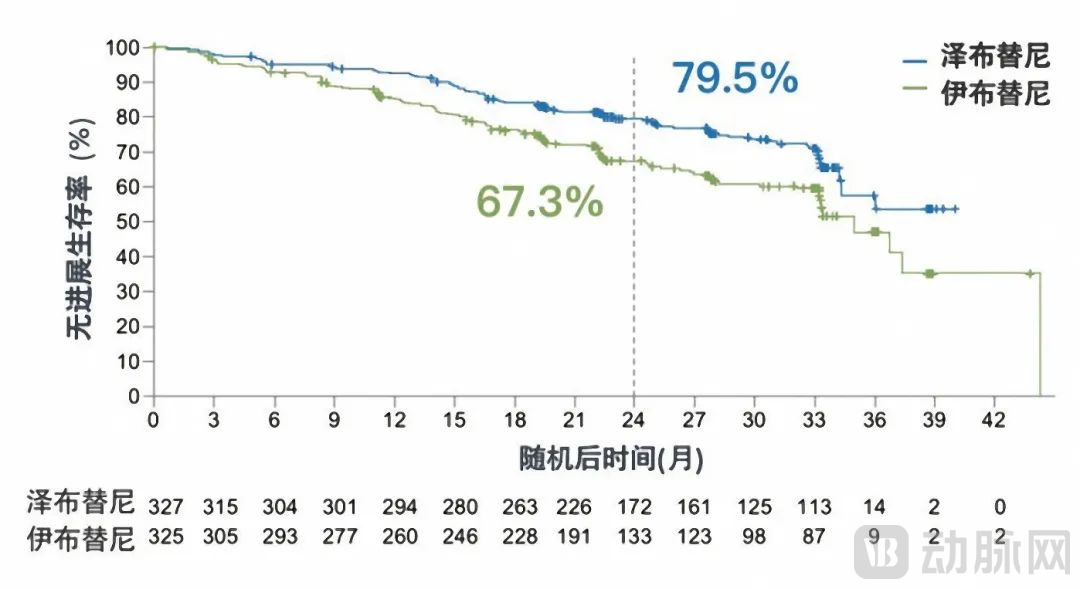
Furthermore, in the largest global, multicenter, head-to-head Phase III clinical trial (the ALPINE study) conducted in patients with relapsed/refractory (R/R) CLL/SLL, zanubrutinib demonstrated significantly superior 24-month progression-free survival (PFS) rates compared to ibrutinib (79.5% vs. 67.3%; HR 0.65, P=0.0024). Additionally, zanubrutinib also showed superiority over ibrutinib in terms of overall response rate (ORR) (86.2% vs. 75.7%; P=0.0007).[3,4]The study was also promptly published in the world’s leading medical journal, The New England Journal of Medicine.
Based on its robust evidence from evidence-based medicine, zanubrutinib has received Category 1 preferred recommendations in the National Comprehensive Cancer Network (NCCN) Guidelines for CLL/SLL (2023 v2) and the NCCN Guidelines for WM/Lymphoplasmacytic Lymphoma (LPL) (2023 v1). It is also listed as a Grade I recommendation for first-line treatment and for relapsed/refractory (R/R) CLL, WM, and MCL in the Chinese Society of Clinical Oncology (CSCO) Guidelines for the Diagnosis and Treatment of Malignant Hematologic Diseases (2023 Edition), becoming the next-generation BTK inhibitor to receive dual preferred recommendations from both the NCCN and CSCO guidelines [5,6,7]. The superiority data from head-to-head studies, along with consistent superior recommendations across numerous domestic and international guidelines, fully affirm zanubrutinib’s “best-in-class” quality, marking the first time that an innovative Chinese drug has truly reached the pinnacle of global academic recognition.
Rapid Inclusion in the National Reimbursement Drug List
Benefiting the Public with "Affordable, High-Quality Medicines"
As the evidence base for zanubrutinib continues to grow, and thanks to the optimization of China’s medical insurance policies, it was successfully included in the National Reimbursement Drug List within its first year post-launch. By offering the drug at the lowest price globally, it has benefited Chinese patients with B-cell malignancies, fully reflecting the original commitment of Chinese innovative pharmaceutical companies to serve domestic patients. This achievement holds significant importance from the perspectives of the nation, pharmaceutical enterprises, and patients alike.
First, for patients, the rapid inclusion of zanubrutinib in the National Reimbursement Drug List has maximized patient accessibility, enabling a broad population of lymphoma patients to receive high-quality BTK inhibitor therapy at more affordable prices. This not only optimizes treatment outcomes but also significantly alleviates the disease burden. Consequently, zanubrutinib has quickly become the preferred BTK inhibitor among clinical practitioners in China. Since its market launch, zanubrutinib has benefited over 60,000 patients with B-cell lymphoma, helping them achieve longer survival and improved quality of life.
Secondly, as the first independently developed BTK inhibitor in China to be included in the National Reimbursement Drug List (NRDL), zanubrutinib signifies state recognition and encouragement of innovative drugs, which helps promote scientific research projects and original drug innovation, thereby enhancing China’s scientific research capabilities and core competitiveness in the pharmaceutical sector. Meanwhile, compared with other BTK inhibitors, zanubrutinib is priced lower in China, contributing to the rational use of medical insurance funds.
For pharmaceutical companies, the inclusion of zanubrutinib in the National Reimbursement Drug List signifies state recognition and endorsement, which facilitates sustained investment in research and innovation, thereby supporting the long-term, healthy development of pharmaceutical enterprises. However, it is inevitable that further price reductions in China would place immense pressure on subsequent continuous investment and the global pricing structure, given that zanubrutinib already carries the lowest price among its peers both domestically and globally. Adequate revenue from the global market is crucial for the sustainable development of scientific research and development in China. Moreover, such price cuts could undermine global investors’ confidence in Chinese innovative drugs, affecting the confidence of domestic and foreign capital in the innovative drug sector and triggering market instability.
Going Global to Benefit Patients Worldwide
“Giving Back” to China’s Scientific Research and Academic Development
On the global stage, Zanubrutinib has expanded beyond China, gaining approval for multiple indications in more than 65 countries, including the United States, the European Union, the United Kingdom, Canada, Australia, South Korea, and Switzerland. Meanwhile, Zanubrutinib has established an extensive clinical development footprint worldwide, with 35 clinical trials conducted across 29 countries and regions, enrolling a total of over 4,900 participants. It has successively earned four major designations from the U.S. Food and Drug Administration (FDA): Fast Track Designation, Breakthrough Therapy Designation, Priority Review, and Accelerated Approval.
As zanubrutinib was honored with the 2023 Swiss Galien Award for “Most Innovative New Anti-Tumor Drug,” it once again rewrote the history of innovative drugs in China. This achievement undoubtedly reveals greater possibilities for the many innovation-driven pharmaceutical companies in China.
Whether it is the series of major approvals by the NMPA or the recently won 2023 Galien Prize in Switzerland, these significant endorsements have provided Chinese clinicians with greater confidence in prioritizing zanubrutinib for the treatment of patients with B-cell malignancies. We look forward to and believe that zanubrutinib will benefit more patients in China. Innovative domestic pharmaceutical companies, represented by BeiGene, will join forces with stakeholders from all sectors to advance the realization of the “Healthy China” initiative and the global vision of “Health for All.” Driven by this positive ripple effect, the domestic biopharmaceutical sector is poised to conduct larger-scale clinical studies, amplify China’s voice on the international stage, and enhance the influence and standing of Chinese pharmaceuticals in the global healthcare landscape.
References:
1.Tam CS, Brown JR, Kahl BS, et al. Zanubrutinib versus bendamustine and rituximab in untreated chronic lymphocytic leukaemia and small lymphocytic lymphoma (SEQUOIA): a randomised, controlled, phase 3 trial. Lancet Oncol. 2022;23(8):1031-1043.
2.Dimopoulos M, Opat S, D'Sa S, et al. 2022 EHA. Abstract P1161.
3.Brown JR, Eichhorst B, Hillmen P, et al. 2022 ASH. Abstract LBA-6.
4.Brown JR, Eichhorst B, Hillmen P, et al. Zanubrutinib or Ibrutinib in Relapsed or Refractory Chronic Lymphocytic Leukemia. N Engl J Med. 2023;388(4):319-332.
5.NCCN Clinical Practice Guidelines in Oncology-Chronic Lymphocytic Leukemia/Small Lymphocytic Lymphoma(2023 Version 2)[DB/OL]. http://www.nccn.org.
6.NCCN Clinical Practice Guidelines in Oncology-Waldenström Macroglobulinemia / Lymphoplasmacytic Lymphoma(2023 Version 1)[DB/OL]. http://www.nccn.org.
7. Guidelines Working Committee of the Chinese Society of Clinical Oncology. Chinese Society of Clinical Oncology (CSCO) Guidelines for Diagnosis and Treatment of Malignant Hematologic Diseases 2023[M]. Beijing: People's Medical Publishing House, 2023.