

Integrated Screening-Diagnosis-Treatment System for Adolescent Scoliosis and Radiation-Free 3D Musculoskeletal Ultrasound Solutions Drive Industry Advancement
On June 10, the “Academic Exchange Conference on Building an Integrated System for Screening, Diagnosis, and Treatment of Adolescent Scoliosis,” hosted by the Spinal Disease Prevention and Control Professional Committee of the Chinese Preventive Medicine Association, was held as scheduled in Shenzhen.
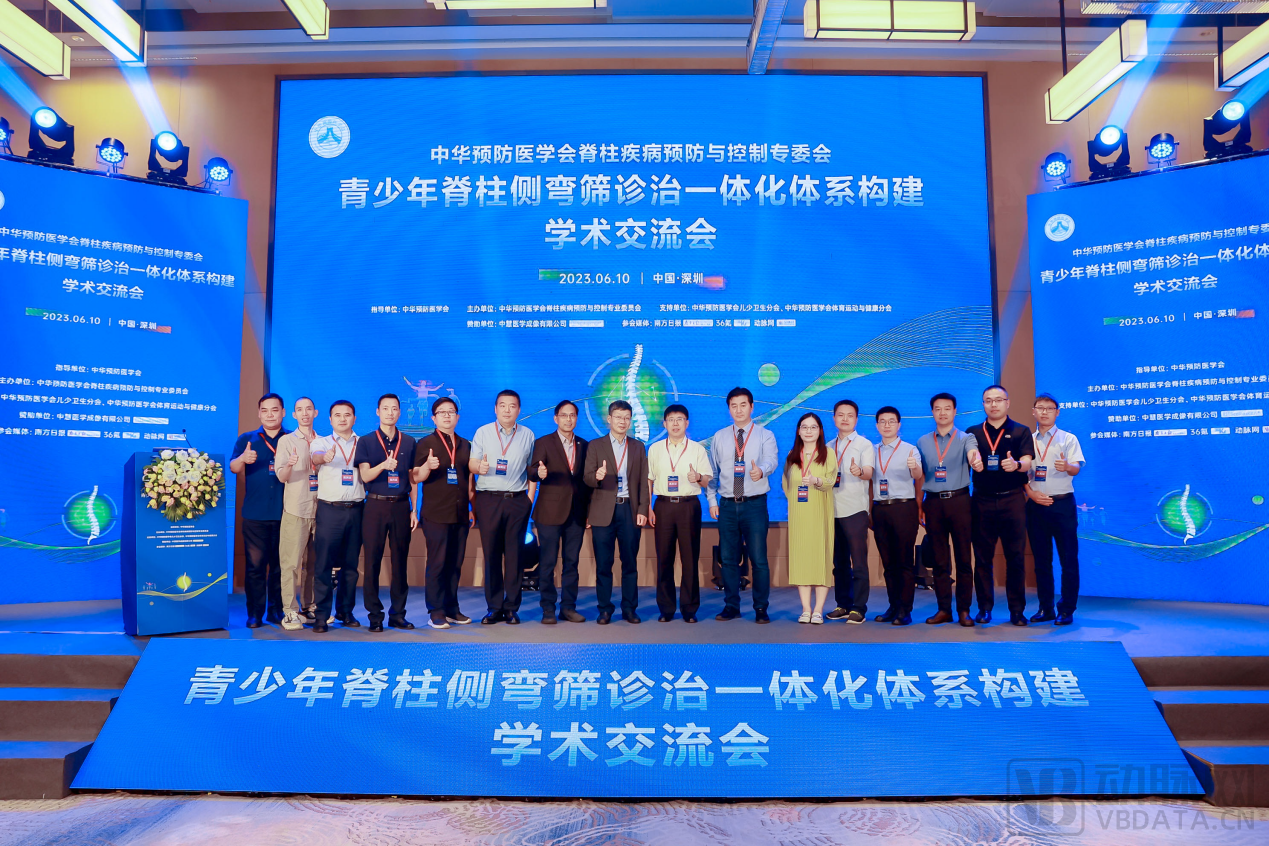
As an academic exchange forum, the conference invited the Chairman of the Committee on Spinal Disease Prevention and Control under the Chinese Preventive Medicine Association, who also serves as the Director of the Department of Spinal Surgery at Peking University People’s Hospital.Liu Haiying, Chair of the Child and Adolescent Health Branch of the Chinese Preventive Medicine Association, and Chair of the Teaching Guidance Committee for Health Education in Primary and Secondary Schools under the Ministry of EducationMa Jun, Chairman of the Pediatric Orthopedics Committee under the Orthopedics Specialty of the Chinese College of Physicians Training Academy, and Director of the Spine Center at Xinhua Hospital Affiliated to Shanghai Jiao Tong University School of MedicineYang JunlinChair Professor, Department of Biomedical Engineering, The Hong Kong Polytechnic University; Director, Research Institute for Ageing Intelligence, The Hong Kong Polytechnic University; Director, Jockey Club Centre for Ageing IntelligenceZheng Yongping, Director of the Department of Spinal Surgery, Shenzhen Second People's HospitalYan Bininvolving experts from renowned hospitals, scholars from prestigious universities, and numerous industry elites.
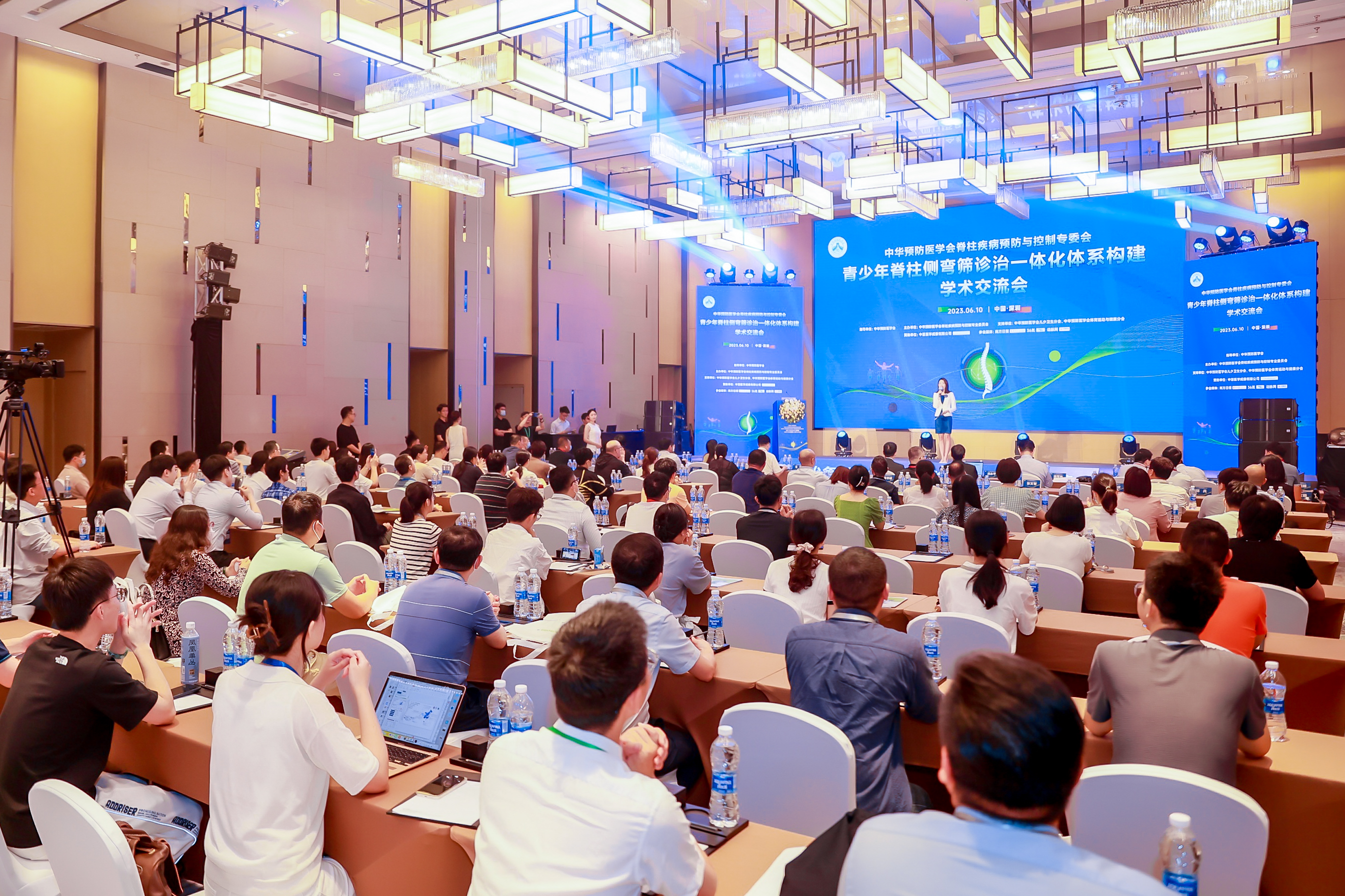

At the conference, expertsTopics include scoliosis prevention and control along with spinal health management, key points and experiences in spinal screening, innovative applications of 3D musculoskeletal ultrasound, integrated medical-exercise models for scoliosis prevention and treatment, clinical research on scoliosis, and the clinical value of spinal ultrasound., jointly explore new directions for the development of the scoliosis industry, as well as the construction model of an integrated system for scoliosis screening, diagnosis, and treatment. And byTelefield Medical Imaging’s independently developed matrix of radiation-free 3D musculoskeletal ultrasound solutions—encompassing 3D ultrasound imaging assessment, sports and health evaluation, brace design and rehabilitation assessment, and bone surgery guidance—was also showcased at the conference as an innovative medical device addressing the current challenges in scoliosis screening.
Through this series of shares and achievements displays, VCBeat has perceived the urgency of current demands in the scoliosis industry and also captured preliminary answers to key issues such as "key points for prevention and control of scoliosis" and "innovative ideas for screening technologies and models". More importantly, innovative breakthroughs have been made in the field of scoliosis screening, with a radiation-free, efficient, and accurate solution successfully implemented, bringing new hope and opportunities to the industry.
At the beginning of the meeting,Liu HaiyingFocusing on the theme of “Prevention and Control of Scoliosis and Spinal Health Management in Chinese Children and Adolescents,” directly point out the current dilemmas in scoliosis screening, and mentionThe Importance of Early Screening, Early Detection, Early Intervention, and Early Management: Advocating for a Comprehensive Approach to Spinal Health Management in Children and Adolescents Through the Establishment of Spinal Population Databases, Health Monitoring and Diagnosis, Intervention and Re-evaluation, and Cohort Follow-up with Dynamic Long-term Management, efforts should also be made to establish a “Chinese Model” for the prevention and control of scoliosis in children and adolescents, thereby further promoting the development of an integrated system for screening, diagnosis, and treatment of scoliosis.
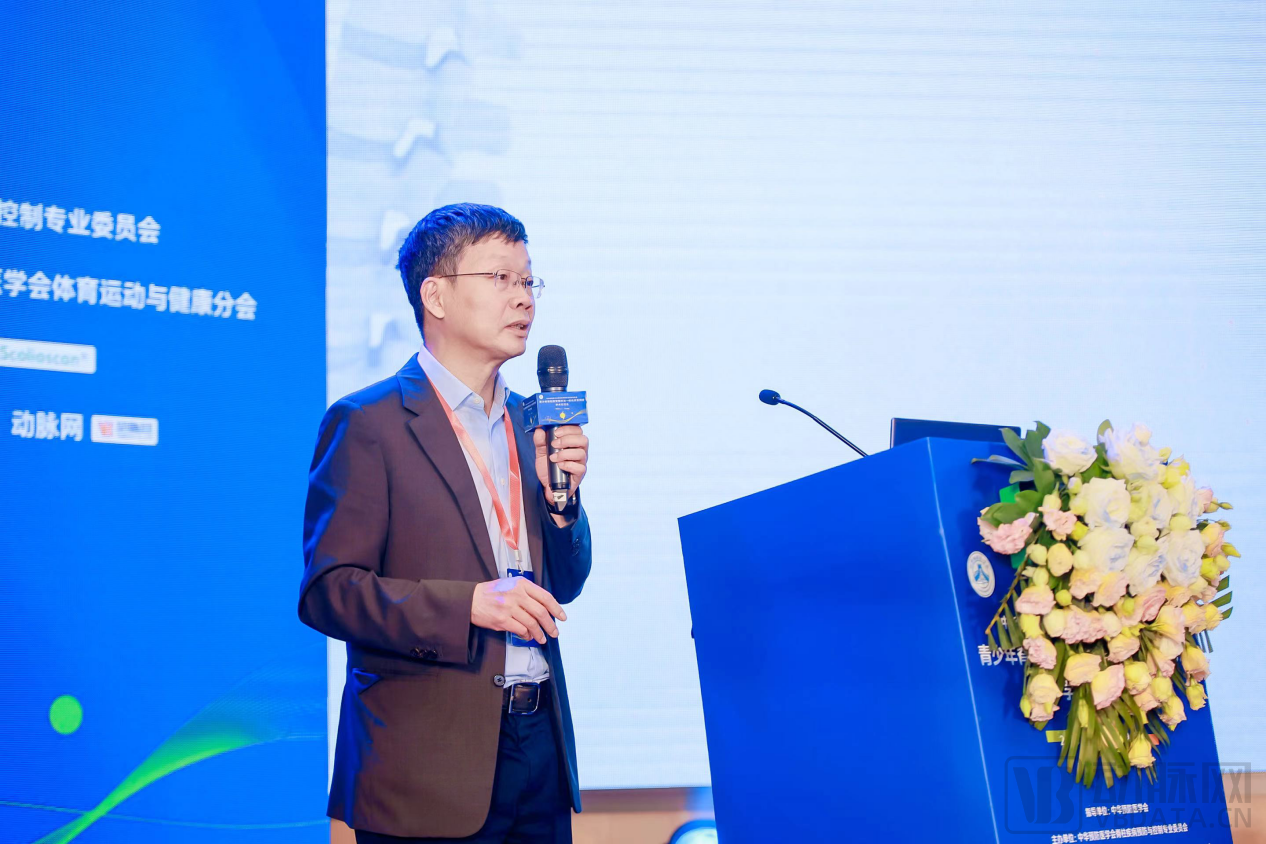
Chairman of the Professional Committee on Spinal Disease Prevention and Control, Chinese Preventive Medicine Association
Liu Haiying, Director of the Department of Spinal Surgery at Peking University People's Hospital
Ma JunCentered on “Major Health Issues and Prevention and Control Strategies for Chinese Children and Adolescents,” it proposes the concept that developmental imbalance is a significant influencing factor in myopia, obesity, scoliosis, psychological issues, and reproductive health among children and adolescents. It further statesResearch should be strengthened on the patterns of unbalanced growth and development, their associations with adolescent diseases, underlying mechanisms, and interventions; diagnostic criteria should be standardized, prevention and control policies issued, and the development of related innovative medical devices promoted, so as to reduce the prevalence of major comorbidities among children and adolescents in China.
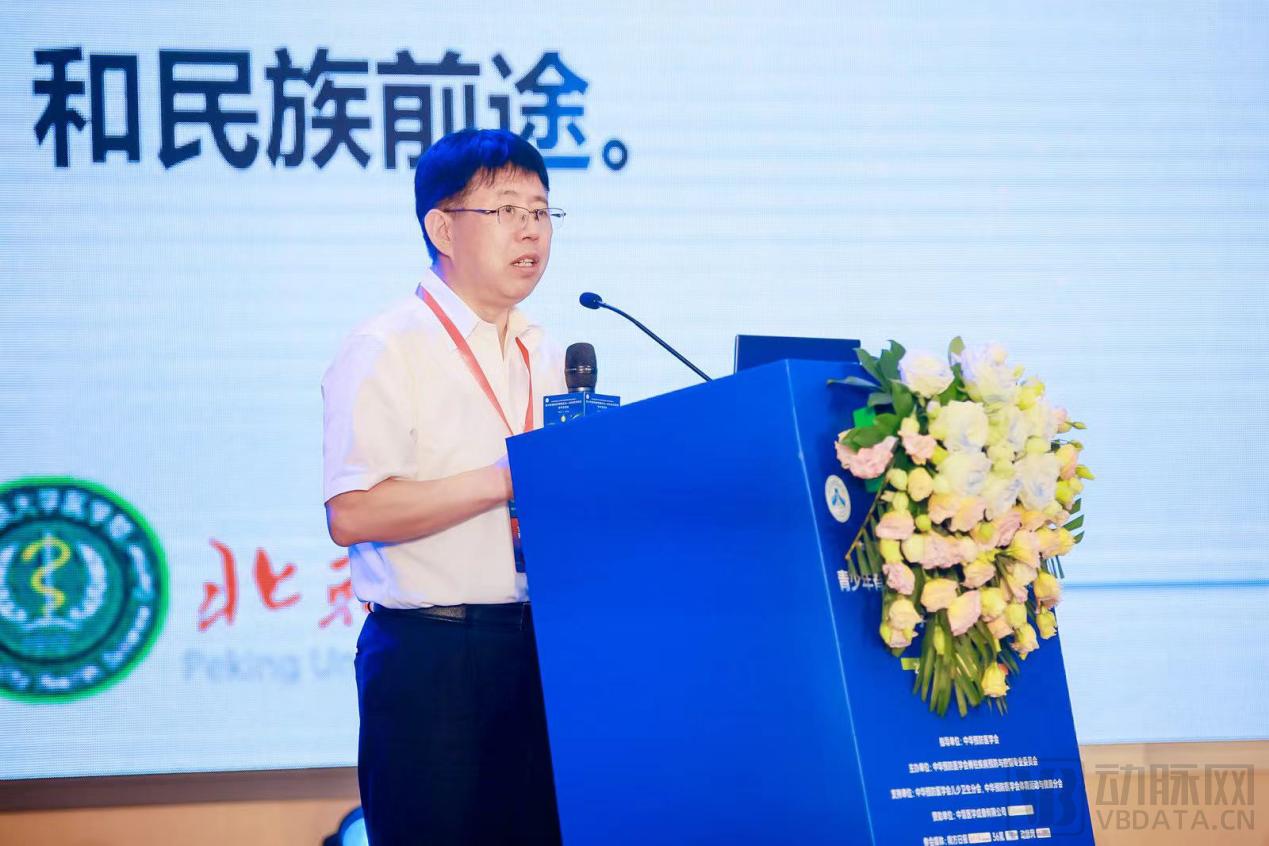
Chairman of the Child and Adolescent Health Branch, Chinese Preventive Medicine Association
Ma Jun, Chairman of the Committee on Health Education Teaching Guidance for Primary and Secondary Schools under the Ministry of Education
Yang JunlinFrom the perspective of “Issues and Confusions in Scoliosis Screening,” two major pain points in current scoliosis screening are identified. First, the accuracy of current scoliosis screening is insufficient, often leading to unnecessary radiation exposure for individuals with false-positive results and wasting significant medical resources. Second, while professional team-based screening models can improve accuracy, large-scale implementation based on this approach requires substantial human and material resources, making it difficult to sustain and promote over the long term. He believes thatTo further improve the accuracy and cost-effectiveness of screening, it is essential to utilize screening devices that are highly accurate, easy to operate, and economical, thereby ensuring the long-term, large-scale, cost-effective, and effective implementation of scoliosis screening.
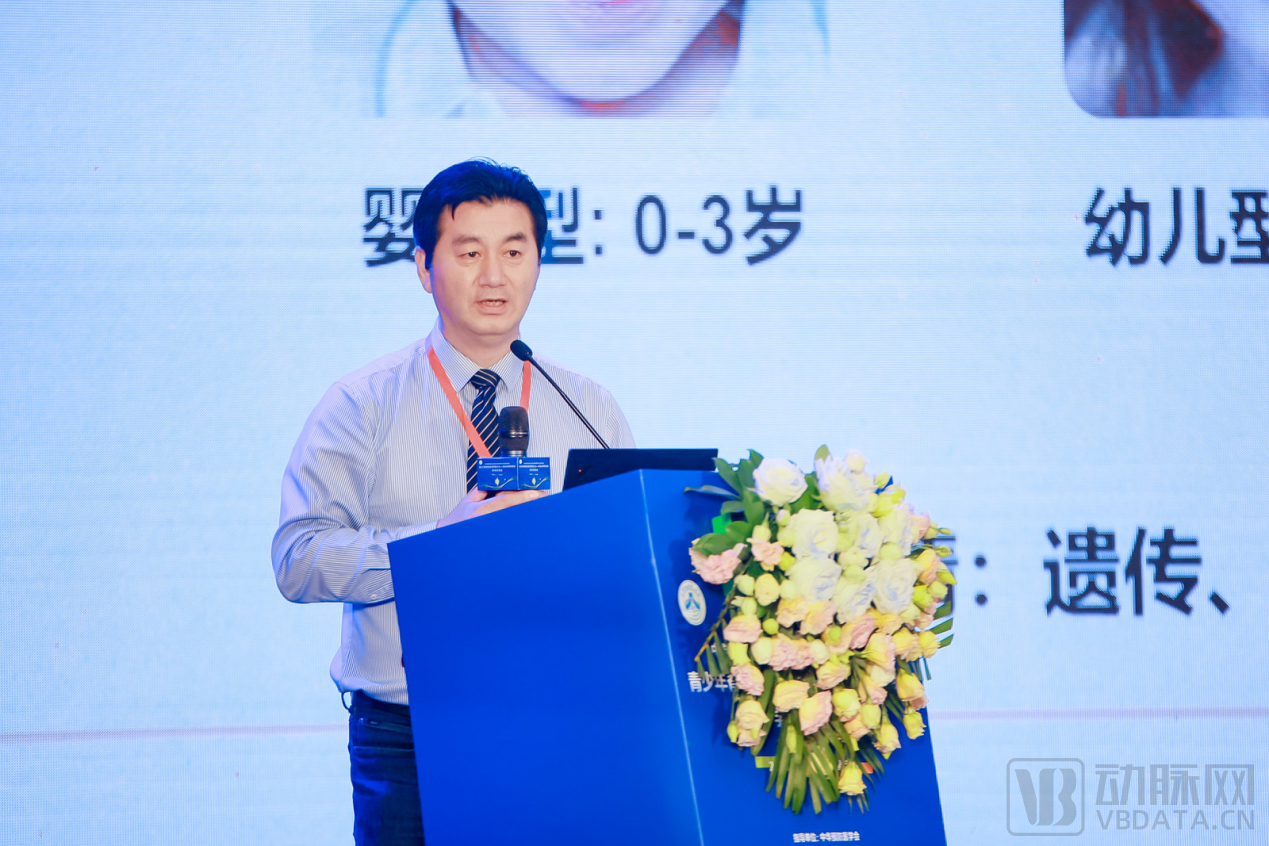
Chairman of the Pediatric Orthopedics Committee, Orthopedics Specialty, Chinese Academy of Physician Training
Yang Junlin, Director of the Spine Center at Xinhua Hospital Affiliated to Shanghai Jiao Tong University School of Medicine
Yan BinIn light of the exploration of the “Shenzhen Model for Integrating Sports and Medicine to Prevent Scoliosis in Primary and Secondary School Students,” and addressing the challenges in scoliosis screening,Emphasized the importance of strengthening information infrastructure and building intelligent platforms.It is essential to first establish an information management system for scoliosis that encompasses data acquisition, storage and evaluation, statistical analysis, diagnosis and treatment, and rehabilitation. This will advance the prevention and control of scoliosis toward a more scientific, standardized, networked, and real-time approach, enabling interoperability of archival data. Secondly, an intelligent online screening system for scoliosis should be developed to facilitate self-screening by users at home. By leveraging video technology combined with artificial intelligence to measure relevant back parameters, the system can provide screening results while comprehensively managing screenee information to support follow-up treatment, thereby further enhancing the quality of scoliosis diagnosis and the standard of care.
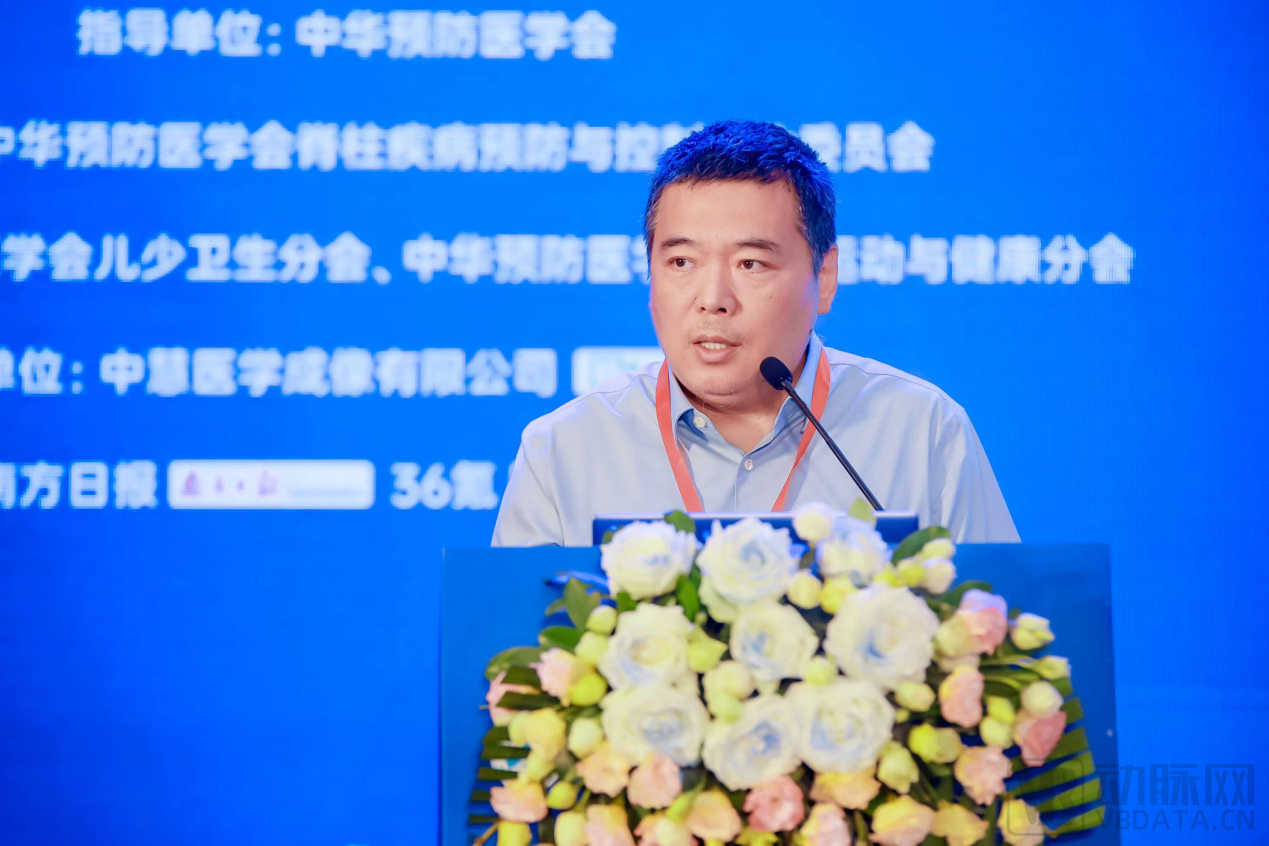
Yan Bin, Director of the Department of Spinal Surgery, Shenzhen Second People's Hospital
Zheng YongpingFrom a technical perspective, he shared insights on “Innovative Applications and Future Development Trends of 3D Musculoskeletal Ultrasound,” contributing new solutions to industry advancement. He pointed out that,By applying innovative 3D musculoskeletal ultrasound technology, long-standing pain points in scoliosis screening—such as inconsistent measurement methods, slow image interpretation by physicians, and prolonged patient exposure to X-rays—can be addressed. Its radiation-free nature and automated measurement capabilities enable assessments to be performed anytime and anywhere, and allow any trained personnel to operate the system.
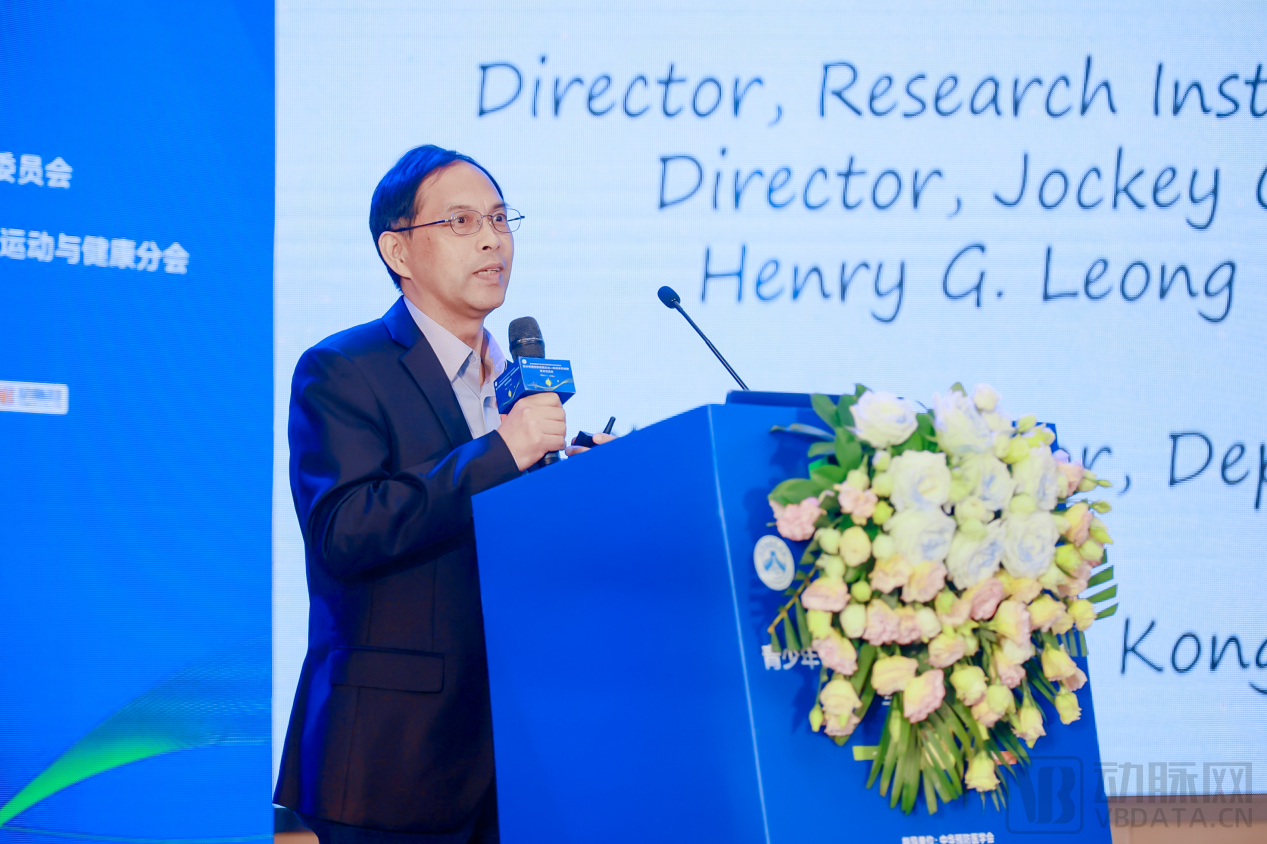
Chair Professor, Department of Biomedical Engineering, The Hong Kong Polytechnic University
Dean, Research Institute for Smart Ageing, The Hong Kong Polytechnic University
Mr. Zheng Yongping, Director of the Jockey Club Ageing Academy
In fact, the need for scoliosis prevention and control, as well as spinal health management, among Chinese children and adolescents has long been neglected.
According to the latest data, the detection rate of abnormal spinal curvature among children and adolescents aged 5–17 in China is as high as 30%, with the incidence of scoliosis exceeding 5%. The number of individuals with scoliosis has reached 5 million, increasing by tens of thousands annually. However, to this day, China still faces challenges due toFactors such as widespread public unawareness, the nascent stage of innovation in scoliosis detection equipment, and the lack of standardized conservative treatment protocols, quality control systems, and digital management frameworks have resulted in low accuracy and high false-positive rates in scoliosis screening, making nationwide large-scale screening virtually unfeasible.
Based on the experts’ comments, it is evident that scoliosis severely impacts the physical and mental health of children and adolescents, warranting high priority and attention from the entire society. To effectively prevent and control the onset and progression of scoliosis, it is essential to establish a scientific, standardized, efficient, and radiation-free screening, diagnosis, and treatment system, thereby achieving the goals of early screening, early detection, early intervention, and early management. The series of innovative devices developed based on three-dimensional musculoskeletal ultrasound technology precisely meet these requirements.
At the conference, attendees paid close attention to the radiation-free 3D musculoskeletal ultrasound solution matrix independently developed by Telefield Medical Imaging Limited, generally recognizing that the company’s Scolioscan®3D Ultrasound Scoliosis Assessment System: A Forward-Looking, Globally Leading Medical Technology Solution.
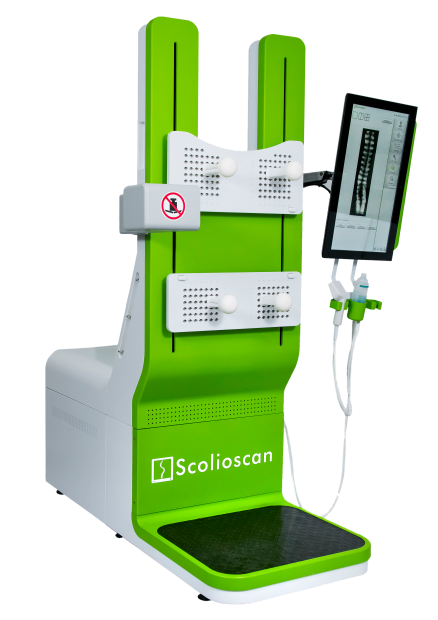
Scolioscan®Ultrasound Scoliosis Assessment System
It is understood that this product is the world’s first ultrasound-based scoliosis assessment system, representing an innovative breakthrough by a Chinese enterprise. Based on ultrasound technology,Scolioscan®Three-dimensional spinal models can be generated to recreate authentic spinal images, while the integrated innovative software records actual spinal curvature, effectively empowering the treatment and assessment of scoliosis.
Specifically for application scenarios, this product can achieve in the futureReal-time Exploration of Tissues Including Bones, Ligaments, Tendons, Muscles, Nerves, and Blood Vessels, providing efficacy evaluation and real-time assessment feedback for dynamic evaluation of joint and tendon motion, early disease diagnosis and localization, monitoring of spinal deformity, monitoring of disease progression such as skeletal deformity, guidance for anesthetic puncture, and alignment in fracture surgery and healing, etc. It canEffectively covering the entire cycle of scoliosis screening, intervention, and treatment.
Meanwhile, unlike X-rays, ultrasound involves no radiation and offers excellent diagnostic capabilities for various soft tissue injuries. Compared with CT and MRI, ultrasound also boasts advantages such as low cost, real-time imaging, and the flexibility for patients to be examined in any position. The product enables safe, radiation-free disease detection, minimizes iatrogenic injury, meets patients’ needs for frequent treatment feedback, and further enhances the accuracy, effectiveness, and safety of scoliosis screening.
Currently,The product has obtained the EU CE Certificate, Australian ARTG Certificate, and NMPA Certificate.Completed clinical trials and put into use in hospitals and clinics across Europe, Australia, and China,Initiate the rapid commercialization phase.
The company also engages in scientific research collaborations with internationally renowned hospitals and universities,The research team has published more than 20 scientific papers in top-tier international journals across the fields of orthopedics and kinesiology, ultrasound, machine vision, and pattern recognition, demonstrating the precision and reliability of the technology. The results indicate that the application of ultrasound imaging in spinal assessment can significantly reduce X-ray radiation exposure in patients with adolescent idiopathic scoliosis (AIS). A 2021 study based on comparative data from 164 AIS patients showed excellent correlation and consistency between ultrasound and X-ray in evaluating scoliosis, with the accuracy of ultrasound angle measurements comparable to that of X-rays. This paper was published in the Journal of Orthopaedic Translation, an orthopedic journal indexed in Elsevier’s ScienceDirect electronic database. Meanwhile, the company has continuously optimized and iterated its products, winning multiple awards in international innovation competitions and filling a global technological gap in 3D ultrasound spinal imaging.
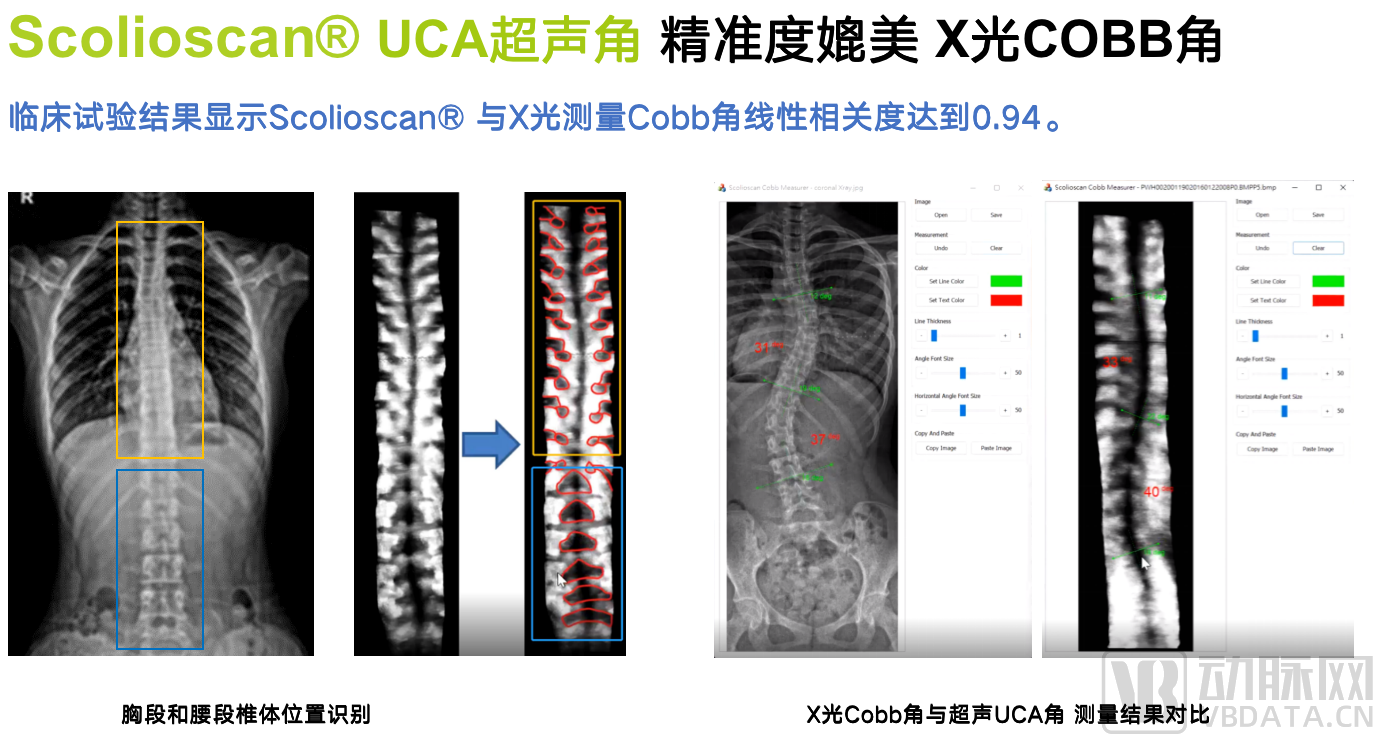
Clinical Trial Results
Data Show High Consistency Between Scolioscan®-Measured Cobb Angles and X-Ray Measurements
Linear correlation reached 0.9464
Furthermore,Leveraging its core 3D musculoskeletal ultrasound technology and artificial intelligence, Telefield Medical Imaging Limited has also developed a matrix of radiation-free 3D musculoskeletal ultrasound solutions, including 3D ultrasound imaging assessment, sports health evaluation, brace design and rehabilitation assessment, and bone surgery guidance., providing comprehensive support and services for the screening, diagnosis, and treatment of scoliosis.
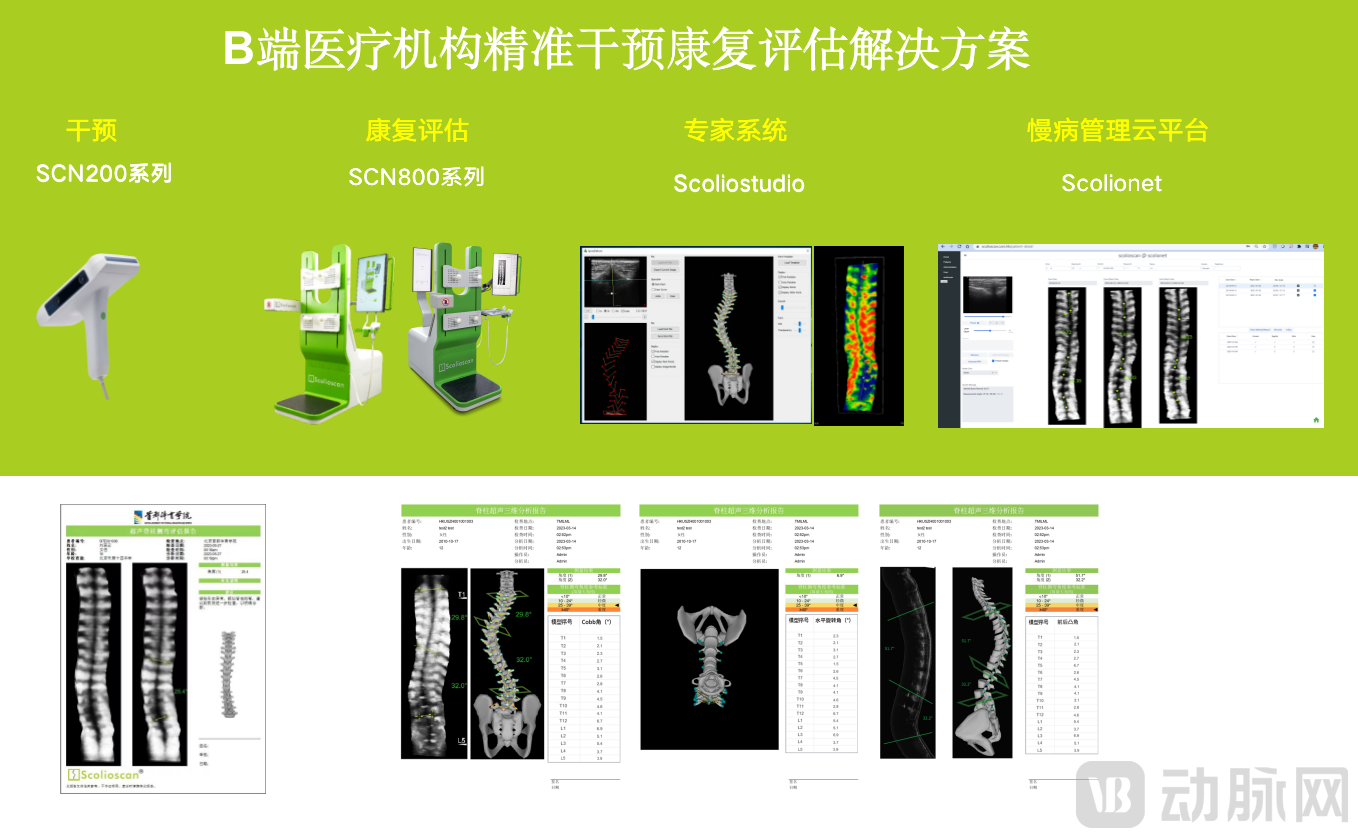
Spinal Assessment Solution Matrix
The Spinal Assessment Solution Matrix not only effectively meets current spinal assessment needs but also supports the advancement of precision medicine for orthopedic, rehabilitation, and sports medicine physicians, making diagnosis and treatment more precise, standardized, and visualized.
In this solutions matrix,Scolioscan® SCN201 Portable Ultrasound Scoliosis Assessment SystemIt is another innovative device developed by Telefield Medical Imaging Limited to address the current pain points in scoliosis screening and meet the needs for early screening, early detection, early intervention, and early management.
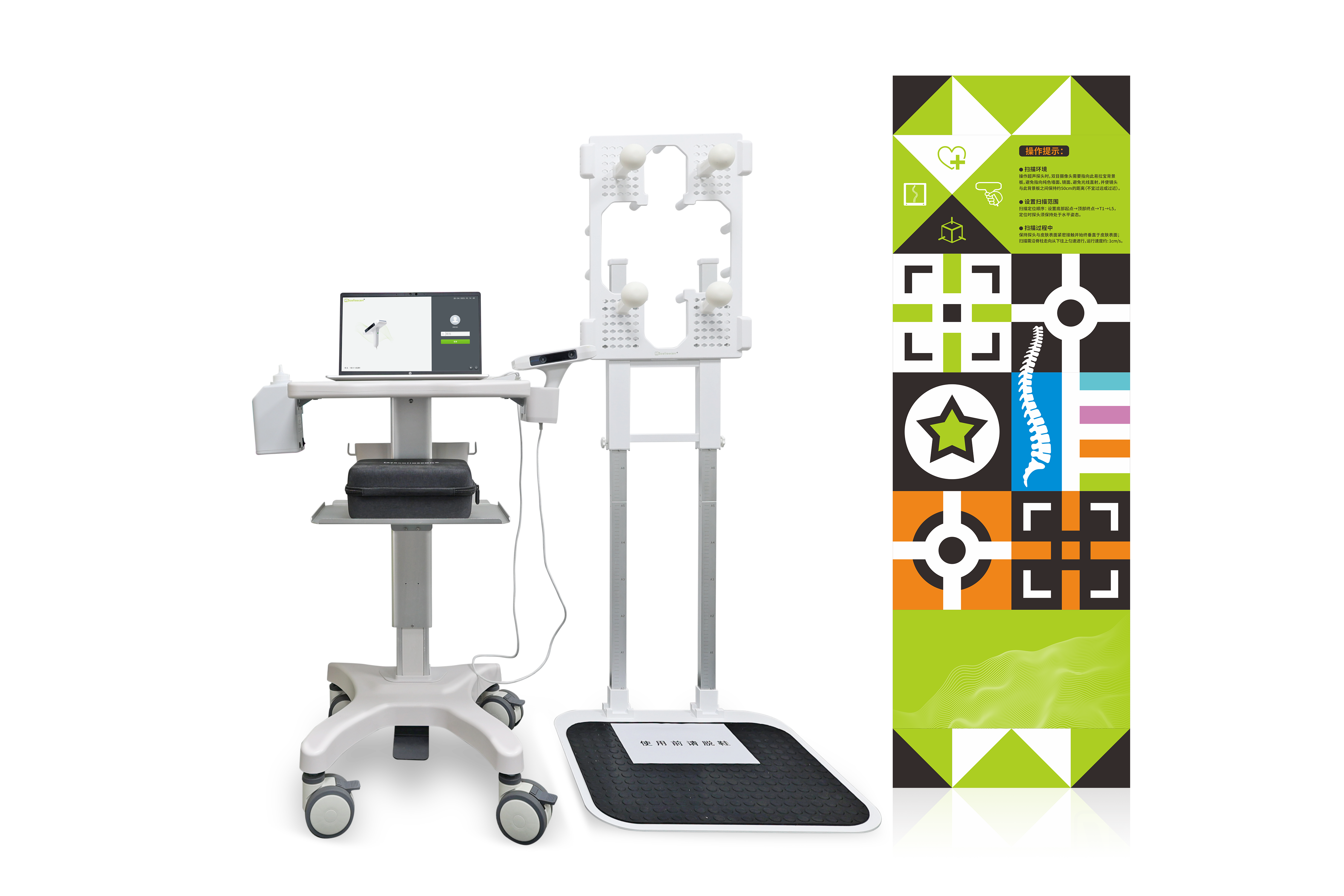
Scolioscan® SCN201 Portable Ultrasound Scoliosis Assessment System
This system utilizes ultrasound imaging technology combined with spatial positioning technology to achieve three-dimensional imaging analysis of scoliosis. By providing coronal plane maps of the spine for children, adolescents, and adults, it enables quantitative measurement and detection of the morphology and degree of left-right spinal curvature. Furthermore, the system offers a comprehensive clinical database solution, including features such as user type control, patient data management, patient data storage and output, result analysis, and reporting capabilities. Notably, this product is safe and radiation-free, compact enough to fit in the palm of a hand, portable for convenient use, and has minimal requirements for usage scenarios.
With its advantages of high accuracy, ease of operation, compact size, absence of radiation, and low cost, this screening device enables scoliosis assessment in hospitals, small clinics, studios, physical therapy centers, schools, and even communities, thereby ensuring the long-term, large-scale, cost-effective, and efficient implementation of scoliosis screening.
The company’s independently developed SCN101 is a radiation-free, non-invasive, low-cost handheld device for spinal screening. It enables rapid measurement of spinal developmental deformities and abnormal postural angles, facilitating large-scale quantitative spinal screening in adolescents.Provides practical testing tools.
It is understood that the device integrates angle detection, Bluetooth transmission, and touchfunctions such as display, enabling the acquisition of quantitative angular measurement data and allowing single-person screening to be completed within ten seconds. As an initial screening device, the SCN101 is combined with the company’s independently developed ultrasound rescreening equipment to form a comprehensive and precise screening solution. The ultrasound rescreening equipment utilizes ultra-Acoustic wave technology can accurately measure the angle of scoliosis, avoiding the radiation risks associated with X-rays and improving the precision and safety of screening.By combining initial electronic screening with follow-up ultrasound screening, the company not only holds a technological advantage in the field of spinal screening but also provides adolescents with more efficient and healthier screening services.

In the future, Telefield Medical Imaging will also assist the government in conducting large-scale precision screening to reduce error rates and increase screening coverage. Meanwhile, it will further lower the entry barrier for ultrasound technology, reduce product costs, and enhance convenience, making it easier for clinicians to use and interpret diagnostic data.
Founded in 2012, Telefield Medical Imaging Limited is one of the earliest companies in China engaged in AI-based ultrasound research. Leveraging 20 years of technological research and 10 years of clinical exploration, the company has independently built a 3D ultrasound imaging technology platform, achieving 19 globally pioneering and leading technological innovations. The company not only supports the establishment of an integrated system for screening, diagnosis, and treatment of scoliosis but also provides early diagnosis of chronic diseases, as well as monitoring and assessment of conditions such as spinal deformities and bone deformities. Through continuous product iteration and optimization, it constantly refines its product portfolio.
At the conference, Han Mingzhu, CEO of Telefield Medical Imaging Limited, stated“Telefield Medical Imaging Limited possesses globally original technologies. As a technology-driven innovative company, we will continuously advance the iteration of our product technologies to maintain our leading position. Meanwhile, we have implemented robust intellectual property protection to further guide new technologies onto a standardized development path and gradually establish industry standards based on this foundation. Currently, the Telefield Medical Imaging team has entered the fast lane of productization and commercialization. We have introduced members with extensive experience in managing listed companies and marketing, as well as built strong financial and legal teams. Empowered by capital investment, we have secured momentum for the company’s long-term development. As an AI company, we will continue to empower ultrasound with AI technology, making it more precise, visualized, and standardized. In the future, we will expand into households, sports rehabilitation institutions, schools, and other sectors, enabling more people to access and effectively utilize ultrasound technology.”
As a sponsor of the “Academic Exchange Conference on Building an Integrated System for Screening, Diagnosis, and Treatment of Adolescent Scoliosis,” Telefield Medical Imaging Limited will engage in closer communication and collaboration with clinical and industry experts. Through joint efforts, we will translate ideas and innovative practices into products and patents, contribute to scoliosis screening, and achieve the organic integration of AI and ultrasound technologies as well as the complementary advantage of high-quality resources.