

Billion-Dollar Inhaled Drug Delivery Market: A High-Barrier Segment Poised for Domestic Substitution
Editor’s Note: This article is from Daotong Investment, and VCBeat has obtained authorization to republish it.
Inhaled Drug Formulations: With the rapid catch-up of domestically produced generic drugs for chronic respiratory diseases in recent years, and spurred by the pandemic, innovative formulations that deliver other therapeutics—such as inhaled vaccines and antibodies—to the lungs via inhalation delivery systems for subsequent entry into systemic circulation and metabolism are increasingly drawing attention from pharmaceutical companies both in China and abroad.
The Vast Inhaled Drug Delivery Market: Both Generics and Innovative Drugs Are Actively Positioning
According to data disclosed by the World Health Organization (WHO), there are 600 million patients with chronic respiratory diseases worldwide, including 150 million in China, such as those with asthma and chronic obstructive pulmonary disease (COPD). For these patients, common routes of drug administration include inhalation, oral, intravenous, and transdermal delivery. Among these, inhalation therapy is particularly well-suited to the physiological and histological characteristics of the respiratory system. It acts directly on the airways and lungs, offering rapid onset of action, avoidance of the hepatic first-pass effect, lower dosing requirements, and reduced toxic side effects. Consequently, it is recommended as the preferred route of administration for the prevention and treatment of respiratory diseases. As patents expire for blockbuster drugs and their accompanying delivery devices from the “big three” global respiratory pharmaceutical companies—AstraZeneca (AZ), GlaxoSmithKline (GSK), and Boehringer Ingelheim (BI)—a large number of domestic pharmaceutical enterprises are accelerating the submission of applications for generic versions.
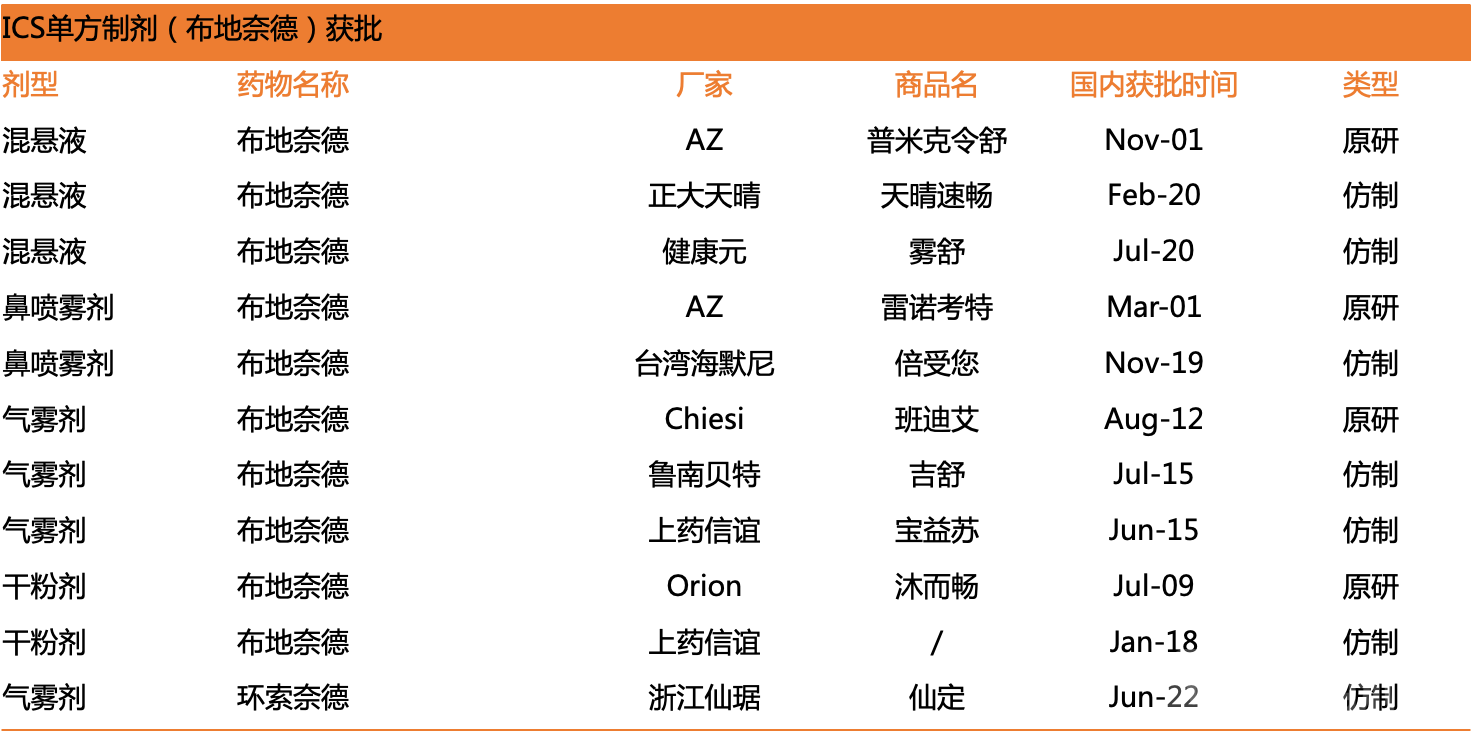

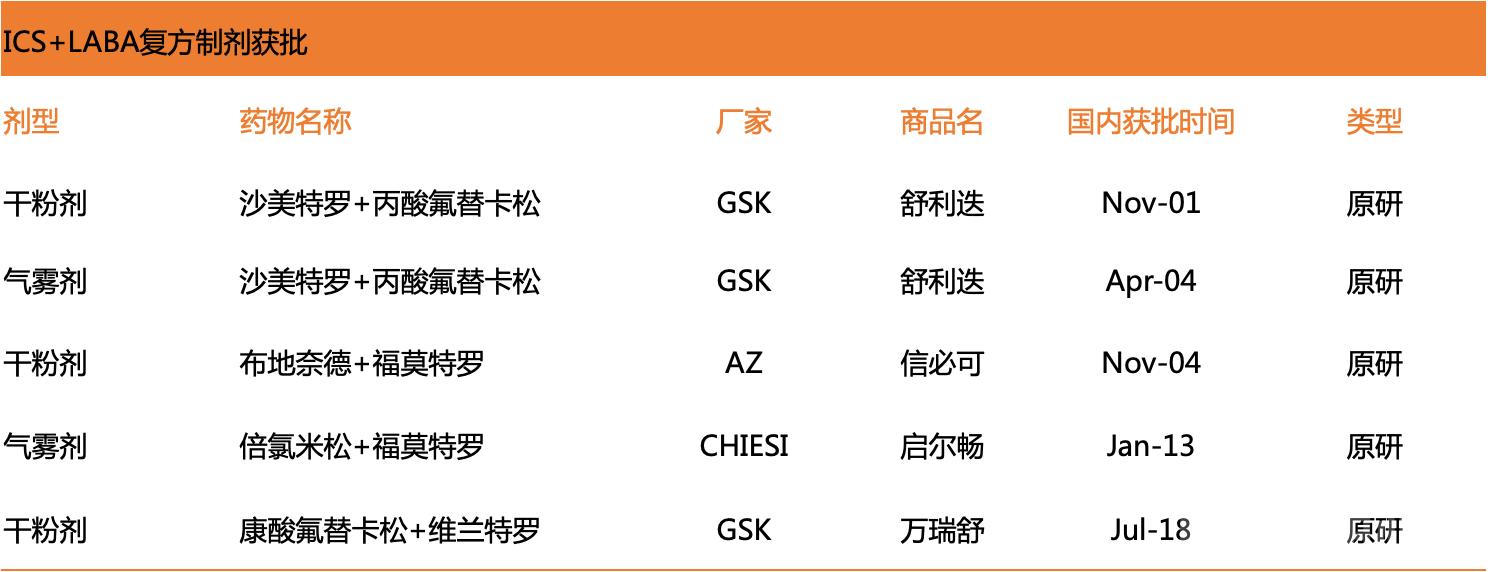





Table 1: Overview of Regulatory Submissions for Inhaled Formulations in Chronic Respiratory Diseases in China
Meanwhile, influenced by the COVID-19 pandemic in recent years and driven by advances in the development of innovative respiratory drugs, there is active progress in developing various other therapeutics—including vaccines and antibodies—delivered via inhalation directly to the lungs for the prevention or treatment of infections, pulmonary fibrosis, and pulmonary arterial hypertension, as well as psychotropic medications.

Table 2: Inhaled Drug Projects in Clinical Trials in China—Excluding Asthma, COPD, and Nebulizer Solutions
Source: www.chinadrugtrials.org.cn Drug Clinical Trial Registration and Information Publicity Platform (compiled by Daotong Capital)
Therefore, the development, design, and manufacturing of inhalation drug delivery systems compatible with related formulations—i.e., the CDMO demand for drug delivery devices—are becoming increasingly urgent.
Overview of Inhalation Drug Delivery Devices
Inhalation drug delivery devices are primarily categorized into metered-dose inhalers (MDIs), dry powder inhalers (DPIs), and nebulizers (NEMs), as well as novel delivery systems that have garnered increasing attention from overseas pharmaceutical companies in recent years, such as smart inhalation devices and precision nebulizers (also known as soft-mist inhalers).
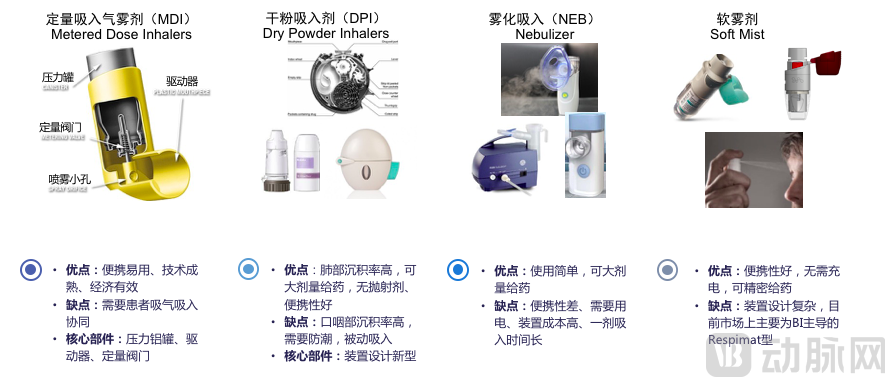
Figure 1: Characteristics, Advantages, and Disadvantages of Several Drug Delivery Devices
Representative Products of Several Classic Global Drug Delivery Devices:
● Representative Metered-Dose Inhaler (MDI) Product: Ventolin (GSK), Salbutamol Sulfate Inhalation Aerosol. MDIs contain propellants that liquefy at ambient temperature under a canister pressure of 40–70 psi and vaporize into gas at atmospheric pressure upon actuation, thereby delivering drug particles with a specific dose and particle size distribution to patients. Historically, the pharmaceutical industry used chlorofluorocarbons (CFCs) as propellants in aerosols; however, hydrofluoroalkanes (HFAs) were introduced as CFC substitutes by the mid-1990s in accordance with the Clean Air Act and the Montreal Protocol on Substances that Deplete the Ozone Layer (Montreal Protocol). The first HFA-based MDI approved by the U.S. Food and Drug Administration (FDA) was salbutamol sulfate, which received marketing approval in 1996. By 2020, there were 13 MDI products marketed in the United States, with salbutamol sulfate still accounting for 60% of the total U.S. MDI market. It is estimated that 144 million MDI units were sold in the United States in 2020, including both domestically produced and imported products from the European Union and Asia. According to the American Thoracic Society, clinical conditions for which HFA-based MDIs may be used include acute viral infections (including COVID-19), bronchiectasis, idiopathic pulmonary fibrosis, nonspecific dyspnea, post-COVID-19 infection, post-infectious chronic cough, and sarcoidosis (ATS 2021).
● Representative DPI Products: There are a cumulative total of 25 patented DPI products in the United States. By 2019, only 15 of these 25 patented DPI products were commercially available, while the remaining products had been discontinued or were not reported due to low sales volume. It is estimated that the actual annual consumption of DPIs in the United States ranges from 24 million to 68 million units, accounting for approximately 25%–30% of the inhaler market. Representative products include Spiriva HandiHaler (tiotropium bromide) from Boehringer Ingelheim (BI) and Symbicort Turbuhaler (budesonide/formoterol) from AstraZeneca (AZ).
● Representative Nebulizer Products: Nebulizers primarily function by dispersing nebulized medications or physiological saline into mist particles or micro-particles suspended in gas. These particles are inhaled to deposit the medication in the lungs or respiratory tract. Nebulization therapy has a long history. Hippocrates, known as the "Father of Medicine," initially placed herbs and resins soaked in vinegar and oil into a kettle-like device for heating. An opening on the lid fitted with a reed-like tube allowed the resulting aerosol to emerge, enabling patients to inhale it orally. Later, the French physician Sales-Girons developed a nebulization inhalation apparatus comprising a reservoir for the drug solution, a manual air pump, a jet nozzle, and an impact plate. This device serves as the prototype for modern home-use nebulizers. Based on their working principles, nebulizers are mainly categorized into ultrasonic vibrating mesh nebulizers, compressed air nebulizers, and pressure screen mesh nebulizers. Currently, medical institutions are gradually phasing out ultrasonic vibrating mesh nebulizers in favor of compressed air and pressure screen mesh nebulizers, which produce finer particles capable of reaching the lower respiratory tract. In contrast, households primarily use ultrasonic vibrating mesh and compressed air nebulizers. Major global nebulizer manufacturers include Germany’s Pari, Japan’s Omron, China’s Yuwell Medical, and Italy’s Flaem Nuova S.p.A. The development of nebulizers is trending towards greater convenience, precision, low noise, and even passive (power-free) operation.
● Representative Products of Soft Mist Inhalers: The soft mist inhaler is a novel inhalation device. Unlike passive devices such as dry powder inhalers (DPIs), it is an active inhalation device similar to pressurized metered-dose inhalers (pMDIs). Together with pMDIs and DPIs, it belongs to the category of non-powered portable inhalation drug delivery devices. On one hand, the soft mist inhaler utilizes mechanical energy generated by a compressed spring in the rotating base to power aerosolization of the medication. On the other hand, it employs precise capillary-based dosing and a unique principle where two liquid medication jets collide at a specific angle to form a distinctive “soft mist.” The representative product on the market is primarily Spiriva Respimat (tiotropium bromide) by Boehringer Ingelheim (BI), which uses the Respimat soft mist inhaler. According to BI’s annual report, over 50 million units have been sold.
Structural Characteristics of Several Drug Delivery Devices
1. Aerosol Device
An aerosol mainly consists of a metered-dose valve, an aerosol pressure canister, and an actuator.
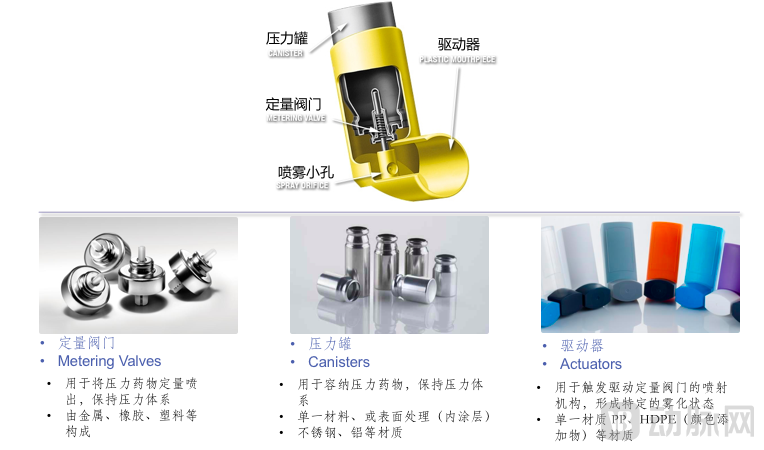
Figure 2: Schematic diagram of aerosol device structure
Aerosols, also known as pressurized metered-dose inhalers (pMDIs), refer to formulations in which the drug, excipients, and propellant are co-filled into a pressure-resistant container equipped with a metering valve. Upon actuation of the valve, the drug and propellant are released as an aerosol. The propellant provides the energy required for aerosol formation and delivery. The primary modes of administration are classified intoTraditional pMDI、Novel pMDI with Co-Suspension Technology, and the use ofpMDI + Spacer。
● Traditional pMDIs are categorized into solution-based and suspension-based types. For suspension-based pMDIs containing two or more drugs, variations in the density and particle size of each component can lead to inconsistent drug ratios in each actuation due to differences in the number, intensity, and duration of shaking prior to use.
● Novel pMDI with Co-Suspension Technology: Co-Suspension Technology (Aerosphere®) is a novel pMDI delivery technology developed in recent years. The device employs co-suspension technology, wherein drug crystals are adsorbed onto surface-porous phospholipid microcarrier particles according to the formulation ratio, and then loaded into the canister together with the propellant, thereby releasing an aerosol with consistent dose and proportion upon actuation.
● pMDI + Spacer: For patients with poor hand-mouth coordination who struggle to synchronize slow, deep inhalation with actuation of the valve, a pMDI can be used in conjunction with an aerosol spacer equipped with a one-way valve.
Advantages of using a spacer device include:
1) Avoid hand-mouth incoordination that may impair effective inhalation of drug aerosols;
2) Allows for multiple inhalations, enhancing pulmonary drug deposition;
3) The velocity of the aerosol sprayed into the spacer is reduced, thereby decreasing drug deposition in the oropharynx due to inertia;
4) As the propellant and solvent evaporate, the droplets become smaller, and the cooling sensation of the mist dissipates.
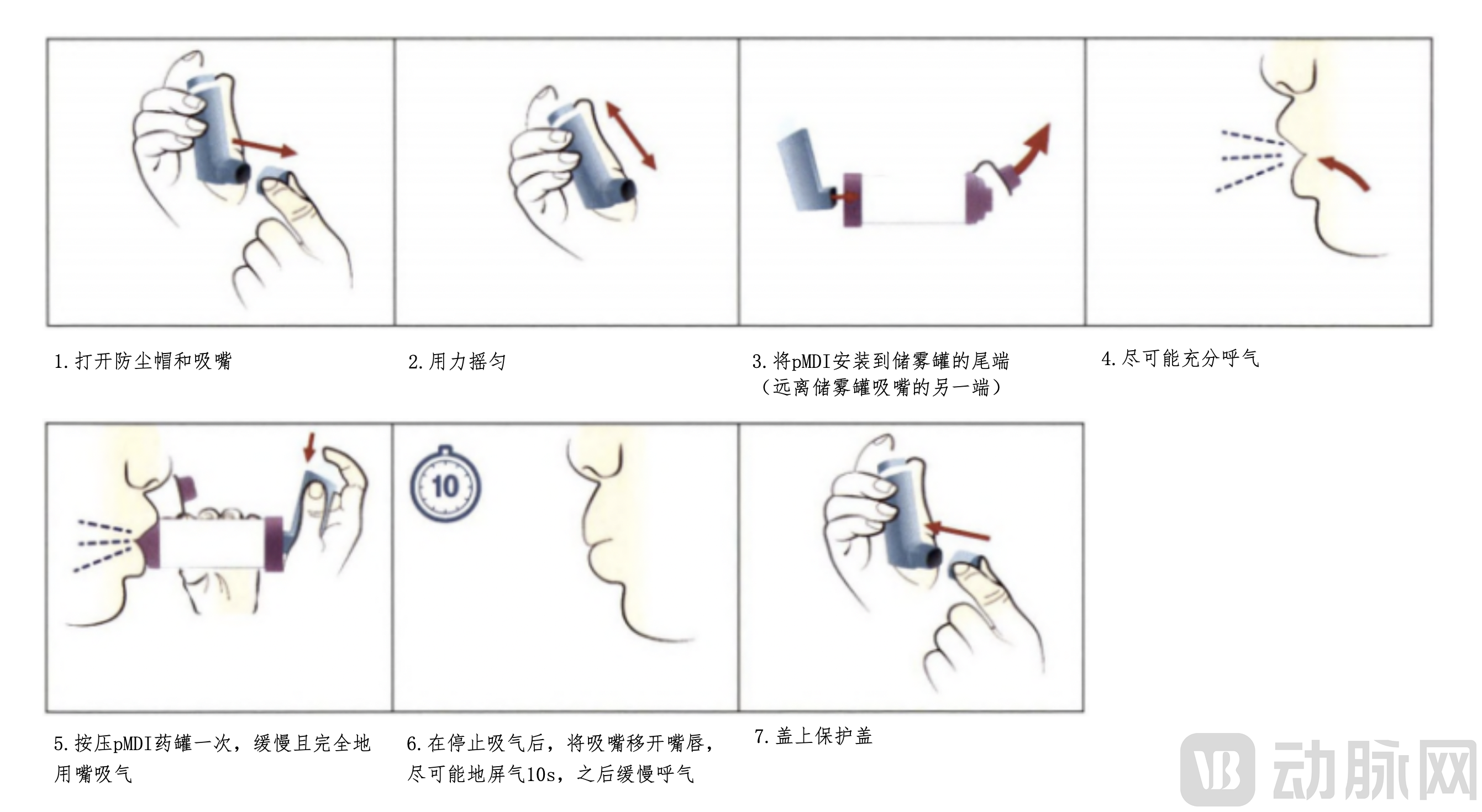
Figure 3: Steps for Using a pMDI with a Spacer
Pressurized canisters for aerosols are either bare or internally coated aluminum or stainless steel containers, designed to hold pressurized medications and maintain the pressure system. The global annual sales volume of aerosol canisters is approximately RMB 2–3 billion. The top three players—Presspart (a member of Germany’s H&T Group), 3M, and Shanghai PharmaCan (a member of Yisuo Intelligent Technology)—collectively account for over 95% of the market share. As the only manufacturer in Asia offering a full range of inhalation aerosol canisters, Shanghai PharmaCan is increasingly securing orders from domestic pharmaceutical companies, thereby driving import substitution, and is gradually expanding its exports overseas.
The global annual sales of metered-dose valves for aerosols amount to approximately RMB 5–6 billion, making them the most critical component of aerosol devices. The top three global manufacturers of metered-dose valves are Bespak, a subsidiary of the UK-based Consort Medical (which was fully acquired in 2019 by Recipharm, a Swedish small-molecule CDMO company); Aptar Pharma, the drug delivery division of the US device giant Aptar Group; and Germany’s Lindal Group. The market for metered-dose valves is currently dominated by foreign enterprises. Domestic manufacturers of inhalation aerosol formulations, such as Shandong Jingwei, primarily rely on valves from these companies. With the approval of generic inhalation aerosols under China’s consistency evaluation program, there is an urgent need for domestic substitution of these products, alongside joint filings for generic drug formulations.
2. Dry Powder Device
Dry powder devices come in several different types, with the most common beingReservoir-type、Blister TypeandCapsule Typeetc.
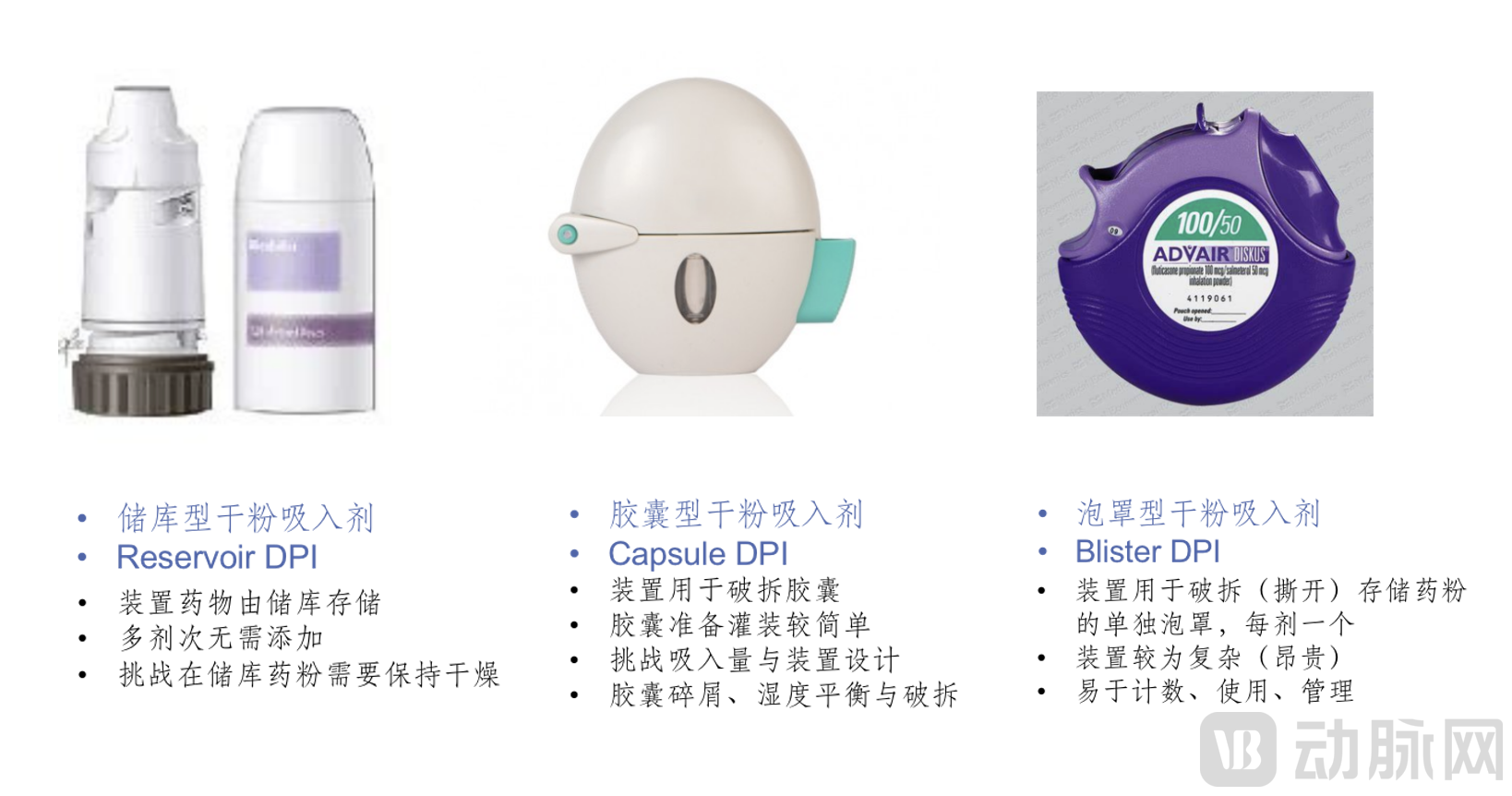
Figure 4: Main Dry Powder Devices and Their Characteristics
● A representative product of reservoir-type devices is AstraZeneca’s Symbicort Turbuhaler. This device stores the medication in a reservoir, eliminating the need for reloading with multiple doses. The key challenge lies in keeping the powdered drug dry to prevent agglomeration and caking, which could compromise dose accuracy during inhalation.
● A representative product of capsule-based devices is Boehringer Ingelheim’s Spiriva Respimat. The advantages of this device include relatively simple capsule preparation and filling. However, challenges remain, such as the complexity of inhaled dose delivery and device design, as well as potential issues related to capsule fragmentation, humidity equilibrium, and capsule piercing.
● A representative product of blister-type devices is GSK’s Seretide. This device is designed to pierce individual blisters containing stored powder, with one blister per dose. Consequently, it incurs higher manufacturing costs and commands a premium price, and the device structure is relatively complex. Its advantages include ease of dose counting, use, and management.
The primary challenge with dry powder inhaler (DPI) devices lies in their complexity and stringent design requirements. Customized designs are necessary to accommodate pharmaceutical companies’ specific needs regarding formulation particle characteristics, moisture equilibrium, capsule debris management, control over dosage and administration frequency, and ease of drug loading. Due to the intricate internal structure of DPI devices, manufacturing requires precision injection molding capable of single-shot forming while maintaining high process stability and yield rates. Consequently, DPI manufacturers must not only be well-versed in the characteristics of pharmaceutical dosage forms and regulatory requirements for combination product submissions but also possess advanced capabilities in precision design and injection molding. Furthermore, as DPI devices often require a certain degree of customized design and production—such as when supporting generic drug development—cost control becomes critical. Imported dry powder medications typically cost several hundred yuan; therefore, future cost expectations for DPI devices used in volume-based procurement programs for generic drugs are likely to be even more stringent.
3. Precision Nebulization Drug Delivery Device
Precision Nebulization Drug Delivery Device, also known as Soft Mist Inhaler (SMI): The world’s first precision nebulization device is the Respimat inhaler, developed under the leadership of Boehringer Ingelheim (BI) in Germany. It is used in conjunction with BI’s long-acting anticholinergic drug, Spiriva, and currently achieves annual global sales exceeding 50 million units. Precision nebulization devices integrate various high-precision components, including semiconductor elements and metering and fluid delivery systems (typically comprising springs, dip tubes, solution reservoirs, etc.), presenting significant barriers in design and precision manufacturing.
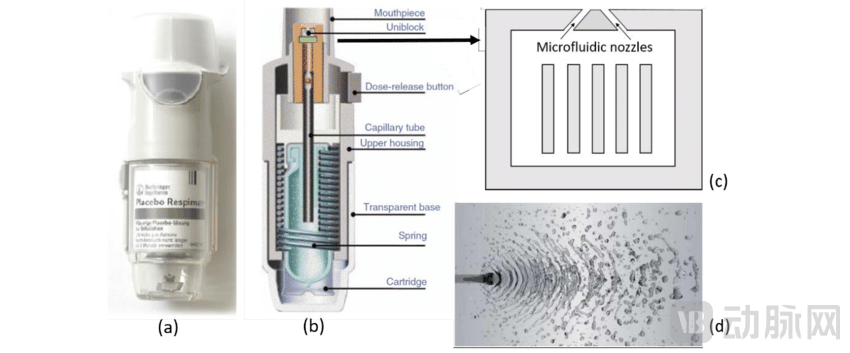 Figure 5: Structural Diagram of Precision Nebulization Device
Precision Nebulization Devices Offer Multiple Distinct Advantages:
1) Passive device replacing active nebulizers, significantly enhancing portability and ease of use;
2) Achieves aerosol-level nebulization performance without propellants, reducing propellant-related pollution and lowering costs; 3) Compact, portable design reduces device costs;
4) Quantifiable count;
5) It can also be used for surgical inhalation drug delivery devices (e.g., anesthetic agents).
The potential application scenarios for precision nebulization devices are extensive. Beyond respiratory and oral drug delivery, their use can be extended to personal care fields such as skincare, eye care, and nasal care, as well as veterinary medical care. Given the broad market prospects, in addition to drug delivery device giants like Aptar Pharma and Recipharm, many innovative drug delivery device companies in Europe and the United States are actively expanding their presence. For instance, Softhale was acquired by Sino Biopharmaceutical in 2021 for $200 million plus milestone payments; Merxin, an innovator in inhalation devices developing dry powder and soft mist formulations, secured tens of millions of dollars in financing; and Medspray, a developer of nasal sprays and various care and medical drug delivery devices, formed a joint venture with the Recipharm Group called Resyca to specifically develop soft mist devices.
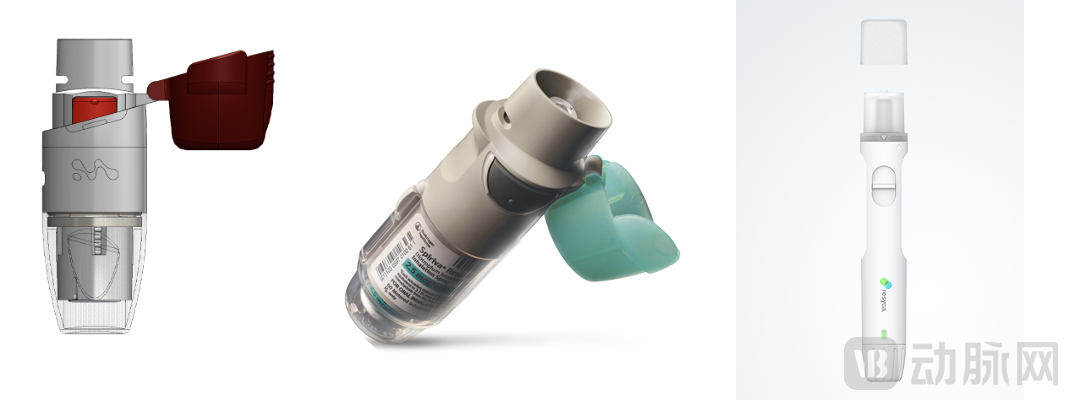
Figure 6: Diagrams of Several Soft Mist Inhaler Devices Currently on the Market and Under Development
Image source: From the respective company websites. The three device images above are, respectively: Merxin Soft Mist Inhaler; Resyca Soft Mist Inhaler; BI Respimat Soft Mist Inhaler
4. Intelligent Drug Delivery Device
Traditional pressurized metered-dose inhalers (pMDIs) have been in use for decades. However, conventional devices suffer from several limitations, including the inability to monitor remaining medication levels, poor patient adherence, and compromised therapeutic efficacy due to untimely dosing. Smart drug delivery devices can address these issues by providing usage statistics, enhancing patients’ awareness of their medication regimen, improving adherence, and guiding proper inhaler technique. With the maturation of data infrastructure such as the Internet of Things (IoT), 5G, and artificial intelligence (AI), smart devices are poised for rapid development. They are expected to gradually replace traditional inhaler actuators in the future. Pharmaceutical companies refer to these smart drug delivery systems as “next-generation” devices. According to relevant research reports, the global market size for smart drug delivery devices is projected to reach $1.35 billion by 2030.
Adherium Limited (ASX: ADR) is a New Zealand-headquartered company developing digital health technology products, with a vision to help patients with chronic diseases take their medications properly and on time. Its flagship product, the Hailie™ solution, has cumulatively sold over 180,000 units worldwide. This sensor attaches to inhalers and connects to mobile phones to monitor medication adherence. The Hailie™ solution primarily provides asthma patients with tools to manage their condition, enabling them to control their health status on a day-to-day basis. On July 15, 2022, Adherium announced that the U.S. Food and Drug Administration (FDA) had granted 510(k) clearance, allowing the Hailie™ sensor to be marketed as an over-the-counter (OTC) device. Adherium stated that the U.S. market is a key focus for the company and that it will collaborate with American respiratory device manufacturers to launch a large-scale commercial campaign to promote its products. The market reaction to the FDA’s 510(k) clearance for Adherium was relatively positive, with Adherium’s share price rising by 14.29% following the announcement.
The Time Is Right for Domestic Substitution of Inhalation Devices
1. The submission of generic drug applications by pharmaceutical companies is accelerating rapidly. In the context of large-scale centralized procurement, there is a clear demand for cost reduction and domestic substitution of imported products; meanwhile, submissions for innovative drugs are proceeding with great momentum.
2. The NMPA’s regulatory policies are becoming increasingly mature, and the rules for combined drug-device applications are growing clearer.
3. Patents for imported devices have gradually expired, and overseas next-generation devices are also under development.
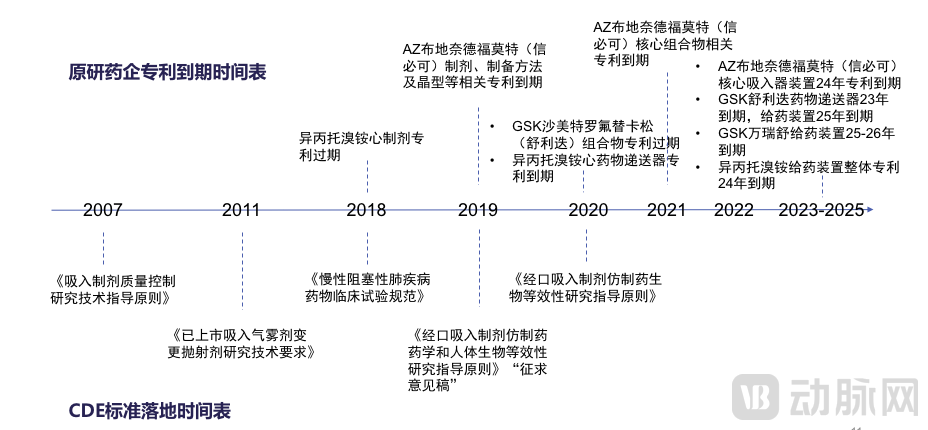
Figure 7: Global Patent Expiration Timeline for Originator Pharmaceutical Companies and Implementation Timeline of NMPA Evaluation Standards for Inhalation Preparations
4. The development of the upstream precision manufacturing and processing industry has ensured the supply of domestically produced components, with precision processing equipment and technological capabilities now meeting the production requirements of Chinese manufacturers.
Aptar Group (ticker symbol: ATR), a global leader in packaging and delivery solutions, primarily serves the beauty, personal care, home care, pharmaceutical, and food and beverage markets. The company currently employs approximately 13,500 people across more than 20 countries. As a giant in packaging materials and drug delivery devices with annual sales of $3.3 billion and a total market capitalization of approximately $7–8 billion, Aptar operates through three business segments: Beauty & Home Care, Pharma & Drug Delivery, and Food & Beverage. Its Pharma & Drug Delivery segment, Aptar Pharma, specializes in nasal sprays and aerosol products, holding a leading global position. This segment contributes over 40% of the group’s sales ($1.36 billion) and 65% of its gross profit.
Recipharm Group, a Swedish small-molecule pharmaceutical giant, is a top-tier global CDMO. In recent years, the proportion of sterile and inhalation products within Recipharm’s business segments has increased annually, rising from 27.8% in 2014 to 45.1% in 2019, while maintaining a relatively high EBITDA margin. In 2020, Recipharm acquired the UK-based Consort Medical Group. Following this acquisition, Recipharm’s annual revenue exceeded RMB 8 billion, propelling it to become the fifth-largest CDMO globally. Consort Medical comprised two major business units: Bespak, its drug delivery devices division, and Aesica, its active pharmaceutical ingredients (API) division. Bespak is dedicated to providing drug delivery devices for pharmaceutical partners, including products for respiratory, nasal, injectable, and ophthalmic applications.
“China boasts a vast and comprehensive manufacturing supply chain. In the future, it is inevitable that giants in the inhalation drug delivery industry, with annual sales exceeding $1 billion—similar to Recipharm/Consort Medical or Aptar—will emerge. Identifying senior industry experts who understand industrial logic and are familiar with downstream customer needs, can gather industry talent, and chart a step-by-step path to commercial implementation, is crucial. This approach will gradually open windows for collaboration with domestic pharmaceutical companies, progressively replace imported products, and further expand into the global supply chain to meet the needs of overseas formulation manufacturers. Developing China’s capacity to substitute inhalation drug delivery systems is an urgent priority,” said Mr. Shi Lei, CEO of Yisuo Intelligence.
Reference Article:
1.Market Characterization of the U.S. Metered Dose Inhaler Industry;Stratospheric Protection Division Office of Air and Radiation; ICF 2550 S Clark St. Suite 1200 Arlington, VA 22202; Sep. 2021
2. “In-Depth Report on the Inhaled Pharmaceutical Preparations Industry: A Multi-Billion Blue Ocean, Where Premium Tracks Demand Careful Selection of Top Contenders”; Guotai Junan Securities Research Report; 2020
3. Principles and Parameter Comparison of Medical Nebulizers, Along with Related Product Introductions; Inhalation Products Official Account
4. “The M&A-Driven Rise of Recipharm, Sweden’s Leading Small-Molecule CDMO”; GF Securities Research Report; March 2020
5.Smart Inhalers Market Share, Trends and Growth Analysis By Type (Dry Powder Inhaler and Metered Dose Inhaler), Application (Asthma, Chronic Obstructive Pulmonary Disease and others), End User (Hospitals & Clinics, Respiratory Care Centers and others) - Forecast till 2030; ID: MRFR/MED/1581-CR | 81 Pages | Published By Kinjoll Dey on July 2019(Market Research Future)
6. Websites and Annual Reports of Related Listed Companies (Compiled by DaoTong Capital)