

From Made in China to Smart Manufacturing: Insights from the Junliang Shushan Forum on Health Industry CEOs
As Chinese manufacturing expands globally, what opportunities and challenges does the healthcare industry face? During the process of industrial upgrading, how can companies effectively implement strategic transformations and build core capabilities? On May 24, the “4th Shushan Health Dialogue: Healthcare Industry CEO Summit,” hosted by Legend Capital, co-hosted by Tianfu International Bio-Town and Ceyuan Capital, and organized by VCBeat, was held in Chengdu. At the sub-forum themed “Intelligent Manufacturing in China Leading Industrial Upgrading,” entrepreneurs and experts from the industry, academia, and investment sectors shared valuable insights based on their practical experiences.
Return to the Essence of Business
Focus: A Method, and More Importantly, a Capability
Macro-level policies have accelerated the restructuring of China’s healthcare industry ecosystem and market landscape. Changes in capital market valuation systems over the past two years have also placed survival pressures on some pre-IPO startups. Amid the broader trend of intelligent manufacturing upgrades in China’s healthcare sector, how should companies respond? Wang Jianfei, Managing Director at Legend Capital, stated,Return to the essence of business when addressing issues; in a complex and chaotic environment, focus is not only a method but also a capability.He proposed the following: First, comprehensively upgrade the elements of the manufacturing value chain based on the upgrading of the company’s development strategy. Second, focus on core competencies and specialized segments, learn to streamline operations, and address weaknesses through collaborations. Third, gain a clear understanding of the market landscape, competitors, and oneself; continuously strengthen endogenous capabilities; and conduct dynamic reviews during the process to iteratively refine the strategy.
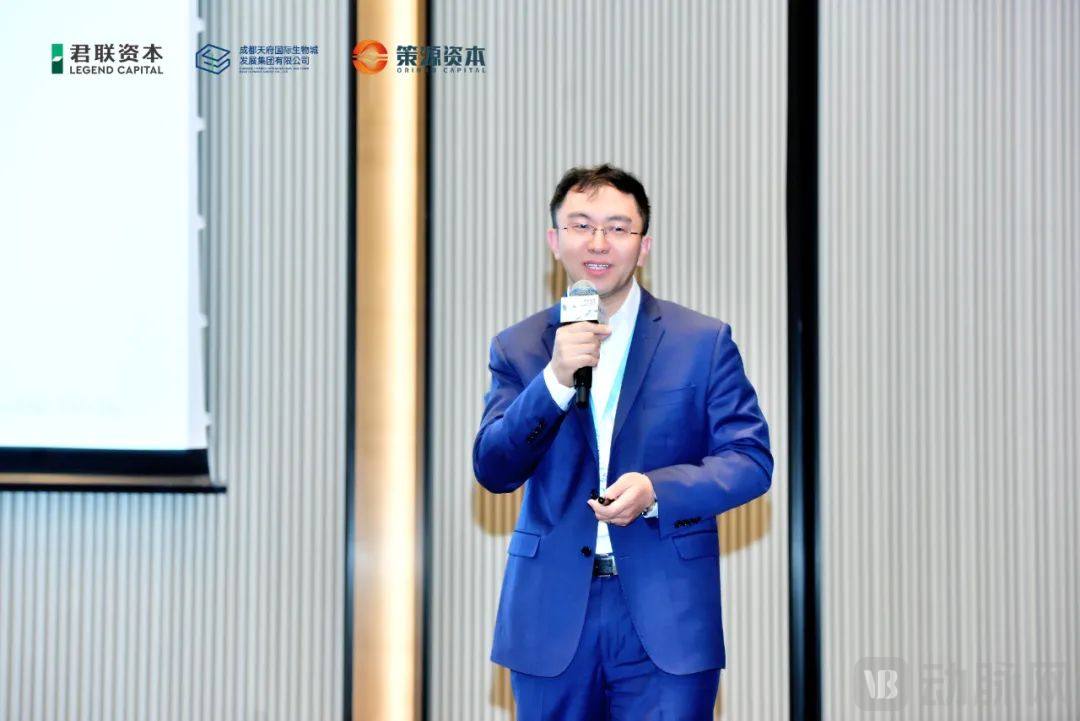
Wang Jianfei, Managing Director at Legend Capital
Sharing Exclusive Tips
Pioneering Enterprises Discuss the Rise of Intelligent Manufacturing in China
The life sciences industry, in its growth and expansion, is inevitably destined to go global. In fact, many leading enterprises have already acted as pioneers, continuously exploring and summarizing their experiences in global deployment and domestic substitution, thereby forming unique strategies for the rise of intelligent manufacturing in China. MGI Tech, Tianxing Medical, and Nest Biotechnology shared core insights from their corporate practices, while Shuben Technology presented the “five-pronged” pathway for the upgrading of manufacturing enterprises.
As a representative enterprise of China's intelligent manufacturing in gene sequencing instruments, the Chief Operating Officer of MGI TechJiang Hui stated, to achieve independent control over core technologies, we must first avoid forming a mindset of dependency. At the practical level,Corporate globalization relies on the "three pillars": core patents, product development capabilities, and regulatory qualifications.Patents are at the core of all product development and technological advancement. Life science instruments and equipment involve the integration of multiple cutting-edge technologies, requiring companies to possess robust product development capabilities and to continuously upgrade their offerings based on market feedback and user needs. Meanwhile, global expansion demands localized strategies, along with proactive planning of comprehensive quality systems and regulatory certifications.
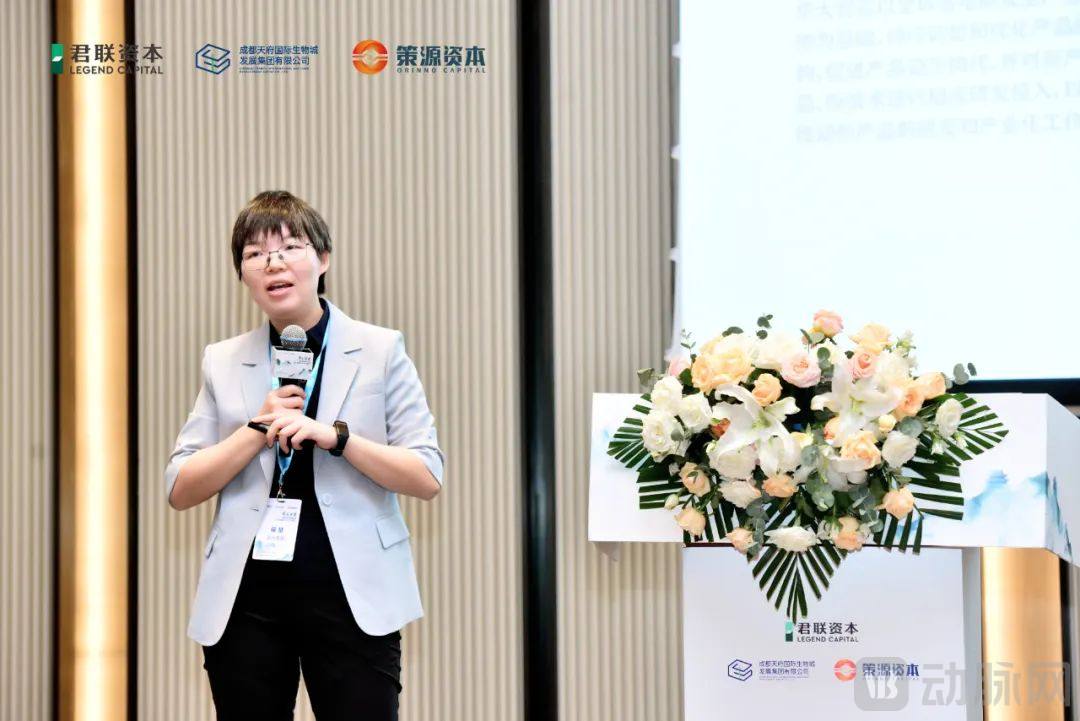
Jiang Hui, Chief Operating Officer of MGI Tech
Tianxing Medical is the leading domestic sports medicine company. Chairman of Tianxing MedicalDong Wenxing believes, China's medical device market has surpassed the trillion-yuan mark, with domestic substitution being the main theme of market development. He stated that,Product strength, brand power, and marketing capability are essential competencies for achieving the substitution of imports with domestically produced goods.Domestic substitution is not merely a matter of low-price replacement; it requires companies to strengthen their internal capabilities through technological and product innovation, while also placing emphasis on branding and product marketing. Whether through multi-faceted collaborations or by building in-house marketing capabilities, many imported products that have been in the Chinese market for years serve as valuable benchmarks. On the other hand, globalization is not just about selling products abroad; the ability to sense and respond to changes in the global landscape is a company’s most critical capability. To sustain the benefits of import substitution, medical device enterprises must continuously seek more and better collaborative opportunities and delve deeper into innovation in the high-end manufacturing segment of the medical device industry.
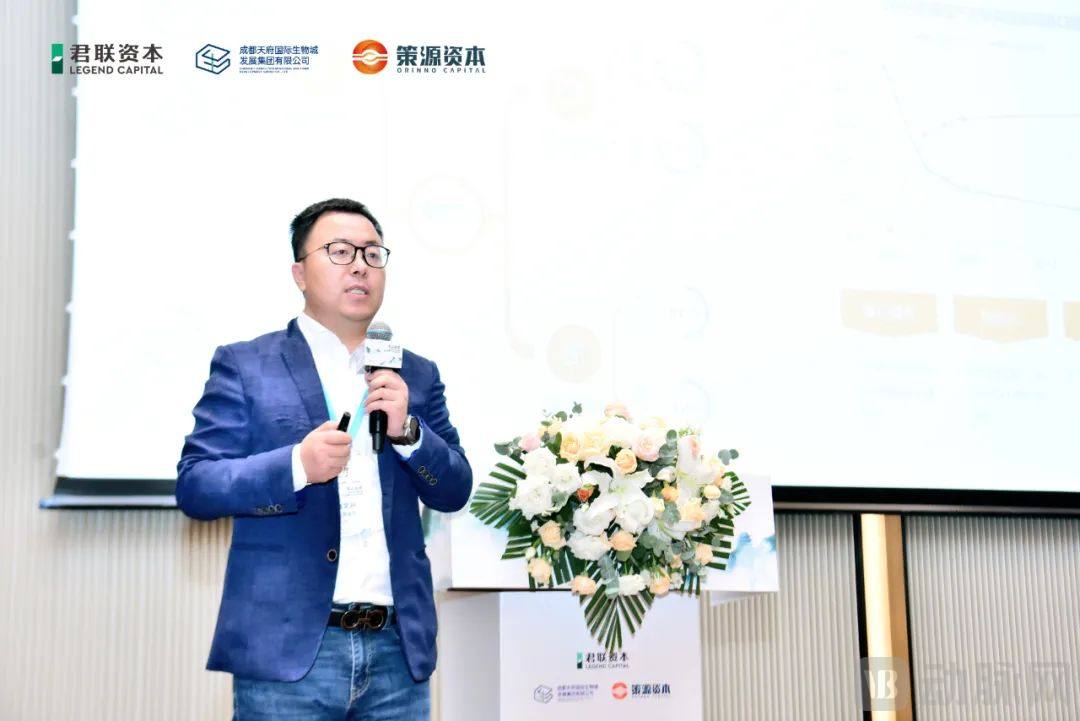
Dong Wenxing, Chairman of Tianxing Medical
Nest Biotech focuses on the research, development, and manufacturing of products in the life sciences sector. Over the past decade-plus, the company has expanded its business to the Americas, Europe, the Middle East, and East Asia. Chairman of the Board and General ManagerYang Weidong believes, the international standing of Chinese manufacturing has changed dramatically compared to a decade ago, and it is hoped that more enterprises will actively expand their overseas presence to embrace larger markets. He specifically cautioned that during the process of global expansion,Patent Issues Are of Paramount Importance, companies should proactively plan their intellectual property portfolios to avoid adverse impacts on their listing and commercialization processes. Furthermore,Cultural differences are another challenge., requiring the team to develop cross-cultural communication capabilities at an early stage.
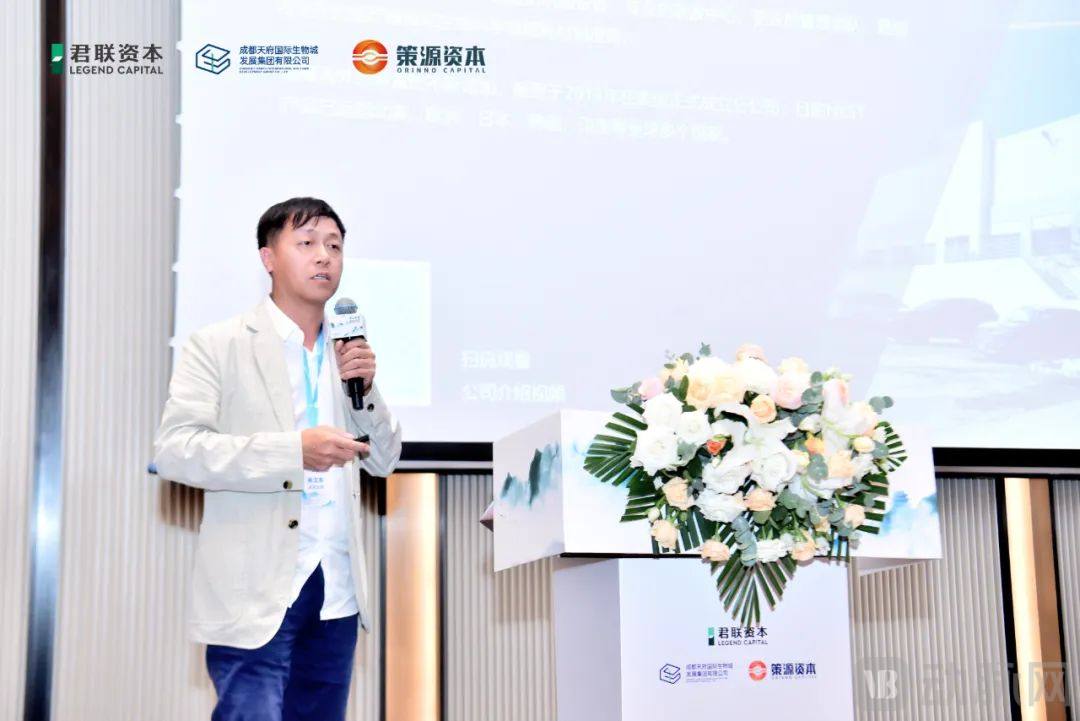
Yang Weidong, Chairman and General Manager of Nice Life
Zhong Lixiang, President of Shuben Technology and Lean Management ExpertHe shared the five-stage pathway for intelligent manufacturing in China, namely standardization, lean management, automation, digitalization, and intelligence. He pointed out that intelligent manufacturing must ultimately lead to sustainable profitability, which requires enterprises to implement scientific management and systematic operations. It is difficult for manufacturing enterprises to improve efficiency solely through process optimization.Do not automate outdated processes, and do not digitize inefficient management. Achieving digital-intelligent transformation requires the synergistic integration of five core capabilities.
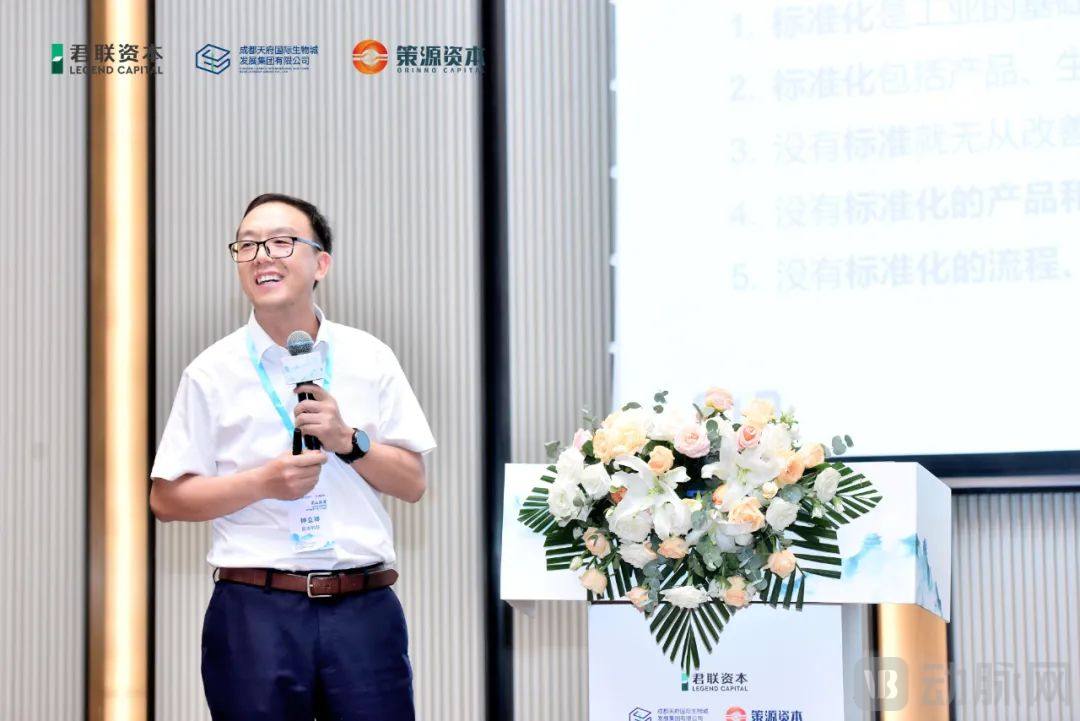
Zhong Lixiang, President of Shuben Technology
Corporate Strategic Transformation Under Import Substitution
Should corporate strategic transformation under import substitution be gradual or radical? What are the key strategic takeaways and lessons learned from competing with foreign multinational giants? What are the common pitfalls to avoid during the implementation of strategic change?Moderated by Wang Haihua, Investment Director at Legend Capital, Cao Changqing, General Manager of Juyi Technology; He Zhaogang, CEO of Shanghai Duanzhao Information Consulting; Li Yanlong, Co-founder of Born Dental; and Shen Xiaohang, CTO of Xihua Testing, engaged in a discussion on corporate strategic transformation in the context of import substitution.
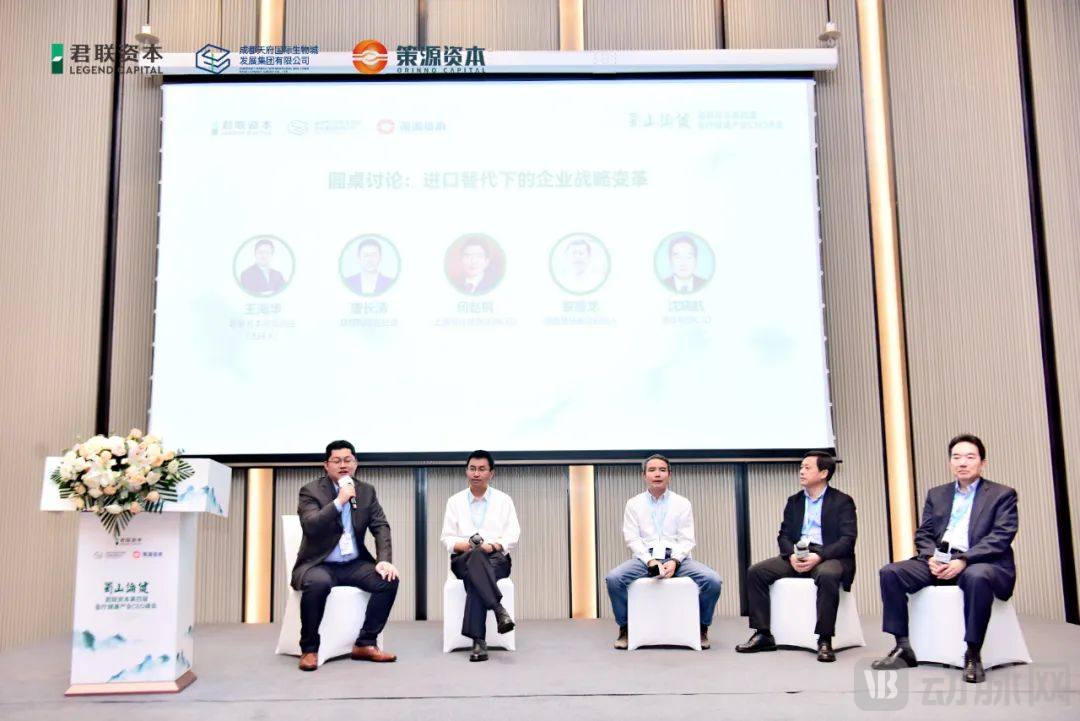
On the Approaches and Timing of Strategic Change,He Zhaogang pointed out that any enterprise has its own significant inertia; adopting incremental strategic change typically reduces costs and provides greater room for error.However, in the face of significant changes in the external environment, radical transformation should be adopted. To maximize benefits, the growth stage is an optimal time for corporate change; additionally, if a company remains stagnant at a certain scale for an extended period, lacking innovation and breakthroughs, strategic transformation should also be considered.
"Regarding competition with foreign giants,"Cao Changqing stated that differentiated competitive strategies should be adopted based on different user personas.For instance, when engaging with large multinational corporations, it is essential to emphasize regulatory compliance, scaled production capacity, localization capabilities, global supply chain management, and risk control; whereas for small and medium-sized enterprises (SMEs), the focus should be on innovation and service capabilities.
Li Yanlong summarized Born Dental’s internationalization strategy as: from nothing to something, from something to good, and from good to unique.First, focus on the domestic market to address corporate survival challenges, then expand overseas, driving industrial and technological upgrades by catering to diverse market demands. Furthermore, as companies transition from gradually replacing imported products with domestically produced ones to becoming globally recognized brands, they must cultivate brand premium factors. These include innovation from an R&D perspective, upgrading of sales teams, and enhanced capabilities in remote service support.
Shen Xiaohang introduced that XiHua Testing has established internationalization as its strategic goal since its inception and has continuously built its talent system and capabilities to support this objective.By acquiring U.S. companies and participating in the formulation of industry standards, the company continuously refines its expertise and elevates its standards. In competing with global giants, Shen Xiaohang advises Chinese enterprises to first maintain close alignment with customers; second, unify internal team perspectives to reduce communication costs; third, centralize resources for similar customers and products to lower management expenses and achieve resource synergy; and finally, develop localized, or even city-specific, supply chains to avoid excessive supply chain length.
Supply Chain Upgrades for Enterprises Driven by Innovation Demands
The biopharmaceutical value chain, spanning from early-stage R&D to commercialization, is exceptionally long. What are the differentiated needs at each stage? How can the diverse requirements of clients across the industry be met?Moderated by Yang Shujun, Investment Director at Legend Capital, Huang Weihua, Chairman of Yisheng Biotechnology; Liu Haiyang, Chairman and CEO of Borui Ce Biology; Wang Feng, CEO of Lepu Biopharma; and Xue Tongtong, Founder and Chairman of E-Link Bio, engaged in a discussion on enterprise supply chain upgrades driven by innovation demands.
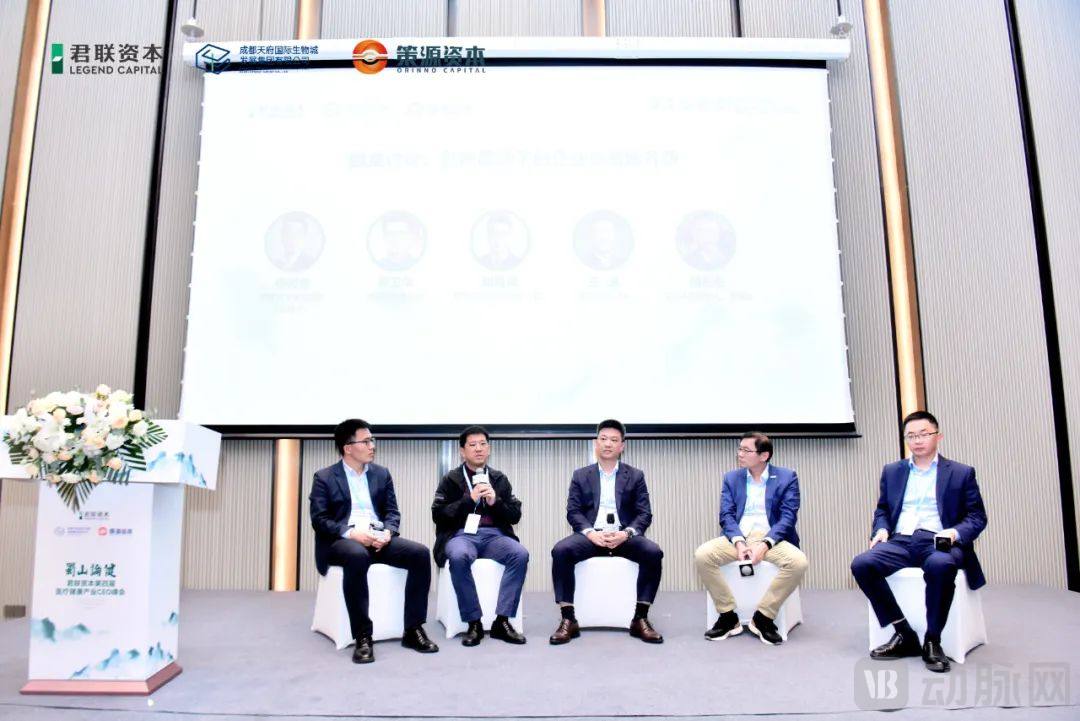
Addressing the differentiated needs of enterprises from early-stage R&D to commercialization,Xue Tongtong believes that the journey from product R&D to commercialization is a progressive process,In the early stages, compliance requirements are relatively limited in volume but diverse and complex in nature, demanding timely supply and cost-effectiveness. In the mid-to-late stages, as products move toward commercialization and market implementation, compliance standards become increasingly stringent, requiring strict adherence to all regulatory rules.
Wang FengIt is pointed out that although the requirements at different stages of product development are dynamically changing, overall, it is still necessary toPossesses the four key elements of rapid delivery, quality compliance, regulatory adherence, and cost control.How to achieve a dynamic balance among the four factors? Lechun Biology’s solutions are twofold: first, implementing flexible production and leveraging a robust ERP system to standardize and manage the entire process; second, categorizing products into standard and customized offerings to ensure product quality and mass production with both flexibility and stability.
Liu Haiyangemphasizes, in addition to manufacturers, service providers must also maintain a dynamic balance among risk control, cost control, and strategic control.Particularly in emerging niche sectors within healthcare, when early-stage boundaries are ill-defined, it is essential to gain an in-depth understanding of existing domestic and international models as well as regulatory policies, and to strengthen communication with regulatory authorities and customers, so as to ensure the smooth progression of products from research and development to commercialization.
Huang WeihuaFounded Yeasen Biotechnology, a company focused on the upstream segment of the life science industry chain, engages in product development, manufacturing, and sales services across three major categories of biological reagents: molecular, protein, and cell-based products. Its service continuum is still expanding, and he has observed a growing proportion of mid-to-late stage demands in the current market. In response to this shift, he emphasizedIt is essential to understand customer needs and leverage a professional team to drive business growth., Yeasen Biotechnology has established various departments to provide services and management throughout the entire product lifecycle.