

Ensoma Files for IPO Following $50M B+ Round Led by Kite, a Gilead Company, to Advance Next-Gen In Vivo CAR-T Platform

Ensoma
Genomic Drug Developer
The integration of genetic engineering with cell therapy has enhanced treatment targeting, driving the evolution of cell therapies and giving rise to novel therapeutic approaches. However, the high costs associated with research and development as well as manufacturing have resulted in prohibitively high price ceilings. Novartis’s first CAR-T drug, Kymriah, is priced at $475,000, while its second CAR-T drug, Yescarta, is priced at $373,000.
The challenges of cell therapy do not end there. The high demands for medical and laboratory support in steps such as cell extraction, gene editing, and preparation and culture have led to low patient adherence and poor accessibility.
In response, Emile Nuwaysir, CEO of Ensoma, stated, “Ex vivo therapies only allow us to treat those who can access the world’s best hospitals.” Bringing revolutionary cell-based medicines closer to patients is precisely Ensoma’s vision.
Ensoma is a genomic medicine company dedicated to developing single-dose in vivo therapies,The company claims to be the first to apply in vivo editing technology to hematopoietic stem cells, using virus-like particles as the delivery system.。Recently, Ensoma completed a $50 million Series B extension financing, bringing its total Series B funding to $135 million.This round of additional financing comes from Kite, a company under Gilead’s new investor portfolio., Bioluminescence Ventures, Delos Capital, and existing investor SymBiosis.
The $135 million Series B financing will be used to develop Ensoma’s immuno-oncology projects and genomic drug pipeline, and to advance its Engenious in vivo editing platform, with the goal of targeting hematopoietic stem cells using one-time in vivo therapies.
In 2017, just weeks before the FDA approved the CAR-T cell therapy Yescarta, Gilead Sciences acquired Kite Pharma for $11.9 billion. Will history repeat itself? Could Ensoma become the next Kite?
Currently, eight CAR-T therapies have been approved for marketing worldwide, two of which are from Gilead Sciences.
With the iterative advancement of biotechnology, an increasing number of CAR-T therapeutic strategies have been proposed. In vivo CAR-T cell generation has emerged as a new research hotspot.
Traditional ex vivo CAR-T therapy requires the isolation of autologous T cells from the peripheral blood of cancer patients, followed by over a week of ex vivo genetic editing and culture before reinfusion into the body. Meanwhile, patients must undergo adjunctive preconditioning regimens, such as chemotherapy. The complex manufacturing process dictates its high treatment costs and stringent production requirements.
In Vivo CAR-T TherapyIn vivo CAR-T therapy aims to inject vectors encoding chimeric antigen receptors (CARs) into the body, enabling T cells to decode the new genes and generate CAR-T cells directly in situ. This approach eliminates the need for ex vivo modification of patient T cells, requiring only a “single injection.”This approach simplifies traditional preparation and treatment procedures, significantly reducing treatment risks and costs, and can provide patients with more efficient and accessibleTherapeutic options.
Like all cell and gene therapies,The key core of in vivo CAR-T therapy lies in effective delivery vectors.
Delivery vectors used in gene therapy are primarily categorized into two major classes: viral vectors and non-viral vectors. Among these, adeno-associated virus (AAV) is the most widely applied. Owing to its favorable safety profile, broad host cell range, low immunogenicity, and sustained in vivo gene expression, AAV is regarded as the most promising vector for gene therapy.
However, AAV is not a perfect vector solution: low yield and high production costs result in expensive drug pricing, making it difficult to become a “universal” product; it has limited packaging capacity and restricted targeting capabilities; as a virus, it can trigger human immune system activation, potentially leading to safety concerns and reduced subsequent efficacy; furthermore, due to widespread R&D and application demands, the global development and supply of AAV vectors have led to intense competition among similar products, with the sector increasingly becoming a red ocean market.
Ensoma has chosen a different track—virus-like particles (VLPs), a non-viral vector.
Virus-like particles (VLPs) are spherical or tubular protein nanostructures formed by the self-assembly of viral capsid proteins (CPs). They possess a structure similar to that of native viral capsids but lack a genome and are non-infectious.
Compared with viral vectors, VLPs do not contain any viral genes, thereby minimizing non-therapeutic immune responses and avoiding AAV-related safety concerns. Furthermore, VLP vaccines possess spatial structures and compositions similar to those of native viral particles, stimulating the human immune system through pathways resembling viral infection and efficiently inducing protective immune responses.
Ensoma’s newly designed gene therapy vector—the Engenious vector—can carry DNA payloads of up to 35 kb, more than seven times the loading capacity limit of AAV.High-payload Engenious vectors can be combined with various gene-editing technologies,Including gene replacement, editing, endogenous protein therapy, and elemental regulation.
Furthermore, the Engenious vector leverages the transposase mechanism encoded within VLPs to regulate the duration of gene editing. Specifically, by altering the position of transposase recognition sites, the Engenious vector can determine which fragments are permanently integrated and which are transiently expressed.
Based on the Engenious vector, Ensoma has developed a vector delivery system.This vector delivery system is capable of transducing any combination of immune cell types and, more importantly, can directly transduce hematopoietic stem cells.Currently, in vivo gene editing of hematopoietic stem cells remains a rare occurrence worldwide.
According to Emile Nuwaysir, CEO of Ensoma, the Engenious vector has undergone capsid design and engineering to target hematopoietic stem cells. Ensoma engineered the capsid using adenoviruses of different serotypes and introduced point mutations. This modification enhances the vector’s specificity for hematopoietic stem cells.
Current in vivo therapies are limited to liver-mediated diseases, while blood disorders, such as sickle cell disease, can currently only be treated via ex vivo methods. Emile Nuwaysir argues that ex vivo therapies are “impractical” due to their prohibitive costs, and that targeting hematopoietic stem cells in vivo is the answer. “These cells are the source of your entire blood and immune systems. Moreover, the blood system interacts with every organ and cell in your body at every moment of your life. So, if you want to deliver a therapeutic agent, what better route is there than the blood system?”
Currently, Ensoma’s animal trials targeting hematopoietic stem cells have been successful.
At the American Society of Gene and Cell Therapy (ASGCT) Annual Meeting, Ensoma presented its therapeutic outcomes for sickle cell disease (SCD). The trial utilized the Engenious vector to perform base editing in animals carrying SCD-associated gene mutations, achieving an editing frequency of 60% and converting 50% of sickle hemoglobin into normal hemoglobin.
Furthermore, Ensoma has proposed a novel gene therapy approach for β-thalassemia. This method involves mobilizing mouse hematopoietic stem cells from the bone marrow into the bloodstream using pharmacological agents, followed by the infusion of genetically engineered adenoviruses into the blood to infect these hematopoietic stem cells. Experimental results demonstrated that the modified hematopoietic stem cells could persist and remain active in the bone marrow, differentiating into functionally normal red blood cells.
In addition to genetic diseases, Ensoma is also targeting cancer, including modifying patients’ T cells to attack tumors, i.e., in vivo CAR-T therapy. Ensoma has proposed a multiplexed combination therapy, also known as smart cell therapy. This approach aims to use the vector’s payload to deliver engineered cells with multiple functions that work synergistically, simultaneously expressing recombinant receptors to direct immune attacks against tumors.
Leveraging this delivery system, Ensoma aims to deliver a highly efficient and durable single-use solution:
1. Disposable intravenous injection, outpatient treatment, multi-scenario use;
2. Provides immediate effects for mature immune cells;
3. Provides long-lasting and durable effects for stem cells;
4. Multiplexed combination therapies address complex diseases in a single intervention;
5. Optimize therapeutic efficacy using existing drugs, eliminating the need for repeated dose adjustments and mitigating immunogenicity risks.
Upon closing its Series B financing, Ensoma announced an all-stock acquisition of a CRISPR biotechnology company,to obtain the Cas12a nuclease technology, which is smaller than the CRISPR-Cas9 nuclease.
CRISPR/Cas technology is a third-generation gene-editing technology derived from an adaptive immune system. Currently, the most widely used system is CRISPR/Cas9, which originates from *Streptococcus pyogenes*. CRISPR-Cas12a is an RNA-protein complex capable of recognizing and modifying specific DNA sequences.
Twelve Bio further engineered CRISPR-Cas12a into a novel sequence, enabling its application in a range of DNA editing strategies.This platform leverages the inherent advantages of Cas12a, including its compact size, high specificity, multiplexing capability, and ability to target unique DNA sequences that are not recognized by other Cas nucleases.
Following the integration of CRISPR-Cas12a technology, Ensoma will incorporate next-generation gene-editing capabilities into its in vivo editing platform to develop next-generation genome editors with gene-writing functionality and novel smart immune cell therapies.
In addition to mergers and acquisitions driven by technological upgrades,2In 2021, Ensoma entered into a strategic collaboration with Takeda Pharmaceutical Company, granting Takeda an exclusive global license to its Engenious vector system.Takeda made a $10 million equity investment in Ensoma. Subsequent upfront and preclinical research potential payments amount to $100 million, with possible additional development and commercialization milestone payments and product royalties reaching up to $1.25 billion.
This collaboration covers the development of gene therapies for up to five rare diseases. Under the terms of the agreement, Ensoma will conduct preclinical research activities for Takeda’s projects, and both parties will jointly submit Investigational New Drug (IND) applications.
Interestingly, both Ensoma and its acquired company, Twelve Bio, are innovative pharmaceutical companies based on the translation of university research achievements.
Engenious’s vector technology is built on more than two decades of academic and clinical research by its scientific co-founders, Dr. Hans-Peter Kiem and Dr. André Lieber.

Ensoma Founders Dr. Hans-Peter Kiem (left) and Dr. André Lieber (right)
Image source: Ensoma
Dr. Hans-Peter Kiem, an oncologist, currently serves as Chief Clinical and Scientific Advisor at Ensoma. A pioneer in stem cell and gene therapy and the development of novel gene-editing technologies, his research focuses on the biology, transplantation, and genetic modification of hematopoietic stem cells for the treatment of genetic disorders, cancer, HIV, and other conditions. In 1992, he joined the Fred Hutchinson Cancer Center in Seattle.
Dr. André Lieber, from the Washington University School of Medicine, conducts research on the bioconversion of human adenoviruses. His laboratory has developed novel therapeutic approaches using recombinant adenovirus proteins, two of which have entered clinical trials in humans. Additionally, Dr. Lieber is a co-founder of Compliment Crop, a member of the Institute for Stem Cell and Regenerative Medicine, an NIH grantee, and serves on the editorial boards of four gene therapy journals.
Ensoma’s acquisition of Twelve Bio has facilitated the complementary flow of professional talent teams.
Based on research conducted at the Novo Nordisk Foundation (NNF) Center for Protein Research at the University of Copenhagen, Dr. Stefano Stella and Dr. Guillermo Montoya co-founded Twelve Bio in 2019.
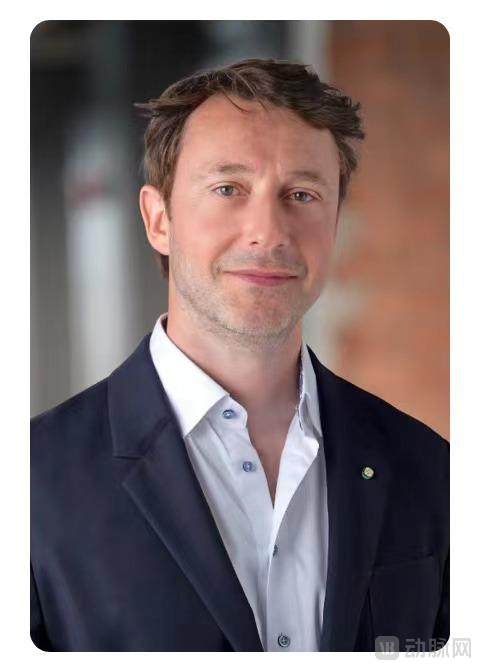
Dr. Stefano Stella, Founder of Twelve Bio and Vice President of Gene Editing at Ensoma
Image source: Ensoma
Following the completion of the merger and acquisition, Dr. Stefano Stella joined Ensoma’s leadership team as Vice President of Gene Editing. He is an Associate Professor at the NNF Center for Protein Research, where he focuses on CRISPR-Cas12a cleavage activity, and has held research positions at the Spanish National Cancer Research Centre (CNIO) and the Institute of Genetics and Molecular and Cellular Biology (IGBMC).
In addition, Professor Montoya, Research Director and Group Leader of the Protein Structure and Function Project at the NNF Center for Protein Research, and Dr. Shengdar Q. Tsai, who specializes in genome engineering and hematology, have joined Ensoma’s Scientific Advisory Board.
The dynamic complementarity of talent teams and the infusion of new technologies have fully prepared Ensoma for advancing its R&D efforts.Behind the robust team building lies strategic support from the large life sciences company Arix Bioscience and the venture capital firm 5AM Ventures.
Ensoma is5AM Venturesan incubated company, which led Ensoma’s $70 million Series A financing round. Arix Bioscience joined in the Series B investment and brought its portfolio company Twelve Bio into the fold, forging a collaborative effort to advance an in vivo editing platform powered by next-generation gene-editing technology.
The New Frontier of Next-Generation CAR-T Technology
In China, research findings on non-viral site-specific integration CAR-T technology (Quikin CART), developed by Biocytogen in collaboration with East China Normal University and the First Affiliated Hospital of Zhejiang University School of Medicine, have been published in Nature. Its product, BRL-201, has entered human clinical trials. Trial results demonstrate that BRL-201 exhibits outstanding clinical efficacy and features a high proportion of memory T cells, enabling enhanced anti-tumor functionality.
Quikin CART enables the one-step production of CAR-T cell products with site-specific genomic integration, without the use of viral vectors. Leveraging CRISPR/Cas9 gene-editing technology, the product precisely edits the PD-1 locus in T cells and inserts the CAR molecule at this specific site, with manufacturing completed in as little as three days.
China has also achieved cutting-edge results in the field of monogenic genetic diseases.
In 2021, China approved the first gene-editing therapy and hematopoietic stem cell therapy research product for clinical trials. This product is ET-01, developed by BoYa Biotherapeutics for the treatment of "transfusion-dependent β-thalassemia." In 2022, preliminary safety and efficacy data for ET-01 were presented at the annual meeting of the American Society of Hematology (ASH).
In the traditional CAR-T field, China has entered a mature stage of rapid growth. HoweverOn a global scale, emerging directions such as in vivo delivery, hematopoietic stem cell targeting, and targeted therapy for solid tumors remain in the early stages of animal experimentation and research and development.Next-generation cell therapies and gene editing require a deeper technological foundation and more cutting-edge R&D capabilities,In this field, China is still in its nascent stage.