

Zhiyu Technology Unveils 3D Visualization and Surgical Planning Solutions at CHCC to Advance Precision Treatment of Liver Diseases
6Month17Day, No.24National Hospital Construction Conference & International Hospital Construction, Equipment and Management Exhibition (abbreviated asCHCC) was officially held in Chengdu, Sichuan, attracting widespread attention from the industry.1200remaining top-tier experts and scholars,800Our suppliers gathered together.
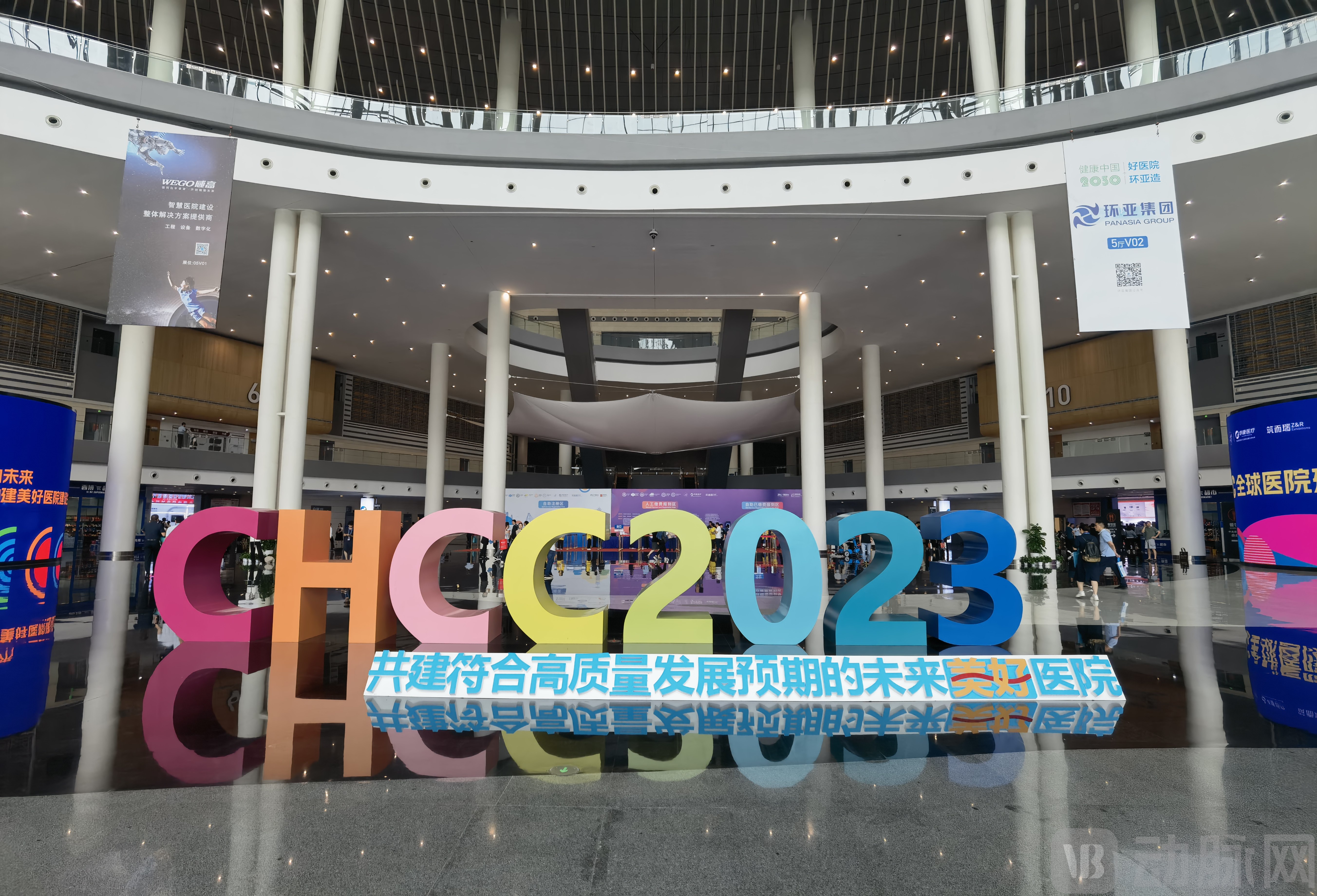
Zhiyu Technology, together with its strategic partner Huaping Xiangsheng, attended this event. Huaping Xiangsheng is a leader in the field of digital operating rooms in China. Zhiyu Technology’s AI products can be integrated into Huaping Xiangsheng’s digital surgical equipment, jointly providing solutions for the digitalization of operating rooms. Notably,Zhiyu Technology and Hua Ping Xiang Sheng are the exclusive partners of both parties in the fields of medical AI and digital surgical hardware, respectively.. Zhiyu Technology's AI products are poised to leverage Huaping Xiangsheng's robust channel resources to enable large-scale clinical applications.
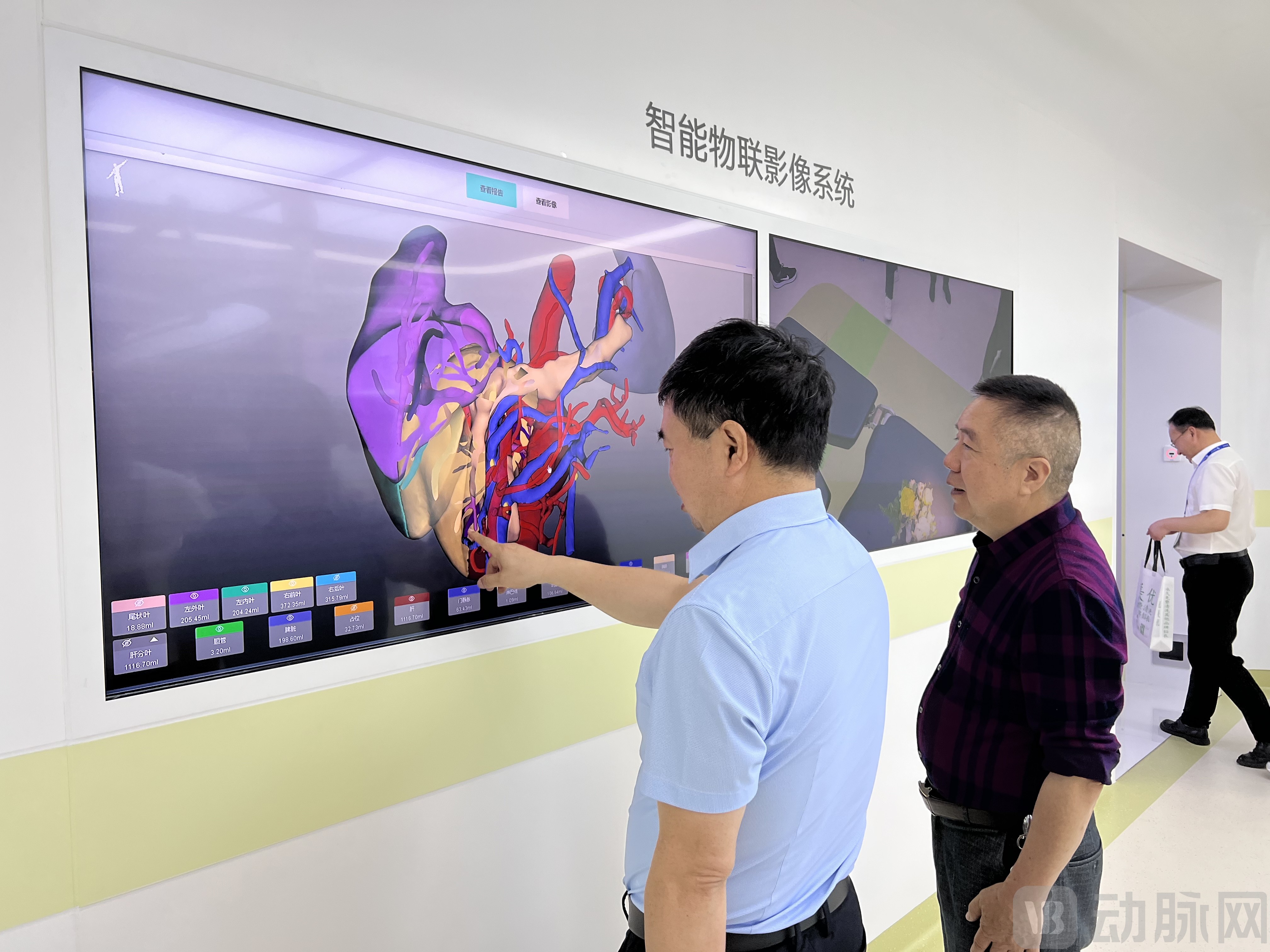
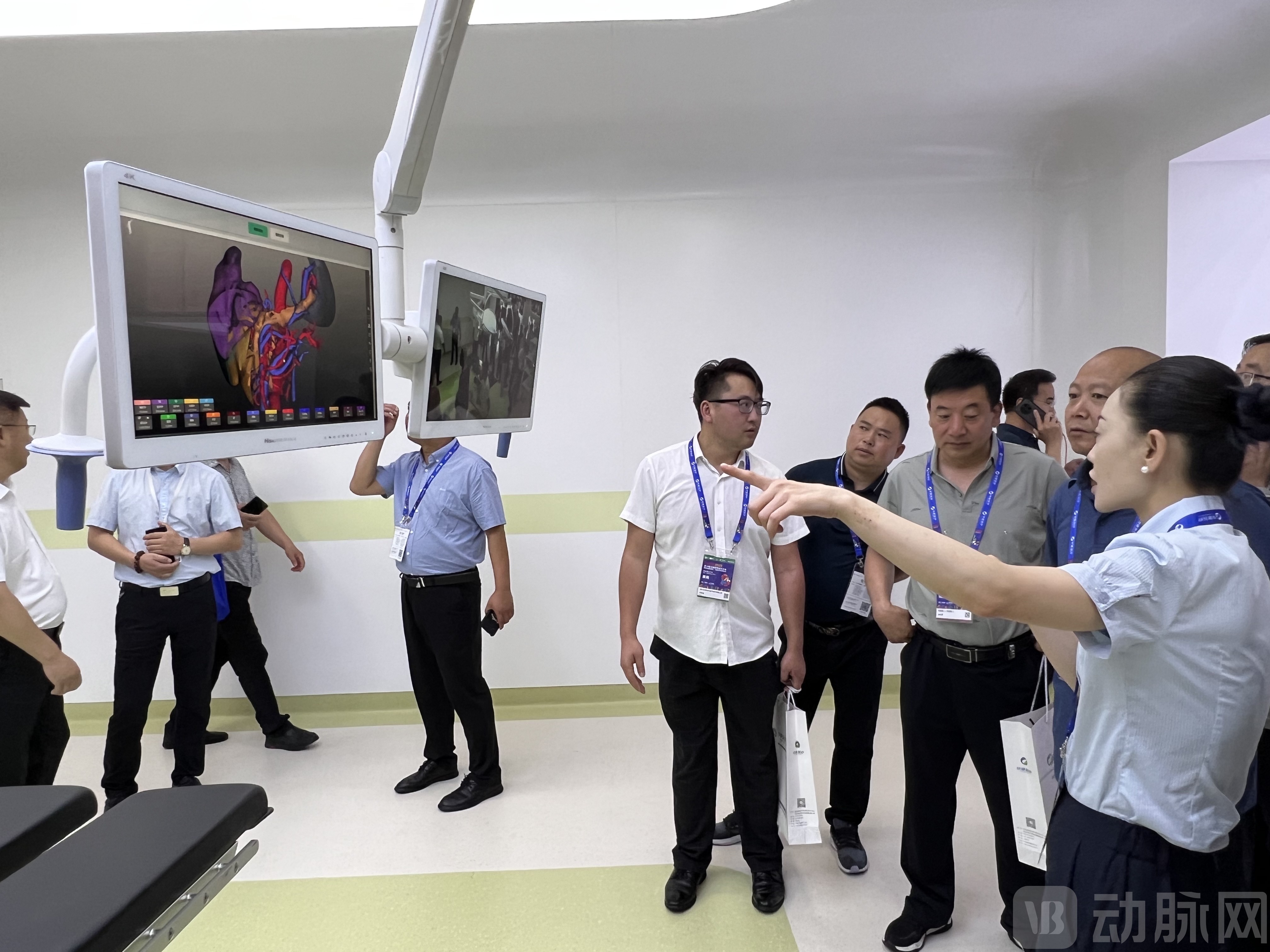
At the event,Upon its debut, Zhiyu Technology’s AI-powered 3D visualization and surgical planning solution for liver diseases received high acclaim from hospital users, who actively registered for the company’s series of events centered on the “Healthy China 2030” initiative.。
The theme of this CHCC Conference is “Together Towards the Future: Comprehensively Building an Ecosystem for High-Quality Hospital Development.”Digitization and intelligence are major trends in hospital construction.In recent years, the utilization of artificial intelligence in hospitals has been increasing, ranging from intelligent triage to AI-assisted clinical diagnosis and treatment.
The “14th Five-Year Plan for Digital Economy Development” issued by the State Council states that it is necessary to accelerate the development of digital health services, promote the digital and intelligent transformation of medical institutions, and foster a new ecosystem of remote, customized, and intelligent digital health. The “Opinions on Further Improving the Healthcare Service System,” released by the General Office of the Communist Party of China Central Committee and the General Office of the State Council, also emphasizes the need to accelerate the application of internet, blockchain, Internet of Things (IoT), artificial intelligence, cloud computing, and big data in the healthcare sector.
Zhongshan Hospital, Fudan University (hereinafter referred to as “Zhongshan Hospital”), is a pioneer in the field of hospital digitalization. At the CHCC Conference, Mr. Chen Gang, Director of the Equipment Supply Department of Zhongshan Hospital, delivered a speech titled “Exploration and Reflections on the Digitalization of Operating Rooms” speech. During his presentation, he stated, “All new technologies conducive to achieving better surgical outcomes should be integrated into the construction of operating rooms.” From live surgery broadcasting and surgical equipment management to clinical practice and intelligent surgery, the application of AI-assisted products has propelled the digital transformation of operating rooms into a phase of rapid development.
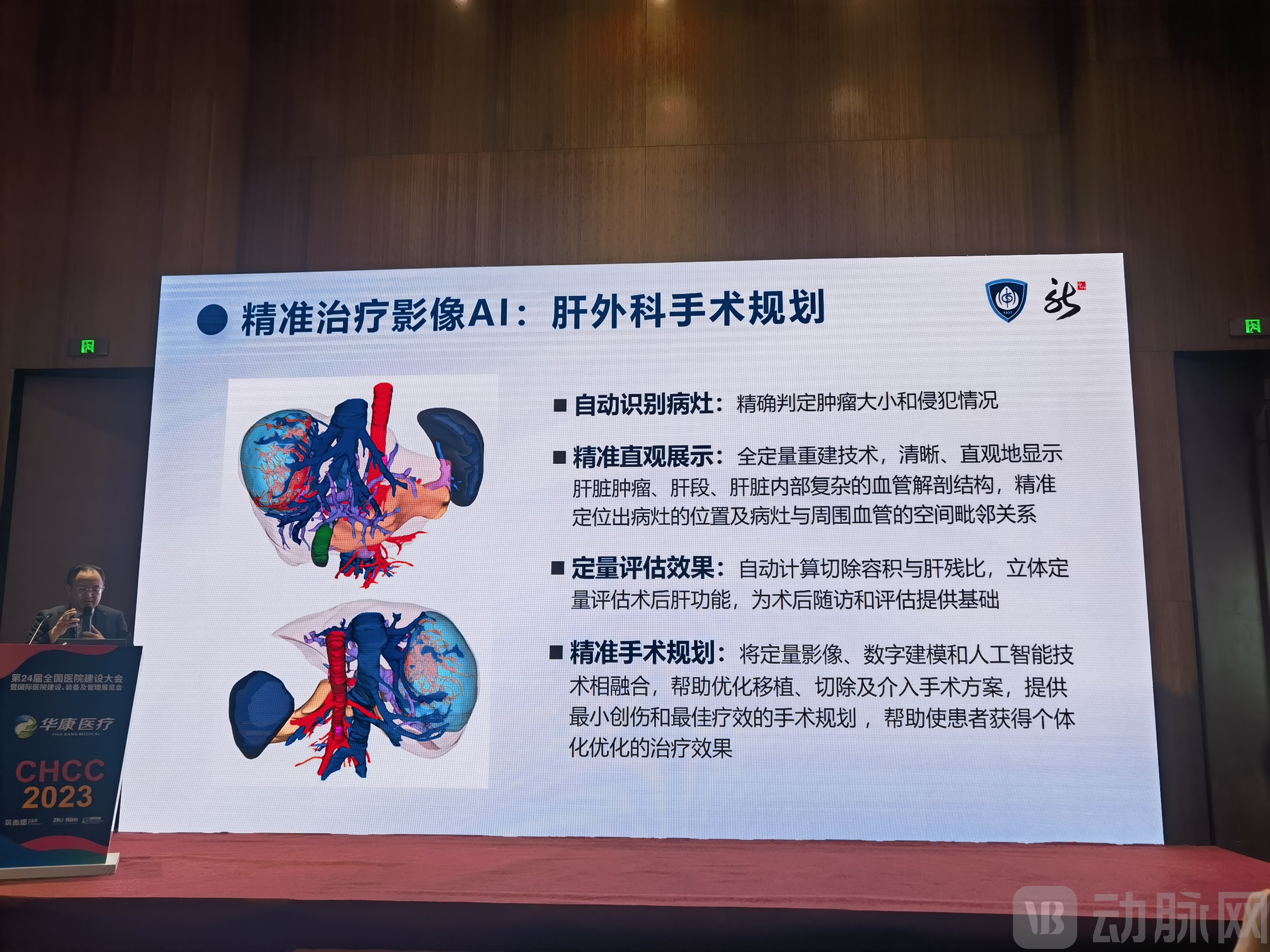
Director Chen Gang introduced that the construction of digital operating rooms should be clinically driven, taking into account clinical objectives and patient needs. Currently,Zhongshan Hospital is applying Zhiyu Technology’s AI product for liver diseases, in which the "one-stop" multi-parameter liver health assessment imaging AI enables automatic liver segmentation and parcellation, automatic vessel extraction, and automated detection of small hepatocellular carcinomas. The liver surgical planning product can automatically identify lesions, provide precise and intuitive visualization, quantitatively assess surgical outcomes, and generate accurate surgical plans.
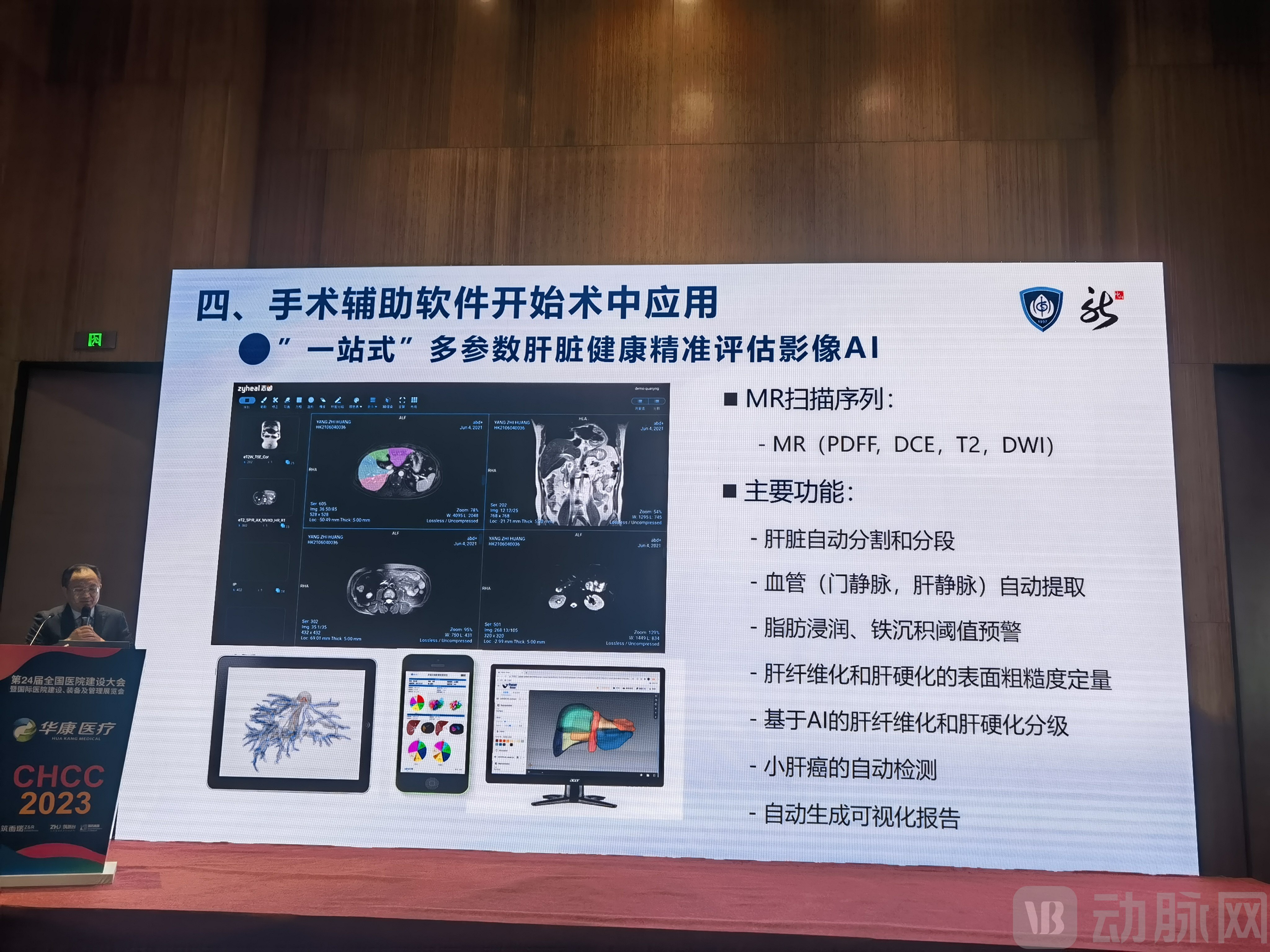
At the event, Director Chen Gang also demonstrated the workflow of Zhiyu Technology’s 3D visualization and surgical planning products. He stated, “The 3D visualization function can be used to integrate and extract parameters required by physicians. Surgical planning is currently primarily utilized in the preoperative phase, but in the future, it will be applicable across preoperative, intraoperative, and postoperative stages. Regarding the development of AI products, short-term trends are foreseeable, whereas long-term prospects are difficult to imagine—much like how, in the past, one could not have envisioned operating rooms evolving from rudimentary makeshift shelters into today’s digitalized environments.”
Gao Qiang, Director of the Department of Liver Surgery at Zhongshan Hospital, once remarked, “Leveraging cutting-edge deep learning AI technology, Zhiyu Technology’s intelligent hepatobiliary imaging auxiliary analysis system can automatically identify lesions, localize and measure their size, and perform qualitative assessments, significantly improving the diagnostic accuracy and efficiency for hepatic space-occupying lesions.”
Liver disease is a major application market for AI technology.
As a country with a high prevalence of liver disease, China bears a substantial burden of hepatic disorders. In 2020, the number of patients with chronic liver diseases, including chronic hepatitis and fatty liver disease, was estimated to exceed 447 million. These patients often present with liver fibrosis, which, if left untreated, may progress to liver cirrhosis and even hepatocellular carcinoma.
Liver cancer is the fourth most common and second deadliest malignant cancer in China, with a 5-year survival rate of only 14.1%.This is primarily because liver cancer has an insidious onset with no obvious symptoms in the early stages; approximately 70%-80% of patients are already at an intermediate or advanced stage at the time of initial diagnosis, when effective treatment options are limited. However, if liver cancer patients receive timely surgical resection or other local treatments in the early stages, the 5-year survival rate can reach 80%-90%.
Surgical procedures such as hepatectomy and liver transplantation are the primary clinical approaches for treating liver diseases; however, the treatment rate for liver diseases in China remains low. This is mainly due to the following reasons:The anatomical structure of the liver is complex, making it difficult to identify small lesions based on CT and MR imaging information; surgical procedures are technically challenging and time-consuming, with significant risks of hemorrhage and incomplete lesion resection. Furthermore, medical resources in China are scarce, while the treatment of liver diseases relies heavily on physicians’ experience and expertise.。
Three-dimensional reconstruction of the liver and precise delineation and extraction of tissue lesions based on multiparametric MR imaging are key to preoperative planning, intraoperative guidance, and postoperative assessment.
The application of three-dimensional (3D) visualization technology in the field of liver diseases is becoming increasingly in-depth and standardized. According to the "Guidelines for Standardized Diagnosis and Treatment of Complex Liver Tumors Using Three-Dimensional Visualization," for cases of complex liver tumors scheduled for surgery, clinicians and radiologists should collaboratively establish standardized, individualized 3D visualization models through a streamlined workflow (strong recommendation). However, due to the insufficient number and uneven proficiency level of physicians in China, the integration of artificial intelligence (AI) with 3D visualization technology can further leverage the information contained in 3D visualization models to empower precision treatment of liver diseases.
Based on clinical needs and pain points,Zhiyu Technology has established close collaborations with multiple top-tier hospitals in China, including Zhongshan Hospital and Peking Union Medical College Hospital. Leveraging research-grade medical imaging data, the company has independently developed products for 3D liver visualization and surgical planning.。
Zhiyu Technology’s AI product for liver diseases integrates quantitative imaging, digital modeling, and artificial intelligence technologies,Based on MR imaging, quantitative and automatic liver reconstruction can complete image scanning within 2 minutes and reconstruction within 5 minutes, accurately displaying liver segments and the complex internal vascular structures of the liver, determining the size and extent of invasion of liver tumors, and locating lesions and their spatial relationship with blood vessels.。
Meanwhile,This AI product can automatically annotate organs, blood vessels, and lesions, plan personalized surgical procedures based on patient conditions, simulate surgical operations and their outcomes, and quantitatively assess postoperative liver function through the ratio of resected liver volume to residual liver volume.Moreover, the 3D visualization and surgical planning system is compatible with multiple terminals, including QR code-based interfaces, PCs, and mobile devices, facilitating information exchange between doctors and patients, streamlining postoperative follow-up, and reducing hospitals’ operational costs.
Through the efficient and precise 3D visualization and surgical planning capabilities of Zhiyu Technology’s AI products, clinicians can obtain more comprehensive information on vascular structures and lesions, facilitating the assessment of surgical risks and prognosis. This technology provides standardized surgical plans for physicians across different regions and with varying levels of expertise, thereby reducing surgical risks, shortening operative times, and to some extent accelerating hospital operating room throughput, ultimately benefiting a broader population of patients with liver diseases.
Wan Chidan, Director of the Department of Hepatobiliary Surgery at Wuhan Union Hospital, commented: “The 3D liver visualization and AI-based surgical planning system developed by Zhiyu Technology enables clearer identification of lesions and blood vessels. By providing quantitative analyses of tumor and liver volumes as well as hepatic perfusion territories, it supports precise and comprehensive preoperative planning and postoperative prognosis assessment for liver surgeries.”
In March this year, Zhiyu Technology’s AI product received the Class II medical device registration certificate issued by the National Medical Products Administration (NMPA), and in June, the company also obtained its Medical Device Production License.Currently, Zhiyu Technology’s 3D visualization and surgical planning products have been adopted by Zhongshan Hospital, Shanghai Eastern Hepatobiliary Surgery Hospital, Union Hospital Affiliated to Tongji Medical College of Huazhong University of Science and Technology, West China Hospital of Sichuan University, and the Affiliated Hospital of Southwest Medical University, receiving unanimous acclaim from clinical experts.
Based on its breakthroughs in products and leadership in development, Zhiyu Technology has been recommended by the Shanghai Municipal Science and Technology Commission as a technology-based small and medium-sized enterprise. Wu Huazhao, founder of Zhiyu Technology, mentioned,2023: Zhiyu Technology’s Year of Implementation and Deep Cultivation。
In the future, Zhiyu Technology will further expand its R&D and marketing teams to drive the iterative upgrades and commercialization of existing products, while developing new AI-based diagnostic and therapeutic solutions. Meanwhile, the company will actively pursue strategic collaborations with domestic and international medical institutions, digital health enterprises, channel distributors, and investment firms to jointly build an intelligent ecosystem for the diagnosis and treatment of liver diseases.
Reference: “Analysis of the Epidemiology of Malignant Tumors in China in 2016”