

Roche Outlines a Win-Win-Win Strategy for Patients, Healthcare Systems, and MedTech Companies Through Digital Innovation

Roche Pharma China
Pharmaceutical Manufacturer
On June 15, 2023, the 3rd Roche Innovation Ecosystem Forum and Project Co-construction Ceremony was successfully held at the Roche Pharma China Zhangjiang Park in Shanghai. The event aimed to leverage the innovation ecosystem, seize digital development opportunities, and co-create integrated digital healthcare and diagnosis-treatment solutions through convergent innovation and open collaboration, thereby upholding Roche’s long-standing commitment to “Putting Patients First.”
The forum, themed “Digital Intelligence in Healthcare: Pioneering a New Era,” is divided into“Zhi Xing He Yi” Digital Patient Ecosystem and “Li Xiang Shi Jie” Integrated Diagnosis and Treatment Innovation EcosystemTwo Major Sections, InvitedSix Leading Digital Health Companies and Six Outstanding Diagnostic Companies, with Roche respectively inDigital Healthcare and Integrated Diagnosis and TreatmentIn-depth discussions were held on ecological collaboration and resource sharing between the two major directions.
At the meeting,Bian Xin, President of Roche Pharma ChinaShared three key strategic directions for Roche's digital innovation.
First, digital patient service solutions enhance the efficiency of patient services through digital means, achieving comprehensive, end-to-end patient management. Second, digital medical education provides robust support for medical research and clinical practice via digital channels, empowering physicians with personalized resources. Finally, a digital innovation ecosystem fosters close collaboration with all stakeholders to deliver leading digital solutions and high-quality innovative services for patients and physicians, thereby creating a “triple win” for patients, the healthcare system, and Roche.
Bian Xin emphasized that Roche looks forward to leveraging the respective strengths of all ecosystem partners to continue exploring and achieving breakthroughs in digital engagement, digital products and content, and digital business models, thereby accelerating the translation of digital innovation outcomes into practice to benefit more patients.
Ryan Harper, Vice President of Product Pipeline Strategy and Digital Innovation, Roche Pharma ChinaRoche Pharma China has stated that it remains committed to collaborating with leading Chinese innovative enterprises to co-build an innovation ecosystem. On one hand, it integrates fragmented internet healthcare services and content to better match patients with healthcare service providers; on the other hand, it focuses on the diagnostics and pathology sectors, breaking down barriers between pathology, clinical practice, and post-operative management to maximize diagnostic and therapeutic efficacy in the fields of pan-oncology and rare diseases. “At this Ecosystem Forum, we will leverage our two major initiatives—‘Integrating Knowledge and Practice in Medicine’ and ‘Rationalizing and Sharing the Roche World’—as Roche’s digital innovation engines, working together with partners to build an innovative ecosystem that integrates internet healthcare with diagnosis and treatment.”
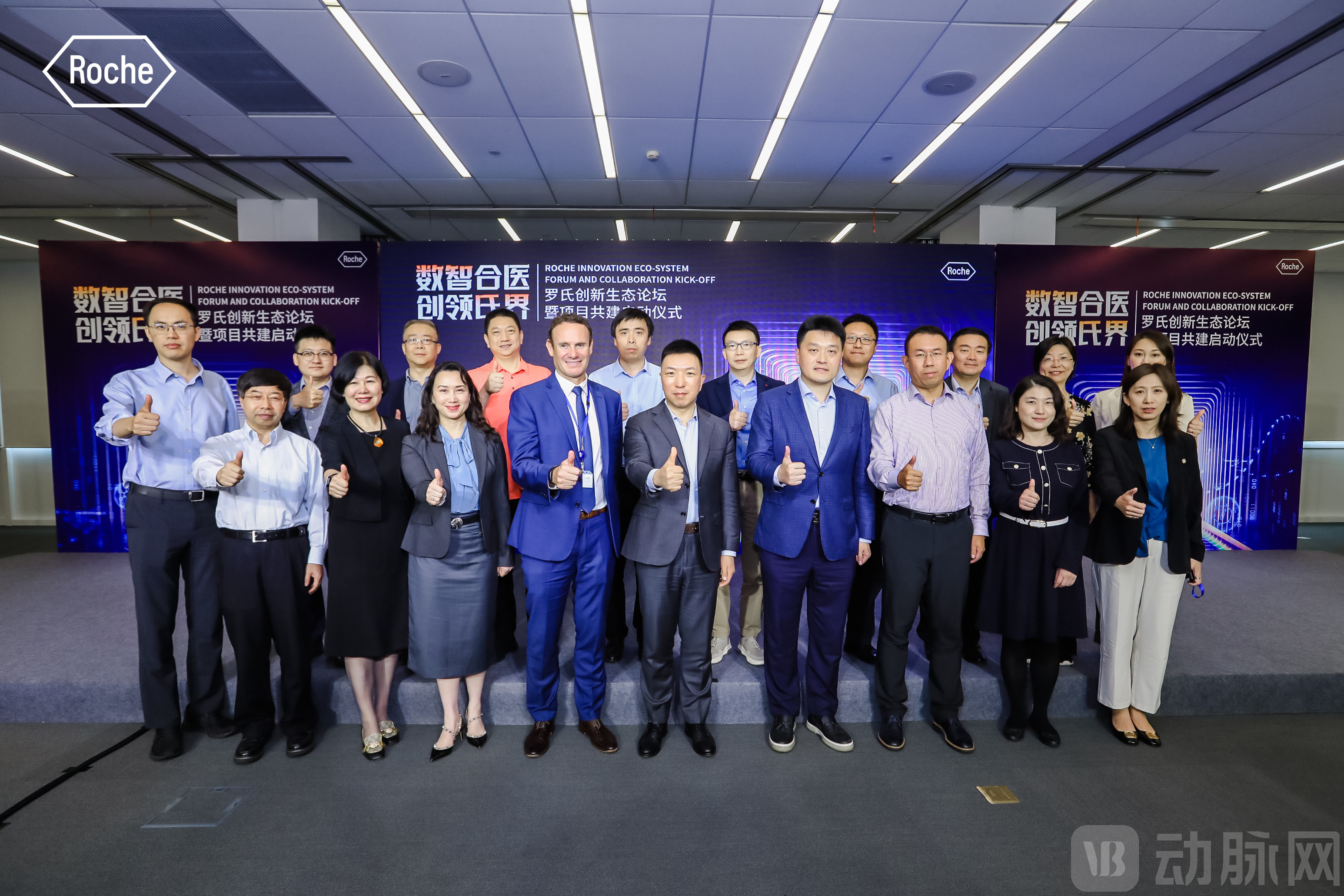
Group Photo of On-Site Guests
In 2020, guided by the 2030 vision of “creating 3–5 times the patient benefit at half the social cost,” Roche Pharma China began laying out its plan for the next decade: to lead the health management ecosystem with comprehensive digital diagnosis and treatment solutions. Among these, “patient-first” is the starting point for all of Roche’s digital innovation initiatives.
Based on this, Roche has proposed the establishment of an innovative internet healthcare ecosystem centered on “Integration of Knowledge and Practice in Medicine.” By leveraging digital technologies to enable mobile health, remote coordinated care, and AI-assisted diagnosis, this initiative aims to address gaps and unmet needs in healthcare services within internet-based scenarios, integrate online medical services, and enhance the overall quality of healthcare delivery.
Liu Xiangnan, Head of the Digital Innovation Team at Roche Pharma ChinaIntroduction: The “Unity of Knowledge and Action in Medicine” Internet healthcare innovation ecosystem is primarily divided into two major components:
One approach is “Internet + Patient Education,” which leverages social media and internet healthcare platforms to deliver popular science and health education in formats that are engaging and accessible to the public. This strategy emphasizes early diagnosis, early treatment, and early recovery, ensuring that online medical education is informative, interesting, and practical, thereby enhancing patients’ understanding of diagnosis and treatment and ultimately improving patient outcomes.
The second is “Internet + Patient Services,” which addresses comprehensive needs including post-diagnosis treatment, follow-up, management, rehabilitation, pharmaceutical care, and payment. By providing a one-stop solution, it delivers integrated medical value beyond mere medication, ensuring patient services are in-depth, compassionate, and impactful, ultimately transforming patients’ treatment experiences and outcomes.
Liu Xiangnan stated that Roche will collaborate with service providers such as internet hospitals, health-focused new media platforms, patient management platforms, pharmaceutical e-commerce/pharmaceutical care service platforms, and O2O medical services to jointly build an innovative ecosystem for internet healthcare. This initiative aims to meet the multi-channel healthcare service needs of various stakeholders, including patients, hospitals, pharmaceutical commerce entities, patient organizations, and academic associations.
Decades ago, a single effective medication was sufficient to meet patient needs. However, with the advancement of digital technologies such as the internet, mobile internet, and artificial intelligence, China has entered the digital era. Patients’ ability to access information is continuously improving, and their needs are constantly evolving and expanding. In this digital age, how have patient needs changed? As participants in the digital ecosystem, how can stakeholders meet these needs to improve disease treatment outcomes?
Based on this,Chen Shaofeng, Head of the Specialty Care Sector for Roche Pharma China’s Customer Interaction Business ModelEngaged in lively discussions with six patient innovation ecosystem partners—Dingxiang Yuan, Ping An Health, Medlive, Yuanxin Technology, Baidu Group, and Dingdang Group—centered on “patient needs.”
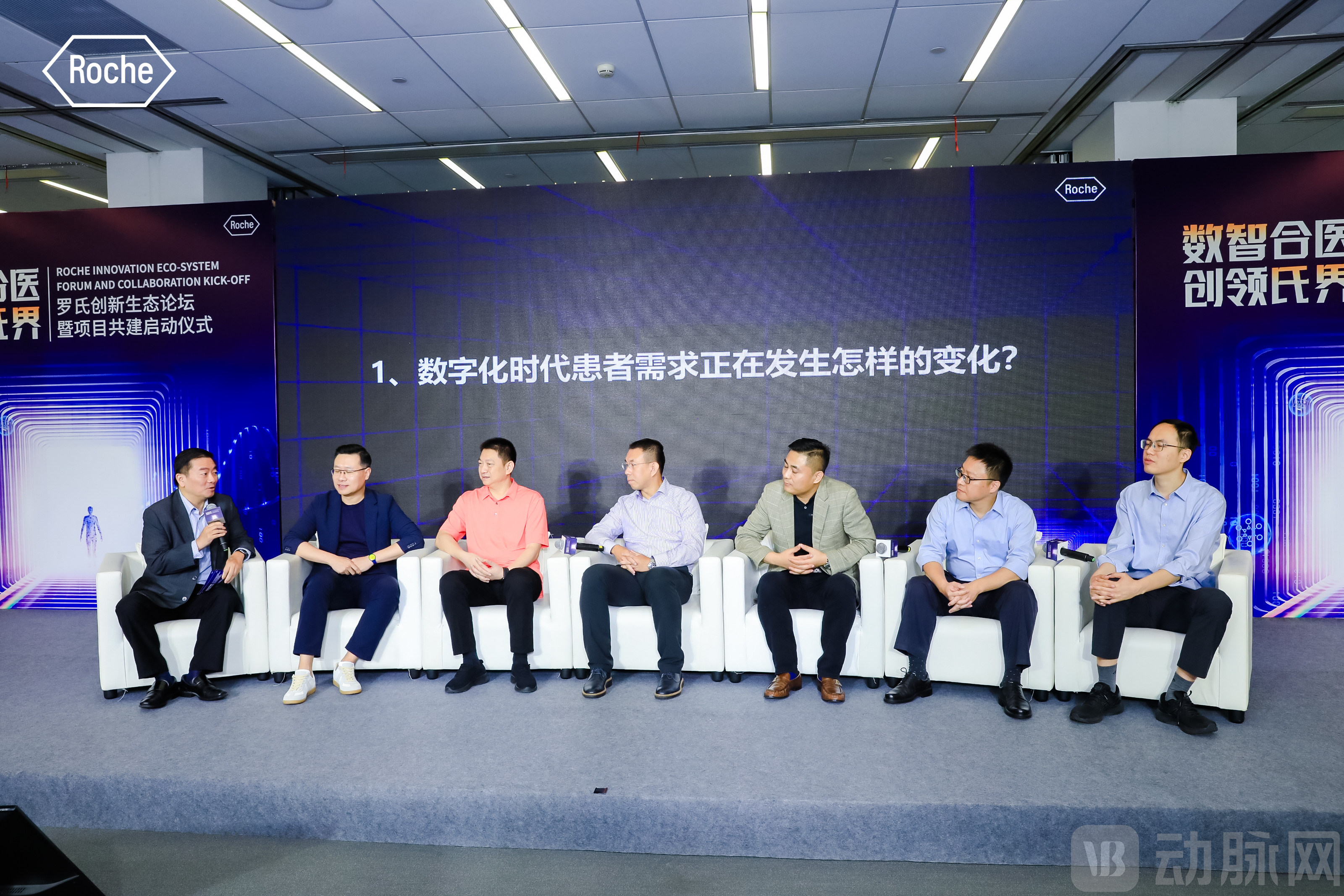
Panelists (from left to right): Mr. Chen Shaofeng, Head of Specialty Care Customer Interaction Business Model, Roche Pharma China; Mr. Li Tiantian, Founder and Chairman of DXY; Mr. Liu Cheng, Board Secretary of Ping An Health Medical Technology Co., Ltd.; Mr. Yang Liancheng, Vice President of Medlive; Mr. Zhang Huanchang, General Manager of Pharmaceutical Holdings, Yuanxin Technology Group; Mr. Zhang Zongjie, General Manager of Pharmaceutical Enterprise Services, Baidu Health Care Group; Mr. Zhong Hongyue, Vice President of Dingdang Group
The six panelists unanimously agreed that in the digital era, patients’ access to medical information is becoming increasingly diversified. They are no longer passively receiving “fed” medical information but are proactively seeking and learning professional medical knowledge. Consequently, their expectations for the accuracy and professionalism of medical science popularization content provided by internet platforms have risen significantly. For online healthcare platforms, this presents both a challenge and an opportunity: consistently delivering authoritative and targeted medical content can extend the reach of professional health knowledge services, potentially reshape patient behaviors, improve treatment adherence, and ultimately benefit patients.
From the perspective of Roche’s overall strategic layout for its internet healthcare ecosystem, patient education is also a vital component. The practical approach involves ecosystem partners disseminating professional medical and health knowledge to attract more industry users, patients, physicians, and other resources into the ecosystem, thereby fostering a virtuous cycle of interaction among different stakeholders and facilitating subsequent medical services. This is complemented by service entities within the ecosystem, such as patient management platforms, pharmaceutical e-commerce/pharmaceutical care service platforms, and O2O medical services, which collectively establish a closed-loop internet healthcare service system catering to patients, hospitals, pharmaceutical commerce, and academic associations. This integrated approach delivers more comprehensive and precise medical service solutions for patients.
As a key highlight of the forum, the “Joint Establishment Ceremony for Zhi Xing He Yi Partners” was officially launched in the presence of all attendees.
Leveraging the synergistic advantages of its diagnostics and pharmaceuticals businesses, Roche generates analytical insights from high-value data to advance precision oncology, thereby establishing a closed-loop system for personalized precision medicine. Adhering to its “Rooted in China, Serving China” philosophy, Roche is collaborating with Chinese ecosystem partners to build an integrated diagnostic-therapeutic ecosystem, aiming to benefit more patients in China.
At the forum,Cao Zhiyu, Senior Project Manager, Digital Innovation Team, Roche Pharma ChinaShared the specific design of the “Li Xiang Shi Jie — Co-building an Integrated Diagnosis and Treatment Innovation Ecosystem Project”.
What Does an Idealized Diagnostic and Treatment Pathway Look Like? Roche Provides Its Answer: From early initial screening and precise diagnosis to personalized treatment planning and standardized therapy, followed by post-treatment patient services and follow-up tracking, then secondary diagnostic screening, ultimately forming a virtuous cycle. Roche aims to collaborate with diagnostic partners, academic associations, patient organizations, physicians, and patients to establish customizable and standardized idealized pathways for treatment, patient management, and follow-up care, while leveraging digital tools to enhance diagnostic and therapeutic outcomes for patients.
“Li Xiang Shi Jie—Jointly Building an Integrated Diagnosis and Treatment Innovation Ecosystem Project” was launched in this context. The project will center on key stakeholders, including physicians, patients, and hospital departments, by integrating a digital medical education platform, establishing a whole-course patient service platform, and creating an innovation platform for disciplinary development. In collaboration with partners in integrated diagnosis and treatment, the initiative aims to consolidate standardized diagnostic and therapeutic protocols for physicians, expand whole-course disease management services for patients, and build a future-oriented research and innovation platform to advance disciplinary development.
Theranostics hasThis represents a significant industry trend; however, in current clinical practice, true integration between diagnosis and treatment has not yet been fully achieved. More commonly, the sector remains at a stage of cross-functional collaboration, offering clients bundled, holistic solutions. So, where lie the future breakthroughs for China’s integrated diagnostic-therapeutic market? How can the diagnostic and therapeutic sectors collaborate to advance the development of integrated diagnostics and therapeutics? Regarding these questions,Li Bin, Vice President of Medical Affairs and Personalized Healthcare at Roche Pharma China; Pu Cunying, Head of Medical Scientific Affairs at Roche DiagnosticsDiscussions were also held with six diagnostic partner companies.
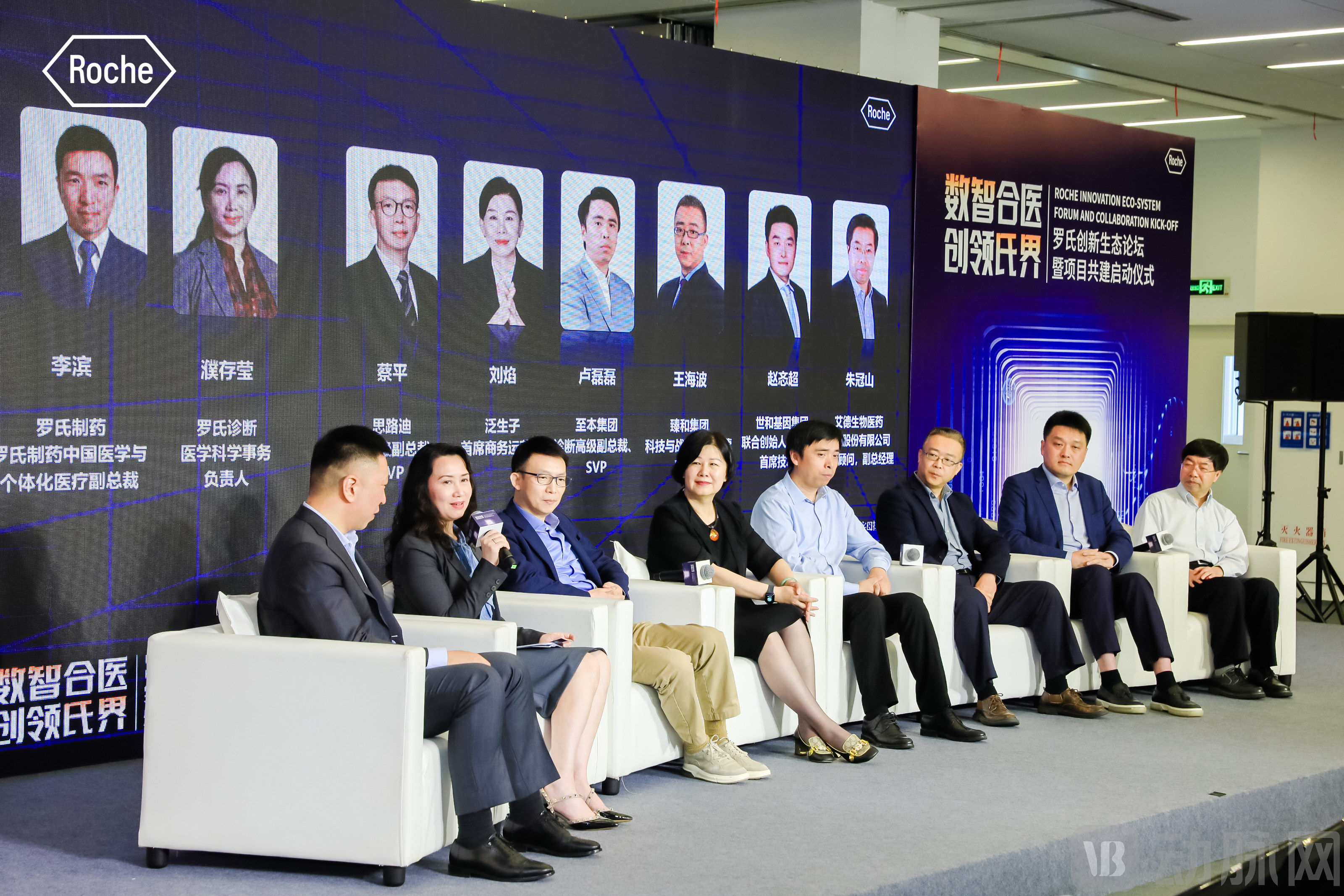
Panelists (from left to right): Mr. Li Bin, Head of Medical and Personalized Healthcare at Roche Pharma China; Ms. Pu Cunying, Head of Medical Science Affairs at Roche Diagnostics; Mr. Cai Ping, Senior Vice President at 3D Medicines Diagnosis; Ms. Liu Yan, Chief Commercial Officer at Genetron Health; Mr. Lu Leilei, Senior Vice President at Burning Rock Dx; Mr. Wang Haibo, Vice President of Technology and Strategic Cooperation Operations at Zhenhe Group; Mr. Zhao Minchao, Co-founder of Geneseeq; and Mr. Zhu Guanshan, Deputy General Manager and Scientific Advisor at AmoyDx Biotechnology Co., Ltd.
First, the six panelists and two Roche executives reached a consensus on “returning integrated diagnosis and treatment to its patient-centered origins.” They stated that, leveraging their respective business strengths, they would pursue multi-dimensional strategies—including innovation in diagnostic pathways, upgrading of testing technologies, advancement of digital solutions, and improvement of regulatory frameworks such as registration and approval processes—to strive for the feasibility, accessibility, and affordability of patient diagnosis and treatment services.
With the implementation of the “Healthy China 2030” strategy, personalized precision medicine is becoming a key trend in the nation’s future cancer treatment landscape. The foundation for effectively realizing personalized medicine lies in the robust integration of diagnostic and therapeutic endpoints. Leveraging its strengths in both diagnostics and pharmaceuticals, Roche has been committed to research in pan-tumor therapies and rare diseases. By collaborating with ecosystem partners and harnessing artificial intelligence and big data technologies, Roche is developing enhanced digital solutions that empower every stage of disease screening, diagnosis, treatment, and management. This approach strengthens interactions within hospitals and across the broader healthcare ecosystem, thereby establishing an integrated service system catering to patients, physicians, the industry, and policymakers. Ultimately, this delivers greater clinical benefits to patients and improves their quality of life.
The “Li Xiang Shi Jie Partner Co-creation Ceremony” was also grandly launched at the conference, bringing the event to its climax.
It is worth noting that the co-built projects “Zhi Xing He Yi” and “Li Xiang Shi Jie” launched this time are the two major engines of Roche’s digital innovation, and they are not independent.
Specifically, “Zhi Xing He Yi” will further promote the transition from a disease-centered to a “patient-centered” medical model, providing patients with more comprehensive and continuous whole-course disease management to enhance their healthcare experience. Meanwhile, “Li Xiang Shi Jie” continues to advance the integration of diagnosis and treatment, improving hospital service efficiency and clinical capabilities. The synergistic development of these two initiatives, “Zhi Xing He Yi” and “Li Xiang Shi Jie,” strengthens the integration of digital technologies with clinical scenarios, deepens collaboration between healthcare innovation enterprises and hospitals, and delivers personalized medical solutions for patients.
Innovation has always been the driving force behind Roche’s continuous leadership in industry development and its sustained competitive advantage. As a global leader in biotechnology, Roche Pharma China is deeply rooted in the country and is working with multiple partners to accelerate the innovation and development of healthcare in China.