

From Two Rebrands to Three Strategic Shifts: The Resilient Journey of Eledon Pharmaceuticals

Eledon Pharmaceuticals
Small Molecule Drug Developer
In May 2023, Eledon Pharmaceuticals announced that it had secured up to $185 million in financing through a private placement, including an initial upfront funding of $35 million,in exchange for 15.2 million shares of common stock (or prepaid warrants), andUp to RMB 105 million in additional mandatory milestone-based tranche financing. In addition, Eledon Pharmaceuticals may receive USD 45 million upon the full exercise of warrants associated with the agreement.
This round of financing was led by BVF Partners LP and Armistice Capital, with participation from both new and existing investors, including Sanofi. The proceeds from this private placement will be used for the clinical development of its lead product, tegoprubart, as well as for working capital and general corporate purposes.
Eledon Pharmaceuticals is a clinical-stage U.S. biopharmaceutical company. The company primarily develops immune antibody drugs for the prevention of transplant rejection, and for the treatment of amyotrophic lateral sclerosis (ALS) and immunoglobulin A nephropathy (IgAN). The company was listed on Nasdaq in September 2014. As of June 26, Eledon’s market capitalization stood at $30.159 million.
Since its founding in 2004, the company has traversed a 19-year entrepreneurial journey, experiencing two failures and undergoing two name changes, while venturing into three pharmaceutical R&D tracks. How does a pharmaceutical company navigate the ups and downs of the R&D path? And how did it make a comeback to earn the favor of Sanofi? Let’s examine the story of Eledon Pharmaceuticals.。
Eledon was founded in Los Angeles, on the West Coast of the United States. At that time, it was known as Tokai Pharmaceuticals and focused on the research and development of biopharmaceuticals for the treatment of prostate cancer.
According to publicly available information, Tokai raised over $124 million in investment prior to its initial public offering (IPO). In September 2014, Tokai Pharmaceuticals (TKAI) conducted its IPO, raising $97 million.
Tokai has invested these funds to support galeterone, an oral small-molecule drug for the treatment of prostate cancer. At that time, galeterone had entered Phase II clinical trials and received FDA Fast Track designation. Galeterone is characterized by high selectivity and multi-target activity; it employs three mechanisms to disrupt the hormones testosterone and dihydrotestosterone, as well as the androgen receptor, which are essential for prostate tumor growth, thereby inhibiting tumor progression.
In June 2015, galeterone initiated a global Phase III clinical trial. However, the trial was terminated after one year. Based on the safety and efficacy review, the Independent Data Monitoring Committee (DMC) concluded that the trial was unlikely to successfully meet its primary endpoint.
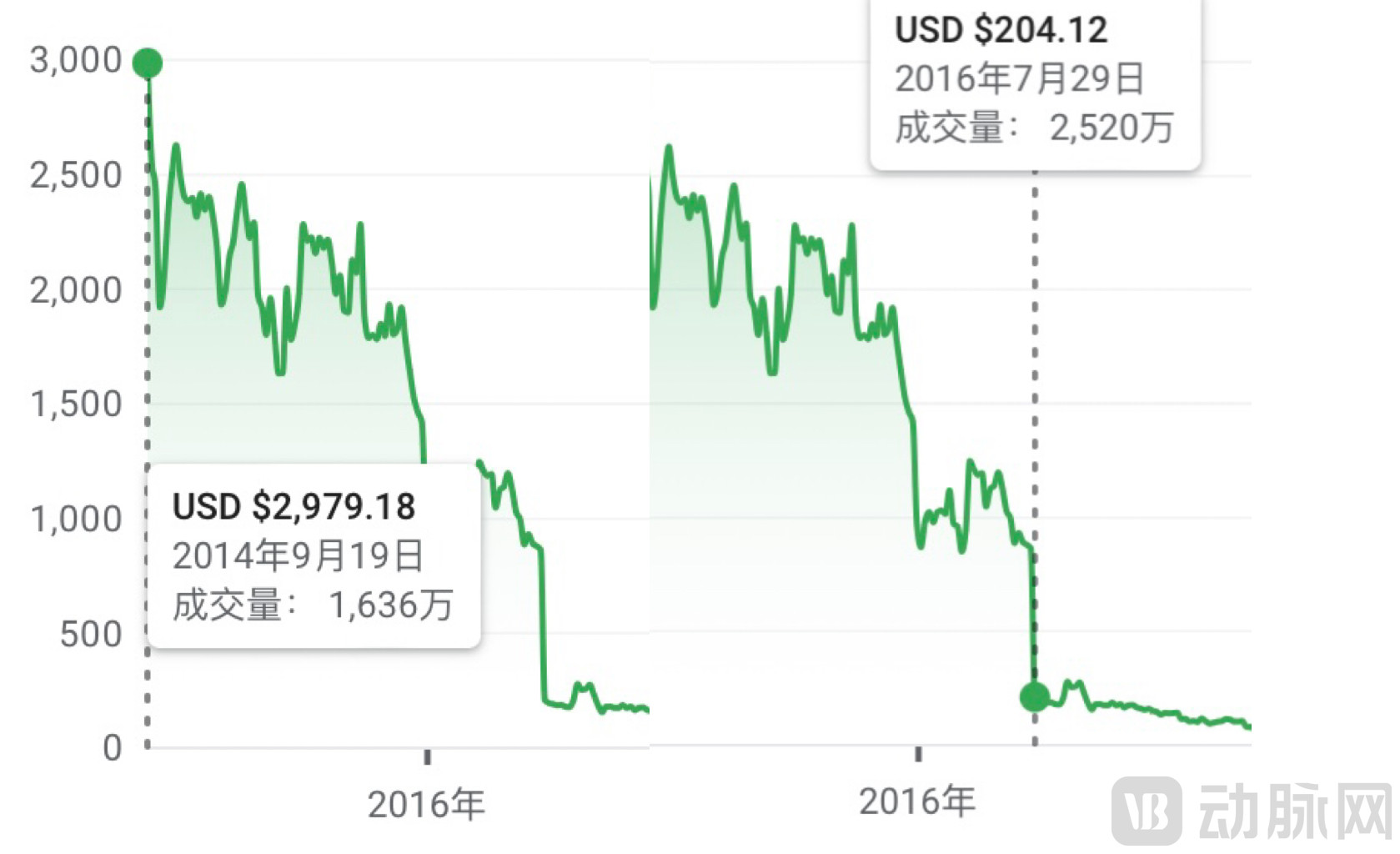
Image source: Google Finance
Following the announcement, Tokai’s stock price plunged. In late July 2015, Tokai announced layoffs. In August, the law firm Khang & Khang joined forces with aggrieved investors to file a class-action lawsuit against Tokai. In November, the law firm Levi & Korsinsky announced an investigation into Tokai, alleging that certain executives may have engaged in securities fraud.
After the termination of its core product development, Tokai, reeling from its first major failure, plunged into an unprecedented trough. Otic Pharma extended an olive branch, proposing a strategic alternative.
December 2016,Two Companies Sign Stock Purchase AgreementUpon completion of the agreement, Otic Pharma shareholders will hold approximately 60% of the shares in the merged company, becoming the primary owners of Tokai. Tokai will pay Otic Pharma by issuing new shares, while also assuming Otic’s outstanding options and convertible securities.In May 2017, Tokai announced the acquisition of Otic Pharma, which was subsequently renamed Novus Therapeutics.
Following the merger, Novus Therapeutics has become a pharmaceutical company focused on the acquisition, development, and commercialization of otolaryngology products. Its lead product is OP-02, an intranasal combination therapy indicated for the treatment of otitis media and Eustachian tube dysfunction.
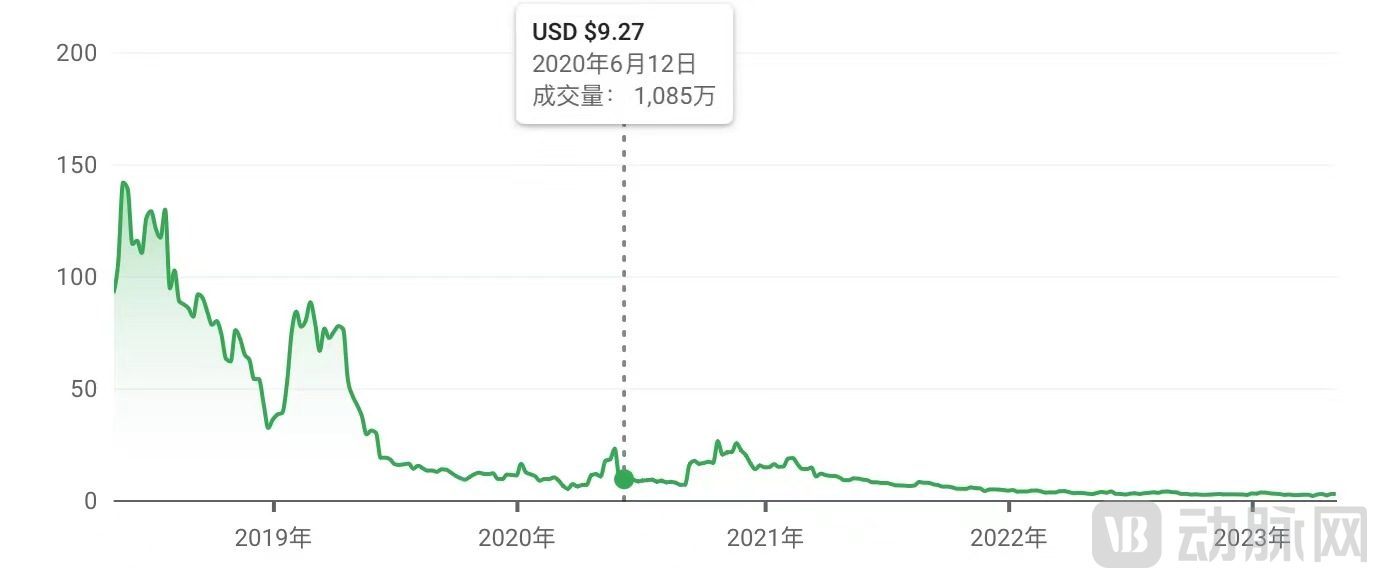
Yet another dramatic failure unfolded. OP-02 initiated Phase I clinical trials in February 2019, but the interim analysis in June 2020 ended in failure. Novus’s stock price plummeted into penny-stock territory.
Source: Google Finance
But this time, Novus chose to acquire a pipeline to save the company. Just three months later, Novus announced the acquisition of Anelixis Therapeutics, shifting its R&D focus toward immunology drugs. This acquisition drove its stock price up by 282%, reaching a high of $26.18 per share. Meanwhile, Novus completed a private placement financing totaling over $108 million and initiated the Phase 2a clinical trial of AT1501 (Tegoprubart) in October.
July 2021,Novus Officially Renamed Eledon Pharmaceuticals(Nasdaq: ELDN), embarking on a new journey in the field of immunology drug development.
The pivotal role of CD40/CD40L signaling in driving proinflammatory responses has established it as a star biological target for intervening in autoimmune diseases, inducing transplant tolerance, and treating neuroinflammation.
Under normal conditions, the interaction between CD40 and CD40L activates co-stimulatory immune pathways, regulating the “crosstalk” between the adaptive and innate immune systems, thereby playing a key role in immune system activation. Specifically, the interaction between CD40L and CD40 leads to clonal expansion, antibody production, and secretion of pro-inflammatory cytokines, thereby enhancing the immune response.
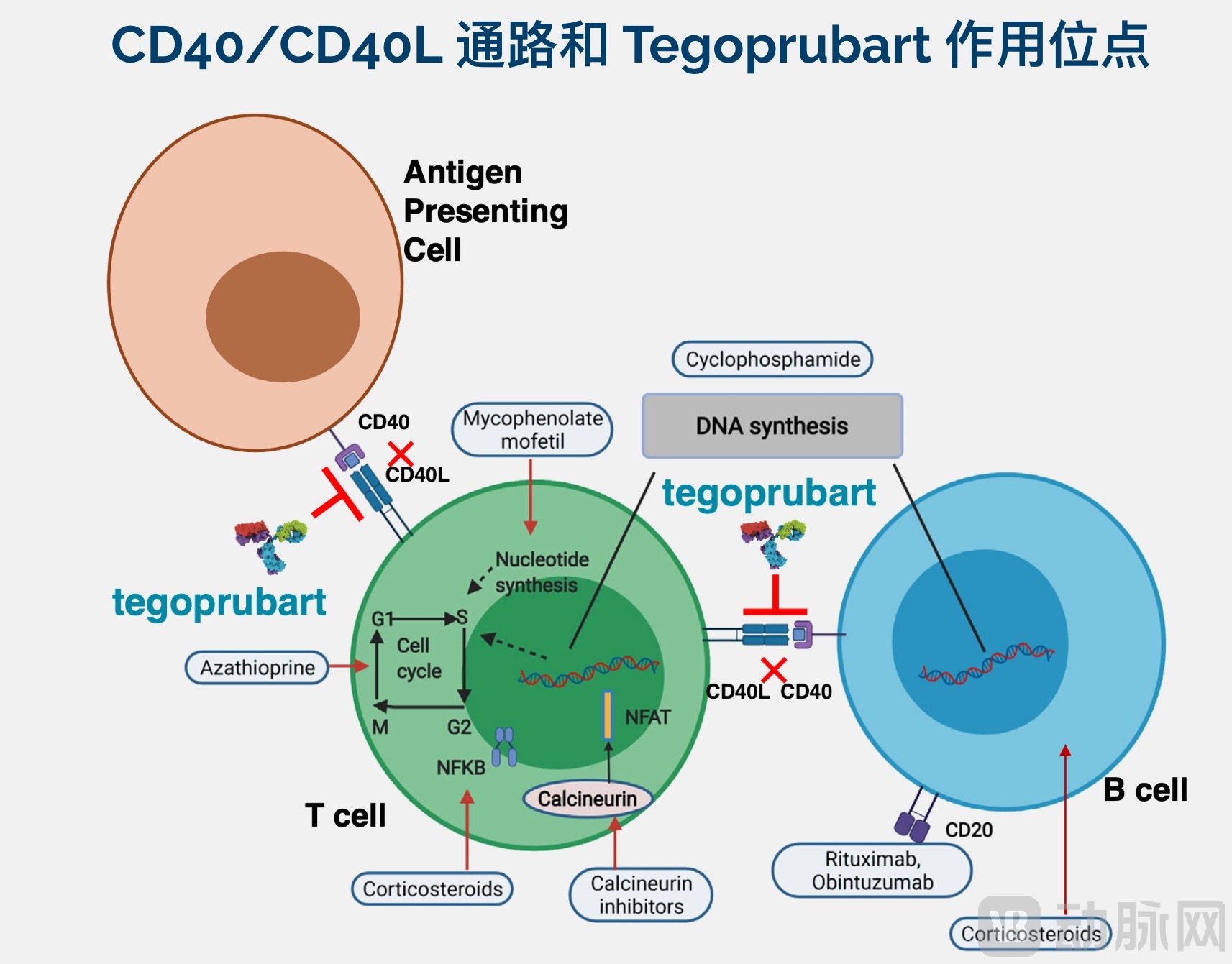
Mechanism of Action of Tegoprubart on CD40/CD40L
Image source: Eledon Pharmaceuticals
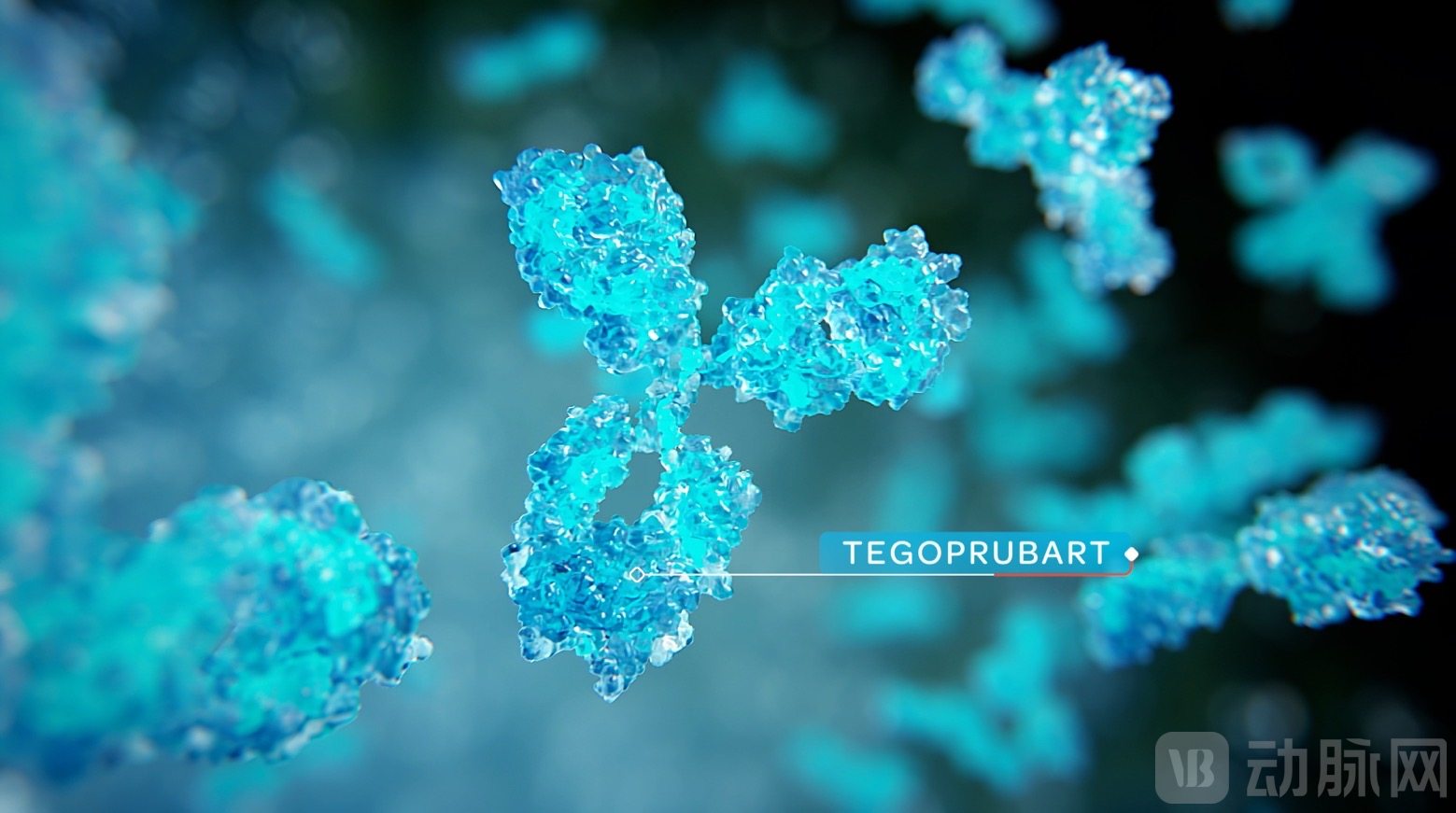
Tegoprubart is a humanized IgG1 antibody drug targeting CD40 Ligand (CD40L) with high affinity for CD40L. By blocking the interaction between CD40L on immune T cells and CD40 on immune B cells, Tegoprubart eliminates the potential for antibody- and cell-mediated immune responses, thereby inhibiting immune activation and preventing acute or chronic allograft rejection.
Tegoprubart Model
Image source: Eledon Pharmaceuticals
In terms of target selection, tegoprubart targets CD40L rather than CD40. Blocking CD40L can inhibit co-stimulatory signaling pathways involving co-stimulatory receptors such as CD40 and CD11, potentially yielding superior therapeutic efficacy. Meanwhile, blockade of CD40L does not cause lymphopenia, a side effect commonly associated with many immunosuppressive drugs.
Secondly, blocking CD40L also increases the polarization of lymphocytes toward Tregs (regulatory T cells), thereby creating a more tolerogenic environment and providing better therapeutic efficacy. Tregs are a subset of helper T cells whose primary function is to suppress pathological immune responses mediated by autoreactive cells, thus establishing and maintaining immune homeostasis within tissues.
Furthermore, CD40L exhibits more selective expression than the CD40 receptor, thereby offering greater potential for improved safety and demonstrating superior advantages in pharmacokinetics, pharmacodynamics, and dosing.
In the Phase 1 clinical trial, Eledon evaluated Tegoprubart’s ability to block immunoglobulin class switching in healthy subjects by administering keyhole limpet hemocyanin (KLH) to two cohorts. Untreated subjects mounted a robust antibody response that peaked on Day 15. In contrast, two of the three treated subjects completely abrogated the immune response to KLH, while one exhibited a reduced response.
In 2022, Tegoprubart received FDA orphan drug designation for its role in preventing rejection in allogeneic islet cell transplantation.
Tegoprubart has developed a pipeline of five indications, with IgA nephropathy and kidney transplantation having entered Phase II clinical trials, while the ALS program has completed its Phase IIa clinical trial.
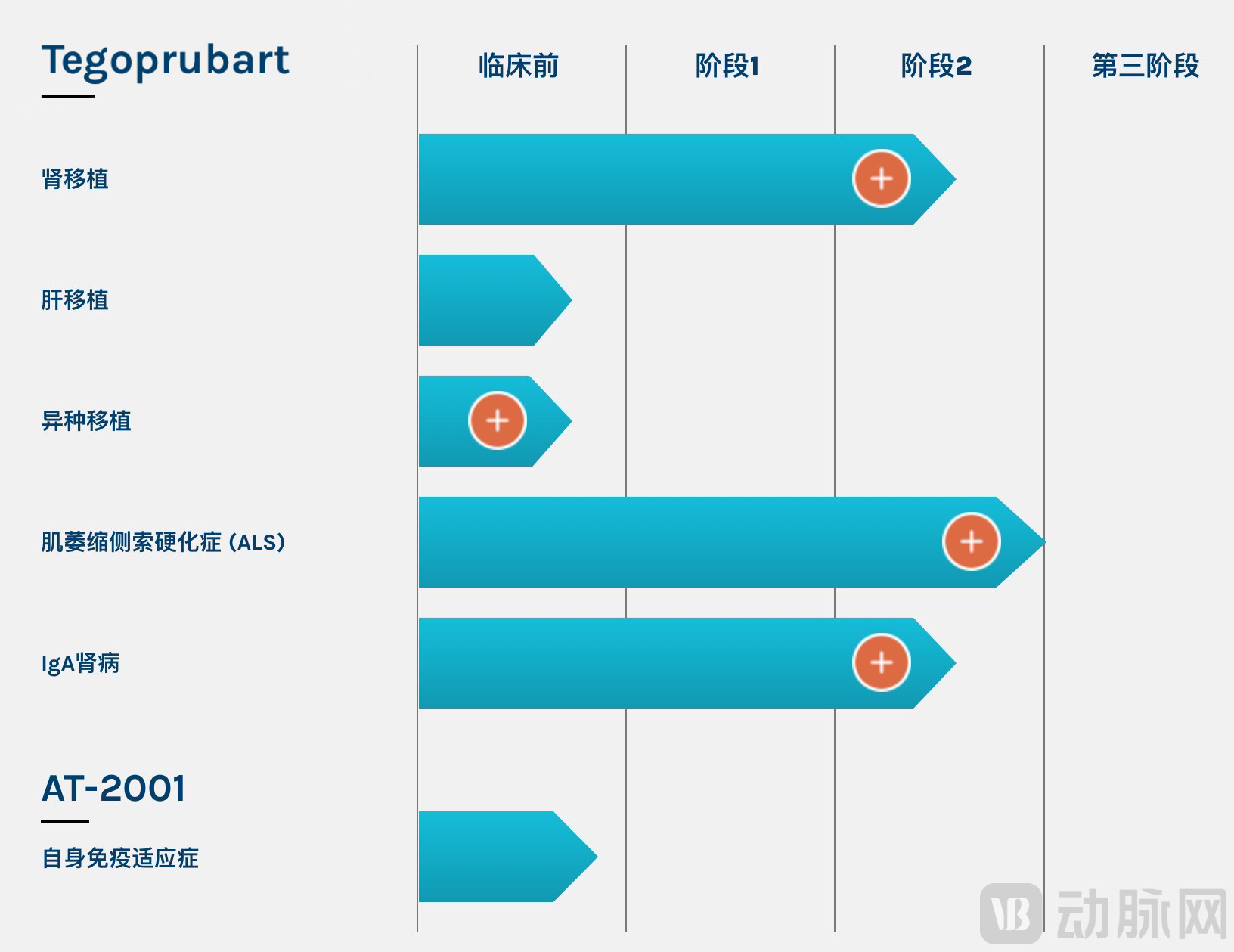
Tegoprubart Indication Pipeline
Image source: Eledon Pharmaceuticals
Amyotrophic Lateral Sclerosis (ALS) Pipeline
ALS affects approximately 30,000 people in the United States, with about 5,000 new cases diagnosed each year. It is characterized by progressive muscle weakness, ultimately leading to the loss of independent mobility, swallowing, and breathing capabilities, with death resulting from respiratory failure or cachexia (i.e., weight loss and muscle atrophy). Although the FDA has approved three treatments for ALS, incidence and mortality rates remain high; 50% and 80% of ALS patients die within 3 and 5 years, respectively, after diagnosis.
ALS was the original impetus behind the development of tegoprubart. Its predecessor, AT-1501, was initially invented with funding from Augie’s Quest to Cure ALS, a foundation established by fitness icon Augie Nieto. After being diagnosed with ALS in 2005, Nieto and his wife, Lynne, raised over $160 million to support ALS research.
In ALS, tegoprubart reduces macrophage infiltration and attenuates inflammatory responses by blocking CD40L activation. Preclinical studies have demonstrated that treatment with tegoprubart delays disease onset, improves weight maintenance, and prolongs survival in animal models.
Currently, Tegoprubart has completed a Phase 2a, open-label, multiple ascending-dose study lasting 12 weeks in subjects with ALS. The trial successfully met its primary endpoints for safety and tolerability, with no serious or severe adverse events reported, and no signs of platelet activation or thrombosis observed in participants.
Immunoglobulin A Nephropathy (IgAN) Pipeline
IgA nephropathy (IgAN) is the most common primary glomerulonephritis, affecting over 100,000 individuals in the United States, with a mean age at diagnosis of 20 to 40 years. The hallmark of IgAN is progressive renal function decline, which may lead to end-stage renal disease (ESRD), dialysis, kidney transplantation, and death, imposing a substantial economic burden and significantly impacting quality of life.
In preclinical models, blocking CD40L signaling ameliorated proteinuria, reduced autoantibodies, decreased immune cell infiltration into the kidneys, and improved survival rates. A Phase 2a clinical trial with 42 participants is currently underway for the IgA nephropathy (IgAN) pipeline to evaluate the safety and efficacy of Tegoprubart in patients. The study endpoints include reduction in urinary protein at Week 24 and attenuation of the decline in estimated glomerular filtration rate (eGFR) at Week 96.
Kidney Transplantation Pipeline
Kidney transplantation can improve survival rates and quality of life in patients with end-stage renal disease. The Kidney Disease: Improving Global Outcomes (KDIGO) guidelines recommend that all kidney transplant recipients, except those whose donors are identical twin siblings, should receive induction therapy to prevent rejection.
Current immunosuppressive therapy primarily relies on tacrolimus, a calcineurin inhibitor (CNI). Post-treatment, one-year survival rates for both patients and grafts exceed 90%, while ten-year survival is approximately 50%. However, tacrolimus therapy increases the risk of post-transplant diabetes mellitus and exhibits nephrotoxicity, which can compromise long-term graft function and viability.
Tegoprubart may mitigate CNI-associated nephrotoxicity and side effects, thereby transforming clinical transplant management and prolonging the functional lifespan of transplanted organs. As a CNI-free immunosuppressive regimen, Tegoprubart is expected to downregulate both cell-mediated and antibody-mediated immune responses while creating a more tolerogenic environment for the graft.
Tegoprubart has demonstrated efficacy in animal transplant models and is currently being evaluated as a potential alternative to tacrolimus.
According to annual financial reports over the years, the company has consistently incurred substantial losses since its initial public offering. This is attributable to its prolonged entrapment in research and development (R&D) trials, which has hindered the commercialization of its drug candidates. An examination of R&D expenditure trends over the past nine years reveals that, except for 2017 and 2020—years marked by strategic mergers and acquisitions—R&D spending consistently accounted for more than 50% of total expenditures.
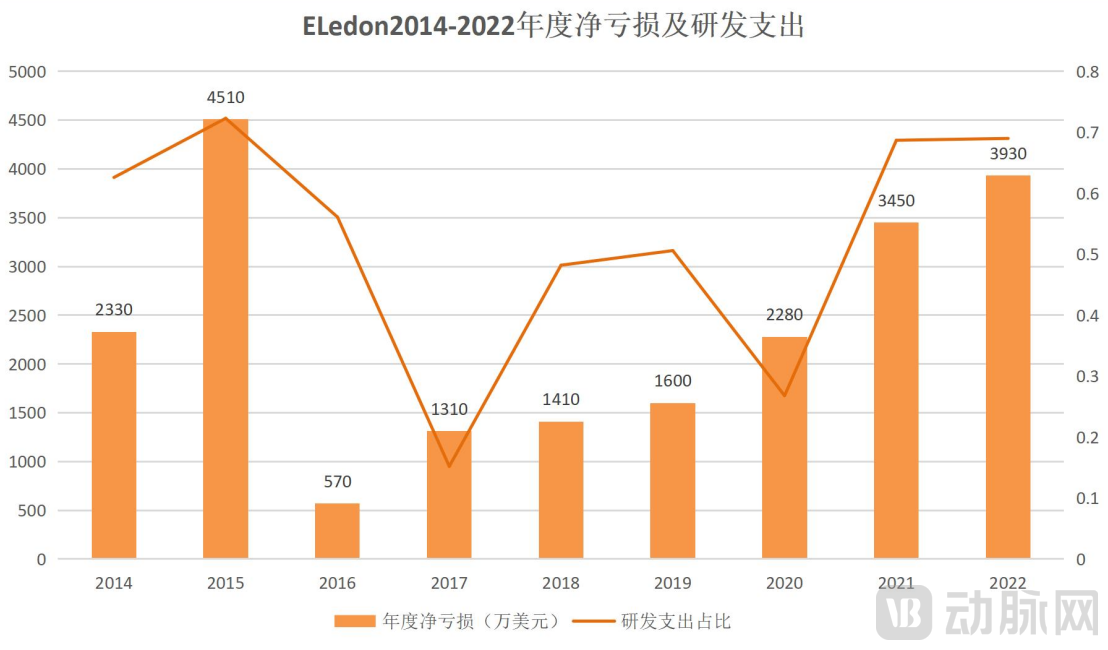
Source: Eledon Pharmaceuticals, Inc. Annual Report
Graphic: VCBeat
During its 19-year drug development journey, Tokai focused on a single high-value drug pipeline, and its failure plunged the company into a comprehensive crisis.During the Novus era, multiple pipelines were advanced in parallel with a focus on flagship products in an attempt to diversify risk; however, the failure of drug development in its primary pipelines still inflicted significant setbacks. Furthermore, as the therapeutic areas selected during this phase were neither orphan drugs nor cutting-edge therapies, the company’s overall valuation remained subdued.
Entering the Eledon era, immunomodulatory drugs in this new therapeutic arena boast broad applicability, enabling the simultaneous advancement of research across multiple indications. Seizing this opportunity, Eledon Pharmaceuticals has propelled three indication pipelines into Phase II clinical trials in a single strategic move.
However, the financial strain of running multiple pipelines in parallel has continued to hinder this R&D-focused company, which has posted annual losses for consecutive years.
In its 2023 strategic decisions announced on March 30, Eledon Pharmaceuticals declared that tegoprubart would focus on advancing the renal transplantation pipeline, deprioritize clinical development for IgA nephropathy (IgAN), and discontinue the Phase 1/2 trial for islet cell transplantation. The ALS pipeline would continue to seek funding while awaiting further development.
As of the end of 2022, Eledon had a cash reserve of approximately $56.4 million, which is expected to be sufficient to sustain operations through the first quarter of 2024.
Will Failure Repeat Itself? Opportunities and Risks in Pharmaceuticals Always Go Hand in Hand, Sometimes Requiring a Little “East Wind.”