

Suzhou BenQ Medical Center Upholds 'People-Centered' Philosophy and Leads an Integrated Healthcare Ecosystem, Pioneering a High-Quality Development Model for Private Hospitals
Promoting the sustained, healthy, and standardized development of privately run medical institutions has been one of the major national policy decisions and strategic deployments in recent years.
As healthcare reform in China continues to deepen, private medical institutions have received strong policy support across multiple regions, leading to rapid growth in the non-public healthcare sector. Currently, the total number of privately run hospitals has approached 30,000, accounting for two-thirds of all hospitals nationwide. However, despite this large scale, the private healthcare sector has yet to achieve high-quality development in terms of growth and operational management; instead, it exhibits a fragmented and disorganized landscape, with some hospitals still struggling for survival. There is an urgent need for localized management models that can provide guidance and reference.
In 2013, Suzhou BenQ Medical Center emerged amidst significant government support for the development of non-public hospitals. From its inception as a nationally designated Tier-3 general hospital with international services, approved by the National Health Commission and the Ministry of Commerce, to achieving JCI international accreditation, establishing the Soochow University BenQ Institute of Clinical Medicine, and earning widespread acclaim from patients and strong recognition from staff as one of China’s top 100 private hospitals, the institution has achieved remarkable growth. Currently, five key indicators—patient volume, operational revenue, number of discipline leaders, proportion of staff with master’s or doctoral degrees, and proportion of staff with intermediate or senior professional titles—have each tripled in size, thereby establishing an excellent reputation in terms of disciplinary influence and social impact.
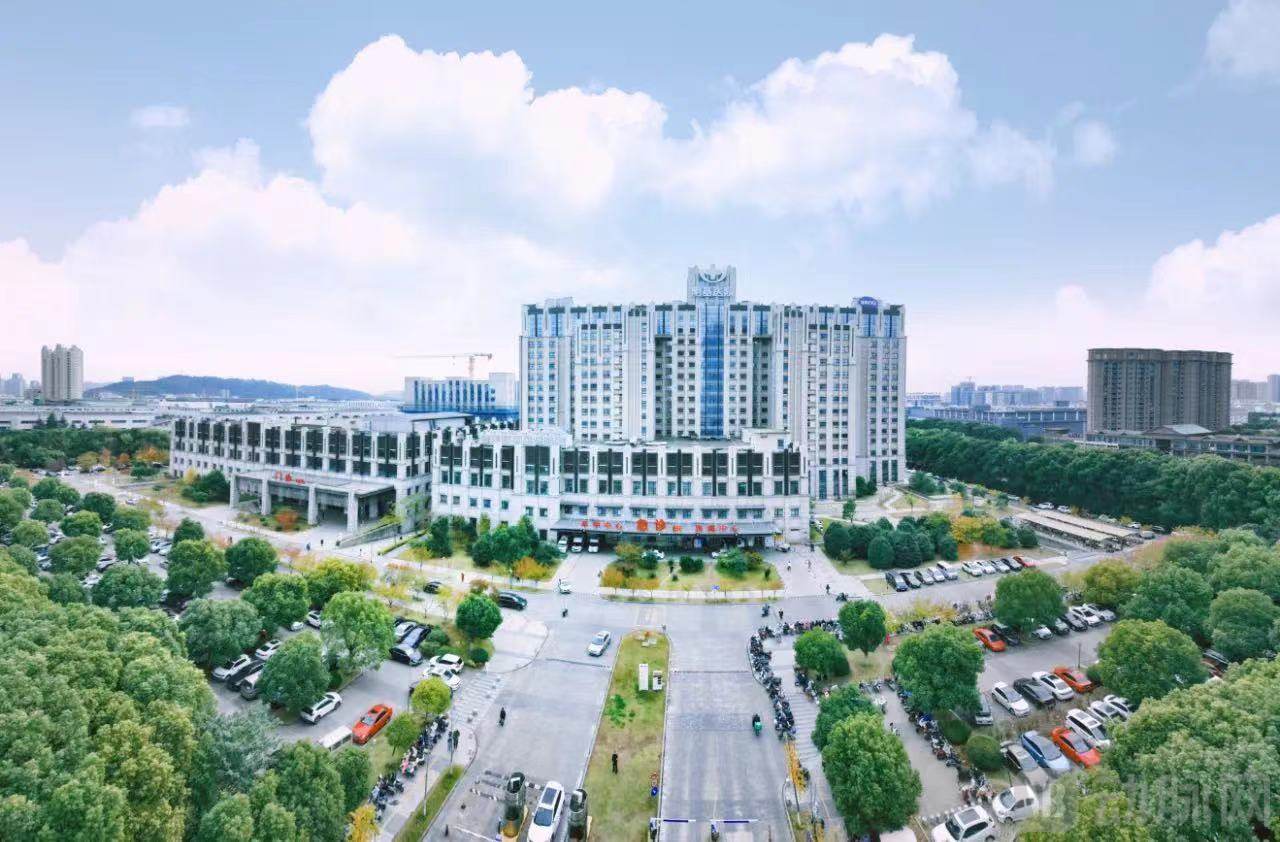
Aerial View of Suzhou BenQ Hospital
Achieving such results is no small feat for a non-public hospital. So, how has Suzhou BenQ Hospital leveraged differentiated competition to achieve high-quality development? What growth logic lies behind these impressive achievements? This article will explore the answers.
Pioneering the Medical Fleet Ecosystem: A Benchmark for the Upgrading of Private Healthcare
It is hard to imagine that prior to the establishment of BenQ Medical Center, the AU Optronics Group had no direct experience in hospital operations. As the parent company of BenQ Medical Center, the AU Optronics Group comprises more than fifteen independent subsidiaries, generated over $25 billion in revenue in 2022, maintains marketing presences in more than 60 countries, and employs over 100,000 people. Its portfolio spans multiple industries, including LCD displays, green energy, fine chemicals and advanced materials, lighting, IC design, precision components, and system integration, featuring a cross-industry integrated value chain and leading core technologies.
Mr. Lee Kun-Yao, Founder and Honorary Chairman of the BenQ AUO Group, is a godfather-like figure in Taiwan’s IT industry. Driven by his passion for and respect for healthcare, Mr. Lee decisively ventured into the medical sector, aiming to inject new vitality into healthcare through technology and to establish a benchmark for Taiwanese-invested hospitals by integrating the strengths of both sides of the Taiwan Strait.
This is a vision, and even more so, a courageous decision. To cross over into the medical industry, one needs a clinical foundation and room for development. The BenQ AU Optronics Group adopted a strategy of prioritizing distribution channels, starting with hospital operations—the most challenging yet most valuable segment—by establishing BenQ Hospital. This allowed them to fully understand unmet clinical needs, streamline medical industry channels, and then expand into related fields such as medical devices, materials, and pharmaceuticals.
In addition to hospitals, the BenQ AU Optronics Group’s investments in the healthcare sector include BenQ Sanfu Medical, BenQ Materials, BenQ Dental, BenQ Dialysis, BenQ Zhuolu, BenQ Biotechnology, and BenQ Healthy Life. Among these, BenQ Materials launched the world’s first silicone hydrogel contact lenses and also offers products such as hemostatic medical supplies and medical aesthetics solutions.
By integrating various industrial resources, a complete value chain in the medical industry has been established. With intelligent healthcare, hemodialysis, medical equipment and consumables, and medical services as its four core pillars, and combining medical care, teaching, research and development, and operations into an integrated model, we are committed to consolidating the medical device business and delivering comprehensive smart hospital solutions.
As the leader of the Medical Fleet platform, BenQ Hospital will play a pioneering role. Within the Medical Fleet, BenQ Hospital complements and interconnects with other medical business groups, leveraging comprehensive integration across the fleet’s full spectrum of medical services to enhance trust and reputation. Meanwhile, other specialized sectors within the Medical Fleet can utilize the hospital’s platform to launch relevant medical products and services, receiving loyal and reliable feedback that enables early adjustments to product quality and service standards, thereby accelerating their entry into the broader healthcare market.
Mr. Chen Qihong, Chairman of the BenQ AU Optronics Group, stated that the healthcare sector is a vital component of the Group’s fleet. The Group is currently accelerating its strategic layout across multiple medical domains, including hospitals, medical equipment, and medical imaging, with a commitment to developing comprehensive hospital solutions in the future. As the core pillar of the healthcare business, BenQ Hospital aims to assume a pioneering role, generating strong internal momentum to propel the Group’s fleet forward through challenges and opportunities.
The hospital with the best localization of Taiwan’s experience, possessing an ICT industrial DNA
Within the industry, BenQ Hospital is regarded as the Taiwanese-invested hospital that has most successfully integrated Taiwan’s hospital management expertise with the mainland China context. This distinction stems from the natural advantages in operational efficiency and refined management conferred by BenQ Hospital’s unique background in the ICT industry.
According to Mr. Xiao Zerong, CEO of BenQ Medical Center, the hospital’s operations prioritize medical quality and standards, emphasizing scientific research, teaching, and collaboration with large hospitals, while committing to the development of key provincial and municipal specialties and the accreditation of Grade A tertiary hospitals. When cross-industry players from the ICT sector operate hospitals, they must first respect these underlying philosophies and operational principles, and further leverage the advantages of the ICT industry, such as a focus on efficiency, cost control, continuous improvement, and innovation. The seamless integration of ICT and healthcare can address challenges faced by public healthcare institutions in areas such as operational efficiency and refined management.
To this end, Suzhou BenQ Hospital has increased its investment in IT training for medical staff and the research and development of information management systems. Leveraging the robust IT background of the BenQ AUO Group, BenQ Hospital has prioritized informatization as a core component of its infrastructure development. It has established an integrated “smart hospital” information system encompassing smart healthcare, smart services, and smart management. By utilizing modern information technology as a medium, the hospital has implemented diverse care delivery models, strengthened the interconnectivity and sharing of patient information, tangibly improved patients’ healthcare experience, and enhanced operational efficiency, thereby pioneering a new era of smart medical service models. The hospital’s achievements in informatization were awarded the Second Prize in the AiLiBi Innovation Competition, and its standardized maturity level for interoperability is currently under active assessment for the “Grade 4, Class A” certification.
Meanwhile, leveraging the group’s IT infrastructure as a platform, BenQ Medical Center has vigorously advanced the development of a smart hospital across three key dimensions: smart services, smart healthcare, and smart management. The ward management system, Hospital Information Support System (HISS), automated unmanned devices, and internal medical equipment—particularly imaging systems—are all independently developed by the BenQ AUO Group.
Leveraging a comprehensive health information system platform, patients can use a single medical card to complete registration, inquiries, queueing, and self-service report printing. For physicians, a robust hospital information system minimizes time costs associated with practical applications such as registration, mobile nursing, ward rounds, tele-nursing, and information retrieval.
In the future, ICT advantages will continue to accelerate BenQ Hospital’s upgrade toward automation and intelligence, driving the continuous expansion of the medical fleet ecosystem led by BenQ Hospital as it ventures into the deep waters of the broader healthcare industry.
Differentiated “Gap-Filling”: The Key to High-Quality Development of Non-Public Hospitals
Currently, as a new wave of public hospital expansion gains momentum, the non-public healthcare sector is at a critical stage of development. The key to achieving high-quality growth lies in better “filling the gaps” and leveraging differentiated competition.
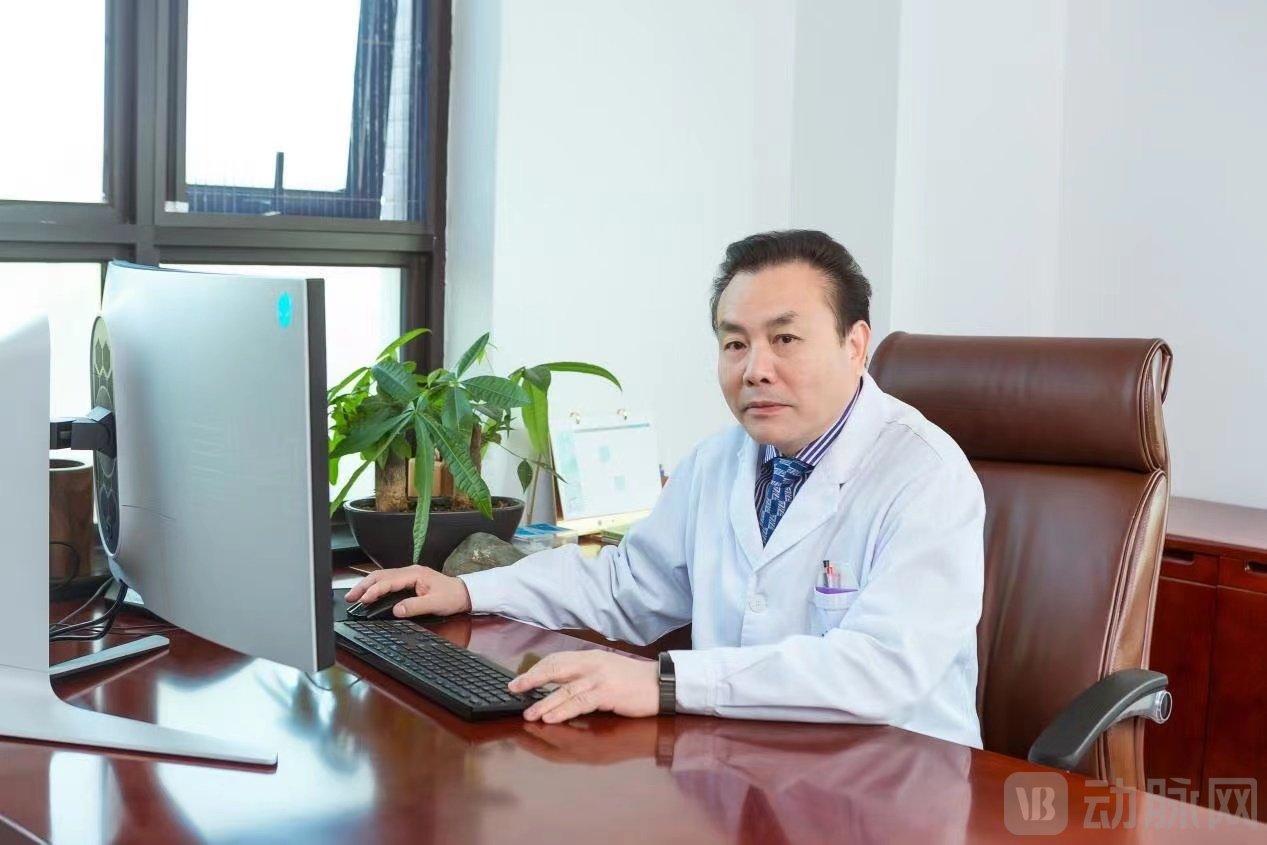
President Zhou Xiaoqing of Suzhou BenQ Hospital
President Zhou Xiaoqing of Suzhou BenQ Hospital stated that it has become a national requirement and an industry consensus for public hospitals to concentrate their efforts on developing major specialized disciplines, while non-public hospitals should build distinctive specialties and effectively fulfill their role as a “complement” to public healthcare. This is precisely where Suzhou BenQ Hospital has achieved its differentiated breakthrough.
First, an academic supplement. Building a talented workforce is the cornerstone of a hospital’s survival and development. Suzhou BenQ Hospital has established a relatively comprehensive talent pipeline, with 1,206 full-time employees currently on staff. Among physicians, 56% hold senior or associate senior professional titles, and 39% hold master’s or doctoral degrees. The hospital boasts 37 discipline leaders, far exceeding the standards for tertiary hospitals.
Next is technological enhancement. Vigorously promoting the development of specialized departments to build Suzhou BenQ Hospital’s unique competitiveness represents the most critical entry point for establishing differentiated complementarity with public hospitals. On the basis of establishing internal medicine, surgery, obstetrics and gynecology, pediatrics, and related auxiliary departments, Suzhou BenQ Hospital focuses on developing six major medical centers—the Heart Center, Stroke Center, Trauma and Emergency Care Center, Minimally Invasive Surgery Center, Oncology Center, and Women’s and Children’s Health Center—as well as disciplinary clusters in emergency trauma, critical care medicine, and health management.
Taking the Heart Center as an example, it was jointly established by the hospital and Hartree Heart Physicians Group, China’s first specialist physician group in the field of cardiology to implement the Multidisciplinary Team (MDT) model. The center is committed to providing patients with more comprehensive disease management solutions and higher-quality medical services.
In addition, there is the Metabolic and Weight Loss Medicine Center at Suzhou BenQ Hospital, led by Professor Li Weijie, known as the “Father of Asian Bariatric and Metabolic Surgery”; the Obstetrics, Gynecology, and Pediatrics Center, highly acclaimed by expectant and new mothers; the Craniofacial Medical Research Center, established under the leadership of internationally renowned cleft lip and palate expert Professor Chen Guoding, with a focus on scarless surgery, sleep apnea, and jawbone regeneration; and the Plastic Surgery, Medical Aesthetics, and Wound Repair Center, which returns to the essence of medical care by integrating plastic surgery, medical aesthetics, burn treatment, and wound repair.
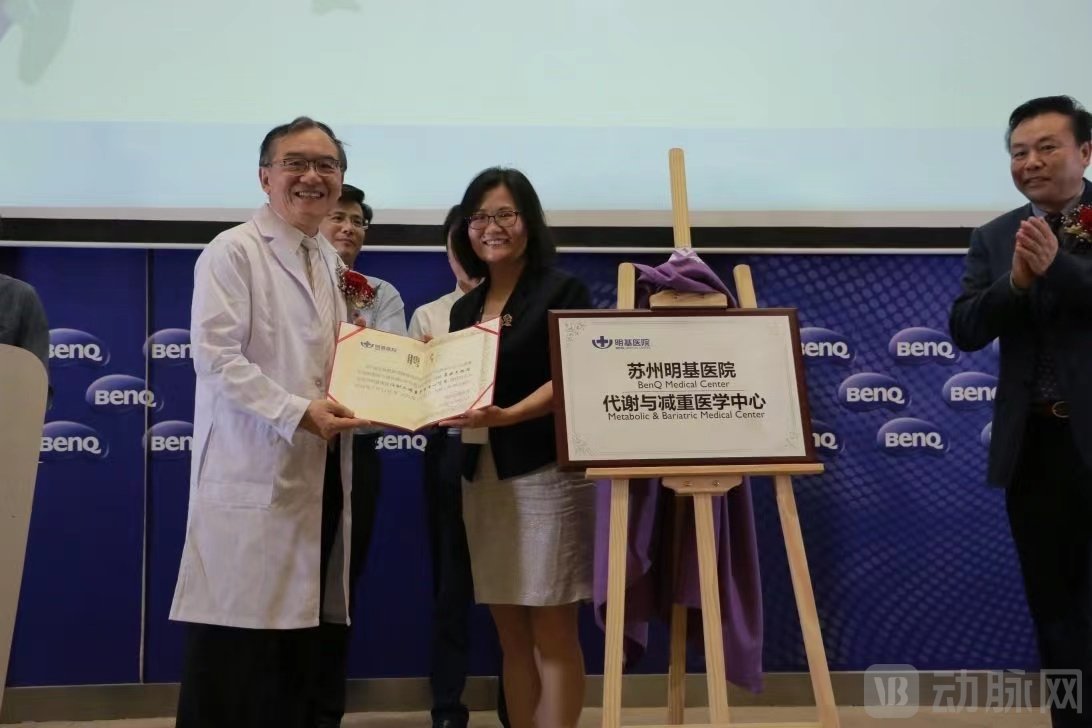
Establishment of the Center for Metabolic and Weight Loss Medicine at Suzhou BenQ Hospital
Next, we address service enhancements. Within the healthcare system, the most significant “pain point” currently lies in the cumbersome medical consultation process. Suzhou BenQ Medical Center conducts annual thematic initiatives; 2022 was designated as the “Year of Patient Care Improvement,” during which a total of 135 projects were implemented. By leveraging data-driven outcomes, the hospital has tangibly streamlined patient care processes and alleviated the longstanding difficulty patients face in accessing medical services.
Finally, equipment upgrades. Suzhou BenQ Hospital has invested substantial resources to address weaknesses in medical technology and healthcare services. For instance, in the area of advanced diagnostics, patients undergoing MRI scans commonly faced excessively long wait times. In response, Suzhou BenQ Hospital implemented a new patient-centered philosophy of “equipment adapting to patients” by introducing high-end 3.0T Life-Sensing Magnetic Resonance Imaging (MRI) systems. These systems deliver the fastest scan speeds and highest image quality, thereby enhancing service quality, effectively reducing patient wait times, and significantly improving patients’ care experience and satisfaction. The hospital currently operates three MRI scanners, two of which are high-end models. Suzhou BenQ Hospital has consistently been at the forefront in China in investing in advanced medical equipment, with early adoption and clinical deployment of technologies such as the first batch of 6D CyberKnife systems in China, Gamma Knife, PET-CT, 4K fluorescence laparoscopy, and 3D laparoscopy.
The Essence of Hospital Culture Is “People-Oriented,” Requiring the Parallel Development of Professional and Recreational Cultures
From the tech industry to the medical field, BenQ has always aimed to do what it can to benefit the public.
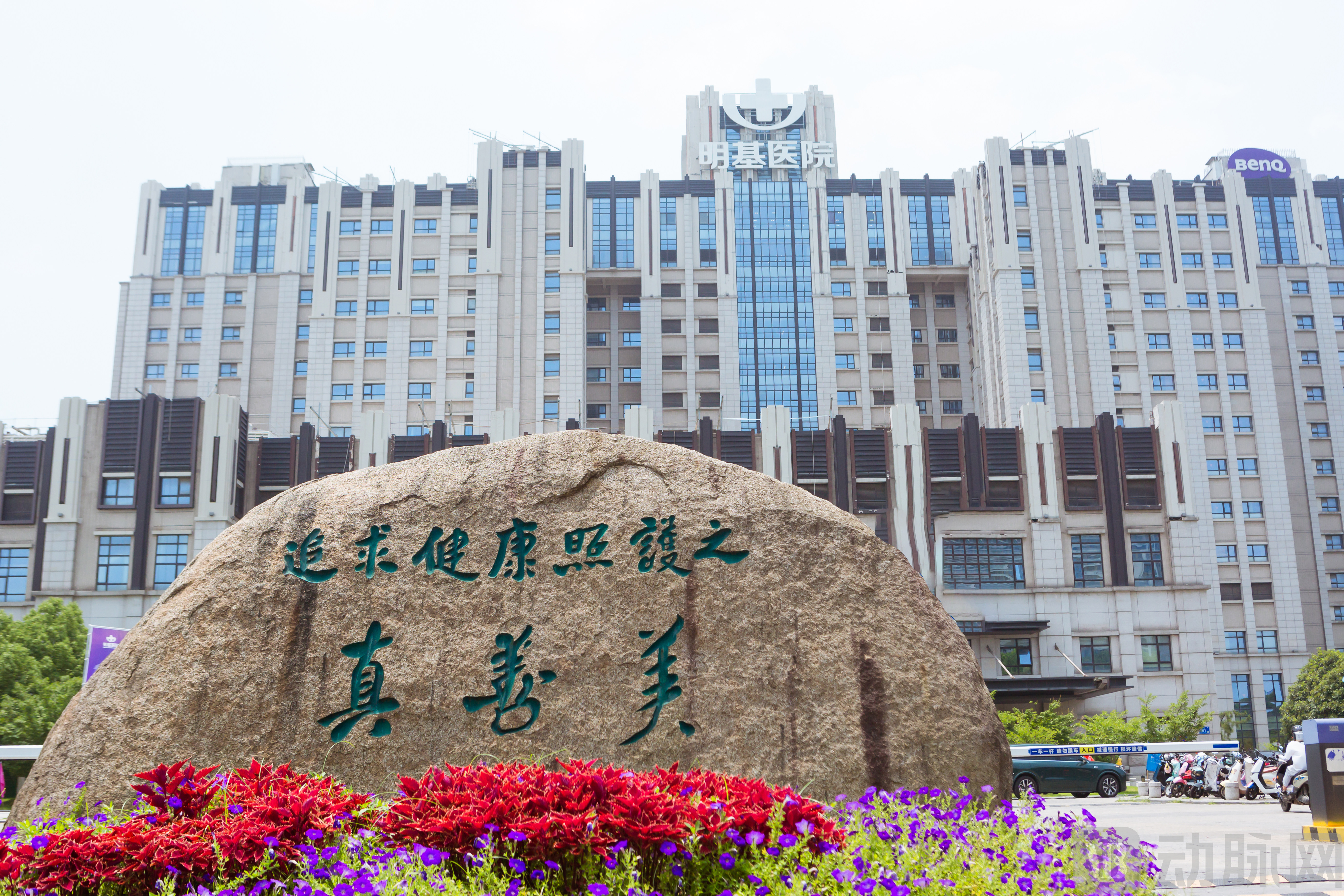
The Hospital Vision Is Inscribed at the Entrance of Suzhou BenQ Medical Center
Medicine is a discipline imbued with warmth, serving living, breathing individuals. Therefore, hospital culture is, at its core, a “people-oriented” culture, and the process of building such culture is inherently the process of forming a hospital’s core competitiveness. This has been the central philosophy consistently upheld by President Zhou Xiaoqing. President Zhou believes that a “people-oriented” culture comprises two major systems: human-centric internal management and humanized external services. The former corresponds to “professional culture,” while the latter aligns with “non-professional culture.”
A hospital’s operational culture constitutes the mainstream component of its overall institutional culture. It focuses on fostering a learning organization, promoting team development, and establishing a shared vision, thereby driving innovation and continuity in clinical practice. This ultimately serves to continuously enhance patients’ healthcare experience and improve the quality of medical services.
Suzhou BenQ Hospital has introduced Taiwan’s humanistic and compassionate model of precision medical services, which includes the attending physician responsibility system, the primary nurse care system, the Taiwanese volunteer model, an empathetic clinical care process, warm and welcoming facilities, the hospital director representative rounding system, the hospital director’s mailbox, the medical risk assessment and review system, and the medical chief administrator on-call system. In practice, President Zhou Xiaoqing assigns director representatives to engage with patients in clinical settings to gather their feedback and suggestions, thereby facilitating the resolution of issues raised by patients.
Correspondingly, the hospital fosters a vibrant amateur cultural scene. Suzhou BenQ Hospital places particular emphasis on employees’ lifestyle needs and physical well-being, providing platforms for enthusiasts of literature, calligraphy, painting, photography, and other pursuits to share and exchange ideas. The hospital also organizes events such as the Spring Festival Gala, staff cultural and sports activities, and young professionals’ networking mixers.
As President Zhou Xiaoqing stated, culture is the core competitiveness and the soul of a hospital. Only by adhering to the dual-wheel drive of “professional culture” and “extracurricular culture” can we achieve standardized operations and emotional resonance, thereby truly realizing a people-oriented approach.
Building Benchmark Hospitals: Unlocking a Brighter Future for Non-Public Healthcare
The past decade of Suzhou BenQ Medical Center has also witnessed the continuous development of privately run healthcare institutions. Although private healthcare has achieved certain accomplishments, it still faces persistent challenges compared to public hospitals, including a poor reputation, weak public credibility, and insufficient talent resources. These issues have, to some extent, hindered the sustainable and healthy development of the non-public medical sector.
In fact, changing public perception of non-public hospitals requires concerted efforts from multiple stakeholders, with benchmark private hospitals undoubtedly bearing significant hope. To address common challenges in the industry’s development—such as talent cultivation, brand building, disciplinary advancement, and quality improvement—the “National Private Hospital Benchmark Study Camp” is a public-interest observational learning program designed for senior executives of specific institutions in the private healthcare sector. Each session selects a private hospital with high brand recognition, influence, or particularly innovative management and services as a benchmark for observation and learning, sharing its development achievements and growth experiences.
As a distinguished representative of privately-run medical institutions, Suzhou BenQ Medical Center has taken the lead in the industry in hospital culture development and core competitiveness, specialized department construction, talent pipeline cultivation, cross-strait cultural integration, and hospital performance management. Recognized as a national tertiary general hospital with international services, it is striving to become an international humanistic hospital.
From June 29 to 30, the fourth session of the National “Benchmark Private Hospital Study Camp” will be held at Suzhou BenQ Hospital, creating a high-quality and efficient platform for management and academic exchange for administrators of private healthcare institutions in China. This session will invite leaders and heads of relevant functional departments from Suzhou BenQ Hospital, as well as experts, to focus on the theme of “Hospital Culture Construction and Core Competitiveness.” The program will provide in-depth introductions, on-site observations, and discussions on topics of common interest to hospital administrators, including medical culture development, smart hospital construction, cross-strait nursing culture, and hospital performance management, offering a deep dive into the successful experiences of Suzhou BenQ Hospital.
Through this initiative, we aim to accelerate the high-quality development of privately run medical institutions, ensuring they serve as a genuine and beneficial complement to public healthcare, thereby safeguarding the health of the general public.
“Ten years of honing a sword, staying true to our original mission.” Despite the challenges facing private healthcare, someone must forge ahead through thorny difficulties. Over the past decade, Suzhou BenQ Medical Center has undoubtedly provided the best answer to “the future development path of non-public medical care” through practice, achievements, and shared experience. In the future, Suzhou BenQ Medical Center will continue to uphold its people-centered original mission and embark on a new journey.