

Weigao JERICOM Leads China's Domestic Dental Implant Breakthrough Amid 90% Overseas Market Dominance
Dental implants not only enhance aesthetics but also directly contribute to overall health. Currently, this represents a trillion-yuan market, with China being one of the fastest-growing and most promising markets within it.
Following the implementation of centralized procurement, "exorbitantly priced dental implants" have become a thing of the past, with consumer prices for dental implants controlled at a reasonable and affordable level. Coupled with population aging, shifts in health consciousness, and advancements in dental medical technology, the value of dental implants will continue to be unlocked. Driven by substantial demand, domestic consumption of dental implants is expected to sustain robust growth, with their share of the oral care market potentially reaching one-third.
Domestic manufacturers of dental implants, such as Weihai Weigao Jielikang Biomaterials Co., Ltd., are continuously striving to launch new products. The market share of domestically produced dental implants is gradually showing a trend of overtaking foreign brands, breaking the previous market landscape where domestic products accounted for only 10% and foreign brands held a monopoly.
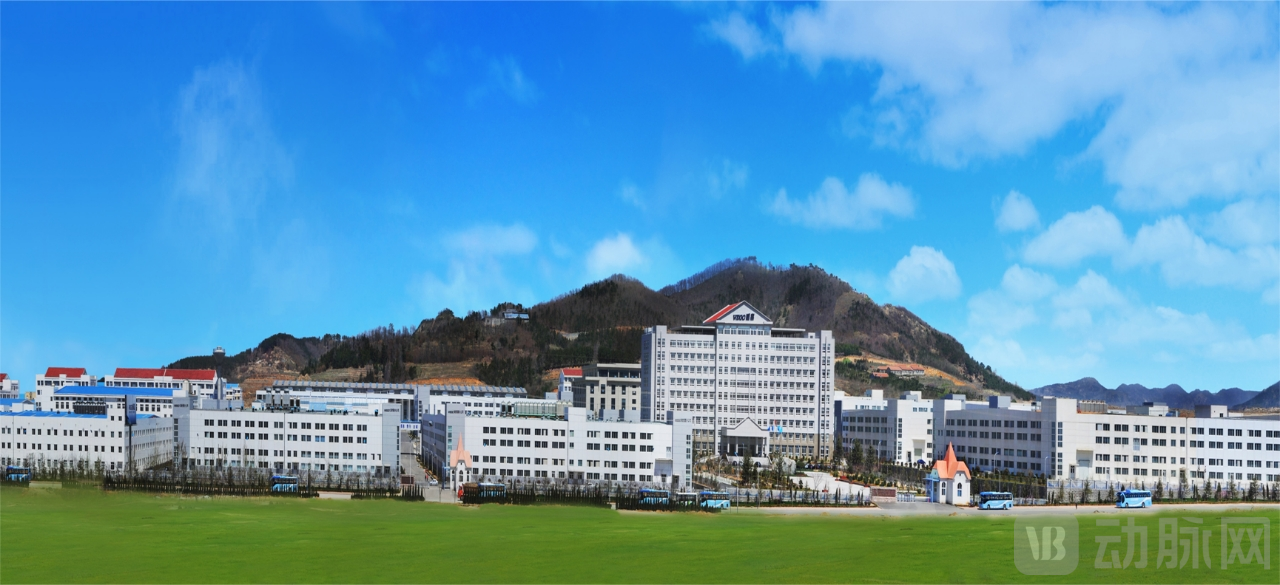
Targeting the RMB 100 Billion Market
The Rise of China's Domestic Dental Implant Industry
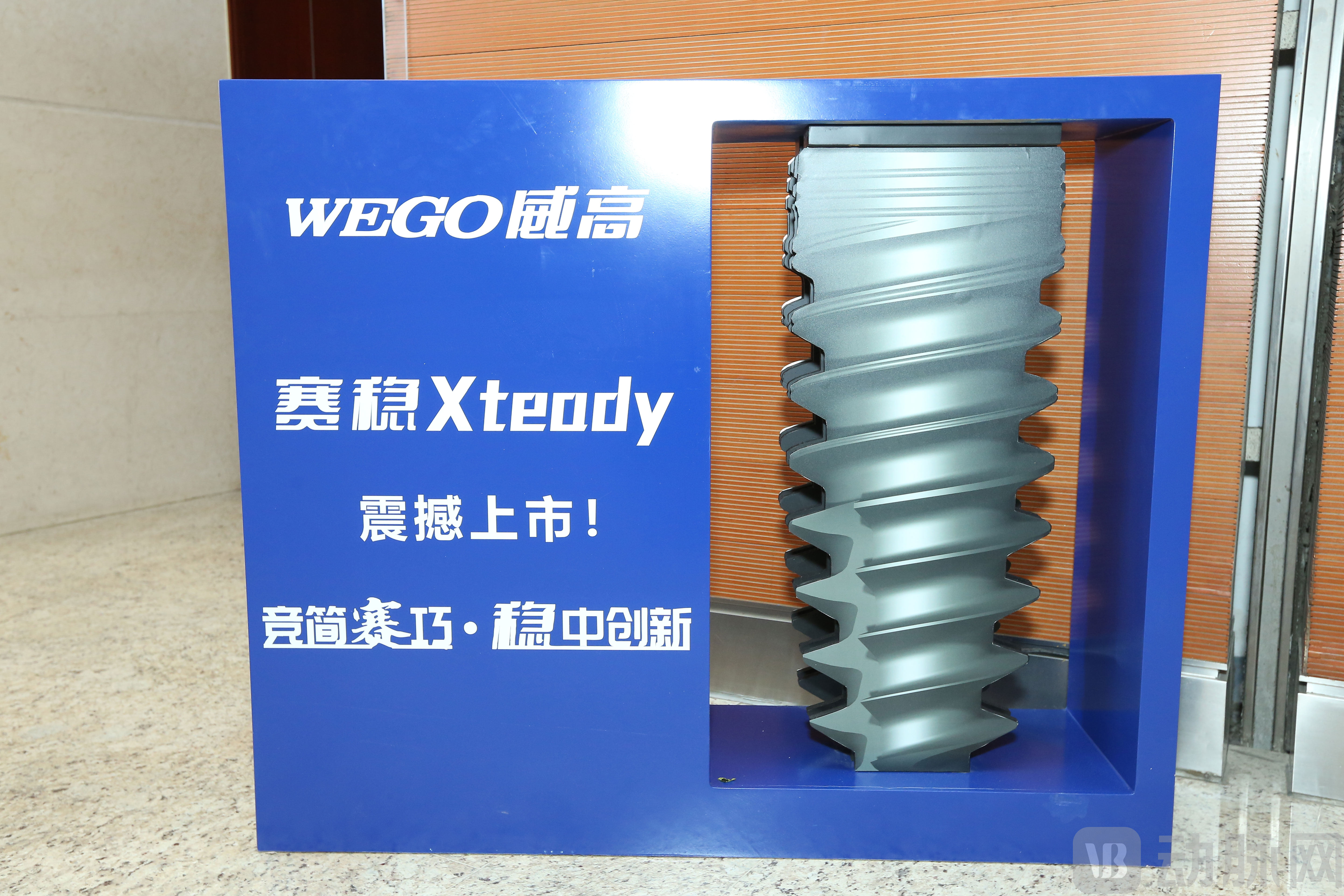
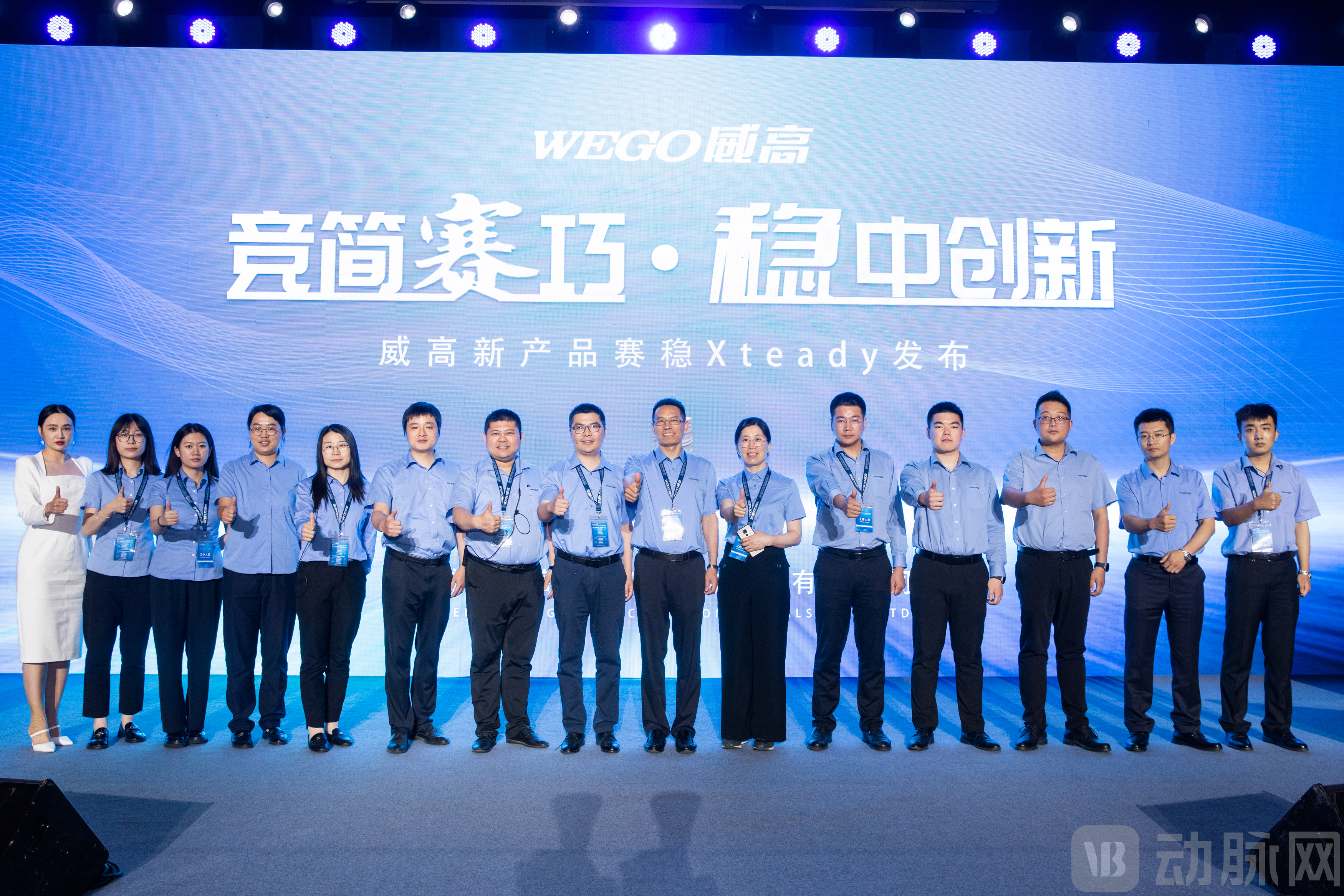
Recently, Weigao launched its third dental implant system, the “Saiwen Xteady” dental implant. The product has undergone optimized improvements in structure, profile, accompanying instruments, and surgical implantation procedures, with particularly pronounced stability advantages in immediate implantation cases. Clearly, the product represents a generational iteration.
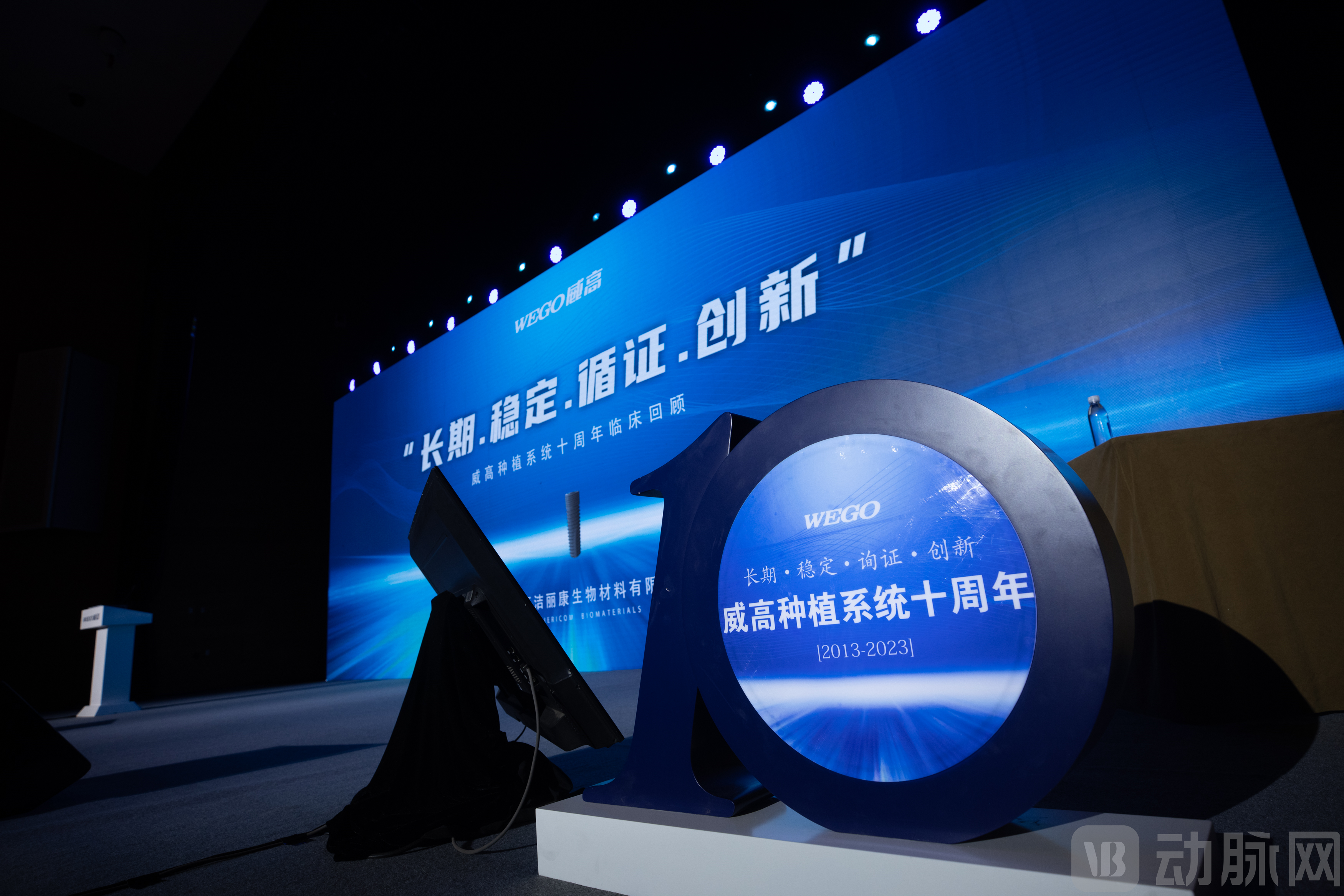
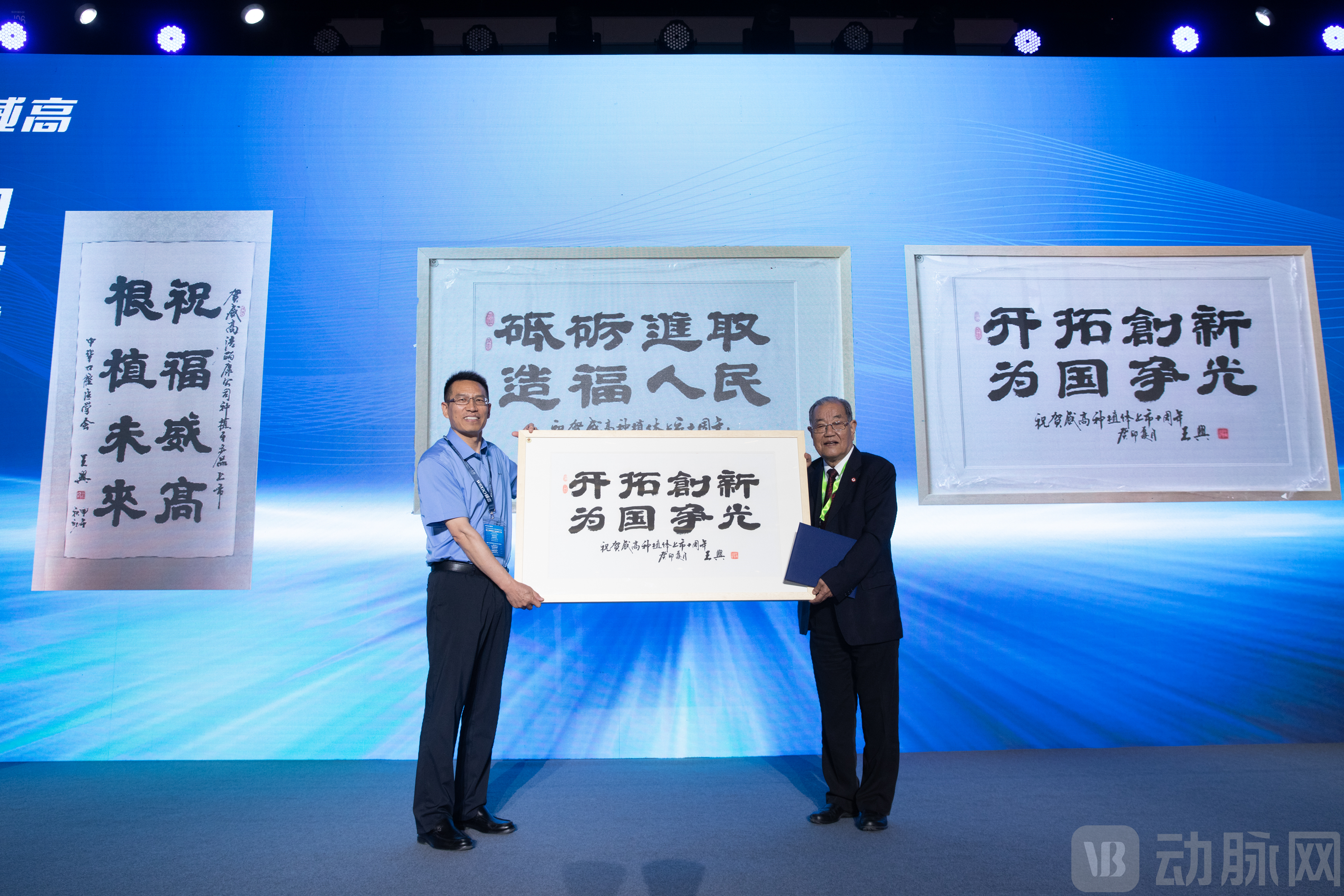
“Foreign brands hold a 90% share of the Chinese dental implant market. The rise of Weigao Jielikang, the leading domestic dental implant brand, symbolizes the ascent of China’s homegrown implant brands!” remarked Professor Wang Xing, Honorary President of the Chinese Stomatological Association, with deep emotion at the academic event titled “10-Year Clinical Review of the WEGO Dental Implant System.”
The fact is that for a long time, within the vast blue-ocean market worth hundreds of billions, China’s dental implant sector has lacked independent domestic brands. Due to significant technical challenges and a shortage of talent, the entire process—from research and development and manufacturing to clinical trials and commercial launch—often requires a lengthy cycle of 5–8 years. This time-consuming and capital-intensive endeavor has deterred many enterprises, making it far from an easy undertaking.
“Ten years ago, dental implants in China relied entirely on imports, with prices of 20,000 to 30,000 yuan per implant being commonplace. So we set out to develop our own products, making quality dental restorations affordable for the general public.” Discussing the original intention, a relevant executive from Wego Jielikang stated that achieving domestic substitution would undoubtedly drive down prices.
Driven by this spirit of “boldness” and “resilience,” and staying true to its original aspiration of “strengthening the backbone of national brands and developing high-quality dental implants affordable for the general public,” Weigao has successfully tackled this formidable challenge.
A dental implant must function under load in the open oral environment for decades without infection or loosening. This requires tolerances of only a few micrometers—equivalent to thousandths of a millimeter—for the interconnection and mating of its components, imposing exceptionally high demands on product design philosophy, material selection, precision machining, and surface treatment technologies.
During the period of intensive R&D, multiple overseas study tours were conducted to thoroughly assess the capabilities of leading international dental implant manufacturers. Subsequently, WEGO established China’s first high-level, fully automated production line for dental implant systems. Prior to market launch, key validation tests—including cleanliness, torque, and fatigue testing—were exclusively performed at authoritative laboratories in Germany and Switzerland. To verify the clinical safety and reliability of its products, the company initiated simultaneous clinical trials at the Affiliated Hospital of Qingdao University, Peking University School of Stomatology, and Qingdao Municipal Hospital in late 2011. In 2014, WEGO launched its submerged WEGO Dental Implant System, featuring fully independent intellectual property rights and 12 patents, at a price point only half that of European and American brands. In 2016, WEGO introduced a lifetime warranty plan for its dental implant system in Qingdao, becoming the first domestically produced implant system to make a formal commitment to lifetime warranty coverage.
“Affordable for doctors and accessible to patients”—this is what makes dental implants truly excellent. Today, building on its state-of-the-art infrastructure—including ISO Class 10,000 cleanrooms that exceed national standards, imported precision cleaning production lines, and production and testing equipment on par with the world’s best—Wego will continue to pursue technological advancement and independent innovation, dedicated to providing the public with the highest-quality dental implants.
Let Data Speak
Making Domestically Produced Dental Implants Accessible to More People
“Over a 10-year follow-up period, the cumulative success rate of Weigao dental implants reached 97.1%, with no implant loss and a 100% survival rate. Patients reported very high overall satisfaction with postoperative outcomes.” Professor Zhao Baodong, Director of the Center for Dental Implantology at the Affiliated Hospital of Qingdao University, drew this conclusion based on a prospective clinical study.
However, in many cases, the lack of clinical data is a key barrier for domestic dental implant manufacturers to enter the market, and breaking through this requires practical validation. Taking European and American brands as an example, in addition to R&D and production, academic achievements and case accumulation are their moats for expanding their territories.
Daring to conduct 10-year clinical studies reflects both the rigor of clinical research and confidence in product quality. This stems from Weigao’s strong faith in its own technologies, which also underpins the confidence of this Chinese-made dental implant brand in breaking through core technological barriers.
Product innovation is an indispensable factor for corporate survival and development, while market feedback and continuous product refinement are equally important. Among the Top 10 Specialized Stomatological Hospitals of 2022 released by Fudan University, Wego Jielikang has established partnerships with Peking University School of Stomatology and West China Hospital of Stomatology, Sichuan University, which rank first and second respectively. This collaboration has amplified the voice of domestic dental implant brands within the industry.
“Wego Implant System has become a routine choice for clinical patients at Peking University School of Stomatology.” said Professor Di Ping, Director of the Department of Implant Dentistry at Peking University School of Stomatology. She stated that both surgical implantation and restorative outcomes are comparable to those of high-end foreign brands, and expressed her hope that more implant dentists will gain awareness of China’s independently developed, high-quality implant systems and incorporate them into clinical practice.
The success of dental implants hinges on osseointegration between the implant and bone, with advanced titanium surface treatment technologies playing a pivotal role. According to R&D personnel at Weigao Jielikang, the SLA (Sandblasted, Large-grit, Acid-etched) surface employed in Weigao dental implants is currently the most successful surface in the field. This surface maximizes bone-to-implant contact with living cells, exhibits significant osteoinductive properties, and facilitates rapid osseointegration during the early healing phase, thereby endowing the dental implants with superior stability. These advantages have been well validated through 10-year follow-up studies.
Bridging the Dentist Shortage
The Dental Implant Industry Chain Is Accelerating Its Development
Domestic dental implants offer cost and pricing advantages. The volume-based procurement policy has generated greater economies of scale, and it is foreseeable that the market capacity for domestically produced dental implants will continue to expand.
Globally, South Korea currently has the highest dental implant penetration rate, at 632 implants per 10,000 people; some developed countries in Europe and the United States exceed 100 implants per 10,000 people. In contrast, China’s dental implant penetration rate is only 28 per 10,000 people, just 1/22 of South Korea’s. This indicates substantial room for growth in dental implant penetration.
With the implementation of the centralized volume-based procurement (VBP) policy for dental implants, the Wego Dental Implant System has been successfully included in Group A, Class A products. “The VBP for dental implants has effectively reduced the cost of oral implantation, standardized the oral implant market, and helped significantly increase the market share of high-quality, affordable domestic brands, thereby benefiting more patients with missing teeth,” said a representative from Wego Jielikang. Currently, the company is conducting clinical trials on its ultra-short and ultra-thin implant system, while new dental implant systems featuring next-generation SPA active surface treatment technology and novel materials are poised for launch.
It is evident that centralized volume-based procurement has provided greater impetus for the clinical application of domestically produced dental implants, thereby accelerating the pace of import substitution.
Behind healthy teeth lies the need for national medical insurance policy support; equally important is a high proportion of dentists specializing in dental implants. To bridge the significant gap between the demand for dental implants and their penetration rate, cultivating talent in this field is essential.
As of now, approximately 60,000 dentists in China are skilled in dental implant procedures, accounting for about 20% of the total number of dentists. In terms of the total population, there are only 0.44 implant dentists per 10,000 people, which is significantly lower than the average level in developed countries. For example, Japan has 1.68 implant dentists per 10,000 people.
Importantly, dentistry relies heavily on physicians’ technical skills, with upstream manufacturers serving as the primary force in training dental implantologists. Weigao’s unique advantage lies in talent development: it has established a teaching and practice platform for cultivating professionals in stomatology, provides specialized training in dental implantology, and supplies skilled personnel to downstream dental clinics. Statistics show that over the past decade, it has trained a cumulative total of 40,000 individuals. Looking ahead, physician training will remain a key strategic focus.
High-quality implant systems, skilled implantologists, and patients’ confidence in domestically produced systems have accelerated the substitution of imports by Chinese-made alternatives following centralized procurement. This trend is also supported by policies from relevant national authorities and represents a shared responsibility across society.