

Rapid Growth in the Biopharmaceutical Market and Solutions for Expedited Biological Materials Clearance
The biopharmaceutical market continues to demonstrate strong growth momentum.
On one hand, although the global financing market has become more cautious and prudent due to the impact of the pandemic, the biopharmaceutical sector has still achieved impressive financing results in both domestic and international primary markets. According to VCBeat’s “2022 Global Healthcare Industry Capital Report,” a total of 3,057 financing events occurred globally in the healthcare industry in 2022, with total funding reaching $72.9 billion (approximately RMB 502.9 billion). Among these, the global biopharmaceutical sector led all other sub-sectors with 1,094 financing deals and cumulative funding of approximately $34.61 billion, once again topping the financing rankings in 2022. Even within China, the biopharmaceutical sector ranked first, securing 492 financing deals totaling $8.905 billion.
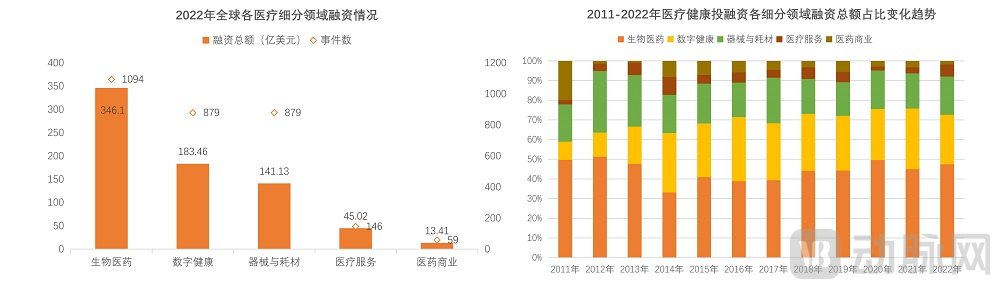
On the other hand, the global biopharmaceutical market demonstrates robust growth momentum. Focusing specifically on China, Tianfeng Securities’ report, “Long Slopes and Deep Snow: Promising Prospects for Biopharmaceuticals,” points out that rising public health awareness, increasing healthcare expenditures, and supportive top-level policies are rapidly driving the development of the biopharmaceutical sector. Subsectors such as vaccines, blood products, and innovative drugs are exhibiting particularly strong prosperity.
However, it is important to note that alongside the rapid development of the biopharmaceutical sector, biopharmaceutical companies and research institutions often face common challenges in importing research samples—such as laboratory animals, blood products, human cells, and plant seedlings—including difficulties, cumbersome procedures, and prolonged processes. “How to import and export biological materials in a compliant and efficient manner” has become a pressing challenge for many enterprises and institutions.
The Xiamen Public Service Platform for the Entry and Exit of Special Biological Materials (hereinafter referred to as the “Xiamen Bio-Platform”) was established to address this challenge. Spearheaded by the Xiamen Municipal Science and Technology Bureau, the platform was jointly developed with the Xiamen Free Trade Zone Commission, Xiamen Customs, the Port Office, and the Haicang District People’s Government, and was officially launched on December 31, 2019. It is the only public service platform in Fujian Province dedicated to facilitating the entry and exit of special biological materials.
Perhaps, an example can better demonstrate the important role of the Xiamen Biotechnology Platform in supporting enterprises and research institutions.
In July 2020, approximately six months after its official launch, the Xiamen Biological Platform faced a new request: a biopharmaceutical company had imported a batch of high-risk biological materials, specifically “stable transfected cell lines,” from overseas for R&D purposes and sought the platform’s assistance to facilitate customs clearance and transport these materials to the company.
Prior to this, the biopharmaceutical company had entrusted an international courier service with transportation; however, improper handling led to the inversion of the liquid nitrogen tank, resulting in the inactivation of stable cell lines. For the company, this did not merely entail increased operational costs, but more importantly, caused delays in research and development progress.
In order to obtain biomaterials more rapidly and successfully, they ultimately chose to collaborate with the Xiamen Biological Platform.
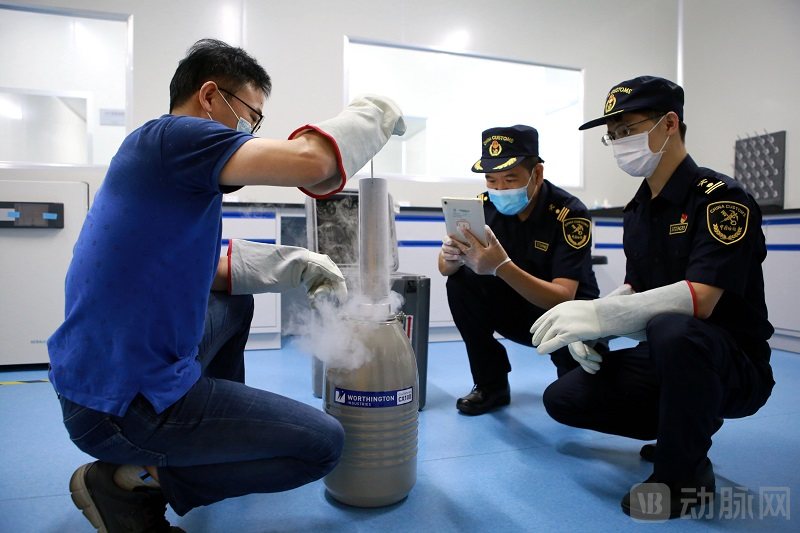
Live Verification of Cell Lines
Previously, to facilitate the rapid customs clearance of biological materials for biopharmaceutical companies and research institutions, the Xiamen Biological Platform developed an optimized solution for the expedited clearance of special items, thereby enhancing both customs regulatory standards and the efficiency of biological material clearance. During the customs clearance and transportation of stable cell lines, the Xiamen Biological Platform provided enterprises with upfront recommendations on suitable liquid nitrogen containers, packaging, and customized transportation plans. Coupled with targeted support during customs clearance, this approach enabled rapid inspection and release, ultimately ensuring the successful delivery of the stable cell lines.
This also marks the first case in Fujian Province of importing high-risk biological materials as special items using liquid nitrogen containers.
It is worth noting that, leveraging the high-risk item assessment mechanism and under the guidance of Xiamen Customs, the Xiamen Biological Platform completed its first importation of high-risk biological materials containing human blood products with *Plasmodium* parasites on June 8, 2020. This milestone signified the gradual maturation of the platform’s business model for handling the entry of high-risk special items through the Xiamen port. It also laid the groundwork for the platform’s completion of Fujian Province’s first-ever importation of stable cell lines on July 21.
It is reported that from March 2020 to December 2022, the Xiamen Biological Platform recorded a cumulative import and export trade in services valued at approximately US$370 million, with over 3,500 service orders processed.
In the realm of imported biological materials, the Xiamen Biological Platform has successively assisted relevant research groups at scientific and academic institutions in completing China’s first-ever import transactions for various research samples, including *Arabidopsis thaliana* seeds, squirrel tissue solutions from U.S. laboratories, human pluripotent stem cells, experimental bacterial strains, culture media, chemical compounds, and seawater.
In terms of exporting biological materials, the Xiamen Biological Platform is also facilitating export services for products including COVID-19 test kits and various biopharmaceutical reagents. For instance, in 2022, the platform helped WanTai Bio ensure the safe delivery of its second batch of donated hepatitis E vaccines to Uganda, Africa, under the auspices of the World Health Organization; it also assisted Bosheng Biotechnology in arranging a charter flight to deliver its COVID-19 test kits to Athens, Greece.
By helping to address the pain points and difficulties associated with the import and export of experimental materials, the Xiamen Biological Platform enabled multiple IVD companies in Xiamen to seize market opportunities during the pandemic. It assisted enterprises with the smooth import and export of research samples in the early stages and facilitated the development of channels for bulk cargo imports and exports in later stages, thereby actively capturing foreign markets.
It is understood that the Xiamen Biological Platform provides biopharmaceutical companies and research institutions with one-stop customs clearance services for the import and export of biological research samples, including risk assessment, pre-approval, consultation on human genetic resources, and cold-chain logistics.
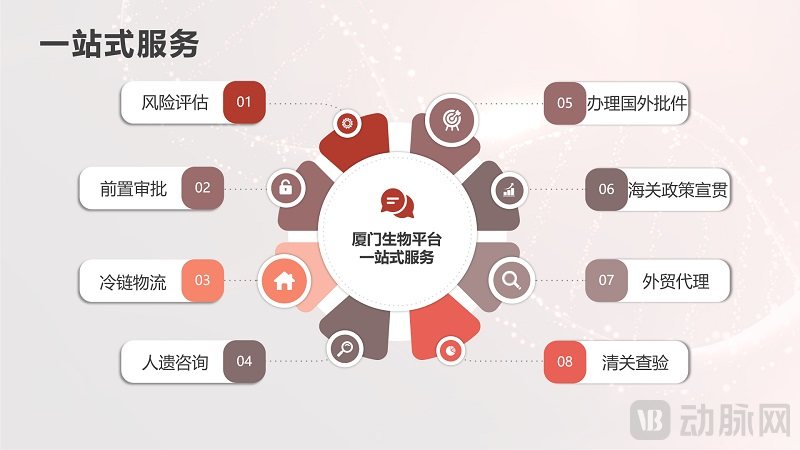
The ability to deliver the aforementioned services is also attributable to the Xiamen Biological Platform’s continuous self-development and its deepening understanding of biomaterial services.
Behind the completion of Fujian Province’s first-ever importation of high-risk biological materials classified as special items, using liquid nitrogen containers, lies the outcome of the Xiamen Biological Platform’s own development of its software and hardware infrastructure.
Currently, the Xiamen Biological Platform is equipped with a range of biosafety-related instruments and equipment, enabling enhanced control over potential biosafety risks. By implementing stringent operational management for materials such as infectious disease pathogens, the platform has achieved safe and compliant importation to meet the diverse needs of enterprises and research institutions.
Safety
From the perspective of the customs inspection area, which serves as one of the platform’s hardware components, “the entire supervised warehouse covers 700 square meters and is primarily divided into a disinfection room, high- and low-risk inspection zones, a comprehensive sampling room, a quarantine disposal room, an SPF mouse inspection room, and an inspection room for model organisms. In light of the varying attributes of the goods, the platform has established storage spaces at different temperatures, including a constant-temperature warehouse, a 2–8°C cold storage unit, a -20°C freezer, a -80°C ultra-low temperature freezer room, and a liquid nitrogen tank storage area.” During the transfer of stable cell lines, the Xiamen Biological Platform specially equipped its inspection process with liquid nitrogen to prevent issues arising during inspection, thereby ensuring flawless delivery.
To mitigate the risks associated with abnormal temperature deviations, the Xiamen Biological Platform provides a one-stop solution for the import and export of research samples. This includes customized temperature-controlled packaging, end-to-end temperature visibility, response mechanisms for temperature excursions, and full cold-chain logistics, effectively preventing incidents of abnormal temperature loss.
With the official implementation of the Biosecurity Law of the People's Republic of China, and in active response to policy requirements, the Xiamen Biological Platform completed the renovation project of its BSL-2 laboratory after four months of work at the end of June 2022. The completion of this renovation has further strengthened the platform’s regulatory oversight of various biosafety risks, established traceability management for factors involving biosafety, and enhanced security controls over the import and export of special materials.
In addition to completing the renovation of the P2 laboratory, further enhancing the platform’s biosafety prevention and control level, and assisting Customs in strengthening the national biosafety barrier, the Xiamen Biological Platform has also co-organized multiple Customs risk assessment meetings. It provides professional guidance services to enterprises and academic institutions, aiming to better control the risks associated with the cross-border movement of biological samples and ensure safe and compliant imports.
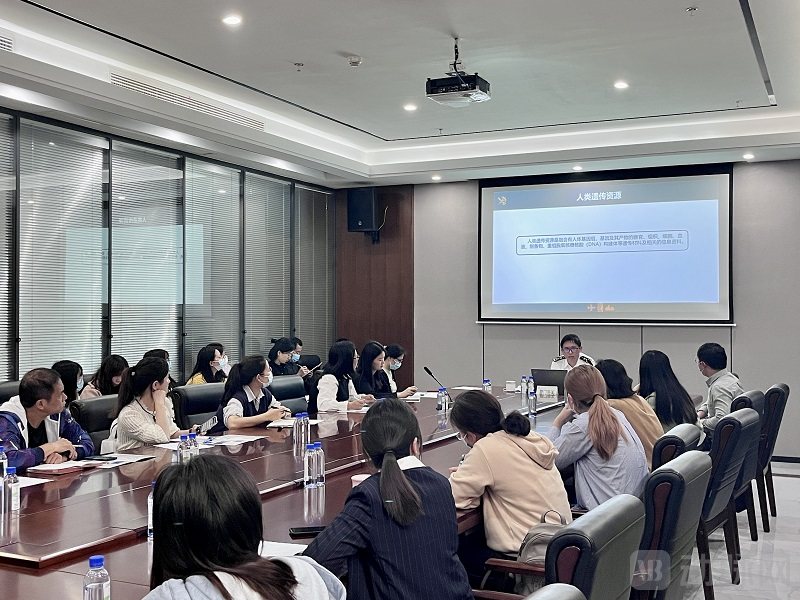
Promotion, Training, and Exchange
Convenience
Meanwhile, the Xiamen biological platform has also prioritized convenience by launching a remote inspection mode. By leveraging hardware such as infrared network HD dome cameras, it enables remote video-based, contactless inspections. This approach provided significant convenience and safety during the routine inspection of cold-chain cargo under normalized epidemic prevention and control conditions, achieving both effective epidemic prevention and regulatory oversight.
The Xiamen Biological Products Platform ensures product quality and safety by enabling scan-code-based warehousing traceability, real-time monitoring, and remote collaborative inspections, while providing a full temperature-range inspection environment (2–8°C, -20°C, ultra-low temperature freezers, liquid nitrogen, dry ice, etc.) to meet product temperature requirements. On one hand, for biopharmaceutical companies and research institutions, it reduces the time required for opening and inspecting temperature-controlled cargo, helping to lower inspection costs and improve customs clearance efficiency. On the other hand, the platform collaborates with the Inspection Division of Haicang Customs to innovate a remote video inspection model, alleviating the shortage of inspection personnel and optimizing customs clearance services.
It is reported that the Xiamen Biological Materials Platform has significantly shortened the delivery time for biological materials through a series of measures: low-risk biological materials can be delivered within 4–7 working days from pickup, while the import clearance and delivery timeline for high-risk biological materials ranges from 25 to 30 working days.
It was revealed that since its inception, the Xiamen Biological Platform has established cooperative relationships with 70%-80% of the biomedical import and export enterprises in Xiamen. Leveraging its reputation, the platform has also connected with clients in Wuhan, Shanghai, Shenzhen, Chongqing, and other cities. To date, the platform has signed contracts with more than 40 companies, including biomedical firms such as Biotime, Wantai BioPharm, and AmoyDx.
In addition to maintaining in-depth collaborations with enterprises, the Xiamen Biological Platform is actively promoting a “research group–platform” cooperation model with scientific research institutions. It has currently signed agreements with 12 universities and key laboratories, primarily covering research institutions in Xiamen as well as scientific research institutes and universities in other provinces and municipalities, providing them with specialized customs clearance services for special biological materials.
To better meet the import and export needs of research institutions and biopharmaceutical companies in areas such as R&D and market layout, the Xiamen Biological Platform is also making further attempts:
For example, further refine the platform’s service catalog; categorize and summarize special biological materials—such as sera, cell lines, soil samples, and plant and animal seed resources—and provide corresponding up-to-date regulations, customs declaration procedures, and required documentation for each stage; introduce more accessible services that enable enterprises and research institutions to access support via mobile apps, official WeChat accounts, and websites; and facilitate coordination with harmless disposal services for special biological materials, ultimately establishing a closed-loop management system for the import of such materials.
“We will actively guide biopharmaceutical companies and academic institutions to comply with the relevant provisions of the Biosecurity Law, strengthen compliance frameworks, and thereby enhance the customs clearance efficiency for special articles containing biological materials, contributing to the safeguarding of China’s biosecurity and the effective implementation of the Biosecurity Law,” said a representative from the Xiamen Biological Platform.