

Krystal Biotech: How a Rare Disease Gene Therapy Drove Over 1100% Market Cap Growth Since Its 2017 IPO

Krystal Biotech
Gene Therapy Developer
On May 19, the FDA approvedVYJUVEK™market launch.VYJUVEK™It will be used to treat patients with dystrophic epidermolysis bullosa (DEB) aged six months and older. Notably,This is the first FDA-approved gene therapy allowing for repeat dosing and the first topical gene therapy.It is also the first FDA-approved gene therapy for the treatment of both dominant and recessive dystrophic epidermolysis bullosa (DEB).
VYJUVEK™Krystal Biotech, the developer of , is a biotechnology company focused on developing gene therapies for rare diseases. On May 22, Krystal completed a $160 million private equity financing round. The funds will be used forVYJUVEK™The launch, commercial operations, and development of other pipeline drugs are expected to be supported through the end of 2026. This round of financing was led by Avoro Capital Advisors and Redmile Group, with participation from Braidwell LP and Frazier Life Sciences.
Since its IPO in 2017, Krystal Biotech has maintained a growth trajectory, with its value increasing by over 1,100% to date.
VYJUVEK™Following approval, Krystal entered a period of rapid expansion, with its annual share price rising by $70.69, representing a 115.7% increase. As of July 6, Krystal’s stock price stood at $121.3 per share, with a market capitalization of $3.34 billion.
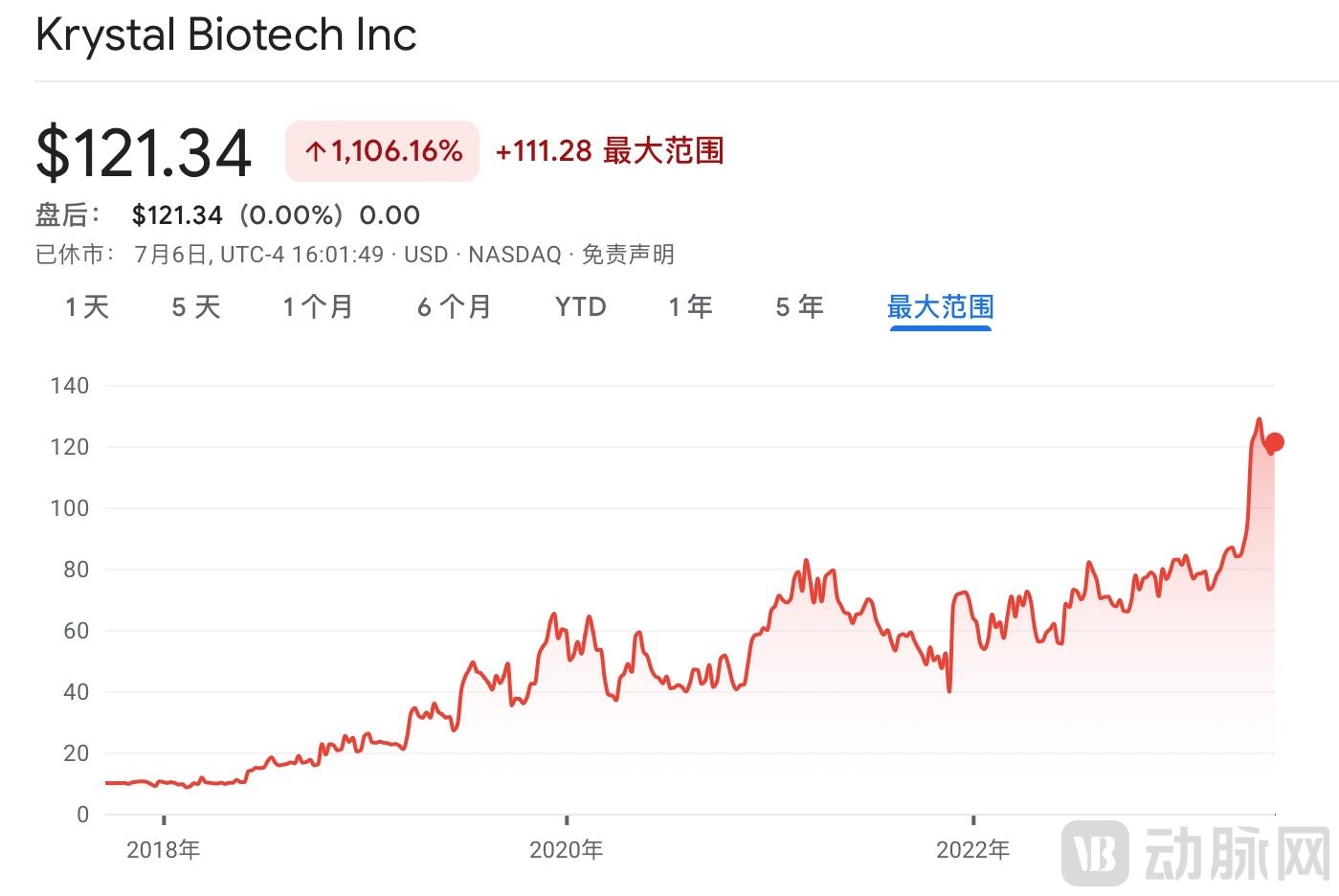
Krystal Stock
Image source: Google Finance
How Can a Gene Therapy Company Sustain Such Growth? Start by Examining Its Product Pipeline.
Dystrophic Epidermolysis Bullosa (DEB) is a rare hereditary connective tissue disorder associated with one or more mutations in the COL7A1 gene. The COL7A1 gene is responsible for producing functional type VII collagen (COL7) protein, which forms anchoring fibrils that connect the dermis to the epidermis. Type VII collagen is an extracellular matrix protein critical for skin stability; its absence results in a lack of structural adhesion in the patient's skin, leading to extreme fragility.
Patients with dystrophic epidermolysis bullosa (DEB) are affectionately known as “butterfly babies.” Their skin, as fragile as butterfly wings, subjects them to immense suffering. Even minor friction or irritation can lead to blistering, erosion, non-healing ulcers, and scarring. DEB can be inherited in either an autosomal dominant or recessive manner, with the most severe form being recessive DEB (RDEB), which is caused by homozygous mutations in the COL7A1 gene.
As the disease progresses, patients with dystrophic epidermolysis bullosa (DEB) face risks of numerous complications and secondary conditions, including syndactyly of the fingers and toes, visual impairment, joint contractures, tooth loss, anemia, fractures, and skin cancer. Skin cancer is also the most common cause of death in DEB patients.
According to data from the Dystrophic Epidermolysis Bullosa Research Association of America (DEBRA), one in every 20,000 newborns in the United States is affected by epidermolysis bullosa (EB), with approximately 200 children born with EB each year. Dystrophic epidermolysis bullosa (DEB) is a subtype of EB, accounting for approximately 25% of all EB cases. Prior to the approval of VYJUVEK™, there were no treatments or cures for EB or DEB; only supportive care, including daily wound care and pain management, was available to help patients reduce infection risks and accelerate wound healing.
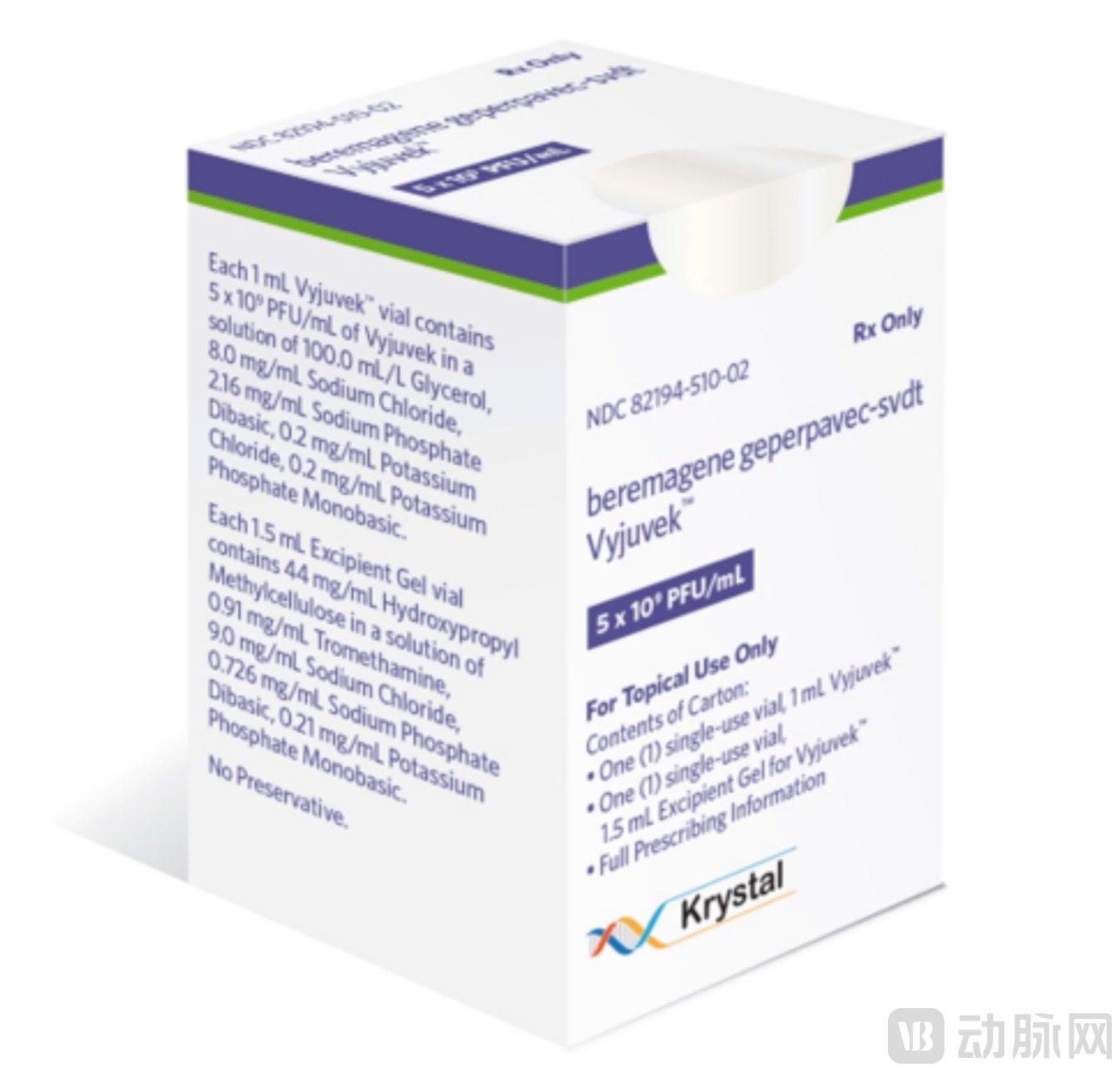
VYJUVEKTMProduct
Image source: Krystal
VYJUVEK™The therapeutic principle involves delivering a normal copy of the COL7A1 gene to both dividing and non-dividing skin cells in patients with dystrophic epidermolysis bullosa (DEB), thereby correcting the genetic defect and enabling their skin cells to produce type VII collagen (COL7) protein, which stabilizes the patients' fragile skin.
In the previously conducted randomized, double-blind, placebo-controlled Phase III trial, 31 patients with dystrophic epidermolysis bullosa (DEB) were enrolled, and efficacy was determined by the improvement in wound healing among the participants. At 6 months, 67% of those receivingVYJUVEK™100% of wounds in the treatment group achieved complete healing, compared with 22% in the placebo group. In multiple trials,VYJUVEK™All demonstrated favorable safety and tolerability, with no serious adverse events or discontinuations.
VYJUVEK™Mixed into an excipient gel and applied topically to the patient’s skin, it promotes wound healing while preventing recurrent blistering. The gel is applied directly to wounds in patients with dystrophic epidermolysis bullosa (DEB) and requires weekly administration. As the first FDA-approved gene therapy for repeated dosing,VYJUVEK™gene delivery relies on the proprietary skin-targeted delivery platform (STAR-D).
As the clinical application of gene therapy continues to expand, attention is increasingly focused on the durability of its therapeutic effects. In some patients who have responded well to gene therapy, efficacy has been observed to wane over time following administration. The once-touted “one-time cure” paradigm for gene therapy is now facing challenges, creating opportunities for non-invasive, repeatable gene therapy approaches.
The durability of therapeutic efficacy is determined not only by the effective lifespan of the delivery vector but also by the turnover rate of the target tissue. The longer the turnover cycle of the target tissue, the longer the effective gene copies remain active in the body. Compared with adults, infants and adolescents exhibit faster growth rates and more rapid cell division, leading to a quicker dilution of gene therapy effects.
In patients with dystrophic epidermolysis bullosa (DEB), the turnover cycle of skin cells is shorter, making repeated dosing more aligned with therapeutic efficacy requirements. The primary challenge with repeated dosing lies in the delivery vector. Currently, gene therapies based on adeno-associated virus (AAV) vectors are essentially limited to single-dose administration. After AAV enters the human body, the immune system recognizes and marks the virus. If the same viral vector is used for a second treatment, the immune system will mount an attack, leading to failure in gene copy delivery.
As the first FDA-approved gene therapy allowing for repeat dosing,VYJUVEK™Herpes Simplex Virus Type 1 (HSV-1) is employed as the vector for its repeated delivery. HSV-1 is the most characteristic member of the human herpesvirus family and is highly prevalent in the general population. Two-thirds of individuals aged 12 years and older in the United States have been exposed to this virus. As a linear double-stranded DNA virus, HSV-1 offers the following advantages for gene delivery applications:
1- Possesses high payload capacity, capable of accommodating large genes or multiple genes
2-Its genome exists in an episomal form and cannot integrate into or disrupt the host genome
3-Enables ex vivo delivery and topical administration
4- Can transduce both dividing and non-dividing cells, enhancing the efficiency of therapeutic gene transfer
5-HT receptors are present in a variety of human cell types, exhibiting broad tissue tropism and enabling multi-tissue and multi-organ delivery.
6. HSV-1 possesses genes that can partially suppress innate and adaptive antiviral immunity, while its membrane proteins exhibit innate immune evasion properties, enabling effective resistance to immune clearance.
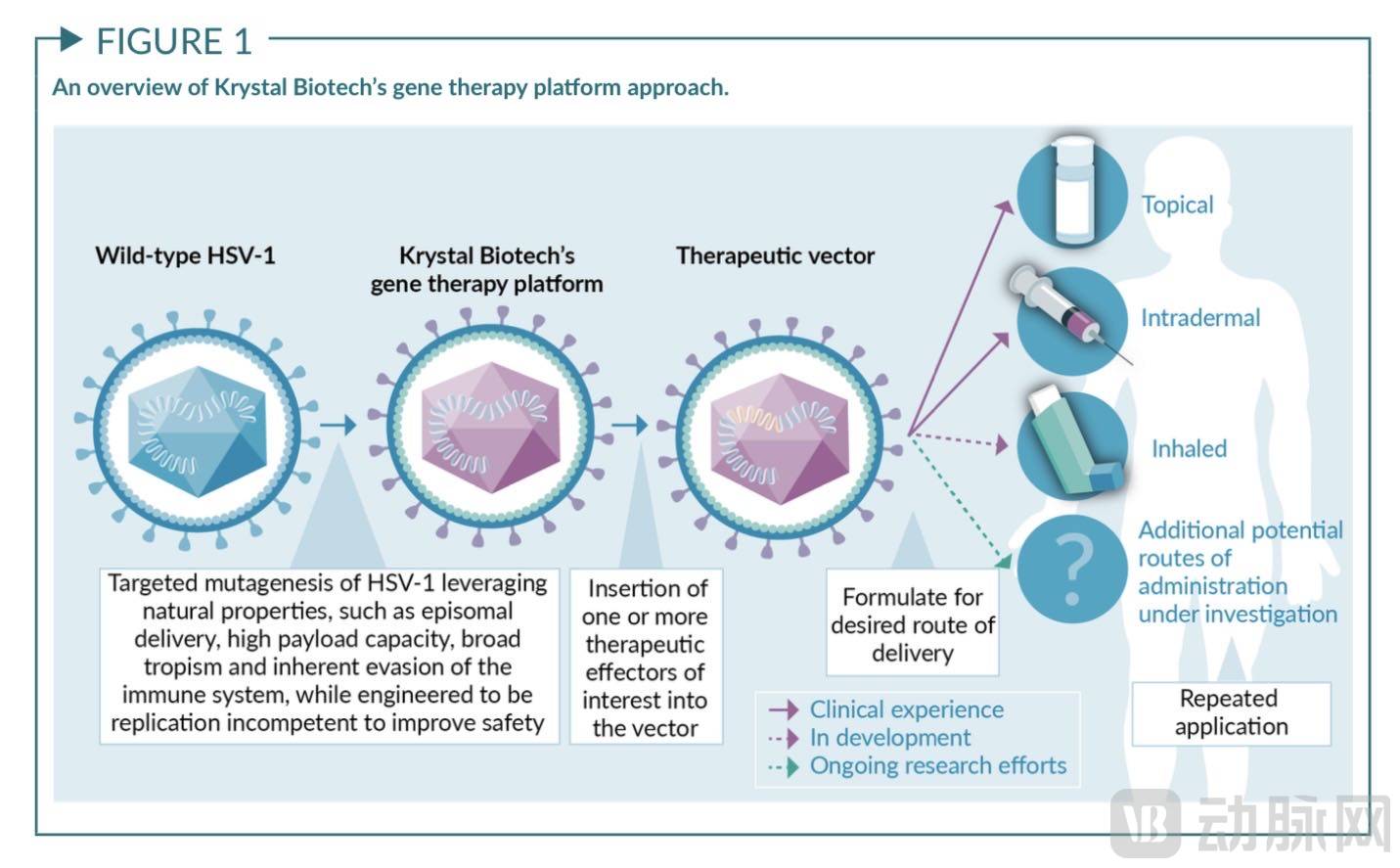
Design Scheme for Defective HSV-1 Engineered Vectors
Image source: Krystal
By targeting the ICP4 and ICP22 genes of HSV-1, Krystal has engineered a vector with reduced replication capacity and low cytotoxicity. This vector can effectively penetrate a broad range of skin cells, enabling localized gene delivery that is non-invasive and suitable for repeated administration.
Furthermore, due to the deletion of ICP4-targeted IE genes in ICP4, HSV-1 vectors cannot replicate in non-complementing cells lacking exogenous ICP4. Meanwhile, the engineered vector retains its sensitivity to common antiviral drugs (for herpesviruses) to address potential herpetic lesions or related adverse events in patients.
Krystal combines engineered HSV-1 vectors with skin-optimized gene transfer technology to develop its proprietary skin-targeted therapeutic platform, STAR-D, which is designed to deliver one or more therapeutic genes associated with skin diseases to patients.
VYJUVEK™Upon approval, Krystal Biotech received a Priority Review Voucher (PRV) for rare pediatric diseases, which can be used to request priority review for another product. This creates new opportunities for Krystal Biotech to accelerate the approval of other pipeline candidates.
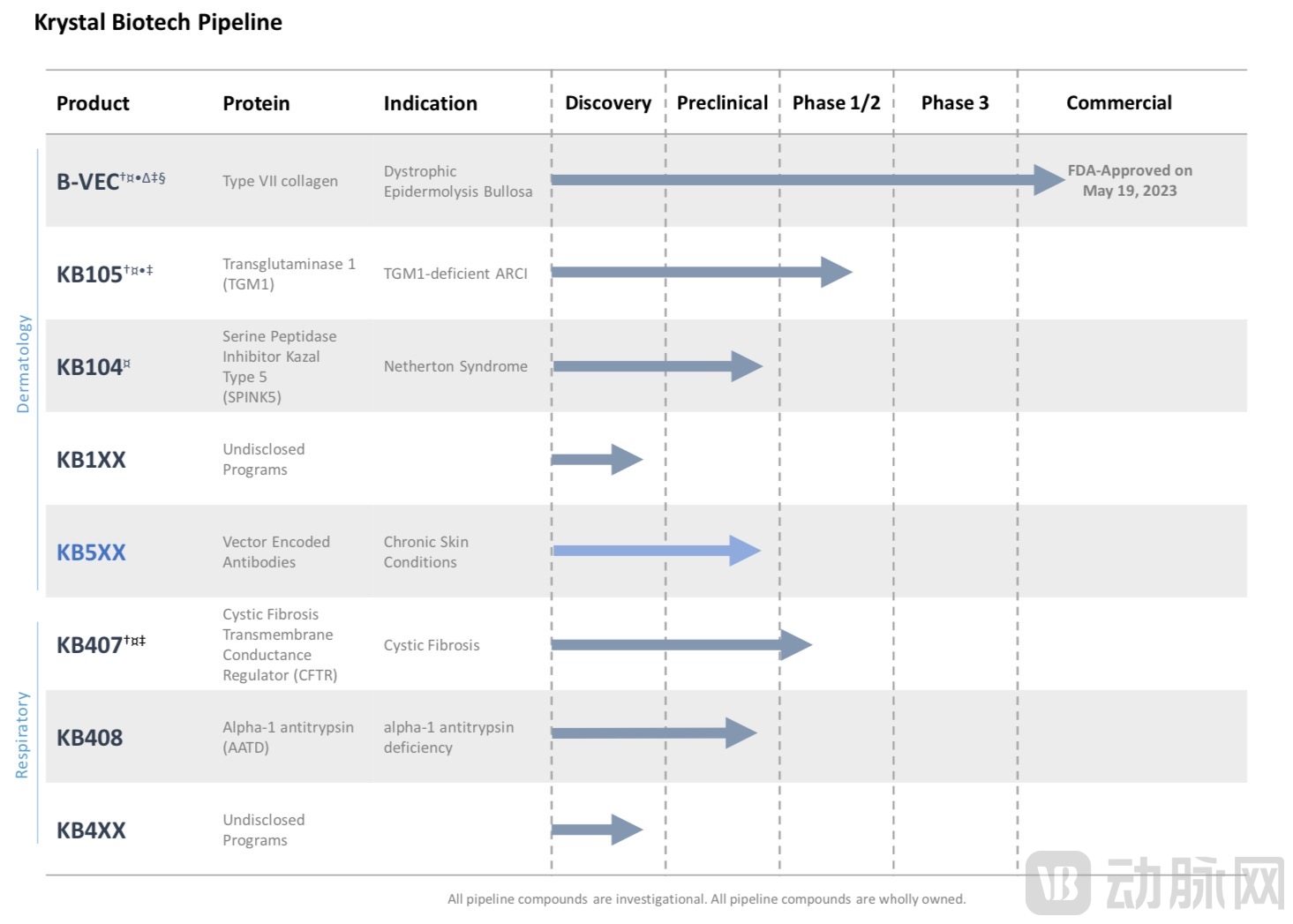
Krystal’s Drug Pipeline Portfolio
Image source: Krystal
Autosomal Recessive Congenital Ichthyosis (ARCI)
Autosomal Recessive Congenital Ichthyosis (ARCI) is a severe, lifelong genetic skin disorder characterized clinically by dry skin and ichthyotic scaling that may cover the entire body, accompanied by increased transepidermal water loss (TEWL). Patients with ARCI often develop ectropion, eclabium, joint contractures, nasal cartilage abnormalities, and scarring alopecia, and may experience complications such as sepsis, fluid and electrolyte imbalances, and growth retardation.
Krystal believes that the most common cause of ARCI is inactivating mutations in the gene encoding transglutaminase 1 (TGM1). TGM1 gene mutations and the associated disruption of the epidermal barrier lead to significant skin dehydration, which has a major impact on quality of life. Direct exposure to surface microbes and toxins through the epidermis greatly increases the risk of infection.
Currently, there are no effective therapeutic drugs for ARCI, and treatment is primarily symptomatic. KB105, developed by Krystal Biotech for the treatment of TGM1-deficient ARCI, is expected to initiate Phase II clinical trials in the first half of this year.
Netherton Syndrome (NS)
Netherton syndrome (NS) is an autosomal recessive cutaneous disorder that leads to severe keratinization defects and recurrent infections. Clinical manifestations include congenital ichthyosiform erythroderma (CIE), trichorrhexis invaginata (TI), and an atopic diathesis. Consequently, NS not only causes patients to experience chronic skin inflammation, severe dehydration, and developmental delay, but also predisposes them to allergies, asthma, and eczema.
Netherton syndrome (NS) is caused by gene mutations in SPINK5, a serine protease inhibitor. SPINK5 plays a key role in the regulation of serine proteases. Due to underlying genetic mutations in the SPINK5 gene, its protease inhibitory function is lost, leading to excessive activation of serine proteases, which results in keratinocyte aggregation, desquamation, and impairment of the skin barrier.
There are still no approved treatments for NS. Krystal’s KB104 is being developed to treat NS and is currently in preclinical studies, with plans to submit an Investigational New Drug (IND) application within this year.
Cystic Fibrosis (CF)
Cystic Fibrosis (CF) is the most common genetic disease in the United States, caused by mutations in the cystic fibrosis transmembrane conductance regulator (CFTR) gene. According to data from the Cystic Fibrosis Foundation (CFF), there are approximately 40,000 CF patients in the United States, and more than 100,000 patients worldwide live with CF, with an average age at death of 30.8 years.
CF patients lack functional CFTR in airway epithelial cells, leading to dehydration and acidification of the airway surface liquid, which in turn causes recurrent pulmonary infections, increased airway secretions, and ultimately respiratory failure. Although CF manifests as multi-organ pathology, lung disease remains the primary cause of morbidity and mortality.
Currently approved CFTR modulator therapies have improved outcomes for some cystic fibrosis (CF) patients with specific gene mutations. However, up to 10% of patients with severe CF are expected not to respond to current treatments, including those with Class I mutations that cause a severe reduction or absence of CFTR expression. No therapies are currently approved for this patient population.
Krystal Biotech’s gene therapy drug, KB407, is specifically targeted at this patient population. The FDA accepted the Investigational New Drug (IND) application for KB407 in 2022, and pre-screening for Phase I clinical trials is currently underway. Additionally, the European Commission has granted orphan drug designation to KB407 for the treatment of cystic fibrosis (CF).
In addition, KB408, a therapy for alpha-1 antitrypsin deficiency (AATD), is in the preclinical stage and is expected to initiate Phase I clinical trials in the second half of 2023. The remaining new pipeline assets will expand from rare dermatological and respiratory diseases to chronic skin conditions, including chronic non-healing wounds (such as pressure ulcers and neuropathic ulcers) and atopic dermatitis.
VYJUVEK™Expected to be listed in the United States in the third quarter of this year.
Outside the United States, the European Medicines Agency has grantedVYJUVEK™Orphan Drug Designation and PRIME Priority Medicine Status for the Treatment of DEBVYJUVEK™The EU marketing authorization application process is expected to commence in the second half of the year, with potential approval in 2024. Meanwhile, Krystal Biotech is engaging with Japan’s Pharmaceuticals and Medical Devices Agency (PMDA) to seek market approval in 2025.
Krystal has long beenVYJUVEK™fully prepared for commercialization.
The Ancoris facility, located near the company’s headquarters in Pittsburgh, has been completed and is now operational. Spanning 4,500 square feet (approximately 418 square meters), the Ancoris facility meets the current highest Good Manufacturing Practice (GMP) standards for commercial production of biologics and will be used forVYJUVEK™commercial production.
In addition, ASTRA, the second commercial manufacturing site, boasts the most advanced cGMP manufacturing facilities and is expected to commence operations in 2023. Beyond serving as a supplementary production platform, the ASTRA facility will achieve full integration of the company’s internal supply chain, encompassing end-to-end processes from initial raw material preparation, packaging, and distribution to patient service experience.
Krystal believes that a production line covering the entire manufacturing process provides it with unique opportunities, including:
1-Ensure robust viral production and high-quality purified products;
2-Reduce batch-to-batch variability of viruses;
3. Maintain close coordination with the PD and CMC teams to rapidly optimize production, regulatory, and other processes;
4. Patent Protection;
5-Ensure the efficiency of product delivery time.
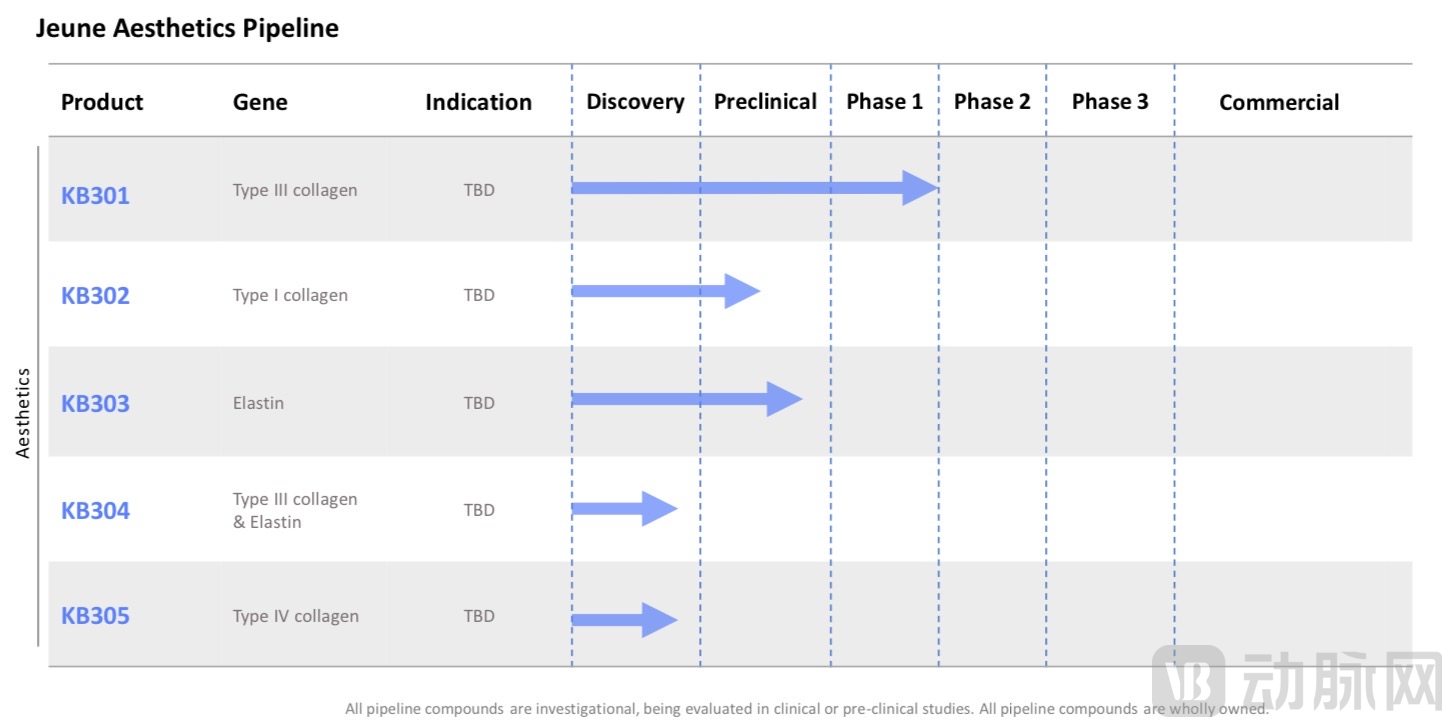
Jeune Aesthetics Pipeline Portfolio
Image source: Krystal
While actively advancing its pipeline R&D and commercialization, Krystal has extended its gene therapy expertise to address skin aging by establishing a wholly-owned subsidiary, Jeune Aesthetics. Leveraging Krystal’s STAR-D delivery platform, Jeune Aesthetics aims to fundamentally reverse and resolve skin aging through innovative skin-regenerative aesthetic therapeutics.
This skin-rejuvenation technology is not merely talk. This year, Jeune Aesthetics initiated Phase I clinical trials for its lead candidate, KB301. KB301 delivers the COL3A1 gene to targeted skin cells, thereby enabling the production of native type III collagen.
As of the end of 2022, Krystal held cash reserves of $383.8 million. Its extensive pipeline portfolio, subsidiaries, and the construction of commercial manufacturing facilities have also resulted in substantial expenditures for Krystal. In 2022, Krystal reported a net loss of $140 million, with research and development expenses amounting to only $42.5 million.
In tandem with substantial capital expenditures, the commercial approval of VYJUVEK™ has driven an increase in Krystal’s market capitalization and secured $160 million in private placement financing. This infusion of capital is expected to sustain Krystal through 2026. Meanwhile, the commercialization of VYJUVEK™ is also poised to generate significant revenue for the company.。Each vial of VYJUVEK™ is priced at $24,250. With an estimated annual usage of 26 vials per patient, the yearly cost amounts to approximately $631,000, which reduces to $485,000 after mandatory U.S. government discounts.
It appears that Krysta has merely followed the traditional expansion path of biotech companies,However, it cannot be overlooked that Krystal Biotech has capitalized on the rapid commercialization wave of gene therapy, securing a First-in-Class approval for a rare dermatological disease.
Back to the present,Amid the capital winter, it seems that no biotech company can replicate Krystal’s growth trajectory. Nevertheless, we can still turn inward, focusing on deepening R&D efforts and persisting in innovation to build differentiated competitive advantages—just as Krystal did by starting with the delivery optimization of its HSV-1 viral vector.