

Domestic GLP-1 Drugmakers Turn to Hanerxi Medical, China's Only Fully IP-Owned Injection Pen Maker, as Market Heats Up
On the afternoon of the 21st, at a venue in Shanghai, Chu Yaoqiang, who had been standing all day, finally sat down to catch his breath.
As the CPHI China exhibition entered its teardown phase, attendees gradually dispersed, and the area around Chu Yaoqiang grew increasingly quiet. Only the occasional sounds of booth dismantling and hushed conversations among staff could be heard from a short distance away.
But soon, the silence around Chu Yaoqiang was broken by a ringing phone—“Hello, this is Chu Yaoqiang from Hanerxi Medical. May I ask who’s calling? … Hello, Mr./Ms. X. Yes, that time works for you to visit our company. You’re welcome!”
Chu Yaoqiang has repeated similar remarks numerous times during the exhibition. Alongside these statements, he has tirelessly explained Hansel’s proprietary patents, introduced its automated production processes, and exchanged business cards and WeChat contacts with wave after wave of attendees—ranging from founders and business heads of API and innovative drug companies to investors and even competitors.
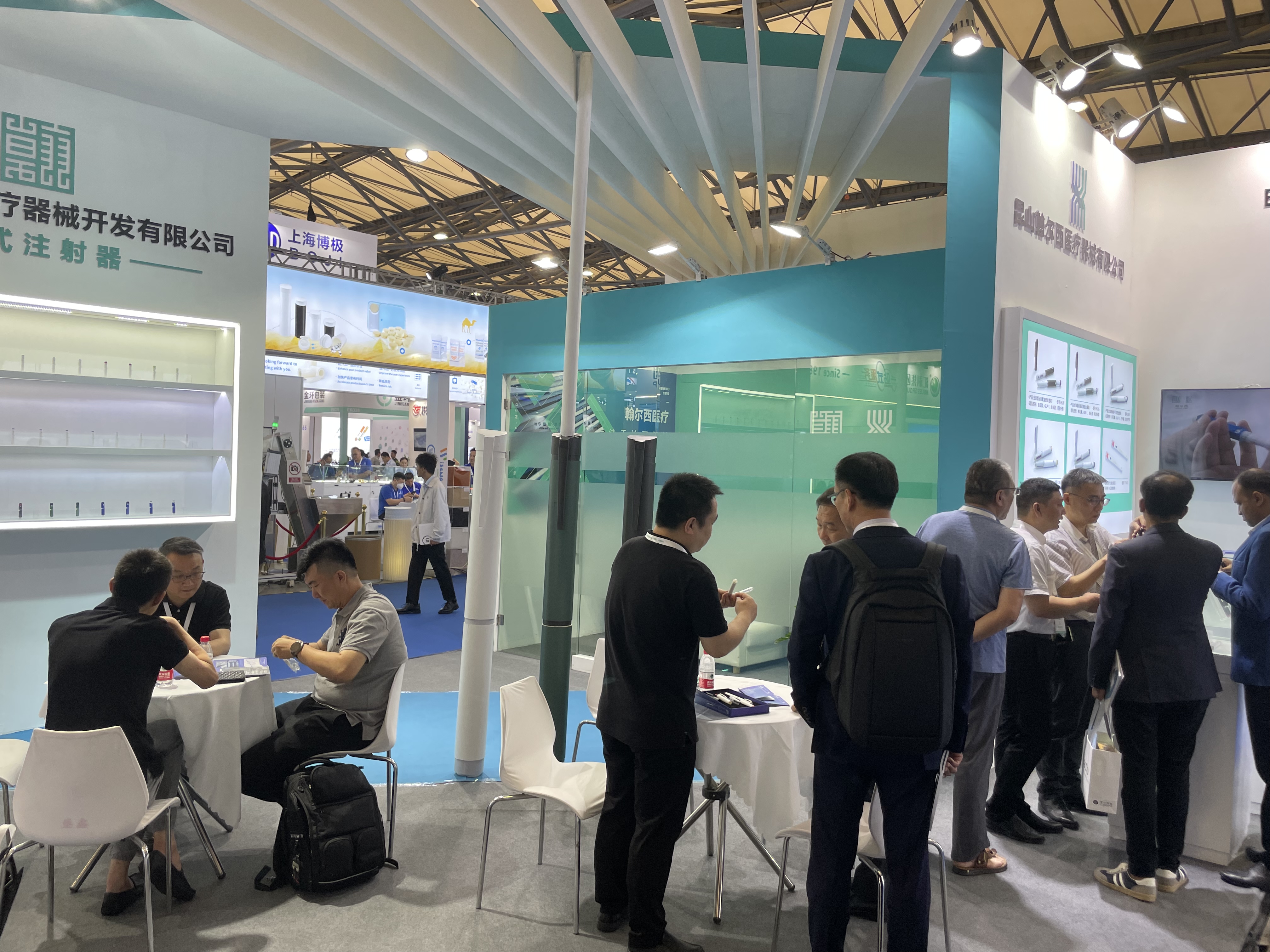
“Our injection pen is currently the only product in China with a complete set of independent intellectual property rights. Our production has been fully automated, with an annual capacity of approximately 24 million units, and it can be expanded indefinitely.”“Chu Yaoqiang, the founder of Hanerxi, spoke with great confidence when he repeated this phrase many times.”
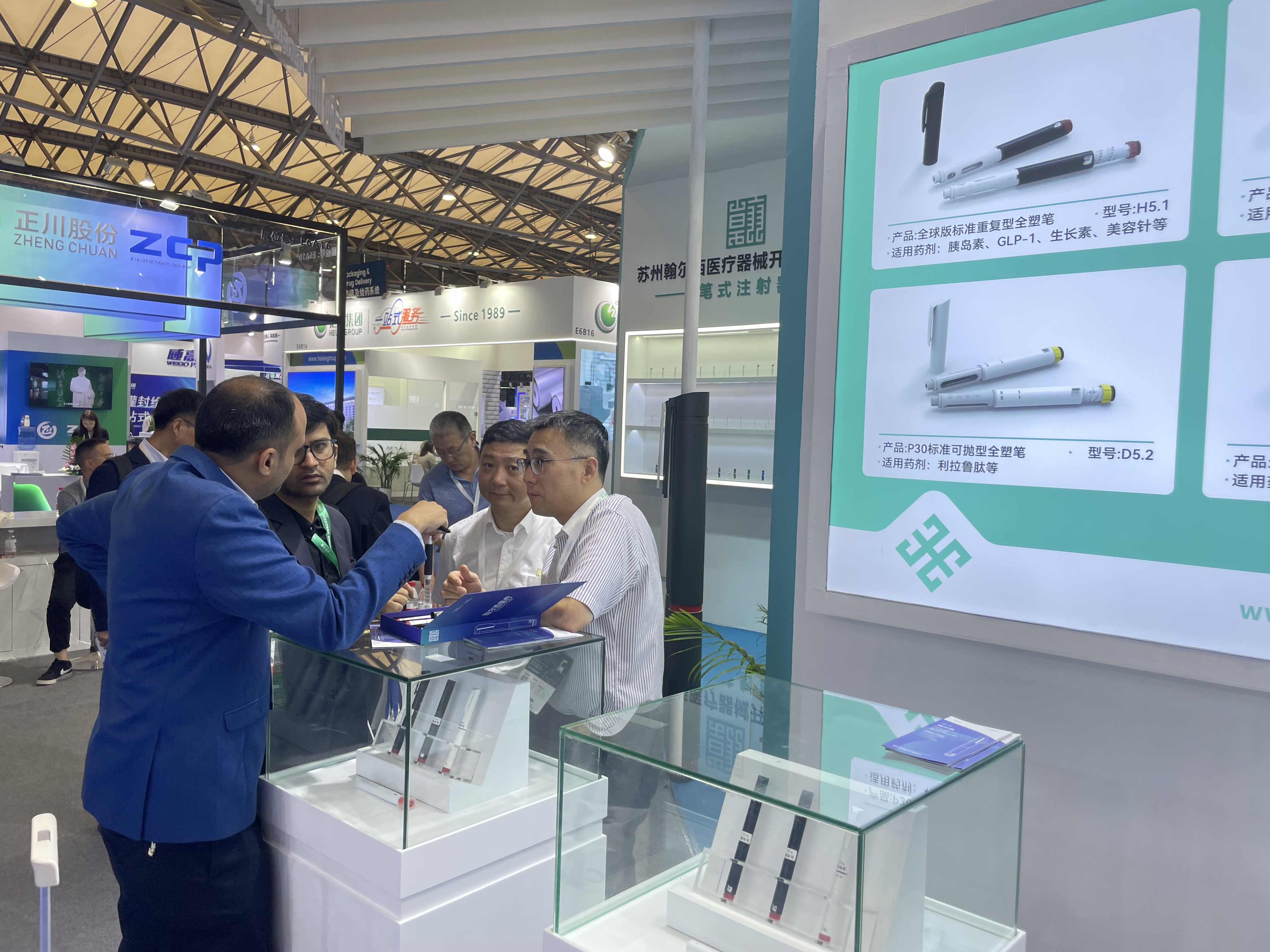
Moreover, the content contained in this statement also allowsHansy’s number of partners increased from over 50 to more than 70, with an addition of over 20 partners in just three days.This is the market’s recognition of Hansi, and also a glimmer of hope for the localization of injection pens.
As early as 2012, Chu Yaoqiang sensed the business opportunities in the injection pen market and began leading his team to conduct market research and initiate R&D efforts.
The reason is that,Injection pens have a wide range of applications. They are not only used for administering medications for chronic diseases, such as insulin, growth hormone, and Gonal-f, but also for delivering interferon, various cell therapies, gene therapies, growth preparations, premium cosmetic injections, and PD-1 inhibitors. These devices enable precise, quantitative injections while offering enhanced safety and convenience.
Taking the administration of medication for chronic diseases—specifically diabetes—as an example, there was already a market demand for injection pens exceeding RMB 10 billion prior to the centralized procurement of insulin. According to data from the International Diabetes Federation (IDF), the prevalence of diabetes is approximately 11.3%, with 30% of patients requiring treatment via injection pens. Based on the price of injection pens at that time, the market size for diabetes drug delivery devices alone was estimated at RMB 12–15 billion.
However, objectively speaking, although the market size exceeded RMB 10 billion, the injection pen market received far less attention then than it does today. According to Chu Yaoqiang, the domestic injection pen market truly “heated up” in early last year. And this May, the injection pen market “caught fire” once again.
As for the underlying reasons, Chu Yaoqiang stated that the surge in demand for injection pens at the beginning of last year was primarily driven by a policy initiative—the launch of China’s national centralized volume-based procurement (VBP) program for insulin in November 2021. According to Chu Yaoqiang, the domestic production rate of insulin supply has currently reached 50%. The VBP program spurred strong demand for insulin, which naturally also boosted market interest in injection pens.
The second wave of enthusiasm in the injection pen market is also attributable to Novo Nordisk, or more specifically, to its “blockbuster weight-loss drug”—semaglutide injection.
In 2022, sales of semaglutide injection reached $11.812 billion, accounting for 47% of Novo Nordisk’s total annual revenue for that year. Notably, 2022 was only the first full year of sales for semaglutide as both a glucose-lowering and weight-loss medication. (Source: Novo Nordisk 2022 Annual Report)
Moreover, sales of semaglutide injection in China reached RMB 2 billion in 2022. This figure represents “RMB 2 billion in unmet market demand,” meaning, in layman’s terms, that the product was completely sold out.
In response, Novo Nordisk stated that it would increase the production capacity of semaglutide. Meanwhile, numerous domestic pharmaceutical companies are also eyeing this lucrative market, initiating strategic preparations to rapidly capture market share when the semaglutide patent expires in 2026.
According to previous media reports, 21 pharmaceutical companies in China, including Livzon Pharmaceutical Group, United Laboratories, Qilu Pharmaceutical, and CSPC Pharmaceutical Group, have initiated research and development on semaglutide. Some of these companies, such as Livzon Pharmaceutical Group, Hangzhou Jiuyuan Gene, and The United Laboratories, have even advanced to the clinical trial stage.
Meanwhile, in the secondary market, driven by Novo Nordisk’s submission in China of a new indication application for semaglutide injection (for weight loss; previously, only the diabetes indication had been approved domestically), shares of semaglutide-related concept stocks in China’s secondary market continued to rise in early June.
However, if drug development is considered the “core business” of pharmaceutical companies, then for the delivery devices of semaglutide, they can only rely on third-party resources. Moreover,Whether it involves insulin or GLP-1-based medications, major pharmaceutical companies face a dilemma in their quest to identify the “ideal partner” for their proprietary products.
The “dilemma” stems primarily from the high concentration of patents for injection pens.This has triggered a chain reaction: the high concentration of patents has led to significant market monopolization by foreign companies. According to Chu Yaoqiang, there are over 1,500 core patents for injection pens, the vast majority of which have been preemptively registered by foreign enterprises. Eli Lilly, Novo Nordisk, and Sanofi collectively account for nearly 80% of the injection pen market share. This monopolistic dominance has resulted in an imbalance of bargaining power, giving rise to various issues such as high costs and limited supply volumes.
Furthermore, YPS, the global leader in injection pens and a contract manufacturer for major international pharmaceutical companies such as Eli Lilly and Sanofi, has its products heavily bundled with those of Eli Lilly and Sanofi, showing limited willingness to collaborate with Chinese pharmaceutical companies.
In other words,In collaborations with foreign injection pen manufacturers, domestic pharmaceutical companies face the dilemma of high costs and low supply volumes. Meanwhile, opting for partnerships with domestic manufacturers of generic pens raises concerns not only about product quality but also about the potential risk of patent infringement associated with large-scale use.
Whether for insulin manufacturers, domestic pharmaceutical companies that have already initiated pipeline development for drugs such as GLP-1 receptor agonists, or other pharmaceutical enterprises, capturing a significant market share—i.e., achieving substantial product volume—is undoubtedly one of their key commercialization objectives. Furthermore, identifying an injection pen with relatively low costs yet guaranteed performance would better align with their needs.
Clearly, neither high-performance but costly and limited-supply foreign injection pens nor cost-effective but infringement-prone domestic generic pens can meet the aforementioned pharmaceutical companies’ needs. What Chinese pharmaceutical companies require is an original-brand injection pen that guarantees performance, ensures production capacity, and offers a cost-effectiveness advantage.
In other words, the originator product has become a breakthrough in helping domestic pharmaceutical companies overcome the dilemma of selecting drug delivery devices.
From the day it decided to develop an injection pen, Hansel never considered imitation.
But looking back on that decision today, Chu Yaoqiang frankly admitted, “I was a bit young and impetuous. Because when you actually do it, you realize that almost every path has already been considered by others and patented. The most difficult part is figuring out how to circumvent these patents.”
——“To be honest, before finding this path, I truly felt there was no hope.”
——“Have you ever considered giving up?”
—“Actually, there were such considerations, but I persevered in light of the agreement made with my co-founder at the inception of our venture.”
——“What was the promise?”
——“No matter what, we had to persevere. Even if the company ran out of funds, we would take up jobs elsewhere, save enough money, and then return to continue our R&D efforts. Fortunately, after six months, we finally saw light at the end of the tunnel.”
The “Dawn” referred to by Chu Yaoqiang isHance’s injection pen, successfully developed in 2017, is currently the only injection pen product in China with a complete set of independent intellectual property rights. Hance commissioned a third-party professional agency to conduct an investigation into the patents for its core products. The results showed that no infringement was found in Hance’s products after comparing them against 1,564 global patents related to injection pen structures, including those held by Novo Nordisk, Eli Lilly, Sanofi, YPS, and OM.
In other words, Hanerxi has found a way to circumvent all patents already registered by overseas companies, thereby establishing its own independent intellectual property rights.
So, apart from the subjective perseverance mentioned earlier, what other factors supported Han Erxi in finding this path?
In Chu Yaoqiang’s view, the reason Hansel was able to overcome numerous obstacles and secure the patent lies in its “tactics.” The “tactics” adopted by Hansel are similar to the “sea-of-questions approach.”
“Before officially launching R&D, we analyzed more than 1,000 existing patents at the time and categorized the core patents for injection pens into three major modules: precision control, transmission, and propulsion. For each module, we convened ten independent teams to conduct parallel R&D efforts. After generating a vast array of design options, we integrated them to ultimately identify a novel approach,” said Chu Yaoqiang.
It is evident that this strategy is underpinned by a substantial R&D team. Hansi’s ability to assemble such a large pool of relevant R&D talent stems from its location in Suzhou, a city with a highly developed manufacturing sector within China. Where industries thrive, talent inevitably congregates; this industrial density has afforded Hansi significant advantages in talent acquisition.
Having reached this point in the article, much of the R&D “story” behind the Hanerxi injection pen has been shared, yet what truly sets the Hanerxi injection pen apart under the support of its proprietary patents has not been formally addressed.
In the interview, Chu Yaoqiang also addressed this question with VCBeat:“In terms of performance, we have achieved parity with overseas injection pens. Furthermore, leveraging our unique flow-interruption technology and dynamic endpoint adjustment technology, the Hanerxi injection pen can be withdrawn just 3–5 seconds after injection completion, whereas overseas products require a dwell time of 6–10 seconds.”
Furthermore, Chu Yaoqiang added:“Do not underestimate the 3-5 second difference; it not only demands a higher level of technical proficiency but also results in markedly different patient experiences.”
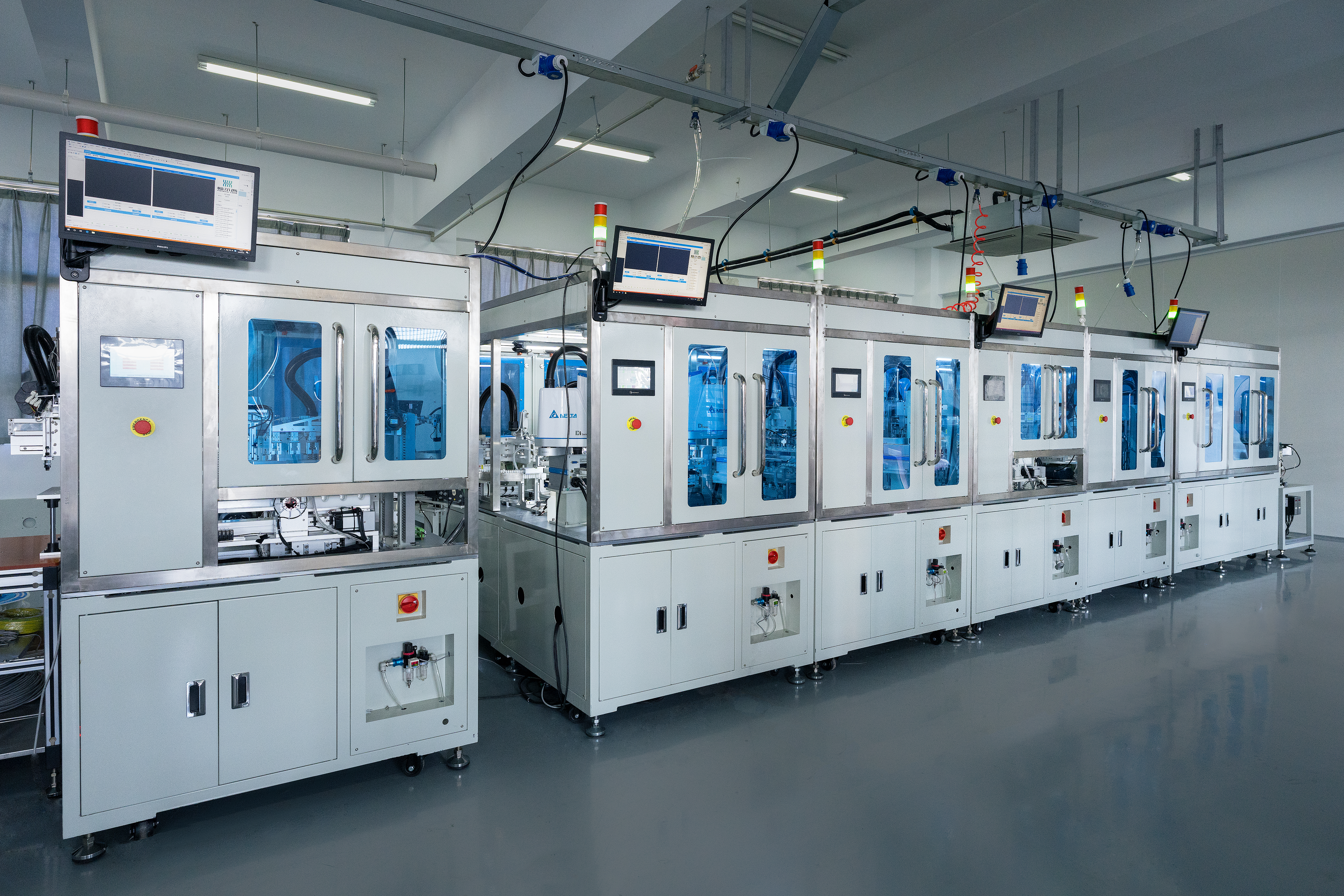
Perhaps it is precisely this persistence and breakthrough along the way that has earned Hansi market recognition, leading to a significant business leap this year—securing close collaborations with four domestically listed pharmaceutical companies. Safeguarding this qualitative leap in Hansi’s business, in addition to its outstanding product performance, is its robust production capacity.
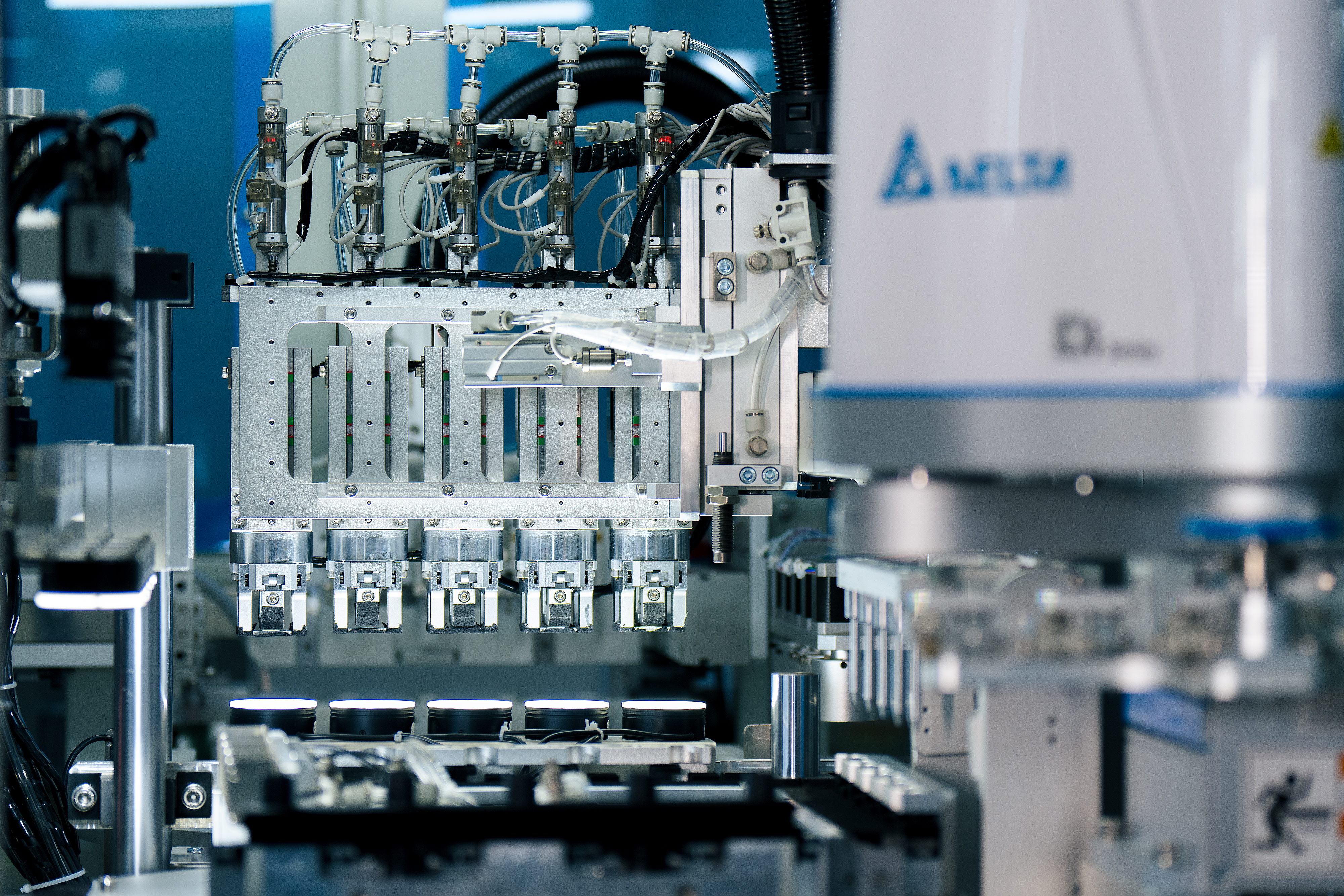
For injection pen manufacturers, production capacity is crucial, as it directly impacts delivery capability. AndHan'erxi spent two years building a fully automated production line, capable of achieving an annual output of 24 million units. Furthermore, Chu Yaoqiang stated, "Based on Han'erxi's automated manufacturing process, its production capacity can more than double every 10 months. Since the process R&D has been completed, the remaining task is simply one of replication."
Hansel’s automated production processes also facilitate superior quality control, as automation demands high consistency among components. This implies that automated equipment performs preliminary screening of parts prior to final assembly, thereby ensuring product quality to a certain extent.
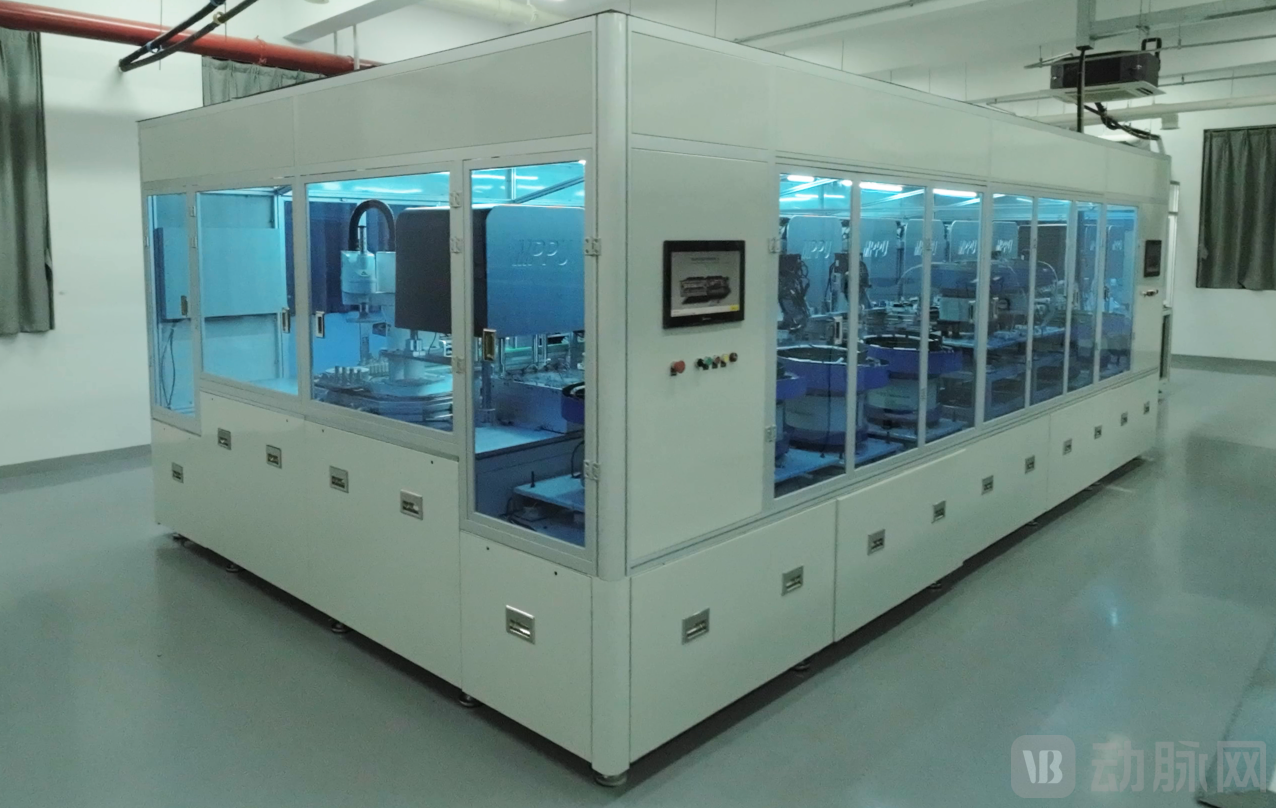
In addition, Hanerxi has ordered a German-made fully automated inspection machine, whose primary function is to monitor variations in key product characteristics. If consistent changes in a specific key characteristic are observed across a batch of products, the problematic process step must be identified through reverse analysis based on the nature of the variation, and timely adjustments must be made.
Regarding cost-effectiveness, Chu Yaoqiang candidly stated, “By leveraging advantages in automated production and process design, Hansel has minimized costs while maintaining equivalent performance. This paves the way for Hansel to become a leading domestic manufacturer of injection pens, as the company will firmly secure its advantages in product quality, patents, production, and even cost.”
It should be noted that, for the sake of narrative convenience, Hansi was previously categorized as a syringe R&D and manufacturing enterprise; however, in reality,Hansy is a company focused on the research, development, and production of drug delivery devices; syringes are merely its “lead-generation” products.
ButFor its “traffic-driving” products, Hanerxi has also established a comprehensive product pipeline, comprising standard, customized, and digital categories. Among these, its standard syringes are already suitable for the injection of nine classes of drugs, covering nearly all drug types on the market that require syringe-based administration.In the customized product category, Hanerxi has also partnered with select pharmaceutical companies to meet their personalized needs for drug delivery devices.
As for digital syringes, they are one of the development trends in drug delivery devices in Chu Yaoqiang’s view.In his view, the nascent trends in personal digital healthcare are already emerging and becoming increasingly clear. Coupled with the growing trend toward IoT-enabled management of injection devices, syringes will inevitably evolve into digital versions to achieve precise chronic disease management. In line with these industry developments, Hansi has already strategically laid out its related product pipeline.
Furthermore, at the end of the interview,Chu Yaoqiang specifically emphasized that Hanerxi is not a company focused solely on the research, development, and manufacturing of syringes, but rather one dedicated to the entire drug delivery device sector. Consequently, in addition to its syringe product pipeline, Hanerxi has established a dry powder inhalation device product line and is currently developing another pipeline for water-powder mixing inhalation devices.
“For drug delivery device manufacturers, it is also essential to keep abreast of pharmaceutical developments, clearly understand the optimal route of administration for a given drug, and assess whether they possess innovative technologies that can empower the iterative upgrading of new drug delivery methods,” said Chu Yaoqiang. “However, frankly speaking, Hansi already enjoys a significant first-mover advantage.”