

Evergreen Therapeutics Files for IPO: Leveraging AI as a 'Rifle' to Hunt Innovative Drugs
Editor’s Note: This article is from the Drug Hunter Club, and VCBeat has obtained authorization to repost it.
Foreword
AI Drug Discovery Once Again Takes Center Stage. Major multinational pharmaceutical corporations (MNCs) are actively endorsing this trend, underscoring its intense momentum. For instance, Eli Lilly’s CEO recently stated that AI could disrupt the entire industry, while Sanofi directly announced the next step in its company-wide digital transformation, going “all in” on artificial intelligence and data science with the expectation of achieving breakthroughs in accelerating innovative drug development.
Overseas regulatory agencies have also begun to recognize the application potential of AI in pharmaceutical R&D, such asIn 2022, the FDA received more than 180 IND/NDA submissions related to the use of AI in clinical trial design.
This trend has long since reached China, yet few domestic pharmaceutical companies have taken the lead. Recognizing the prolonged gap in AI-driven clinical development within China, serial entrepreneur Du Tao focused his third venture on the AI drug discovery sector, founding Egret Therapeutics in 2019.
The founding team of Aegle Pharmaceuticals is also somewhat unique, possessing many years of experience in the pharmaceutical industry, with several members having previously served as FDA reviewers, thereby bringing extensive familiarity with drug development and regulatory affairs.Foster synergy between the AI team and the medical and regulatory teams.
In just three years, Aeglea Therapeutics has developed a pipeline of 10 drug candidates, five of which have received FDA approval for clinical trials, positioning it as a leader among China’s AI-driven pharmaceutical companies. Additionally, the company recently announced a strategic partnership with Boji Medicine, a well-established CRO, to enhance AI-enabled design of new drug clinical trials.
When AI Meets Drug Development: Founder Du Tao Explains How Egrin Pharma Wields the “AI Gun” to Achieve Efficient Development and Secure More “Prey”—Innovative Drugs.
Interview Summary
Q1:Please provide a brief overview of the company’s basic profile, including its establishment date, location, team composition, core business layout, and product pipeline.
Dr. Du Tao:Eglin was established in September 2019 and has since grown into a three-and-a-half-year-old company. At its inception, the company’s core technical team consisted of five former FDA reviewers. In addition to their FDA background, the three co-founders bring diverse expertise in preclinical drug toxicology, Chemistry, Manufacturing, and Controls (CMC), and clinical development, respectively. Furthermore, all three co-founders left the FDA in or before 2000, meaning that alongside their regulatory experience, they each possess over two decades of experience in the pharmaceutical industry. Since then, we have recruited additional technical professionals with experience in multinational pharmaceutical companies, forming our company’s core team.
Since its inception, several core principles have consistently guided the company’s development.
First, we do not chase hot trends but instead focus on clinical needs, emphasizing the development of candidate drugs with significant clinical demand.For instance, the company currently has two AI-developed innovative drugs: EG-301 for the treatment of dry age-related macular degeneration (AMD), and EG-101 for the treatment of preeclampsia during pregnancy. Both drugs target conditions that currently lack effective treatments worldwide. Although initial research faced certain challenges, the path has become smoother as clinical development has progressed. Second, the company emphasizes efficient development and prioritizes time cost. Third, as a biotech firm, it aims to generate revenue at an early stage and build self-sustaining capabilities.
Furthermore, we place significant emphasis on the internationalization of our products. Since the inception of development, we have focused on global patent landscaping for all products under research and development. To date, we have filed 36 patent applications, 20 of which have been granted.
Currently, the progress of our pipeline is also proceeding smoothly,Over the past three years, 10 drug pipelines have been developed, primarily focusing on ophthalmology, vascular diseases, and autoimmune disorders, among which five candidate drugs have received FDA clinical trial approvals.Including two Phase I clinical trial approvals, two Phase II approvals, and one Phase III approval.
Q2:We understand that prior to founding Eglin, you had already embarked on two entrepreneurial ventures. As a “serial entrepreneur,” what motivated you to choose the “AI-driven drug discovery” sector for your latest startup, with a specific focus on “AI-enabled clinical development of innovative drugs”? What challenges have you encountered in this venture compared to your previous ones?
Dr. Du Tao:In fact, all members of our founding team are seasoned drug development professionals. Initially, we intended to follow the conventional path. However, in 2020, less than six months after the company’s establishment, we observed that major pharmaceutical companies were expanding their AI teams. Through further investigation, we found that many pharmaceutical enterprises had adopted the application of AI technology in new drug R&D as a key strategic objective. This shift is driven by the fact that traditional drug development methods are becoming increasingly time-consuming and costly, while success rates continue to decline. Consequently, the industry has begun to question how long such traditional approaches can remain sustainable in the future.
Meanwhile, the clinical application of AI has advanced significantly abroad, whereas in China, information bottlenecks caused by the pandemic have resulted in few researchers utilizing AI technologies for clinical studies.At the time, although China already had 60 to 70 AI-driven pharmaceutical companies, those applying AI technology in clinical settings were exceedingly rare. Yet, clinical research for new drugs is the most costly, time-consuming phase and the stage most prone to causing R&D failures. Therefore, as AI technology continued to mature, we focused our AI efforts on clinical trial design and clinical research.
Our U.S. branch has been closely monitoring the application of AI. Over the past three years of pandemic response, while most Chinese AI-driven pharmaceutical companies focused on molecular and target research, we had already established a strong foothold in the development end, including clinical trial design, clinical research, and clinical applications.Therefore, our AI’s clinical capabilities have continued to evolve. It took nearly two years for the first drug to obtain FDA approval to enter clinical trials, whereas the second drug required only six months.
Q3:Eglin focuses on the R&D of “FID” drugs. Taking EG-101 as an example, it is the world’s first Me-Only new molecular entity developed using AI technology for the treatment of preeclampsia. What were the primary factors considered by the company at the inception of this project?
Dr. Du Tao:The concept of “First-in-Disease” (FID) refers to the development of drugs for diseases that currently have no available treatments. FID signifies, first, a substantial unmet clinical need; second, as the drug serves as the first-line therapy, patient recruitment during clinical development is relatively easier; and third, from a commercial perspective, it is more readily recognized by both the medical and pharmaceutical industries, facilitating strategic collaborations with large multinational pharmaceutical companies.
In fact, at the inception of any project within our portfolio, we conduct a commercial assessment, which primarily hinges on three key factors:
1. Market Size,Namely, the scale of future expenditures that the market can allocate to this drug;
Second, are there any competing products?The fewer the competing products, the greater the clinical value;
3. Development Difficulty,Products with excessive development complexity are beyond the capabilities of typical biotech companies.
In the absence of AI technology, development was indeed extremely challenging due to a lack of detailed knowledge about many specific aspects of certain diseases. With the adoption of AI technology, many clinical designs that were previously difficult to implement will become much easier.
Q4:Eglin recently signed a strategic clinical R&D agreement with Boji Medicine to introduce its “Miaowu AI” platform into new drug clinical trials in China. What do you believe is the significance of this strategic partnership for domestic clinical CROs? And what does it mean for Eglin?
Dr. Tao Du:Boji Medicine is a well-established, publicly listed CRO in China, boasting robust one-stop service capabilities and extensive experience conducting clinical trials across numerous therapeutic areas. We have partnered with them to jointly develop complex clinical trials, with the core objective of accelerating drug development.
For example, clinical development in China has historically followed a “follow-on” approach, commonly known as “following.” For instance, if multiple lipid-lowering drugs have already been approved, and I also intend to develop a lipid-lowering drug, I would design my clinical trials by referencing the trial designs of those existing agents. Consequently, this approach does not pose significant conceptual challenges in clinical trial design.
However, the R&D capabilities of China’s pharmaceutical industry have now entered a new stage. Developing novel drugs with entirely new targets or indications is akin to designing from scratch. In this context, the application of AI provides substantial support for the design of clinical trials for such novel therapeutics. By leveraging gene analysis and disease mapping, among other approaches, AI helps render the design of these innovative clinical trials more rational and robust.
This represents the win-win aspect of our collaboration with Boji. We possess both efficient clinical trial design capabilities and regulatory expertise that facilitates effective communication with regulatory authorities. These strengths enable us to provide valuable support to Boji; in turn, Boji’s clinical experience and operational execution capabilities help us further validate our AI-assisted clinical trial designs, thereby enhancing our AI-driven clinical capabilities.
Q5:As a pioneer in “AI-empowered clinical development of innovative drugs” in China, how does Egret Labs differ from other pharmaceutical innovation companies in terms of the composition and requirements of its R&D personnel? What is the current supply situation of AI-enabled pharmaceutical R&D talent in China?
Dr. Du Tao:In fact, when we first began using AI for clinical development, we faced significant challenges—specifically, a lack of personnel. There was a shortage of domestic talent in this field, so we had to recruit AI professionals from abroad through headhunters, amid fierce competition for talent.
As the pandemic has ended, overseas scientists with AI backgrounds have been returning to China in succession. Meanwhile, domestic technical professionals have gradually mastered certain AI technologies through years of education and practice. Consequently, it is now significantly easier to recruit AI talent in China than it was in the past.
Q6:How Can AI Talent Integrate with Pharmaceutical Teams? What Experiences Can Be Shared?
Dr. Du Tao:Initially, we had no answer as to how AI could be integrated with pharmaceutical technology, which is why it took approximately two years for the first drug utilizing AI technology to receive FDA approval for clinical use.
We currently believe that the clinical application of AI technology must be driven by pharmaceutical scientists who identify the problems, which are then addressed in collaboration with AI scientists. AI serves as a tool, and its ultimate value is realized through the development of a new drug.For Eglin's team,Our prey is medicine, and AI is our gun. How to make good use of this gun to hit more prey is the overall mission of our team.
Following the addition of a cohort of AI talent to Eglin, although they lacked expertise in pharmaceuticals, their profound understanding of AI significantly aided our efforts. In turn, our pharmaceutical insights broadened the horizons of the AI team. Pharmaceutical and regulatory experts further facilitated their comprehension, enabling the design of more scientific and rational AI algorithms.
In the process of integrating AI and medical teams, we also took some detours. Initially, we sought to leverage the capabilities of a CRO with AI expertise, but ultimately found that they could not provide the necessary support. The underlying reason was that their core team consisted solely of AI professionals, leaving them significantly ill-equipped to address deeper clinical issues.
We ultimately concluded that the factors contributing to the success of AI-driven drug development includeThree Elements, in addition to the use of AI technology, it also requires the participation of medical professionals in the development of AI platforms and clinical stages, as well as integrating the experience of regulatory teams to complete approval and evaluation by regulatory agencies,AI, Medicine, and Regulations All three aspects are indispensable.
Currently, Eglin has essentially completed the integration of its cross-disciplinary medical, regulatory, and AI teams.Currently, two-thirds of our team members are based in China, while one-third are located abroad.
Q7:Where do you think China’s AI-driven drug discovery currently stands? What are the primary gaps between domestic and international efforts? What vision do you have for its future?
Dr. Du Tao:AI first entered China in the field of drug discovery, including molecular design and the study of molecule-target interactions. However, during the pandemic, domestic applications expanded from early-stage molecular discovery and design to encompass pharmacology, toxicology, and clinical development. Regrettably, over the past three years of the COVID-19 pandemic, due to disruptions in the flow of information between China and the global community, many Chinese AI-driven pharmaceutical companies have remained predominantly focused on front-end target identification and molecular design. In contrast, Aiglin is undeniably at the forefront domestically in applying AI to clinical development, having successfully developed its own two innovative drugs.
In the future, I personally believe that AI, medicine, and regulations in China will become more closely integrated. Currently, many AI-driven medical companies are predominantly staffed by AI scientists, lacking sufficient medical and regulatory professionals. Secondly, China’s AI pharmaceutical industry must shift its focus from early-stage molecular discovery and drug design to later-stage clinical trials, achieving an end-to-end workflow. This process relies on integrated teams comprising early-stage AI chemists, mid-stage AI pharmacologists and toxicologists, as well as late-stage AI clinical and regulatory experts.
Interviewee Profile
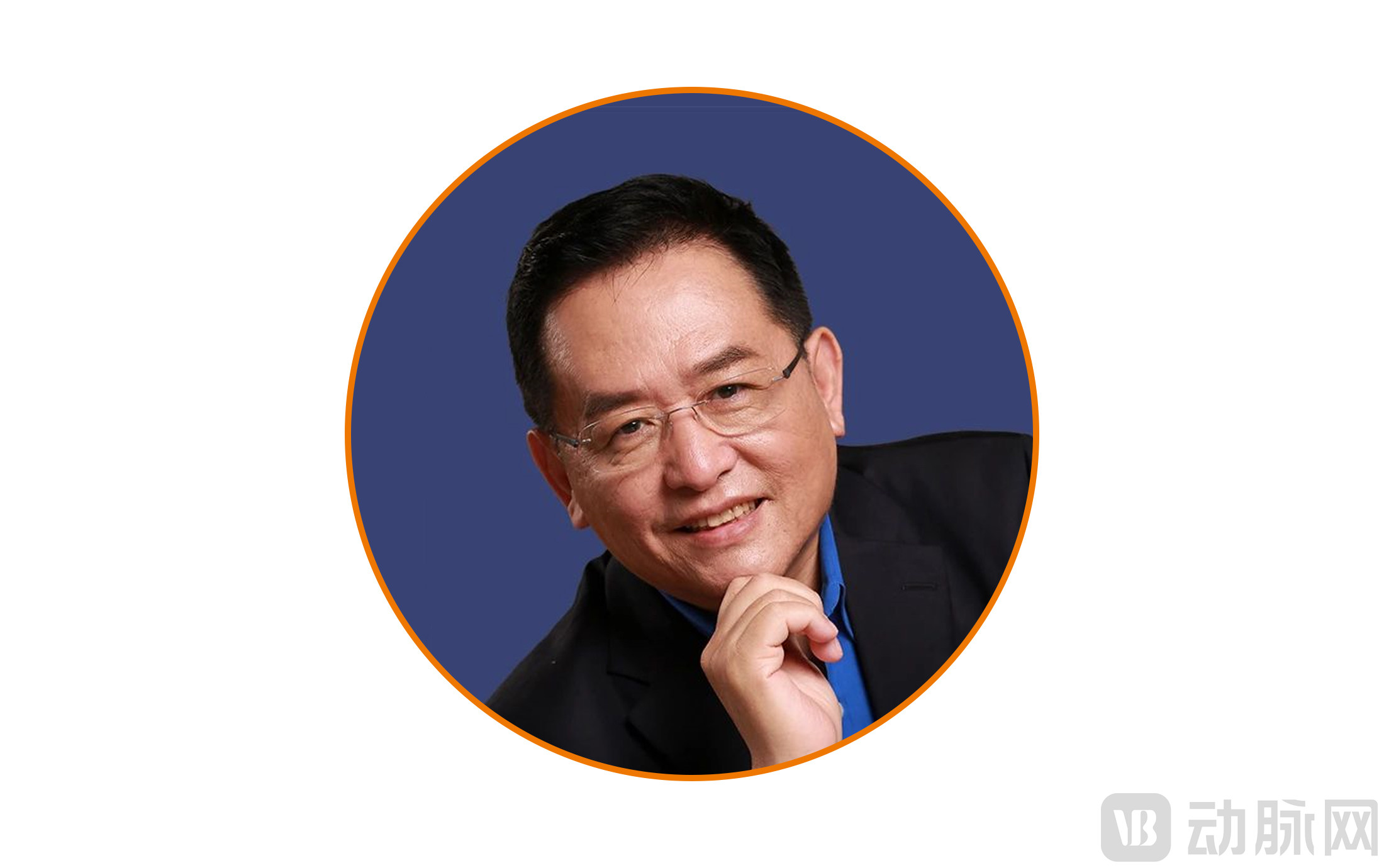
Du Tao
Founder and Chairman of Eglin Pharmaceuticals
Ph.D. in Pathology from McGill University, Canada; Postdoctoral Fellow at Harvard Medical School, USA. Served as a New Drug Reviewer at the U.S. FDA for seven years starting in 1994.
After leaving the FDA in late 2000, he successively served as Director of Regulatory Affairs at UnitedHealth Group and Senior Director of Clinical and Regulatory Affairs at Hutchison MediPharma. Subsequently, he assumed the roles of CEO and Chief Pharmaceutical Development Consultant at Humphrey Pharma Consulting Co., Ltd., where he led a multidisciplinary new drug development team comprising members from diverse countries, cultural backgrounds, and professional specialties, successfully completing over 100 new drug development and regulatory submission projects.
Visiting Professor at Peking Union Medical College, President of the FDA Experts Society, Chairman of the Tongxieyi Elite Club, and Designate Chair of the International Regulatory Special Committee of the China Pharmaceutical Innovation Promotion Association.
About Eglin Pharma
Aeglea Pharma is an international innovative pharmaceutical company with “end-to-end” AI as its core technology. Founded in 2019, the company maintains offices and laboratories in both Shenzhen, China, and Maryland, USA, and boasts a top-tier integrated team of experts spanning the entire spectrum from early-stage drug discovery to late-stage clinical research. As an AI-driven biopharmaceutical enterprise with extensive clinical experience and a strong background in international regulatory affairs, Aeglea remains committed to AI-powered drug pipeline development, prioritizing the treatment of conditions with urgent unmet clinical needs and focusing on the development of first-in-class (“Me-Only”) therapies. Currently, Aeglea owns ten proprietary product pipelines, half of which have advanced to Phase II/III clinical trials, and has filed more than 30 patent applications covering major global pharmaceutical markets, including China, the United States, Europe, and Japan.
Meanwhile, Eglin has established a dual-business model in which proprietary pipeline R&D and artificial intelligence services advance side by side. On one hand, the company focuses exclusively on developing differentiated “proprietary” innovative drugs in the fields of ophthalmology, vascular diseases, and immunology. In other therapeutic areas, leveraging its “self-developed” artificial intelligence (AI) technologies and international pharmaceutical regulatory affairs capabilities, Eglin provides high-end customized services to other domestic pharmaceutical companies, including biosystems analysis, clinical phenotype analysis, and optimal regulatory submission pathway planning. By integrating AI technologies with efficient “dry-and-wet lab” validation in its laboratories, Eglin optimizes indication selection, biomarker screening, patient enrollment criteria, and global clinical development plans, thereby significantly enhancing clients’ drug development efficiency and success rates.
Official Website:https://www.egpharm.com/
About the Drug Hunter Club
The Drug Hunters Club is a non-profit professional organization co-founded by founding partners of leading Chinese venture capital firms, entrepreneurs, and scientists. It was established on November 5, 2021, in Zhangjiang “Pharma Valley,” Shanghai. Guided by our original aspiration to serve as “a source of inspiration for pharmaceutical professionals,” and adhering to the principles of “innovation, communication, and sharing,” we cultivate a relaxed, enjoyable, free, and open artistic and cultural atmosphere. We organize and curate thematic activities designed to spark ideas and foster innovation, bringing together like-minded new drug R&D entrepreneurs, investors, researchers, and industry elites to share experiences and resources. By hunting for information and capturing insights, we provide a home for the genuine expertise and profound perspectives of pharmaceutical professionals.