

Henlius' H Drug Is Just the Beginning: Building an Innovation Portfolio Grounded in Real Clinical Needs — Interview with Dr. Zhu Jun

Henlius
Innovative Biopharmaceutical Company
At the recently concluded ASCO, Shanghai Henlius Biotech, Inc. made another appearance, presenting the latest clinical data from five studies on multiple products, including the anti-PD-1 monoclonal antibody HANSIZHUANG® (HLX03), the anti-EGFR monoclonal antibody HLX07, the BRAF V600E small-molecule inhibitor HLX208, and the anti-LAG-3 monoclonal antibody HLX26.
The ASCO Annual Meeting holds an irreplaceable and unique significance for scientists, entrepreneurs, physicians, and investors. Presenting research findings at this conference serves as a testament to the innovative prowess of Chinese companies.For three consecutive years at ASCO, Shanghai Henlius Biotech, Inc., which initially built its reputation on biosimilars, has demonstrated further progress in the development of innovative drugs.
Meanwhile, five marketed products continue to generate cash flow for Henlius. The company’s first innovative drug, H Drug Hansizhuang® (serplulimab), achieved RMB 589 million in revenue during its first year on the market and recorded monthly sales exceeding RMB 100 million in China for the first time this March. It has also expanded treatment options into the “uncharted territory” of small cell lung cancer (SCLC), becoming the world’s first anti-PD-1 monoclonal antibody approved for first-line treatment of SCLC.
Recently, VBInsight interviewed Zhu Jun, President and Chief Financial Officer of Henlius.Jun Zhu joined Shanghai Henlius Biotech, Inc. in January 2021 and currently oversees the management of R&D, clinical development, business development (BD), and selected functional departments. A former attending physician in the Department of Internal Medicine at Huashan Hospital affiliated with Fudan University in Shanghai, Mr. Zhu has accumulated over 20 years of experience in the biopharmaceutical industry. During this period, he has collaborated with more than 70 domestic pharmaceutical and biotechnology companies and led the design and execution of over 100 clinical trials. From commercialization pathways and clinical advantages to forward-looking pipeline and research strategies, Mr. Zhu has provided a comprehensive overview of Henlius’s innovation landscape.
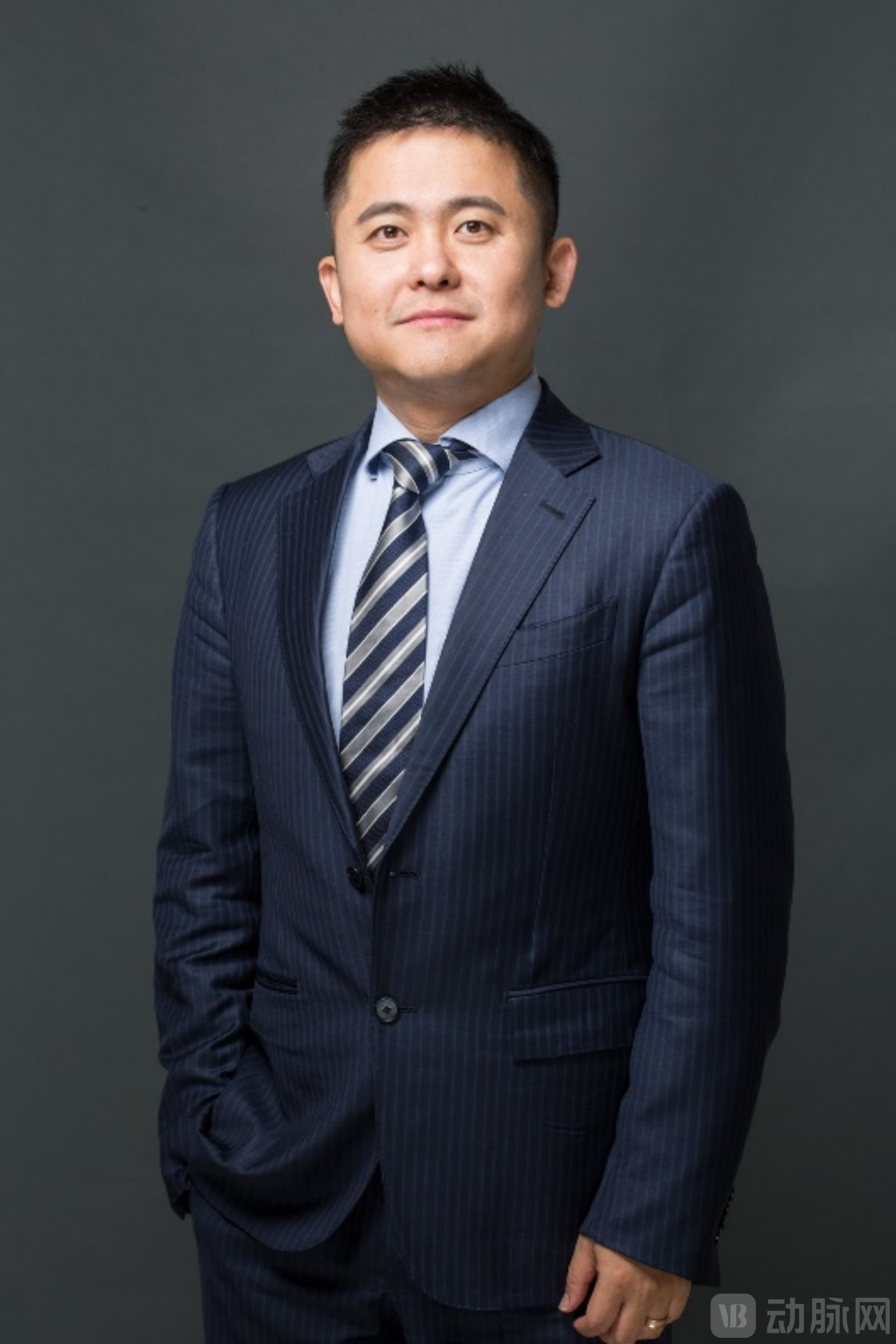
Zhu Jun, President and Chief Financial Officer of Henlius. Photo provided by the interviewee.
Refining Innovative Core Competencies: Drug H Is Just the Beginning
Amid the market saturation of PD-1 inhibitors, Henlius’s PD-1 has managed to break through rapidly and achieve successful commercialization. This confidence stems from Henlius’s top-level strategic design and is ultimately realized through product execution at the operational level.
Drug H was successfully launched in China in March 2022. It has currently received approval for three indications: microsatellite instability-high (MSI-H) solid tumors, squamous non-small cell lung cancer (sqNSCLC), and extensive-stage small cell lung cancer (ES-SCLC). Sales reached RMB 339.1 million within the first nine months post-launch, and domestic sales revenue amounted to approximately RMB 249.8 million in the first quarter of 2023, with full-year sales expected to surpass RMB 1 billion. This surging momentum is underpinned by robust clinical data.
Zhu Jun stated, “As the first anti-PD-1 monoclonal antibody approved globally for first-line treatment of small cell lung cancer (SCLC), H Drug has secured a market share in SCLC that can no longer be overlooked. Ultimately, our data are sufficiently compelling, with an overall survival (OS) of 15.8 months, setting a new record for OS in first-line SCLC.”
Small cell lung cancer (SCLC) has long been regarded as the most aggressive subtype of lung cancer, characterized by rapid progression and a high propensity for recurrence and metastasis. Previously, combination regimens incorporating anti-PD-L1 monoclonal antibodies failed to significantly extend survival compared with chemotherapy alone. Meanwhile, several anti-PD-1 monoclonal antibody products have consecutively failed in this indication. “This has made Drug H an immediate market leader upon its approval for the SCLC indication.”
Not only does it possess differentiated competitive advantages in indications, but Shanghai Henlius Biotech, Inc. also distinguished itself in process development and quality control during its early years of cultivating biosimilars, accumulating extensive clinical resources and operational expertise. Today, Henlius boasts a CMC platform aligned with global standards, along with focused promotion capabilities and clinical execution strengths, enabling rapid patient enrollment in clinical trials worldwide.
The two approved indications for Drug H, squamous non-small cell lung cancer (sqNSCLC) and extensive-stage small cell lung cancer (ES-SCLC), are both based on results from international multicenter clinical trials. The registration trial data for the latter were first presented orally at the 2022 ASCO Annual Meeting, with the full paper published in JAMA, a top-tier global journal (Impact Factor: 157.3). Global clinical operations have also paved the way for Drug H’s international expansion. Earlier this year, the European Medicines Agency accepted its marketing authorization application in the EU, and the company plans to submit a marketing application for the product in the United States in 2024. “Drug H is clearly not a PD-1 inhibitor targeted solely at the domestic market.”
According to Zhu Jun, with the anticipated approval of HLX11 (a pertuzumab biosimilar), HLX14 (a denosumab biosimilar), and HLX04-O (an anti-VEGF monoclonal antibody), which are currently in Phase III clinical trials, Shanghai Henlius Biotech, Inc. will have eight marketed products in the future, comprising six biosimilars and two innovative drugs. In addition to H Drug, HLX11, HLX14, and HLX04-O are also expected to enter mainstream international biopharmaceutical markets. In the subsequent pipeline, HLX07, the BRAF V600E small-molecule inhibitor HLX208, and the HLX22 monoclonal antibody injection have already entered Phase II clinical studies.
The product data presented at ASCO offers a glimpse into Henlius’s pipeline of “next-generation leading compounds.” HLX07 is an independently developed, recombinant, humanized, innovative modified monoclonal antibody injection targeting EGFR. The Phase II study results of HLX07 as monotherapy or in combination regimens for patients with locally advanced, unresectable, or metastatic esophageal squamous cell carcinoma were selected for poster presentation at the ASCO Annual Meeting. The data demonstrated that HLX07 exhibits favorable anti-tumor activity and a manageable safety profile in patients with advanced esophageal squamous cell carcinoma.
HLX07 is currently undergoing Phase II clinical trials for the indication of nasopharyngeal carcinoma, as well as research for head and neck squamous cell carcinoma and lung cancer indications. If progress goes smoothly, HLX07 will face an extremely broad market space.
The success of Drug H is just the beginning for Shanghai Henlius Biotech, Inc.
Targeting Real Clinical Needs, Venturing into Uncharted Waters
For innovative, globally oriented pharmaceutical companies, clinical project initiation represents both a critical and scarce core competency. Unlike the straightforward, template-driven approach characteristic of biosimilar development, the initiation of innovative drug projects entails high risks and substantial investment. Truly first-in-class early-stage programs, yet to be validated, may face skepticism due to insufficient data, hindering their smooth advancement. In contrast, focusing on well-validated popular targets and their associated indications offers a more “risk-controllable” strategy.
However, excessive concentration of investment in known hot targets and indications often leads to the problem of deferred risks, and may even make it difficult to identify appropriate strategies for clinical development. Furthermore, a large number of homogeneous products have resulted in the waste of clinical resources without delivering tangible benefits to patients, thereby creating “false clinical needs.”
Identifying genuine unmet needs and exercising prudence in project initiation are key principles for Shanghai Henlius Biotech, Inc. in developing innovative drugs.
“Clinical needs should not originate from scientists, but rather from physicians and patients. We have spent considerable time working alongside frontline healthcare professionals, because many needs identified through desk research often fail to truly address unmet patient needs when brought to the bedside, offering only marginal benefit at best,” said Zhu Jun. “Project initiation is the slowest step in Henlius’s entire process, as the company maintains a very rigorous project approval mechanism. For internal project initiation, we must identify clear pain points and conduct cross-validation.”
Taking HLX22 monoclonal antibody injection as an example, it is a humanized IgG1 monoclonal antibody injection developed against the HER2 target. HER2 inhibitors have been extensively validated in clinical practice for breast cancer; however, there remains a significant population of HER2-positive gastric cancer patients, particularly in China. Chinese patients account for 44.1% of the global gastric cancer burden, with a HER2 positivity rate of 8.8%. The Henlius team identified the potential of HLX22 in gastric cancer treatment through PDX data. Currently, a Phase II clinical study has been successfully initiated to evaluate HLX22 in combination with Hanquyou® (trastuzumab) as first-line therapy for patients with HER2-positive locally advanced or metastatic gastric cancer, and the first patient in China has been dosed.
“When we initiate a project, we clearly define the target product profile. This sets a very high bar: our research must not only meet the requirements for an Investigational New Drug (IND) application but also ensure that the product will maintain significant competitive advantages three to five years down the line, thereby delivering tangible benefits to patients.”
Although the cooling sentiment toward innovative drugs may have a certain negative impact on current corporate financing and market performance, this phenomenon also presents opportunities for the industry. In the face of these challenges, companies will need to reevaluate their R&D strategies and place greater emphasis on developing truly innovative drugs that address unmet clinical needs. Zhu Jun believes that this shift will accelerate the industry’s transition toward genuine innovation, delivering greater potential returns and competitive advantages while providing patients with more valuable and breakthrough therapeutic options.
“Approximately 40% of pharmaceutical companies in the United States focus on oncology, whereas around 80% of such companies in China are dedicated to this field. However, we have observed that a growing number of Chinese enterprises are expanding into areas such as autoimmune diseases, respiratory conditions, chronic disease and pain management, and even neurological disorders. This is a positive trend.”
Like many domestic pharmaceutical companies, Henlius initially targeted oncology. However, given the numerous areas in China with unmet medical needs and a severe shortage of effective therapies, Henlius has begun to venture into “deep waters” by initiating research projects in the field of complex chronic diseases to identify strategic entry points.
“The deeper we venture into uncharted waters, the more robust our biological research must be, employing diverse models for preclinical validation. Our principle in tackling chronic diseases is to pursue multiple objectives simultaneously: we aim not only to alleviate symptoms but also to extend survival, among other goals.”
Innovative drug development is inherently scientific; low-level, redundant competition harms industry growth. Most companies may fail to survive, investors will struggle to achieve profitability, and the likelihood of establishing a virtuous cycle is slim. This drives up costs across the entire sector and hinders innovation. While unmet medical needs always exist, identifying these needs and determining how to address them has become a contest in deep waters.
Leveraging its in-house R&D innovation capabilities and external collaborations, Henlius is accelerating the momentum of its innovative drug development flywheel. We believe that on the biopharma stage, Henlius’s scale, internationalization, and sustained profitability will secure it a prominent position.