

Poloding Biotech Files IPO Prospectus: Pioneering Affordable and Efficient Cell-Free Protein Expression Platforms
Proteins are among the most critical molecules in living organisms, performing an exceptionally broad range of functions and roles. Traditionally, researchers have relied on cellular expression systems to produce proteins of interest for in-depth study. However, constrained by factors such as cell growth, maintenance, and contamination, cellular expression systems face certain bottlenecks and challenges, particularly in the areas of high-throughput production and customized protein synthesis.
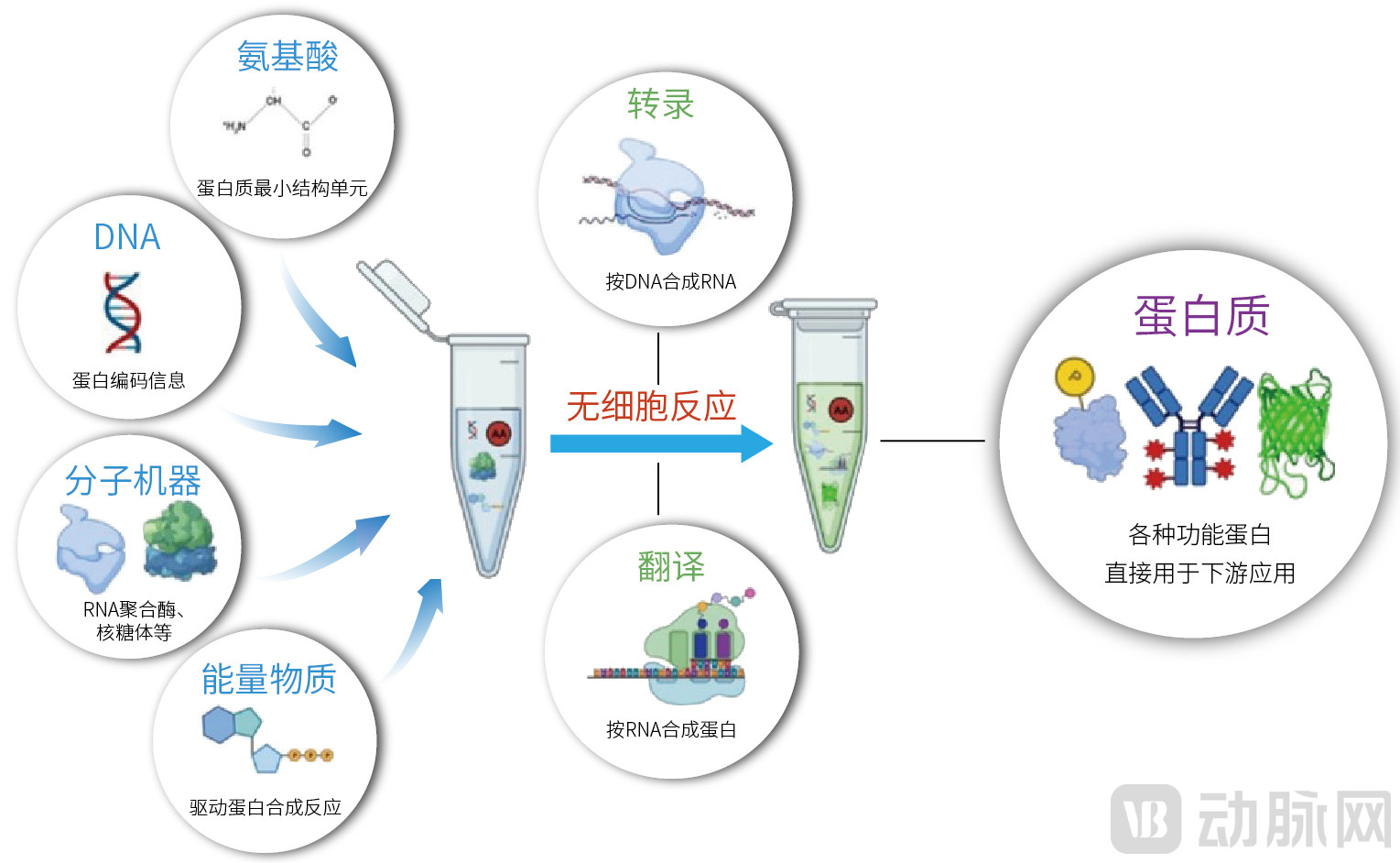
To overcome these limitations and provide more options for efficient protein production and research, cell-free protein expression technology has emerged. Unlike traditional cell-based expression systems, cell-free expression systems can synthesize proteins under in vitro conditions, offering advantages such as high efficiency, convenience, flexibility, and high purity. With technological advancements, cell-free protein expression technology is becoming one of the most promising emerging technologies in the fields of biopharmaceuticals and basic research.
Founded in 2017 and located in the BioBAY of Suzhou Industrial Park, PLD Technology is a professional biotechnology company specializing in cell-free protein expression.The company boasts a professional technical team composed of national-level leading talents and overseas-returnee PhDs. Relying on its independently developed, distinctive cell-free protein expression technology platform, it specializes in the research and development of peptides, recombinant proteins, genetically engineered antibodies, recombinant vaccines, and macromolecular protein drugs. Meanwhile, it provides cell-free protein expression products, protein raw material reagents, and customized services to a wide range of biopharmaceutical enterprises and research institutions.
Overcoming Efficiency and Cost Barriers to Drive the Widespread Adoption of Cell-Free Protein Expression
In fact, cell-free protein synthesis is not a new technology; it has been used as a basic research tool in life sciences for over fifty years, yet it has never been widely adopted.
Research on cell-free protein synthesis technology began in 1948, when Zamecnik and Frantz obtained the reaction system, namely the S30 extract, from the supernatant of disrupted cell lysates via high-speed centrifugation. The uniqueness of this technology lies in its ability to express proteins in an extracellular environment without relying on living cells, by mimicking the endogenous protein expression mechanisms found within living organisms.
Compared with traditional in vivo protein expression methods, cell-free protein expression enables rapid and cost-effective protein production. Due to its open reaction environment, which lacks cellular structures and physiological constraints, all intracellular metabolic and synthetic processes can be easily carried out in standard reaction vessels, thereby offering high versatility and flexibility. This facilitates efficient substrate processing, precise online reaction monitoring, and direct process optimization.
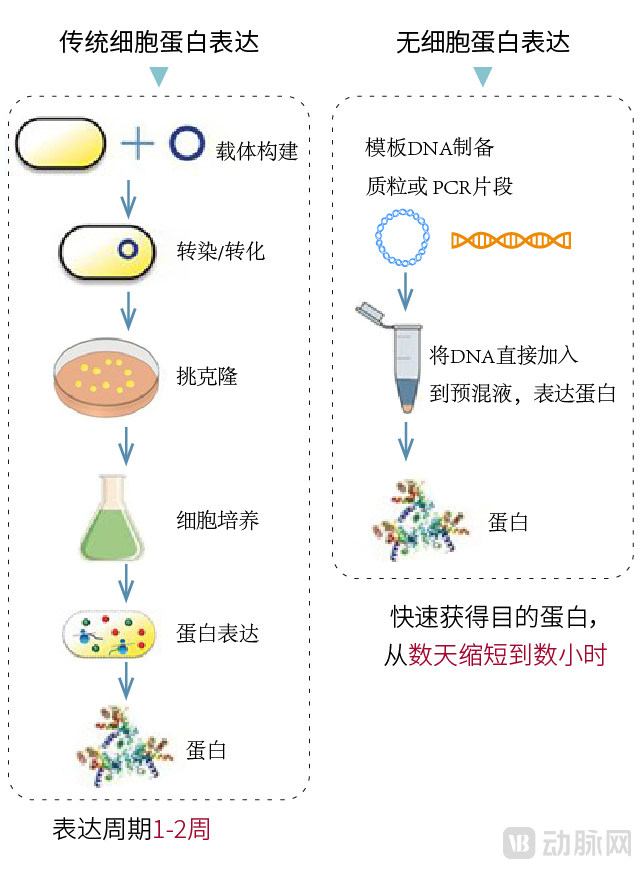
Although cell-free protein expression technology emerged early, it has not been widely adopted. The primary reasons are its high cost, low protein yield, and poor efficiency.Although a small number of research kits are available on the market, most are supplied by imported life science reagent vendors, with yields of only a few to over ten micrograms per milliliter.Compared to the protein yield of a few milligrams per milliliter in traditional antibody production, there is a gap of hundreds or even thousands of times.
In addition to the low reaction yield, its cost and selling price are also very high, typically ranging from several thousand to tens of thousands of yuan per milliliter.significantly hindered the widespread adoption of this technology in the industry.
PLD addresses efficiency and cost issues precisely from these two perspectives,Advancing Cell-Free Protein Expression Technology Toward Broader Applications.
According to Dr. Cui Jinhui, CEO of Suzhou PLD Technology Co., Ltd., the founding of the company stemmed from his years of scientific research experience in the field of cell-free protein expression. Dr. Cui studied under Professor Luo Dan, a tenured professor at the College of Biological and Environmental Engineering at Cornell University in the United States. He is a jointly trained Ph.D. candidate from the laboratory and holds a Ph.D. in Biophysics from the Chinese Academy of Agricultural Sciences.
During his tenure at Cornell University, Professor Luo Dan’s team achieved cell-free protein expression and pioneered the world’s first DNA hydrogel-based cell-free protein synthesis system, significantly enhancing the yield of cell-free protein expression. These findings were published in the prestigious international journal Nature Materials.
Building on the research conducted by Professor Luo Dan’s team, PLD was established in 2017.and established its presence in the BioBAY of Suzhou Industrial Park. The company has independently developed a PLD cell-free protein expression platform with independent intellectual property rights, enabling rapid and efficient in vitro protein synthesis and addressing bottlenecks inherent in traditional technologies.The development of this technology platform has lowered the barrier to industrial application of cell-free protein expression technology.We provide cell-free protein expression reagents and protein raw materials to biopharmaceutical companies and research institutions, enabling customized protein expression services.
High-Efficiency, Low-Cost Protein Synthesis: Supplementing Hard-to-Express and Toxic Proteins
PLD’s cell-free protein expression platform eliminates the need for transfection or cell culture, thereby avoiding limitations imposed by cell viability. This significantly enhances the efficiency and quality of protein expression, enabling the synthesis of proteins that are difficult to express or toxic when produced using conventional methods.
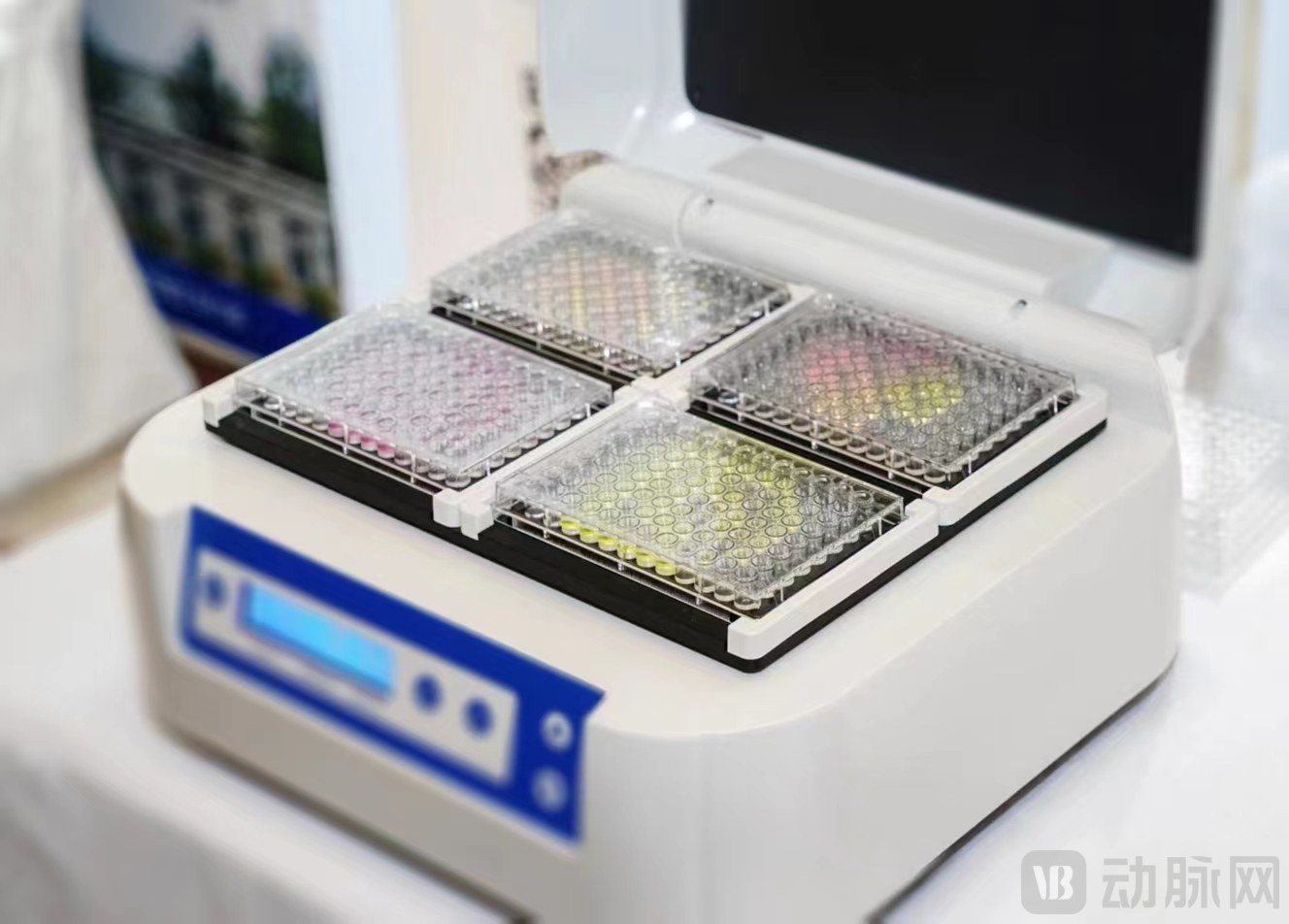
Its primary advantages are: first, faster speed, with target protein detection achievable in as little as 1 hour; second, higher efficiency, yielding up to 3 mg/mL; third, greater flexibility, supporting both plasmid and PCR templates; fourth, high-throughput capability, enabling expression screening in 96-well plates; and fifth, ease of operation, requiring only the mixing of reagents with DNA template. Furthermore, protein synthesis is stable, flexible, and scalable, as evidenced by consistent batch-to-batch reproducibility, open and flexible reaction conditions, and linear scale-up achieved using conventional reaction vessels.
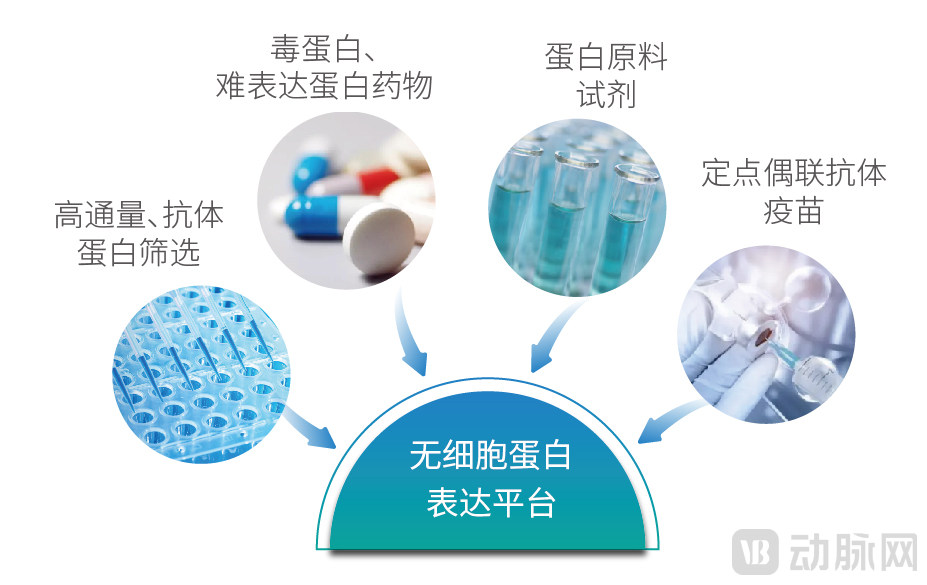
Dr. Cui Jinhui also stated that although PLD has achieved improved efficiency and reduced costs compared to traditional protein production methods, its positioning is not as a replacement for conventional cell-based production, but rather as a complement for the production of difficult-to-express proteins and toxic proteins.
“Traditional cell production methods have evolved over several decades, with relatively complete upstream and downstream support systems established both domestically and internationally. At the government level, comprehensive policies, regulations, and regulatory processes are in place; manufacturing processes are highly mature; furthermore, the industry boasts well-developed infrastructure and compliance frameworks,” said Dr. Cui Jinhui.
From this perspective, PLD’s positioning is not to replace traditional industries, but to target proteins that are difficult to express, toxic proteins, and proteins with high production costs in traditional manufacturing—these represent strong entry points for PLD.“Our core objective is to leverage technology to reduce the production costs of proteins and enhance efficiency, while also addressing the challenges associated with expressing difficult-to-express proteins and toxic proteins,” stated Dr. Cui Jinhui.
It is understood that,The company has currently launched cell-free protein expression kit products,It can replace prokaryotic protein expression systems, making protein expression as simple and efficient as performing PCR, with the synthesized target protein detectable in as little as 1 hour. Protein yields can reach several milligrams per milliliter. The system offers flexibility in gene templates, allowing PCR amplification products to be used directly as templates for protein synthesis. The cell-free synthesis reaction demonstrates excellent batch-to-batch reproducibility and supports linear scale-up from microliter to liter volumes.
“For the industry, we hope to provide a reliable tool through our test kits to address their challenges. For ourselves, this also represents the realization of our value.”Dr. Cui Jinhui believes, “"Meanwhile, the kit also serves as an excellent entry point to raise broader industry awareness of cell-free protein expression technology, positioning it as a complement to traditional industries in the future and enabling the large-scale application of this technology."
Innovation, Efficiency, Flexibility, Reliability: Driving the “Smart Manufacturing” of Cell-Free Protein Synthesis
Given the critical functions and broad involvement of proteins in life processes, cell-free protein synthesis technology can be widely applied in fields such as drug development, vaccine research, antibody preparation, diagnostic reagents, medical aesthetics, and cosmetics.
According to the "2023-2029 In-depth Research and Investment Prospect Assessment Report on the Global and Chinese Cell-Free Protein Expression Market" released by Gongyan Industry Research Institute, the global market size for cell-free protein expression reached RMB 1.476 billion in 2023, and is projected to reach RMB 2.345 billion by 2029, with a growth rate of 8.02%.
With continuous innovation and iteration in cell-free protein expression technology, along with growing industry demand and awareness, cell-free protein expression products and technologies are poised for broader and deeper applications in the future.
Innovation, efficiency, flexibility, and reliability are the standards and pursuits that define Suzhou PLD Technology Co., Ltd. Innovation is our core; through continuous technological innovation and optimization of cell-free systems, we provide more advanced and diverse protein solutions. Efficiency is our benchmark; we synthesize high-quality proteins within short timeframes to meet customers’ diverse and time-sensitive needs. Flexibility is our hallmark; we adapt reaction conditions and parameters based on the specific characteristics and functions of different proteins, achieving precise control over protein production. Reliability is our commitment to customers; we ensure the stability and consistency of our cell-free systems, delivering cost-effective and highly trustworthy products and services.
Looking to the Future,PLD’s vision is to become a world-class “intelligent manufacturer” of cell-free proteins.In the short term, PLD will further optimize its cell-free protein expression technology platform to enhance product quality and reliability, while increasing market share and influence through participation in industry exhibitions and marketing campaigns. In the long term, the company aims to become a global leading provider of cell-free protein expression technologies and services, offering more diversified, personalized, and intelligent protein production solutions across various industries and sectors, thereby driving innovation and development in protein science and technology.
“This actually brings us back to the original intention behind our startup: ‘What exactly are we doing these things for? How can we bring more value and contributions to society?’” said Dr. Cui Jinhui.