

Pioneering Dialogue on Frontier Innovation: The 3rd Forum on Health Science and Technology Innovation Achieves Great Success
From June 28 to 29, 2023, VB100 and VCBeat, in collaboration with Zhongguancun Development Group and the Administrative Committee of Tianjin Binhai–Zhongguancun Science Park, successfully held the “Inaugural Future Medical Technology Transfer and Cooperation Conference” (hereinafter referred to as the VB-Link Conference).
As one of the series events and the opening ceremony of Tianjin Future Medical Innovation Week, this conference aims to provide attendees with ample room for thought and opportunities for collaboration, foster cross-disciplinary exchange and cooperation, and drive the further development of medical innovation.
Among them, the 3rd Forum on the Management of Transformation of Scientific and Technological Achievements in Health (hereinafter referred to as the “Health Science and Technology Innovation Forum”), held as a sub-forum of this conference, generated exceptional enthusiasm. It attracted pioneers from universities, hospitals, industry associations, and investment institutions, who delivered insightful presentations and engaged in vibrant discussions for the benefit of the industry.
The Health and Wellness Technology Innovation Forum was hosted by the National Engineering Research Center for Individualized Diagnosis and Treatment Technologies, Sichuan Western Medical Technology Transfer Center, Youth Innovation Center for Health and Wellness, and VCBeat, with co-organization from Furong Laboratory, Intellectual Property Center of Central South University, Tianjin Economic-Technological Development Area Biopharmaceutical Industry-Education Consortium, and Jiangsu Suzhou Medical Device Innovation Center.
Forum guests included Guan Jian, President-Elect of the Research Management Branch of the Chinese Medical Association; Tao Peng, Director of the Achievement Department at the National Center for Science and Technology Evaluation under the Ministry of Science and Technology; Ji Jing, Director of the Office of Scientific and Technological Development at Shanghai Jiao Tong University School of Medicine; Gao Yingdai, Director of the State-owned Assets Management Department at the Institute of Hematology & Blood Diseases Hospital, Chinese Academy of Medical Sciences; Fang Li, Director of the Intellectual Property Center of Central South University and Director of Xiangya Medical Administration; Xu Feng, Division Chief at Shanghai Ninth People’s Hospital, Shanghai Jiao Tong University School of Medicine; Lei Juan, Director of the Western China Medical Technology Transfer Center; Li Li, Director of the Scientific Research Department at Peking University First Hospital; Xu Tengfei, Assistant to the Director of the Science and Technology Department at Beijing Friendship Hospital; Pan Qicheng, Secretary-General of the Tianjin Economic-Technological Development Area Biopharmaceutical Industry-Education Consortium; Zhang Zhang, Secretary-General of the International Network for Technology Transfer Collaboration; Qi Fei, Executive Director at Legend Capital; Tang Haofu, Chairman at Chunrui Investment; and Chi Wenshuo, General Manager of the Suzhou Medical Device Innovation Center.
The Chair of this forum is Fang Li, Deputy Director of the Intellectual Property Center of Central South University and Director of the Xiangya Medical Department. The Co-Chairs are Lei Juan, Director of the Western China Medical Technology Transfer Center in Sichuan Province, and Wu Dong, Chief Physician of the Department of Gastroenterology at Peking Union Medical College Hospital and Director of the National Health Commission’s Youth Innovation Center. Dr. Wu also serves as the moderator of this forum.
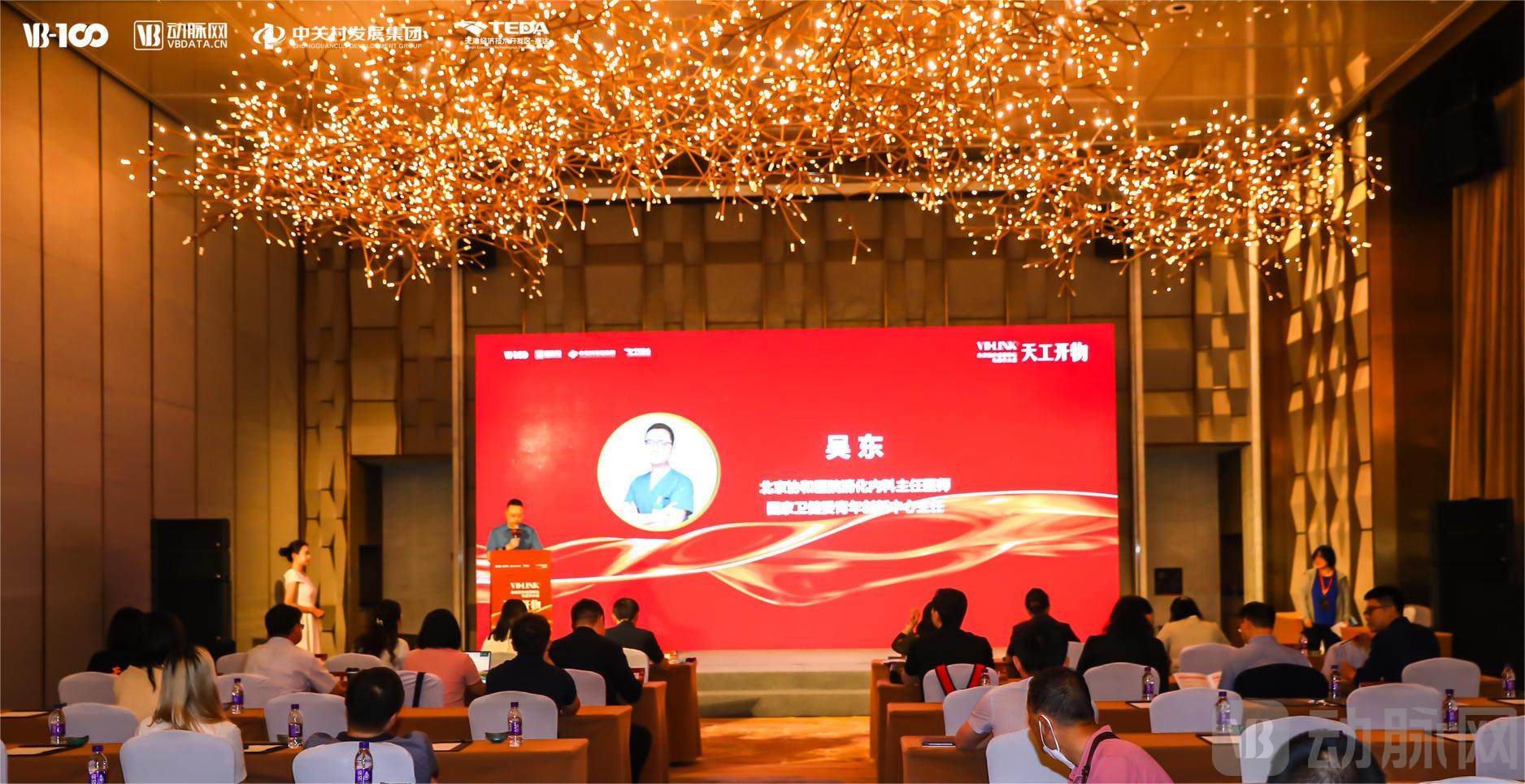
Chief Physician, Department of Gastroenterology, Peking Union Medical College Hospital; Director, National Health Commission Youth Innovation Center,Wu Dong
Below are the highlights from guest speeches and roundtable discussions at the Forum on Management of the Translation of Scientific and Technological Achievements in Health Innovation, curated by VCBeat:
1Innovation Journey
At the opening of the forum, Guan Jian, President-Elect of the Research Management Branch of the Chinese Medical Association, delivered an address. Guan Jian stated that the health sector is closely linked to public well-being; therefore, the translation of achievements in this field will bring benefits to all, which is a matter of great significance. He also extended his congratulations on the successful holding of the 3rd Forum on the Management of Translation of Scientific and Technological Achievements in Health.
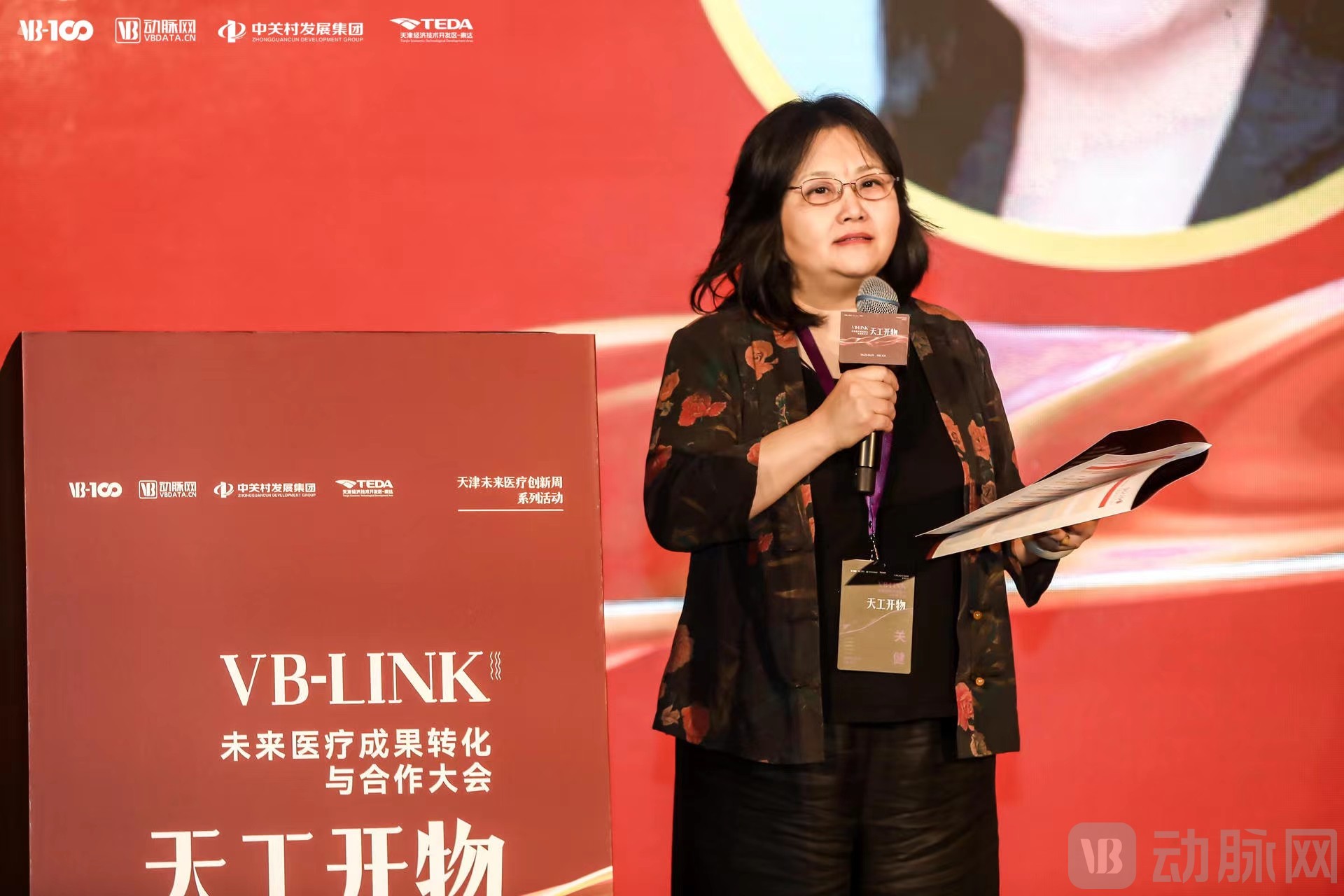
Guan Jian, President-Elect of the Scientific Research Management Branch of the Chinese Medical Association
Tao Peng, Deputy Director of the Achievements Department at the National Science and Technology Evaluation Center under the Ministry of Science and Technology, shared his presentation titled “Evaluation Schemes and Case Studies for Scientific and Technological Achievements.” He noted that achievement evaluation is a critical, or rather, vital link in the transformation of scientific and technological achievements. It is indispensable across all stages—from the selection of achievements and the identification and introduction of projects to technology transactions, maturation, and final industrialization. In short, effective achievement evaluation can significantly facilitate the transformation process. During the session, Deputy Director Tao also presented several detailed case studies on the evaluation of scientific and technological achievements.
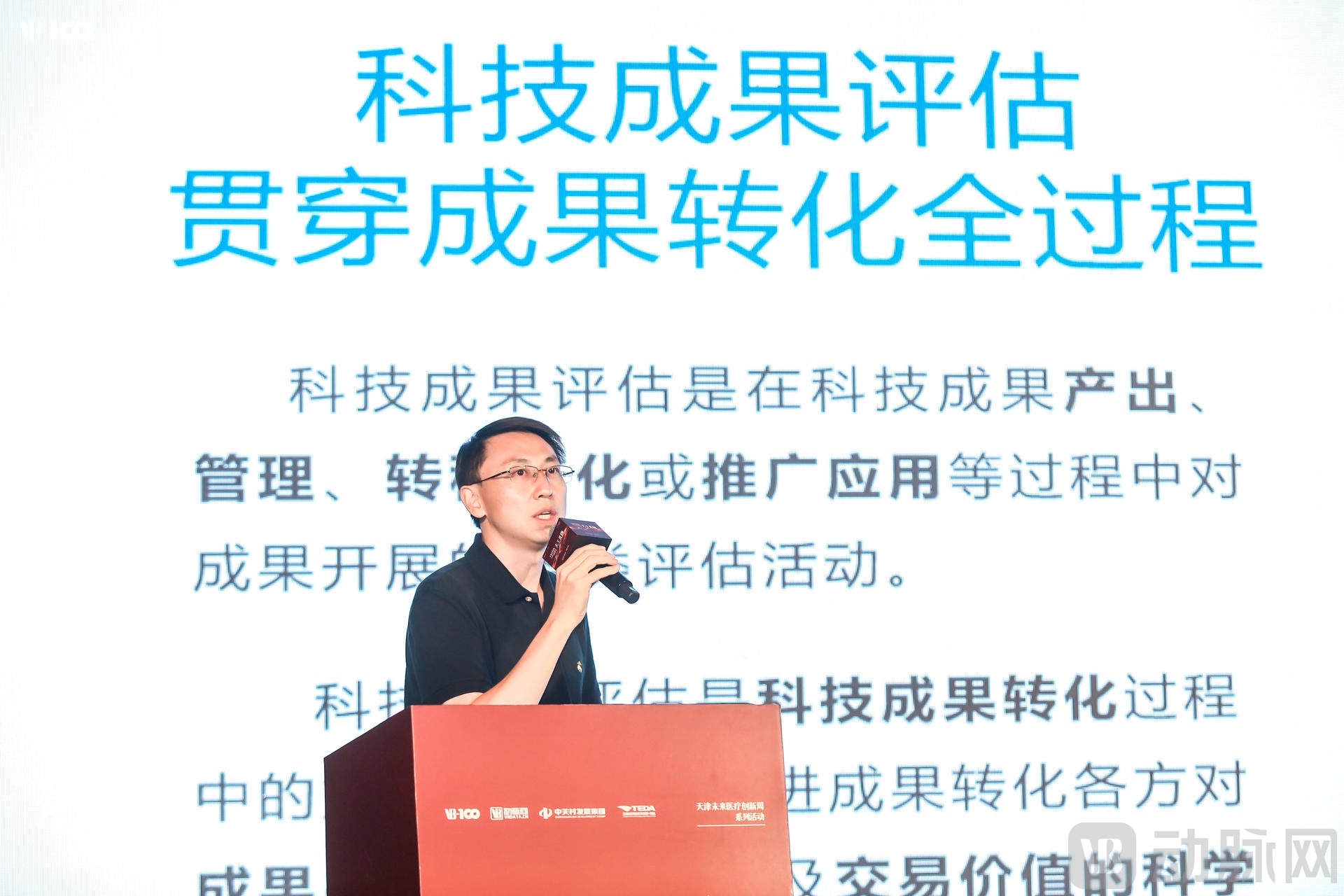
Deputy Director of the Achievements Division, National Center for Science and Technology Evaluation, Ministry of Science and Technology: Tao Peng
Ji Jing, Director of the Office of Science and Technology Development at Shanghai Jiao Tong University School of Medicine, delivered a keynote speech titled “Insights from the Pilot Reform on the Translation of Medical Scientific and Technological Achievements,” sharing in detail the school’s practical experiences with the attendees. Ji Jing noted that the new phase presents both new opportunities and new challenges, and that Shanghai Jiao Tong University will continue to bring high-quality translation outcomes to the public. In the future, universities will accelerate the promotion of industrial development.
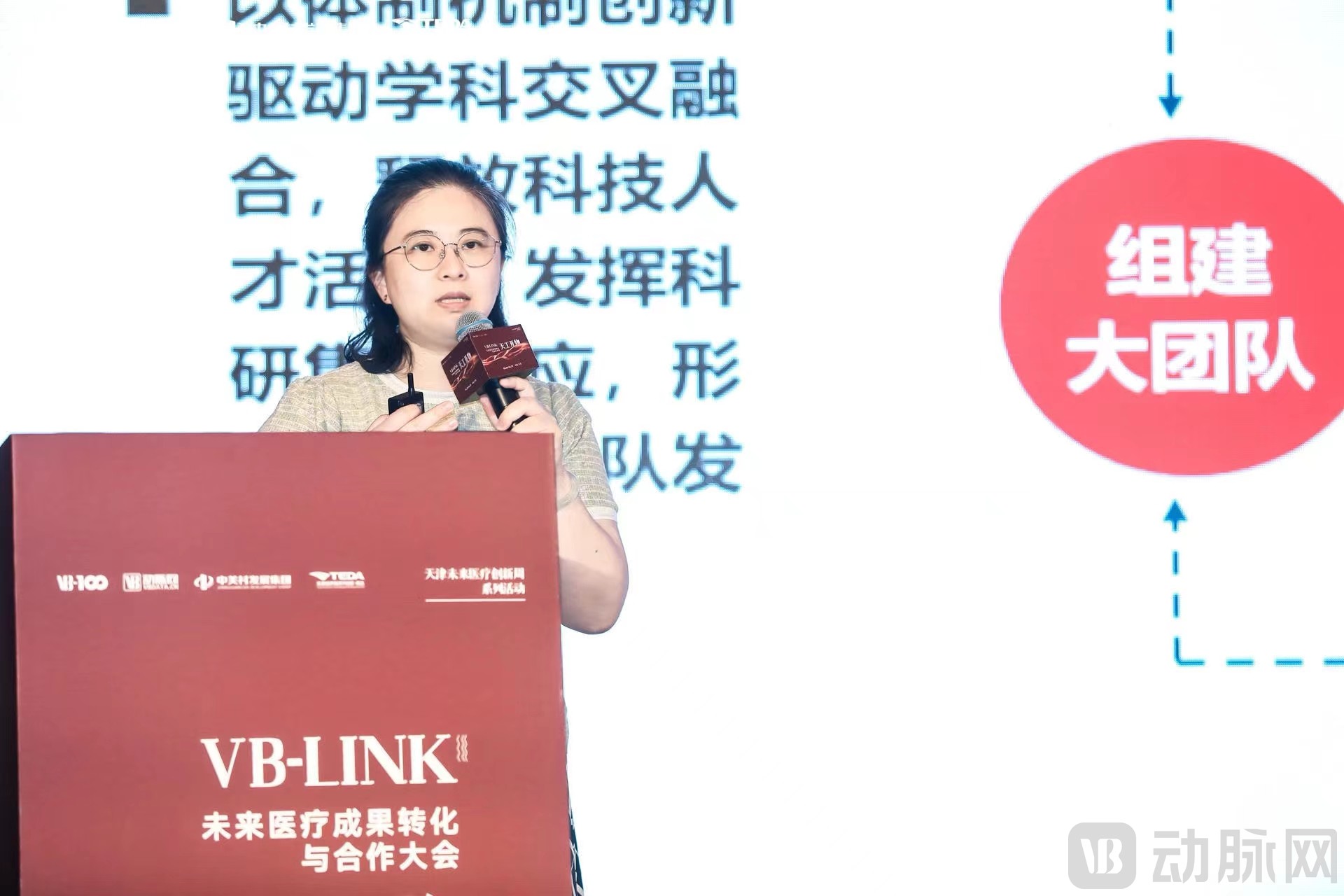
Ji Jing, Director of the Science and Technology Development Office, Shanghai Jiao Tong University School of Medicine
Subsequently, Gao Yingdai, Director of the State-Owned Assets Management Department at the Institute of Hematology & Blood Diseases Hospital, Chinese Academy of Medical Sciences (CAMS), shared the hospital’s latest practices in promoting and translating research achievements. Mr. Gao stated that in recent years, leveraging several key platforms, the hospital has launched a series of cutting-edge projects in cell therapy, gene therapy, and other areas within the field of hematology research. Over the past five years, the number of investigator-initiated Investigational New Drug (IND) applications has reached 12.
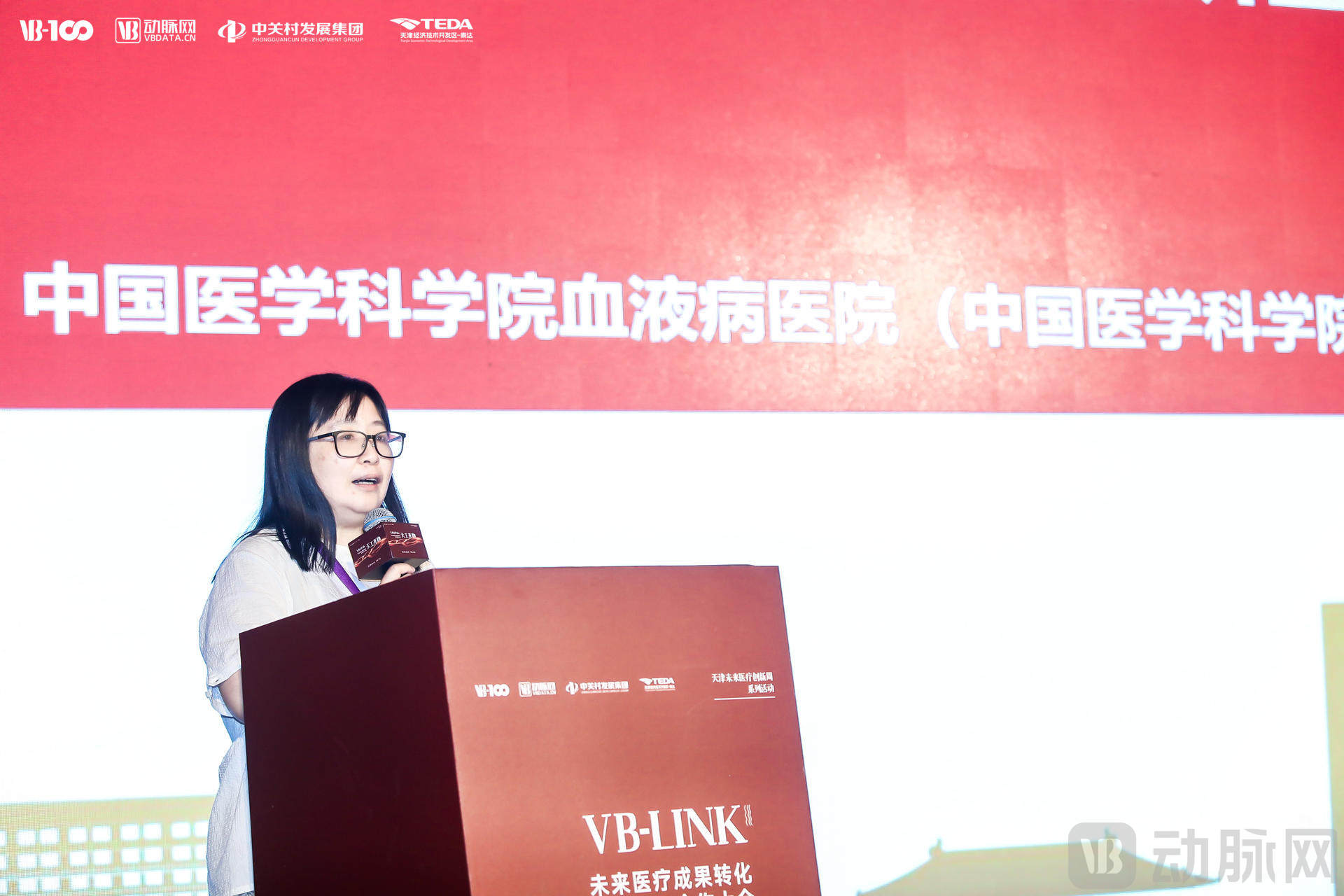
Gao Yingdai, Director of the State-Owned Assets Management Department, Institute of Hematology & Blood Diseases Hospital, Chinese Academy of Medical Sciences
Fang Li, Deputy Director of the Intellectual Property Center at Central South University and Director of the Xiangya Medical Department, delivered a keynote report titled “Progress in the Preparations for the China Medical Technology Transfer Management Alliance,” sharing her insights from six key perspectives. Fang Li stated that the book *Management of Scientific and Technological Achievement Transformation in Chinese Research Hospitals*, which took five years to write, will be published by the People’s Publishing House. Additionally, the China Medical Technology Transfer Management Alliance sincerely invites more industry professionals to participate and offer their support.
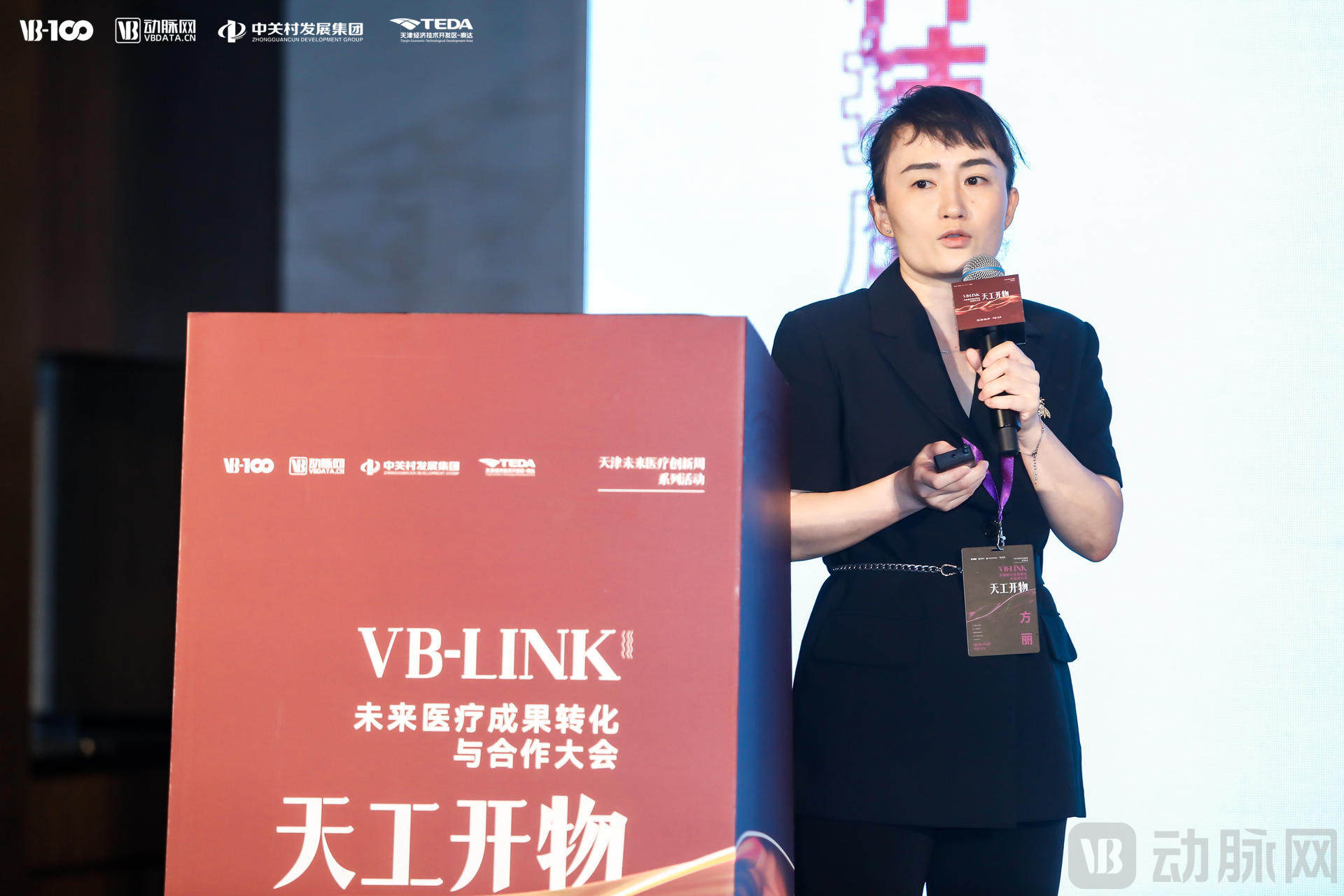
Fang Li, Deputy Director of the Intellectual Property Center and Director of the Xiangya Medical Department at Central South University
Subsequently, the signing ceremony for the founding members of the China Medical Science and Technology Achievement Transformation Management Alliance was officially launched. At the event, two organizations were designated as the alliance’s founding members: the Tianjin Biopharmaceutical Industry-Education Integration Consortium and VCBeat. Three guests signed the agreement on site: Fang Li, Deputy Director of the Intellectual Property Center of Central South University and Director of the Xiangya Medical Department; Pan Qicheng, Secretary-General of the Tianjin Biopharmaceutical Industry-Education Integration Consortium; and Li Datao, Founder of VCBeat.
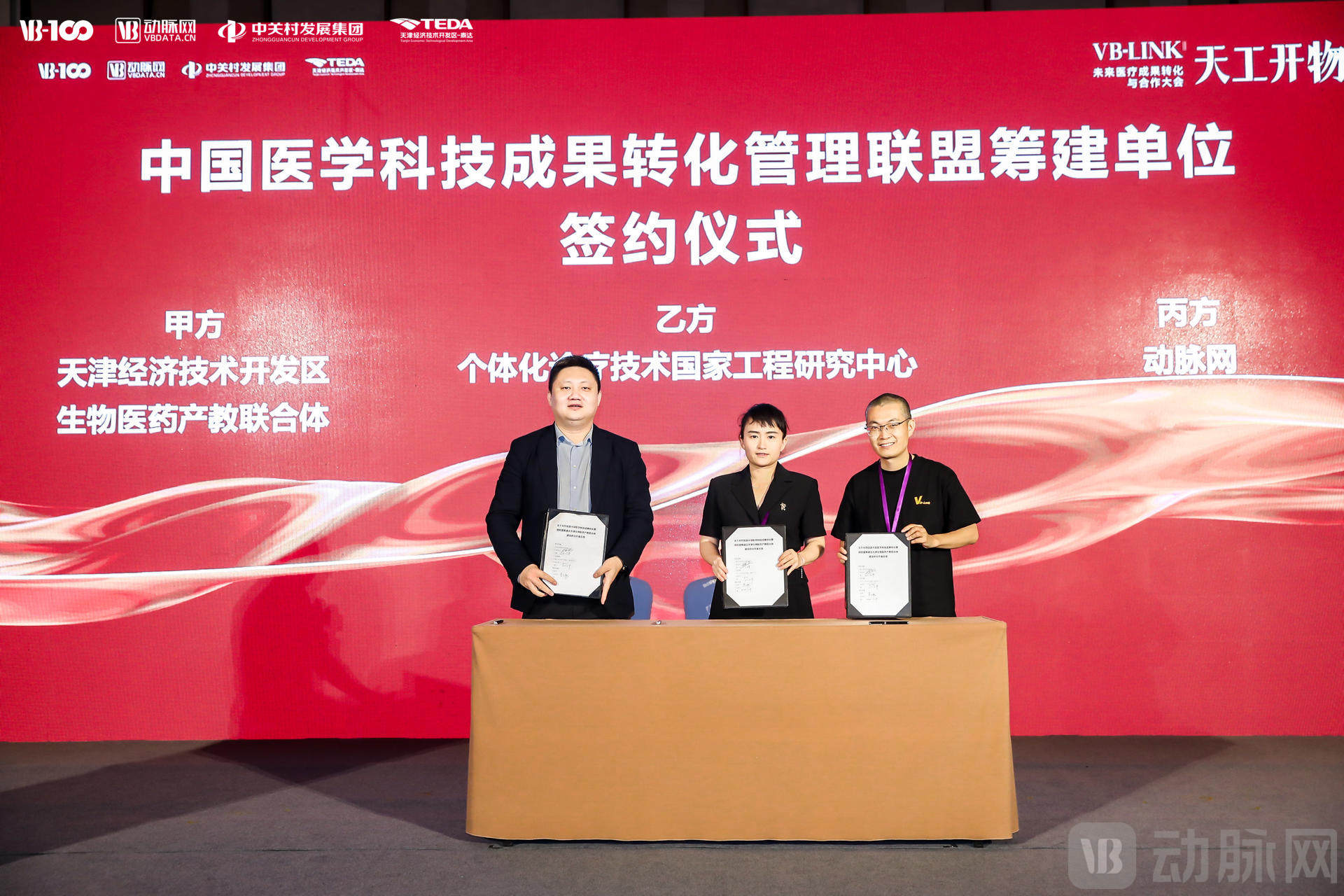
On-site Signing Photo
2Deep Advance
In the innovative process of translating research achievements into practical applications, it is particularly crucial to continuously deepen efforts and bridge the "last mile" of industrialization.
Against this backdrop, Xu Feng, Director at Shanghai Ninth People’s Hospital affiliated with Shanghai Jiao Tong University School of Medicine, delivered a speech titled “How Long Is the Last Mile in the Translation of Medical Achievements?” Xu noted that in the past, translating scientific research outcomes into practical applications was akin to “a solitary quest for victory,” fraught with obstacles and difficulties. However, as the industry has placed increasing emphasis on this area in recent years, more peers have joined these efforts, bringing valuable experience to the field.
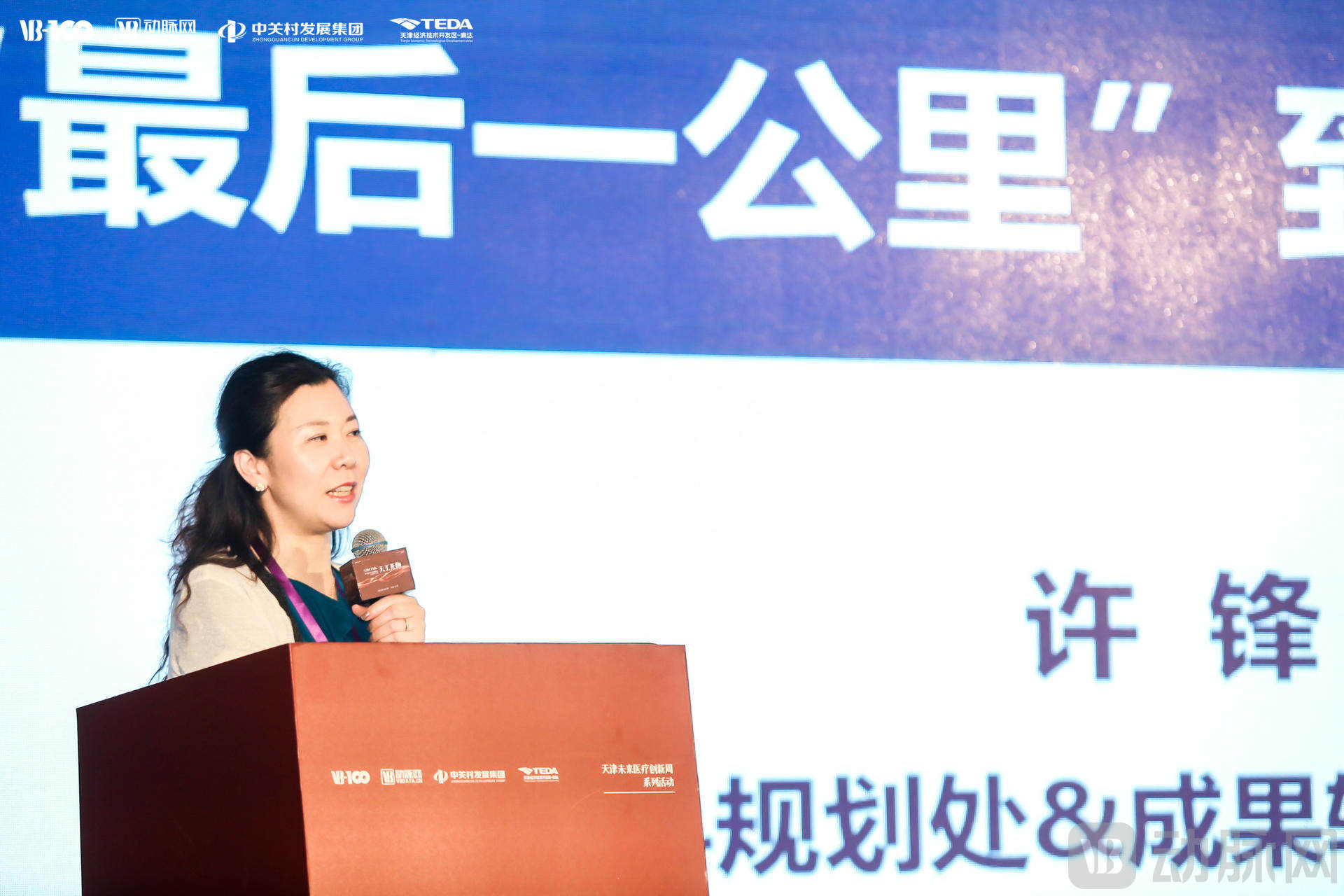
Director of the Office of Achievement Transformation, Shanghai Ninth People’s Hospital Affiliated to Shanghai Jiao Tong University School of Medicine,Xu Feng
Lei Juan, Director of the Sichuan Western Medical Technology Transfer Center, delivered a presentation titled “How to Promote the Commercialization of Technologies in Research-Oriented Hospitals Under the Paradigm of Open Innovation.” She stated that we have entered the era of Innovation 3.0, where an increasing amount of work must originate from actual clinical needs to generate new incremental or even disruptive innovations. Only then will capital and industry players pay greater attention to early-stage clinical projects, representing a significant opportunity for research-oriented hospitals. Subsequently, regarding cases of technology commercialization, Director Lei provided a detailed introduction to the “West China Model” for the translation of scientific achievements at West China Hospital.
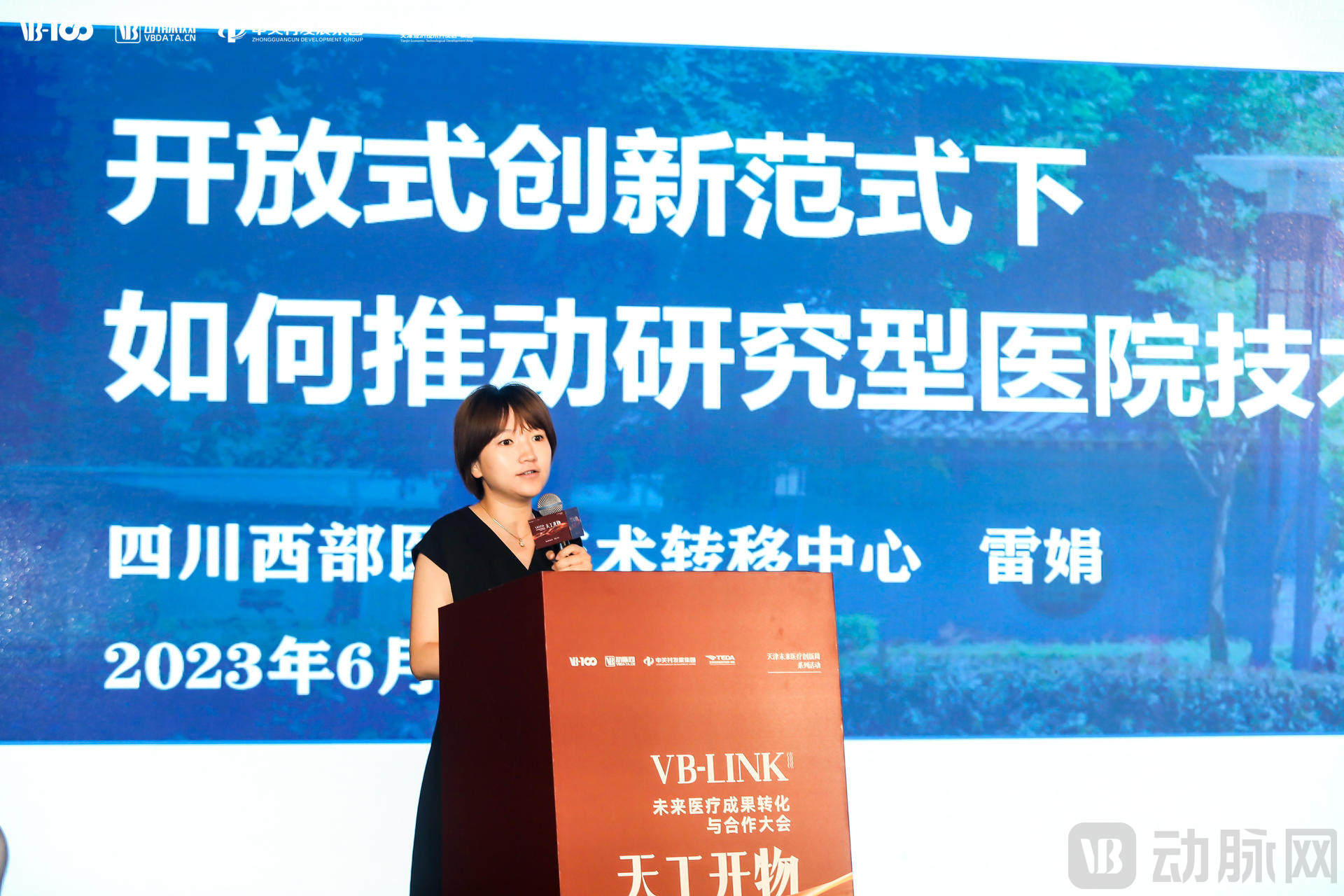
Lei Juan, Director of the Western Sichuan Medical Technology Transfer Center
Moderated by Qi Fei, Executive Director at Legend Capital, a distinguished panel comprising Li Li, Deputy Director of the Research Department at Peking University First Hospital; Xu Tengfei, Assistant to the Director of the Science and Technology Department at Beijing Friendship Hospital; Zhang Zhang, Secretary-General of the International Technology Transfer Collaboration Network (ITTN); Tang Haofu, Chairman of Chuangrui Investment; and Chi Wenshuo, General Manager of the Suzhou Medical Device Innovation Center, engaged in an insightful roundtable discussion on the theme “Challenges and Strategic Responses in the Translation of Medical Achievements.”
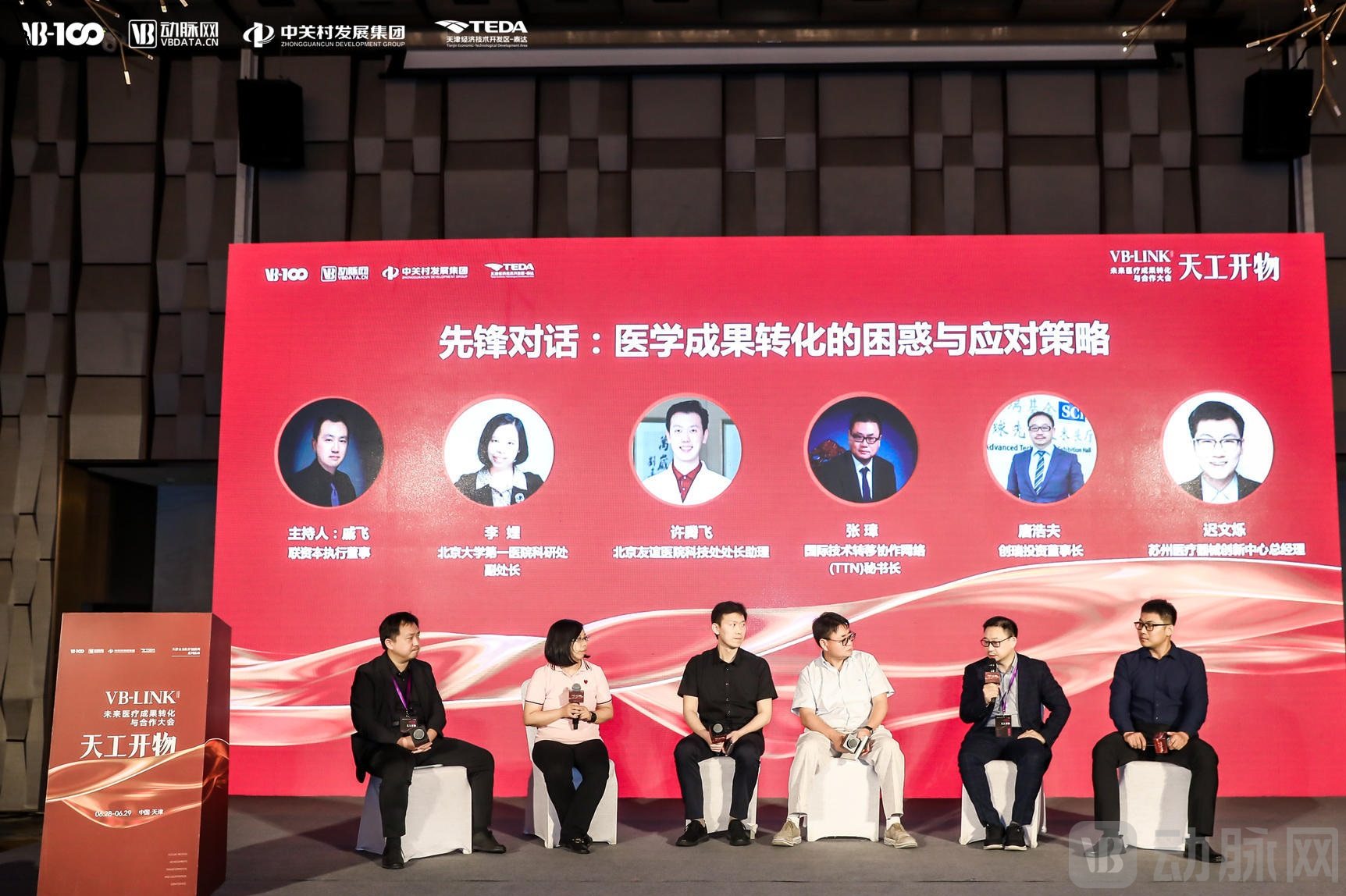
Roundtable Discussion: Dilemmas and Response Strategies in the Translation of Medical Achievements
3Boundless Imagination
In recent years, innovation has been placed at the core of China's modernization drive.
Relevant data show that China’s expenditure on basic research has long accounted for around 5% of its total R&D investment. In 2019, it surged by 22.5%, surpassing 6% for the first time, with a target of 15% by 2025. By then, China’s total R&D spending is also projected to exceed that of the United States.
It is evident that China is placing increasing emphasis on basic research.
However, innovation is not “low-hanging fruit” that can be easily picked; it therefore demands substantial talent, funding, and resources. This tests the wisdom, aptitude, and boldness of every participant, as well as their commitment to original innovation.
Fortunately, an increasing number of stakeholders—from universities and hospitals to enterprises and investment institutions—are engaging in the commercialization of medical research achievements, driving continuous breakthroughs, growth, and innovation in China’s frontier technological fields. The Third Forum on the Management of Scientific and Technological Achievement Transformation in Health, held at this opportune moment, serves as a testament to this trend.
Undoubtedly, with the concerted efforts of industry participants, the future of medical innovation is bound to be filled with endless possibilities.