

Affinitas Biologics' Parent Company Afei Biopharma Completes Series B1 Financing to Accelerate Innovative Pipeline Development

Affinity
Biomedical Technology Developer
Recently, the parent company of Shanghai Qinhe Biopharmaceutical Technology Co., Ltd. (hereinafter referred to as “Qinhe”)Yafei (Shanghai) Biomedical Technology Co., Ltd. (“Yafei”) announced the completion of its Series B1 financing, raising hundreds of millions of RMB.
This round of financing was led by Hongfu Asset, with joint investment from Industrial Bank Guoxin, Huaige Capital, and Haiwang Capital.The proceeds will be used to advance the clinical development of the Company’s global innovative drug candidates featuring tumor microenvironment-specific activation, accelerate the research and development of its technology platform and early-stage pipeline, and address the substantial unmet clinical needs in oncology.
Qinheli is a clinical-stage biopharmaceutical company dedicated to the global development of innovative anti-cancer drugs. It possesses globally first-in-class, patent-protected chemical conjugation technology and proprietary conjugation linkers, which can upgrade traditional therapeutics into novel, precision-guided drugs capable of targeted delivery and activation within the tumor microenvironment.
Affinity leverages microenvironment-activatable linkers and functional groups to mask drug activity, thereby achieving selective activation within tumor tissues while suppressing toxicity in peripheral regions. This approach mitigates on-target toxicity, enhances therapeutic efficacy, and broadens the safety window.
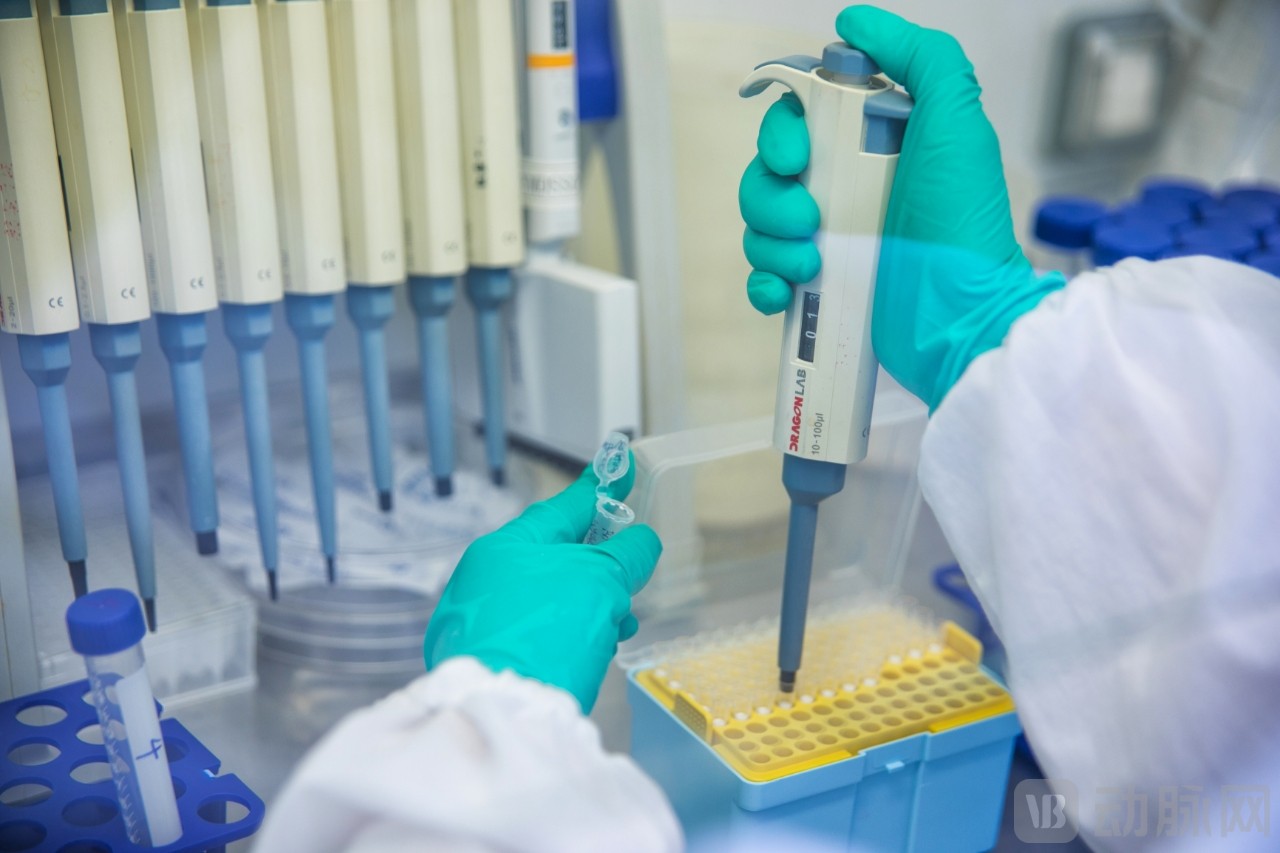
The platform technology with unique affinity brings new hope for the upgrading and iteration of various anti-tumor drugs. The company has established a presence in the field of multi-specific intelligent conjugated drugs, covering small molecule-drug conjugates (SMDCs), antibody-drug conjugates (ADCs), antibody-cytokine conjugates, precisely guided conjugated cytokines, precisely guided conjugated antibodies, and bispecific antibodies. It can enhance efficacy and reduce toxicity by modifying the molecular structures of small molecules, cytokines, antibodies, bispecific antibodies, or multispecific antibodies, thereby creating novel molecules with global patent protection.
Affinity’s pipeline consists entirely of First-in-Class and Best-in-Class innovative drug candidates with global rights, offering broad commercial prospects. Leveraging the exceptional scalability of its platform, Affinity is actively pursuing collaborative development models. It provides pharmaceutical companies worldwide with solutions to upgrade single-target therapeutics into precision-guided multispecific drugs, as well as linkers that enable more specific enzymatic cleavage to further enhance the specificity of ADC molecules, jointly creating Best-in-Class innovative therapies.
Currently, the small-molecule affinity conjugate drug legubixin is undergoing pivotal registration-enabling clinical trials for soft tissue sarcoma and lung cancer. These trials have demonstrated efficacy superior to current standard-of-care treatments and exhibited a safety profile distinctly different from that of conventional chemotherapy. Another small-molecule conjugate drug, legushanol, is nearing completion of its Phase I/II clinical studies and will proceed to pivotal registration-enabling clinical trials across multiple tumor types, including lung cancer, gastric cancer, and ovarian cancer. IMD101 (IL-2 TMEAkine) is a fully inactive IL-2 prodrug that can be activated into fully functional IL-2 molecules within the tumor microenvironment. It has demonstrated excellent safety and efficacy, representing a design fundamentally distinct from receptor-selective IL-2 therapies. Clinical exploration of IMD101 is planned for various cancers, including bladder cancer, lymphoma, liver cancer, and melanoma.
In the future, chemotherapy agents, immunotherapies, and antibody-drug conjugates (ADCs) that are specifically activated within the tumor microenvironment and possess Affinity’s proprietary technological features can be incorporated into various combination anticancer regimens due to their low toxicity. Affinity will also actively pursue clinical collaborations with global pharmaceutical companies on combination therapies, creating novel therapeutic combinations for curative cancer treatment and benefiting patients worldwide.
Dr. Liu Chen, Founder, President, and Chief Strategy Officer of Qinhe LiHe stated, “This round of financing further demonstrates investors’ strong recognition and confidence in our tumor microenvironment-specifically activated intelligent drug platform and our existing product pipeline. We focus on enhancing efficacy and reducing toxicity for molecules with potentially effective target mechanisms but significant toxicity, aiming to address the substantial unmet clinical needs in current oncology treatment. Our approach opens up new avenues for expanding the clinical application of traditional drugs, developing novel molecular entities, and advancing combination therapies. Notably, the pan-cancer-specific protease targets we leverage, which are highly expressed in tumor tissues, exhibit remarkable broad-spectrum applicability and can be utilized in drug development for various solid tumors. We look forward to revolutionizing cancer treatment outcomes over the next 10 to 20 years through our technology platform, transforming malignant tumors into chronic, controllable diseases that allow patients to achieve long-term survival.”
Dr. Liu Yuan, CTO of KinAffinityIt stated: "The lagubixin molecule, developed through affinity engineering, exhibits no cellular toxicity. Therefore, lagubixin is poised to become a milestone, global first-in-class novel drug that heralds a new era of 'non-toxic chemotherapy' in the innovation of chemotherapeutic agents. Lagubixin and lagupalitaxel are undergoing multiple clinical trials in China, enabling Chinese cancer patients to access these novel chemotherapies earlier than their counterparts in the United States and Europe. The patient with the longest treatment duration for soft tissue sarcoma receiving lagubixin has completed 20 cycles of therapy, administered once every three weeks. Currently, both the primary tumor and metastatic lesions have completely resolved. Furthermore, the significant reduction in toxic side effects during treatment, coupled with the ease of administration, has ensured the patient's quality of life."
Traditional chemotherapy agents, such as doxorubicin, paclitaxel, platinum-based compounds, and camptothecin, have been identified through nearly six decades of clinical screening and remain in use today as broad-spectrum chemotherapeutic drugs. This enduring utility suggests that they possess distinct characteristics compared to other toxic substances. For instance, doxorubicin, paclitaxel, and platinum-based agents have demonstrated the ability to enhance the efficacy of immunotherapy in clinical settings. We have also observed that legumabustin promotes T-lymphocyte infiltration and enhances the therapeutic effects of PD-1 or CTLA-4 antibodies. In contrast to the rapid advancement of immunotherapy, chemotherapy—discovered in the last century—requires innovation through new technologies.
QinheLi focuses on the development of multispecific smart conjugated drugs. We develop not only narrow-spectrum antibody-drug conjugates (ADCs) limited by antibody expression but also next-generation chemotherapy-conjugated ADCs capable of successfully delivering doxorubicin, paclitaxel, and platinum-based agents—currently undeliverable by existing ADC technologies—directly into tumors. This approach generates local active drug concentrations within tumors that exceed those achieved by conventional chemotherapy, thereby overcoming tumor cell resistance through bystander effects and high-concentration effects to achieve curative outcomes. The clinical success of Legubitacin further validates the tumor specificity and blood stability of the linkers used in our conjugated drugs. Leveraging similar linker technology, we can also deliver macromolecular therapeutics such as IL-2, CTLA-4 inhibitors, PD-1 inhibitors, CD47 inhibitors, and CD3 bispecific antibodies, creating a new generation of best-in-class immunotherapies. In the future, combining novel non-toxic chemotherapy with our next-generation immunotherapies will offer a unique clinical strategy for the broad-spectrum radical cure of cancer.
Dr. Yang Zhichun, Partner at Hongfu Asset ManagementHongfu Asset stated: “Hongfu Asset focuses on frontier technological innovation, prioritizing investments in sci-tech innovation enterprises that align with national strategies, achieve breakthroughs in key technologies, and enhance the nation’s core competitiveness. Chemotherapy remains a preferred treatment option for many cancers; however, its safety concerns expose patients to significant toxicity. Qinhe Li’s technology platform is dedicated to addressing this critical clinical pain point. Currently, patient enrollment for the pivotal registration clinical trial of Qinhe Li’s fastest-advancing product, Legubicin, is nearing completion. Blinded data have already demonstrated trends indicating significantly superior efficacy and safety compared to existing first-line chemotherapy regimens. We are honored to lead this financing round as an existing shareholder and eagerly anticipate the early market launch of the company’s ‘non-toxic chemotherapy’ products and ‘super antibodies,’ which will benefit a broad patient population.”
Xingye Guoxin Asset Management Project Team“Qinheli is a platform-driven innovative biotech company with distinct characteristics. Its core team boasts over 20 years of expertise and accumulation in the field of tumor microenvironment-activating therapeutics. The company’s platform is applicable to both small-molecule and large-molecule drug development. Currently, its product candidates have sequentially achieved proof-of-concept in human clinical trials, demonstrating excellent efficacy and safety. Industrial Securities Guoxin Asset Management is honored to participate in this round of financing for Qinheli and looks forward to the company’s products benefiting more cancer patients at an early date.”
Dr. Du Jiangbo, Managing Partner at HuiGe Capital“Qinhe Li possesses an internationally leading, proprietary Tumor Microenvironment-Specific Activation (TMEA) antibody-drug conjugate (ADC) development platform. This versatile technology effectively reduces the toxicity of similar products and broadens the therapeutic window, creating significant differentiated competitive advantages. It is currently primarily employed in the research and development of various first-in-class anti-cancer novel drugs. Huai Ge Capital has long monitored Qinhe Li’s growth and is honored to support the company’s further development at this stage. We sincerely hope that the company’s core candidates will receive regulatory approval and reach the market soon, thereby benefiting a vast number of patients both domestically and internationally.”
Ying Taotao, Partner at Haiwang Medical Health FundIt stated: “The Haiwang Medical Health Industry Fund is a specialized fund managed by Haiwang Capital, under the Shanghai Science and Technology Innovation Group, with a focus on the biopharmaceutical sector. Building upon the Shanghai Science and Technology Innovation Group’s thirty-plus years of expertise in biopharmaceutical investments, it is one of the earliest and most influential professional investment institutions in China’s biopharmaceutical field. QinheLi is a Shanghai-based biotech company that has developed a portfolio of products with significant clinical advantages, leveraging its globally leading and highly differentiated tumor microenvironment activation platform. Its truly ‘original’ and ‘globally innovative’ approach provides patients with therapeutic options offering superior safety and efficacy, thereby delivering substantial social and commercial value. We are honored to participate in this round of financing and join patients in eagerly anticipating the early market launch of its products.”