

From Clinical Setback to Strategic Pivot: How Praxis Precision Medicines Aims to Rebound After Phase 2 Failure and Market Cap Collapse

Praxis Precision medicine
Central Nervous System (CNS) Therapy Developer
Praxis Precision Medicines is a biopharmaceutical company pioneering therapies for central nervous system (CNS) disorders. In May 2020, Blackstone led an investment of over $100 million, bringing this emerging company into the industry spotlight. In July, Praxis Precision completed a $110 million Series C financing round. The company went public in October, with its closing price rising 46.32% above the IPO price, reaching a market capitalization of $1.022 billion.
Having cultivated expertise in CNS therapeutics for many years, Praxis Precision Medicines had advanced multiple drug candidates into clinical stages, with several highly anticipated milestones on the horizon. However, in June 2022, the Phase 1/2a clinical trial of its investigational antidepressant PRAX-114 failed to meet expectations, leading to the termination of the program and a sharp decline in its stock price. This March, the Phase 2 clinical trial of ulixacaltamide for essential tremor failed to achieve its primary endpoint, causing the company’s pre-market stock price to plummet by another 47% the following day.
Misfortunes never come singly; approximately 20% of Praxis Precision Medicines’ cash reserves were still held at Silicon Valley Bank.
Back Against the Wall: How Will Praxis Precision Medicines Move Forward?First, Praxis will not let the mid-stage failure hinder its essential tremor program. Although its lead candidate, ulixacaltamide, a selective T-type Ca2+ channel inhibitor, failed to meet the primary endpoint with statistical significance, Praxis is focusing on analysis to demonstrate the necessity for further development.
Phase 2b Clinical Trial “Fails”; Praxis Begins Its Review from This Round.
The distinguishing feature of ulixacaltamide is its targeting of the CACNA1G gene in T-type Ca2+ channels to block abnormal firing of these channels.

T-type Ca2+ Channel Mutations Are Associated with the Familial Essential Tremor Gene (CACNA1G)
Image source: Praxis
Numerous studies have demonstrated that abnormal burst firing and oscillatory activity within the cerebello-thalamo-cortical (CCT) circuit are the primary drivers of essential tremor (ET). T-type Ca2+ channels play a pivotal role in regulating the switch between tonic and burst firing modes within the CCT circuit. An increase in T-type Ca2+ channel conductance (e.g., due to CACNA1G gene mutations) leads to enhanced channel activity and a consequent rise in abnormal burst firing.
This implies that blocking T-type Ca2+ channels will affect the CTC circuit, normalize firing, and provide a potential treatment for ET.
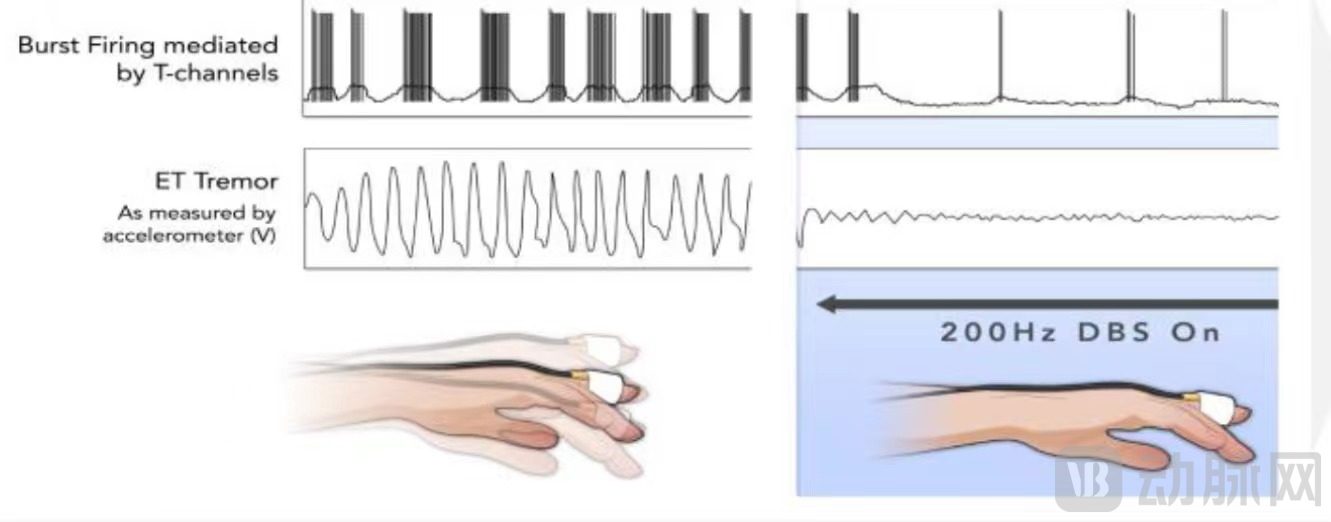
Burst Discharges in the CTC Circuit Are Associated with Tremor in Patients with ET and PD
Image source: Praxis
Preclinical animal studies and Phase 1 clinical results indicate that ulixacaltamide exerts a robust and consistent effect on biomarkers of T-type Ca2+ channel blockade, reducing power and tremor.Phase 2a trial showed that,Ulixacaltamide can alleviate tremor symptoms in essential tremor (ET) at certain doses, with the efficacy scale score decreasing by an average of 2.83 points over 14 days, equivalent to a 42% reduction in upper limb tremor amplitude.
However, as it entered Phase 2b clinical trials, the clinical development plan for ulixacaltamide encountered obstacles.
The Phase 2b clinical trial of ulixacaltamide was a randomized, double-blind, placebo-controlled study that evaluated the efficacy, safety, and tolerability after 56 days of once-daily administration of 60 mg or 100 mg of the drug. Ulixacaltamide was well tolerated, with no drug-related serious adverse events reported.
In terms of efficacy, the treatment group receiving the medication demonstrated greater improvement in the primary endpoint, the modified Activities of Daily Living (mADL) scale. Favorable improvements were also observed in the secondary endpoints—the Clinical Global Impression-Severity (CGI-S) and the Patient Global Impression of Change (PGI-C)—with scores reaching statistical significance for the secondary endpoints (p=0.026).
In other words, ulixacaltamide demonstrated favorable efficacy. So where did the “failure” occur?
The unmet endpoint was the statistically significant difference in the primary endpoint (p=0.126).. This figure indicates that the probability of placebo equivalence to the drug remains greater than or equal to 12.6%.
However, in a public filing, Praxis attributed this to the FDA’s revised efficacy scale.
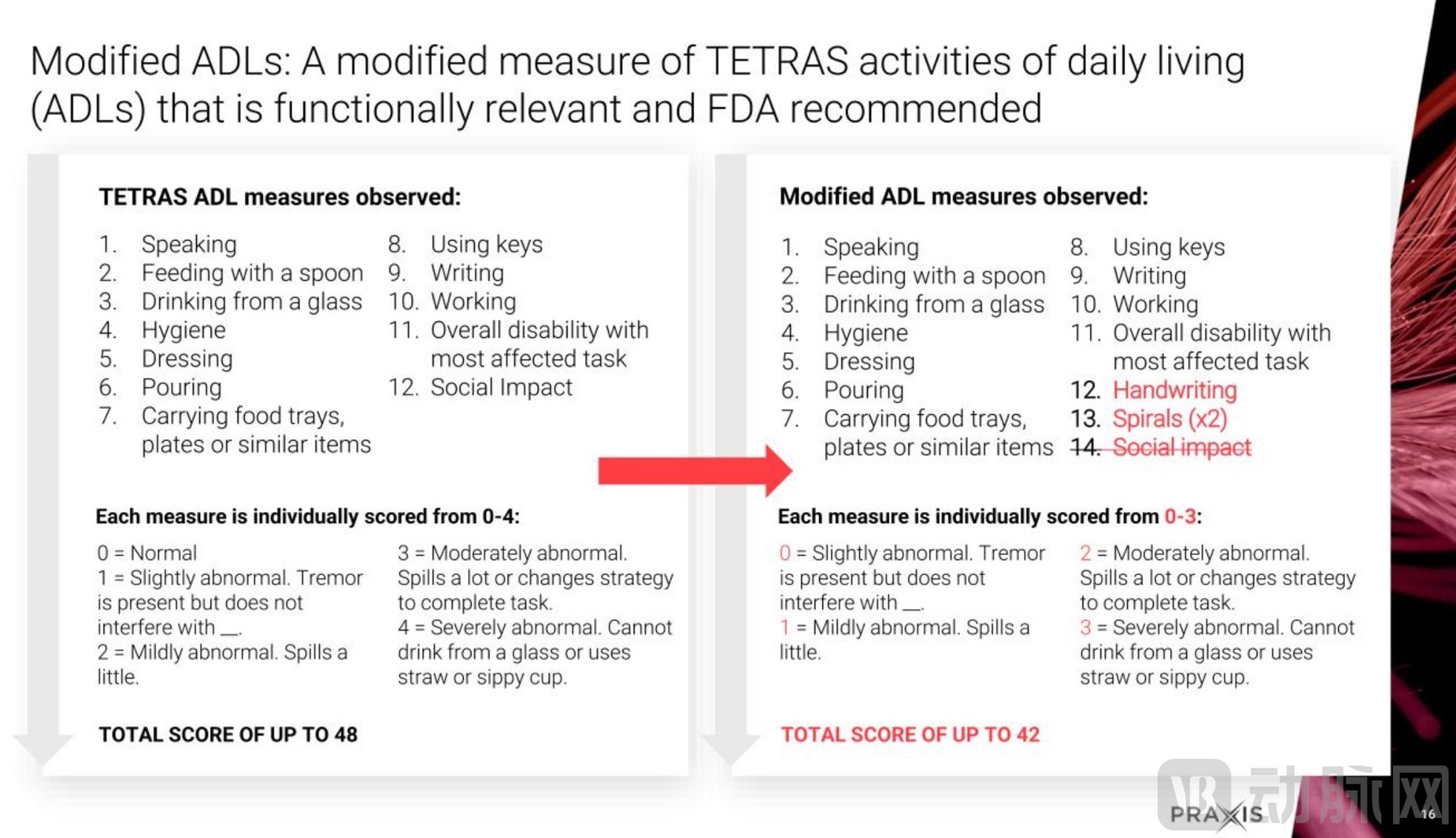
Comparison of Ulixacaltamide Efficacy Scales: Phase 2a (Left) vs. Phase 2b (Right)
Image source: Praxis
Compared with the Phase 2a efficacy scale, the FDA removed “social impact,” added two tests—“handwritten handwriting” and “spiral drawing”—and reduced the total score from 48 to 42 points.Praxis used the original efficacy scale for data calculation, and the results reached statistical significance (p<0.126).
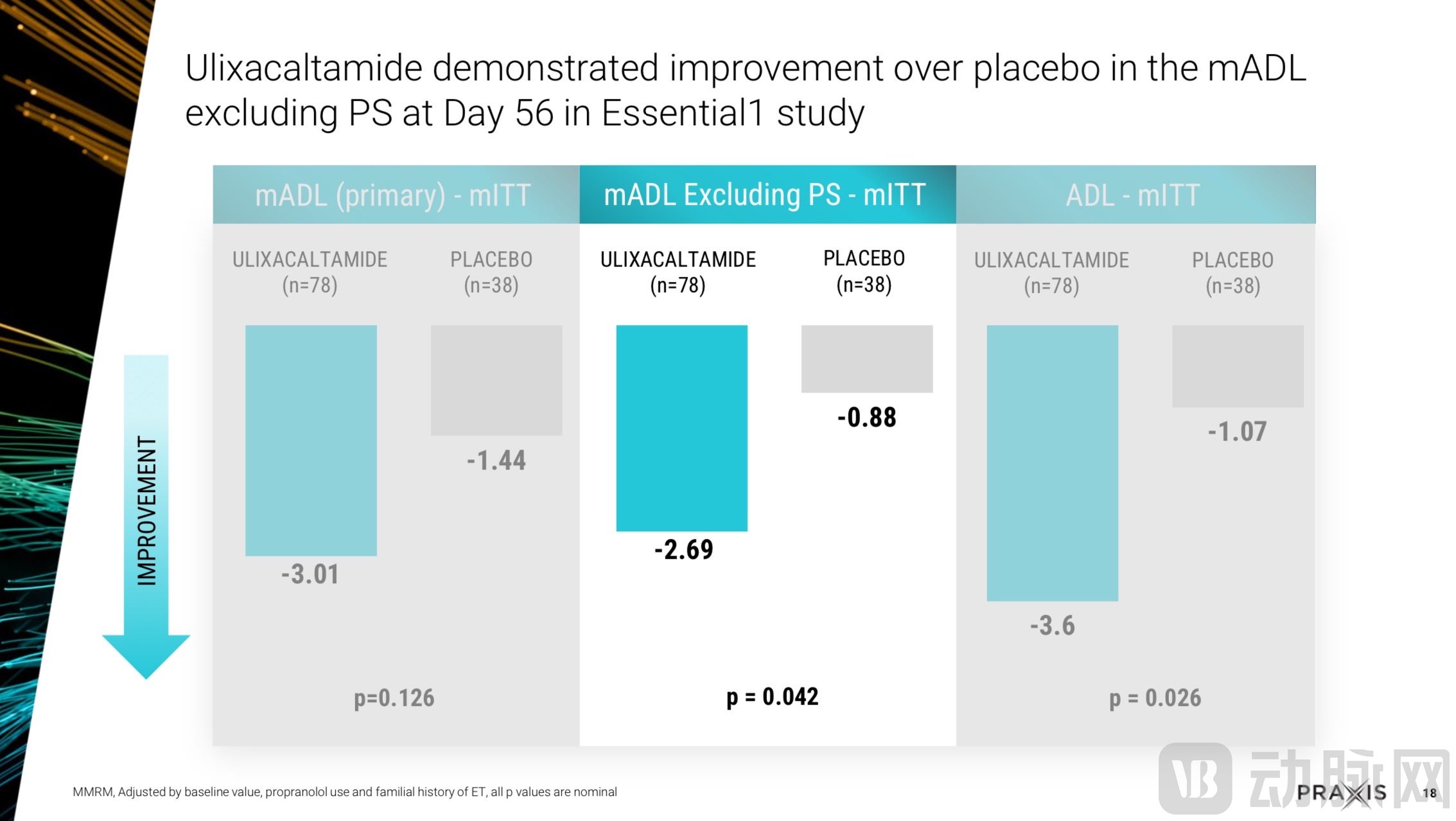
Trial data results obtained using the Phase 2a clinical scale (p<0.126)
Image source: Praxis
Why Does Such a Significant Data Discrepancy Exist? It Starts with the Metrics of “Handwritten Penmanship” and “Spiral Drawing.”
Due to the significant placebo effect observed in patients with psychiatric disorders, efficacy scales for such conditions often incorporate objective measures, such as biomarker assessments in Phase I clinical trials and the “spiral drawing” test in Phase II clinical trials. Previously, “spiral drawing” was also used as one of the measurement indicators for Ulixacaltamide, although it was not included in the formal efficacy scales of the clinical trials.
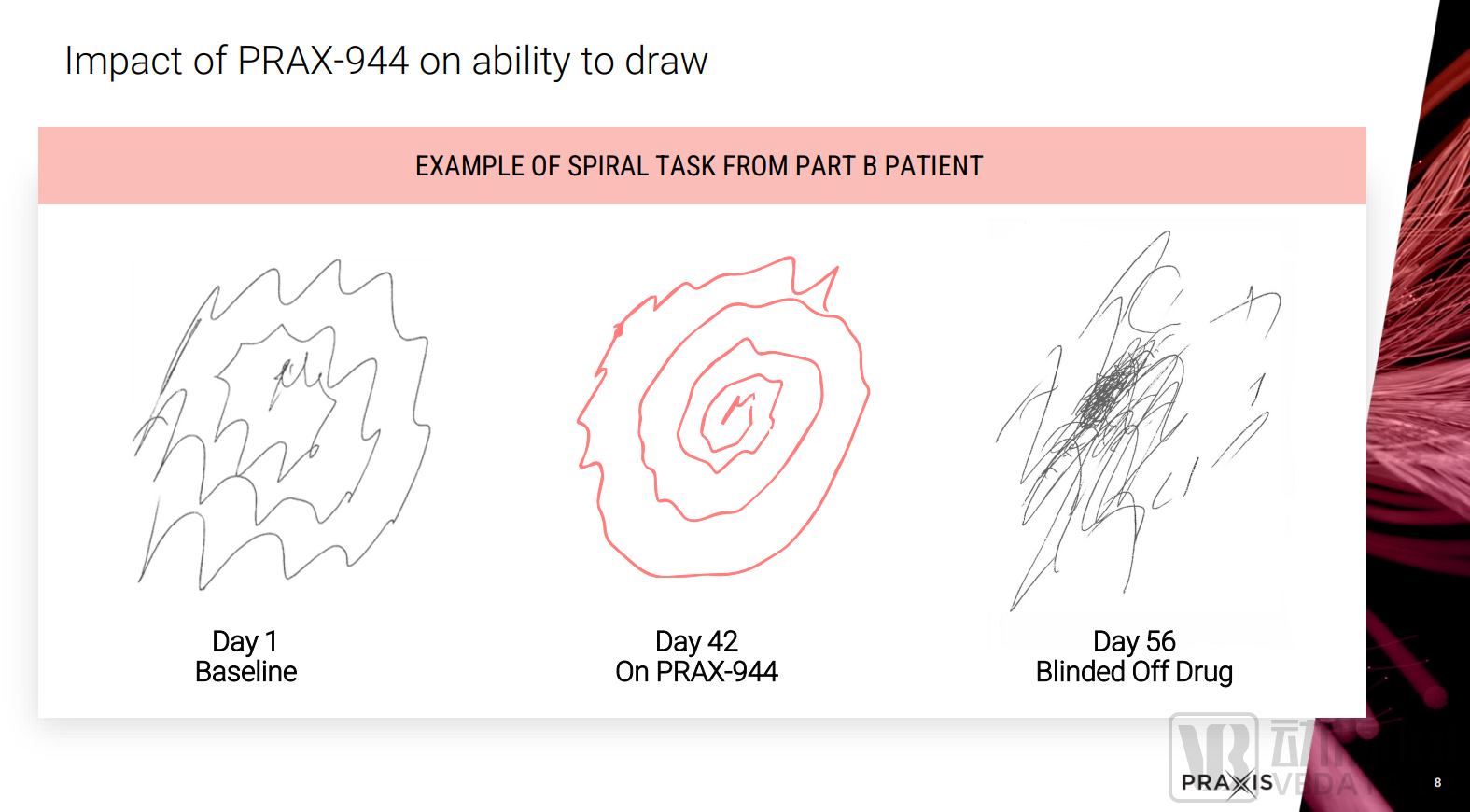
"Spiral Drawing" Results of Ulixacaltamide in Phase 2a Clinical Trials
Image source: Praxis
Praxis attributes this to the fact that both the “handwriting” and “spiral-drawing” tests are goal-directed movements, which may be influenced by another underlying disease variable—intention tremor (IT). Given the clinical similarity between IT and essential tremor (ET), there is a risk of misdiagnosis during patient evaluation and treatment, as well as the possibility of comorbid ET and IT.
Intentional tremor (IT) occurs only during directed or goal-oriented movements and is absent at rest. Importantly, unlike the pathogenesis of essential tremor (ET), IT is typically associated solely with cerebellar dysfunction, generally attributed to impaired feedback mechanisms among the cerebellum, cortex, and brainstem. Ulixacaltamide, which blocks T-type Ca2+ channels, is ineffective in treating this condition.
Praxis stated that it would consider patient variables involving comorbid immune thrombocytopenia (ITP) and essential thrombocythemia (ET) in future trials, thereby providing a relatively comprehensive explanation for the failure of its Phase 2b trial.Meanwhile,Praxis is maintaining communication with the FDA to initiate Phase 3 clinical studies for the treatment of essential tremor (ET) in the fourth quarter.
However, investors were not swayed by the explanations. Affected by the failure to meet the primary endpoint in its Phase 2 clinical trial, Praxis’s stock price halved, plummeting from $2.92 per share to a low of $1.53, with trading volume reaching 34.67 million shares on the day.
Step 2: Praxis issues additional shares to alleviate its pressing funding challenges.
In March 2023, Praxis projected that its cash runway would extend into the first quarter of 2024. On June 22, Praxis completed a follow-on offering of 55.15 million shares, priced at $0.95 per share in the public market. Concurrently, it issued warrants associated with the financing, allowing for the purchase of up to 7.05 million shares of common stock at an exercise price of $0.9499 per share. This over-allotment option financing generated net proceeds of $63.3 million for Praxis.
Where Does Praxis’s Confidence in Its Secondary Stock Offering and Continuous Investment Stem From? Let’s First Examine the Fundamentals of Its Pipeline.
Firstly, it lies inThe foreseeable future of the lead pipeline candidate, Ulixacaltamide.In its June public disclosure, Praxis statedPhase III clinical registration trials will be initiated in the fourth quarter of this year, with an NDA submission expected in 2025.Drawing on lessons learned from the Phase 2b trial, Praxis implemented improvements in its Phase 3 program, including the design of a parallel-group study and a randomized withdrawal study to validate drug efficacy, and accepted the use of the modified Alzheimer’s Disease Cooperative Study–Activities of Daily Living Inventory for Mild Cognitive Impairment (mADL11).
Meanwhile, Praxis’s pipeline is progressing optimistically.PRAX-628, a candidate for the treatment of focal epilepsy, is expected to initiate Phase 2 clinical trials in the fourth quarter. PRAX-562, designed to treat two types of monogenic epilepsies, has received Orphan Drug Designation (ODD) from both the FDA and the EMA, as well as Rare Pediatric Disease (RPD) designation from the FDA, and has entered the clinical stage. The pipeline portfolio indicates that, in addition to the four assets in clinical development, Praxis has six preclinical candidates under investigation.
In addition, Praxis has adopted a diversified betting strategy. It collaborates with Ionis Pharmaceuticals, the global leader in small nucleic acid drugs, to jointly develop PRAX-222, and partners with UCB, a global biopharmaceutical giant, to co-develop PRAX-020.Potential option fees and milestone payments of up to RMB 100 million.
and after the injection of funds from the issuance of additional shares,Praxis’s cash reserves will be sufficient to support operations through the first quarter of 2025.
All of this means that Praxis still has a chance.
The pipeline layout is attributable to its mature R&D logic—following the founder’s research in functional genetics and genomics of epilepsy, with a focus on CNS diseases characterized by an imbalance between neuronal excitation and inhibition.Mature and focused disease pathways can maximize the concentration of R&D resources and teams.
The co-founders of Praxis are all leading scientists and clinicians in the fields of neuroscience and human genetics, driving the industry to continuously expand its understanding of pathogenic targets, genetics, and biology in the CNS field.
Dr. Reddy is a neurologist engaged in academic medicine at Harvard/Massachusetts General Hospital. He also serves as a Venture Partner and Senior Advisor at Blackstone Life Sciences, and has previously held executive positions at Biogen and served as a Partner at Third Rock Ventures.
Dr. David Goldstein previously served as Director of the Institute for Genomic Medicine and Professor in the Department of Genetics and Development at Columbia University. His primary research focus is human genetics, including the discovery and characterization of Epi4K, an epilepsy-related gene.
Dr. Steven Petrou, who currently serves as Chief Scientific Officer at Praxis Precision Medicines, Inc., is the Director and Head of Department at the Florey Institute of Neuroscience and Mental Health at the University of Melbourne, as well as the Head of the Ion Channels and Human Disease Laboratory. Professor Petrou is a recognized leader in the field of ion channel neurological disorders, such as rare pediatric epilepsies. His interdisciplinary research focuses on the functional genetics and genomics of epilepsy, elucidation of disease mechanisms, and the development of the earliest animal models of hereditary epilepsy.
A team composed of senior life science investors, clinicians, and scientists specializing in CNS genetics, with a strong emphasis on R&D, constitutes the company’s fundamental strengths., laying the foundation for Praxis’s dedicated R&D efforts and the continuous advancement of its clinical pipeline.
According to public information, Praxis now possesses two proprietary development platforms and ten potential drug pipelines—the small-molecule platform CerebrumTM's six pipeline candidates and the antisense oligonucleotide (ASO) platform, SolidusTMof the four pipelines.
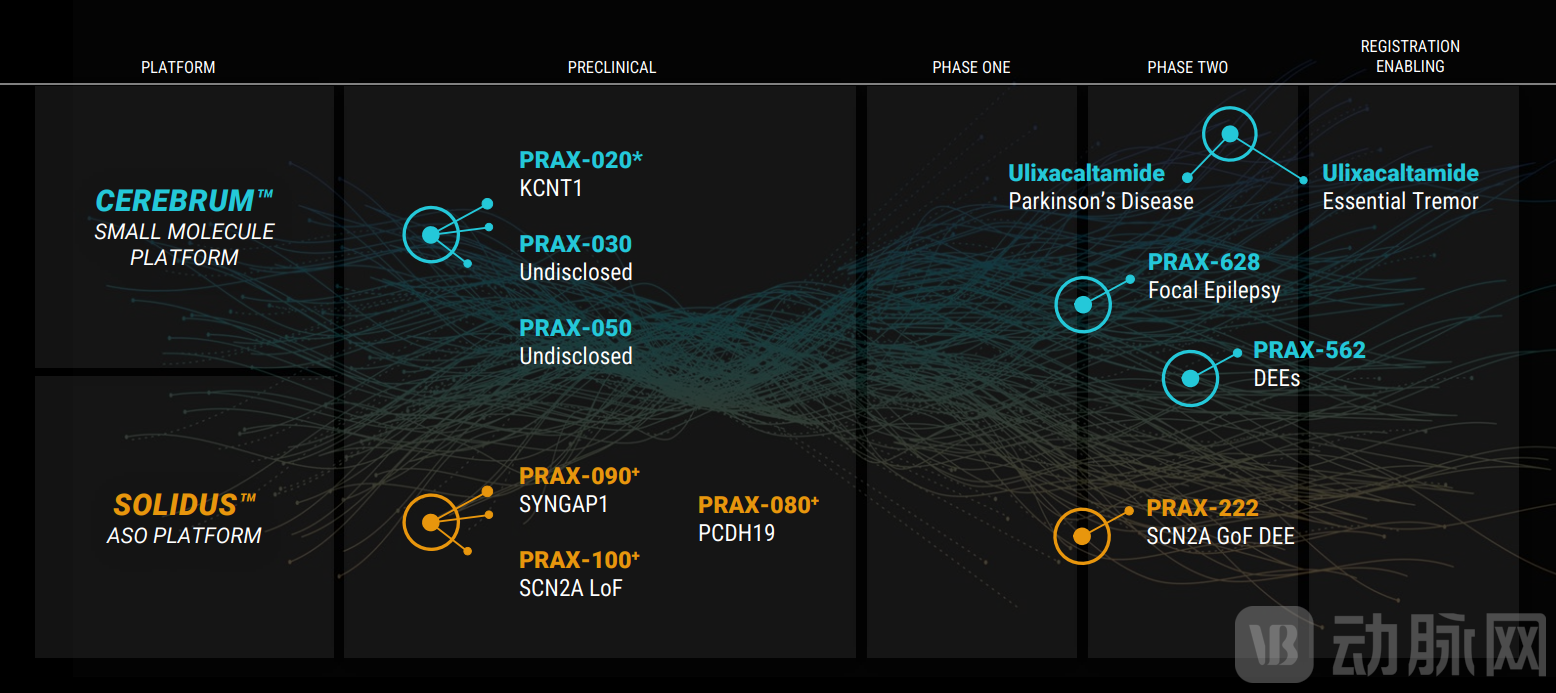
Praxis Pipeline Layout
Image source: Praxis
Ulixacaltamide
The first indication for ulixacaltamide is essential tremor (ET, also known as primary tremor), one of the most common movement disorders. According to the "Guidelines for the Diagnosis and Treatment of Essential Tremor in China (2020)," the prevalence of ET in the general population is approximately 0.9%, increasing with age, with a prevalence of about 4.6% among individuals aged 65 years and older. Clinically, ET presents as action tremor in both upper limbs, which may be accompanied by tremor in the lower limbs, head, orofacial region, or voice, interfering with daily activities and potentially impairing work ability.
Current therapeutic options for essential tremor (ET) include pharmacological and surgical interventions. Due to the invasive and irreversible nature of deep brain stimulation or focused ultrasound thalamotomy, many patients opt against surgery. First-line pharmacotherapies include propranolol (a beta-adrenergic blocker), primidone (an antiepileptic drug), and arotinolol (a third-generation beta-blocker). However, approximately 40% of patients discontinue medication within two years due to limited efficacy and tolerability. Consequently, there remains a significant unmet need among the broad population of patients with ET.
This therapy, which modulates the cortico-cerebellar-thalamic (CCT) circuit, may also address the imbalance in the mesothalamic-adrenocortical pathway associated with Parkinson’s disease.withNon-Dopaminergic Therapies for Motor Function in Parkinson’s Diseasepotential applications.
PRAX-628
Focal epilepsy is a localized epileptic disorder that originates in one hemisphere or a specific region of the brain and affects one side of the body. Focal epilepsy is the most common type of epilepsy, accounting for approximately 60% of all cases and affecting an estimated 2 million people in the United States alone.
PRAX-628 selects a novel, undisclosed therapeutic target to restore neural activity by precisely modulating the biophysical “levers,” including:
1-Reduce the function of functional excitatory channels and inhibit persistent currents
2- Dynamically block high-activity channels, including inhibition of voltage-gated currents and use-dependent currents
3-Reduces the benefit on steady-state peak current, keeping channels available and unobstructed during periods of low activity
Preclinical and clinical trial data indicate that PRAX-628 exhibits high selectivity for functional-state Nav channels. Furthermore, compared with cenobamate, PRAX-628 demonstrated favorable safety and tolerability in healthy volunteer studies. This tolerability was observed across a broad concentration range, offering a wider potential therapeutic window.Praxis expects to initiate the Phase 2 clinical trial of PRAX-628 in the fourth quarter of this year.
PRAX-562
PRAX-562 is a selective sodium channel inhibitor for the treatment of SCN2A-related developmental and epileptic encephalopathy (SCN2A-DEE) and SCN8A-related developmental and epileptic encephalopathy (SCN8A-DEE). SCN8A-DEE is an epilepsy associated with developmental disorders, caused by mutations in the SCN8A gene. Patients with this condition suffer from recurrent seizures, which can begin as early as the first day of life, with frequencies reaching dozens of episodes per day. This type of DEE is typically drug-resistant and responds poorly to current therapeutic regimens.
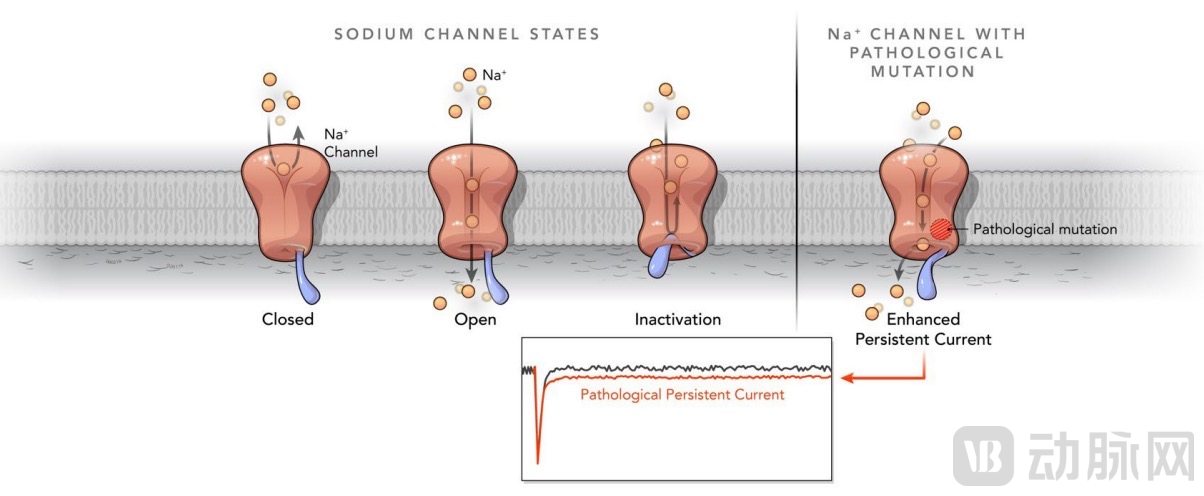
Normal State of Na⁺ Channels (Left) vs. Pathological Mutations (Right)
Image source: Praxis
Na⁺ channel proteins regulate the influx of sodium ions into neurons, generating electrical signals for cellular communication. Studies have shown that pathogenic mutations in the SCN2A and SCN8A genes affect Na⁺ channel proteins, leading to persistent Na⁺ current (I_Na). I_Na is a key driver of the pathologically sustained hyperexcitability observed in developmental and epileptic encephalopathies (DEE) and certain central nervous system (CNS) disorders.
Preclinical and clinical trial data indicate that PRAX-562 exhibits high selectivity for pathogenic Nav channels, with a favorable safety and efficacy profile. Praxis stated that PRAX-562 demonstrated best-in-class therapeutic effects in in vitro studies.PRAX-562 has received Orphan Drug Designation (ODD) and Rare Pediatric Disease (RPD) designation from the FDA, as well as ODD from the EMA. The Phase 2 EMBOLD study is currently underway, with data expected to be announced in the fourth quarter of this year.
PRAX-222
PRAX-222 is an antisense oligonucleotide (ASO) therapeutic targeting SCN2A-DEE. SCN2A-DEE is a form of epilepsy caused by mutations in the SCN2A gene, for which no approved targeted therapies currently exist. Despite the availability of certain antiepileptic drug interventions, more than 70% of patients with early-onset SCN2A-DEE continue to experience uncontrolled seizures, and approximately 75% of patients suffer from severe intellectual disability.
The modulatory effect of PRAX-222 will restore the SCN2A gene to its baseline state. In vitro, PRAX-222 has been demonstrated to downregulate both mRNA expression and protein levels of the SCN2A gene.
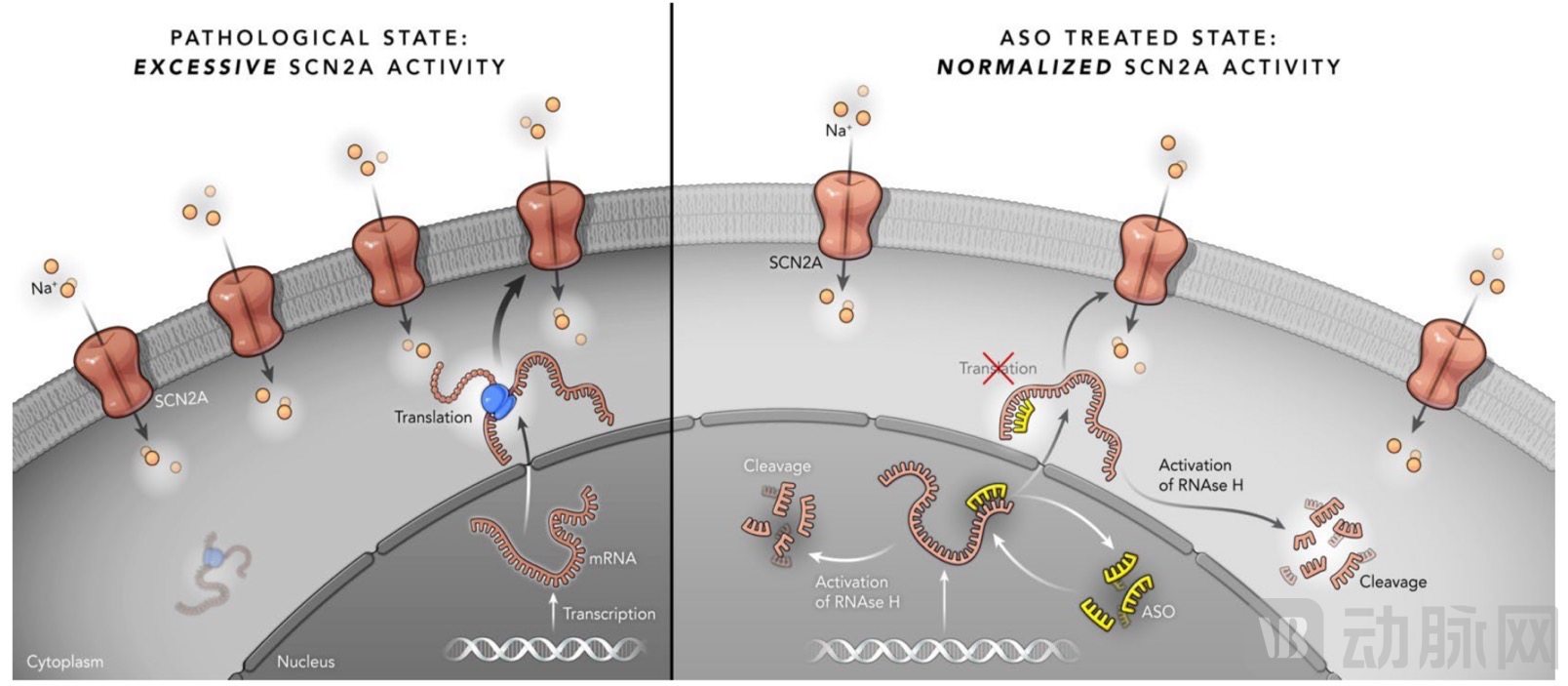
SCN2A Pathological State (Left) PRAX-222 Acts on SCN2A to Restore Normal State (Right)
Image source: Praxis
Data from mouse model studies indicate that PRAX-222 significantly reduces seizure frequency, improves behavioral and motor functions, and increases survival rates. Furthermore, PRAX-222 can be administered repeatedly, thereby extending survival benefits. Praxis believes that the high tolerability of PRAX-222 allows for the provision of initial and titrated doses based on disease progression, thereby better achieving clinical efficacy.
The drug has received Orphan Drug Designation (ODD) and Rare Pediatric Disease (RPD) designation from the FDA, as well as ODD from the EMA. The PRAX-222 program is being developed in collaboration with Ionis Pharmaceuticals, a global leader in oligonucleotide therapeutics.The results from the initial dose cohort of the EMBRAVE clinical study will be announced in the second quarter of this year.
Preclinical Pipeline: PRAX-020, PRAX-080, PRAX-090
December 2022,Praxis and global biopharmaceutical giant UCB announce collaboration to develop PRAX-020, a candidate for treating epilepsy caused by KCNT1 gene mutations.This collaboration will grant UCB global development and exclusive commercialization rights to the small-molecule candidate. Praxis will receive an upfront payment from UCB, with potential future option fees and milestone payments totaling up to RMB 100 million.
In addition, PRAX-080 for the treatment of epilepsy caused by PCDH19 gene mutations and PRAX-090 for the treatment of epilepsy caused by SYNGAP1 gene mutations may be officially launched in 2023.
As of July 25, Praxis’s stock price fell to $1.04 per share, with its market capitalization shrinking to $124 million. However, in the biotechnology industry, there is no shortage of cases where companies have hit rock bottom and made a comeback.
VCBeat will continue to monitor whether Praxis Precision Medicines can develop novel therapies for epilepsy influenced by multiple etiologies.