

VB-Talk Insights | Gao Jiageng, Deputy General Manager of Jilian Group: How Medical Device Companies Can Establish Overseas Subsidiaries and Build Manufacturing Facilities
June 30, 2023At the 2023 China Medical Device Global Expansion Conference held in Tianjin, Gao Jiageng, Vice President of Jilian Group, delivered a keynote speech titled “How Medical Device Companies Can Establish Overseas Subsidiaries and Set Up Manufacturing Facilities.”
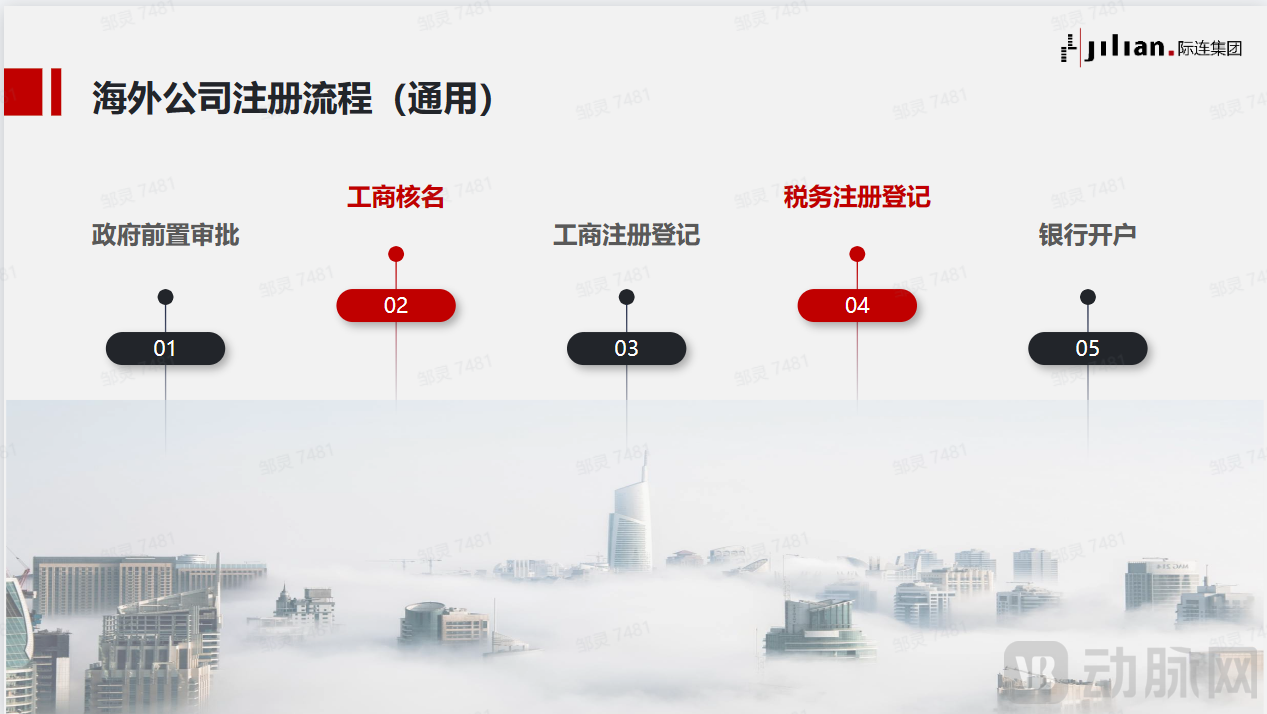
“Risks and opportunities coexist in the process of going global.” Gao Jiageng, Vice President of Jilian Group, conducted a comparative analysis of risk ratings for several popular countries and encouraged enterprises to consider their overseas layouts based on their specific circumstances. Regarding the overseas company registration process, he emphasized two key components: business name verification and tax registration, and provided a detailed on-site introduction to the workflow for establishing overseas factories.

[The following text is compiled from on-site presentations, with some content omitted.]
I. A Leading One-Stop Comprehensive Service Group for Chinese Enterprises Going Global
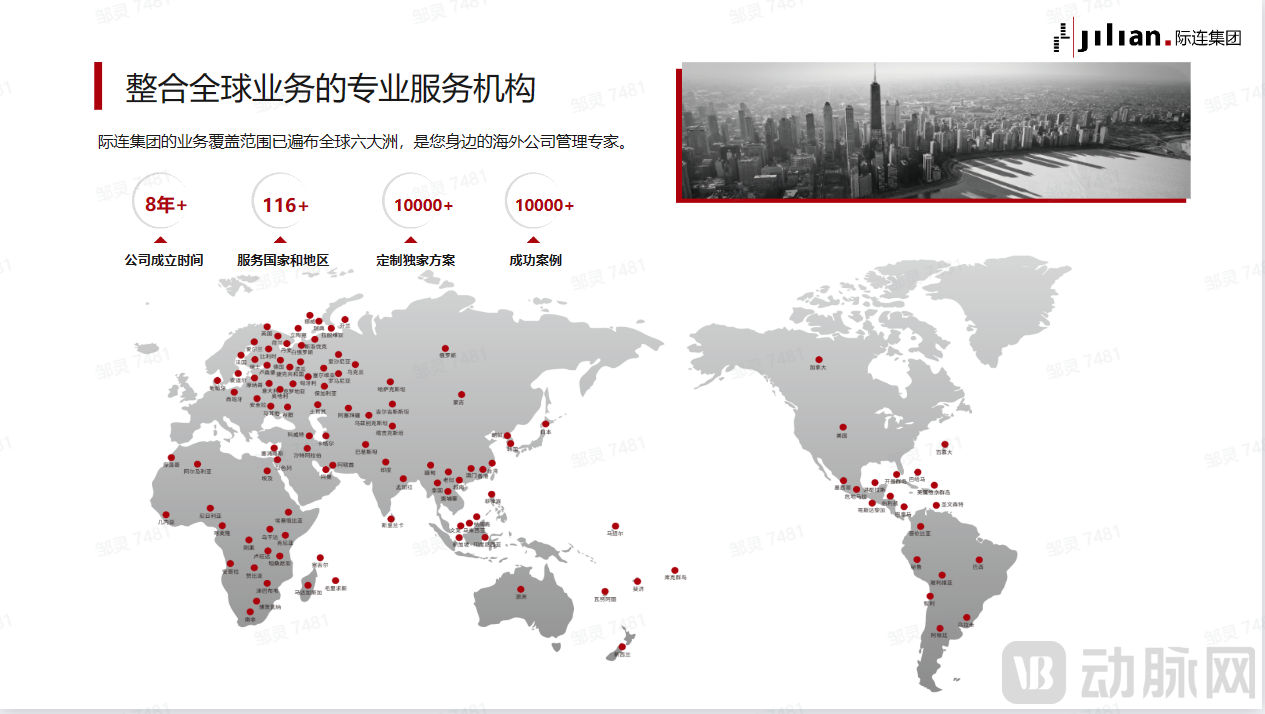
First, let me introduce Jilian Group. We specialize in cross-border corporate services, offering six core integrated solutions: cross-border mergers and acquisitions, company registration, qualification and license applications, finance and tax services, equity structure design, and factory establishment with equipment installation. We are the only company globally capable of providing end-to-end services—from initial company registration and license acquisition to on-the-ground factory setup, including plant construction, cleanroom development, trial operations, and addressing the subsequent financial, tax, and consulting issues arising after trial production.With a global footprint comprising over 20 branch offices—including two in Mexico, three across India, Indonesia, and Europe, as well as presences in emerging markets like Vietnam and key markets such as the United States—we now serve clients in more than 116 countries and regions. Unlike our competitors, Jilian operates wholly-owned subsidiaries overseas with teams composed of local professionals. This direct management enables us to deliver seamless, comprehensive, 24/7 support, ensuring clients can always reach their dedicated contacts at any time, both domestically and internationally.
II. Opportunities and Challenges for Chinese Medical Device Manufacturers in Global Markets
Why Are Chinese Medical Enterprises Expanding Overseas?First, they are facing intense pressure from centralized procurement competition in China. Meanwhile, there is significant untapped potential in overseas markets, and the technical specifications of domestically produced products have improved substantially, gaining recognition in certain international markets. Second, some countries in overseas markets boast substantial demographic dividends, where large populations represent both market size and future growth potential. The key countries targeted by Jilian Group’s clients generally fall into two categories: one is traditional high-consumption markets, including high-barrier, high-return markets in the United States and Europe; the other is markets with significant demographic dividends, such as Malaysia, India, and Indonesia. Through the continuous efforts of Chinese medical enterprises abroad, the influence of Chinese medical device manufacturers in established markets has been steadily increasing.
In the process of expanding overseas, risks and opportunities coexist. If one focuses solely on opportunities and charges ahead blindly, it may not lead to a smooth market entry or favorable returns. Risks deserve greater consideration, with three key types being particularly important:
1. Political risk.
First, let’s address the impact of war. It is not the direct harm caused by conflict that concerns us most, but rather its ripple effects on the healthcare industry. For instance, geopolitical factors stemming from the war have led to increased scrutiny of our clients by the United States and European countries. Why? Because many of these clients have legal entities based in Russia, or even merely include Russian senior executives within their corporate structures, with the rest of the organization built on offshore frameworks. As a result, they encounter significant difficulties in annual maintenance, deregistration, and audits. This year, we have tangibly observed numerous issues arising among clients with ties to Russia. In your future strategic planning, it is advisable to take precautions to avoid similar complications.
2. Policy Risks.
For instance, Malaysia is often regarded as a key market of interest. However, I hold some reservations about the situation in Malaysia this year. Companies planning to establish a presence in Malaysia this year may consider postponing their plans, as the country is holding general elections. The electoral process in Malaysia is extensive; following the national general election, state and municipal elections will also take place. Those with plans to build factories, particularly those involving real estate investments, should exercise caution. It remains uncertain whether current state and municipal councilors will uphold existing policies, including previously committed incentives for enterprises. That said, companies that have already successfully established operations are unlikely to face significant issues, as local authorities are generally unlikely to adversely affect long-standing businesses that contribute positively to the local economy.
3. Manage risks.
Many enterprises, in the early stages of their global expansion, expect us to provide a comprehensive solution with a unified quote, covering everything from company registration and licensing to factory construction and production launch. In reality, while overseas processes and laws and regulations are quite clear, they lag behind China in terms of both efficiency and stability. This is particularly true for Southeast Asian countries. Many Southeast Asian nations, having been colonized by European and American powers, did not have their own legal systems and instead directly inherited the legal frameworks of their former colonial rulers. For instance, the Philippines was a U.S. colony, and Indonesia was a Dutch colony; their legal systems are even more developed than China’s, with more intricate details. During implementation, do not assume that these countries, merely because they are developing nations, offer high flexibility or that corruption allows for expedited channels. This is not the case. Respecting local laws and culture is a fundamental prerequisite. In pursuing global expansion, progress must be made step by step. Do not expect immediate success upon entry. As long as your company possesses sufficient strength and advances within a well-defined strategic framework, employing flexible measures when appropriate, you will generally encounter no significant issues.

In this process, we also categorize overseas destination markets into high-, medium-, and low-risk zones. Our criteria for risk assessment may differ from conventional approaches: a country with a high level of development and political stability is not necessarily low-risk, nor is a traditional capitalist country automatically a favorable destination.
For example, why is Brazil, with a market population of 200 million, classified as high-risk? Tax rates and regulations vary significantly across Brazilian states, making its tax code one of the most complex globally and the country that poses the greatest challenges to our daily operations. Faced with such market potential and foreseeable operating costs, how should we proceed? Should we establish a comprehensive local tax support team to facilitate trade activities and provide technical support for medical device companies investing in local manufacturing? These are all considerations that require careful thought.
Medium-risk countries also represent significant markets for us. This includes the oft-cited example of India, which boasts a massive market size. However, Indian authorities subject overseas enterprises—particularly those with Chinese investment backgrounds—to heightened scrutiny and “special attention” with greater frequency. Consequently, robust contingency measures are essential. These measures should extend beyond mere technical capabilities to encompass comprehensive preparations in legal compliance, taxation, and local channel resources. Such preparedness is critical for responding to unannounced inspections by Indian government agencies and notices from tax authorities. Among our clients operating in India, spanning both the healthcare and economic manufacturing sectors, even minor discrepancies in tax disclosures have led to the revocation of their CST (Central Sales Tax) registration numbers. Once revoked, all business activities, including domestic sales and import-export operations, are immediately suspended.
What service providers in Vietnam are witnessing is excessive involution, with the market dominated entirely by Chinese enterprises and Chinese service providers. These companies have exported their corporate culture to Vietnam, resulting in a situation where local personnel have failed to adopt best practices but instead have absorbed undesirable elements. Through our inappropriate adaptations, these negative practices have been reversely exported back to Chinese enterprises. The operational challenges posed by local service providers and management teams are no less significant than those encountered in Indonesia and Malaysia.
When expanding into any country, it is essential to gain a deep understanding of local conditions. While market potential is important, the most critical factor is identifying the specific needs of the enterprise itself. As a service provider, we observe that many companies expand into certain countries not because they have a genuine strategic intent, but simply because their competitors are doing so. However, is their product truly suitable for that market? Not necessarily. If the product positioning is unclear, it remains uncertain whether the local market will accept the product. This is a common challenge faced by many enterprises. We assist them in conducting preliminary research to support their decision-making. One of our long-standing clients conducted thorough research before expanding into a particular country. They determined whether expansion was warranted, defined the appropriate scale for factory production, and identified the required facility space, equipment, and personnel. Only then did they proceed with subsequent approvals and budgeting for further expansion. This represents a positive and proactive approach to overseas investment.
III. Exploration of Overseas Market Entry for Medical Device Companies
What are the challenges of establishing operations overseas? The primary difficulties lie not in corporate registration, but rather in subsequent facility construction and operational localization. For instance, the rationale for building factories abroad is typically to reduce costs—particularly import and export expenses—or to mitigate legal risks. In some countries, due to sanctions or restrictions imposed on Chinese entities, it becomes necessary to establish a local presence to navigate these challenges. However, rapid market entry is neither realistic nor easy, and local team-building costs are exceptionally high. In many countries, such as Malaysia, specific regulations apply: if a company’s name includes the word “Malay,” its senior management team must include either local nationals or foreign executives with recognized medical qualifications. If the executive is a foreigner, their professional credentials must be certified by the Malaysian government. At the state and municipal levels, additional regulatory frameworks impose further scrutiny, including secondary reviews of submitted documentation.
All of Jilian’s overseas branches are operated by our own teams. This is our Indian subsidiary, the only remaining large-scale Chinese enterprise still actively operating in the Indian market. Most of our peers have largely withdrawn due to the pandemic and strained Sino-Indian relations. We are now the sole Chinese company providing end-to-end cross-border expansion services for Chinese enterprises in India; the remaining players are primarily foreign-funded companies. For any company expanding abroad, it is essential to first comply with local regulatory requirements. These rules may sometimes seem difficult to understand or appear as if local authorities are deliberately creating obstacles. However, what we perceive as unreasonable may not necessarily be so. For instance, in India, we are frequently required to submit regulatory filings. While similar issues in China might be resolved through a quick call to the designated data compliance officer, the process in India is far more complex. For example, canceling a tax identification number requires a cumbersome appeals process, which can significantly disrupt business operations.
Let us now emphasize business name verification and tax registration. What is the solution when targeted regulatory scrutiny arises in certain countries? If there is an urgent need for rapid market entry, a common approach is to avoid using the term “medical” in the initial registration, establish the corporate entity first, and then proceed with subsequent amendments. This is the fastest method. In fact, rapid entry is not always suitable for our industry; however, as the market drives progress, this is a practical “shortcut” that I can share for easier implementation. Regarding tax registration, it requires careful attention in every country, as inability to operate due to tax issues would render the venture meaningless. Compliance standards overseas are also extremely strict and may vary annually. For instance, Italy’s annual compliance forms undergo continuous changes. The service we provide ensures that, regardless of how compliance requirements evolve, Jilian’s overseas team will deliver comprehensive compliance maintenance and filing support. This serves as a fundamental prerequisite for ensuring that all our clients can conduct lawful, compliant, and high-quality operations overseas.
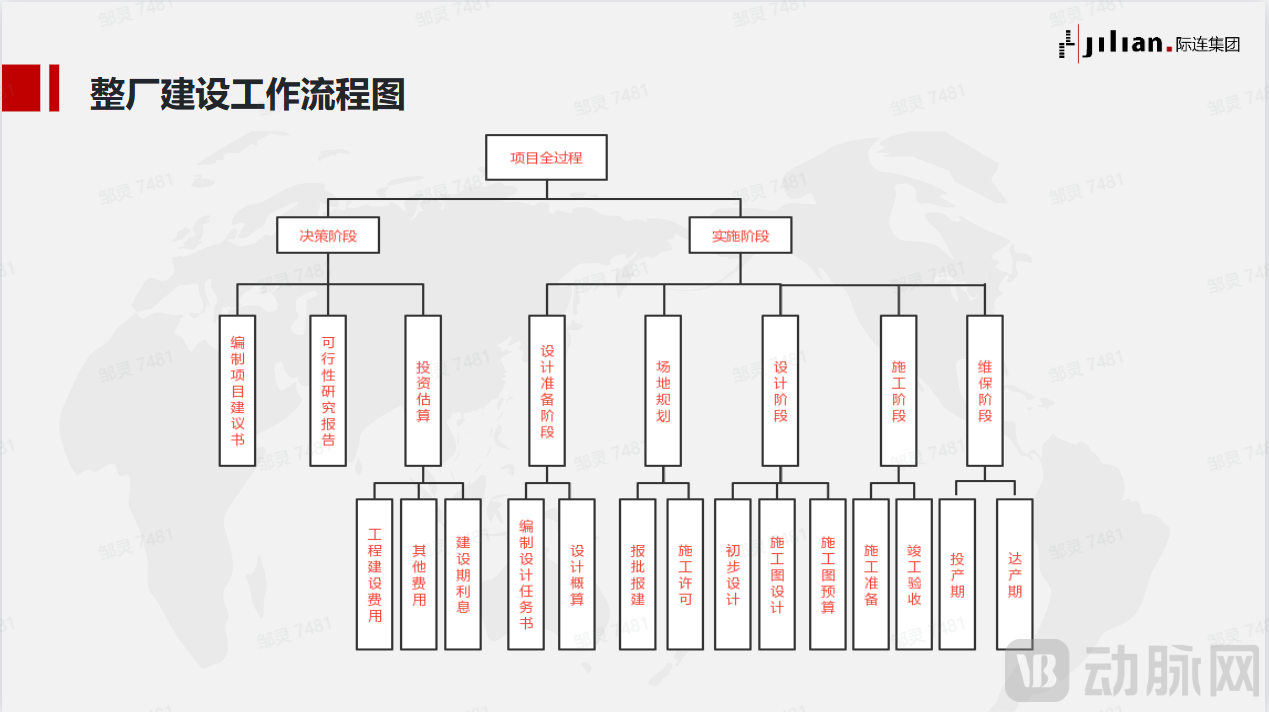
Next is Jilian’s largest business segment—overseas factory construction. We have an independent overseas engineering team and engineering company, with extensive experience in building factories abroad. Our advantage lies in automation: only by raising automation standards can labor costs be reduced and quality be uniformly controlled. Here is our factory construction process for your reference. Establishing a factory is never a matter of making an impulsive decision on where to invest. It involves substantial fixed-asset investment. If any link in the chain fails, the facility may remain idle, ultimately benefiting others rather than ourselves. The entire factory construction process, known domestically as EPC (Engineering, Procurement, and Construction) turnkey solutions, includes our consulting services as well as compliance and registration matters such as taxation. Whenever you have factory construction needs, we can start from the design phase and cover raw material procurement, transportation, local team formation, construction, later-stage commissioning, and trial production. We are the only company worldwide capable of providing this full-process service. Shown here are some of our factory construction case studies, including cleanroom facilities in Mexico, India, and Southeast Asia. In Monterrey, Mexico, we serve as the largest EPC turnkey contractor.