

Dornier MedTech's Strategic Layout in the Surge of Energy Medicine: Leading the Extracorporeal Shockwave Market
In 2019, Han Yaoxing accepted an invitation from Singapore’s AMTH Group to assume the role of General Manager for Dornier’s North Asia region, a long-established enterprise in the field of shockwave medicine under the group.
Soon, Dornier returned to the long-absent Chinese market and established a branch in China in 2020.
Evidently, Dornier was well-prepared this time. In the following year, 2022, the industry witnessed another major development: Dornier completed its strategic partnership with Shenzhen Huikang Company.
Thus, the “New Dornier,” boasting both an international perspective and localized innovation capabilities, has emerged before the public.
In June 2023, HuiKang’s E300 Linear Shockwave Therapy Device for the treatment of ED (erectile dysfunction) was approved for market launch after five years of research and development. Seizing this opportunity, VCBeat interviewed Mr. Han Yaoxing, General Manager of Dornier North Asia and General Manager of Shenzhen HuiKang, aiming to address the following three questions:
1. What has happened over the past several years, and why has Dornier chosen to return to the Chinese market after a long absence?
2. With the completion of the merger between Dornier and Shenzhen Huikang, what changes will occur in the company’s future strategy?
3. In an era of rapid advancement in minimally invasive surgery, what new developments will emerge in the future shockwave medicine market?
Perhaps only by casting our minds back to the 20th century can we fully appreciate what Dornier has brought to the world.
At that time, due to changes in living environments, dietary habits, and other factors, patients with urinary system stones in European and American countries were experiencing a shift from the previously prevalent bladder stones to an increasing incidence of upper urinary tract stones (ureteral and renal stones). However, the primary treatment modality for most patients with symptomatic urinary stones at that time remained invasive surgical procedures.
However, the emergence of new technologies has changed this situation.
In 1966, Claude Dornier, the founder of Germany’s Dornier GmbH, first discovered the shock wave effect while studying aircraft: when an aircraft passes through rain clouds at high speed, it often causes damage to internal components while leaving the outer shell intact. The underlying reason is preciselyShockwave—It is an acoustic wave with mechanical properties that generates energy through vibration and high-speed motion, causing extreme compression of the medium. It can induce abrupt changes in the physical properties of the medium, such as pressure, temperature, and density.
Based on this principle, Dornier developed the world’s first-generation extracorporeal shock wave lithotripter, the Dornier HM1, in 1980. Its introduction marked the dawn of a new era in “non-surgical treatment of calculi.” The subsequent upgraded and iterated HM3 lithotripter further accelerated the adoption of shock wave lithotripsy technology in West Germany. In 1984, the HM3 device entered the U.S. market and received FDA approval, thereby facilitating the global expansion of shock wave lithotripsy technology represented by Dornier.
And now,Extracorporeal shock wave technology, hailed as one of the three major medical technological innovations of the 20th century, has evolved over many years to expand its indications far beyond lithotripsy for calculi, now encompassing clinical treatment of musculoskeletal disorders, angiogenesis, and tissue healing.
Dornier established its presence in the Chinese market at an earlier stage. As early as 1987, just three years after the HM3 device received FDA clearance, Peking University First Hospital introduced the HM3 lithotripter for extracorporeal shock wave lithotripsy (ESWL). While Dornier was expanding its global footprint, it also entered the Chinese market by establishing a joint venture. However, due to operational challenges, the company ultimately retained only a representative office in China, conducting its business operations through appointed distributors in the Southern and Northern regions of the country.
Nowadays, Dornier has made a high-profile return to the Chinese market, largely driven by its optimistic outlook on the development of the extracorporeal shock wave sector in China.
On the one hand, China’s medical device sector has experienced explosive growth over the past several years. It is widely believed that this surge is not yet over, and Dornier aims to better seize this opportunity. On the other hand, while shockwave medicine is rapidly advancing and gaining widespread adoption in developed countries, significant growth potential remains in markets such as Southeast Asia, where Dornier has not previously had a direct presence.
In fact, another major factor is also tied to changes within Dorian itself. In 1996, Temasek Holdings acquired Dorian, enabling it to enter the market as an independent healthcare group. As Dorian’s independence and autonomy in the healthcare sector strengthened, the company placed greater emphasis on its global strategic layout. China, naturally, constitutes an indispensable component of this global strategy.
It was against this backdrop that Han Yaoxing assumed the role of General Manager for Dornier’s North Asia region in 2019, primarily responsible for market development in China, South Korea, and other markets.
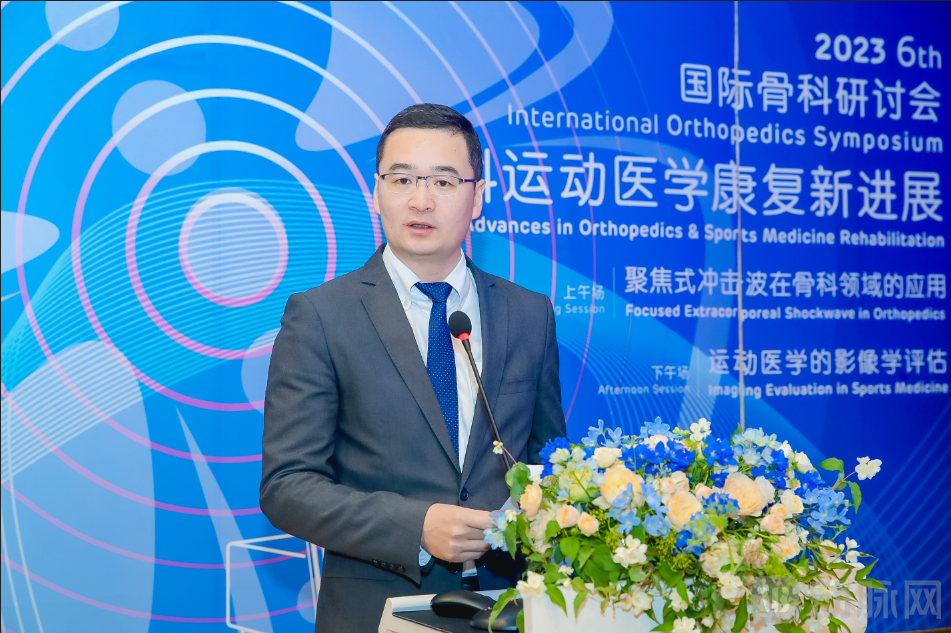
Mr. Han Yaoxing, General Manager of Dornier North Asia and General Manager of Shenzhen Huikang Company
Han Yaoxing has many years of experience working for multinational medical device companies. He previously served as Managing Director for Greater China at Clinical Innovations, a multinational company specializing in obstetric and pediatric medical devices, and as Director of the Urology and Pelvic Health Division at Boston Scientific. He has also held positions at Johnson & Johnson Medical (Shanghai) Co., Ltd. and GE China.
Years of accumulated experience in the medical device sector, coupled with a deep understanding of the Chinese market, have enabled him to rapidly drive Dornier’s expansion in China. As the saying goes, “a new broom sweeps clean.” Soon thereafter, as previously mentioned, Dornier established its Chinese subsidiary and completed its strategic partnership with Shenzhen Huikang Company.
As Han Yaoxing spearheads Dornier’s market expansion in China, the “third initiative” is also gradually gaining momentum.
In fact, the driving force behind this “marriage” is Donier’s holding company, Advanced MedTech Holdings (AMTH). Headquartered in Singapore, AMTH is a multinational medical technology group affiliated with Singapore’s Temasek Holdings.
In September 2022, AMTH announced the acquisition of Shenzhen Huikang. This acquisition effectively brought about the “marriage” between Dornier and Huikang.
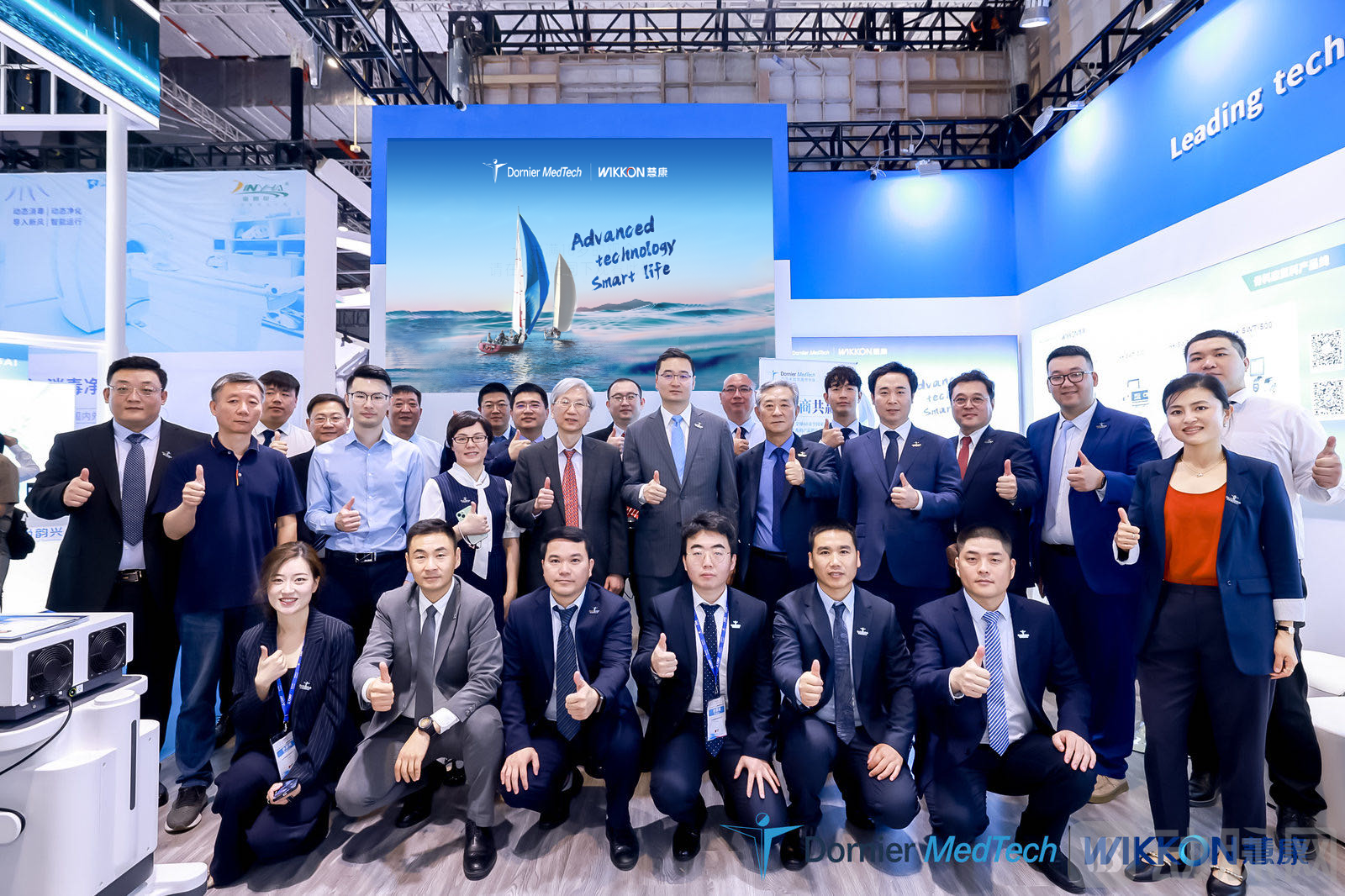
“Our goal is to become the ‘Huawei’ of the shockwave industry and promote our technology worldwide,” mentioned Han Yaoxing. To achieve this objective, partnering with robust allies is undoubtedly one of the best strategies.
This inevitably brings us to Shenzhen Huikang Company. During the years when extracorporeal shockwave technology was rapidly advancing, yet Dornier had little capacity to focus on the Chinese market, a number of companies dedicated to extracorporeal shockwave technology emerged, with Shenzhen Huikang being one of them. Established in 1996, Shenzhen Huikang is recognized as a National High-Tech Enterprise, a Key Engineering Laboratory in Shenzhen, the Guangdong Provincial Engineering Technology Research Center for Medical Shockwave Therapy Equipment, and a Guangdong Provincial Specialized, Refined, Differential, and Innovative (SRDI) Enterprise.
The alliance between the two parties clearly signals new possibilities.
First, it has brought a more comprehensive product pipeline portfolio.
“Huikang itself boasts an extremely rich product pipeline, while Dornier not only has a diverse range of products but also possesses deep brand heritage. The ‘marriage’ of the two signifies the ‘birth’ of the company with the largest installed base of shockwave devices in the world,” pointed out Han Yaoxing.
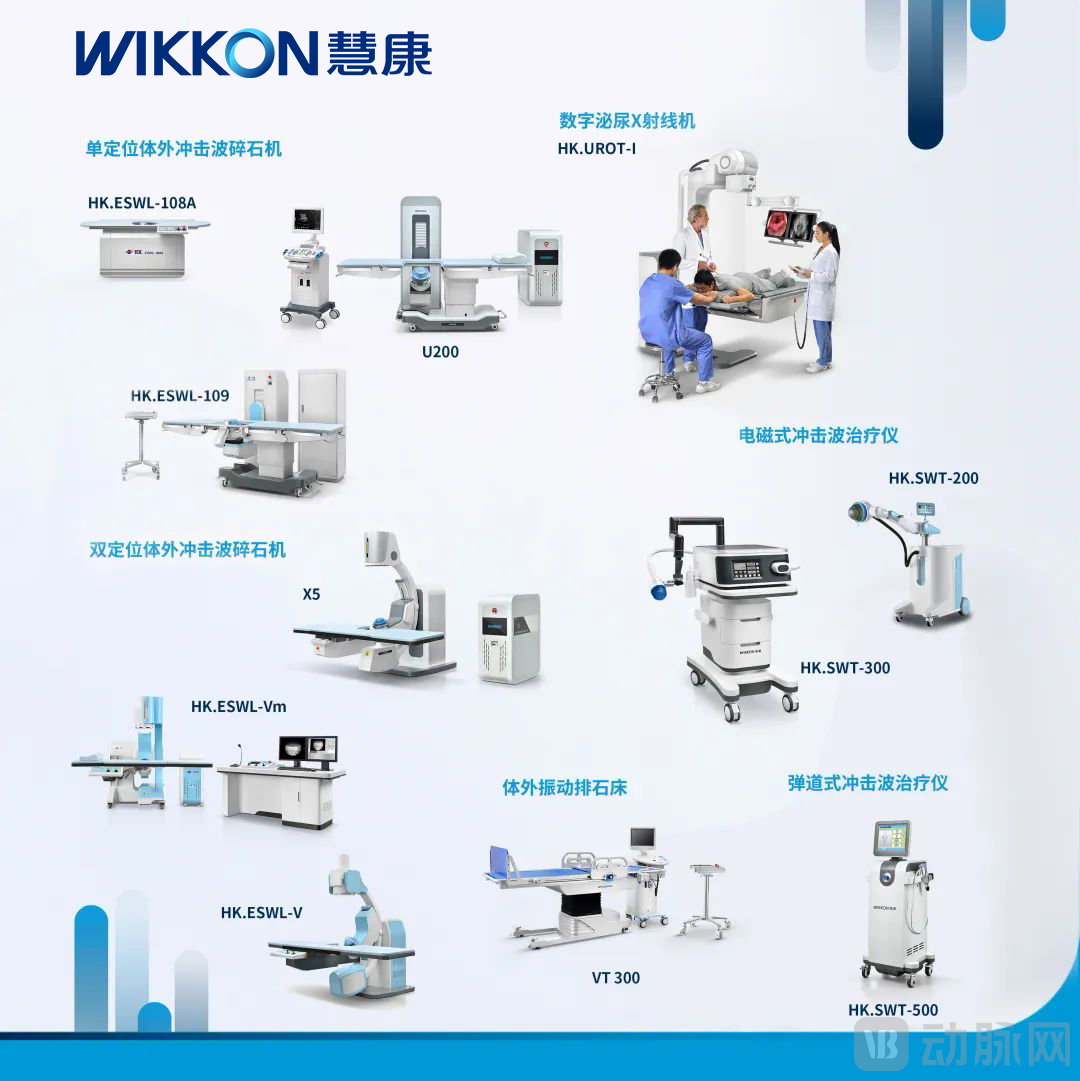
Behind Huikang’s numerous titles lies its comprehensive product pipeline. Huikang’s products cover the Extracorporeal Shock Wave Lithotripsy (ESWL) series, Extracorporeal Shock Wave Therapy (ESWT) devices for orthopedic rehabilitation and pain management as well as andrology treatment, the Urological Examination and Treatment Bed (UROT) series, and stone expulsion beds.
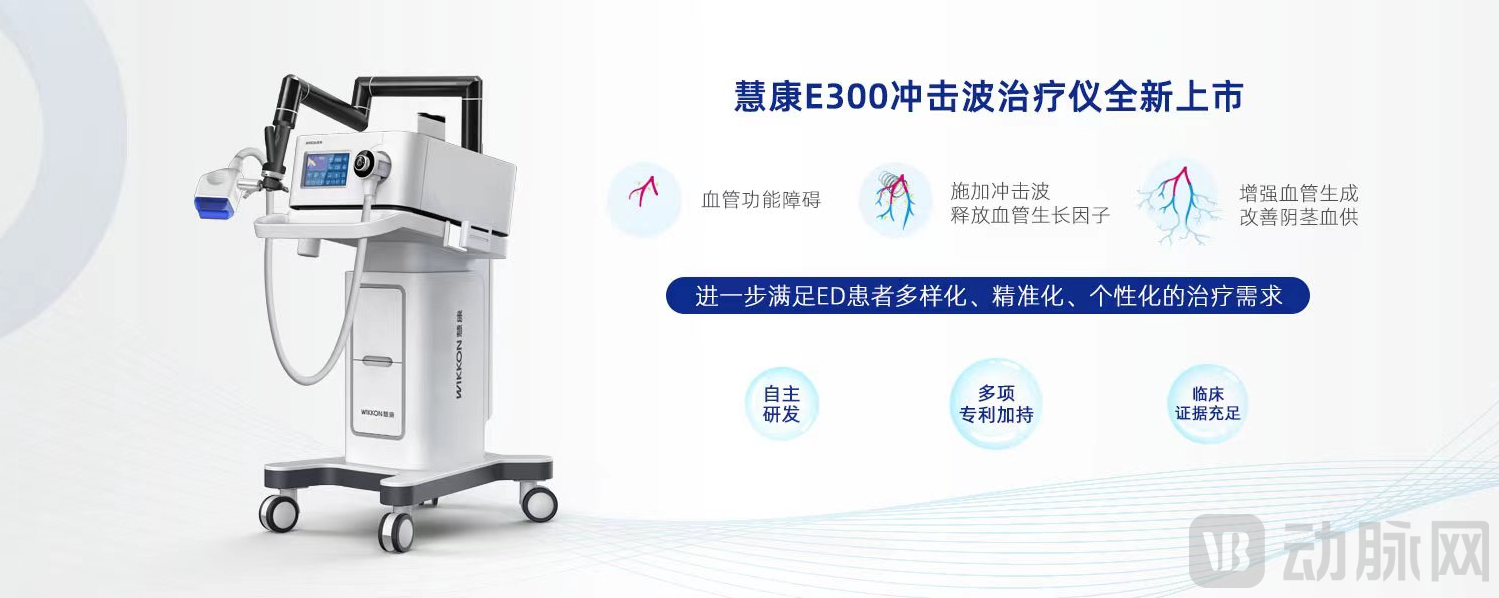
Furthermore, Huikang’s E300 linear shockwave therapy device, the first domestically produced and certified system for the treatment of erectile dysfunction (ED), recently received approval in June. By delivering low-intensity shockwaves to stimulate angiogenesis and microvascular regeneration, it repairs penile tissue at its source and is indicated for patients with mild-to-moderate vasculogenic erectile dysfunction. Currently, low-intensity extracorporeal shockwave therapy (Li-ESWT) for ED has been included by the American Urological Association (AUA) and the European Association of Urology (EAU) as a first-line non-pharmacological treatment option for erectile dysfunction. The approval of the Huikang E300 will undoubtedly better benefit patients.
From Dornier’s perspective, the company has expanded its product pipeline from the first-generation Dornier HM1 lithotripter, through dozens of generations of model updates, to include offerings such as the Dornier Delta II Pro integrated lithotripsy system, the Sigma Pro modular lithotripter, and the Aries series of intelligent zoom-focus shockwave therapy devices for rehabilitation.
The combined product portfolios of both parties will undoubtedly better serve hospital-based users and patients in the fields of urology, andrology, orthopedics, and rehabilitation.
Second, it enables rapid coverage of both local and global markets.
“The marriage between Dornier and Huikang enables a rapid response to both localized and international demands,” Han Yaoxing emphasized, pointing out that the distinct positioning of the two companies also leaves ample room for complementary advantages.
On one hand, it enables a high-quality integration of localized R&D and manufacturing with global innovation.
Huikang itself possesses a substantial foundation in R&D, manufacturing, supply chain, and equipment installation. Leveraging its China-based R&D and manufacturing capabilities, along with a comprehensive supply chain system, Huikang can further facilitate the localization of Dornier’s products in China. Dornier, a company with a long history originating in Germany, is the pioneer of extracorporeal shock wave lithotripsy (ESWL) equipment and technology. Germany’s engineering and technological expertise will further empower Huikang to develop higher-quality products. Together, the two parties will leverage global R&D capabilities alongside localized innovation and manufacturing strengths to serve customers in China and across the global market.
On the other hand, there is the complementarity of the two parties' strong sales networks.
From the perspective of the domestic market, Huikang has historically focused primarily on the secondary hospital segment, while Dornier’s equipment has been more prevalent in tertiary hospitals. With a complementary product portfolio now established, the combined entity can leverage their respective domestic sales networks to achieve tiered hospital coverage for different products. Internationally, Huikang is not merely a player deeply rooted in the Chinese market as commonly perceived. In fact, its product sales have expanded across China and to over 40 countries and regions worldwide, with the global installed base of its extracorporeal shock wave lithotripters exceeding 6,000 units. Meanwhile, Dornier has long been committed to global market expansion, and its holding company, AMTH, serves physicians and patients in more than 100 countries. The merger of these two companies will undoubtedly create synergies between global and local sales networks, facilitating rapid market expansion.
Behind the strategic alliance, a question that is likely to be raised repeatedly is how to avoid conflicts between the product pipelines of Huikang and Dornier. Han Yaoxing emphasized “differentiated positioning.” Taking Huikang’s SWT300 orthopedic shockwave therapy device and Dornier’s Aries series as examples, the two parties differ in their product positioning: The Huikang SWT300 features a robotic arm design, which fully frees the hands of medical technicians during use, reduces physical strain and potential occupational injuries caused by equipment operation, and offers high cost-effectiveness, making it well-suited for the broad rehabilitation and orthopedic markets. In contrast, the Aries series represents a top-tier global shockwave therapy product with prominent technological advantages. It boasts the globally patented “Intelligent Zoom” technology, enabling intelligent, targeted, and precise focusing on lesion sites, thereby facilitating clinical treatment. Furthermore, empowered by new technologies such as the Internet of Things (IoT), the series further lowers the adoption threshold for healthcare institutions.
Clearly, the “marriage” between Dornier and Huikang will enable both parties to better serve the market with an optimized product portfolio, ultimately benefiting patients worldwide.
The field of extracorporeal shock wave therapy is undoubtedly experiencing rapid development.
On the one hand, there is a rapid increase in patient demand.We can examine the growth drivers by addressing the distinct needs of different patient populations, separately for Extracorporeal Shock Wave Lithotripsy (ESWL) and Extracorporeal Shock Wave Therapy (ESWT) in orthopedics, rehabilitation, pain management, and andrology.
From the perspective of lithotripsy demand, taking kidney stone patients as an example, according to the “2022 Global Urology Survey,” the largest global survey on kidney stone patient experiences, which analyzed over 1,000 questionnaires submitted by members of “Worst Pain Ever,” the world’s largest kidney stone community, current data indicates a trend toward younger onset ages for kidney stones, with 40% of patients developing stones before the age of 35. The condition also shows a high rate of recurrence, with more than 90% of patients experiencing recurrent episodes. These patients clearly have an urgent need for more effective lithotripsy treatments.
From the perspective of treatment demands for orthopedic conditions, there are numerous factors driving growth. Unhealthy lifestyle habits, such as improper smoking and alcohol consumption, poor dietary patterns, and the misuse of hormonal medications, are all contributing to an increase in the number of patients with orthopedic disorders. Furthermore, the rising popularity of fitness has led to sports injuries caused by improper exercise techniques, while population aging has resulted in a higher prevalence of degenerative diseases. These trends are collectively fueling the growing demand for orthopedic care and pain management therapies. Currently, extracorporeal shockwave therapy can be applied to treat various musculoskeletal conditions, including nonunion, fracture non-union, and soft tissue injuries.
From the perspective of treatment needs for andrological disorders, more than 260 million men worldwide suffer from erectile dysfunction (ED) of varying severity, with vascular factors accounting for over half of all cases. Nearly all risk factors that can lead to hypertension, such as smoking, hyperlipidemia, and obesity, increase the incidence of ED. The likelihood of developing ED also rises with age. Among current mainstream treatment modalities, low-intensity extracorporeal shockwave therapy has the potential to improve or even reverse ED-related pathological damage, fundamentally repairing such damage with significant efficacy, durable results, and a safe, non-invasive profile.
Medical science popularization plays a crucial role in meeting the growing demands of patients. As public awareness of shockwave therapy has broadened and its clinical efficacy has been confirmed, coupled with the cultural aversion to invasive surgery among the Chinese population, the demand for shockwave therapy has further increased.
On the other hand, there is the continuous replenishment of supply.
Since the introduction of the first HM3 device in 1987, hospitals have been progressively establishing extracorporeal shock wave therapy centers, which has further increased market supply and improved patient access.
However, it is evident that appropriate training and advanced studies are necessary to improve the proficiency of physicians and medical technologists in shockwave therapy. For instance, in 2019, the 22nd International Congress on Medical Shockwave Treatment and the 3rd International Forum on Prevention, Treatment, and Emergency Care of Sports Injuries were held in Beijing, marking the first time the International Congress on Medical Shockwave Treatment was hosted in China. This event also served as a recognition, from a certain perspective, of China’s capabilities in the field of extracorporeal shockwave therapy. During the conference, the International Society for Medical Shockwave Treatment Certification Course (ICC) was conducted, and international certification certificates were awarded to qualified participants.
In fact, Dornier, the pioneer of extracorporeal shock wave lithotripsy (ESWL) technology, is also actively training industry professionals to enhance specialized diagnostic and therapeutic standards. Currently, Dornier conducts online training through the Dornier Advanced Institute, inviting clinical experts to share the latest advancements in the field of extracorporeal shock waves. Recognizing the critical importance of hands-on practice, Dornier further organizes offline practical training for medical technicians and issues certifications, thereby promoting more standardized application of extracorporeal shock wave technology in rigorous clinical settings.
It should be noted that policies are also promoting the better development of extracorporeal shock wave technology.For example, shockwave therapy for the treatment of erectile dysfunction (ED) was officially included in the Beijing Medical Insurance Catalog on June 23 this year. This has incentivized hospitals to adopt the corresponding treatment modality, increased awareness among physicians regarding extracorporeal shockwave therapy protocols, and improved patient accessibility through reduced clinical costs. It will undoubtedly further drive market expansion for devices such as the Huikang E300 Shockwave Therapy System for ED treatment, while simultaneously meeting the diverse, precise, and personalized therapeutic needs of ED patients.
However, we should perhaps look beyond the concept of “extracorporeal shock wave therapy.” In fact, contrary to public perception, Dornier is not solely focused on the field of extracorporeal shock wave technology. In addition to extracorporeal shock wave devices, Dornier also has equipment and technological reserves in thulium laser, holmium laser, and semiconductor laser technologies.
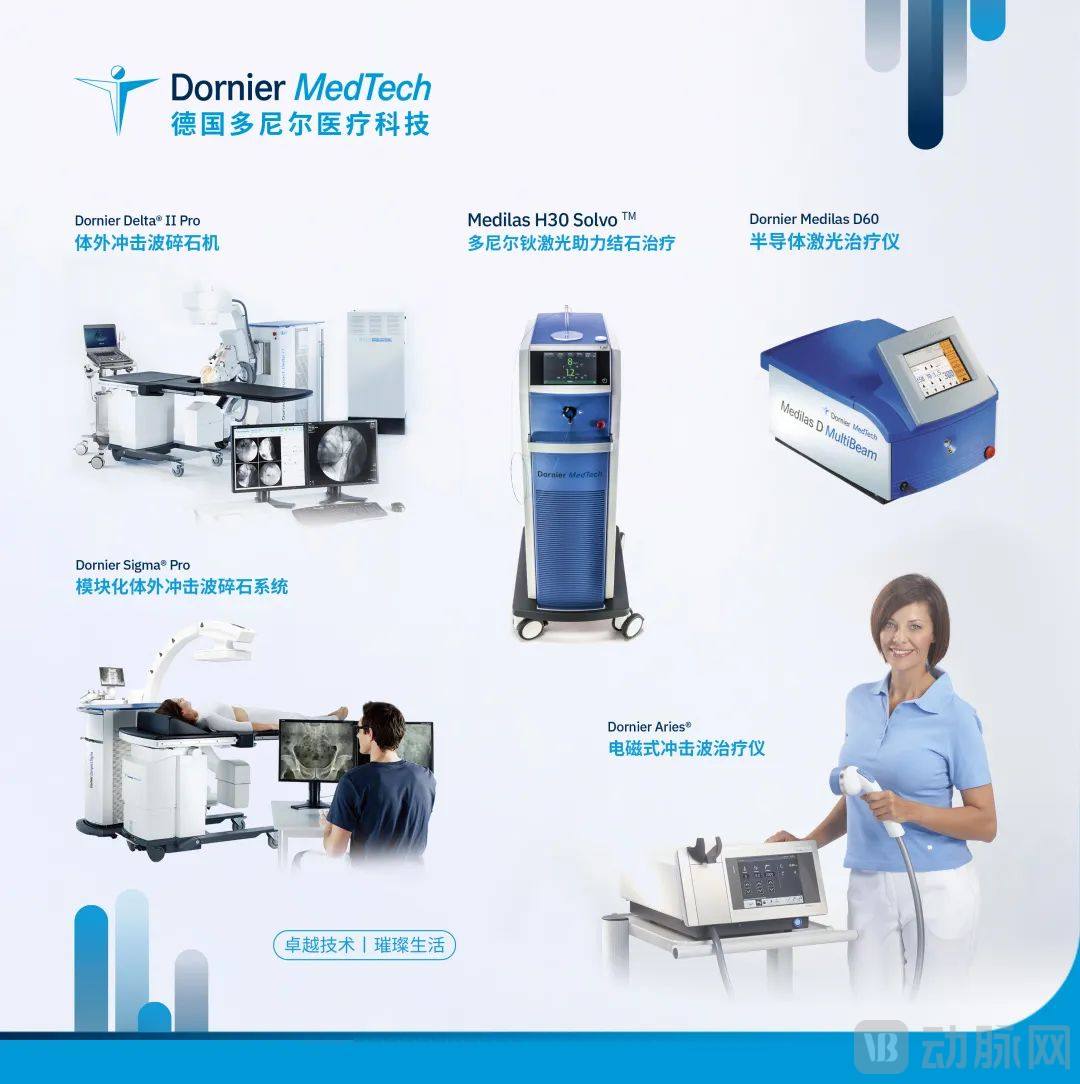
“Lasers, extracorporeal shock waves, and the like actually fall within the domain of energy medicine.”Compared with traditional invasive surgical approaches, the most prominent feature of energy medicine is its minimally invasive or even non-invasive nature.Han Yaoxing added, “Whether minimally invasive or non-invasive, the goal is to cure patients. The evolution of surgical history has progressed from invasive to minimally invasive and then to non-invasive. However, in patient treatment, the approach should be reversed, taking on a funnel-shaped pattern: the majority of patients can be treated using non-invasive or minimally invasive methods, while only a small subset requires invasive surgical procedures. The development of energy medicine will undoubtedly further enhance hospital efficiency and reduce surgical risks for patients.”
Furthermore, he noted that extracorporeal shockwave therapy (ESWT) allows for adjustment of energy levels, treatment frequency, and duration based on individual patient needs, thereby truly facilitating personalized diagnosis and treatment. With technological advancements integrating ultrasound localization and artificial intelligence (AI), ESWT is increasingly becoming automated, enabling more precise therapeutic outcomes.
Clearly, technologies such as shockwave therapy and laser treatment align with the medical trend toward minimally invasive, personalized, and precision medicine. These modalities are poised to enter a new era of development in the future.
Perhaps, with advancements in technology, growing clinical demands, and the accumulation of practical experience and clinical evidence for indications, we have reason to believe that the “minimally invasive era” of energy-based medicine, as described by Han Yaoxing, is arriving at a pace beyond our imagination.
And choosing to delve deeply into this field and strategically reserve related technologies is precisely what a company that pioneered extracorporeal shock wave lithotripsy technology and remains committed to its future direction should do.