

Guangzhou Cognitive & Sleep Medical Center Launches Teacher Mental Health Initiative and Files IPO Prospectus
At the beginning of July, a campaign themed “Safeguarding Campus Mental Health – Caring for Teachers’ Mental Well-being” and a scientific forum on “Brain and Learning” were successfully held in Guangzhou. The event was jointly organized by the Guangzhou Cognitive Sleep Medicine Center, Guangdong Economic and Science-Education Channel, and Guangzhou Daily · Lingnan Youth.
Zeng Qiyi, a renowned pediatric expert in China, served as the Chair of this conference. Luo Zhizhi, Secretary-General of the “Guarding Campus Mental Health” Public Welfare Initiative under the International Alliance for Research on Children’s Cognitive and Behavioral Development, and Hu Shun, President of the Guangdong Provincial Health Management Association, also attended the event.
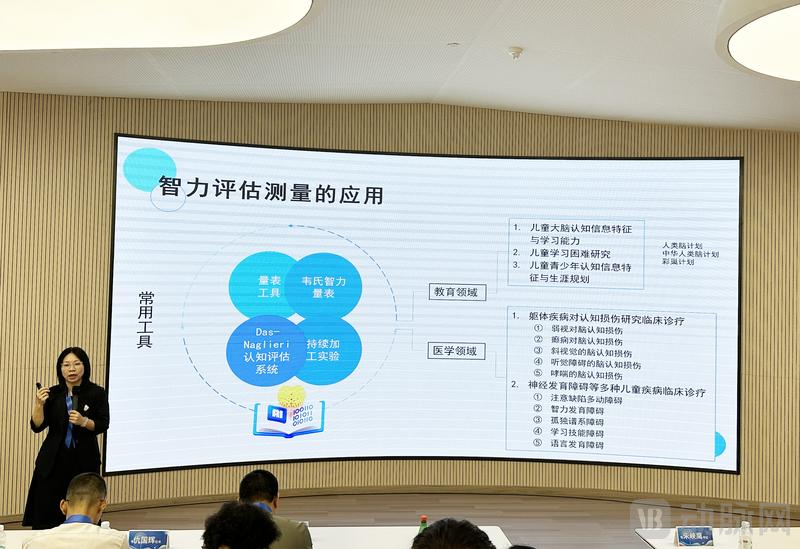
During the keynote sharing session, Dr. Tan Xiaoying, founder of the “Brain and Learning” Forum and Director of the Guangzhou Center for Cognitive Sleep Medicine, provided an overview of the scientific development of cognitive function assessment to both on-site attendees and over 400,000 online live-stream viewers, drawing from the historical perspective of humanity’s understanding of intelligence and the research and practice involved in exploring its assessment and measurement.
Subsequently, Dr. Qin Ling, Chief Physician and Deputy Director of the Child and Adolescent Mental Health Group under the Health Professional Committee of the Chinese Medical Doctor Association; and Dr. Jiang Han, Master’s Supervisor at the College of Child Development and Education, Zhejiang Normal University, and Project Review Expert for the National Natural Science Foundation of China, delivered academic presentations on “Information Theory of Cognition: How Children’s Brains Learn” and “Effective Learning for Children with ADHD: Challenges and Opportunities Coexist,” respectively.
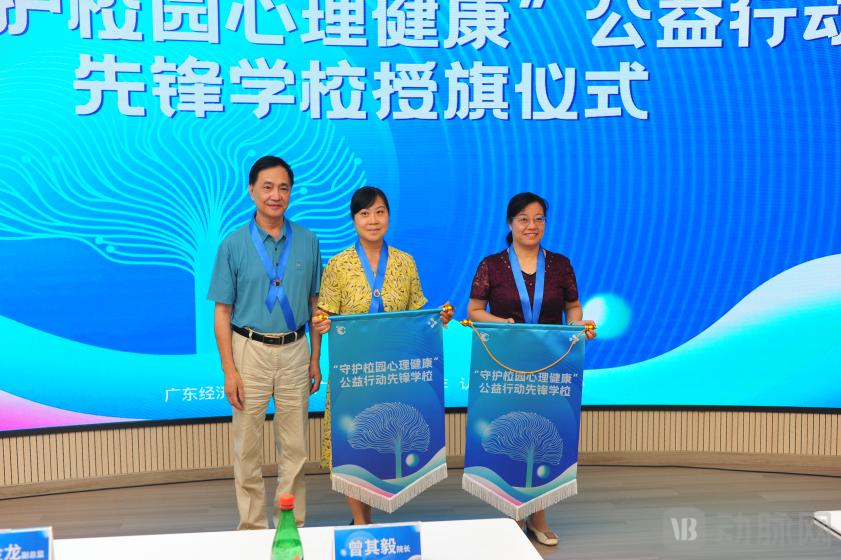
Furthermore, the “Campus Mental Health Protection Public Welfare Initiative” was officially launched at the event. Professor Zeng Qiyi, a renowned expert in pediatrics, presented the ceremonial flag to school representatives participating in this public welfare campaign. Unlike most campus mental health initiatives that primarily target students, this program is specifically designed for teachers. During the subsequent thematic sharing session, Dr. Li Dandan, a senior clinical psychotherapist, provided a detailed explanation of the rationale behind this focus and outlined the specific services offered by the initiative.
“In psychological icebreaker activities, there is a classic exercise in which each child in the class takes a strip of colored paper and randomly writes down the strengths of another classmate. Once completed, the teacher rolls each piece of colored paper into a loop and strings them together one by one. If any small loop in the large chain changes or goes missing, it is easily noticed.” With this story, Dr. Li Dandan began her sharing.
“But what if it is the person who strings the rings together that changes?”
Dr. Li Dandan’s question plunged the audience into a brief silence. Indeed, within the realm of campus mental health, while psychological issues among students have garnered significant attention, those affecting teachers seem to occupy a more ambiguous “gray” area—neither ignored nor centered.
So, what is the actual psychological status of the teacher population?
In her presentation, Dr. Li Dandan presented a set of data: “A review of the literature from the past decade reveals that teacher job stress and burnout have become prominent research topics. Related findings indicate that approximately 70% or more of teachers perceive their job stress as high, about one-third report experiencing job burnout, and 50% consider their mental health to be very poor and in need of assistance.”
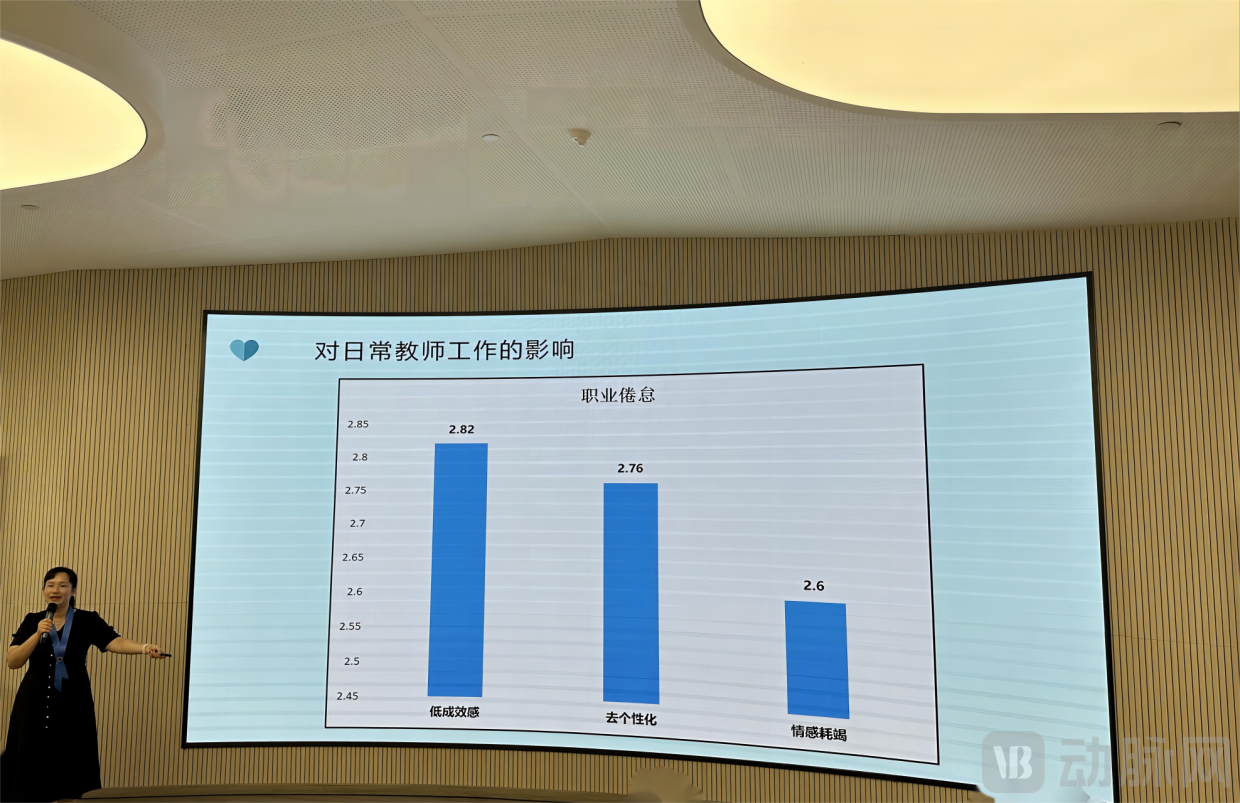
In 2020, Dr. Li Dandan’s team also conducted a mental health survey among teachers from five public primary schools in Nanning, Guangxi. The results showed that teachers from these five schools had higher scores than the general population on six somatic and psychological health symptom dimensions, namely somatization, obsessive-compulsive symptoms, depression, anxiety, phobic anxiety, and psychoticism. In other words, teachers at all five schools exhibited varying degrees of mental health issues.
Moreover, in the ranking of job stressors, “students” emerged as the most significant influencing factor, while other major contributors included “personality,” “workload,” and “work environment.”
Among these, the “student” factor primarily refers to students’ academic performance, while the “personality” factor mainly pertains to teachers’ attribution styles regarding student achievement. In simpler terms, when students perform poorly, teachers tend to attribute this outcome either to deficiencies in their own teaching competence, flaws in their instructional methods, or limitations in students’ learning abilities. These two aspects can be regarded as “internal factors” contributing to teachers’ occupational stress, whereas “workload” and “work environment” are considered “external forces.”
Based on this, Li Dandan’s team has decided to help teachers address “internal” sources of work-related stress through public welfare initiatives. Specifically, starting from the summer vacation this year, the team will first conduct a comprehensive mental health screening for all primary and secondary school teachers in Guangzhou who participate in these public welfare activities, establishing individual mental health records. Subsequently, targeted psychoeducational lectures will be delivered based on the screening results, informing teachers about methods to cope with and prevent stress. Finally, the team will provide group interventions in the form of group counseling courses to help teachers clarify professional boundaries and effectively manage emotional and stress-related issues.
“Equipping teachers with basic psychological intervention skills, helping them establish professional boundaries, and clarifying the relationship between student academic performance and their own competencies are the top priorities of this public welfare initiative,” stated Li Dandan. “However, we are well aware that the prevention and intervention of teachers’ mental health issues cannot be achieved overnight. Therefore, this initiative serves merely as a starting point. In the future, we will continue to focus on teachers’ mental health, aiming to provide a long-term solution for psychological intervention.”
Finally, Li Dandan also called on relevant authorities and industries to attach importance to the construction of a mental health support system for teachers, urging multi-party collaboration to help teachers address the “internal factors” of work-related stress, strive to optimize the “external environment,” and safeguard teachers’ mental well-being.
Long before teacher mental health garnered attention, discussions on student mental health issues and the development of related systems were already in full swing.
At the forum, Dr. Jiang Han, a master’s supervisor at the College of Child Development and Education, Zhejiang Normal University, and a project review expert for the National Natural Science Foundation of China, along with Professor Qin Ling, Deputy Director of the Child and Adolescent Cognitive Medicine Group under the Health Professional Committee of the Chinese Medical Doctor Association, separately discussed learning interventions for children with ADHD (commonly referred to as “A-kids”) and cognitive information theory.
Children with ADHD Face Significant Learning Challenges: Intervention Strategies Should Shift from “Training Through Learning” to “Learning Through Training”
“Learning is for his own sake; it is his own responsibility! In the past, XXX could still remember his homework assignments, but now he cannot. This is definitely his own problem!”
“It’s no longer just a matter of correcting errors; his attitude toward learning is deteriorating. Given his pace, there is no reason he should be unable to complete the work. We have closely monitored XXX’s status in every class, yet our efforts have been utterly futile with him. If this continues, I truly have no further recourse… This is also unfair to the other children.”
At the beginning of her presentation, Dr. Jiang Han displayed two screenshots of chat records with parents of children with ADHD. In the screenshots, the teacher’s tone was quite assertive yet revealed a sense of helplessness, while the parents’ responses conveyed not only similar helplessness but also a touch of subservience.
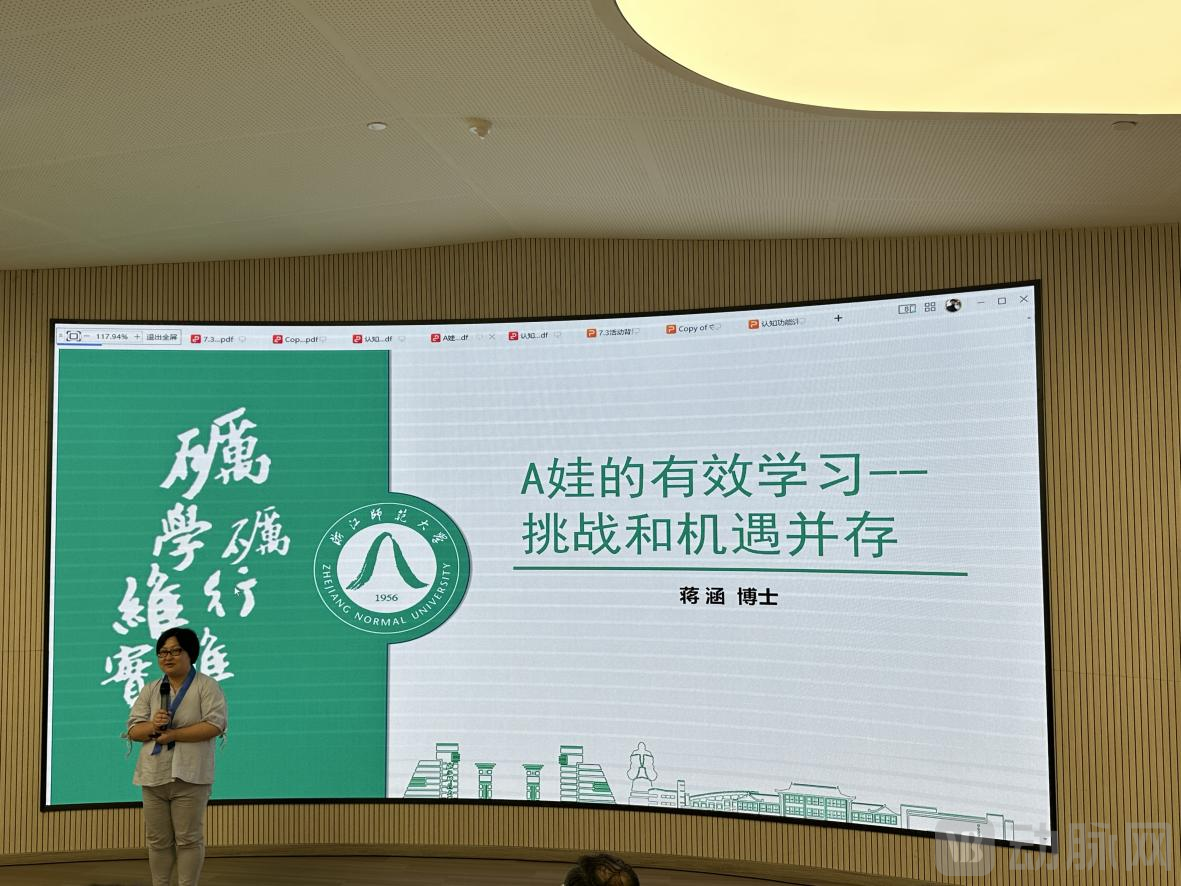
From this, we can also perceive some of the dilemmas faced by children with ADHD—learning difficulties and the subsequent “criticism” they endure. For instance, teachers may devote considerable effort yet see little tangible improvement; meanwhile, other parents may resent the teacher’s “excessive” attention to the child with ADHD, thereby questioning the fairness of the educational environment.
Therefore, it is crucial to implement interventions for children with ADHD. Regrettably, current intervention efforts still face two major pain points. First, late diagnosis often results in missing the optimal window for intervention. This delay gives rise to two further challenges: as children advance in grade level, the difficulty of intervention increases and requires higher frequency; meanwhile, academic demands intensify, making it difficult to balance academics, intervention, and rest. This imbalance often leads parents and children to abandon intervention.
Second, parents’ vigilance regarding intervention often wanes after their children’s symptoms improve, which may lead to discontinuation of therapy, resulting in missed critical windows of opportunity and even nullifying previously achieved therapeutic gains.
Therefore, interventions for children with ADHD emphasize early and long-term intervention, supported by professional intervention concepts and protocols.
Over years of exploration, Dr. Jiang Han’s team has evolved their intervention philosophy for children with ADHD from an initial “symptom reduction and cognitive improvement” standalone training model to a “training-in-learning” model focused on “enhancing learning engagement, learning emotions, and learning outcomes, while improving school adaptation.” This approach has further iterated into a “learning-in-training” model that emphasizes “individualized learning, metacognitive learning, and systemic learning.”
Training methods have also evolved from single-task training and transfer learning to an integrated approach encompassing multi-dimensional, multi-granularity, and multi-efficacy comprehensive training.
However, as the sharing session drew to a close, Dr. Jiang Han also remarked with emotion: “In fact, there are still many blind spots and bottlenecks in the intervention for children with ADHD. For instance, parents’ understanding of ADHD needs to be further enhanced, medical and educational services need to be more deeply integrated, and the uneven distribution of offline ADHD intervention centers causes inconvenience during the treatment process. These issues cannot be resolved by any single party alone; they require joint efforts from all sectors of society. The road ahead may be long and arduous, but we will ultimately reach our destination through persistent action.”
Cognitive Abilities Vary Among Individuals; Education Should Be Tailored to the Student
When it comes to education and learning, there are many topics worth discussing. Among them, “how the brain learns” is undoubtedly the most fundamental one. The reason is that “only by understanding how children’s brains learn can we identify the characteristics of each child’s cognitive functions and truly achieve individualized instruction.” To address this, Professor Qin Ling delivered a special presentation titled “The Information Theory of Cognition: How the Brain Learns Knowledge and Information.”
In 1948, Shannon published information theory, the essence of which lies in abstracting the content of communication into “information” and transforming information processing during communication into rigorous mathematical operations. On this basis, cognitive information theory subsequently emerged—human cognitive activities can also be viewed as a form of information processing and described using rigorous mathematical models. “In layman’s terms, the function of the human brain is simply to process information, nothing more.”
The "information" processed by the human brain is primarily divided into two categories: factual knowledge information and regularity-based knowledge information. Factual knowledge information mainly encompasses the existence states, attributes, and other characteristics of physical entities, whereas regularity-based knowledge information involves concepts, relationships among entities, and operational principles.
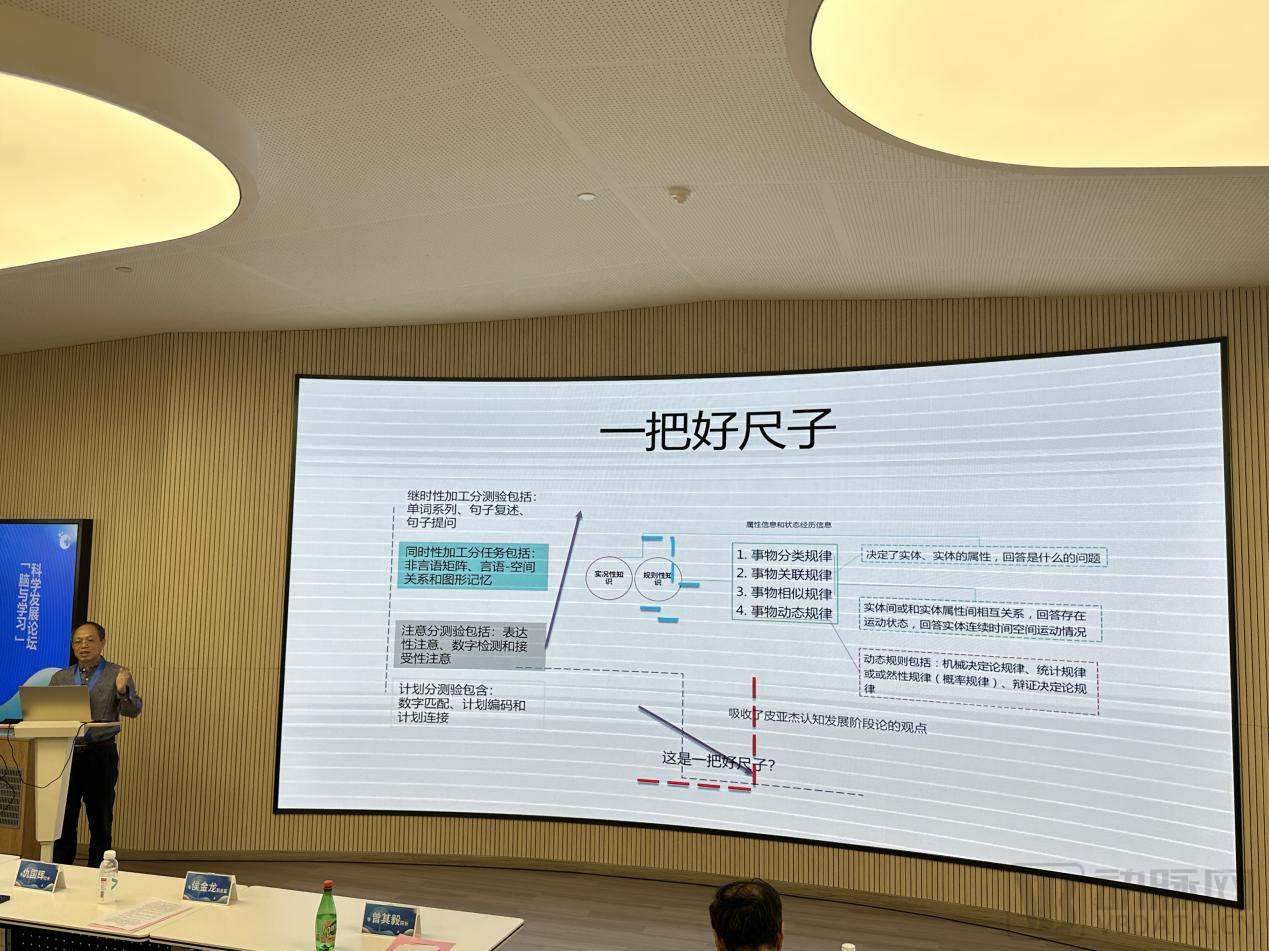
Meanwhile, Professor Qin Ling emphasized that the human brain varies in its capacity to process information. Some individuals are highly adept at processing real-time information but struggle with pattern-based information, while others are “born” with a strong ability to process pattern-based information but have a lower capacity for handling real-time information.
Therefore, the observation and assessment of students’ cognitive abilities (the human brain’s capacity to process information) can, to a certain extent, help students better plan their life directions and assist teachers in achieving precision teaching.
However, Professor Qin Ling emphasized that, at the current stage, due to limited professional resources and scientific ethical considerations, cognitive function assessments are only applicable to populations exhibiting cognitive impairment. For individuals without symptoms of cognitive impairment, such assessments are unnecessary. The relative strengths or weaknesses in specific cognitive domains serve merely as a conceptual reference for teachers in designing instructional plans and for individuals in charting their own developmental pathways.
This means that cognitive function assessment is indeed feasible.
The establishment of cognitive sleep medicine is closely intertwined with the scientific research and developmental trajectory of brain cognitive development.
At the forum, Dr. Tan Xiaoying also shared an overview of the development of cognitive function assessment science. Starting from the history of research and practice in intelligence and intelligence assessment measurement, she introduced the ongoing big data transformation of the Das-Naglieri Cognitive Assessment System (DN.CAS), a mainstream brain cognitive assessment technology currently adopted by the scientific community.
In 1988, the PASS theory of intelligence proposed by J.P. Das became one of the five widely recognized cognitive models in academia and marked a turning point in cognitive function assessment.
In 2002, Professor Deng Ciping of East China Normal University began research on the Chinese version of the PASS theory and the Chinese model.
In 2008, with the support of the National Innovation Program and under the guidance of JP Dass, Professor Deng Ciping, Professor Liang Zhengyou, and Professor Qin Ling jointly conducted research on the DN: CAS Big Data Cloud System.
In 2022, building upon the foundational work of their predecessors, Dr. Li Dandan, Dr. Tan Xiaoying, and Professor Qin Ling completed the development of the Cognitive Information Processing Training and Scenario-Based Executive Function Training System. This system has recently been incorporated into the Standardized Diagnosis and Treatment Guidelines for Pediatric Diseases in China, the Child Developmental Behavioral Psychological Assessment Scales (Second Edition), and Developmental and Behavioral Pediatrics (Second Edition), underscoring its significant academic and clinical standing.
Moreover, it is worth noting that the medical team at the Guangzhou Center for Cognitive Sleep Medicine, led by Dr. Li Dandan, Dr. Tan Xiaoying, and Professor Qin Ling, participated in the Das-Naglieri Cognitive Assessment System (DN.CAS) project. This project received support from the National Natural Science Foundation of China and the National Innovation Fund from its inception, successfully passed the acceptance review by the Ministry of Science and Technology of China in 2011, and has since been adopted by more than 20 renowned Grade A tertiary hospitals across China for research and clinical practice.
Recently, the DN:CAS Cognitive Function Assessment System Talent Development Base was officially established at the Guangzhou Center for Cognitive and Sleep Medicine. By integrating the research team’s self-developed “Clinical Behavior and Symptom Assessment System” with the D-cogent Scenario-Based Executive Function and Cognitive Familiarity Training Prescription System, the center provides one-stop diagnostic and therapeutic services for children with neurodevelopmental disorders and patients with sleep disorders. It also offers cognitive science practitioners a high-end clinical big-data research platform and a standardized training base for professional talent development.

VCBeat has learned that the Guangzhou Cognitive Sleep Medicine Center, invested in by Guangzhou Tiancai Digital Medical Technology Co., Ltd., is a key project introduced to the Life and Health Industry Innovation Zone (Yuexiu) in the Guangdong-Hong Kong-Macao Greater Bay Area. Guided by the vision of pursuing science with integrity and caring for life with a humanistic spirit, the center integrates multiple disciplines, including neurology, child healthcare, psychology, rehabilitation, laboratory medicine, and sleep medicine. It operates specialized digital clinics for neurodevelopmental disorders, standardized ADHD, learning difficulties, sleep disorders, language development, and mental health. The center provides full-lifecycle digital diagnostic and therapeutic services for patients with neurodevelopmental and sleep disorders, while also laying the groundwork for the chain-based expansion of cognitive sleep medicine.
In the future, Guangzhou Tiancai Digital Medical Technology Co., Ltd. and the Guangzhou Cognitive Sleep Medicine Center will continue to actively promote various public welfare initiatives, including the Campus Mental Health Protection Initiative, the Young Faculty Research Support Program, the Campus Mental Health Outpost Construction Project, the White Paper on Sleep Health in Children and Adolescents, and the Sleep Health Escort Campaign. These efforts aim to provide new perspectives for advancing scientific education development among children and contribute scientific strength to improving child health and prevention-control systems in China in the new era.