2023 Clinical Mass Spectrometry Trends Report: Deconstructing Nearly 100 Companies – Accelerated Instrument Localization, Multi-Omics Integration, and MALDI-TOF Clinical Adoption
In 2022, VCBeat Research Institute authored the “White Paper on Clinical Mass Spectrometry: A New Direction for Precision Medicine After NGS, with Seven Technologies Accelerating the Localization of Clinical Mass Spectrometry in China,” which systematically reviewed technical platforms such as LC-MS, MALDI-TOF MS, GC-MS, and ICP-MS, as well as application areas including newborn screening, vitamin testing, therapeutic drug monitoring, microbial mass spectrometry, and nucleic acid mass spectrometry, thereby presenting the development trajectory and current status of clinical mass spectrometry.
In 2023, clinical mass spectrometry emerged as a highly sought-after segment within precision medicine. The first nucleic acid mass spectrometry reagent received regulatory approval, and pilot policies for Laboratory Developed Tests (LDTs) were successively introduced. Interest in point-of-care testing (POCT) mass spectrometry, multi-omics, breath analysis, and domestically produced mass spectrometers rose rapidly. The sustained momentum in clinical mass spectrometry has highlighted increasingly diversified and innovative frontier directions.
The field of clinical mass spectrometry is characterized by a wide variety of technological categories, diverse application areas, and numerous market participants. Over the next five years, which niche segments will exhibit greater growth potential and clinical accessibility? Which prospects and trends deserve attention? Recently, VCBeat conducted surveys with 18 companies and interviewed 20 industry experts to produce the “Analysis Report on Trends and Prospects in Clinical Mass Spectrometry 2023.”
Core Content:
50 clinical mass spectrometry companies completed 127 financing rounds, with total funding exceeding RMB 6.883 billion; the number of companies operating in each sub-sector is increasing, resulting in a more complete industrial ecosystem.More types of enterprises are emerging in the field of clinical mass spectrometry, including POCT mass spectrometry, multi-omics mass spectrometry, automated mass spectrometry, and domestically produced high-end mass spectrometers. The industrial ecosystem for clinical mass spectrometry is becoming more complete and robust, with solutions that offer greater clinical accessibility and cutting-edge capabilities being increasingly favored by investors.
LC-MS and MALDI-TOF MS are the two most core technological pillars of clinical mass spectrometry today. While there are numerous enterprises and a wide range of application directions, they are facing different challenges in clinical applications.Among these, LC-MS offers high sensitivity, accuracy, and specificity, but automation remains a core bottleneck. MALDI-TOF MS presents lower automation challenges and greater clinical accessibility; however, further exploration is needed to advance from qualitative analysis to quantitative detection, thereby expanding its application scope.
Accelerated Innovation in Clinical Mass Spectrometry Systems: Rapidly Rising Interest in Previously “Niche” Areas, Including High-End Domestically Produced Mass Spectrometers, POCT Mass Spectrometry, and Automated Mass SpectrometryIn the more distant future, further research is needed on the fundamental principles of mass spectrometry to achieve greater breakthroughs in efficiency, automation, miniaturization, and applicable scenarios.
Multi-omics mass spectrometry, protein quantification, nucleic acid mass spectrometry, and chronic disease management are application areas with greater opportunities.In conventional applications, VCBeat Research Institute assesses that early-stage hormone-related projects hold considerable development potential, based on their clinical value, competitiveness in mass spectrometry, and market penetration. In emerging applications, multi-omics mass spectrometry and nucleic acid mass spectrometry are experiencing rapid growth, while quantitative protein analysis represents a new frontier with limited corporate involvement. These areas collectively define the current trends in clinical mass spectrometry.
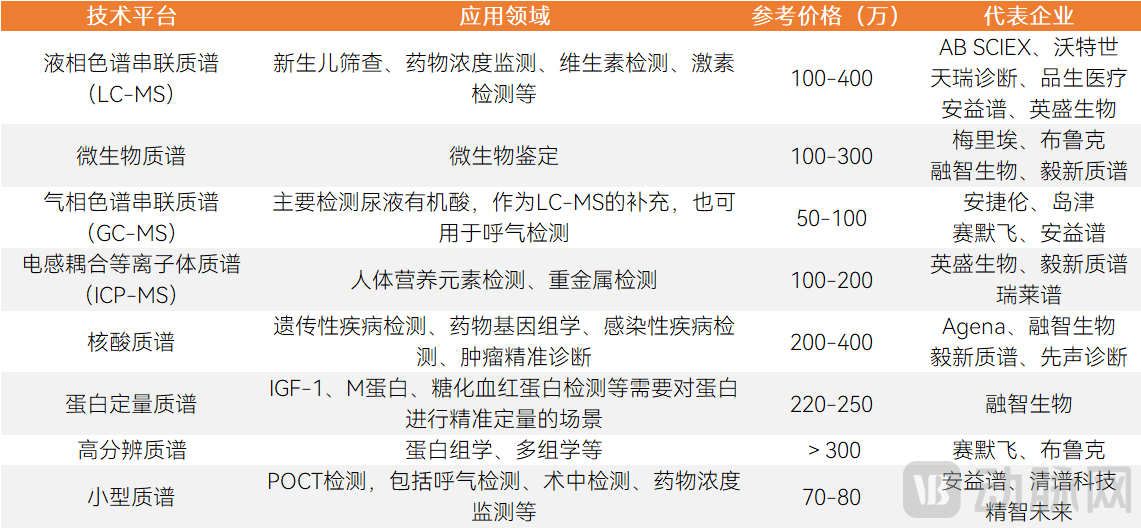
Mass spectrometry is a broad concept that can be categorized into multiple technical classes and application areas. Mass spectrometry techniques widely used in clinical applications include LC-MS, microbial mass spectrometry, nucleic acid mass spectrometry, ICP-MS, and GC-MS. Miniaturized mass spectrometry is also gradually entering clinical practice.
Categories of Clinical Mass Spectrometry Technologies
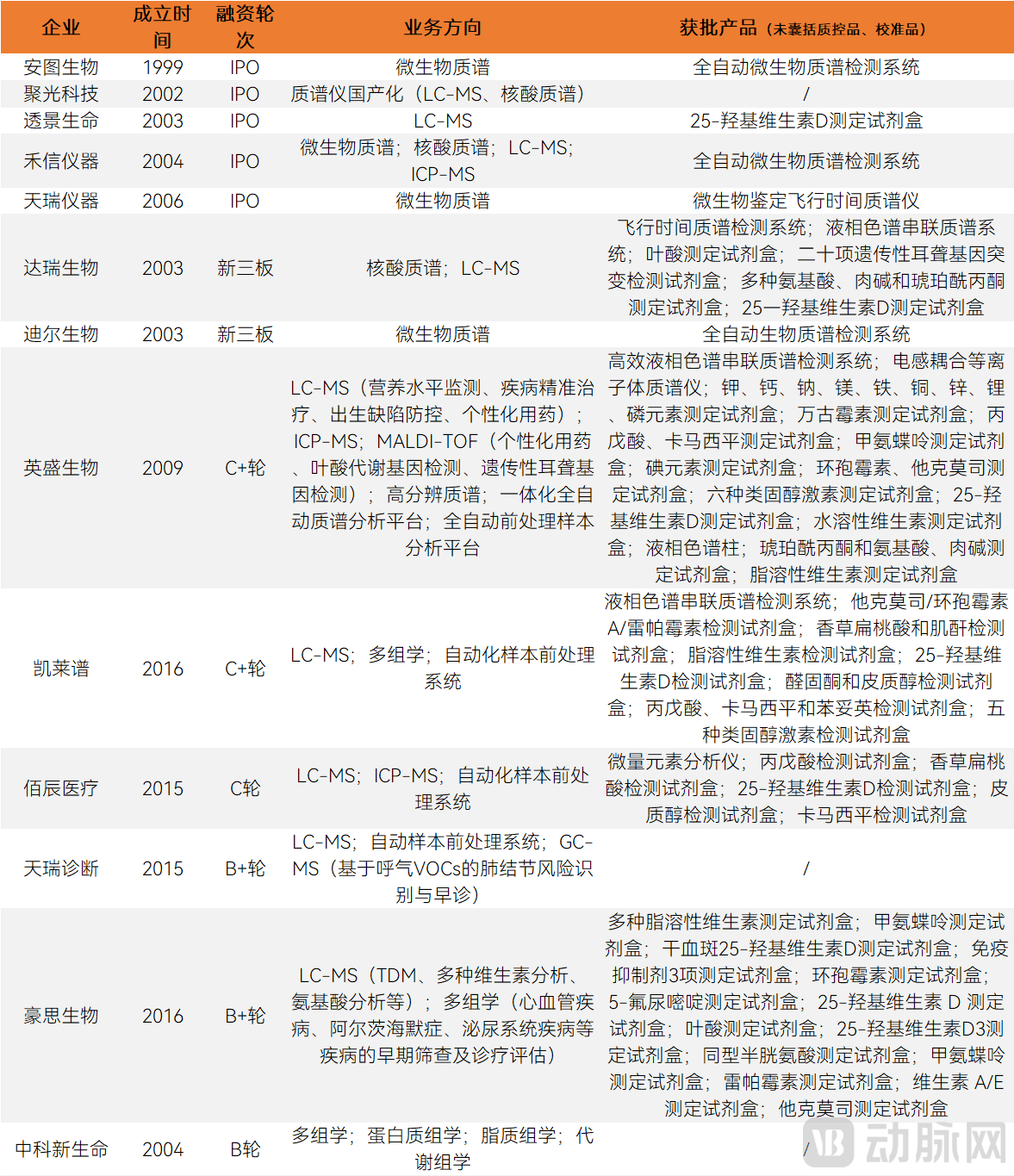
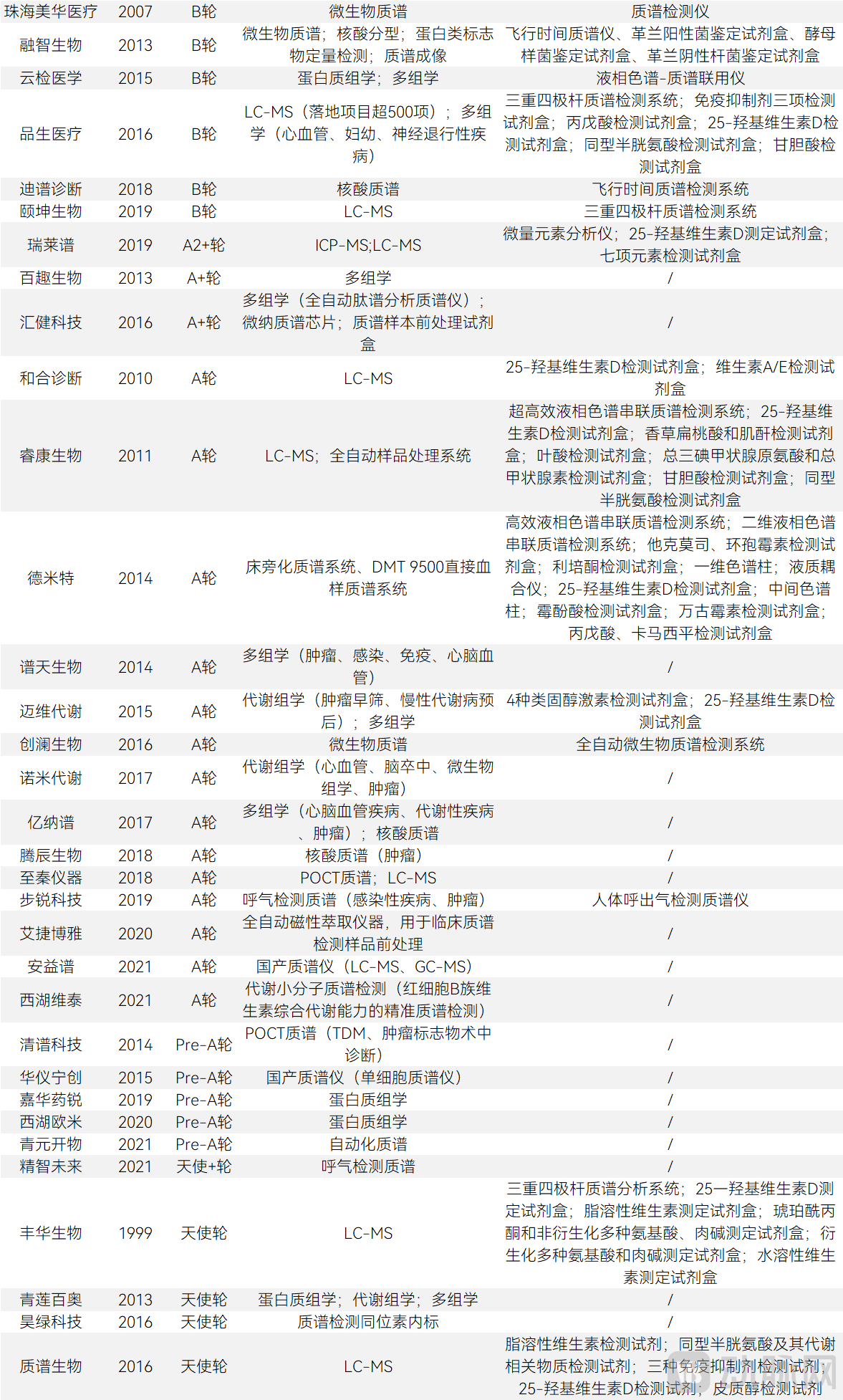
With the wide variety of clinical mass spectrometry classifications and the industry’s high level of interest, the number of related companies and solutions is rapidly increasing. In this chapter, VCBeat has compiled financing information, business layouts, and product advancements for nearly 80 companies in the clinical mass spectrometry sector, aiming to provide a comprehensive overview of the competitive landscape of China’s clinical mass spectrometry industry.
Capital Markets Grow More Rational; Companies to Focus on Areas with Distinctive Features, Competitive Moats, and Value
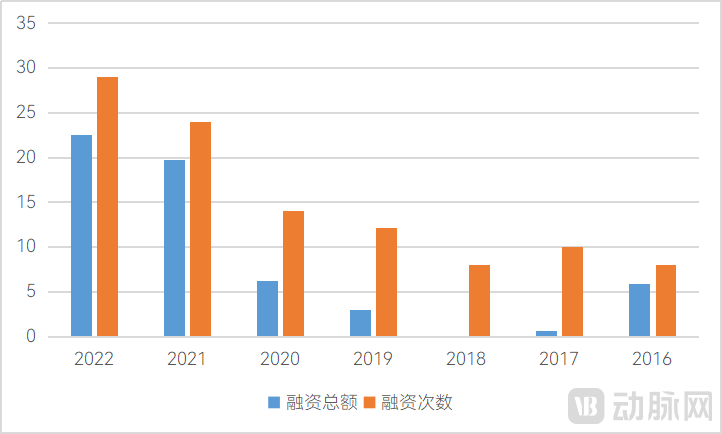
According to statistics from VCBeat, in the clinical mass spectrometry sector, a total of 50 clinical mass spectrometry companies in China have completed 127 financing rounds, with the total financing amount exceeding RMB 6.863 billion.
In 2023, the pace of financing for clinical mass spectrometry slowed down, and it is necessary to achieve a breakthrough in commercialization as soon as possible at the level of routine applications.From January to June 2023, a total of seven financing rounds were completed in China’s clinical mass spectrometry sector, with the total amount reaching RMB 230 million. Compared with 2021 and 2022, the pace of financing in 2023 slowed down significantly. The core reason lies in the shift of investment style in the industry from optimism to prudence. Investors’ focus has shifted from the technology itself to its clinical application, placing greater emphasis on the commercialization of mass spectrometry technology. However, the actual clinical implementation of mass spectrometry has not yet met previous high expectations. In the future, the capital market will become more rational. Efforts should be focused on advantageous and mature projects to explore stable business and profit models, establish a closed loop encompassing product research and development, translation, and commercialization, and thereby increase the penetration rate of mass spectrometry testing in clinical practice.
Year-over-Year Comparison of Clinical Mass Spectrometry Financing in China
In addition to the routine clinical implementation of projects, another focal point of capital market interest in clinical mass spectrometry lies in technological innovation and breakthroughs, such as companies capable of discovering innovative multi-omics biomarkers and those achieving domestic substitution of mass spectrometers.These niche segments are in their early stages and feature high technical barriers, serving as key growth drivers for clinical mass spectrometry. Investor enthusiasm for these emerging fields has risen significantly.
Corporate strategies are becoming more diversified, with emerging trends such as multi-omics and domestication.
An analysis of nearly 80 companies reveals several key insights: LC-MS remains the core segment of clinical mass spectrometry, with routine applications such as vitamin testing and therapeutic drug monitoring poised for accelerated maturation; microbial mass spectrometry exhibits a high degree of localization in China and mature clinical application, with 13 MALDI-TOF MS systems approved for microbial identification; nucleic acid mass spectrometry represents an emerging force within the MALDI-TOF MS landscape; the substitution of high-end mass spectrometers, such as LC-MS, with domestically produced alternatives is accelerating; from routine applications to innovative frontiers, mass spectrometry is driving a rapid surge in interest in multi-omics, proteomics, and metabolomics; miniaturization and broader accessibility are important development directions for clinical mass spectrometry, leading to the rise of POCT mass spectrometry.
A Panoramic View of Chinese Enterprises in the Clinical Mass Spectrometry Sector
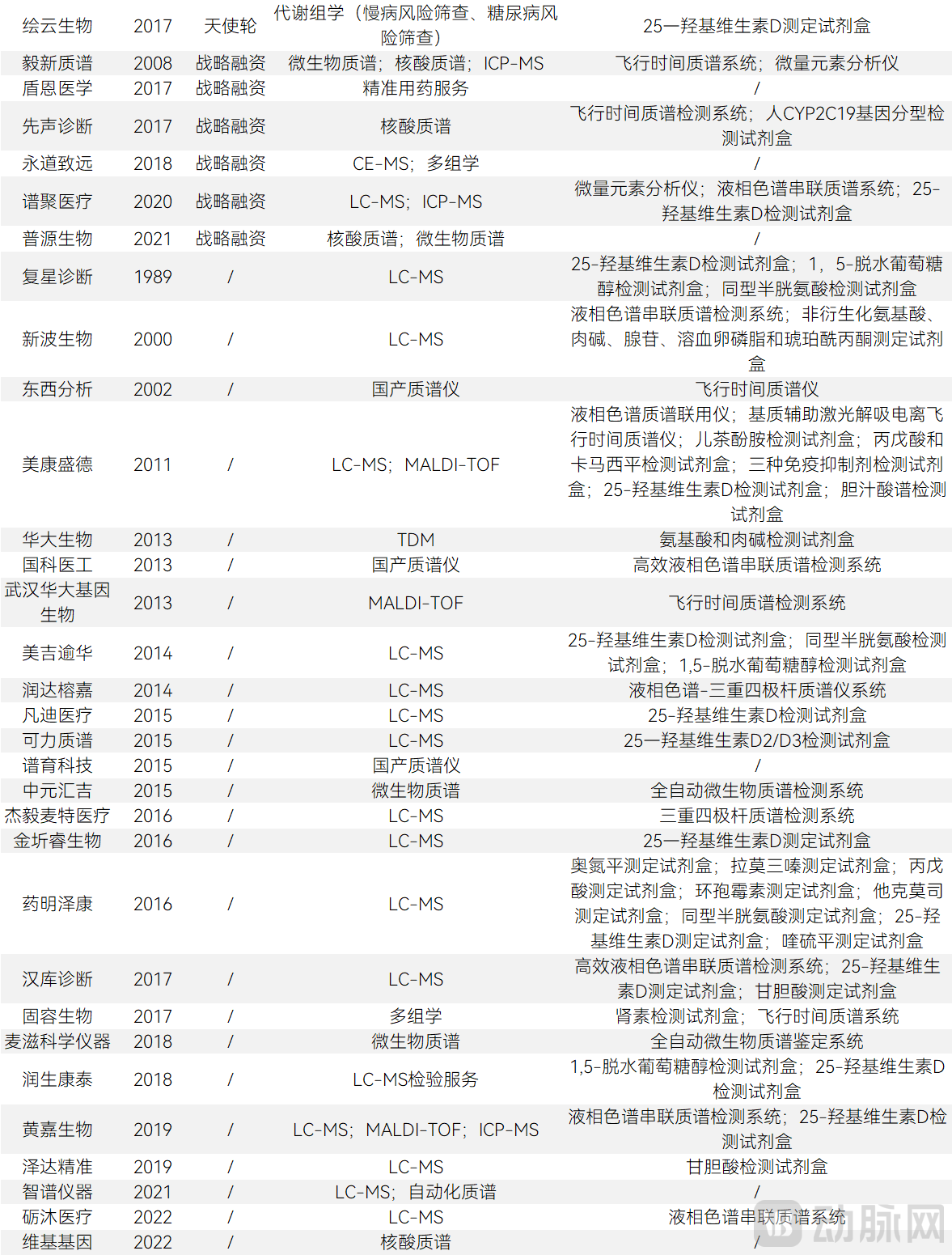
Multiple Pain Points Remain in the Clinical Application of Mass Spectrometry, Including Reimbursement and Standardization
Clinical mass spectrometry has shifted its focus from the technology itself to commercial implementation, making it crucial to build a robust clinical ecosystem for mass spectrometry. According to research by VCBeat, tertiary hospitals and maternal and child health hospitals are the primary forces driving mass spectrometry testing. While mass spectrometers are being deployed rapidly in hospitals, overall utilization rates remain low, with limited testing volumes and significant constraints on the range of tests offered. Penetration rates are relatively high for microbial identification and newborn screening, while testing volumes for hormones, vitamins, and metabolomics are growing rapidly.
The clinical application of different mass spectrometry technologies varies. The pain points in the clinical application of LC-MS are prominent, and VCBeat has focused on discussing the issues related to the clinical implementation of LC-MS technology.
To rapidly establish the clinical application pathway for LC-MS technology, it is essential to address key challenges related to throughput, automation, reimbursement, standardization, and talent.
Multiple Barriers to the Clinical Application of LC-MS
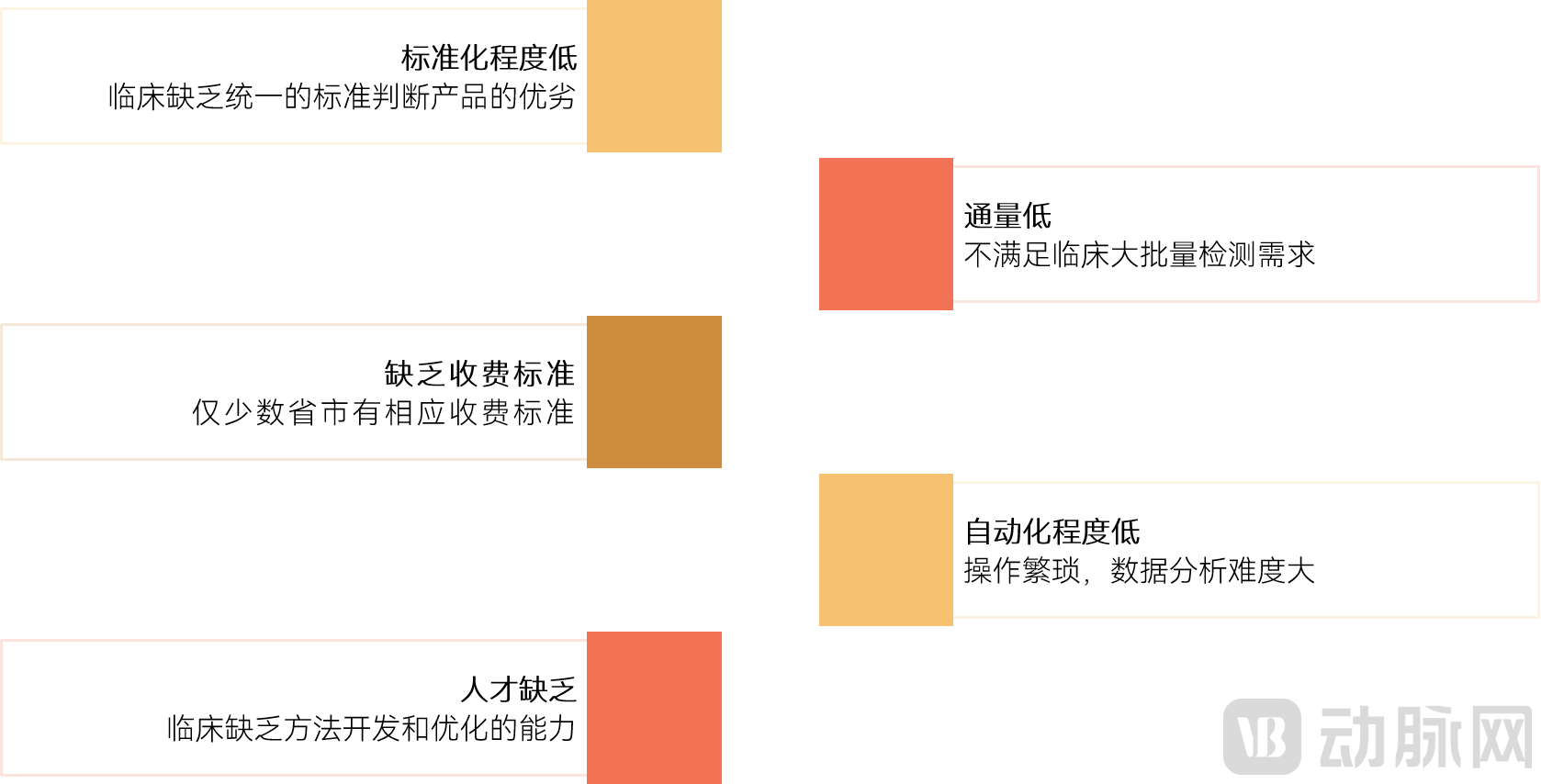
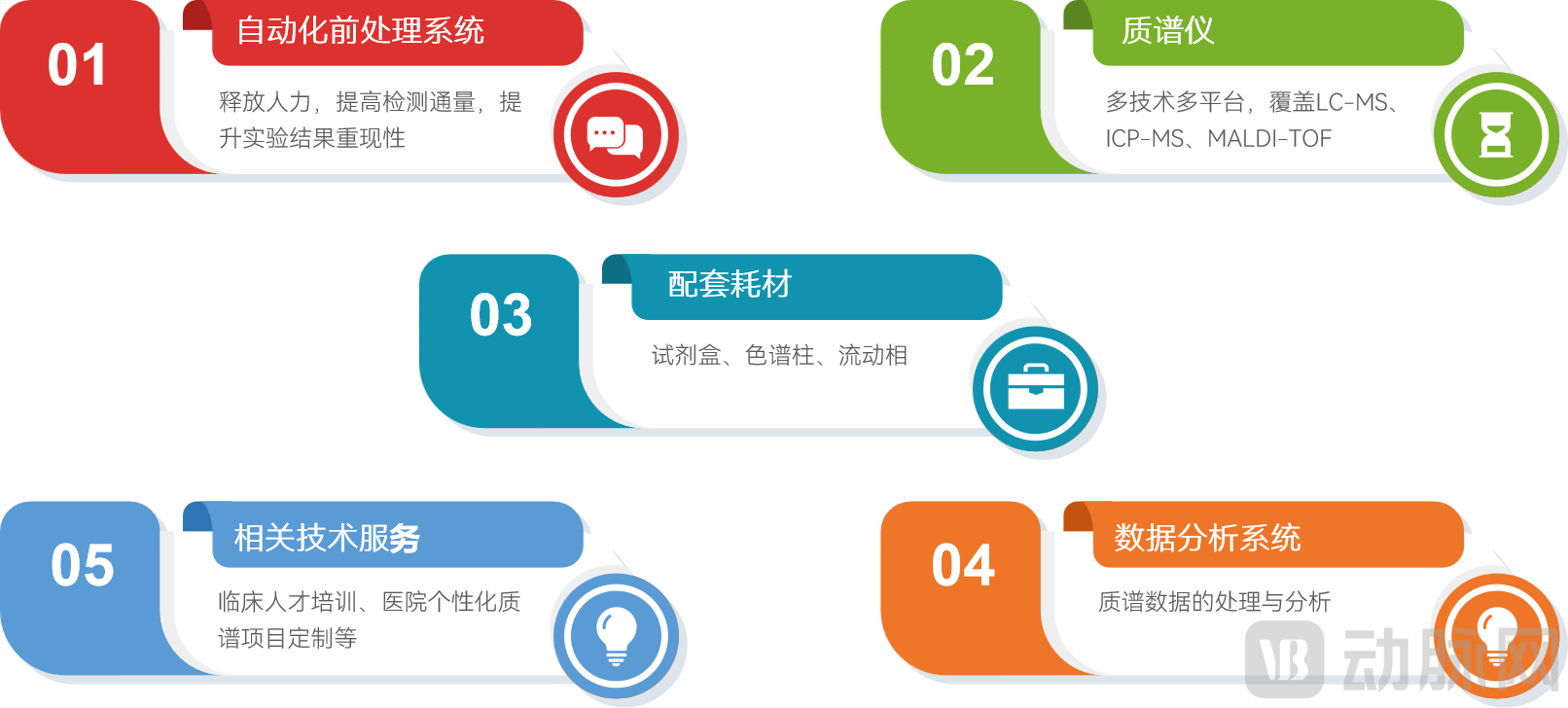
To address the various pain points of mass spectrometry, particularly LC-MS, in clinical applications, the industry is actively promoting one-stop clinical mass spectrometry solutions to lower the threshold for implementing mass spectrometry testing in clinical settings.
The Connotation of One-Stop Solutions for Clinical Mass Spectrometry
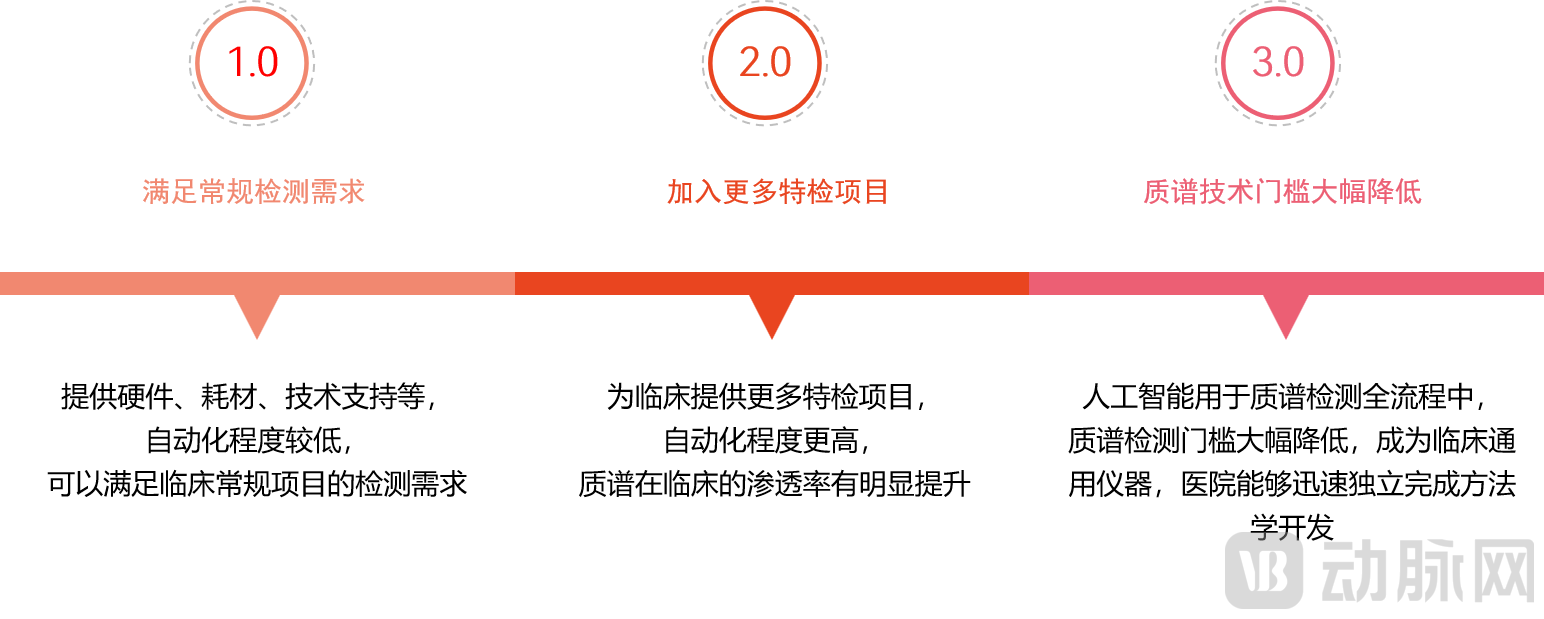
Currently, the one-stop clinical mass spectrometry solution based on LC-MS is in Phase 1.0 and transitioning to Phase 2.0.One-stop solutions can be divided into three stages. In Stage 1.0, manufacturers provide hospitals with hardware, consumables, software, and technical support, primarily focusing on services for routine testing applications. In Stage 2.0, the scope of manufacturers’ services expands further, offering greater support to hospitals in specialized testing areas. In Stage 3.0, instruments become more versatile, and artificial intelligence technology is integrated throughout the entire mass spectrometry workflow, significantly lowering the threshold for hospitals to conduct mass spectrometry testing and enabling them to rapidly develop methodologies using mass spectrometers.
Phases of One-Stop LC-MS-Based Clinical Mass Spectrometry Solutions
The Regulatory Pathway for LDTs Is Becoming Increasingly Clear
As a testing technology still in its growth phase, LDT policies hold significant importance for clinical mass spectrometry.
China Has Successively Issued Multiple Policies on LDTs
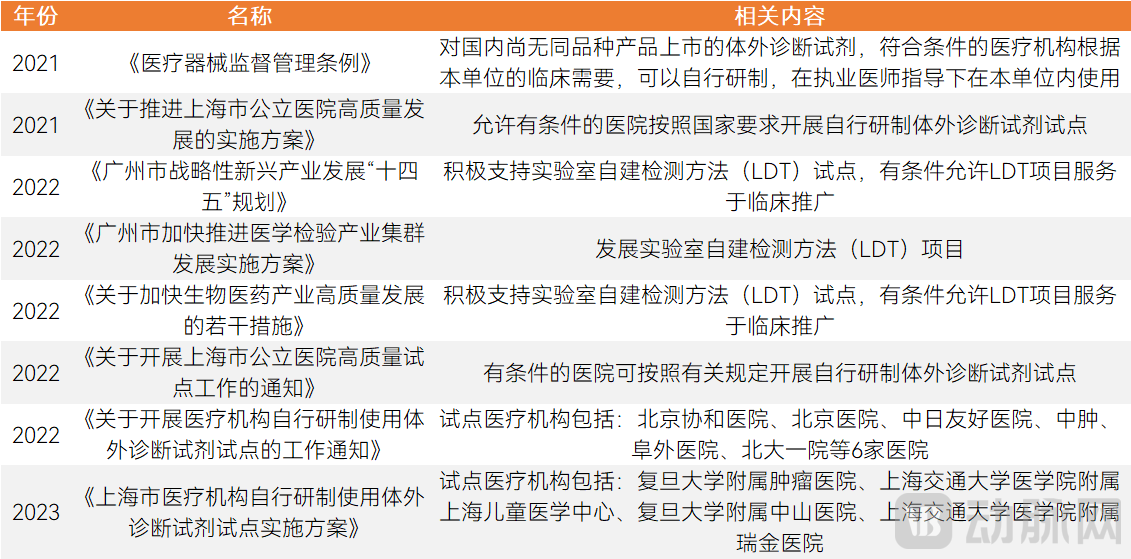
Clinical mass spectrometry projects are generally conducted in a “semi-IVD” format, and LDTs will accelerate the clinical adoption of more testing items and mass spectrometry technologies.Although numerous clinical mass spectrometry kits have been approved, and chromatography columns are gradually gaining approval, there remains a significant issue of incomplete key components. For instance, mobile phases and internal standards are not commercially available products, and discrepancies exist between registration materials and actual materials used. Consequently, clinical mass spectrometry projects are still primarily conducted under the Laboratory Developed Tests (LDT) model. Following the LDT pilot program, more hospitals will be encouraged to implement mass spectrometry testing, accelerating the clinical adoption of niche technologies such as high-resolution mass spectrometry. Meanwhile, experience and data accumulated through the LDT model will facilitate the development of In Vitro Diagnostic (IVD) products, thereby expediting the promotion and application of mass spectrometry in clinical practice.
We anticipate that laboratory-developed tests (LDTs) will play a more significant practical role in the future. The complexity of mass spectrometry technology poses substantial challenges to the implementation and execution of mass spectrometry-based LDT projects. Furthermore, current pilot programs are limited in scope and subject to numerous restrictions; they are confined to hospitals and exclude third-party laboratories. Given that third-party laboratories are the primary drivers of product innovation, the extent to which LDTs can deliver tangible benefits will depend on the direction of future policy developments.
Regarding the next growth opportunity in clinical mass spectrometry, VCBeat believes that in the instrument segment, key areas to focus on include the localization of mass spectrometers, automation of mass spectrometry, and point-of-care testing (POCT) mass spectrometry.
Policy-Driven Growth Fuels High Demand for Domestic Substitution in the High-End Mass Spectrometry Sector
LC-MS, as the core instrument in clinical mass spectrometry, has a very low level of domestic substitution. MALDI-TOF MS instruments have the most mature domestic substitution, while ICP-MS and GC-MS instruments have a relatively high level of domestic production.
Domestic Substitution Rates of Different Mass Spectrometers
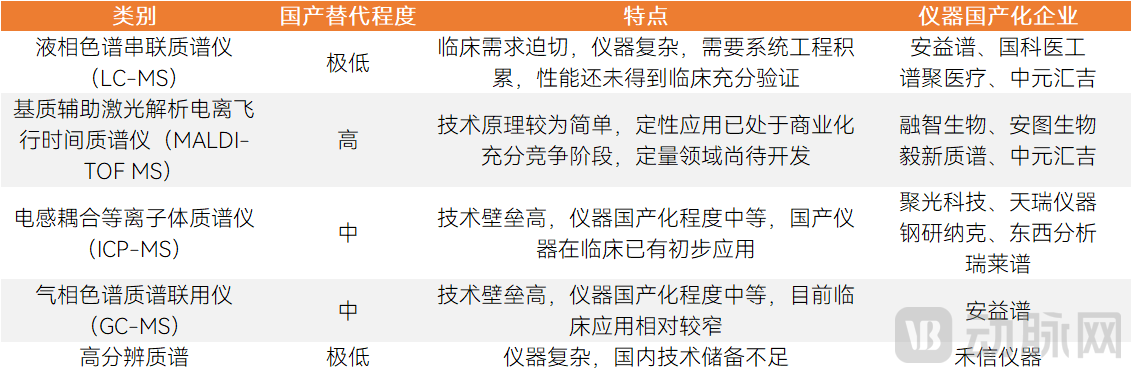
LC-MS is a key focus for domestic substitution of mass spectrometry instruments.
Two domestically produced LC-MS systems have already received NMPA approval in China, but their product performance still needs to be validated through clinical use.The domestic substitution rate for LC-MS remains extremely low in both the industrial and clinical sectors. According to research, the current domestic substitution rate for LC-MS in the industrial sector is approximately 5%-10%, while it is even lower in the clinical sector, where products have just transitioned from R&D to product validation. Two LC-MS systems have received NMPA approval. The current challenge lies in the unclear performance of domestic systems; the key future focus will be on how domestic LC-MS manufacturers can demonstrate product stability and meet the needs of clinical customers.
A Few Companies Are Deploying Domestically Produced LC-MS Systems
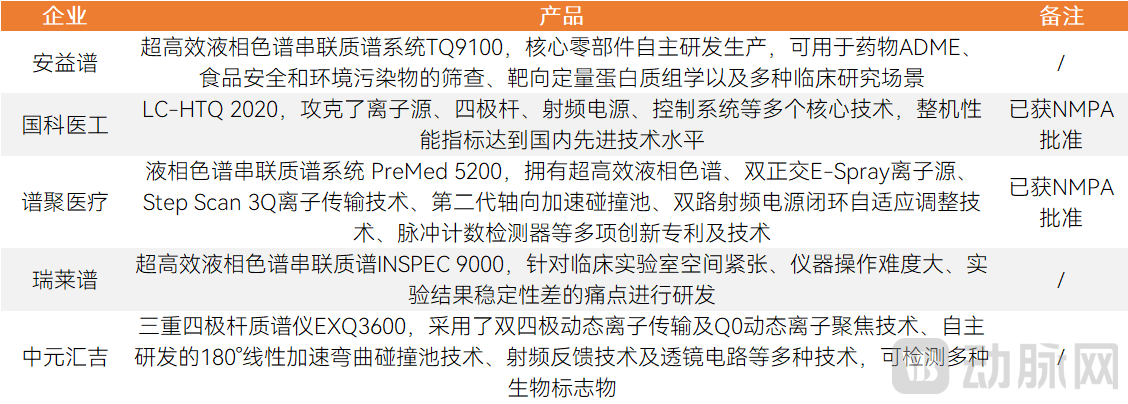
It is difficult to achieve domestic substitution of core components, and no company has yet fully realized the domestic substitution of core components for LC-MS instruments.Core components of mass spectrometers include ion sources, mass analyzers, and detectors. Currently, these core components rely heavily on imports from abroad, forcing domestic enterprises to tackle them individually. Mass spectrometers that have achieved partial localization of components have not yet realized full system-level substitution made in China; some core components still depend on imports. Furthermore, front-end chromatography also affects detection performance, with significant gaps remaining between domestically produced core components, such as chromatography columns, and their foreign counterparts. Enterprises need to devote substantial efforts to both chromatography and mass spectrometry technologies.
Chinese Enterprises Lead the Way in Innovating MALDI-TOF MS Systems, Accelerating the Domestic Substitution of Multiple “Niche” Mass Spectrometers
The localization of microbial mass spectrometers and nucleic acid mass spectrometers has matured, with Chinese enterprises leading innovation in MALDI-TOF MS systems.Microbial mass spectrometry and nucleic acid mass spectrometry are both based on MALDI-TOF MS for qualitative detection, with relatively low sensitivity requirements and simpler technical principles. Both fields have already achieved a high degree of substitution with domestically produced instruments. The current focus is no longer on instrument localization but rather on commercial expansion and the development of nucleic acid mass spectrometry reagents. Notably, some companies have resolved the issues of poor reproducibility and qualitative-only capabilities associated with previous-generation MALDI-TOF MS systems, achieving precise broad-spectrum quantitative detection and enabling the use of MALDI-TOF MS for protein quantification and mass spectrometry imaging.
Amid the wave of domestic substitution for scientific instruments, domestically produced mass spectrometers are becoming more diverse and high-end. The localization pace of “niche” mass spectrometers—such as high-resolution mass spectrometers, high-pressure photoionization time-of-flight mass spectrometers (HPPI-TOFMS), proton transfer reaction mass spectrometers (PTR-MS), direct ionization mass spectrometers, and miniature ion trap mass spectrometers—is accelerating. In the future, clinical mass spectrometry instruments will become more diversified and advanced, delivering greater value.
Multiple “Niche” Mass Spectrometers Are Accelerating Localization in China

The localization of high-resolution mass spectrometry holds significant strategic importance; however, the pace of domestic development has been extremely slow, and imported products remain the mainstay.Mass spectrometers with a resolution exceeding 10,000 (FWHM) are classified as high-resolution mass spectrometers. Representative products include Thermo Fisher Scientific’s Orbitrap mass spectrometers, Bruker’s Fourier Transform Ion Cyclotron Resonance (FT-ICR) mass spectrometers, and AB SCIEX’s high-resolution time-of-flight (TOF) mass spectrometers. High-resolution mass spectrometry offers superior resolution and enables the extraction of more comprehensive data, thereby supporting both non-targeted and targeted omics studies. Omics research based on high-resolution mass spectrometry is inevitably a key direction for the advancement of clinical mass spectrometry. However, there is currently a near absence of commercially available domestically produced high-resolution mass spectrometers in China. Compared to conventional-resolution instruments, high-resolution mass spectrometers impose extremely stringent requirements on components such as molecular pumps, detectors, mass analyzers, and ion sources, as well as on the manufacturer’s overall engineering capabilities.
High Automation Is a Prerequisite for the Clinical Application of Mass Spectrometry
Most clinical mass spectrometry manufacturers lack a background in laboratory automation, making OEM arrangements more prevalent. Previously, clinical mass spectrometry represented only a minor segment for laboratory automation companies; industry leaders did not devote significant resources to it, resulting in few providers offering OEM services for automated pre-analytical processing of mass spectrometry samples. In recent years, the clinical mass spectrometry market has heated up, with explosive growth in demand for automated mass spectrometry solutions in clinical settings. However, only a few companies have achieved independent R&D capabilities. The majority rely on OEM models. Recognizing this opportunity, numerous laboratory automation enterprises have entered the automated mass spectrometry sector.
Regarding mass spectrometry automation, discussions can be organized into distinct segments: LC-MS, microbial mass spectrometry, ICP-MS, and nucleic acid mass spectrometry.
LC-MS automated sample preparation encompasses a diverse range of technical approaches, including liquid handling workstations, magnetic bead-based methods, direct blood mass spectrometry systems, and integrated all-in-one instruments.
LC-MS Automation Technology Pathway

The system is currently in a transitional phase from semi-automation to full automation, with full automation expected to be achieved within 2–3 years.Liquid handling workstations represent early solutions for mass spectrometry automation, exemplified by Tecan’s high-precision automated liquid handling platforms. These workstations do not incorporate modules such as high-speed refrigerated centrifugation or nitrogen evaporation, placing them at a semi-automated level. They can be regarded as “isolated” automation, still requiring manual intervention. Currently, the industry is transitioning from semi-automation to full automation.
Diverse pathways exist for full automation, with key challenges being the number of feasible test items and cost.Full automation is the current focus in the development of mass spectrometry automation. Technical approaches include robotics, integrated systems, magnetic bead-based methods, and direct blood sample mass spectrometry systems. These approaches all face, to varying degrees, the challenges of high costs and a limited number of applicable tests. The more widely accepted solution at present is automated robotics, which employs robotic arms to mimic manual operations and organically integrate common pre-analytical steps.
However, it should be noted thatThe currently referenced concept of “full automation” generally refers to the end-to-end automation from mass spectrometry detection to report generation, excluding the front-end liquid chromatography separation step, which falls short of clinical expectations.LC-MS employs liquid chromatography for separation, a time-consuming process that currently offers almost no potential for automation, thereby limiting the efficiency of downstream mass spectrometry analysis. Due to this bottleneck posed by liquid chromatography separation, it is extremely challenging for LC-MS to achieve the high levels of automation and efficiency expected in clinical settings. In the future, it may be necessary to rely on methodological changes to replace the liquid chromatography separation step.
The assembly line is the ultimate solution, expected to take 5–10 years to implement.Clinical mass spectrometry workflows are equipped with front-end sample pre-processing modules and back-end analysis and storage modules, with samples transported in between via track- or rail-guided robots to achieve high throughput, low cost, and high efficiency. Leveraging these automated workflows, LC-MS is expected to largely replace existing biochemical and immunoassay testing in the future.
In terms of automation, MALDI-TOF MS technology imposes low requirements for sample pretreatment, offers high throughput and detection efficiency, naturally features a lower operational threshold, and presents fewer challenges for automation. It is precisely due to its high level of automation and clear clinical value that microbial mass spectrometry was rapidly adopted in clinical practice after its introduction. Therefore, from an automation perspective, MALDI-TOF MS demonstrates significantly greater clinical friendliness than LC-MS, indicating that automation is clearly not a core constraint limiting the application of MALDI-TOF MS.
POCT is an incremental application of clinical mass spectrometry, but it has not yet been widely adopted in clinical practice.
Mass spectrometry has diverse application scenarios, driving demand for non-standardized mass spectrometry solutions. Miniaturization, specialization, and portability have become key trends in instrument innovation for clinical mass spectrometry, presenting significant development opportunities for point-of-care testing (POCT) mass spectrometry.
The article “Progress in MEMS Mass Spectrometry Technology” points out that there are currently three main approaches to the miniaturization of mass spectrometers. The first is scaling down individual components proportionally; however, this approach has limited potential for further size reduction and has reached a bottleneck. The second involves rapid prototyping technologies based on additive manufacturing, such as 3D printing, which still face numerous challenges and are rarely applied in compact mass spectrometers. The third is microelectromechanical systems (MEMS) technology, which integrates the core functional components of mass spectrometric analysis onto a single chip, enabling further reduction in instrument size and garnering increasing interest from the industry.
Furthermore, from the perspective of sample pretreatment, POCT mass spectrometry needs to bypass complex and time-consuming pretreatment steps or achieve rapid ionization of samples; complex operational procedures such as mobile phase management also need to be simplified. Therefore, mass spectrometry technologies that do not require pretreatment steps and can directly analyze complex samples, such as GC-MS and high-pressure photoionization time-of-flight mass spectrometry, are more suitable for miniaturized mass spectrometers. Secondly, in terms of mass analyzers, miniaturized ion traps, quadrupoles, and time-of-flight analyzers can be developed. Regarding vacuum systems, compact vacuum pumps, molecular drag pumps, and diaphragm pumps can be developed. By achieving miniaturization in each component, overall instrument miniaturization can ultimately be realized.
From a technical perspective, currentlyThe technologies most widely used in the development of small mass spectrometers in China are mainly GC-MS technology and ion trap technology.Notably, mass spectrometers based on high-pressure photoionization time-of-flight mass spectrometry technology have already received NMPA approval.
Domestic Companies Deploying Small Mass Spectrometers
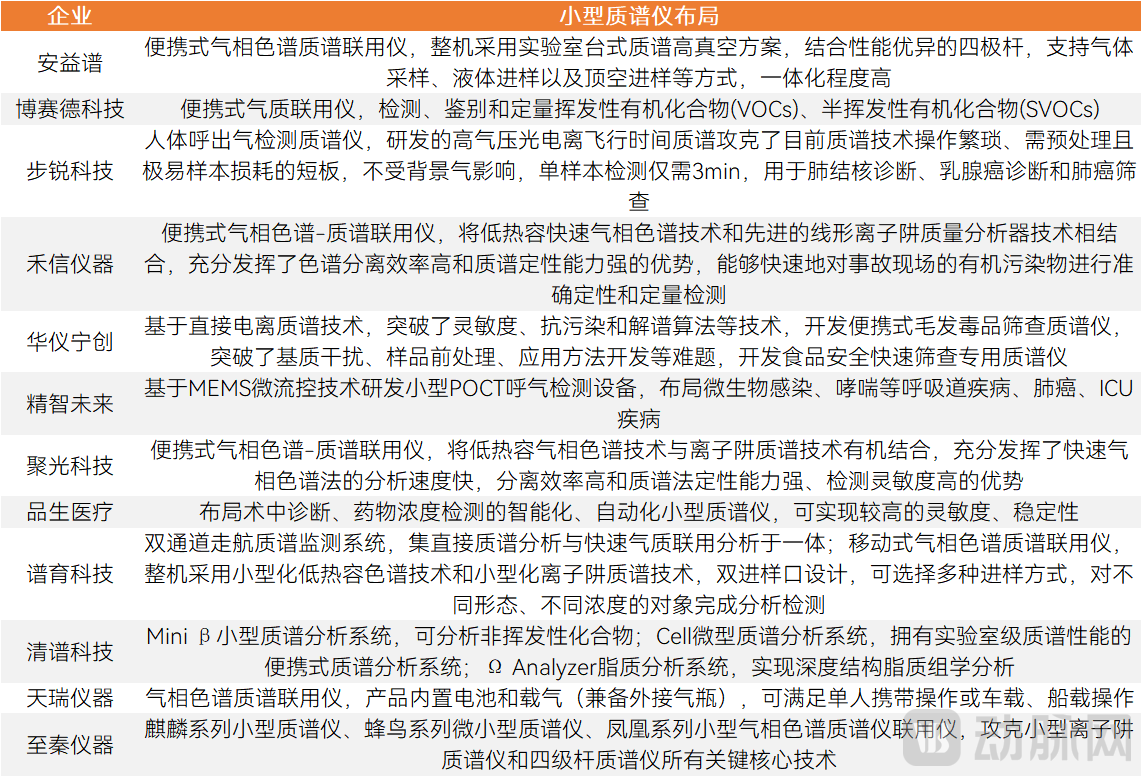
Clinical miniaturized mass spectrometers must not only be compact; the core objective is to streamline procedures to enable point-of-care testing. China boasts a diverse array of technological pathways for developing miniaturized mass spectrometers, yet their performance in terms of miniaturization and point-of-care applicability varies significantly.Overall, compact ion trap mass spectrometry and compact ion mobility spectrometry do not require complex sample pretreatment, offer rapid detection, and have a smaller footprint, demonstrating superior performance in point-of-care applications.In the future, how to balance performance and size, ensure stability and signal-to-noise ratio, enhance automation and convenience, address system integration challenges, and identify truly valuable clinical applications are common issues that various types of miniaturized mass spectrometers need to confront.
From the perspective of clinical application, compact mass spectrometers have yet to demonstrate typical clinical use cases, while progress in breath analysis is somewhat more advanced.In terms of application scenarios, the vast majority of compact mass spectrometers are used in environmental monitoring, drug testing, and food safety inspection. Clinically, their use is more prevalent in breath analysis, with a relatively larger number of companies active in this segment, while applications in the detection of non-volatile organic compounds remain in the early stages.
Clinical Applications Being Explored for Compact Mass Spectrometers
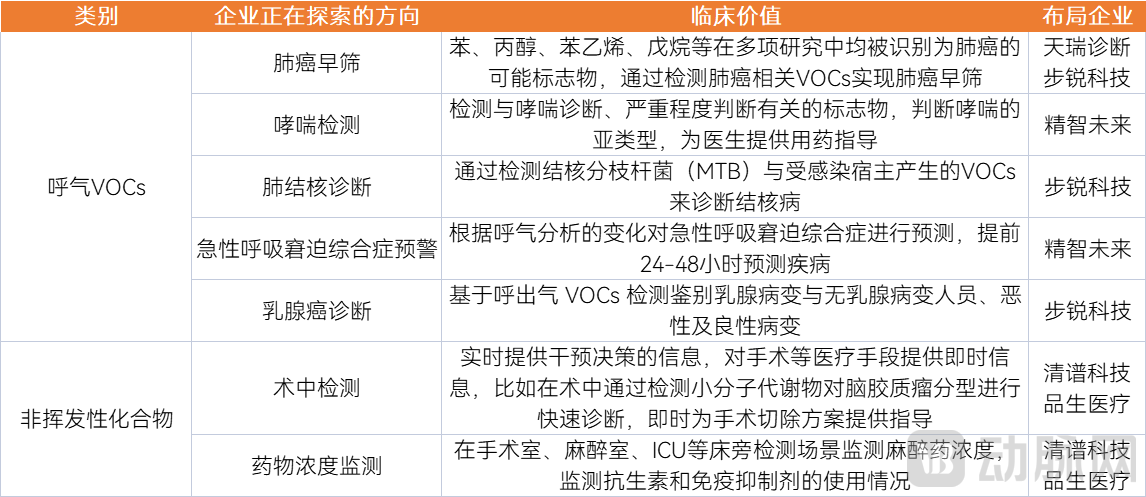
Breath testing is the primary direction for the current clinical application of compact mass spectrometers.Mass Spectrometry-Based Breath Testing utilizes mass spectrometry to detect volatile organic compounds (VOCs) in human exhaled breath, supporting research in disease diagnosis, treatment, and monitoring. VOCs in human exhaled breath are significant components of metabolic products from various organs and tissues throughout the body, with many originating from endogenous physiological and pathological responses. For instance, cancer-related pathological mechanisms—including hypoxia, cellular hyperproliferation, excessive inflammation, and heightened reactive oxygen species activity—can lead to marked changes in the types and concentrations of both local and systemic VOCs. Therefore, VOCs can serve as important biomarkers for comprehensively assessing an individual’s physiological and pathological status. The clinical value of mass spectrometry-based breath testing is currently being rapidly validated. However, widespread clinical application of breath testing requires standardization. Given that breath analysis is susceptible to numerous confounding factors, such as the patient’s pre-test condition and ambient environment, these interfering variables must be excluded to achieve standardized and precise detection.
Miniature mass spectrometers also demonstrate significant advantages in the detection of non-volatile compounds, with related applications still in their early stages.Most compact mass spectrometers on the market are used for detecting volatile organic compounds (VOCs). However, VOC samples account for only a small proportion in the medical field, and most tests still require the detection of non-volatile compounds. Compact mass spectrometers hold significant promise for applications involving non-volatile compounds, such as therapeutic drug monitoring—which has a strong demand for point-of-care testing—and intraoperative analysis. These applications are currently in their early stages. Nevertheless, the technical challenges associated with detecting non-volatile compounds are far greater than those for VOCs, making it impractical to employ complex and time-consuming liquid chromatography separation methods typically used in large-scale mass spectrometry systems. The current approach combines ambient ionization techniques with ion trap technology, enabling the detection of small biomolecules such as amino acids and lipids, as well as drug metabolites.
Clinical mass spectrometry has a wide range of applications, but it remains worthwhile to explore which areas truly represent its core strengths. We have reviewed the current clinical applications of technical platforms such as LC-MS and MALDI-TOF MS, and analyzed the prospects and growth opportunities for different applications.
In Routine LC-MS Applications, Hormone and Chronic Disease Assays Warrant Attention
We generally refer to the clinical applications of LC-MS currently in use as routine applications. The core logic is to replace traditional methodologies with mass spectrometry-based methods. These routine applications include newborn screening, vitamin testing, therapeutic drug monitoring, hormone assays, and chronic disease-related testing. Each application varies in clinical penetration rate, market size, and competitive landscape, resulting in diverse market dynamics.
Comparison of the Potential for Routine Applications of LC-MS
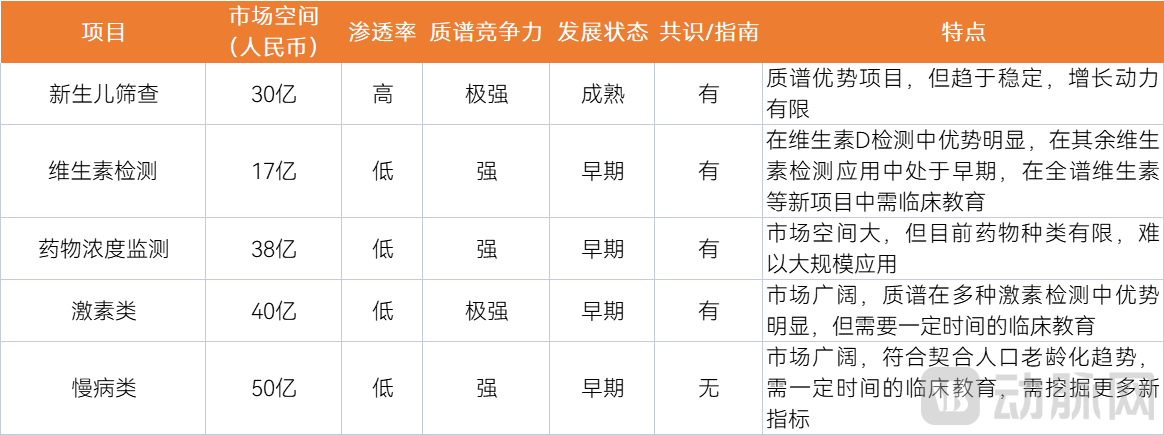
Overall, in terms of replacing traditional methodologies, mass spectrometry is competitive across various application segments, with particularly vast market prospects for hormone-related and chronic disease-related tests. However, focusing solely on the replacement of traditional methods limits the demonstrated value of clinical mass spectrometry. Greater future opportunities lie in innovative applications, such as those for cancer, neurological disorders, and chronic diseases, thereby developing more “killer” applications.
Diversified Applications of Mass Spectrometry-Based Multi-Omics
Leveraging mass spectrometry platforms to advance multi-omics, proteomics, and metabolomics has emerged as a new pathway in clinical mass spectrometry. In particular, high-resolution mass spectrometry platforms offer significantly superior resolution and sensitivity compared to conventional mass spectrometry, enabling the detection of a broader range of substances. By utilizing high-resolution mass spectrometry to discover multi-omic insights and then employing conventional-resolution mass spectrometry for clinical translation, the application of multi-omics research in clinical practice can be accelerated.
Multi-omics reveals organismal functions from a holistic perspective, offering new avenues for addressing fundamental questions in life sciences.Multi-omics research typically encompasses the comprehensive analysis of genes (genomics), widespread changes in gene expression (epigenomics), ribonucleic acid (RNA; transcriptomics), and proteins (proteomics), as well as downstream small-molecule metabolites (metabolomics) generated during the processes of DNA replication, transcription, translation, and post-translational modification.
Concepts of Multi-Omics
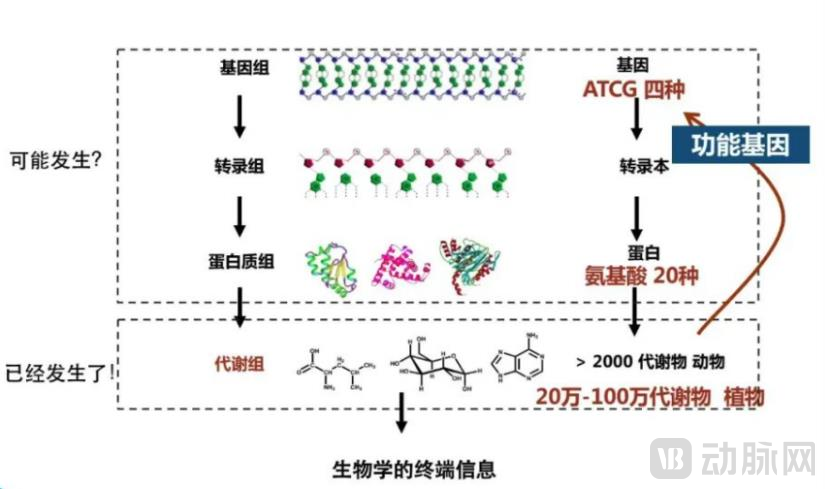
Image source: Professor Luan Hemi’s “Analysis and Applications of Mass Spectrometry-Based Multi-Omics”
A wave of multi-omics research has swept across the globe, with numerous overseas multi-omics companies successfully completing initial public offerings (IPOs). The international multi-omics sector has demonstrated strong growth momentum.Olink is the undisputed leader in multi-omics, particularly in the proteomics sector. Olink can detect 3,000 proteins from a single plasma sample. With a market capitalization of $2.7 billion, its revenue grew from $46 million in 2019 to $140 million in 2022. In Q1 2023, revenue reached $27.457 million, representing a year-over-year increase of 21.1%. Quanterix, with a market capitalization of $860 million, achieved revenue of $106 million in fiscal year 2022, covering oncology, immunology, cardiology, and infectious diseases. SomaLogic, valued at $460 million, can capture 7,000 proteins from a single sample. Zora Biosciences is a representative company applying metabolomics to clinical testing. Its cardiovascular omics testing products are routinely used in hospital systems across multiple European countries, as well as by major medical institutions such as the Mayo Clinic in the United States and Quest Diagnostics, a leading third-party laboratory service provider in the U.S. Relevant tests have been included in U.S. commercial insurance coverage, marking the translation of multi-omics from research to clinical application.
Overseas Companies’ Layout and Progress in Multi-Omics
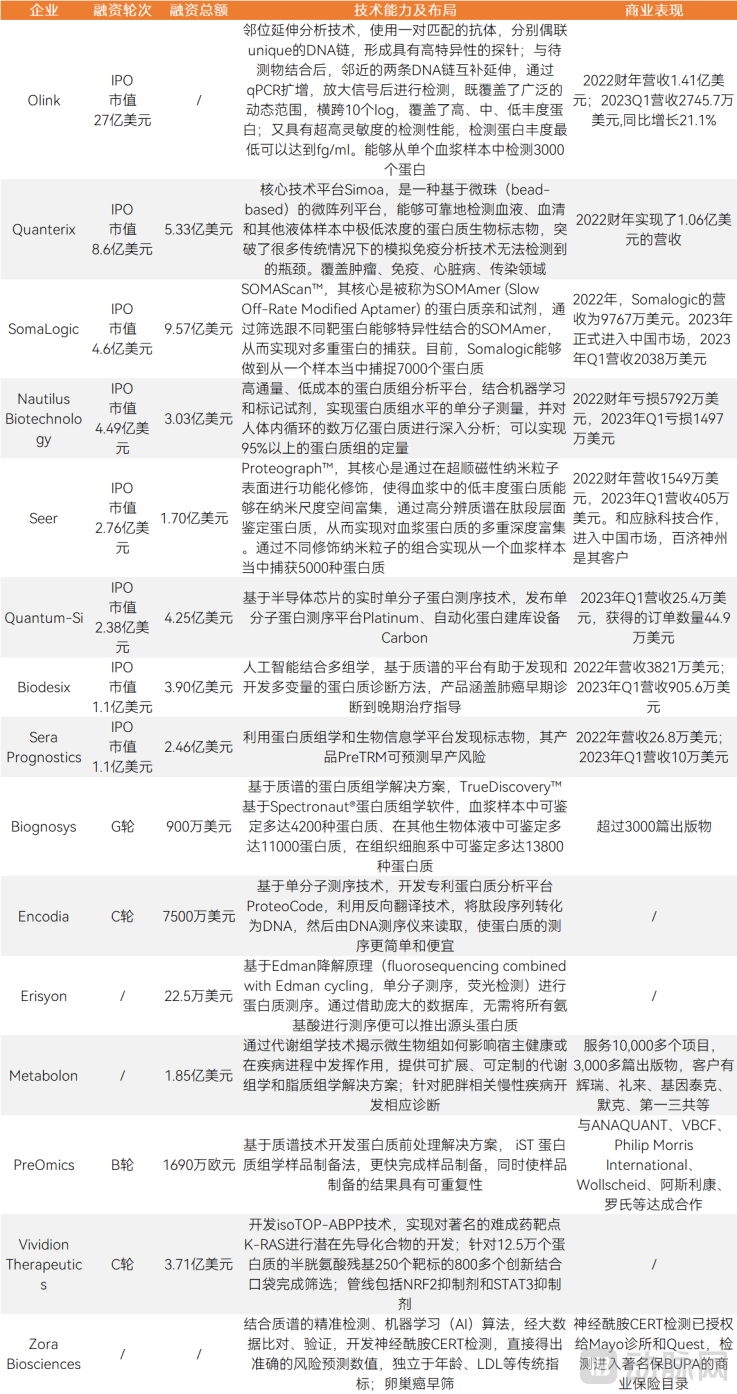
It is evident that scientific research services and new drug development CROs are the current focal points for multi-omics companies. In contrast, successful clinical applications of multi-omics technologies remain rare, with significant attention currently directed toward their use in oncology, cardiovascular diseases, neurology, and maternal and child health.
In the clinical application of multi-omics, approaches represented by proteomics and metabolomics can reveal the molecular changes underlying pathological manifestations, significantly expanding the range of potential disease biomarkers. However, the specificity and stability of these biomarkers remain to be validated. Currently, there are very few multi-omics products that have achieved successful clinical application, with only a handful of companies leading the way.
Layout of Domestic Enterprises in Mass Spectrometry-Based Multi-Omics

Chronic Disease Sector: Ceramides Offer More Reliable Prediction of Cardiovascular Risk
Ceramide is a stronger predictor of cardiovascular disease risk and demonstrates strong competitiveness in cardiovascular risk prediction.Traditionally, cardiovascular risk has been predicted based on cholesterol levels. In the genomics era, genetic technologies are held in high regard for their potential to predict cardiovascular disease risk. A substantial body of basic and clinical research has now confirmed that ceramides serve as a novel biomarker for cardiovascular risk. Ceramides act as "glue," stimulating the aggregation of LDL-C, promoting lipoprotein infiltration into the vascular wall, increasing the rate of lipoprotein transendothelial migration, and inducing plaque formation. Additionally, ceramides function as second messengers to stimulate cytokines, attracting inflammatory immune cells to plaque sites. This process can lead to plaque rupture, subsequently triggering cardiovascular diseases such as heart failure, myocardial infarction, and acute coronary syndrome. These mechanisms establish ceramides as an accurate predictor of cardiovascular risk.
Comparison of Ceramides, Susceptibility Genes, and Cholesterol in Predicting Cardiovascular Disease Risk
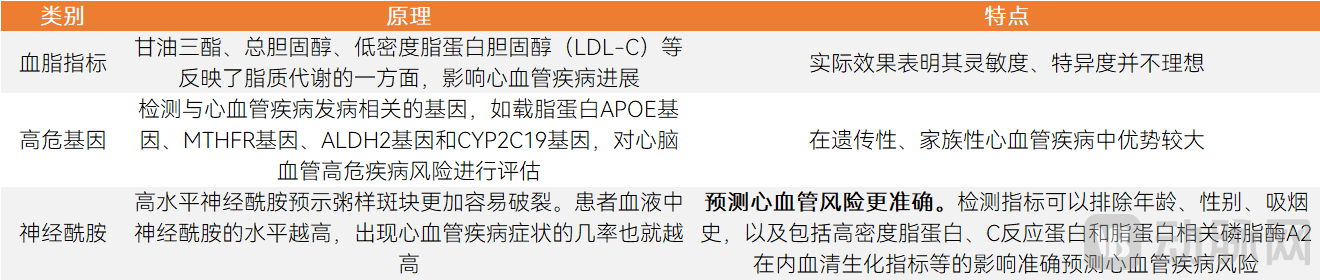
In 2016, Reijo Laaksonen, a professor at the University of Tampere in Finland and scientist at Zora Biosciences, a globally renowned multi-omics precision medicine company, along with his team, discovered for the first time that plasma ceramides could accurately predict cardiovascular death events, independently of LDL. There are nearly 300 types of ceramides in the human body, but not all are associated with cardiovascular, metabolic, and other diseases. Reijo Laaksonen and his team identified the four ceramides most closely related to cardiovascular disease. Their research confirmed that Cer(16:0), Cer(18:0), and Cer(24:1) are upregulated in patients with cardiovascular disease and are significantly associated with an increased risk of cardiovascular disease, while Cer(24:0) enhances the predictive capacity for cardiovascular mortality. Higher ratios of Cer(16:0)/Cer(24:0), Cer(18:0)/Cer(24:0), and Cer(24:1)/Cer(24:0) indicate a higher risk of cardiovascular death, independent of LDL-C. This study was published in the European Heart Journal, which has an impact factor as high as 40, marking a milestone in ceramide research and receiving extensive citations. In 2023, Science magazine featured a prominent article titled “Starting from the Heart,” highlighting the achievements of Zora Biosciences and sparking intense discussion within the global cardiovascular community.
Given that ceramides are present in extremely low concentrations in human plasma, accounting for less than 1% of all lipid molecules,Mass spectrometry enables precise detection of ceramides. Consequently, ceramides have become a new strategic focus for clinical mass spectrometry companies in their multi-omics portfolios.
Mass Spectrometry-Based Multi-Omics Products for Cardiovascular Disease and Chronic Disease Risk Screening
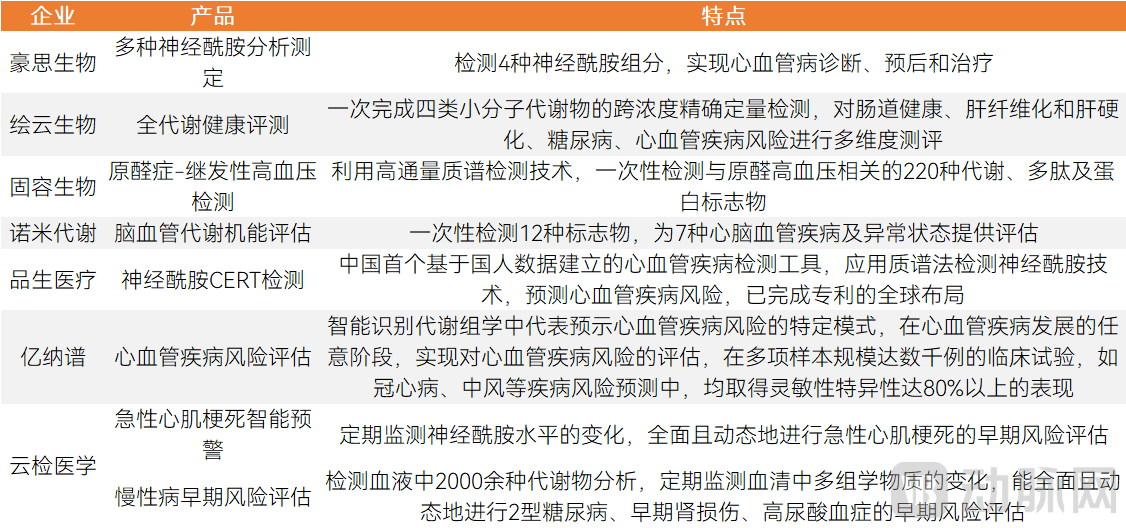
In the field of oncology, early screening is a key focus of mass spectrometry-based multi-omics.
Mass spectrometry-based multi-omics has accelerated advancements in precision oncology diagnosis and treatment. Existing studies have revealed that proteins, nucleic acids, peptides, and metabolites in samples such as blood and urine exhibit strong correlations with tumors, enabling early cancer screening and auxiliary diagnosis. In the oncology sector, multiple products are undergoing clinical translation, with early cancer screening being a particular hotspot; there are relatively more early screening products for colorectal cancer, which has a high incidence rate. In terms of technical approach, most products are based on metabolites, leveraging the distinct metabolic characteristics of tumors for diagnostic purposes.
Domestic Cancer Detection Products Based on Mass Spectrometry Multi-Omics

Overall, the application of multi-omics in clinical diagnosis is expected to reach a turning point within three years.The launch of more high-resolution mass spectrometry products and innovations in materials technology are accelerating the explosive growth of multi-omics. In the future, disease diagnosis, early screening, and prognostic monitoring based on multi-omics research will be widely adopted in clinical practice. Precision medicine is entering an era centered on multi-omics.
From Qualitative to Precise Quantitative Analysis: MALDI-TOF MS Applications Reach a New Level
MALDI-TOF MS has immense application potential waiting to be explored.The clinical application of microbial mass spectrometry has matured, resulting in low instrument repurchase rates and a narrow market. In reality, nucleic acid testing, protein quantification, and mass spectrometry imaging represent new MALDI-TOF MS fields with broad clinical application prospects.
Nucleic Acid Mass Spectrometry Is a Highly Popular New Direction, with Intensifying Competition
Shifting from microbial mass spectrometry to nucleic acid mass spectrometry is a viable pathway, with an increasing number of companies strategically positioning themselves in the nucleic acid mass spectrometry sector. The microbial mass spectrometry market is crowded with numerous players and intensifying competition. In contrast, nucleic acid mass spectrometry faces relatively less competition while offering substantial market growth potential, making it more attractive to enterprises. The primary barrier to entry in nucleic acid mass spectrometry lies in patent protections surrounding nucleic acid typing reagents. However, as more domestic companies enter this field, these barriers are gradually being dismantled. Currently, Chinese nucleic acid mass spectrometry companies are actively expanding into areas such as pharmacogenomics, genetic disorders, infectious diseases, and early cancer screening.
Domestic Companies' Layout in Nucleic Acid Mass Spectrometry
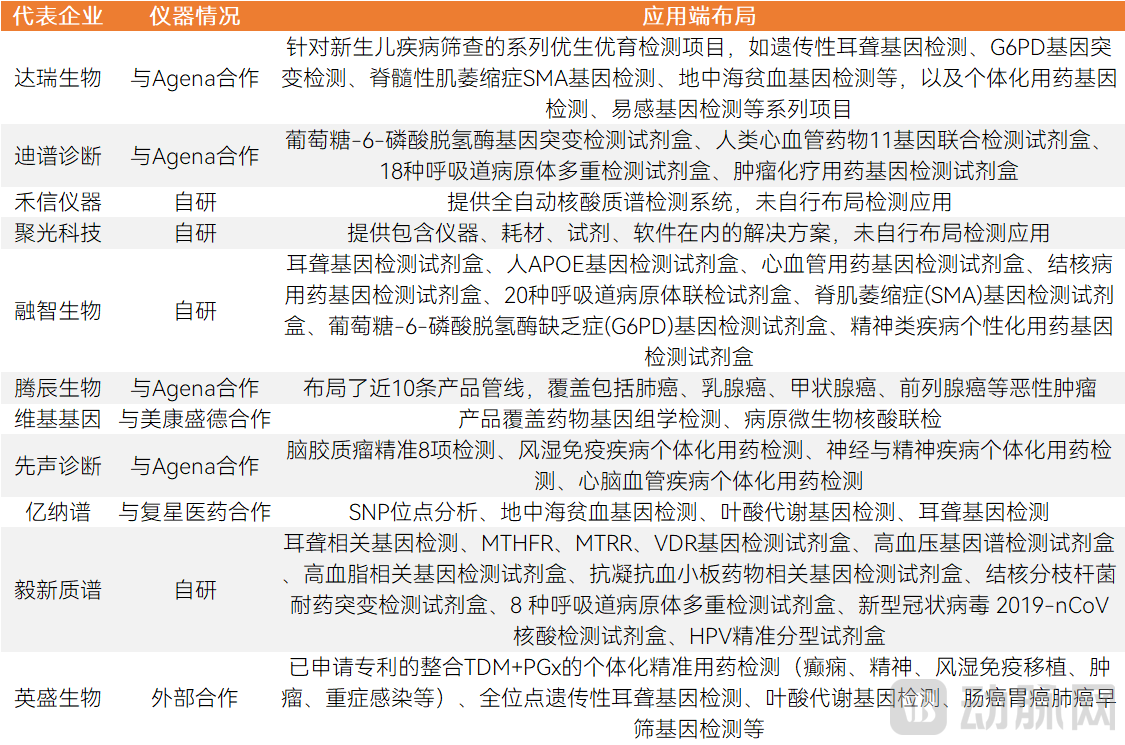
Obtaining regulatory approval for nucleic acid mass spectrometry is challenging; in 2023, two nucleic acid mass spectrometry reagents received NMPA approval.The threshold for obtaining regulatory approval for nucleic acid mass spectrometry kits is relatively high. On one hand, nucleic acid mass spectrometry reagents are classified as Class III medical devices, subject to stringent regulation. On the other hand, nucleic acid mass spectrometry detects multiple loci; according to regulatory requirements, each locus requires 1,000 clinical samples. However, certain loci have an extremely low mutation rate, making clinical trials highly challenging. Consequently, nucleic acid mass spectrometry has long been operated under the Laboratory Developed Tests (LDT) model. In 2023, two nucleic acid mass spectrometry kits—the “Kit for Detection of Twenty Genetic Mutations Associated with Hereditary Deafness” in the field of genetic diseases, and the “Human CYP2C19 Genotyping Kit” in the field of pharmacogenomics—received approval from the National Medical Products Administration (NMPA), marking a breakthrough significance.
Homogenization of business directions is beginning to emerge, and competitive pressure in the domestic nucleic acid mass spectrometry market is increasing.A comparison between Agena and domestic nucleic acid mass spectrometry companies reveals a certain degree of homogenization in their business directions. Domestic enterprises either collaborate with Agena, such as Dipu Diagnostics, Simcere Diagnostics, and Darui Biotechnology, or follow Agena’s approach in their product portfolios. Under these circumstances, domestic companies may face significant pressure. In the future, these enterprises need to achieve full localization of nucleic acid mass spectrometry platforms while rapidly developing more typical success stories to secure breakthroughs in clinical applications.
MALDI-TOF MS can also be used for protein quantification, with approved products already available.
MALDI-TOF MS is cost-effective and user-friendly. Due to its qualitative nature and lower sensitivity requirements, it has been successfully applied in microbial mass spectrometry and nucleic acid mass spectrometry. However, to further explore more promising clinical applications such as protein quantification, enhancing its detection capabilities is imperative.
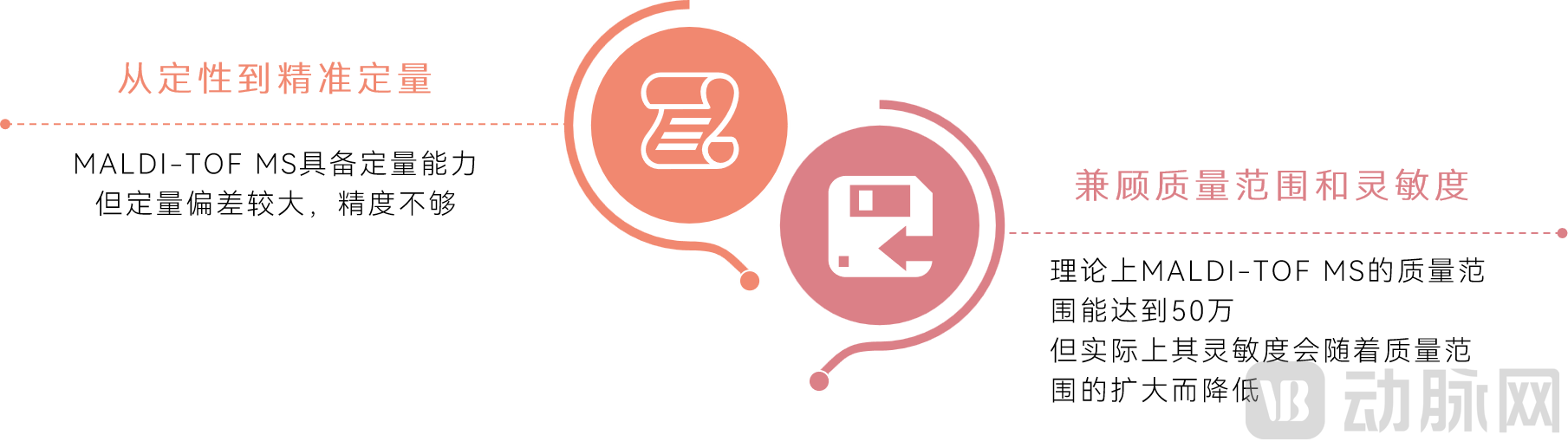
There are two fundamental approaches to enhancing MALDI-TOF MS detection capabilities: first, achieving a leap from qualitative to quantitative analysis; and second, expanding the mass range while maintaining sensitivity.
First, in terms of quantification, while MALDI-TOF MS inherently possesses quantitative capabilities, it exhibits substantial variability and bias in quantitative measurements, resulting in insufficient precision that fails to meet the requirements for clinical testing.
Secondly, regarding the mass range, microbial mass spectrometry typically operates within a range of 1,000–12,000 Da, while nucleic acid mass spectrometry is generally limited to below 10,000 Da. However, quantitative protein assays such as glycated hemoglobin require a mass range of approximately 16,000 Da, and antibodies demand an even higher upper limit, necessitating a mass range of up to 150,000 Da. This requires MALDI-TOF MS systems to achieve a broader mass range. Theoretically, the mass range of MALDI-TOF MS can reach 500,000 Da; however, sensitivity decreases as the mass range expands, requiring a balance between mass range and sensitivity.
Strategies for Enhancing Detection Capabilities with MALDI-TOF MS
By expanding the mass range and enhancing precise quantification capabilities of MALDI-TOF MS, a new frontier in clinical mass spectrometry—protein quantification testing—can be opened up.
Protein quantification via chemiluminescence faces challenges such as antibody dependence, poor anti-interference capability, low detection throughput, and high costs. Currently, protein quantification primarily relies on chemiluminescent assays, which depend on antibody-protein binding for measurement but suffer from several limitations. First, chemiluminescent protein quantification requires specific antibodies to recognize target proteins; however, antibodies are unavailable for the vast majority of clinically relevant analytes, rendering quantification impossible in these cases. Second, even when antibodies are available, they are susceptible to interference. Third, proteins exist in various forms, and antibodies cannot distinguish between protein variants. These factors collectively compromise the accuracy of chemiluminescence-based protein quantification.
The new-generation MALDI-TOF MS platform has received approval from the National Medical Products Administration (NMPA) for the quantitative determination of glycated hemoglobin in human whole blood samples. Glycated hemoglobin indirectly reflects a patient’s average blood glucose levels over the preceding three months. The test results are not affected by sleep-wake cycles, emotional state, or dietary intake, making it the currently recognized standard for assessing long-term glycemic control in patients with diabetes. In the general population, glycated hemoglobin levels are below 5.9%; a level exceeding 6.5% indicates diabetes, necessitating precise quantitative measurement of glycated hemoglobin.
Balancing Spatial Resolution, Sensitivity, and Acquisition Speed to Enable Clinical Applications of Mass Spectrometry Imaging
With a broader mass range and precise quantification capabilities, the clinical applications of MALDI-TOF MS in mass spectrometry imaging are also being explored.
Mass spectrometry imaging (MSI) is an imaging technique that leverages mass spectrometry methods, coupled with specialized MSI software, to generate images by analyzing the molecular masses of biological molecules using a mass spectrometer. MSI can simultaneously characterize the in situ distribution of multiple molecules within a sample without the need for labeling, offering higher sensitivity. It is poised to replace certain traditional staining and labeled tissue imaging techniques and is transitioning from basic research to practical applications.
The clinical application of mass spectrometry imaging requires a comprehensive consideration of spatial resolution, sensitivity, and data acquisition speed.Spatial resolution determines precision; however, an increase in spatial resolution results in fewer ions generated, thereby necessitating extremely high sensitivity. Meanwhile, clinical practice is highly sensitive to acquisition speed, yet faster speeds impose even greater demands on instrumental sensitivity. Current mass spectrometry imaging (MSI) solutions for research applications often only balance spatial resolution and sensitivity, with imaging speeds too slow to facilitate clinical adoption of MSI. Some companies have already achieved the clinical translation of mass spectrometry imaging, leveraging MSI systems for intraoperative pathological slice diagnosis.
Comparison of Characteristics Across Application Fields of MALDI-TOF MS

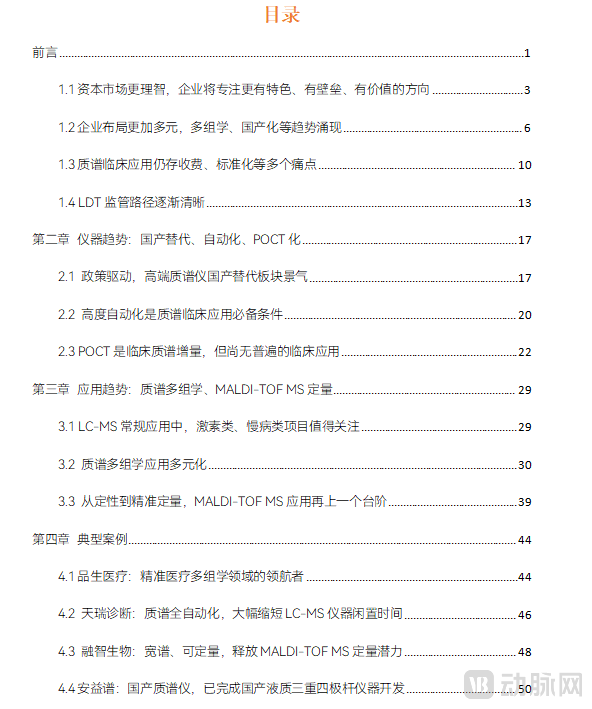
The above is an excerpt of the main content of the report. The complete framework of the report is as follows:
To obtain the full report, please scan the QR code to add our assistant and initiate a conversation.